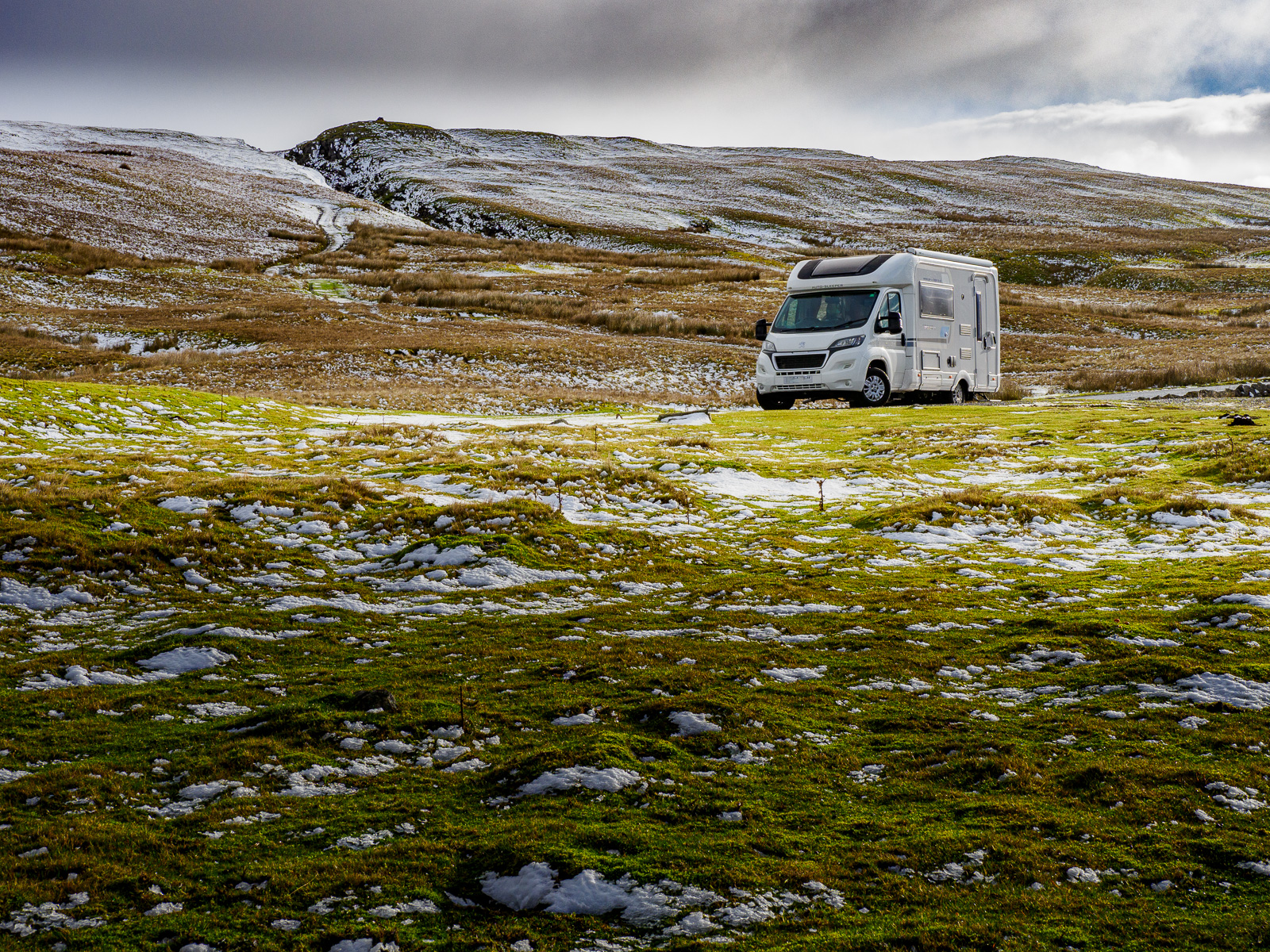

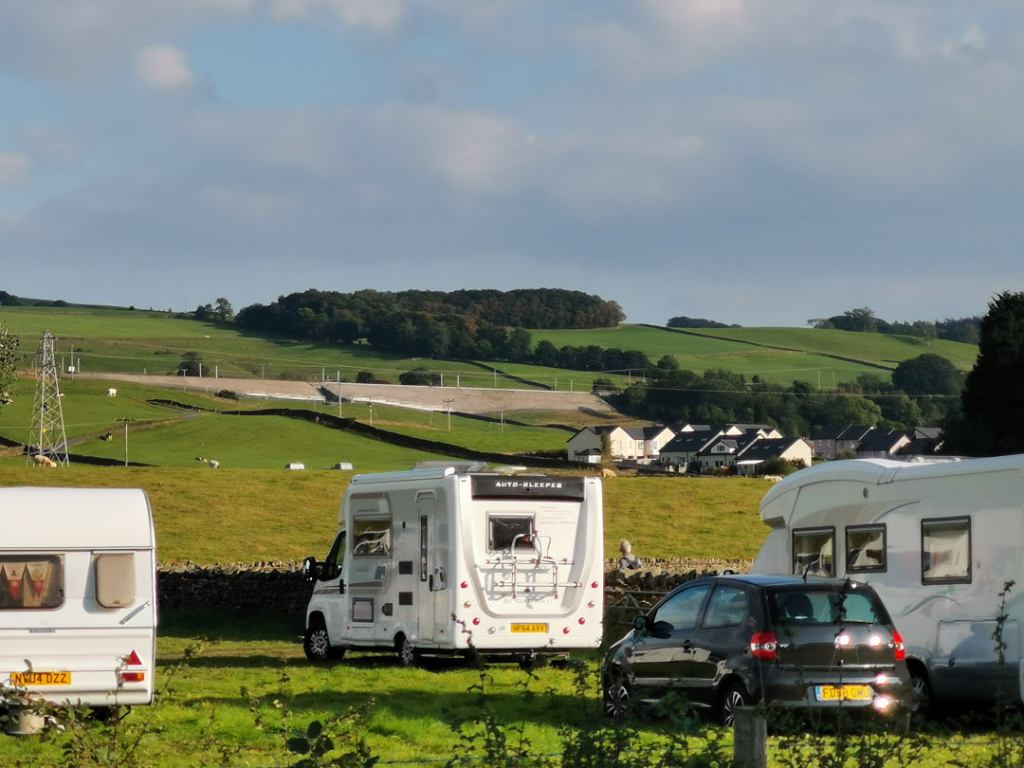
We are staying for the weekend on a Camping and Caravan Club temporary site at Spital Farm Caravan Site, on the outskirts of Kendal but within easy walking distance and handy for local supermarkets and other shops. It is the first time I have stayed within spitting distance of a Carpetright shop, but the view in the other direction is much more pleasant.
Kendal is a busy town which, although there are some vacant shop premises in the town centre, does not appear to have suffered to the same extent as some others. The shops are mostly small, varied and there are numerous independent local businesses. It is well connected with train services to the central lake district and good access to the M6 motorway.
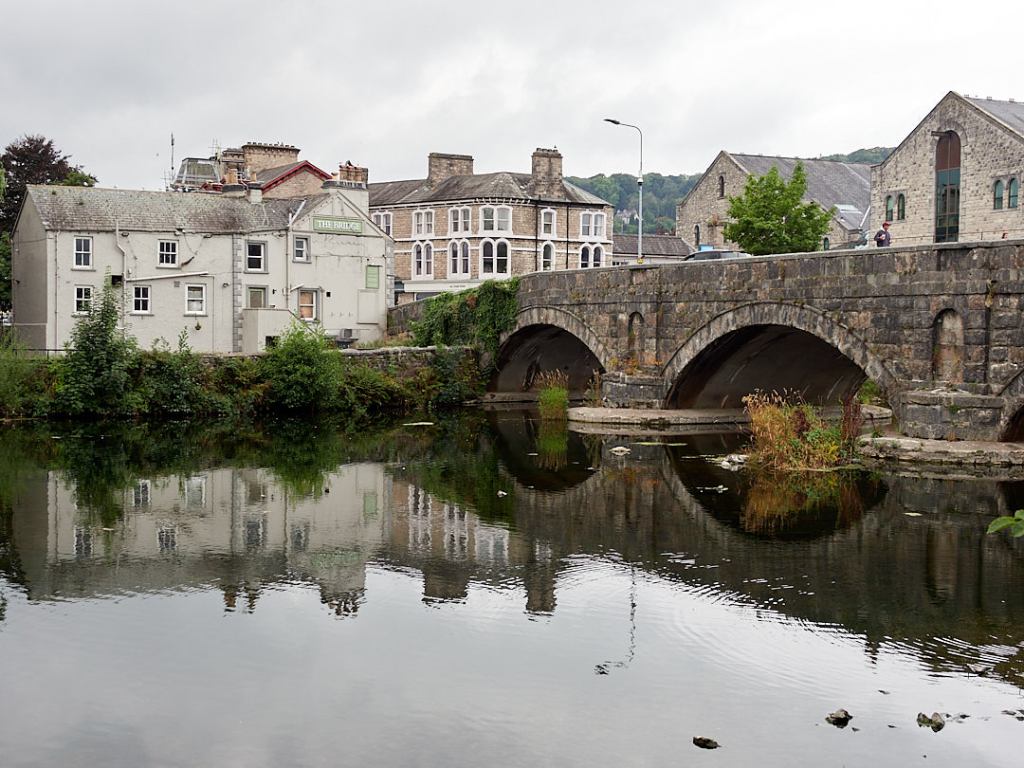
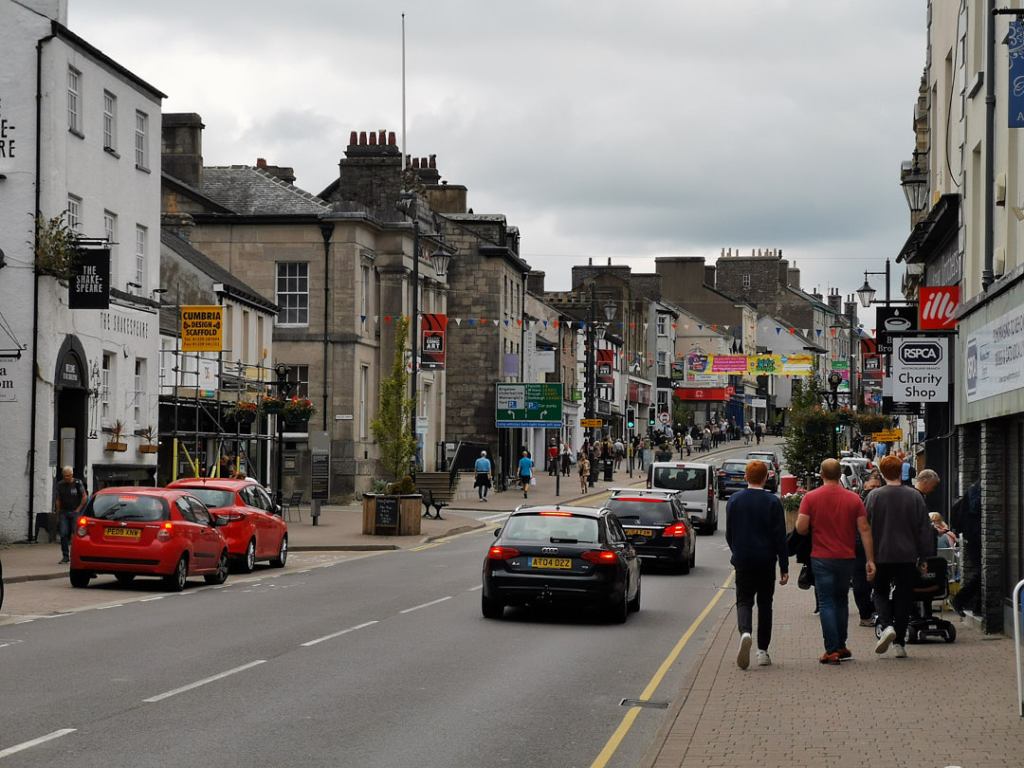
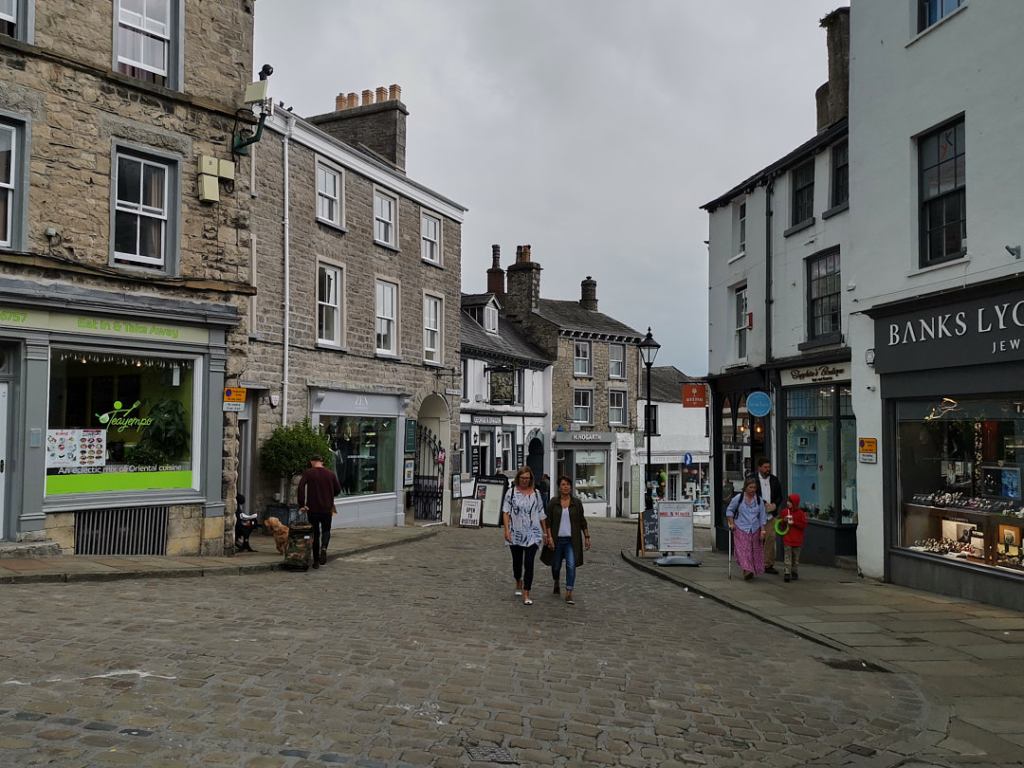
Most of the buildings are contructed from a local limestone which is grey in colour and this informs the town’s nickname of “Auld Grey Town”, which admittedly does not sound appealing, but there are many interesting and old buildings in the town centre which is full of character.
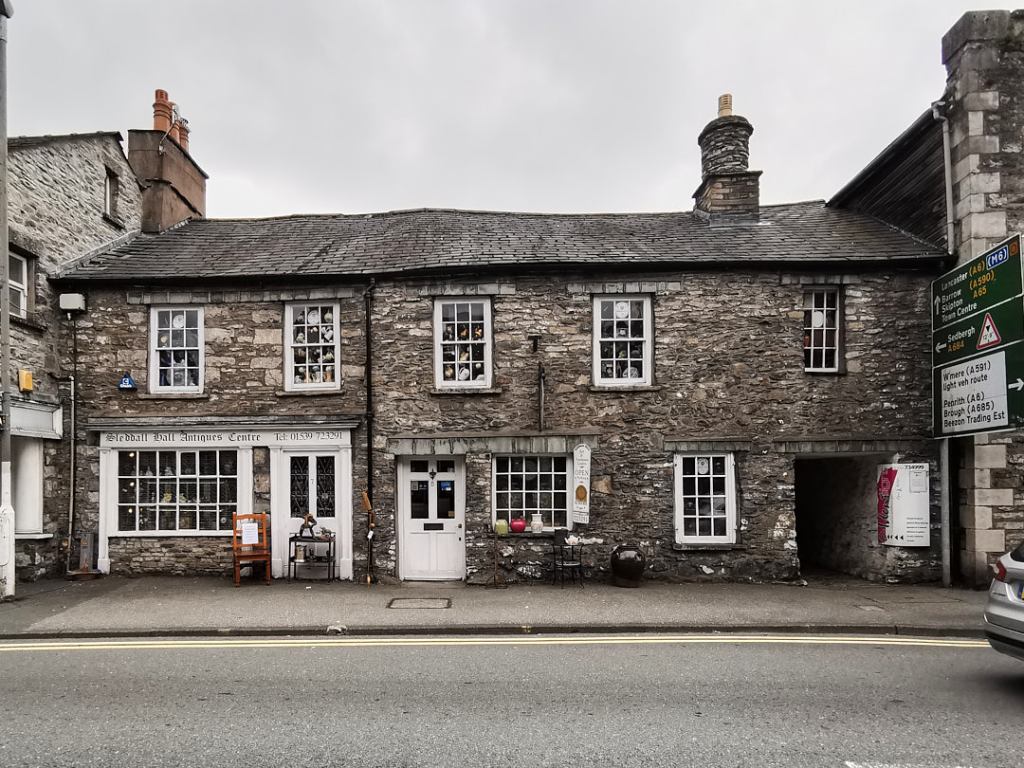
The Castle Dairy was originally built in the 14th century (later remodelled) and was originally a farmhouse.
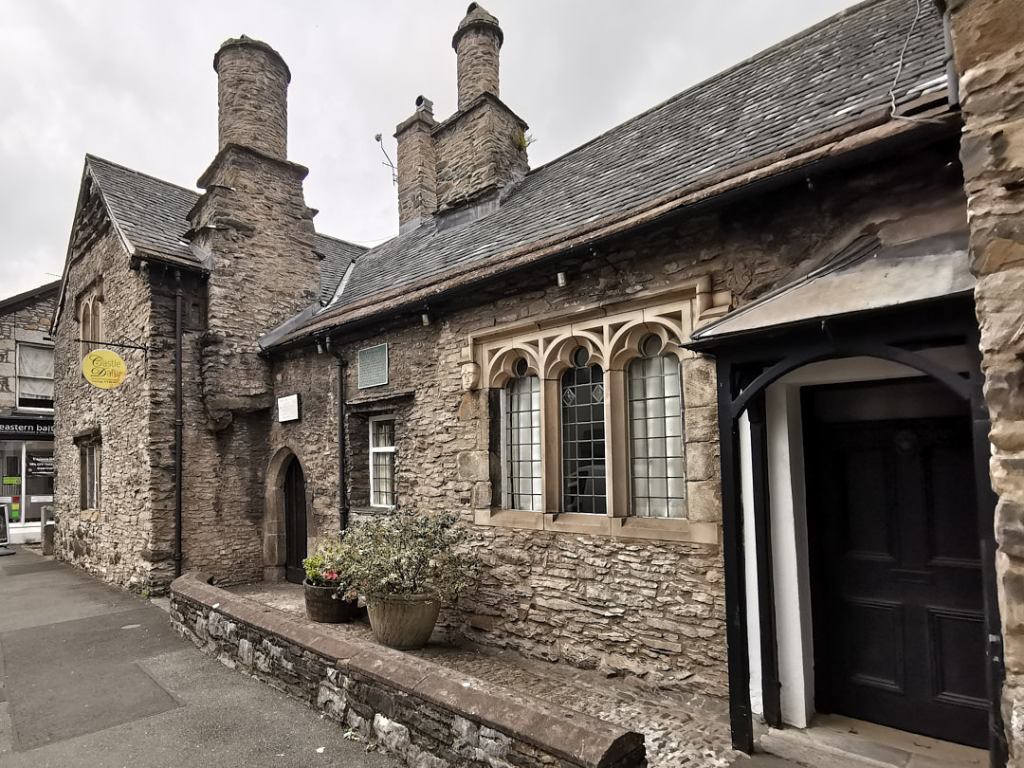
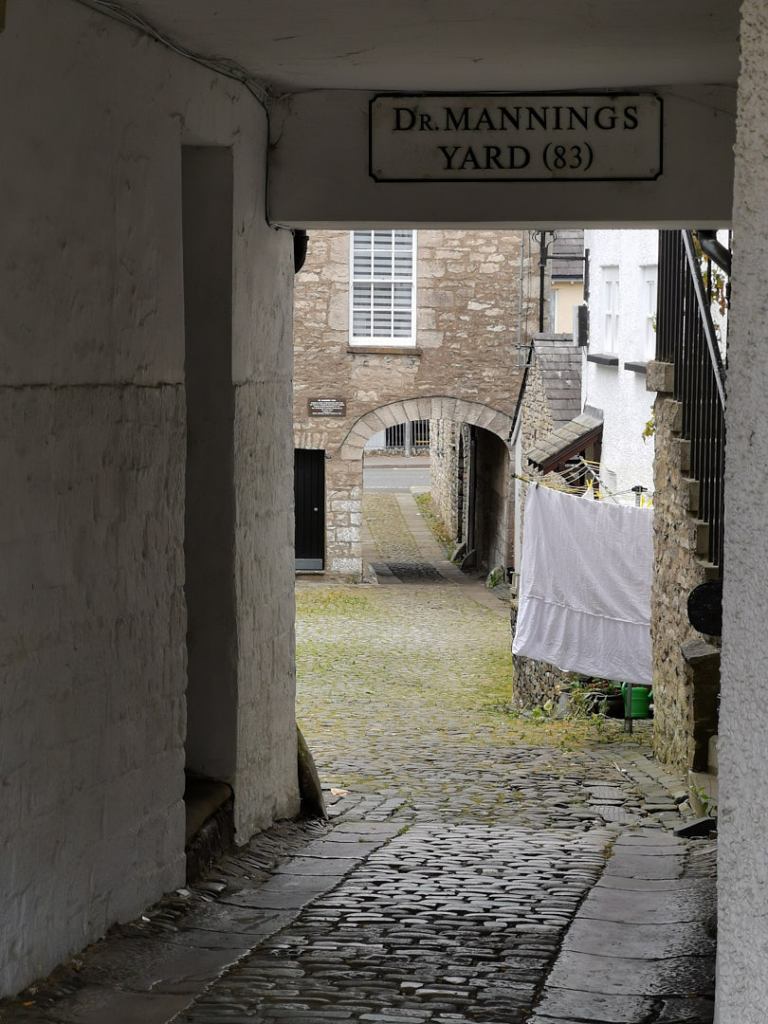
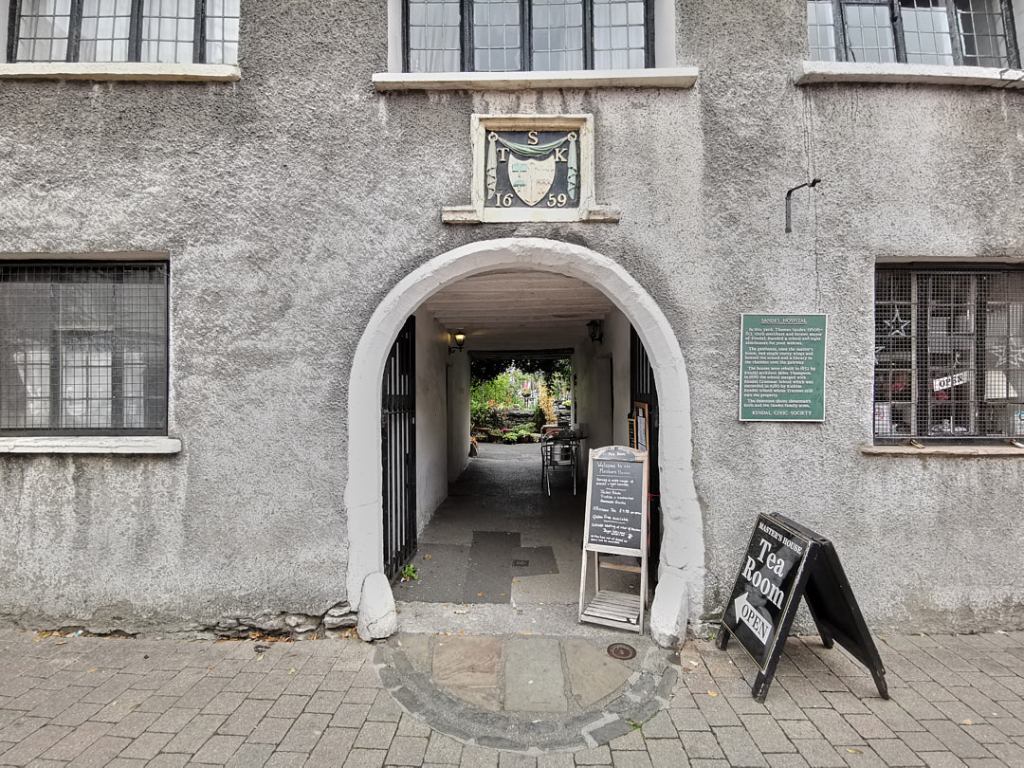
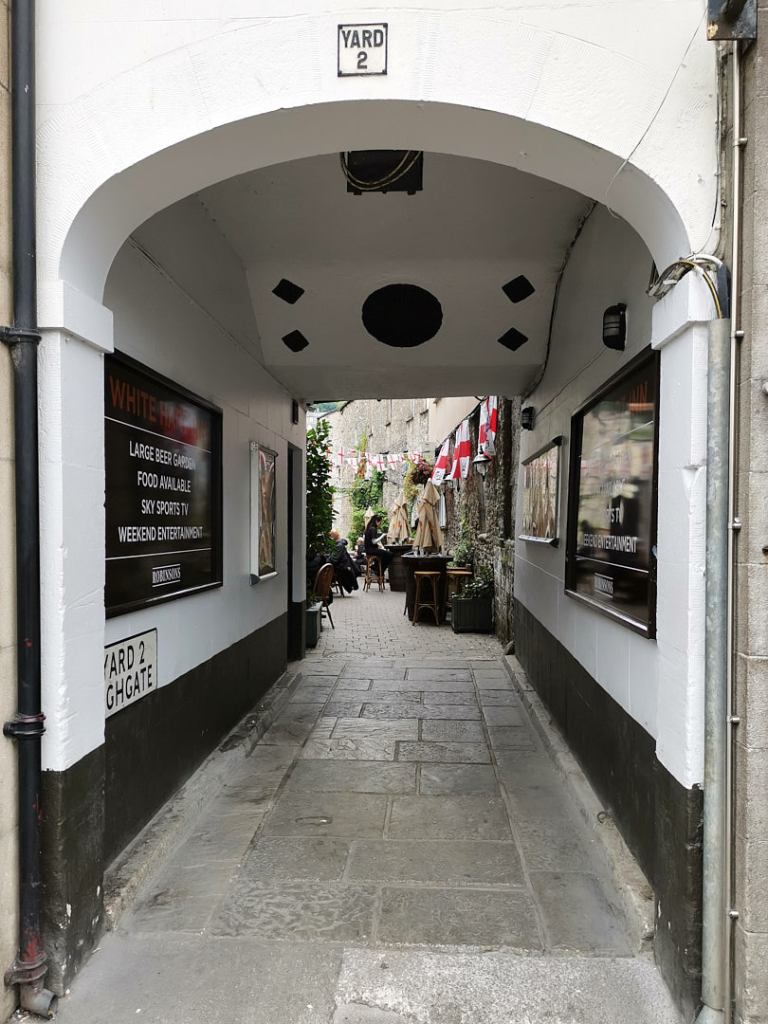
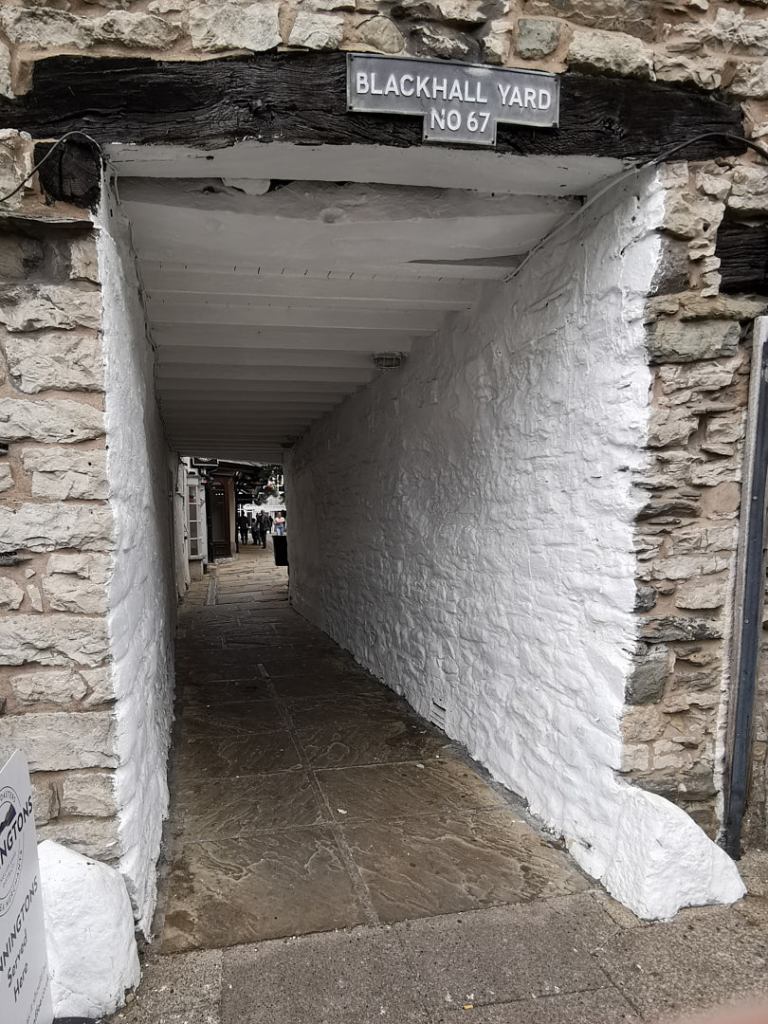
On either side of the main street there are many “yards” which are accessed via alleyways through the buildings. Some are quite large and have been developed further into retail spaces and others are merely passageways through to the streets behind.
Kendal Castle
The town boasts two castles and a Roman fort. Kendal Castle, Castle Howe and Watercrook Roman Fort. We visited Kendal Castle on this trip.
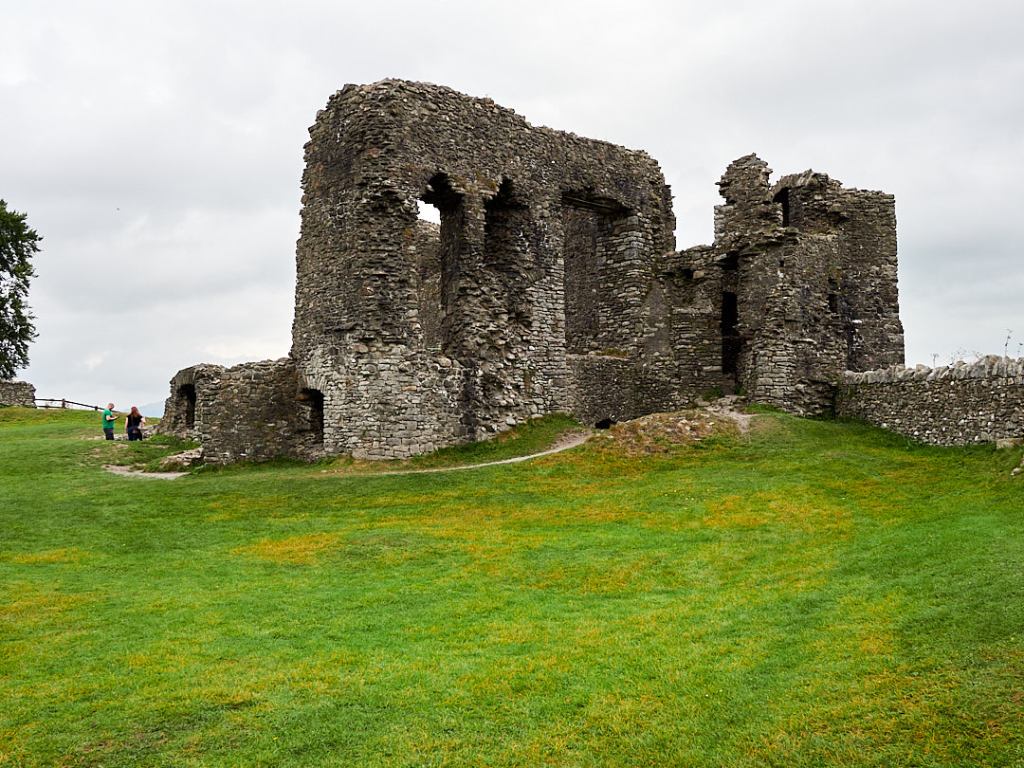
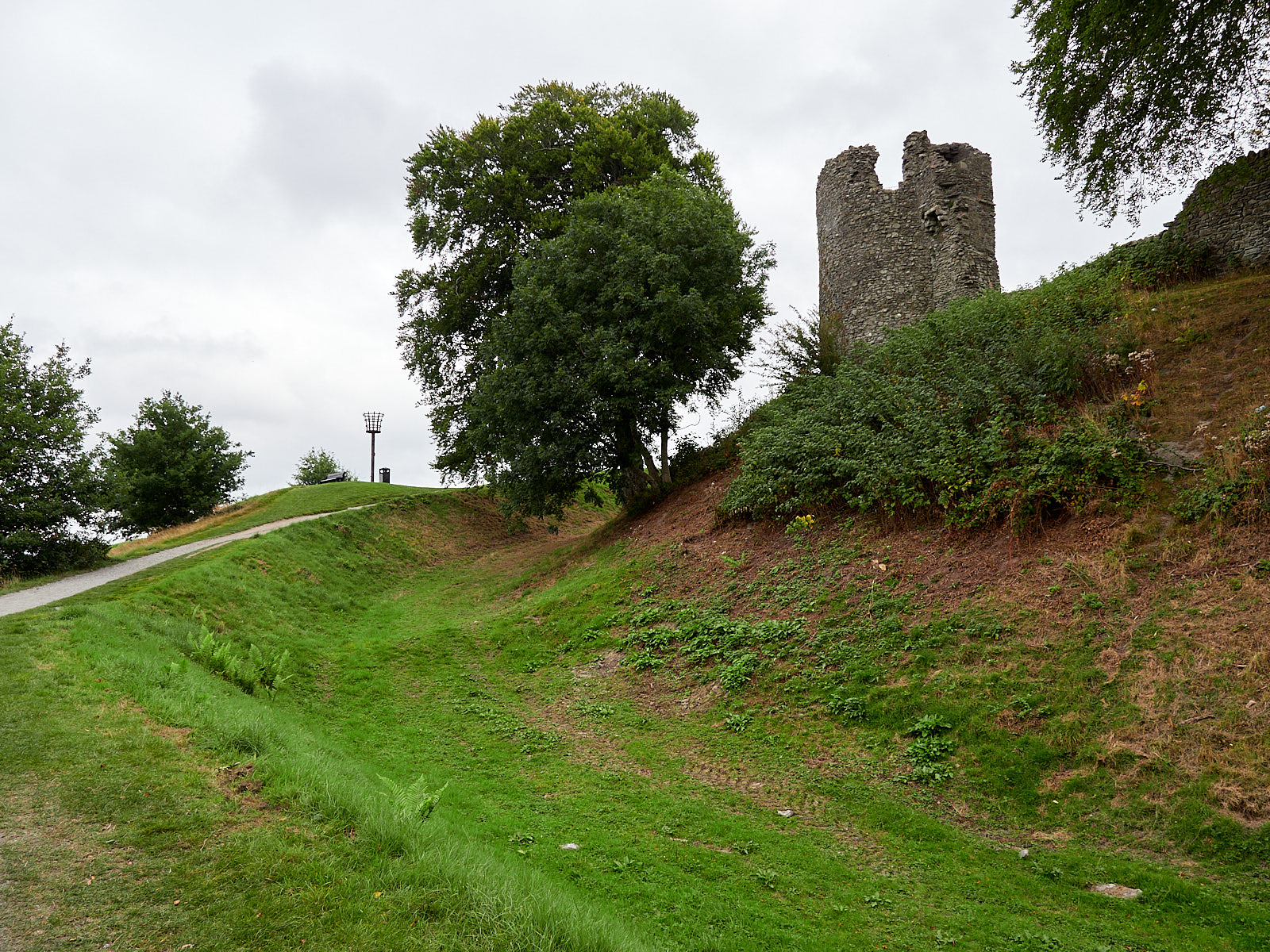
Kendal Castle must have been impressive in its day but alas there is not much remaining today.
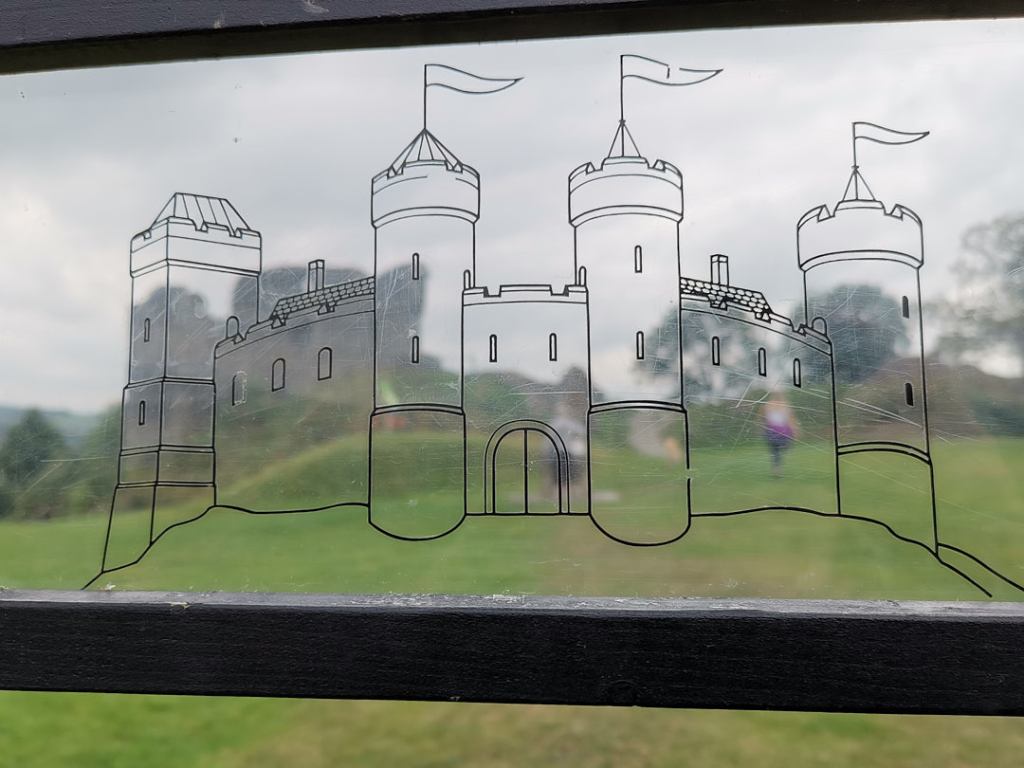
It is built on a hill to the south of the town centre and occupies a clearly defensible position overlooking the town and surrounding lands.
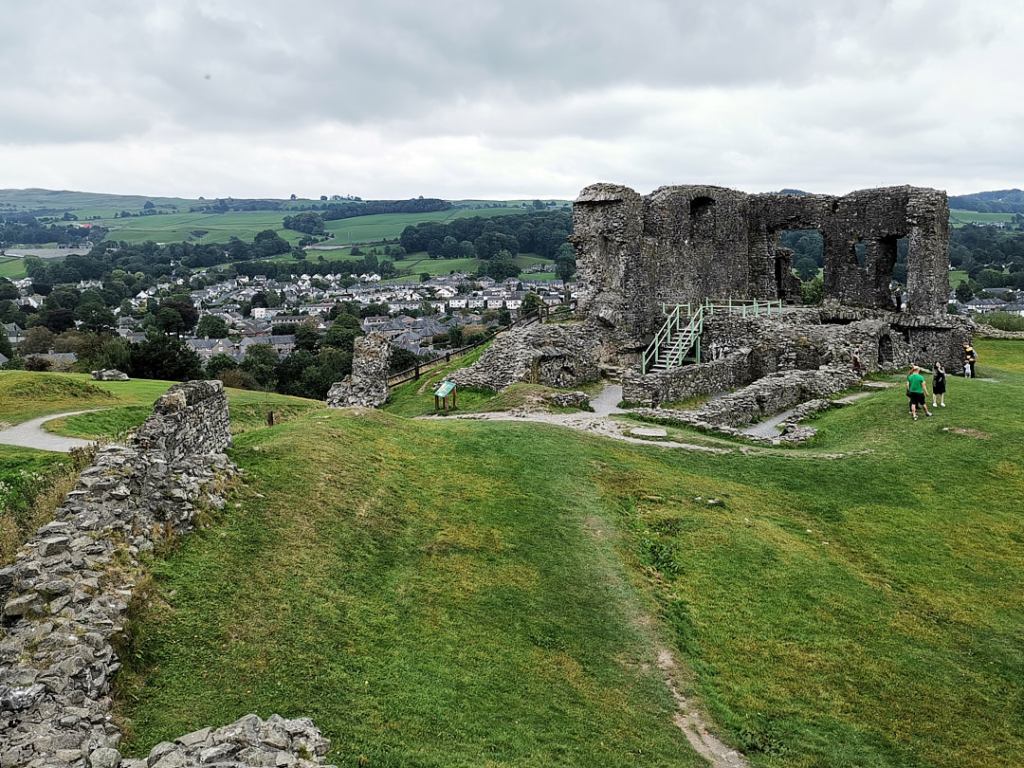
The castle was originally built of wood around 1184 to defend the town against the marauding Scots. The stone castle was built around 1240 and over time was extended and fortified by the enourmously wealthy Barons of Westmoreland. The castle itself was never attacked, but the town was ransacked several times, twice by Robert the Bruce in 1316 and 1322.
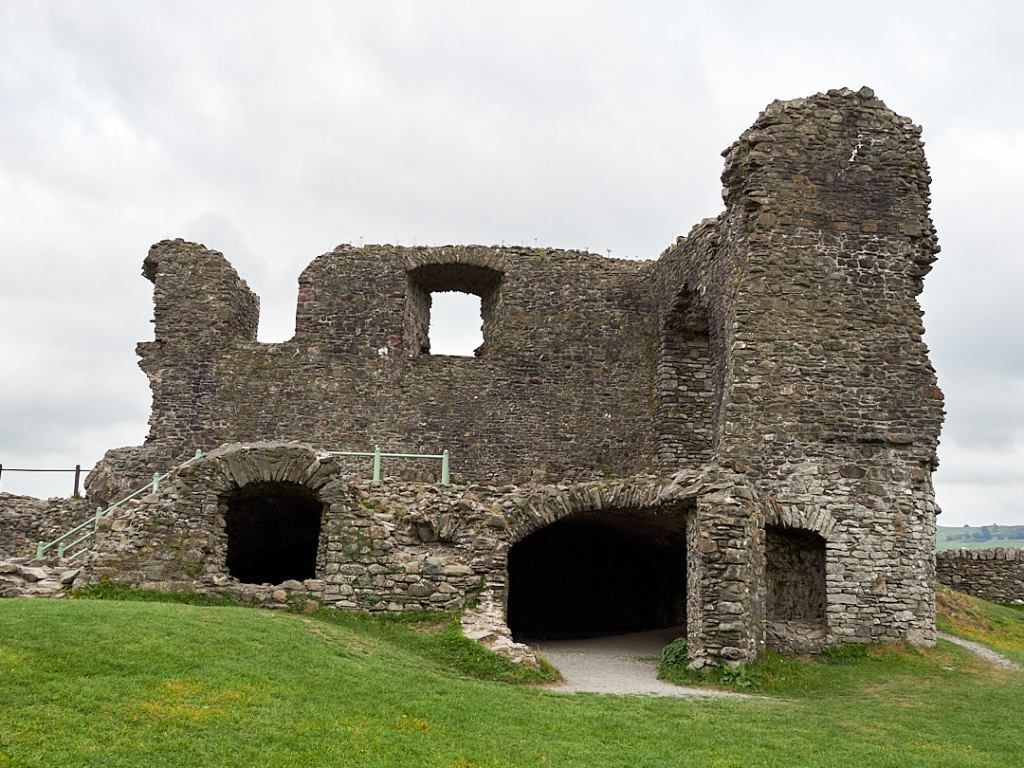
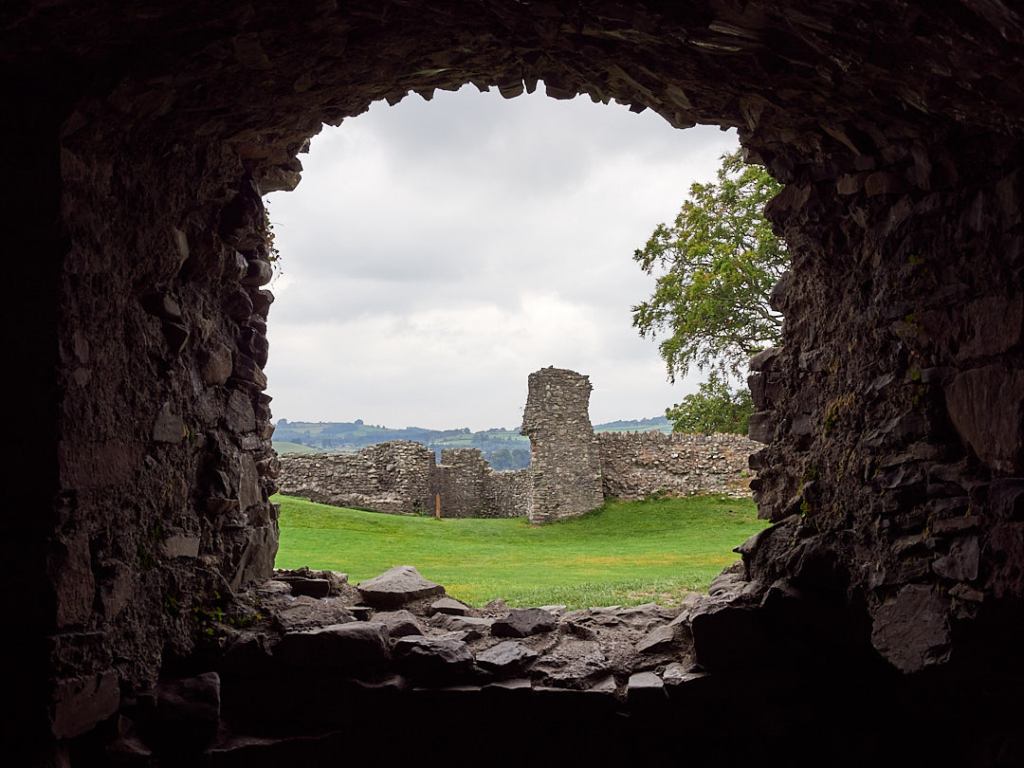
The most extensive changes were made by Sir William Parr, between 1461 and 1483. He is buried in the parish church (see below). He built a lavishly decorated great hall which was over 10 metres high and extensive cellars for the storage of food and drink.
Holy Trinity, Kendal Parish Church
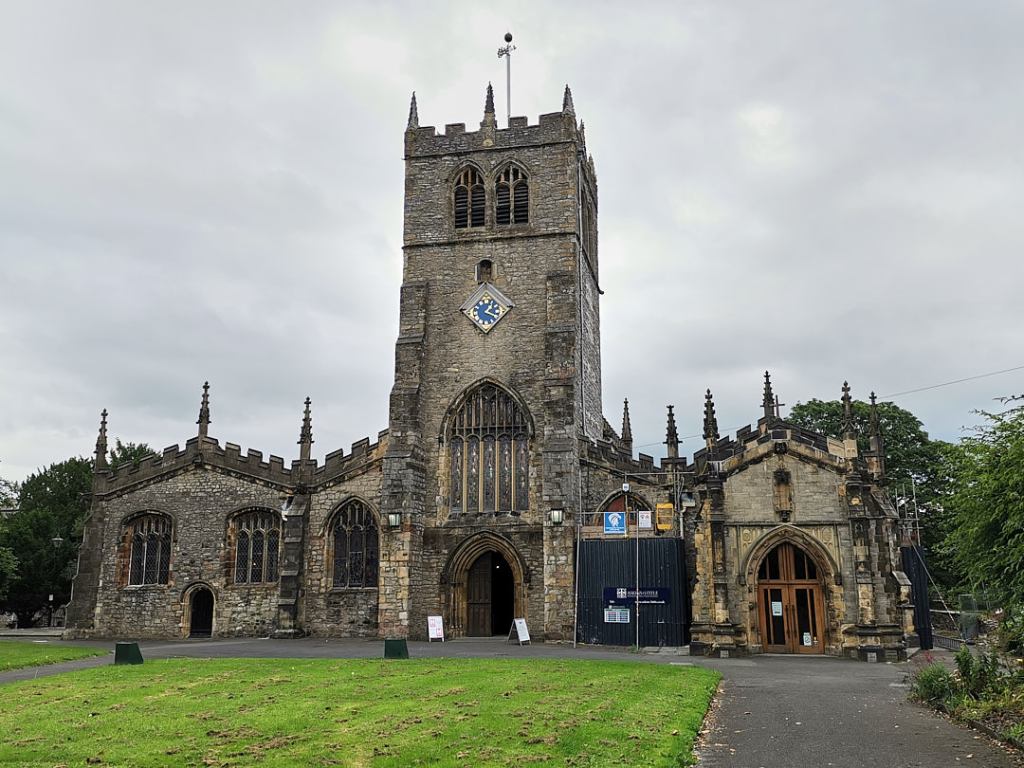
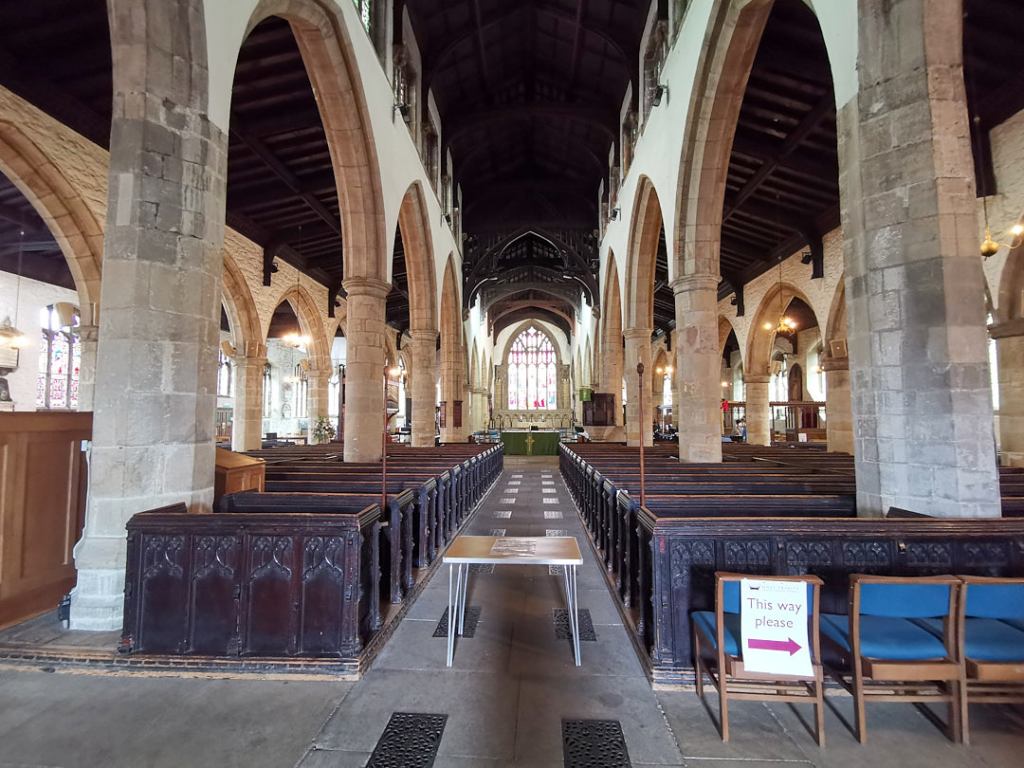
The church is thought to be the oldest building in Kendal, much of it being built in the 13th century. It is also one of the widest churches in the country, with additional wide, outer aisles on each side of the nave and inner aisles.

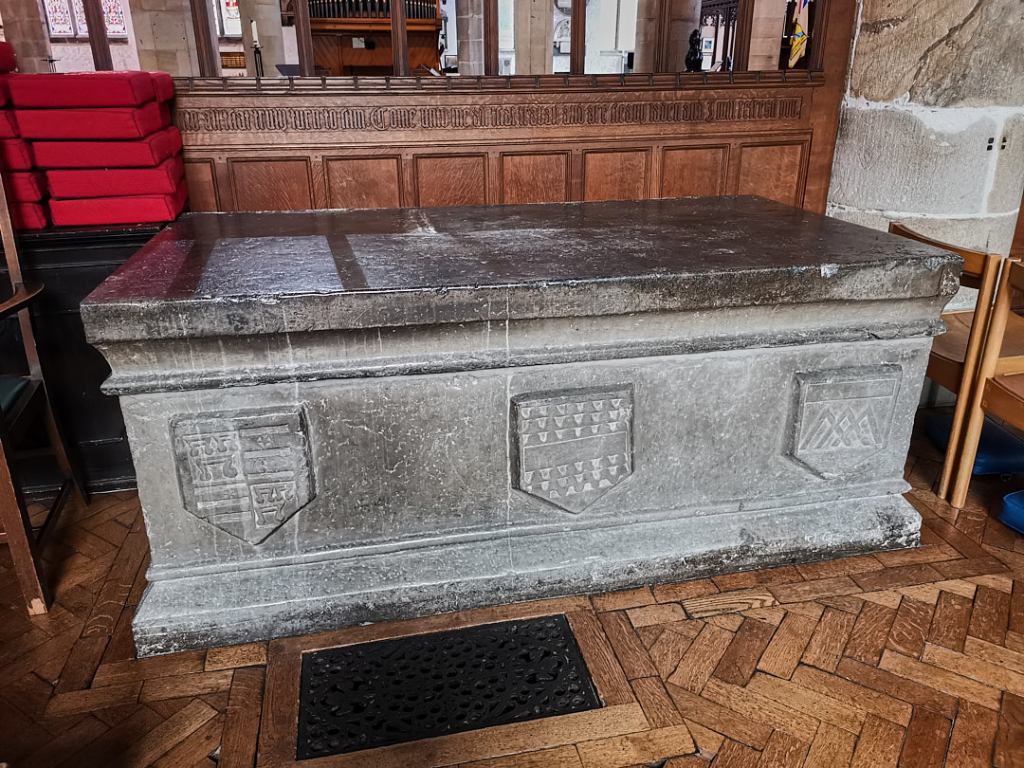
The Parr chapel at the head of the outer south aisle, houses a large stone tomb which is believed to be that of Sir William Parr, grandfather of Queen Katherine Parr, the 6th and last wife of King Henry VIII.
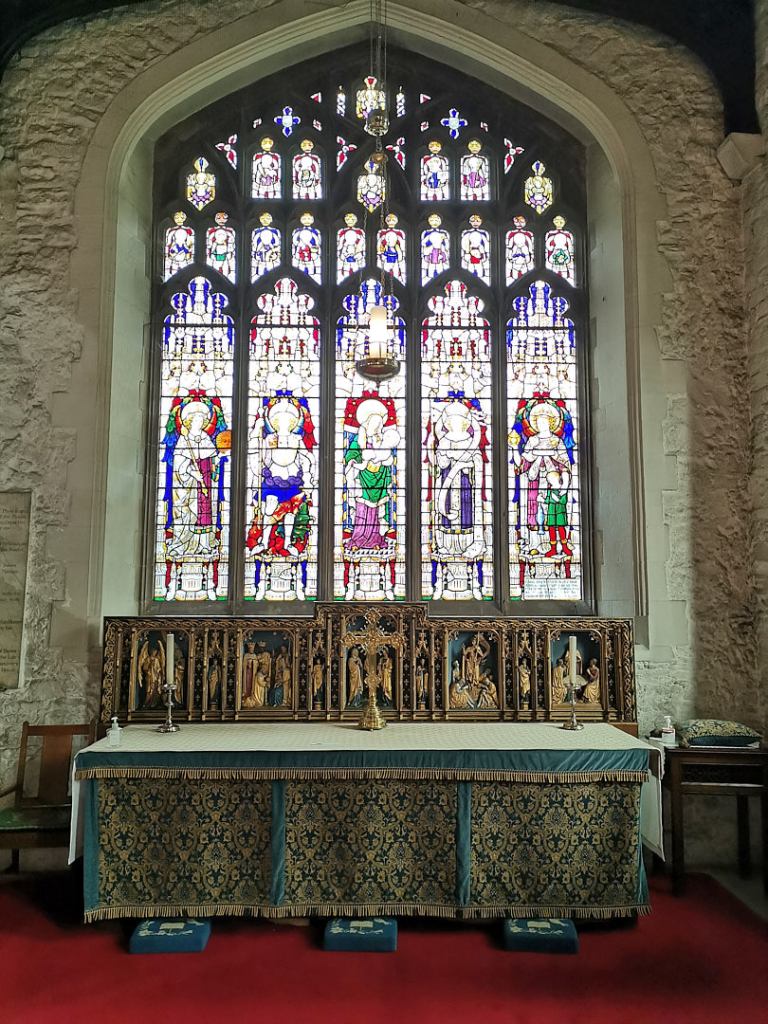
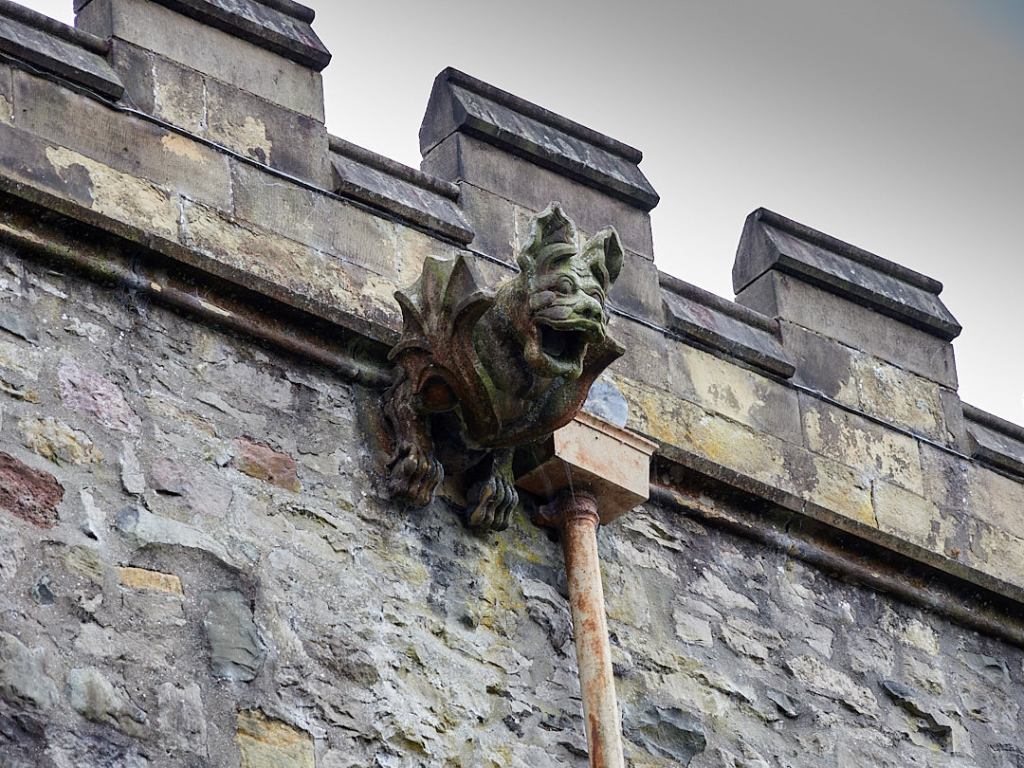
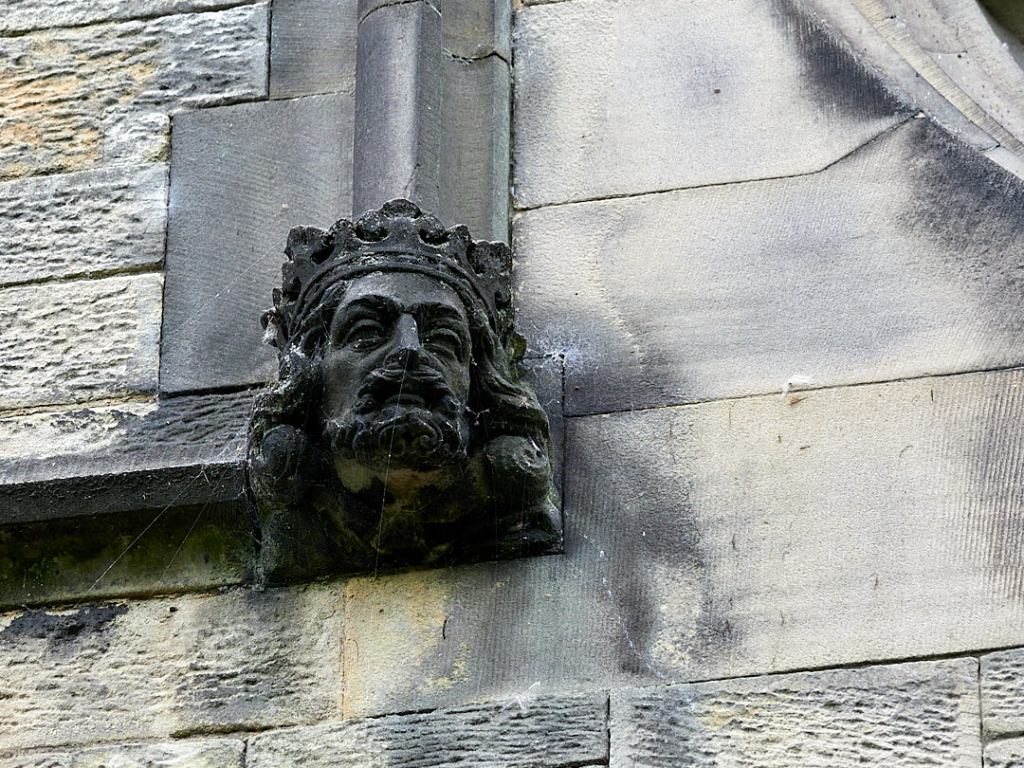
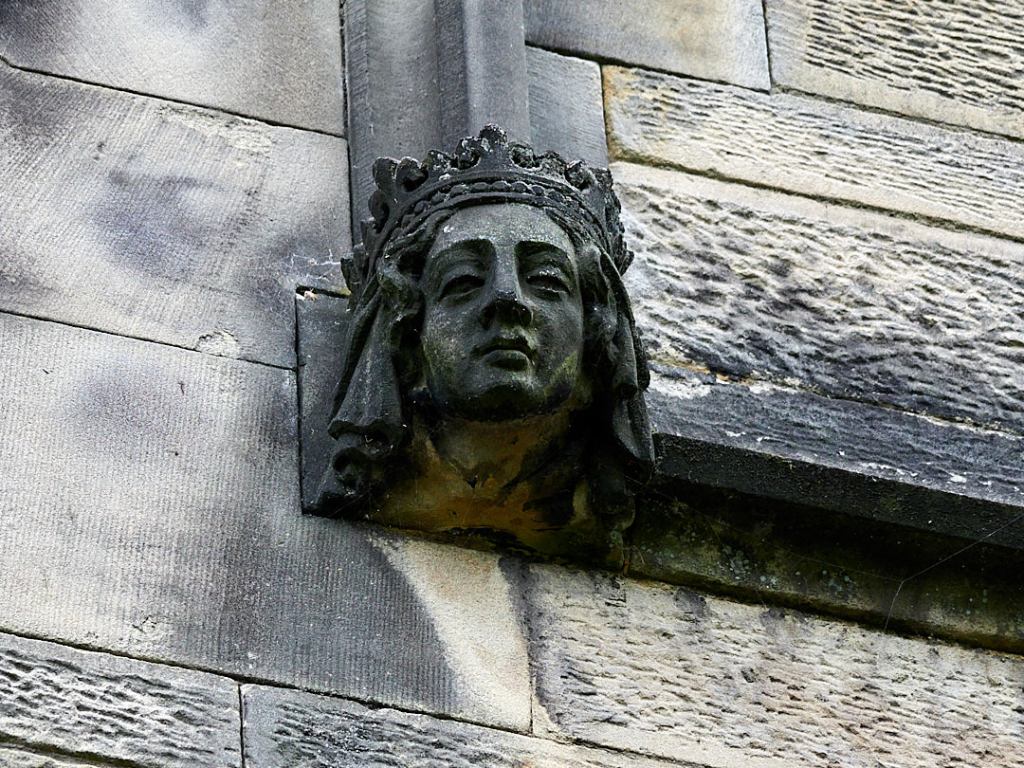
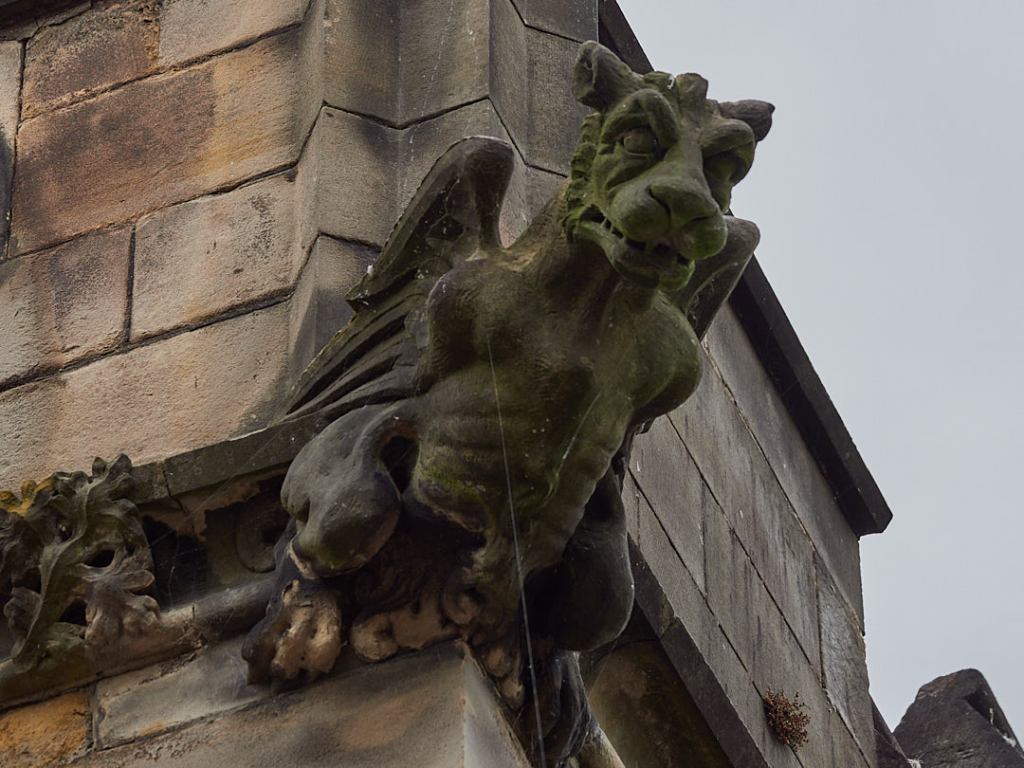
The outside of the church has many stone carvings, mainly of kings and queens, but also mythical beasts and gargoyles.
 "See-u-Later"