


On our way home from this most enjoyable New Year’s getaway, we again stayed overnight on a pub car park. This one was “The Angler’s” in the villagre of Saxilby, where we were made to feel very welcome. The pub is part of the “Britstops” scheme which welcomes motorhomers for an overnight stay, provided of course, that you become a customer.
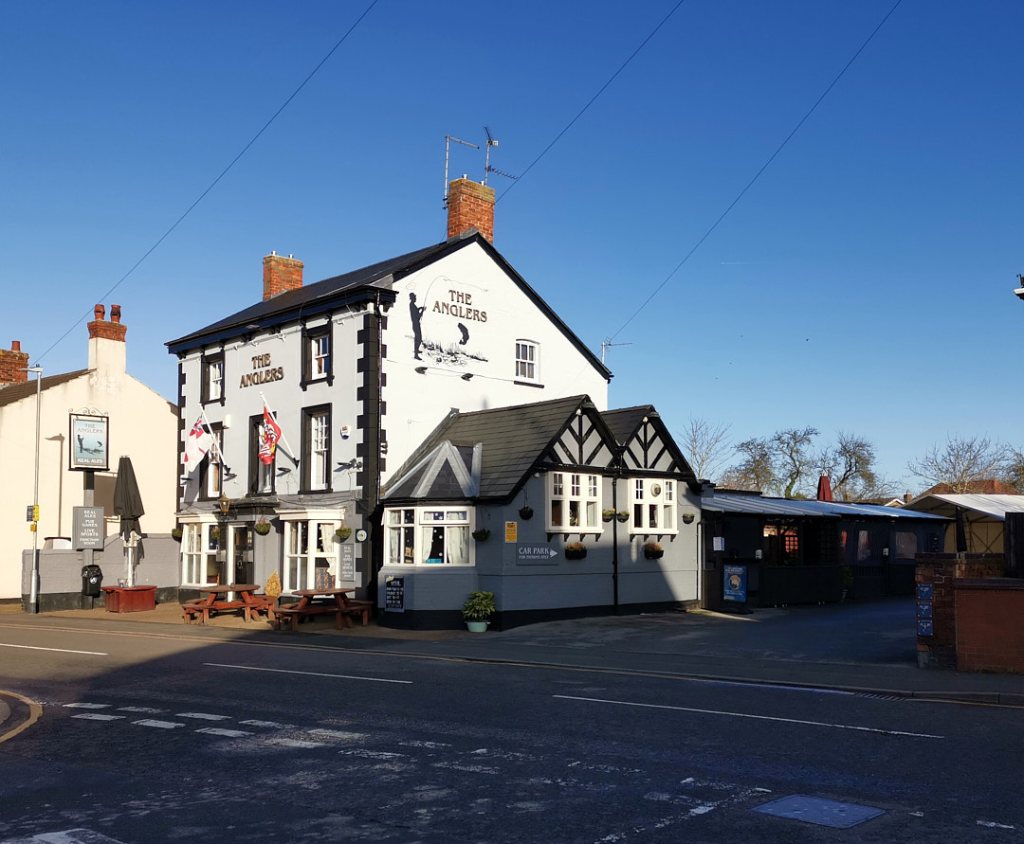
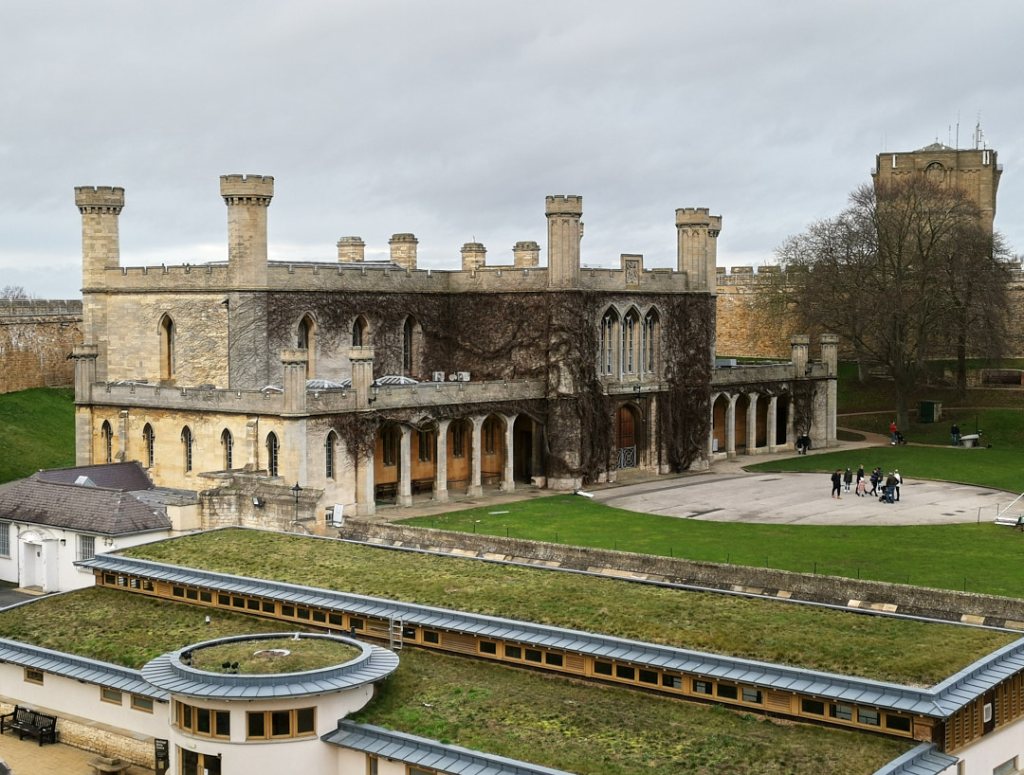
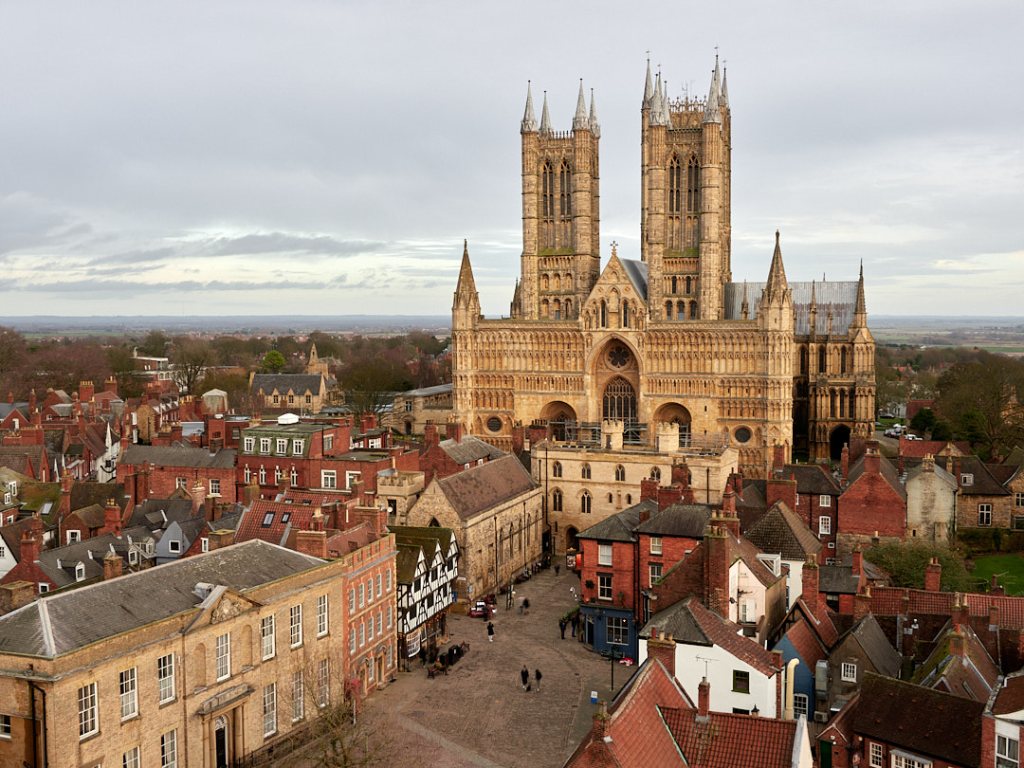
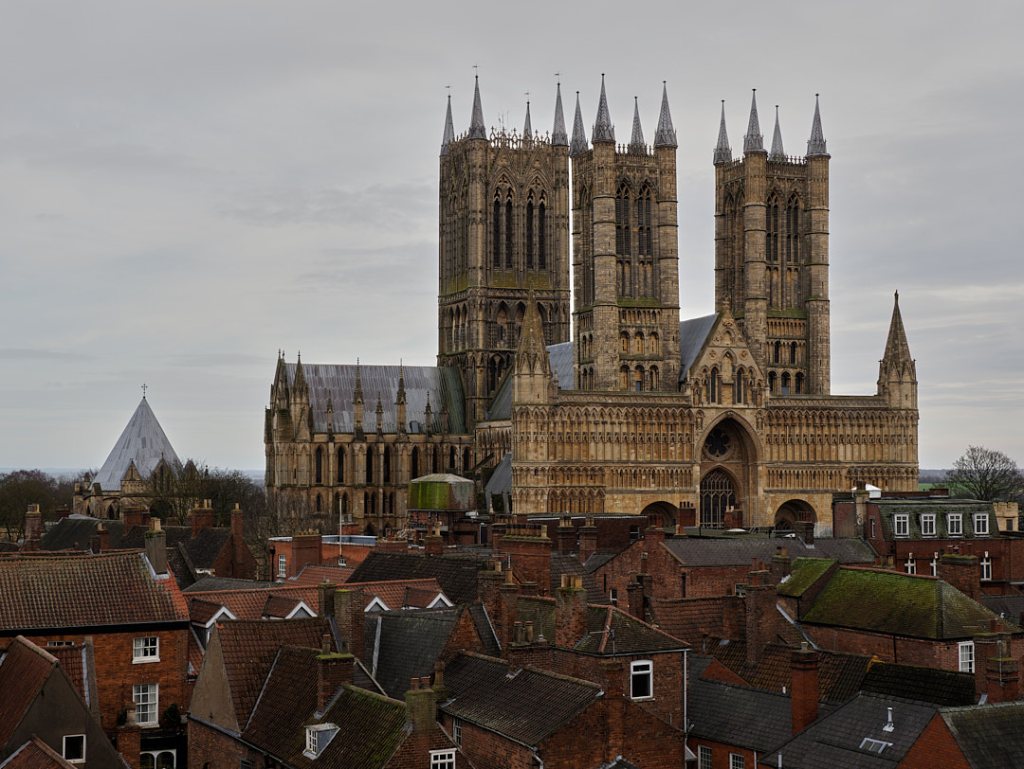
Saxilby is a village to the west of Lincoln, so as we had a little time spare, we decided to explore Lincoln castle on our way past, which we didn’t have time to do last week.
The original castle was built in 1068 by William the Conquerer.
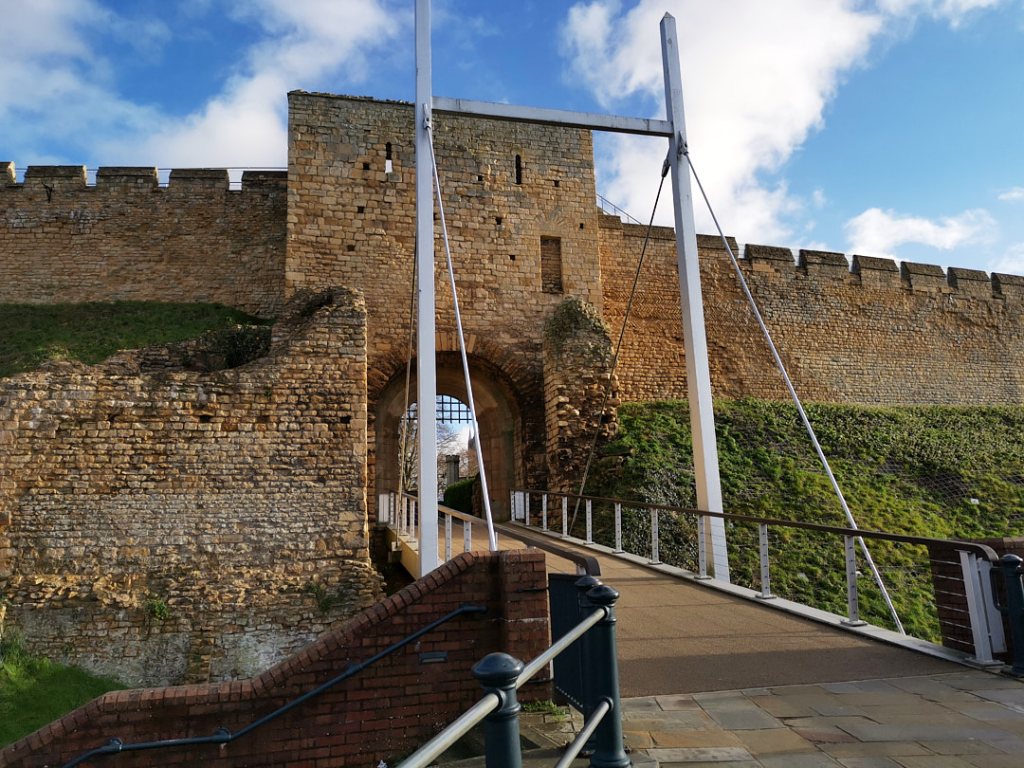
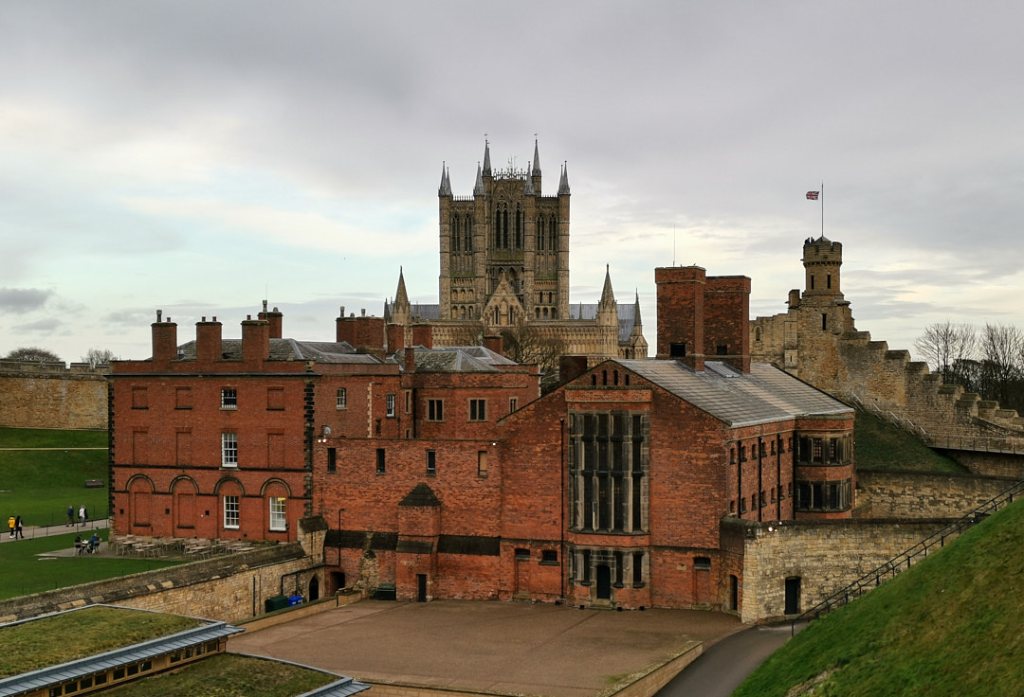
One of the most interesting buildings within the castle walls, is a Victorian prison which you are able to explore.
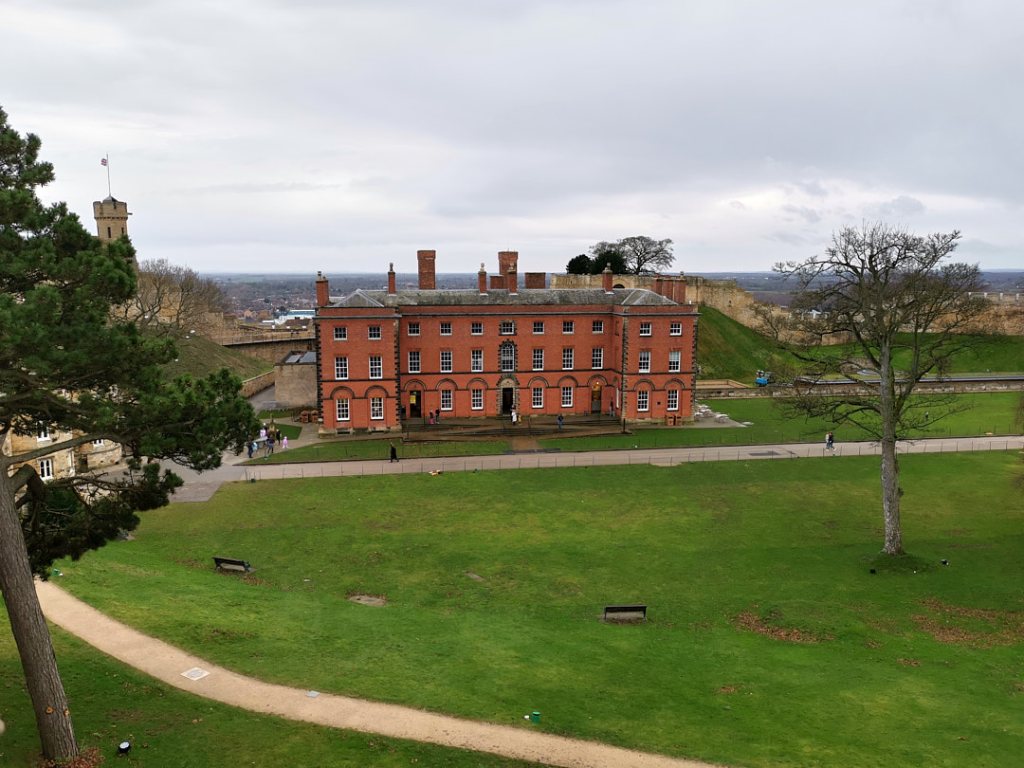
The prison replaced an earlier Edwardian buidling which was considered insanitary, so was demolished and replaced with the current building. At the time, this was built and run according to the best standards with the aim of rehabilitation.
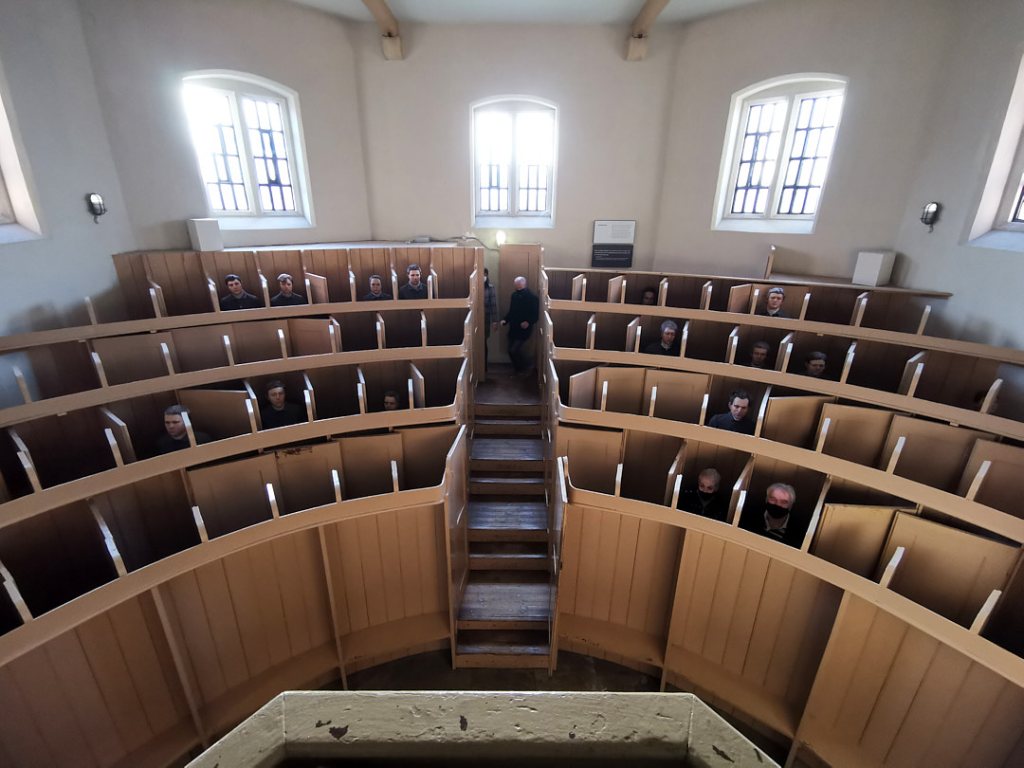
Male and femaile prisoners were held in separate wings and prisoners of the same sex were not allowed to freely associate. Even the chapel was segregated:
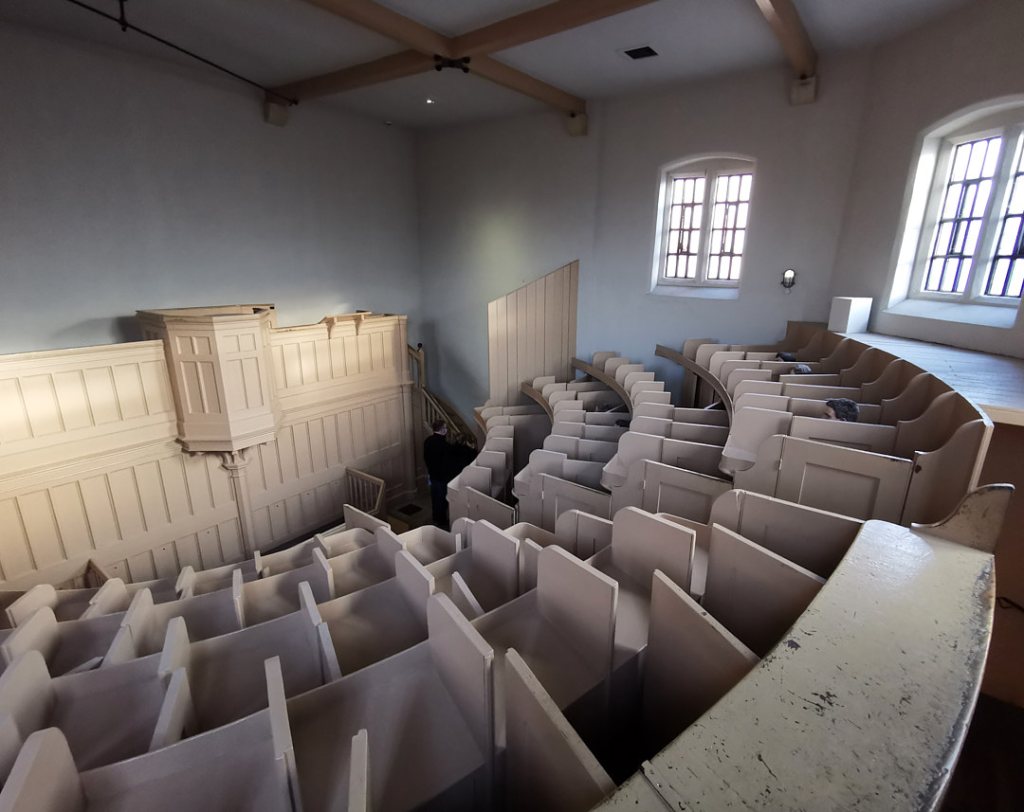
Prisoners attending a service, were unable to see anything other than the chaplain addressing them from the pulpit.
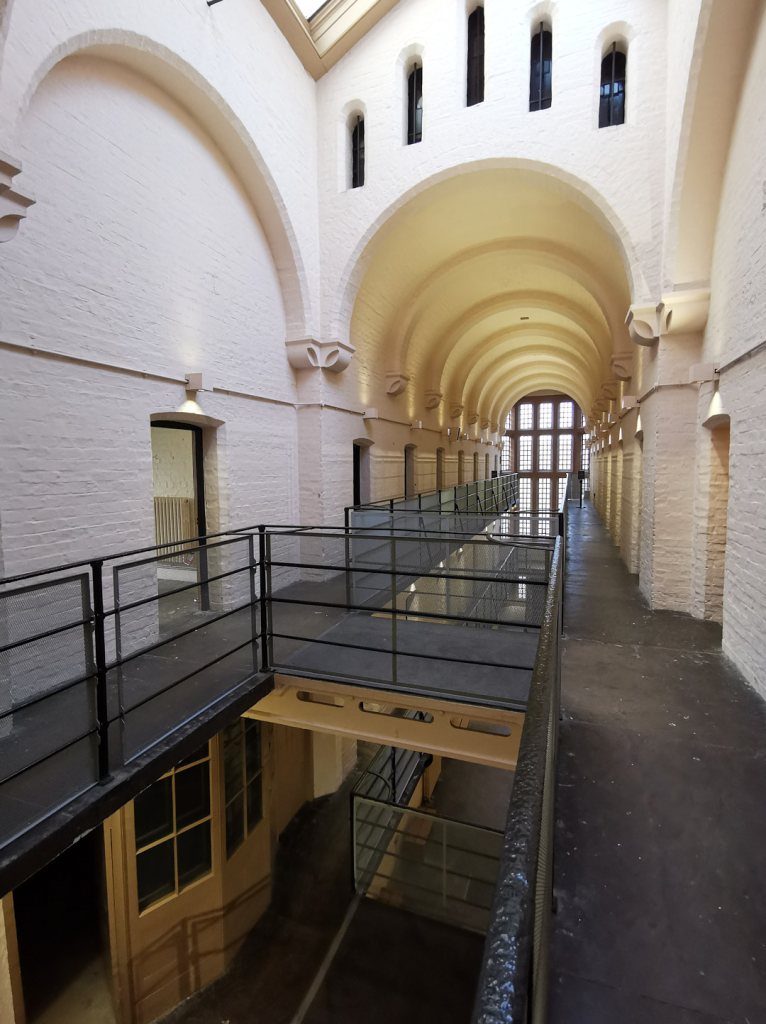
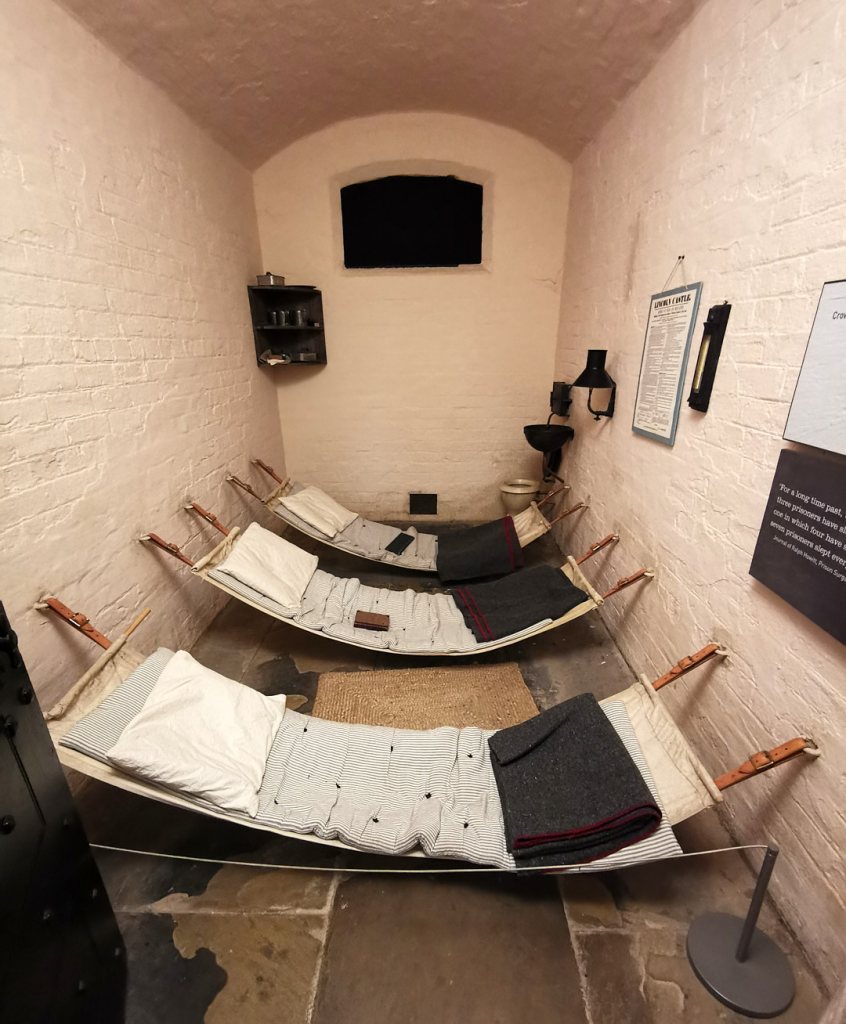
Fresh air was considered beneficial and the prison provided both spiritual and physical health care:
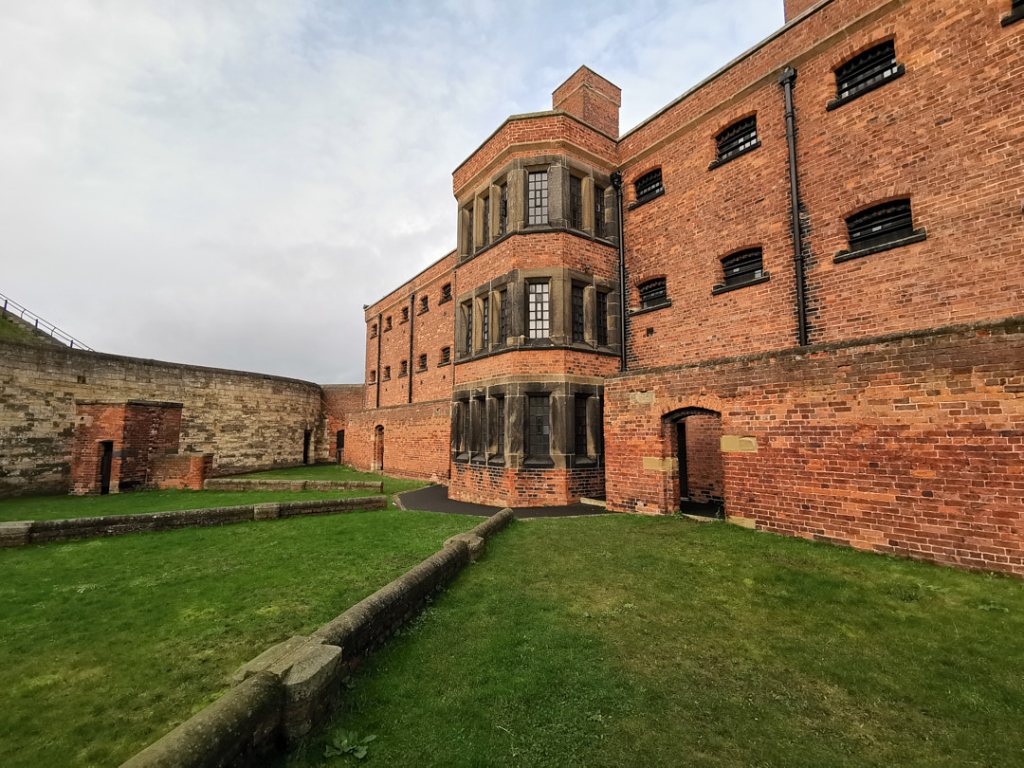
Admission to the castle includes the ability to walk around the top of the perimeter walls, part of which is the Lucy Tower:
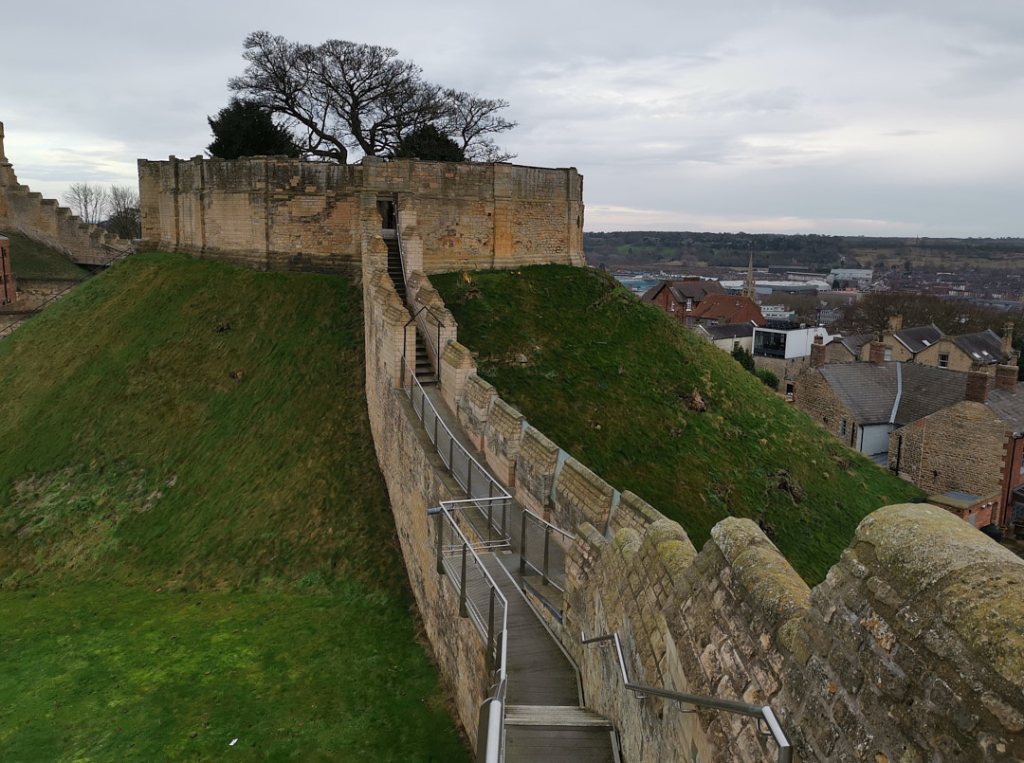
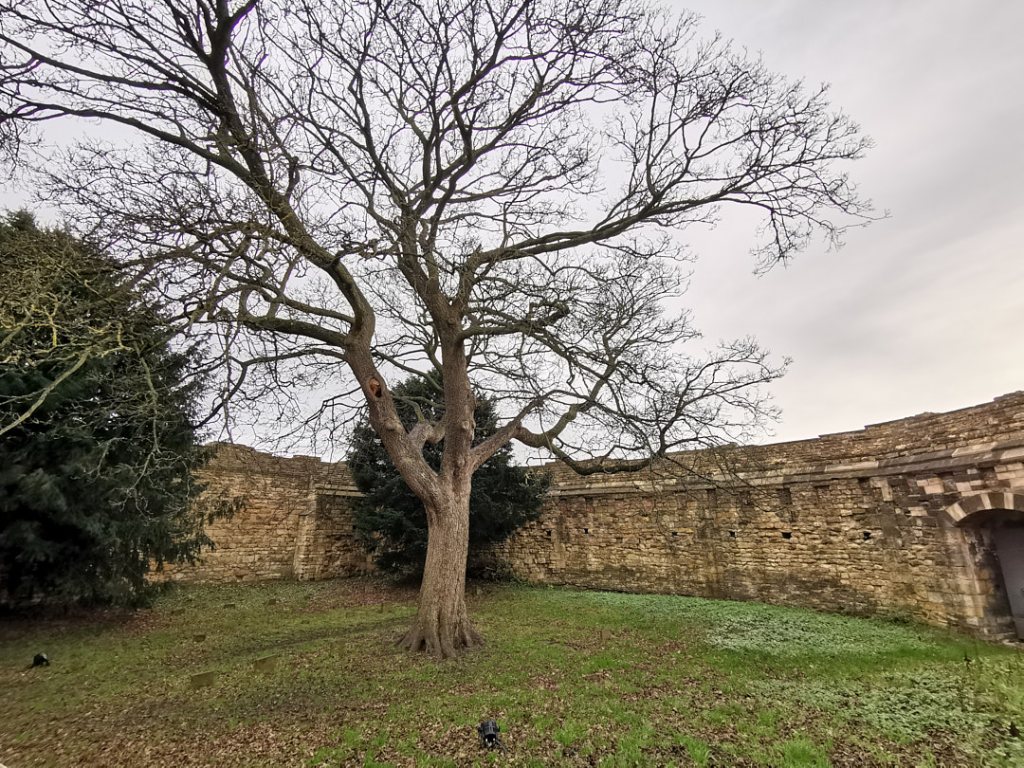
The Lucy Tower contains the graves of some inmates, either executed or who had died of natural causes. Note the small grave stones.
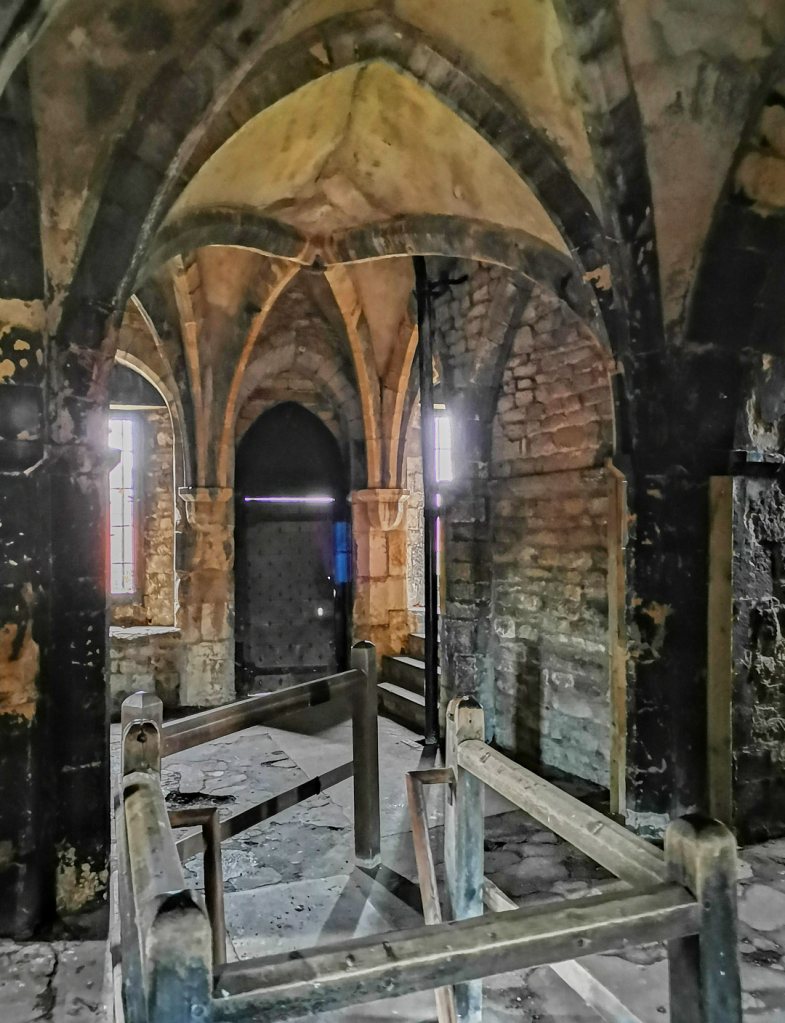
Part of the wall consists of “The Cobb Hall” which was a defensive tower. Later prisoners were held here and were hanged on a gollows on the top where they could be seen from the streets outside. Between 1817 and 1859, 38 prisoners were executed.
Lincoln Castle houses the Magna Carta, which unfortunately at the time of our visit was not on display, however there were two other similar charters on view along with a film explaining the signifiance of that document and its influence on our legal system today.
 "See-u-Later"