
Ashby-de-la Zouch
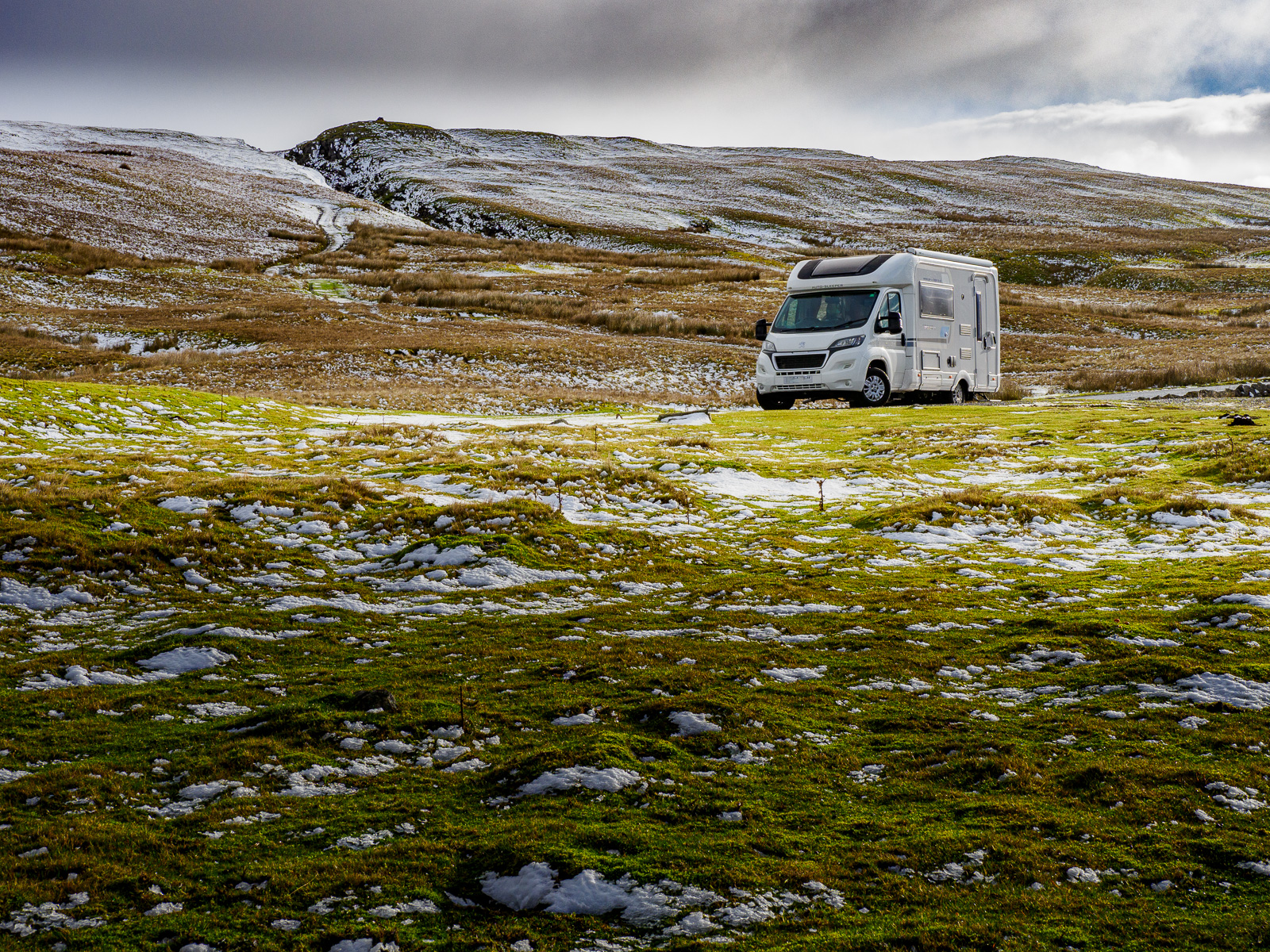
On Sunday, after socialising at the morning coffee meeting, held in the YHA meeting room, we headed to Ashby-de-la-Zouch with Fufu, our motorhome.

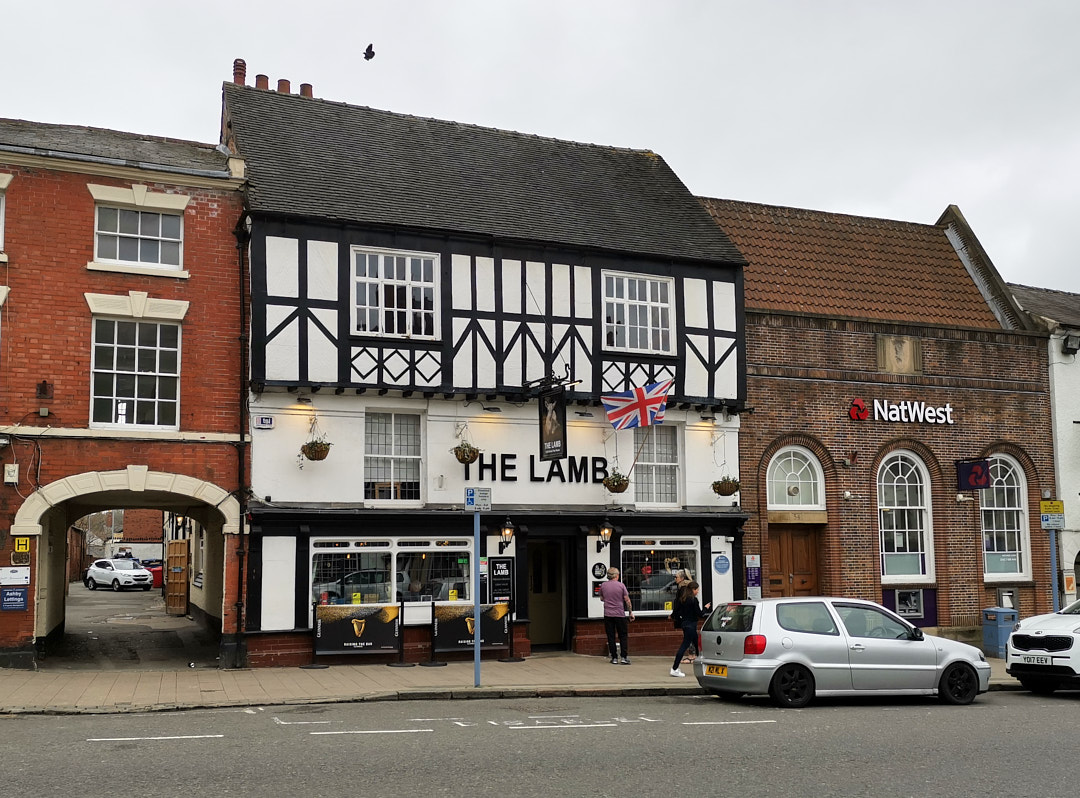
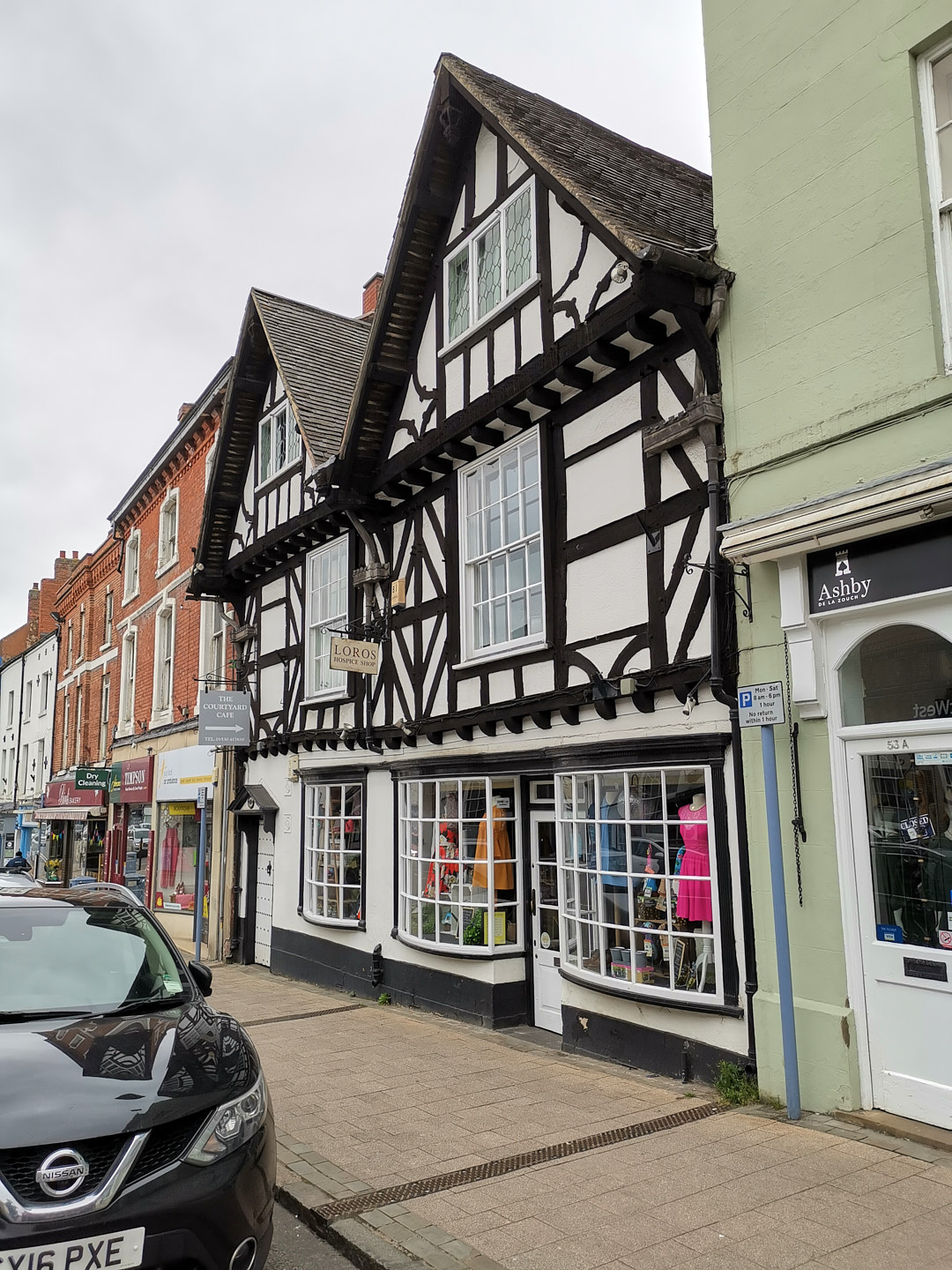
The town is a small but old settlement and there was not much open on a Sunday morning, but it is a pleasant enough place with some old and interesting buildings.

There is a 15th century castle, which is maintained by English Heritage:

The grade 1 listed, parish church of St Helen’s was built in the 1470s, but people have been worshiping on this site since the 11th century:
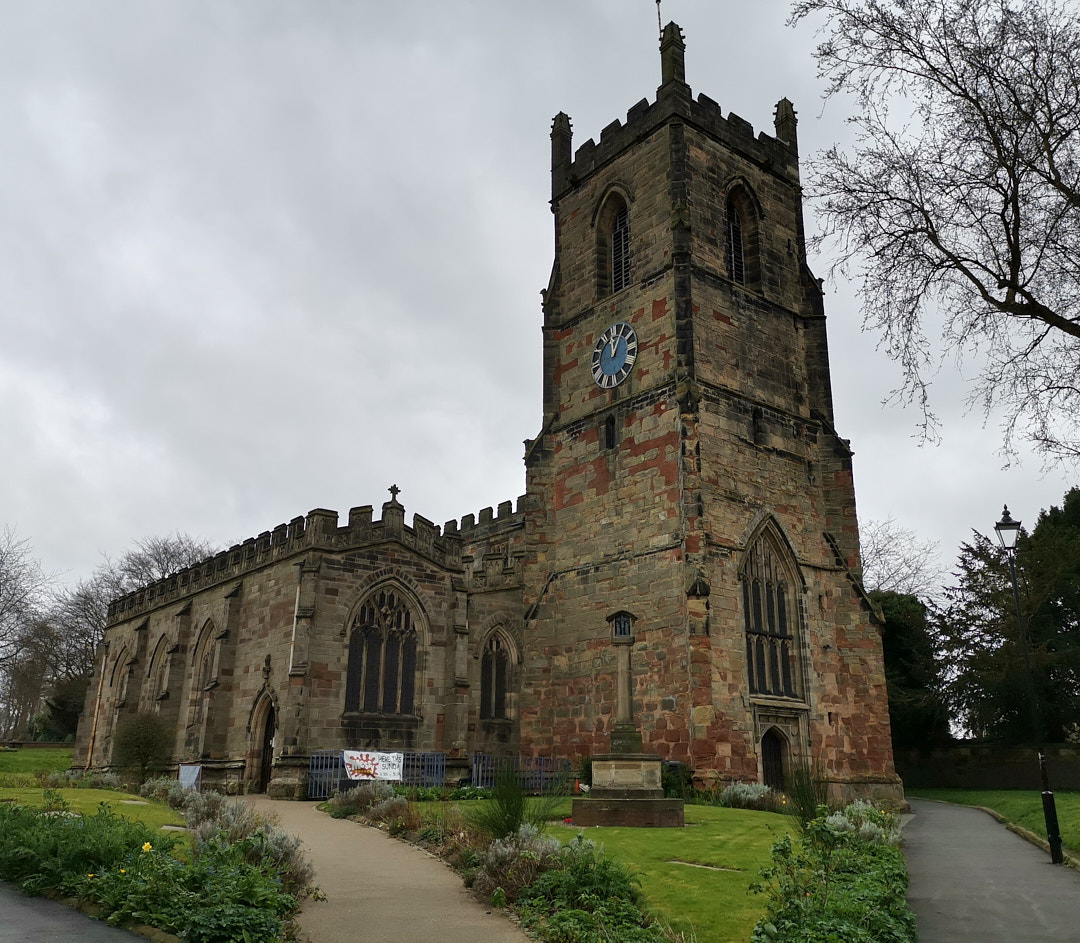
The church is very wide with two aisles each side of the nave.

At the head of the right hand aisles, is an area alongside the choir, which has an impressive alabaster table tomb with the effigies of Francis, the 2nd Earl of Huntingdon and his wife, Catherine Pole. On the side shown in the image below, there are figures of their 5 sons and on the other side are figures of their 5 daughters.


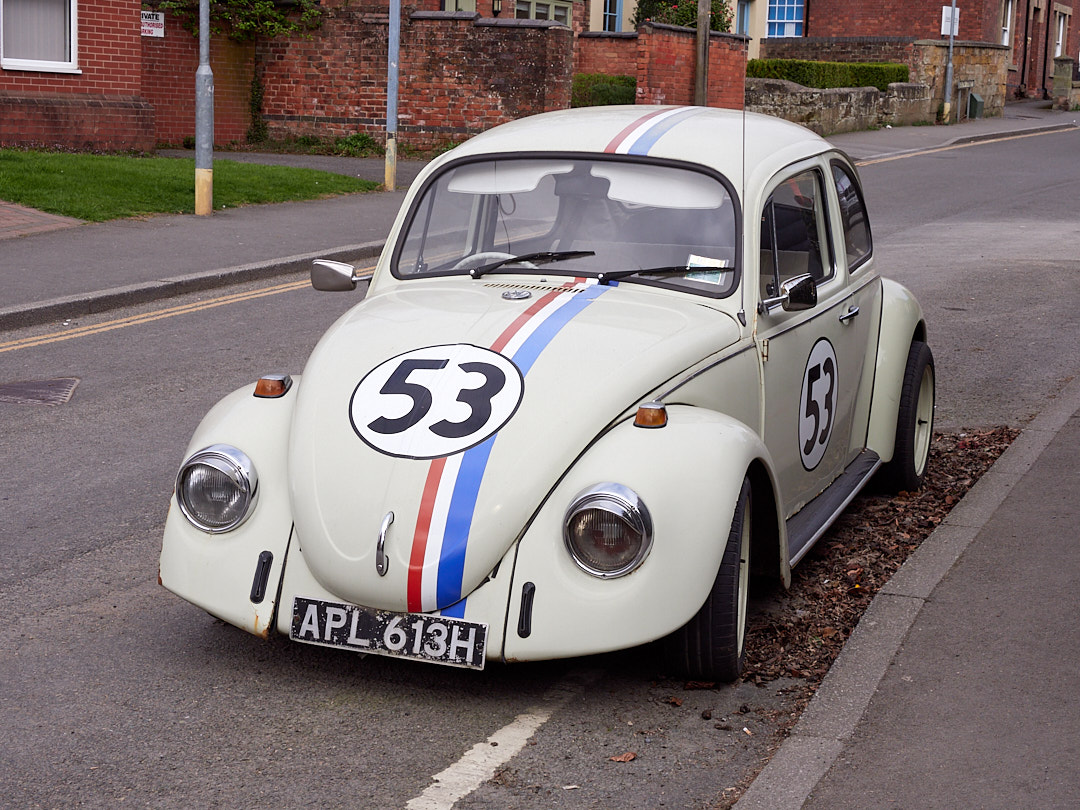
And now for something completely different. Parked nearby was a Herby replica.
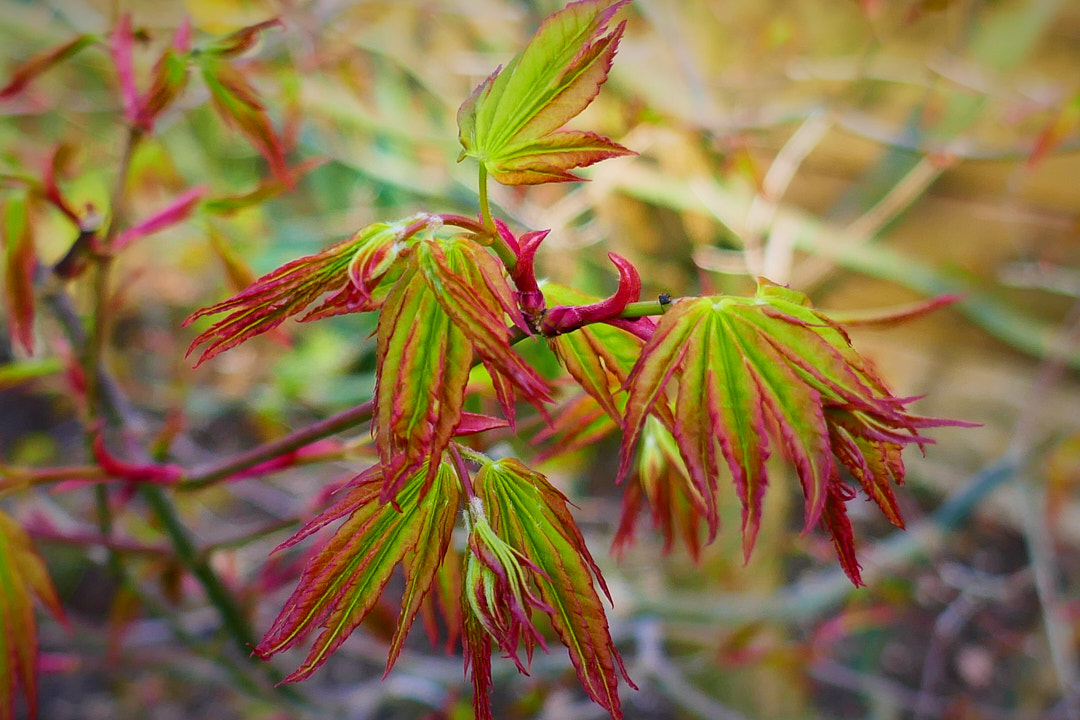
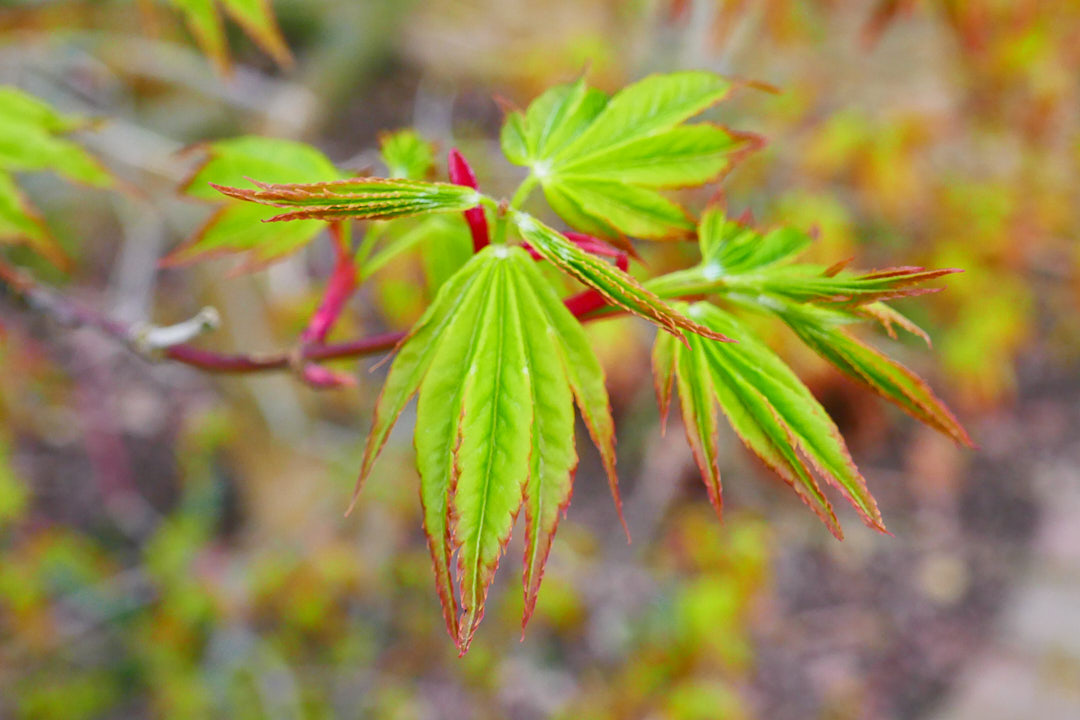
The Photographic Group had organised a light-hearted competition where each member displayed two prints in the window of their unit, on the theme of “Spring”, so when we returned, we had to complete and hand-in our marking sheet, giving each a score out of 10.
Our pictures are below:
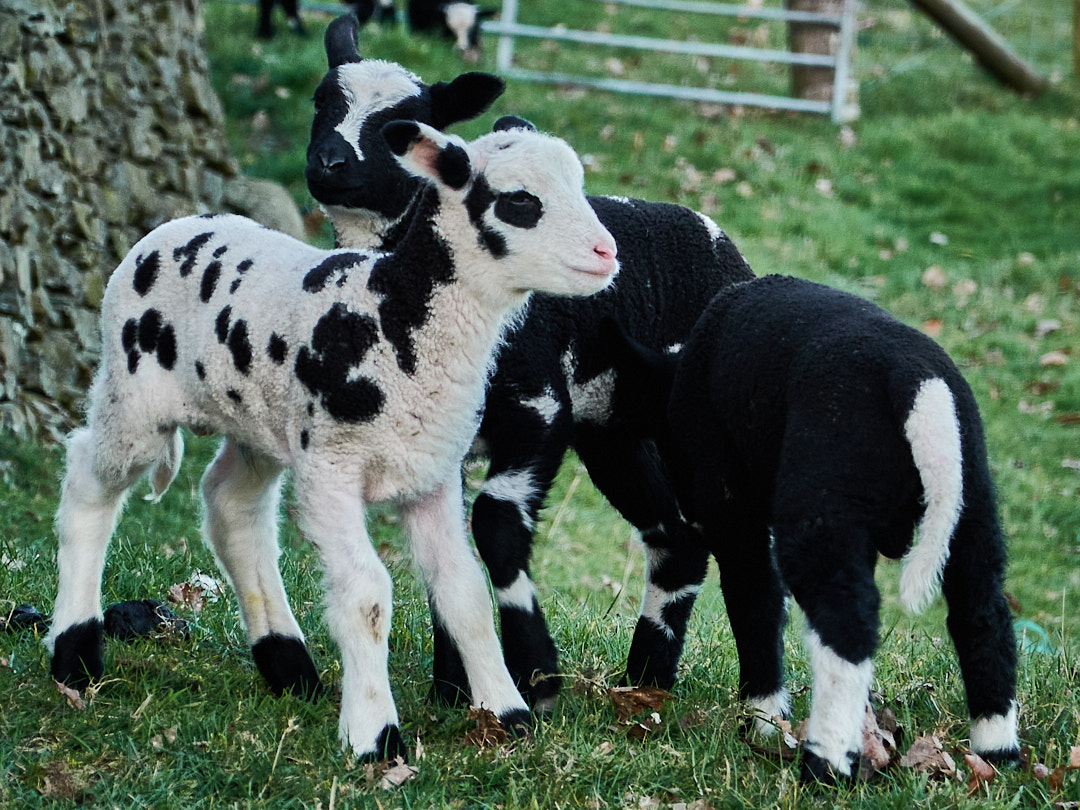
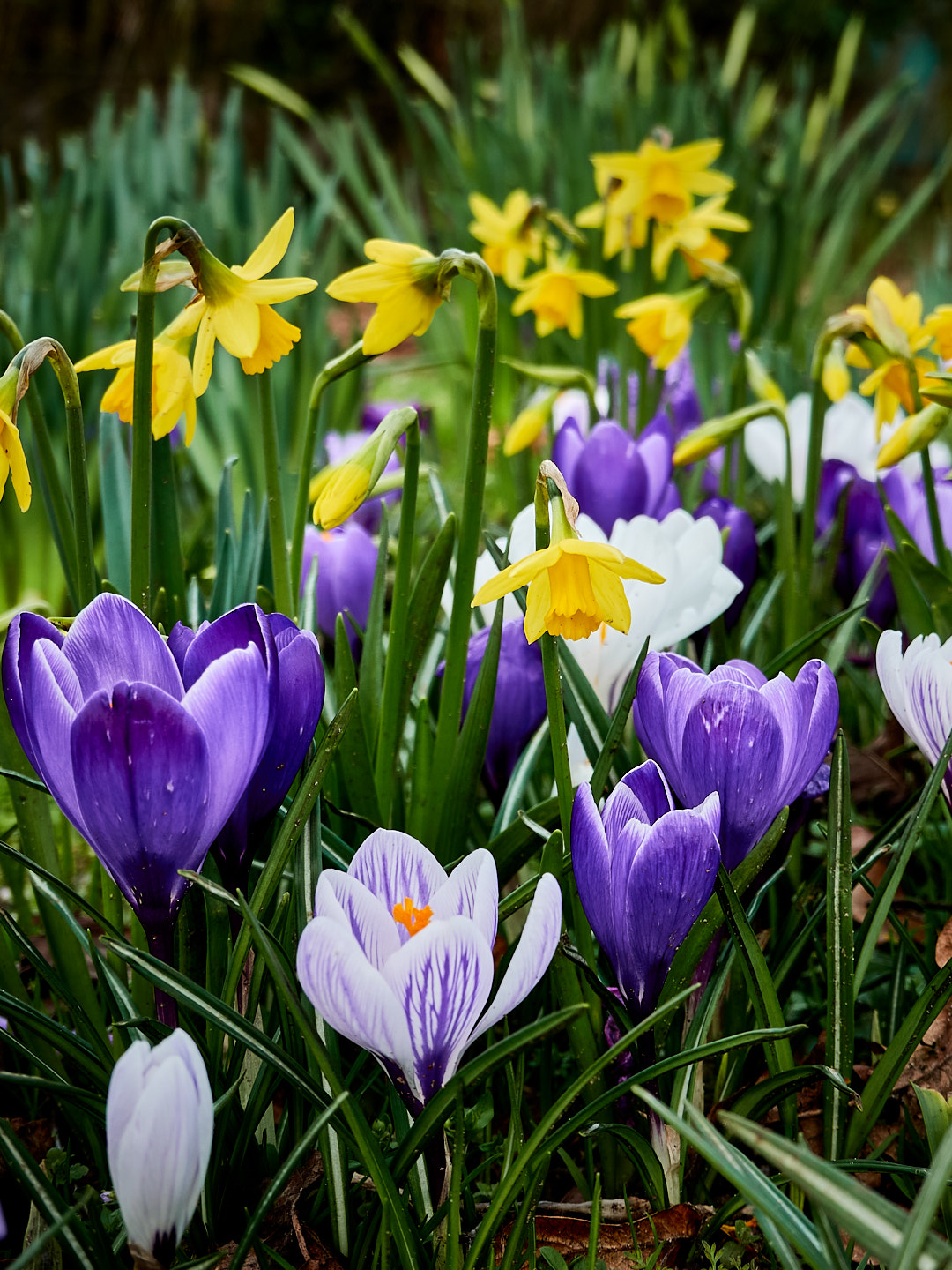
Unsurprisingly we did not win. There was an amazing picture of a Dunnock, gathering hair as nesting material, by Colin, which took the prize.
After our evening meal we rejoined the group and enjoyed a talk about photographing Switzerland by train, by one of the club members, Geoff Cooke.
The Ashby Canal
On Monday morning we took another bicycle ride and called at the Conkers visitor attraction, which has two sites, linked by a passenger train which seems to run regularly.
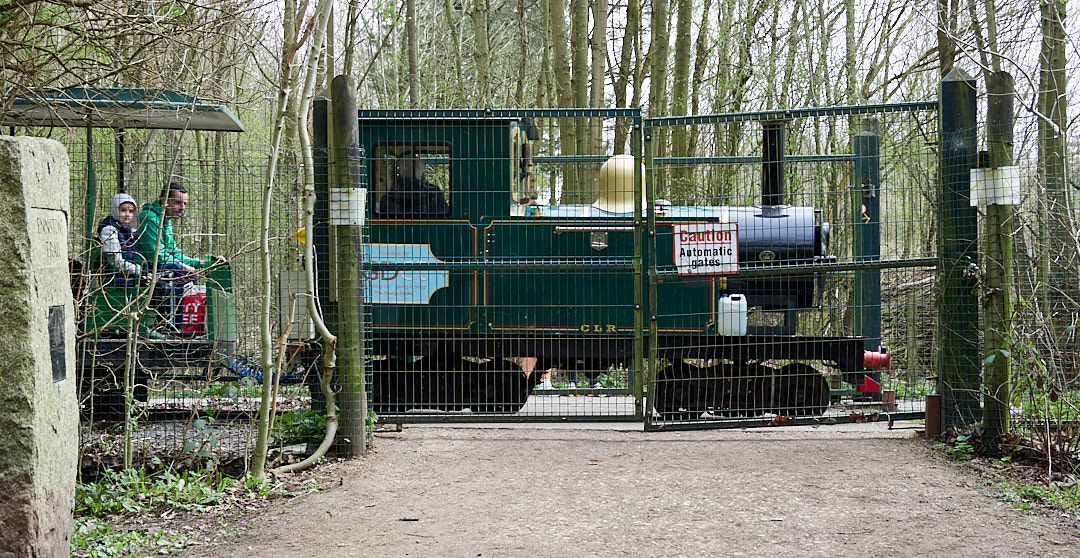
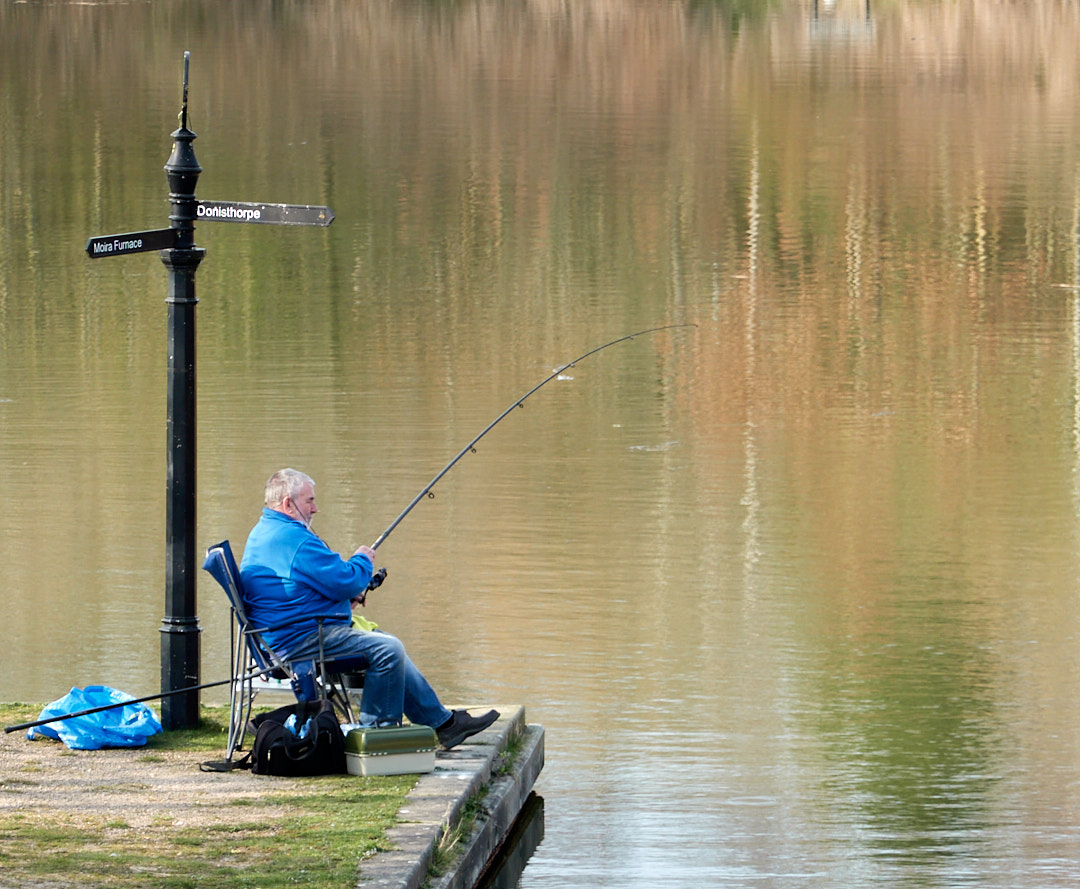
At the Waterside Centre at one end of the track, there is a canal basin, which marks the end of the Ashby Canal where we found many men teaching their pet maggots to swim. It takes all sorts, I suppose.
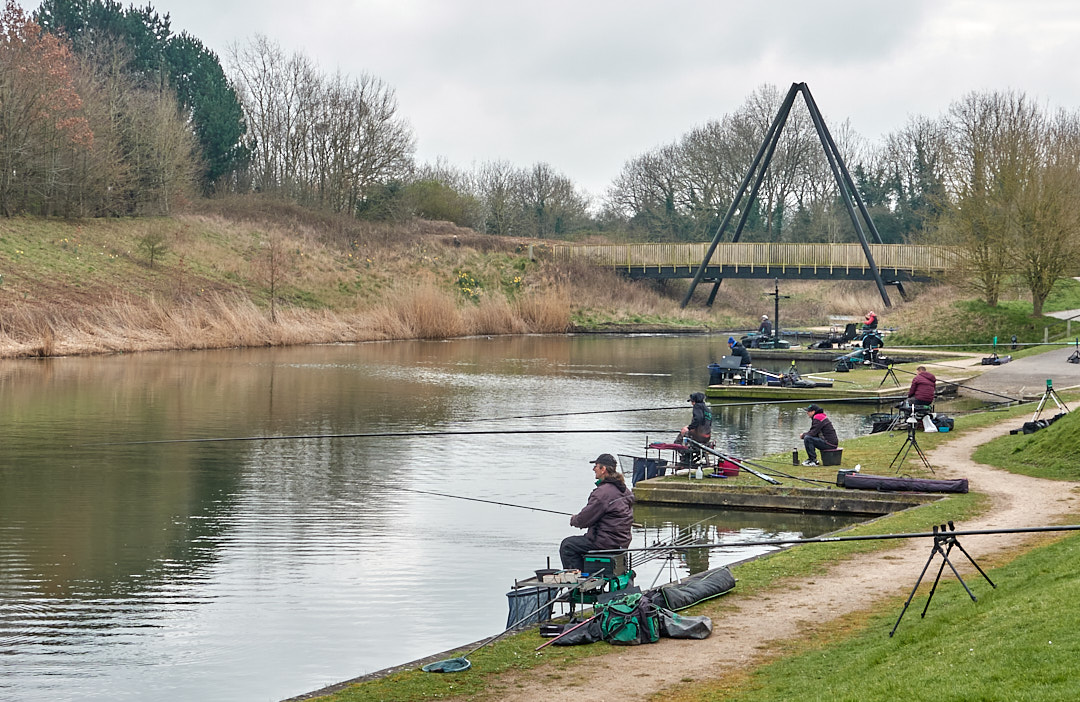
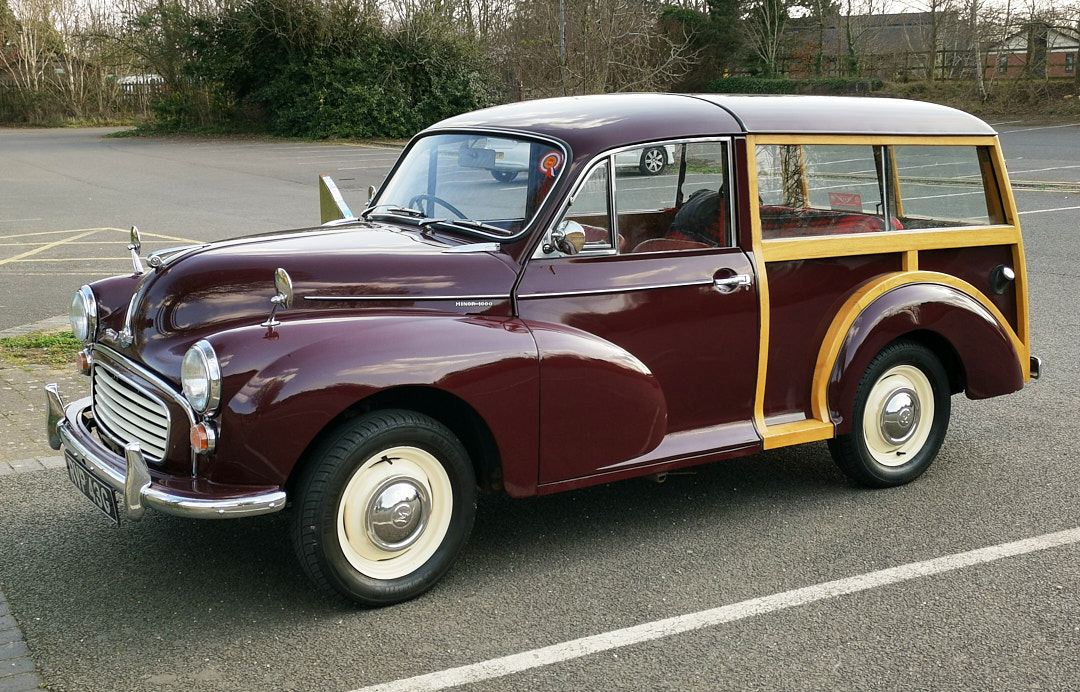
The basin is alongside the Waterside Centre car park, but apparently it used to occupy the space on which the car park now sits. On the car park, was a Morris Minor Traveller which has clearly been lovingly restored.
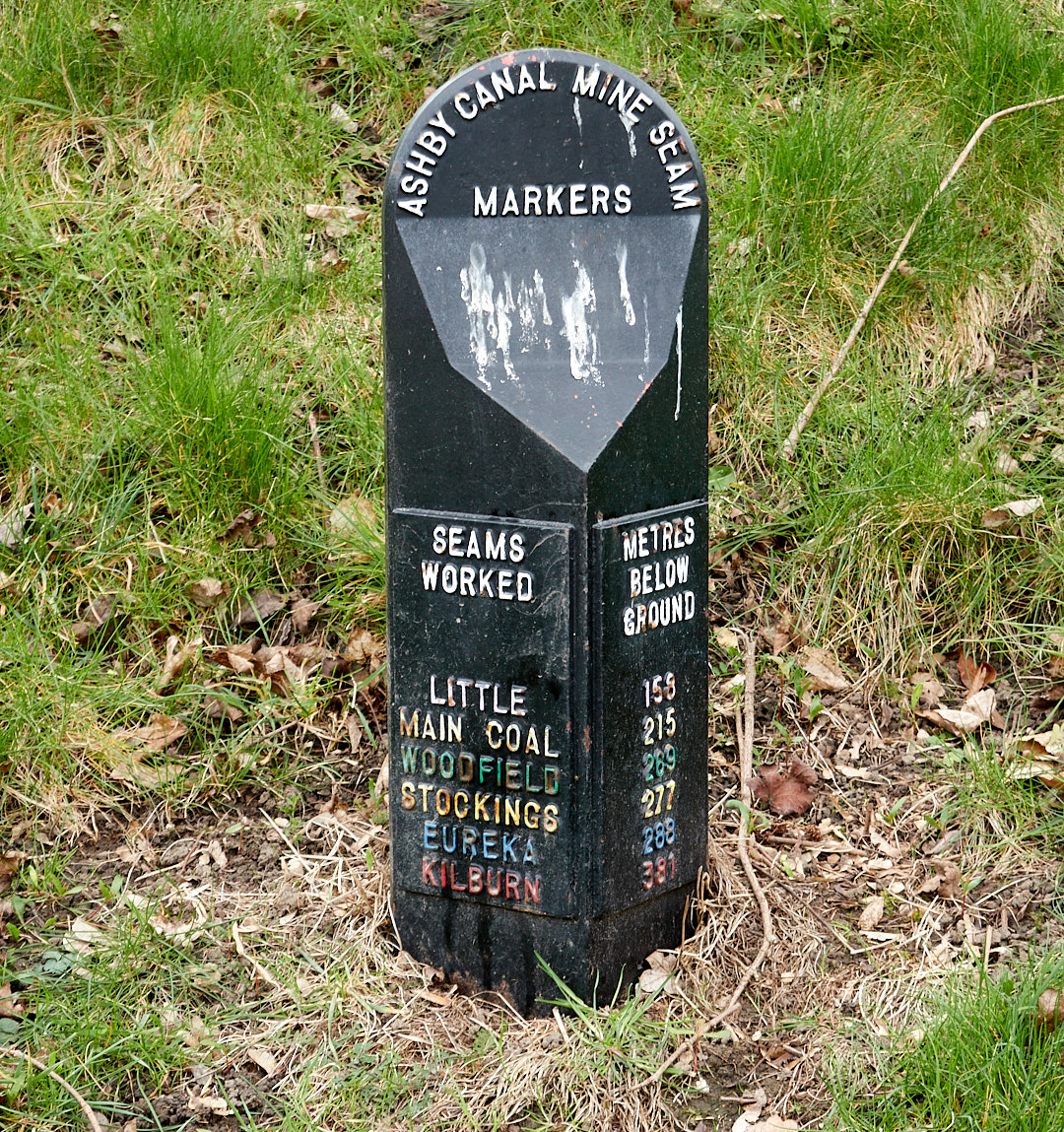
We followed the canal south and along the way found more evidence of the industrial heritage of the area. Here a seam marker alongside the canal, names six coal seams and their depths under that point. At one point, coal mines in this area were the most productive in the country and Donisthorpe Colliery was named as Britain’s most productive pit in 1951. It closed in 1990 after 133 years.
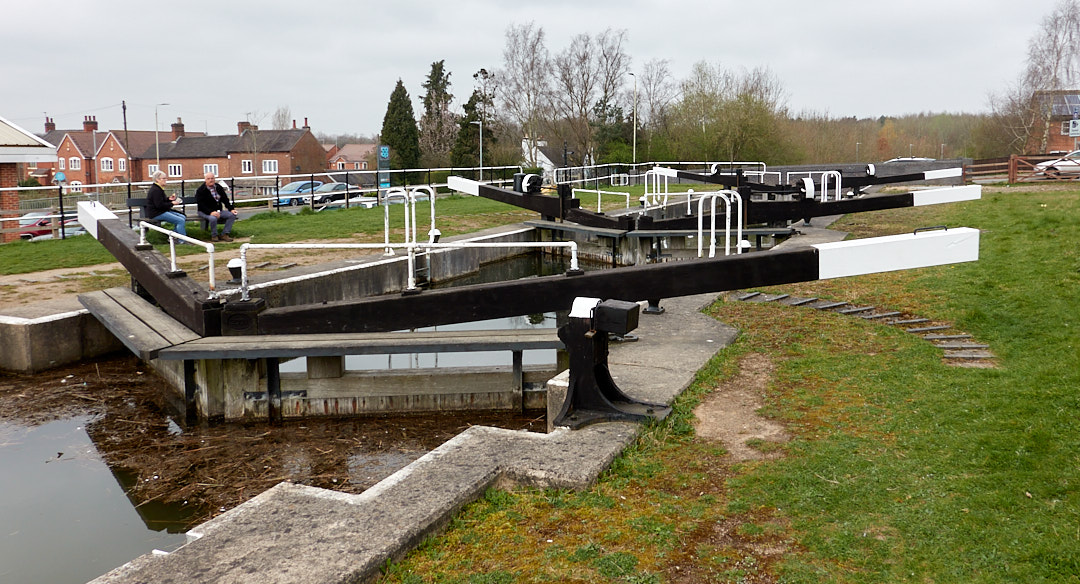
Further along are some newly built locks. They are unusual in that they have three pairs of gates. This is so that smaller boats do not use a much water as they can just use half of the available space. The canal originally did not have any locks, but the mining activity caused subsidence which means they are now needed.
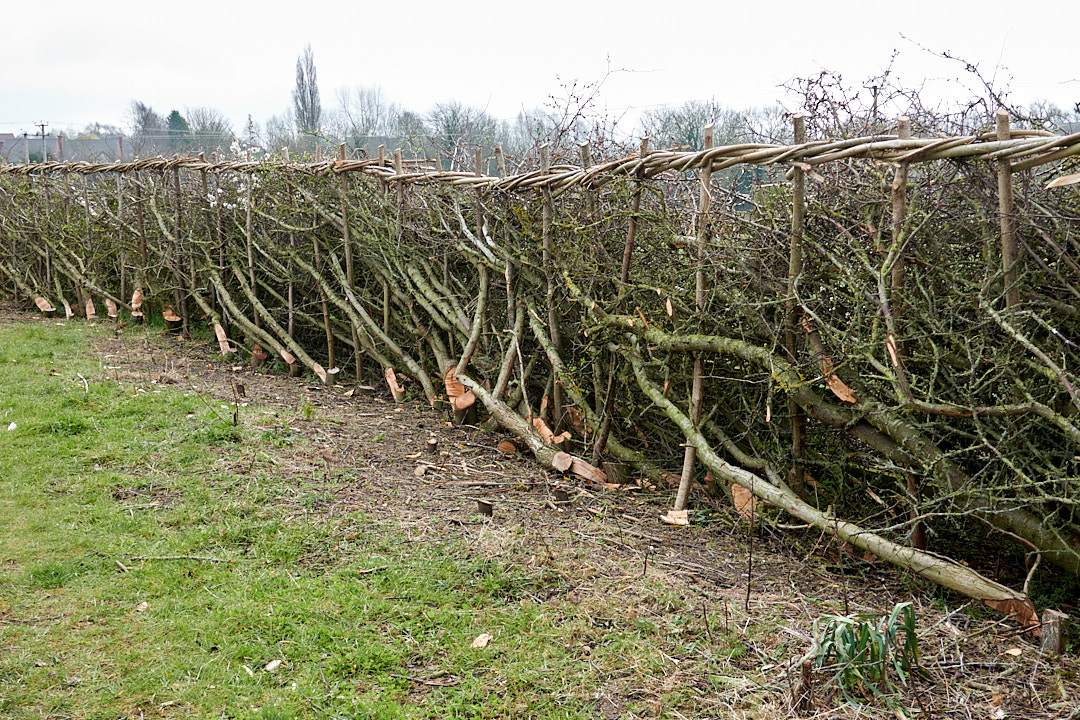
Alongside the lock, there is an example of impressive recent hedge-laying. Each area of the country has its own tradition as to how this is done:
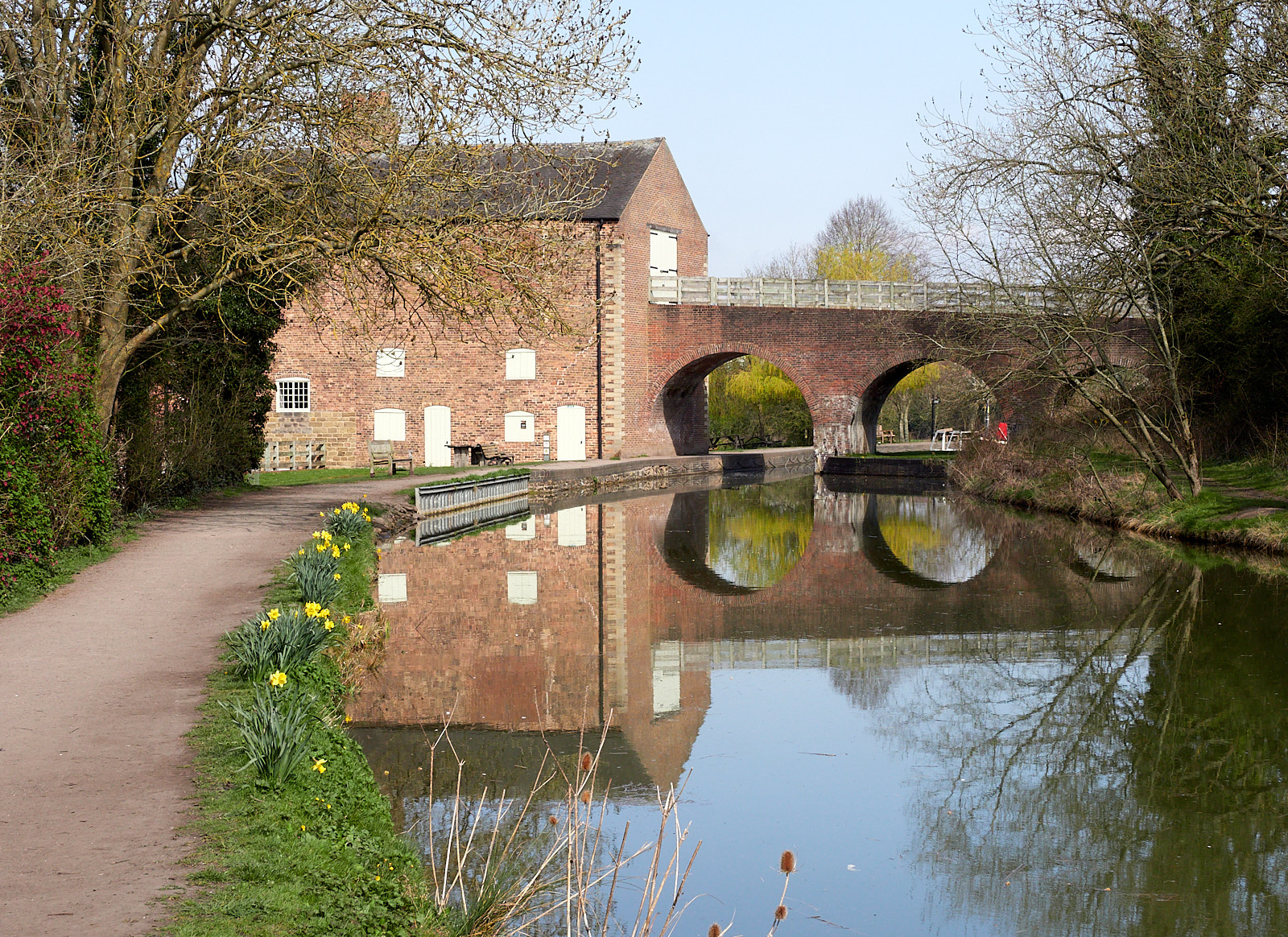
Further along and we come to Moira Furnace and museum, an impressive structure with a bridge leading to it’s upper floor, over the canal:
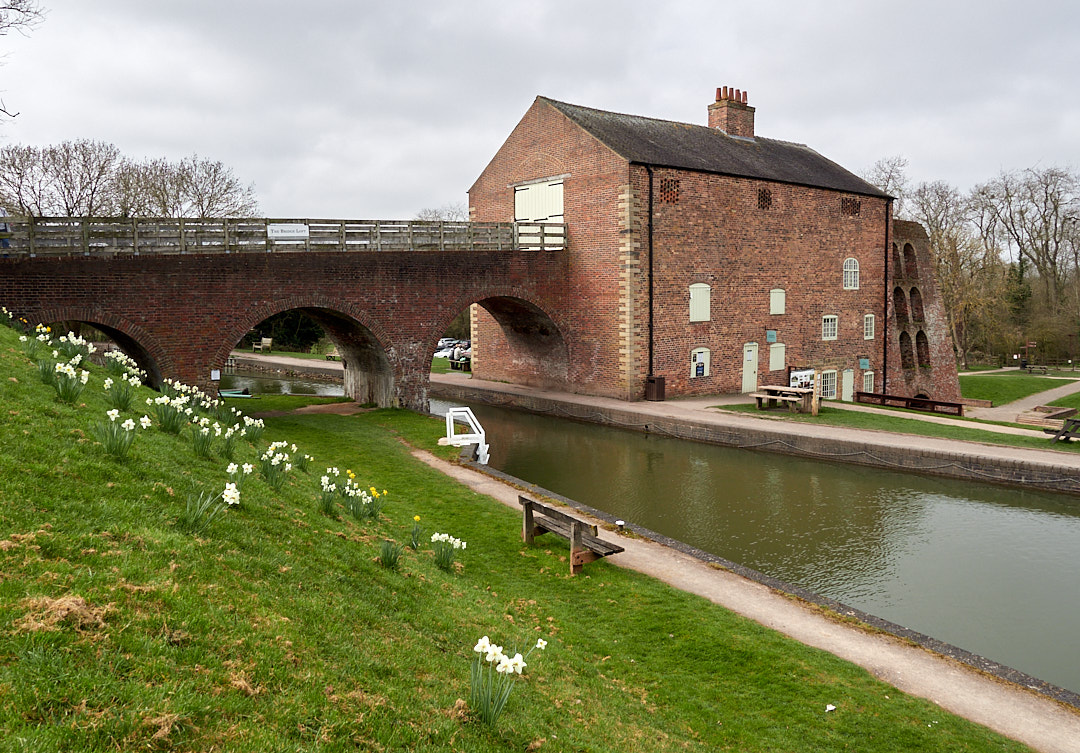
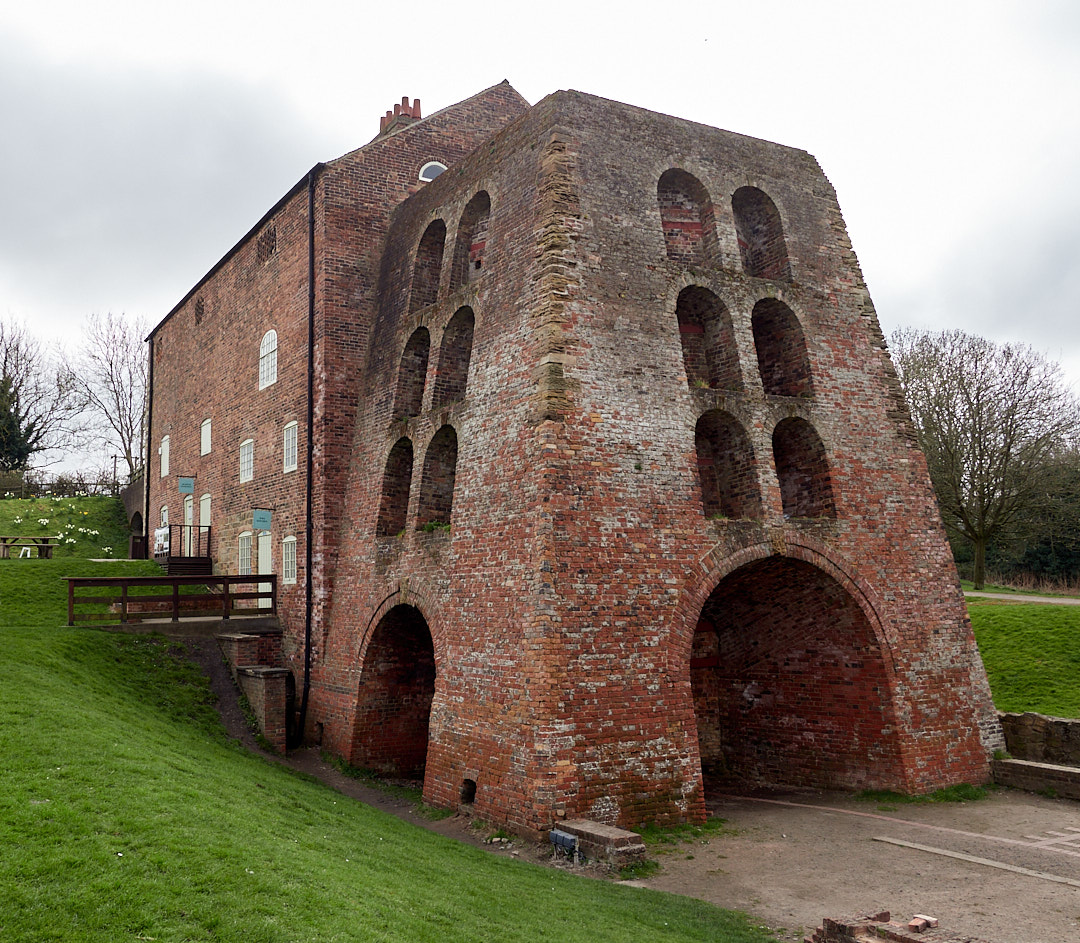
It was a blast-furnace, used to produce iron in Victorian times, using the abundance of coal as a nearby resource.
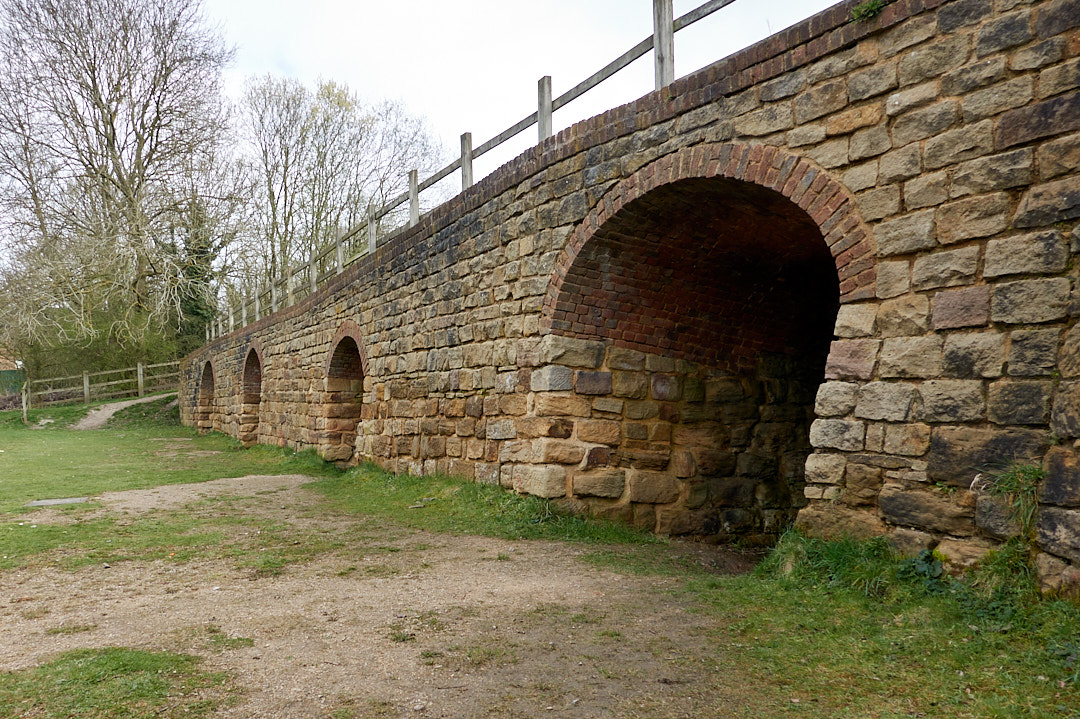
A way beyond the furnace, we come to the end of the watered section of the canal.
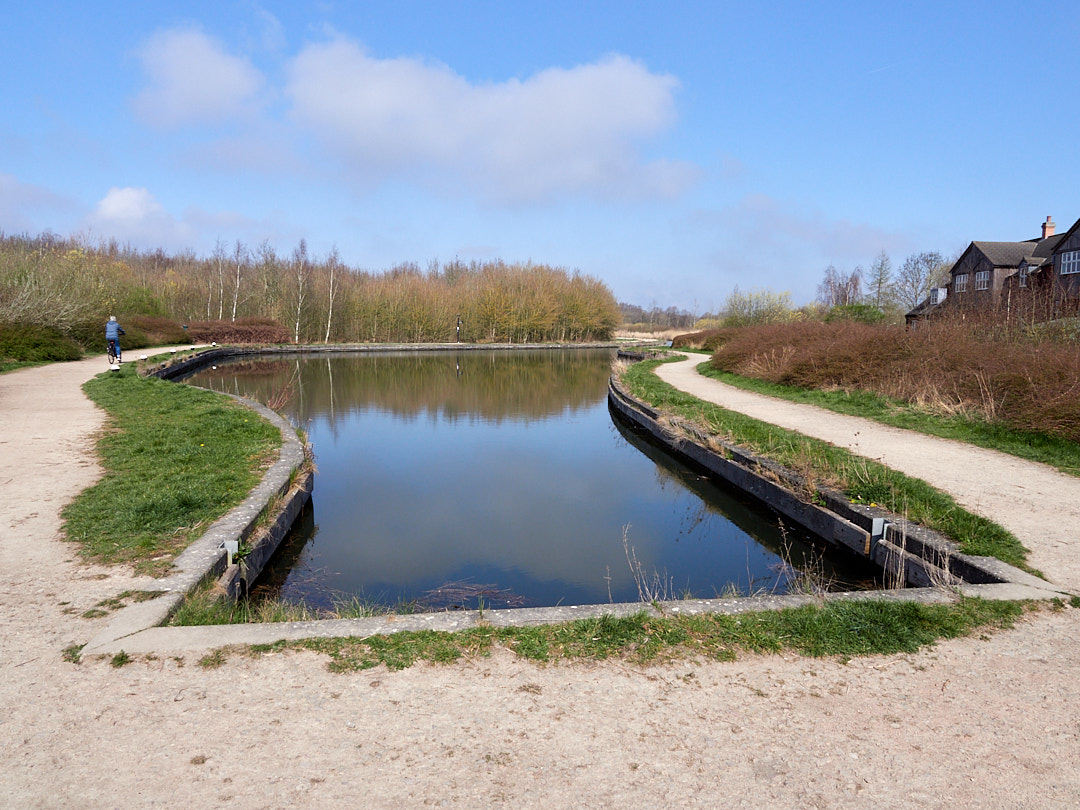
The plan is to eventually restore and re-water the full length of the canal, which originally went as far as Nuneaton, around 30 miles to the south where it connected to the rest of the inland waterway network.
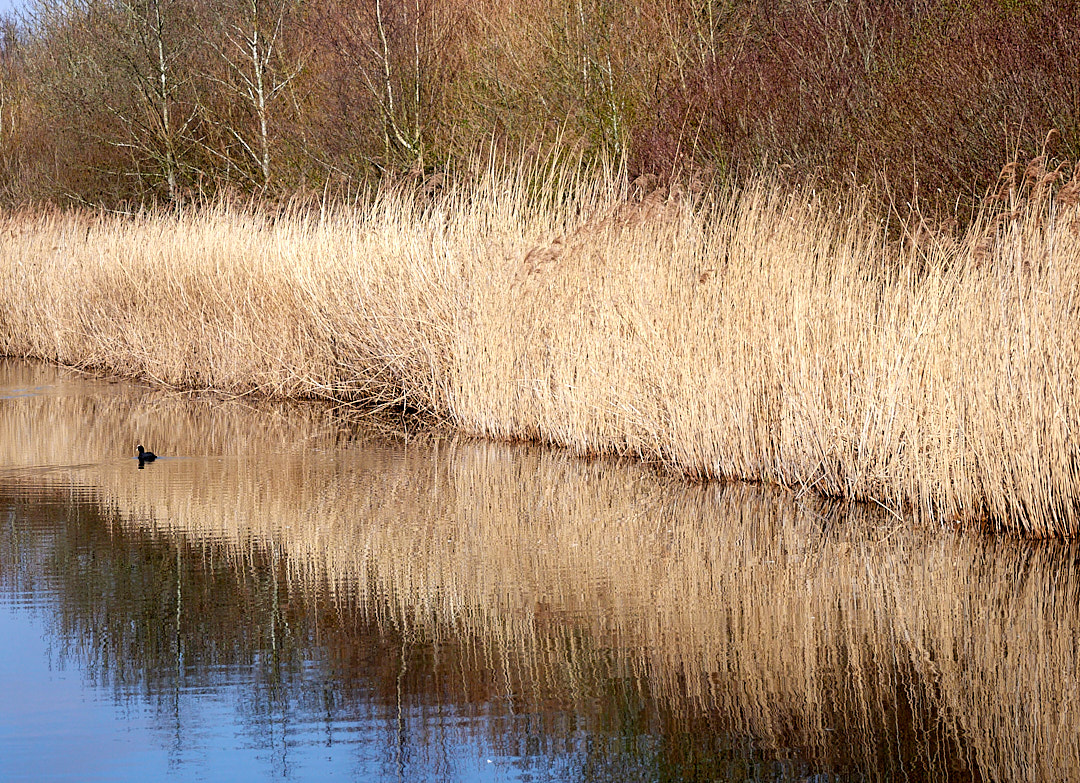
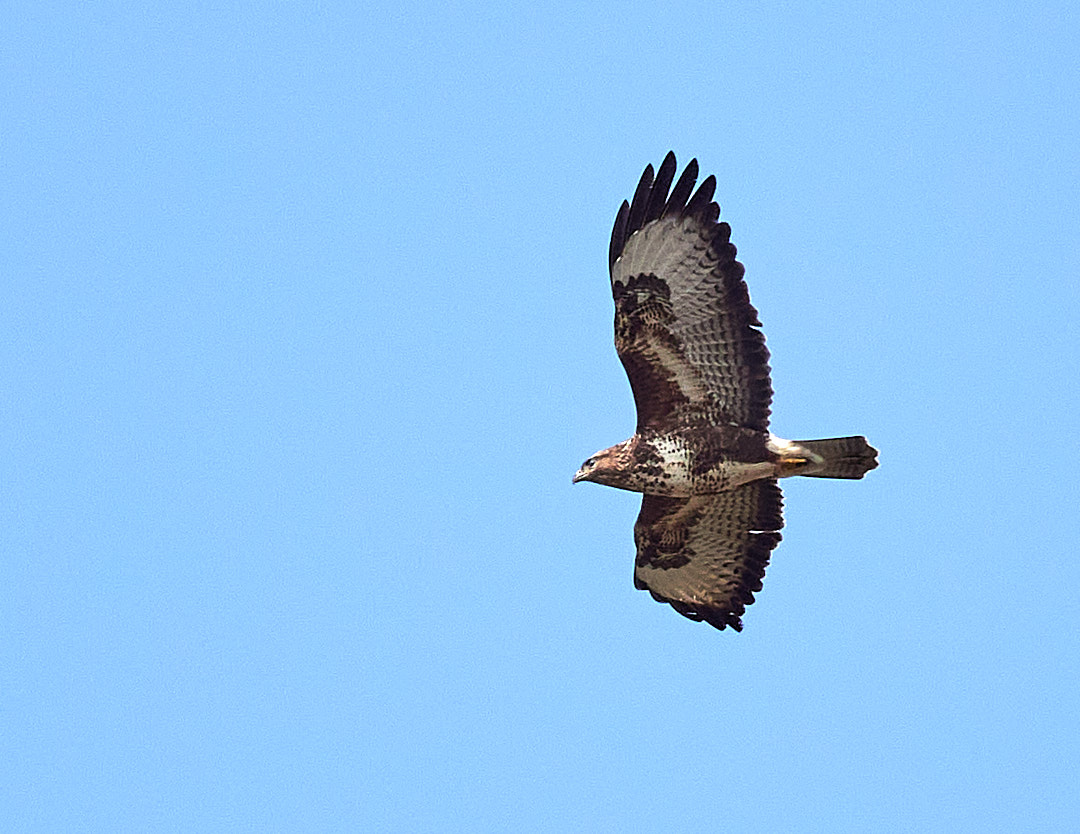
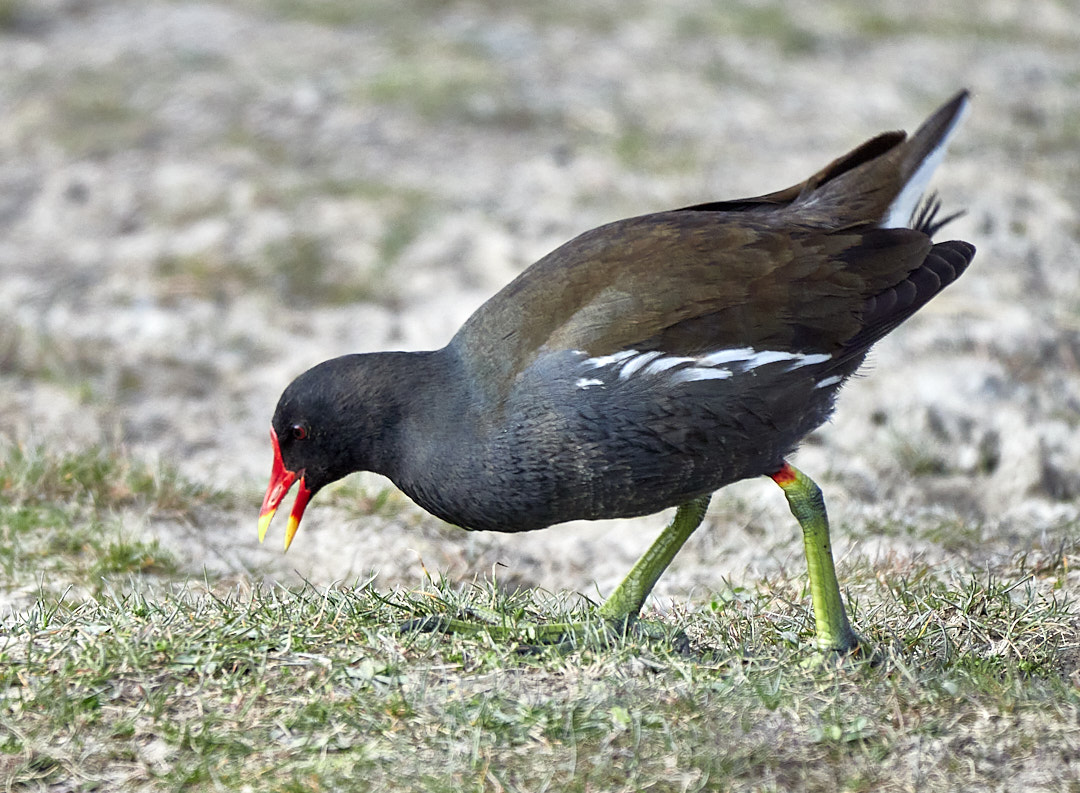
Evidence of nature re-occupying the canal, is everywhere:
The Photographic Group was meeting again to view members’ images in the afternoon, but unfortunately it was time for us to leave so we said thank you and bid everyone farewell before heading home.
 "See-u-Later"
Thank you Peter for another interesting tour!
LikeLike