
30th September 2022
Skipton
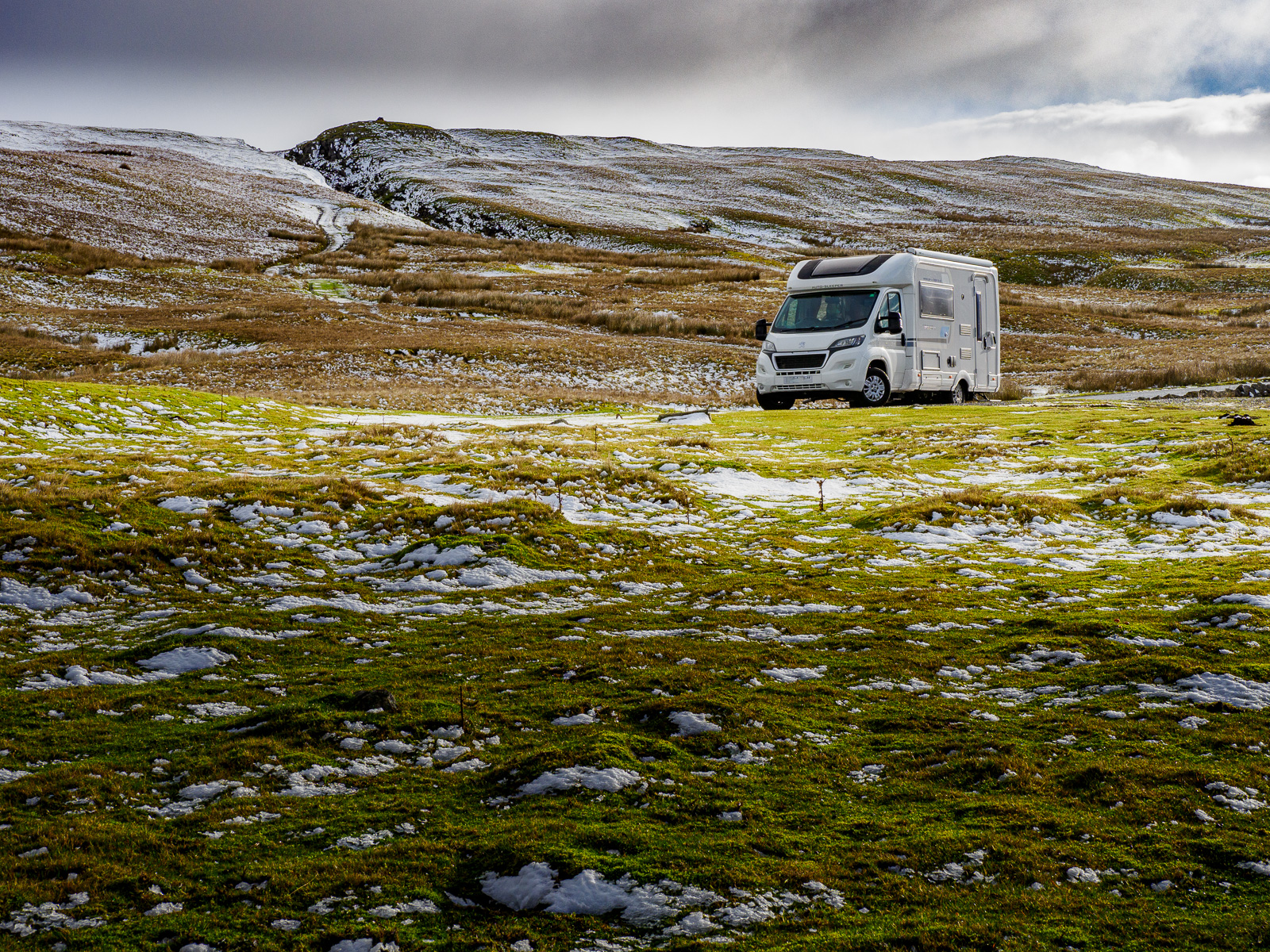
Amid very wet and windy weather, we returned to the Skipton area of North Yorkshire for the second weekend in a row, this time to meet up with our motorhoming friends Jeeves and Michelle, who had made the journey north from near Wolverhampton to meet up with us. The venue was the fields of Skipton Rugby Club where the British Caravaners Club section of the Camping and Caravanning Club were holding a meet. Eventually the weather did turn showery.

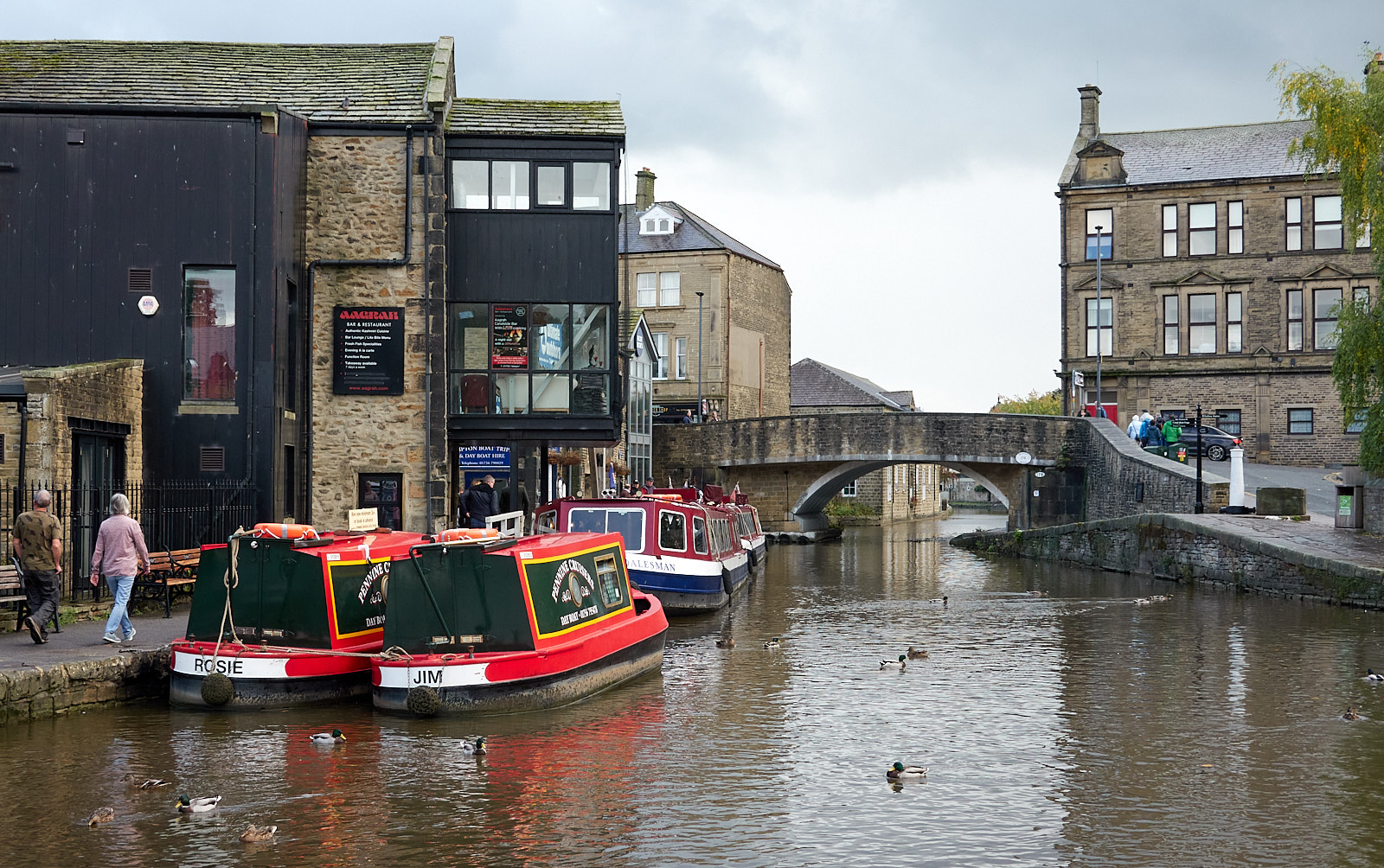
The following morning, dodging showers, we walked along the Leeds and Liverpool canal to the town centre.


It was market day with stalls on both sides of the High Street.

An entrance on one of the side streets had a number of murals with slogans which were quite artistic:

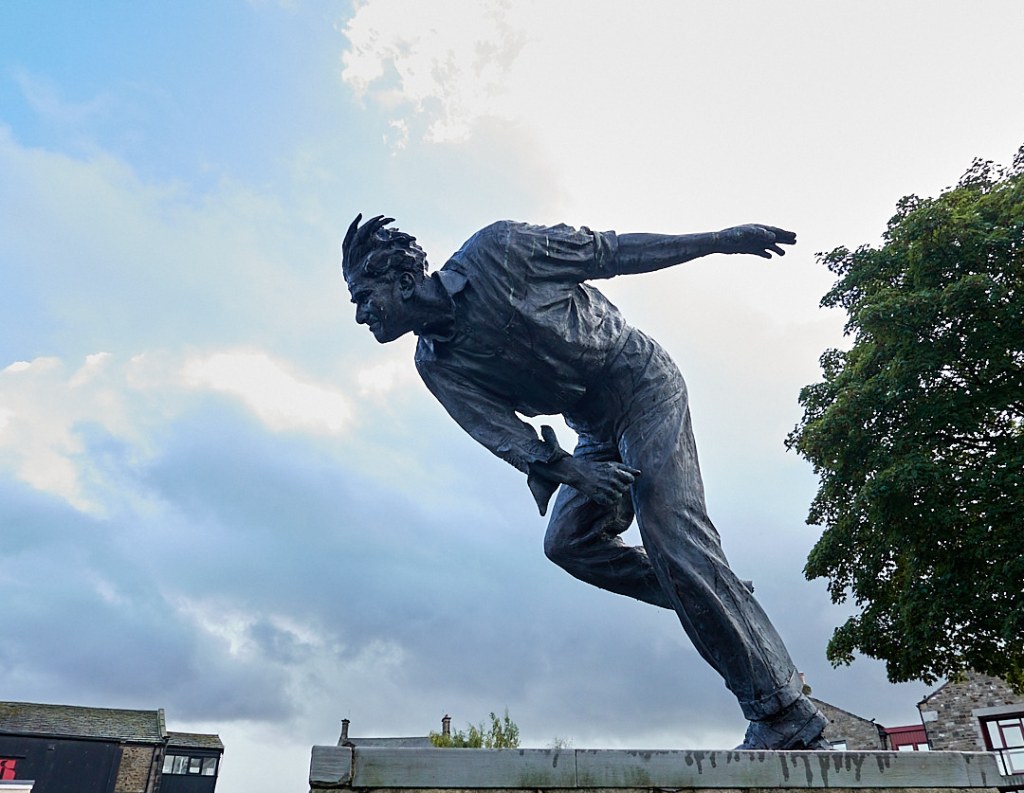
The town is proud of one of its sons, the cricketer Fred Truman, who played for both Yorkshire and England. A very aggressive bowler, he was known as “Fiery Fred”.
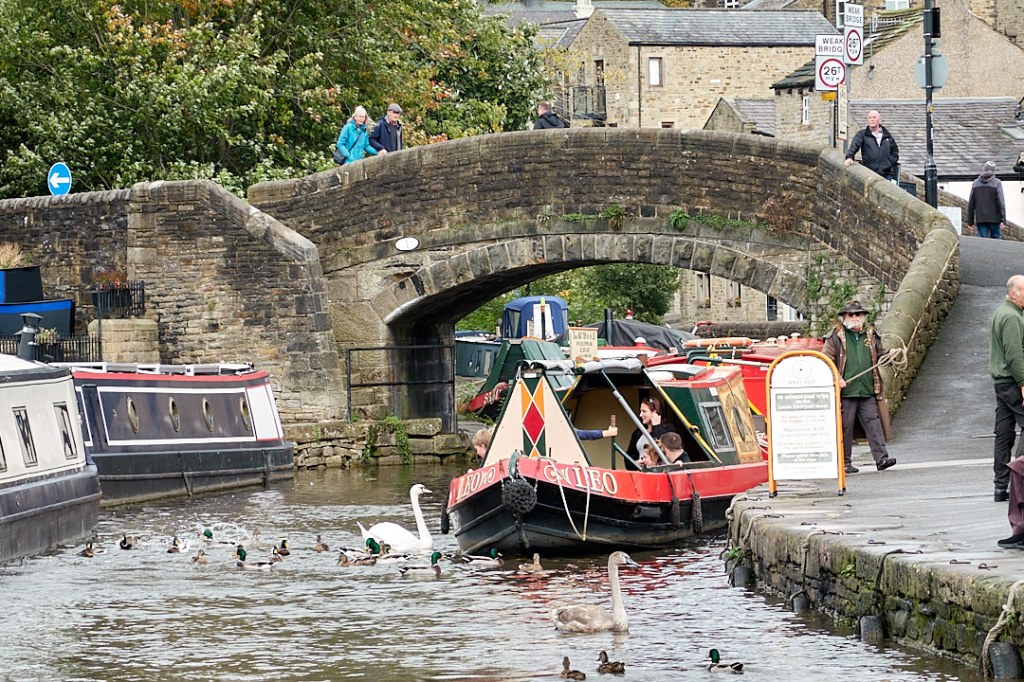
The canal is a major feature of the town with numerous bridges and many narrowboats moored there.

Sunday 1st October 2022
Gargrave
On Sunday morning, we planned a visit to Whalley Abbey on the way home. Leaving Skipton and having plenty of time we chose to follow a sign to Gargrave which promised a Sunday market. Sadly, no market was found, but when leaving the village we passed Gargrave Railway Station which had several photographers waiting on the bridge. As the line is a part of the Settle-Carlisle main line, which crosses Ribble Head Viaduct further north, we assumed this meant there would probably be a steam engine due through soon. The waiting photographers confirmed this, so we decided to wait for it.
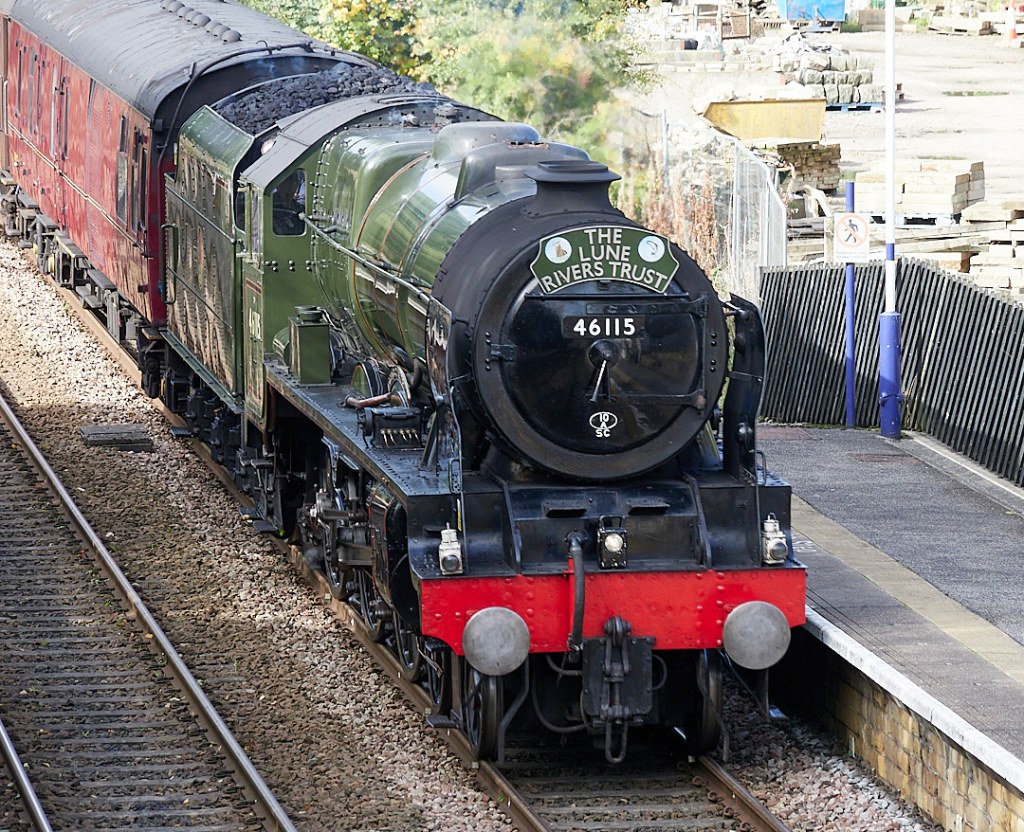
Learning that the train was almost an hour late in leaving Carlisle, most of the gathered steam enthusiasts decided to wait in their cars. A situation which a motorhome is ideally suited for as we could have some lunch and a cup of tea.
The Scots Guardsman is a restored steam engine which was originally built in 1927 for the London, Midland and Scottish Railway Company and later operated by British Rail. Unfortunately, not much steam was in evidence as the line runs slightly downhill at this point.
Whalley Abbey
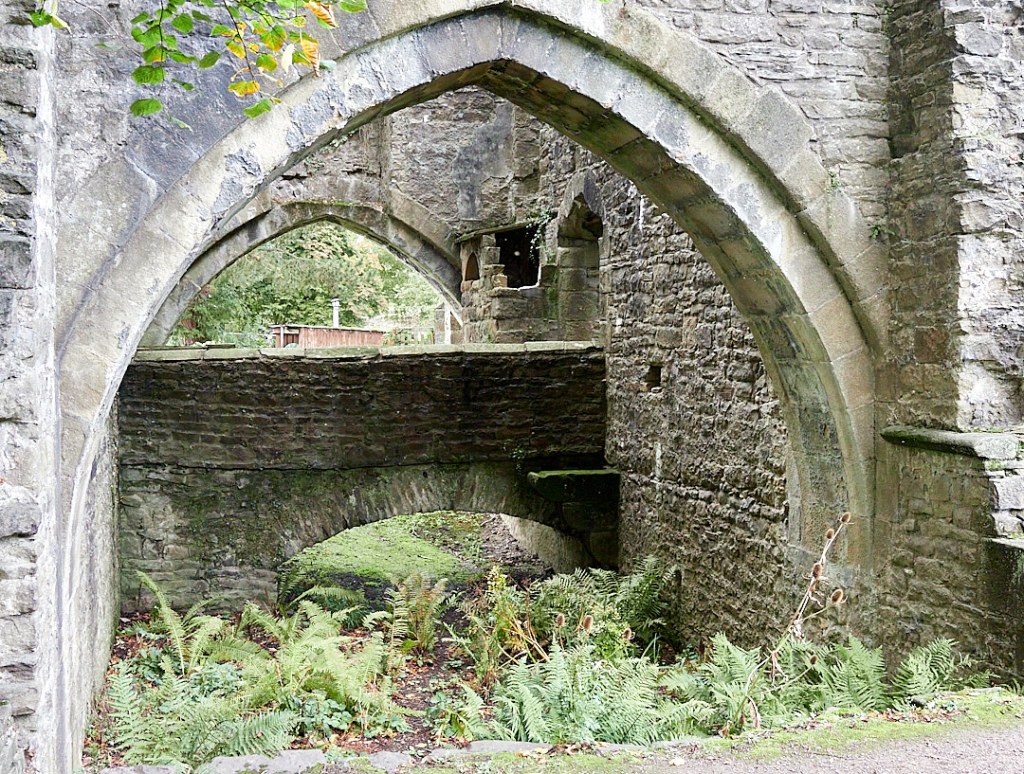
Whalley Abbey is a former Cistercian abbey which was a victim of the dissolution of the monasteries following King Henry VIII’s break with Rome.
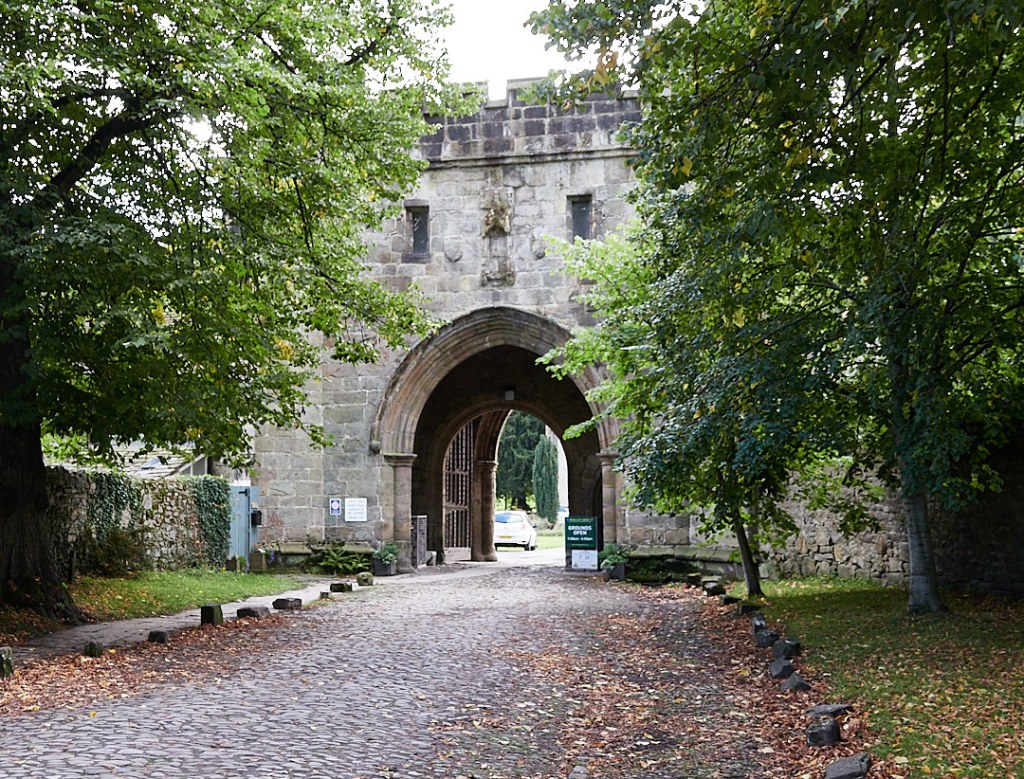
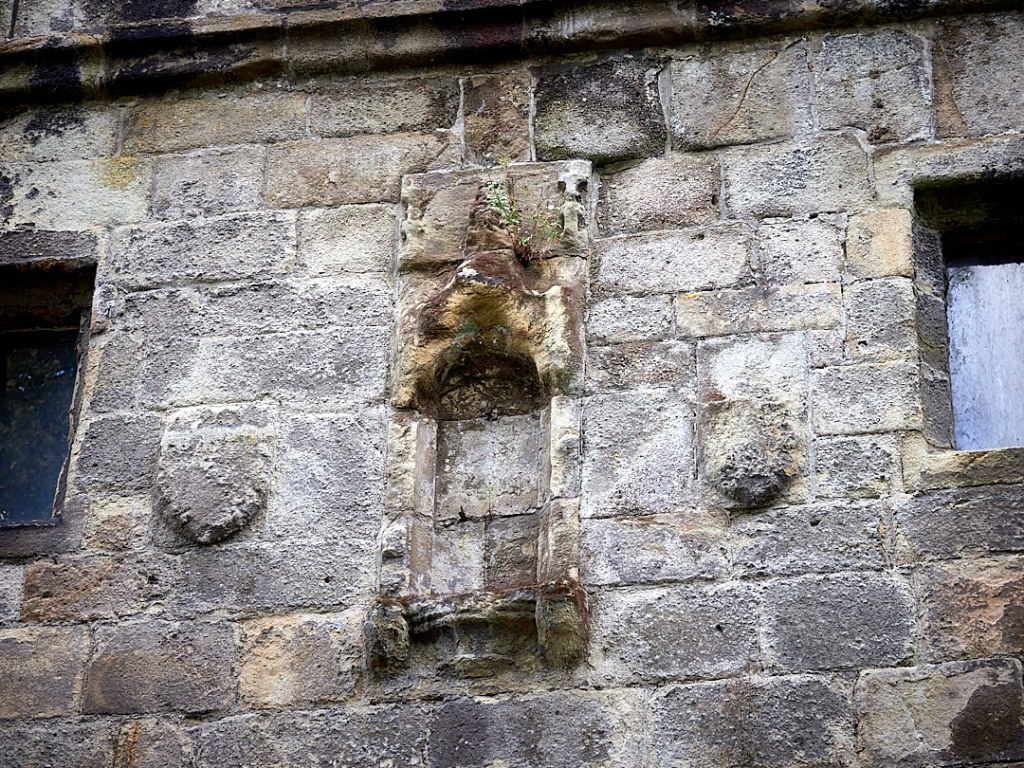
The abbey was built when Cistercian monks from Stanlow Abbey near the River Mersey, moved to Whalley in 1296. There is evidence of what was once a large settlement with a large church and many other buildings.
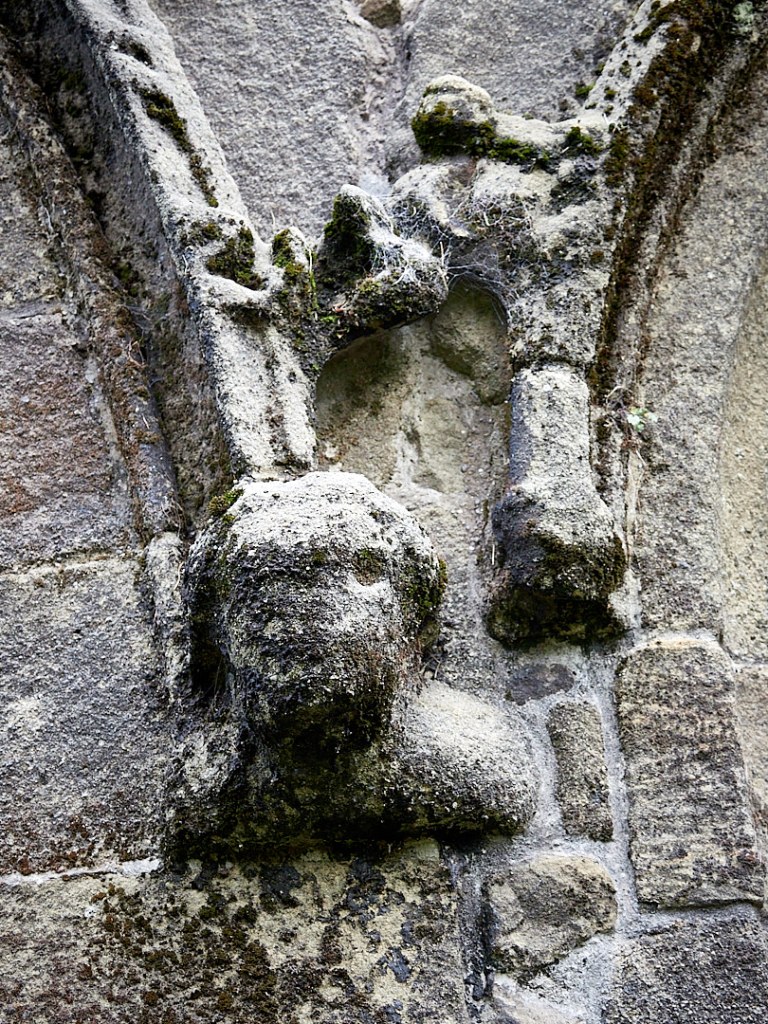
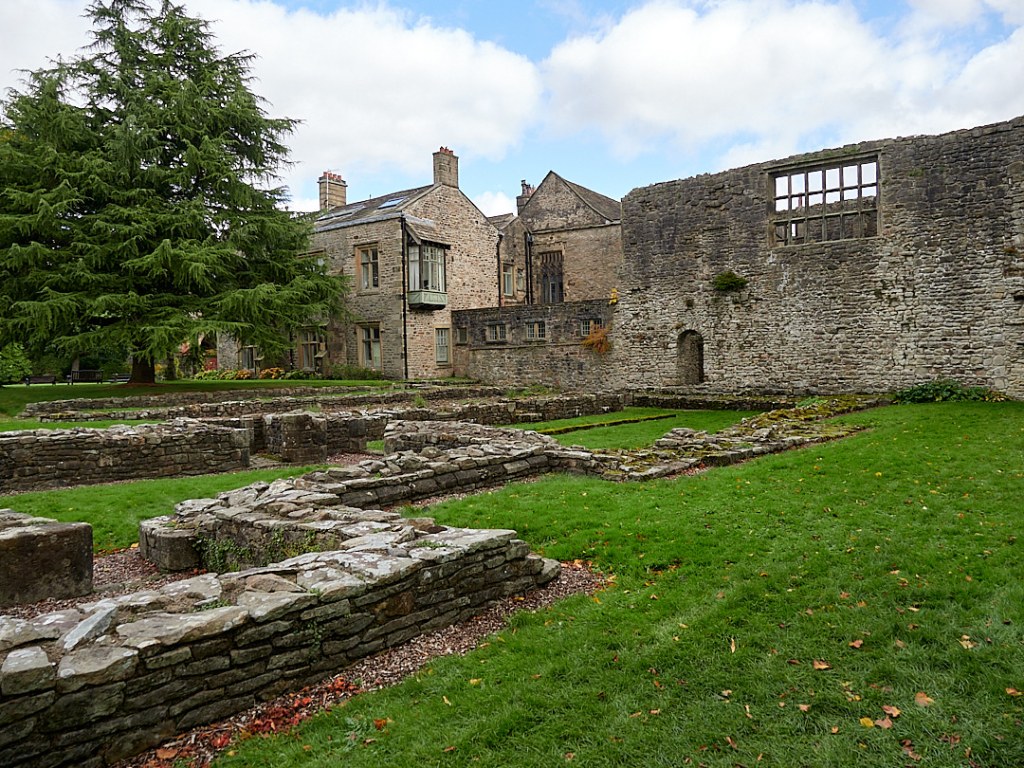
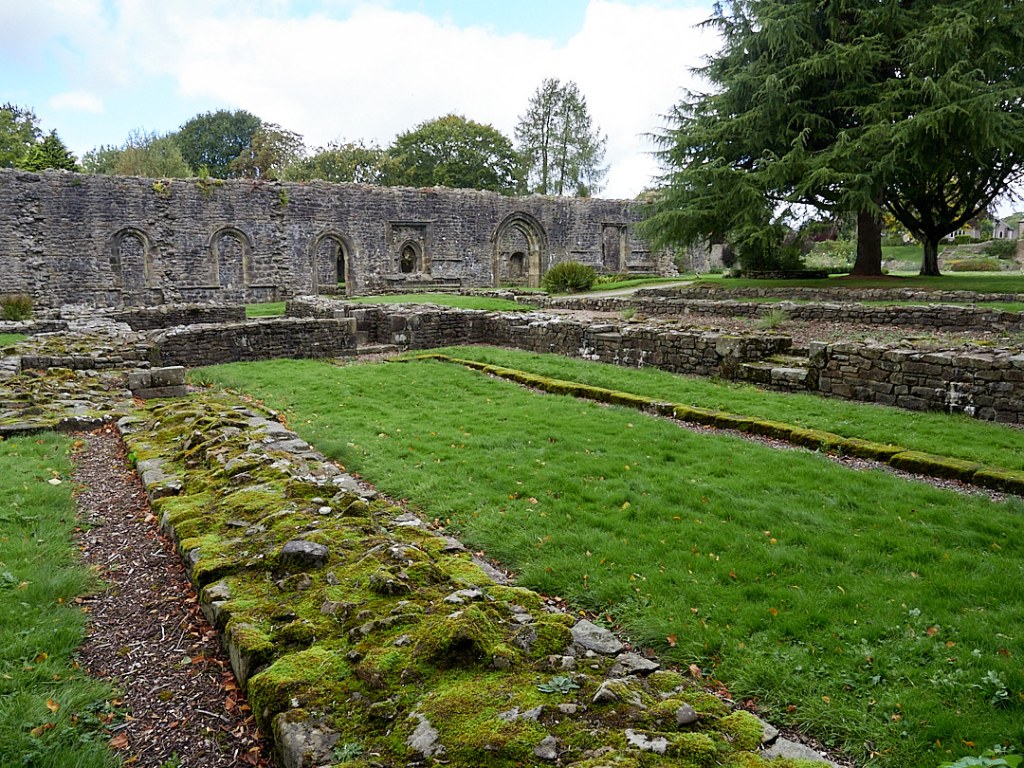
Abbot Paslew, the last abbott of the abbey, enjoyed a very comfortable life having many servants his own kitchen and even a hunting estate, unlike the regular monks and lay brothers who, following the Cistercian rules, led a very spartan existence.
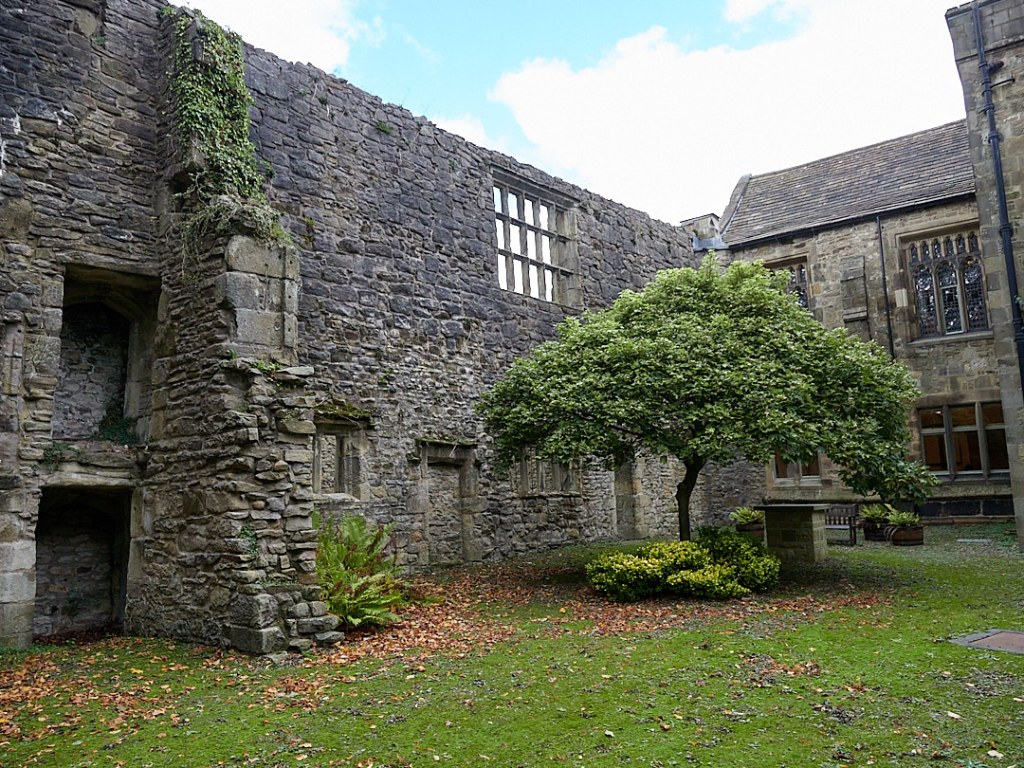
The abbot was involved in the Pilgrimage of Grace in 1536 which was a protest at Henry VIII’s break with the Roman Catholic Church. Following the dissolution of the monasteries, in 1537, he was tried and executed for High Treason.
 "See-u-Later"