
3rd – 5th March 2023
It is really nice to get back on our travels after a period of inactivity forced on us by various family problems, hence the gap in posts from the New Year. Interestingly, this has resulted in adjacent posts about both York and Lancaster; a sort of “roses” thing.
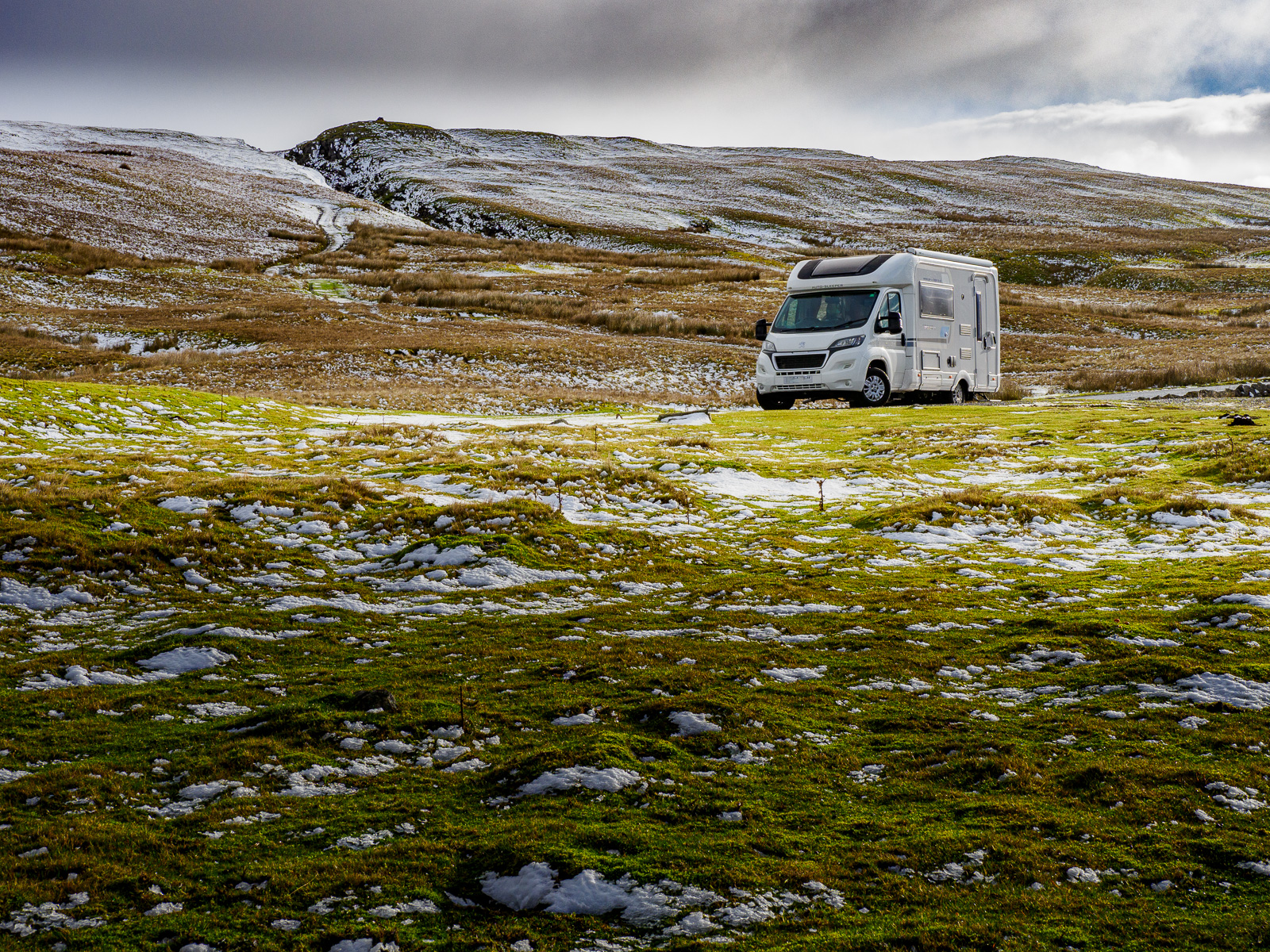
Our site for the weekend, was the Lancaster Auction Mart car park in the interestingly named village of Golgotha, as we attended a “meet” of the Camping and Caravanning Club North East Lancashire District Association. No social events were organised, but thank you to Pat and Peter for their company and conversation in the evenings.
Golgotha Village appears to be named after the hill near Jerusalem on which Jesus Christ was crucified. It is just a few hundred yards further up Wyresdale Road, beyond the site where many convicted prisoners, including 9 of the Lancashire Witches, were hanged. Apparently, many prisoners were allowed a last drink in the Golden Lion pub on the way.
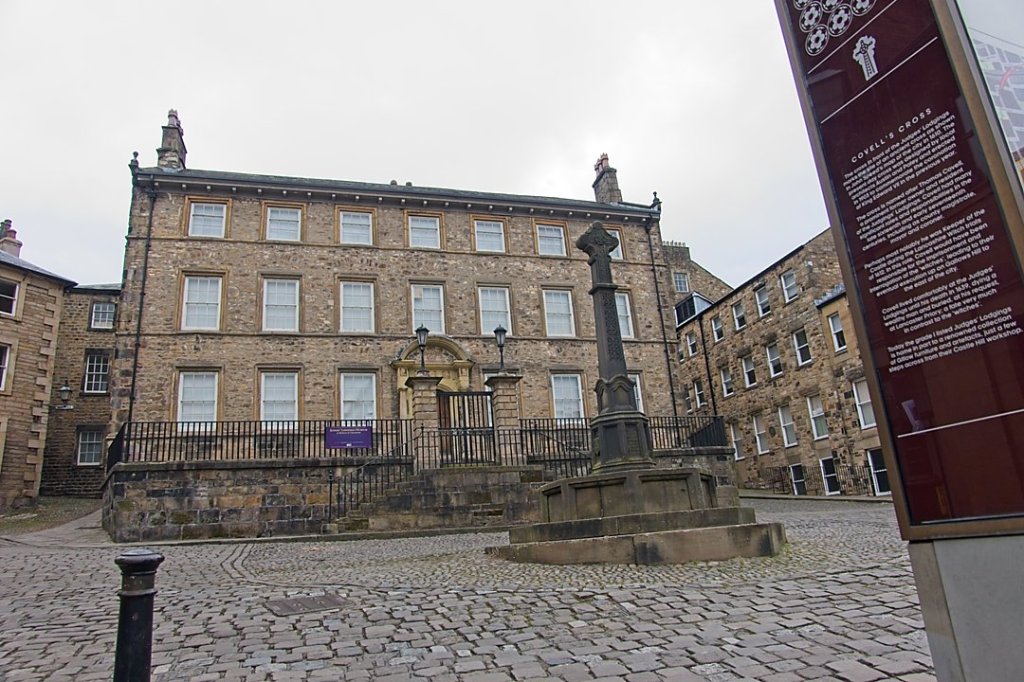
Lancaster is a very old city with some ancient buildings centred around the castle and the Priory Church of St Mary, alongside. Most of the city is built of stone, but much of the present day architecture results from an expansion in trade in the 18th and 19th centuries when Lancaster was a thriving port.
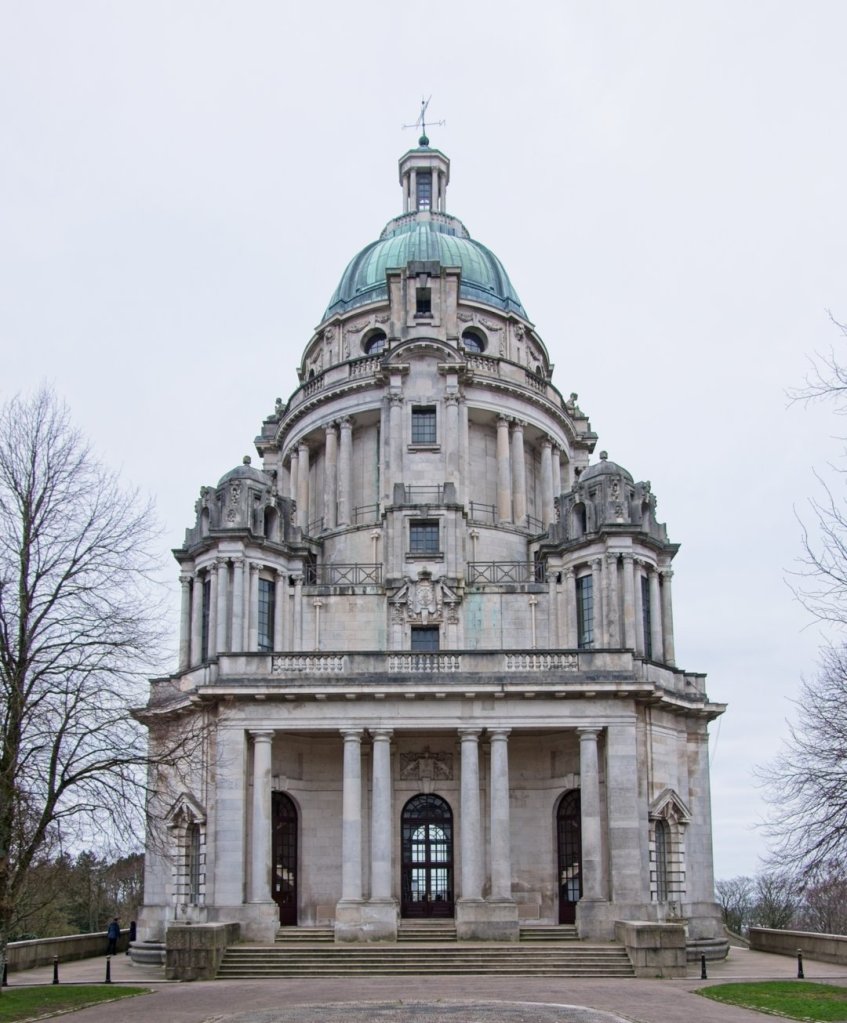
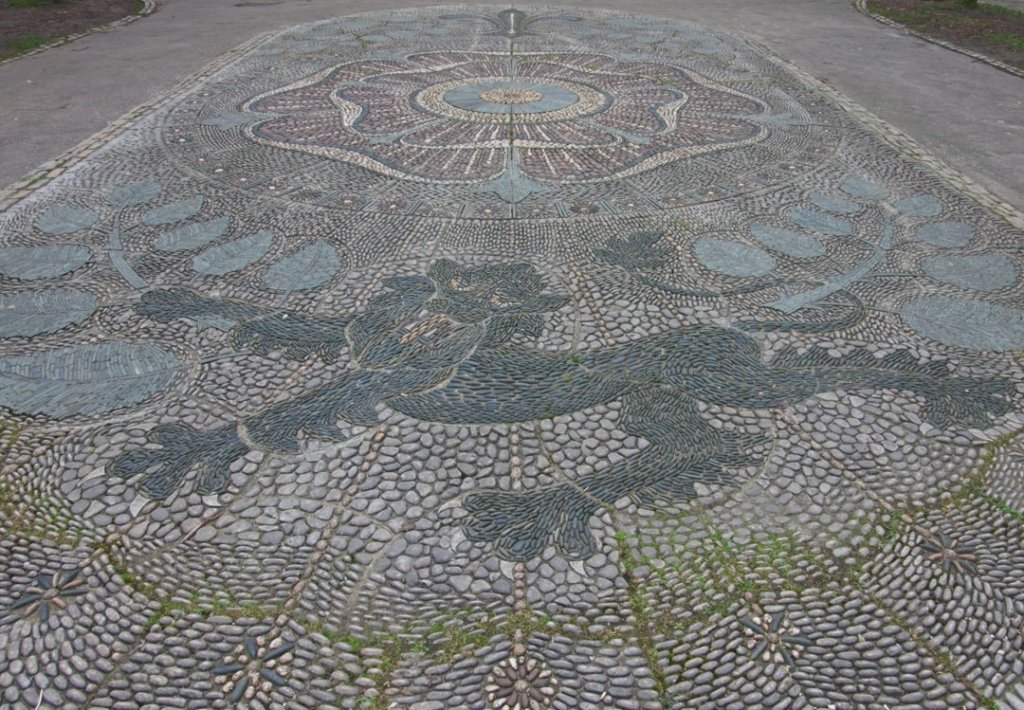
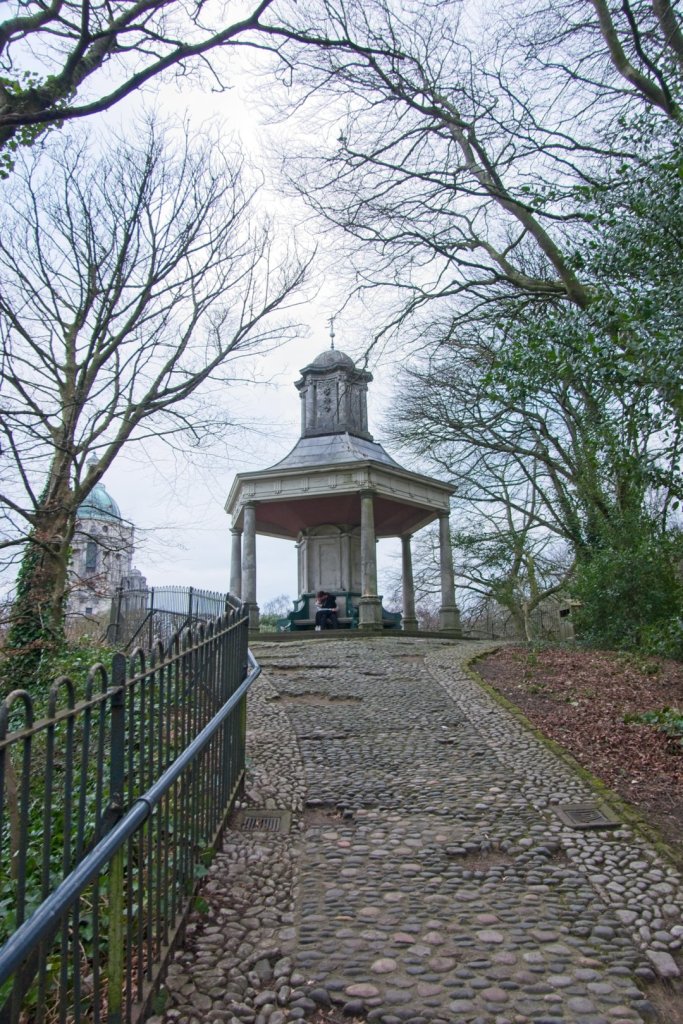
3rd March: Williamson Park and the Ashton Memorial
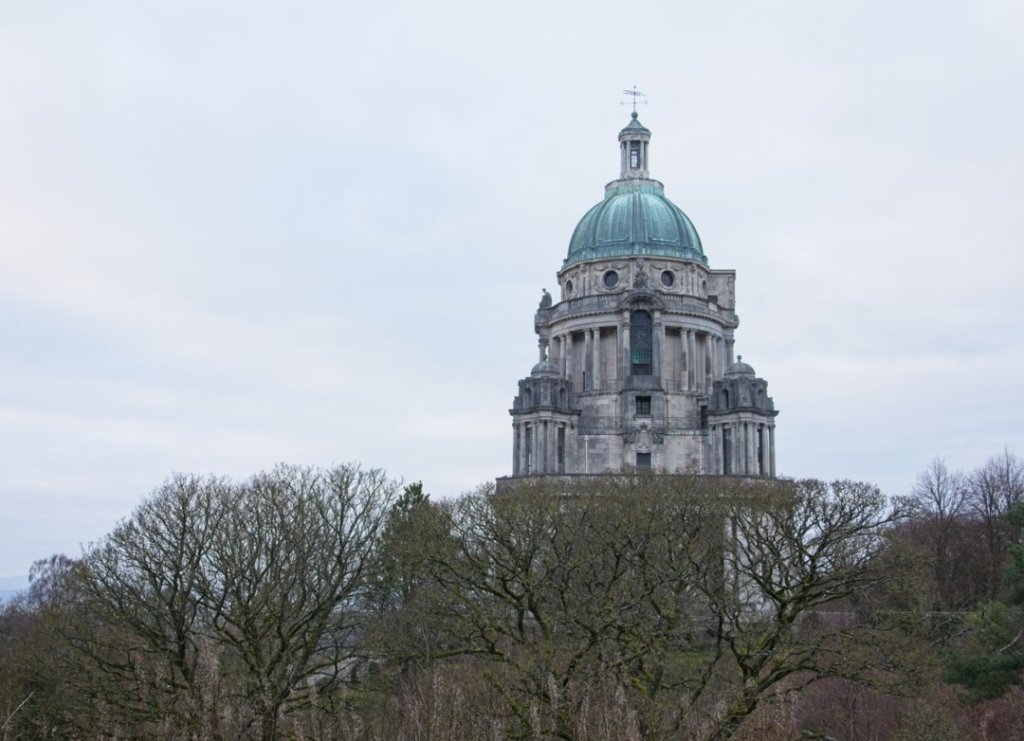
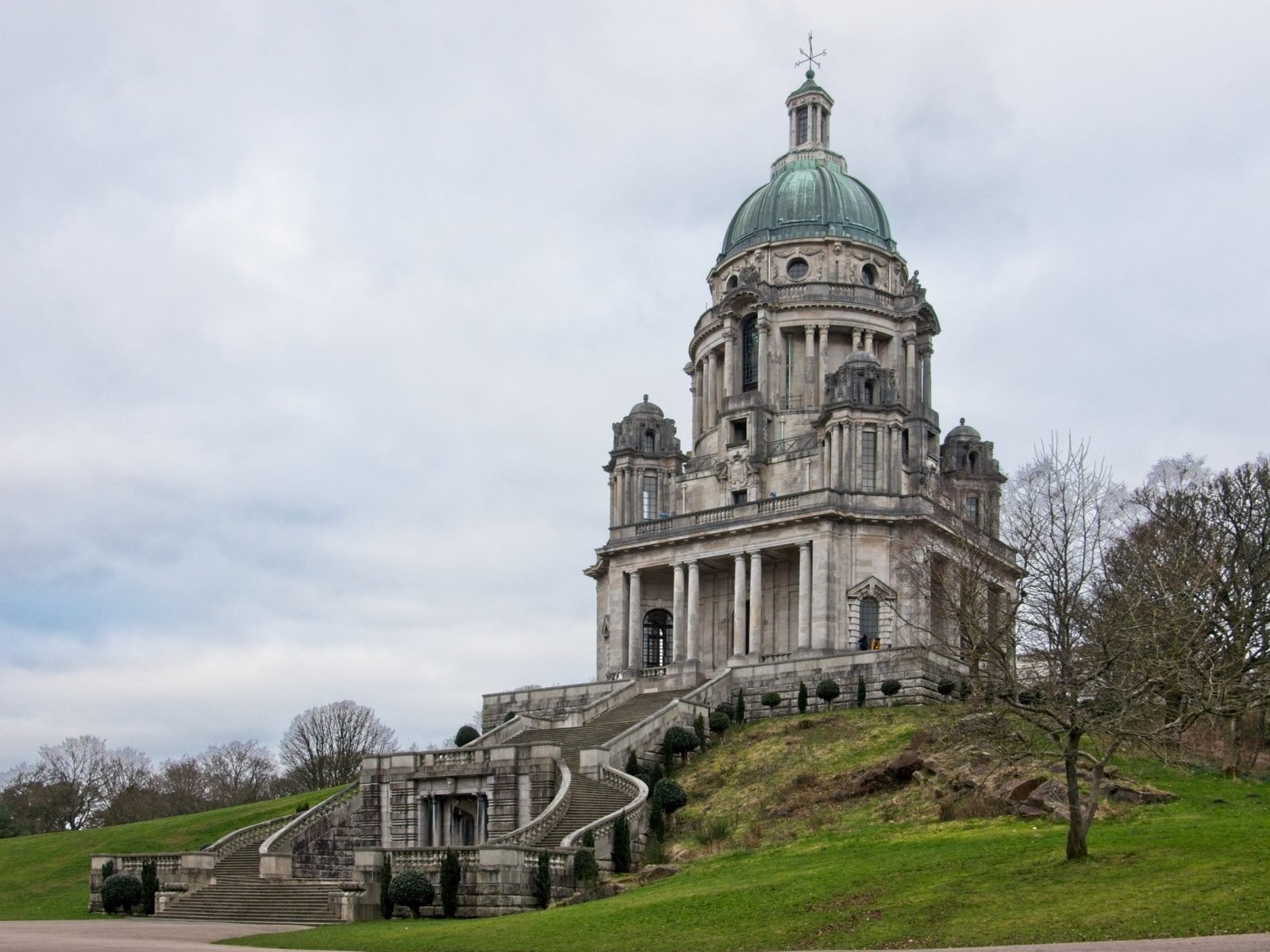
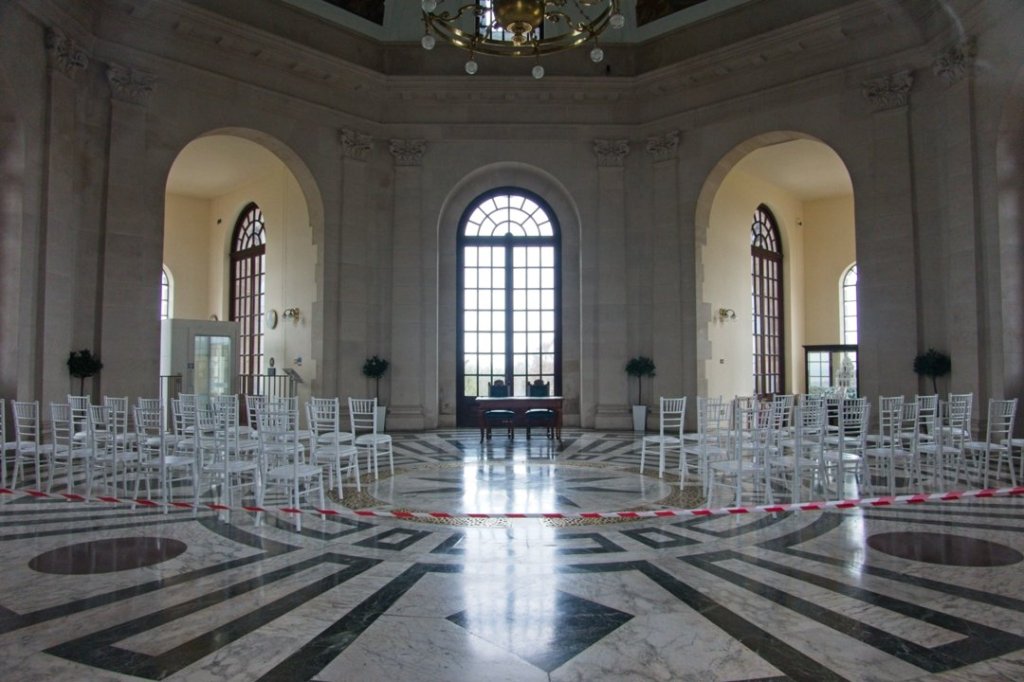
James Williamson who was the 1st Baron Ashton, built the Ashton Memorial in memory of his second wife Jessy. Completed between 1907 and 1909, it is reputed to have cost £87,000, the equivalent of around £9m today. It is impressively huge and dominates the Lancaster skyline.
4th March: Lancaster and the Castle
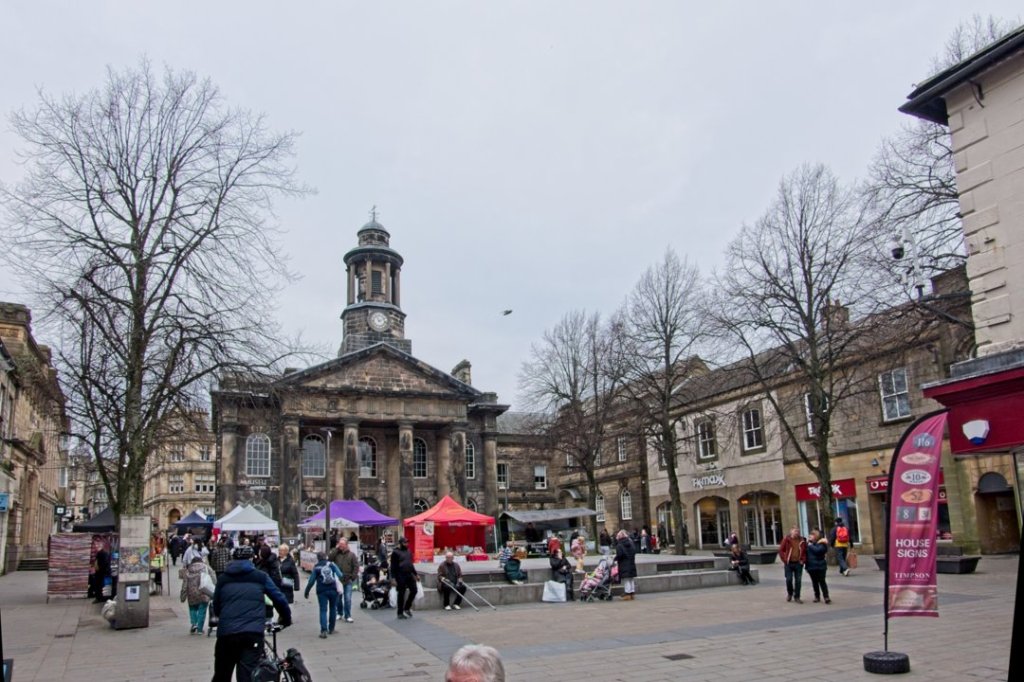
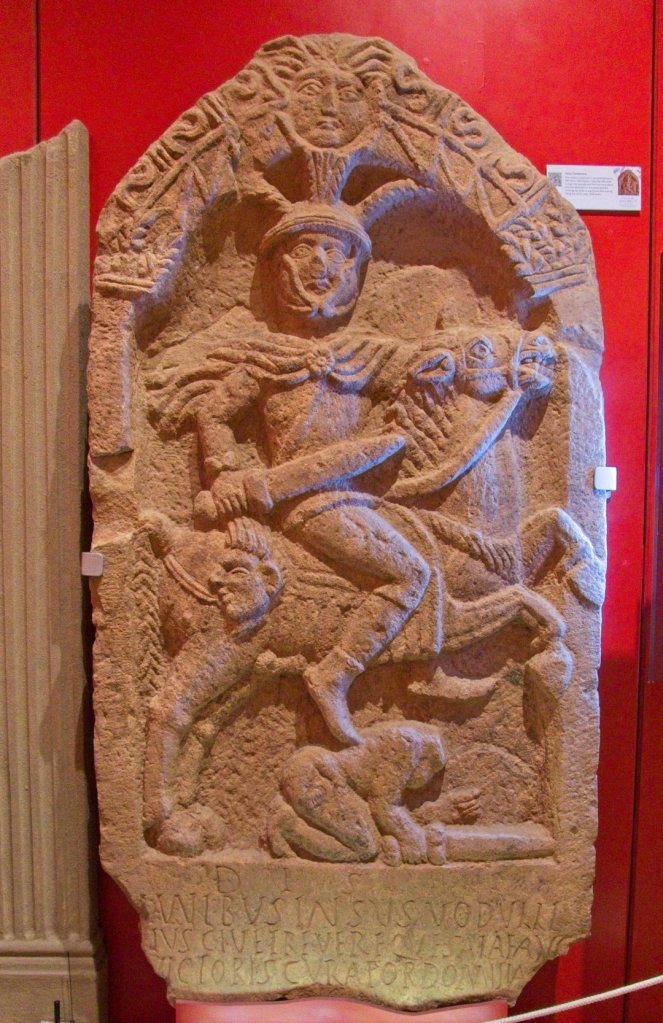
The City Museum is impressive and has many interactive exhibits. As you would expect with such an old city, evidence of its age and importance is on display.

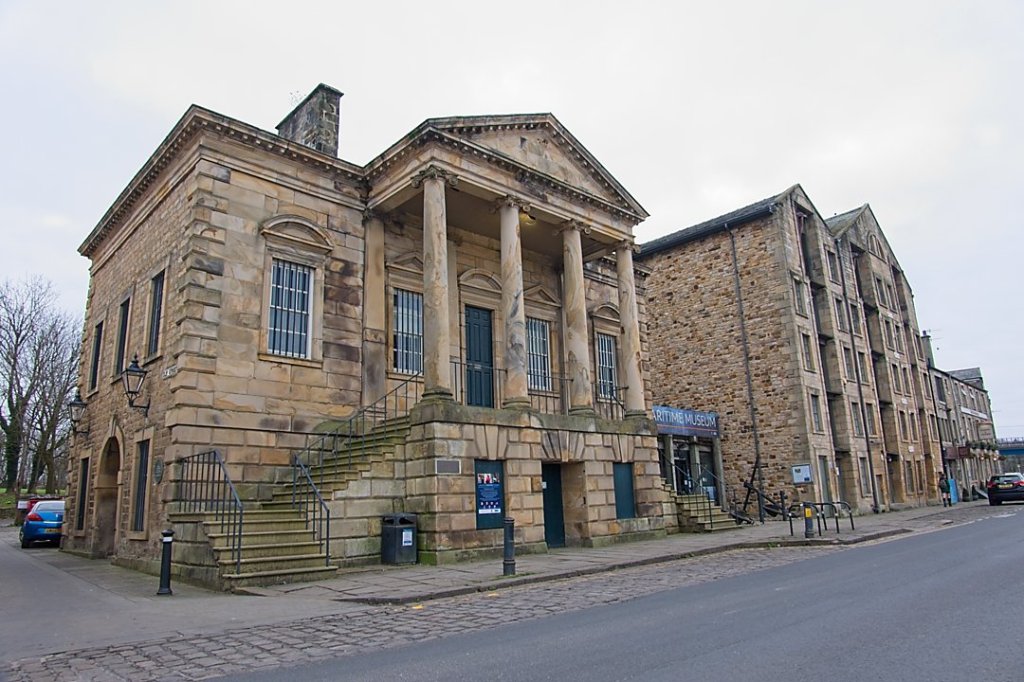
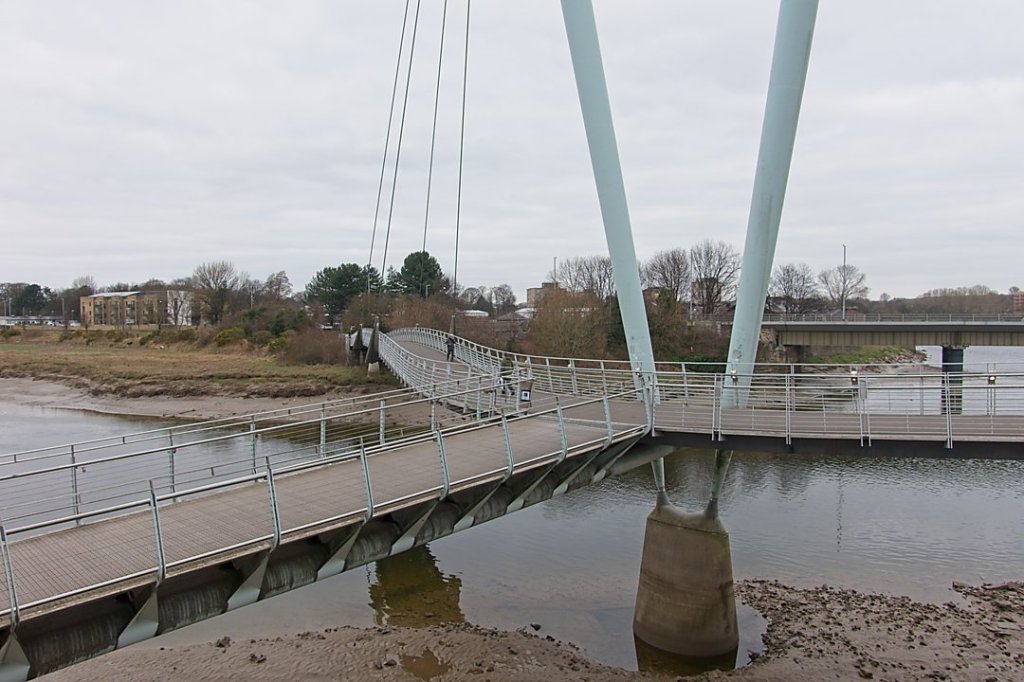
Now silted-up, there was once a thriving port at Lancaster with many warehouses along the quay.
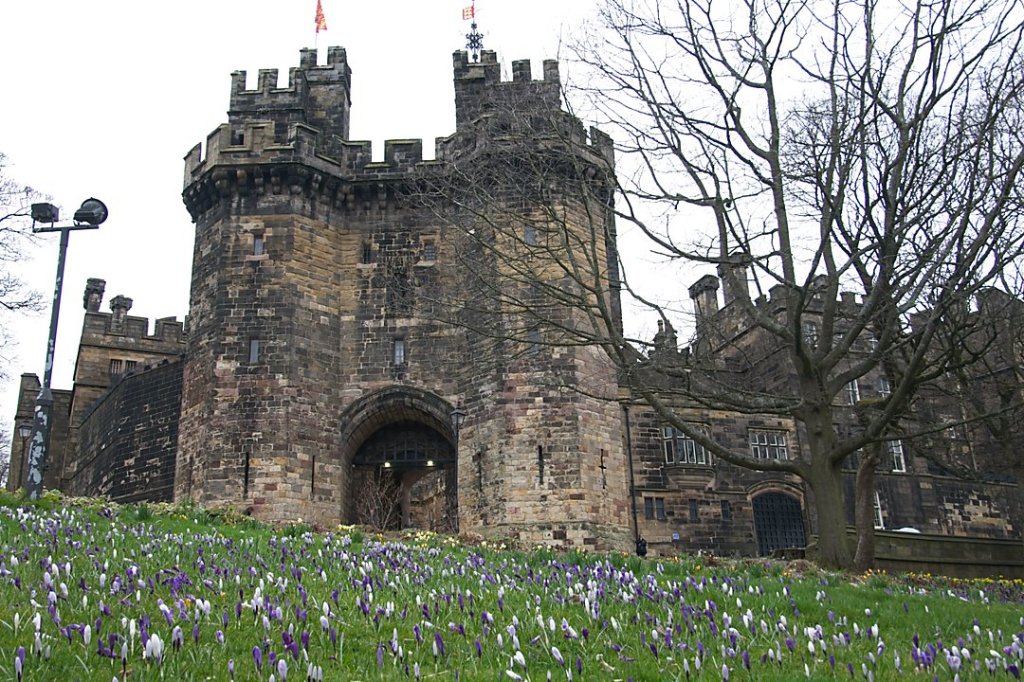
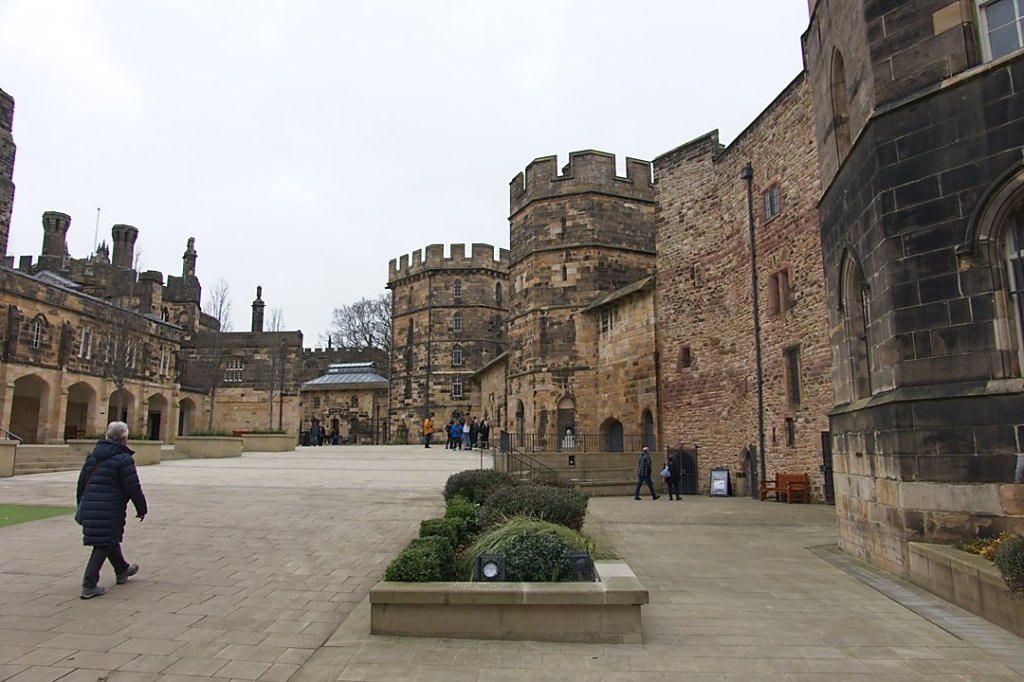
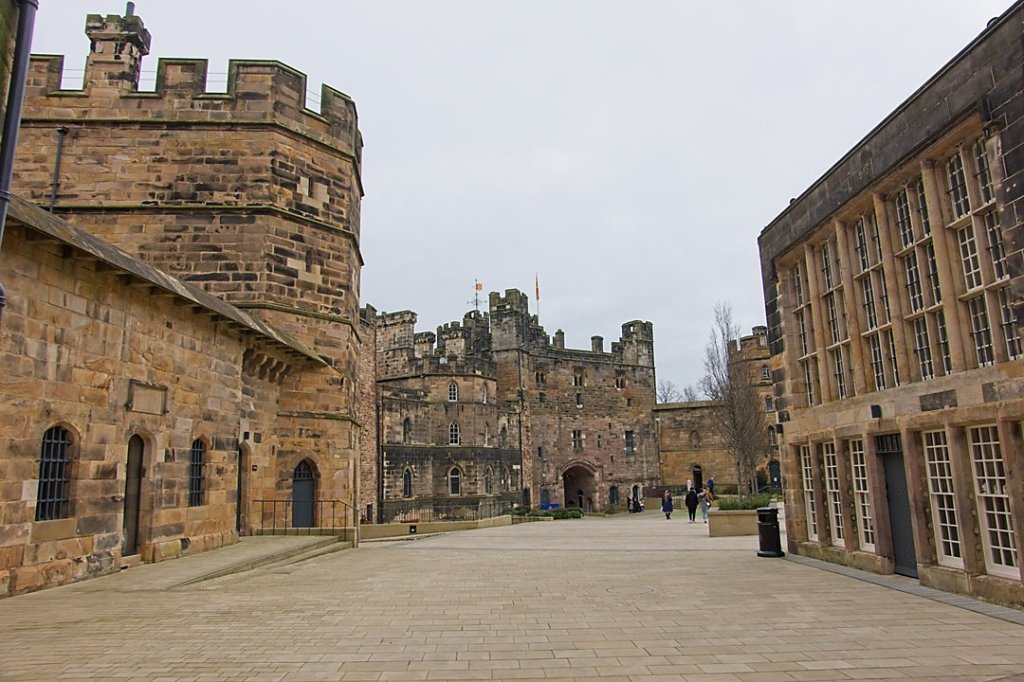
Unfortunately, internal access to the castle is currently not available, so we were only able to explore the courtyard.
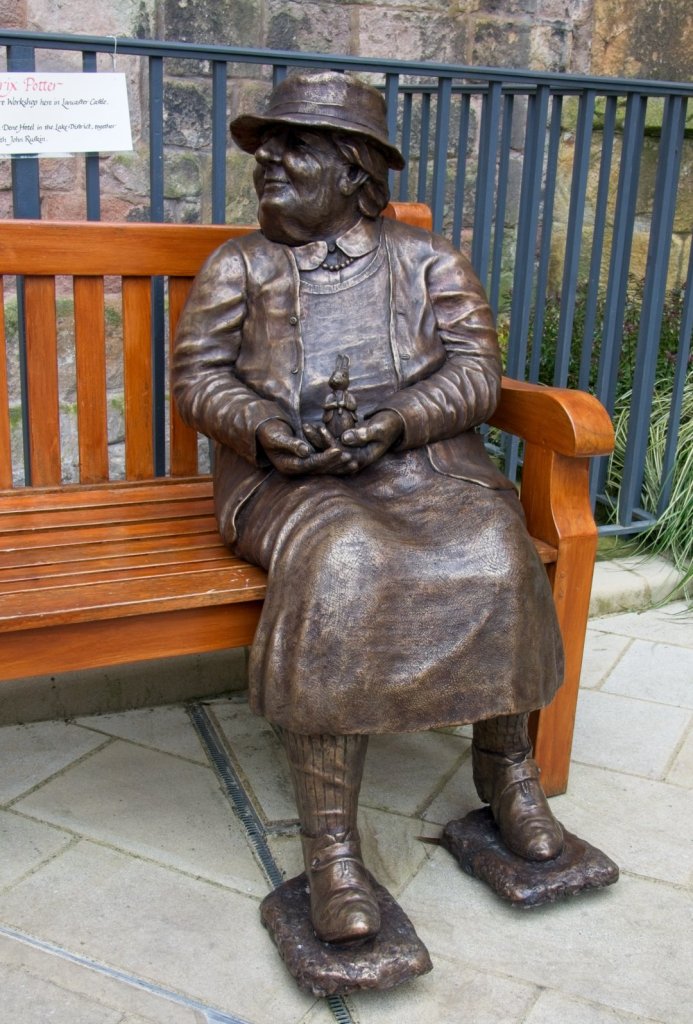
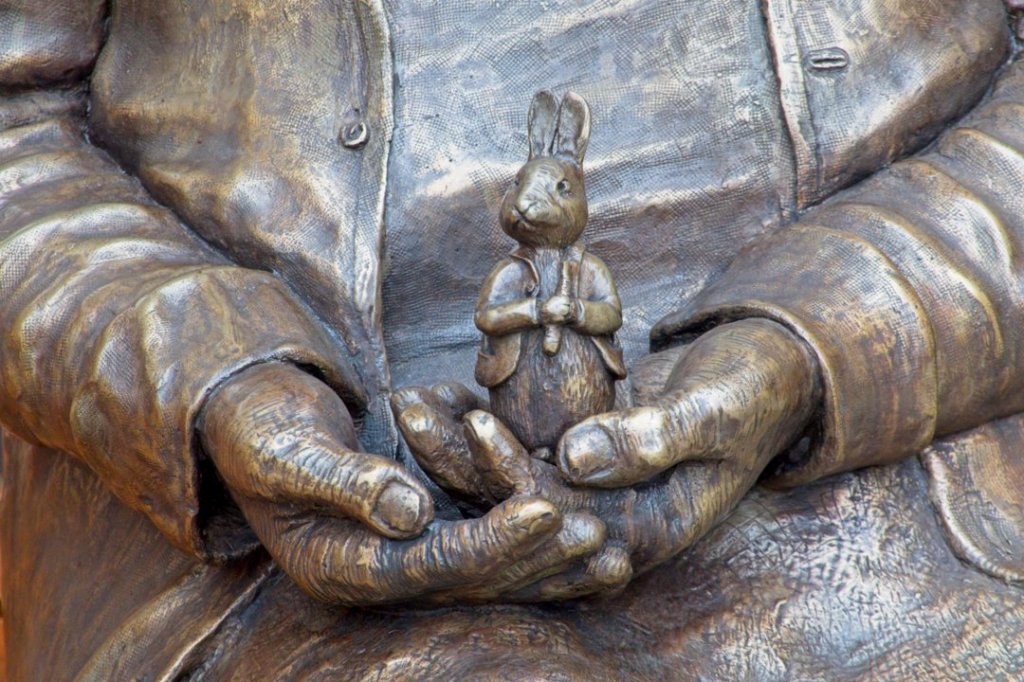
There are a number of craft workshops, one of which is used to make sculptures. The statue of Beatrix Potter is an excellent example, destined for the Damson Dene Hotel, near Bowness on Windermere, along with another bronze of John Ruskin when it is finished.
5th March: Morecambe and Heysham
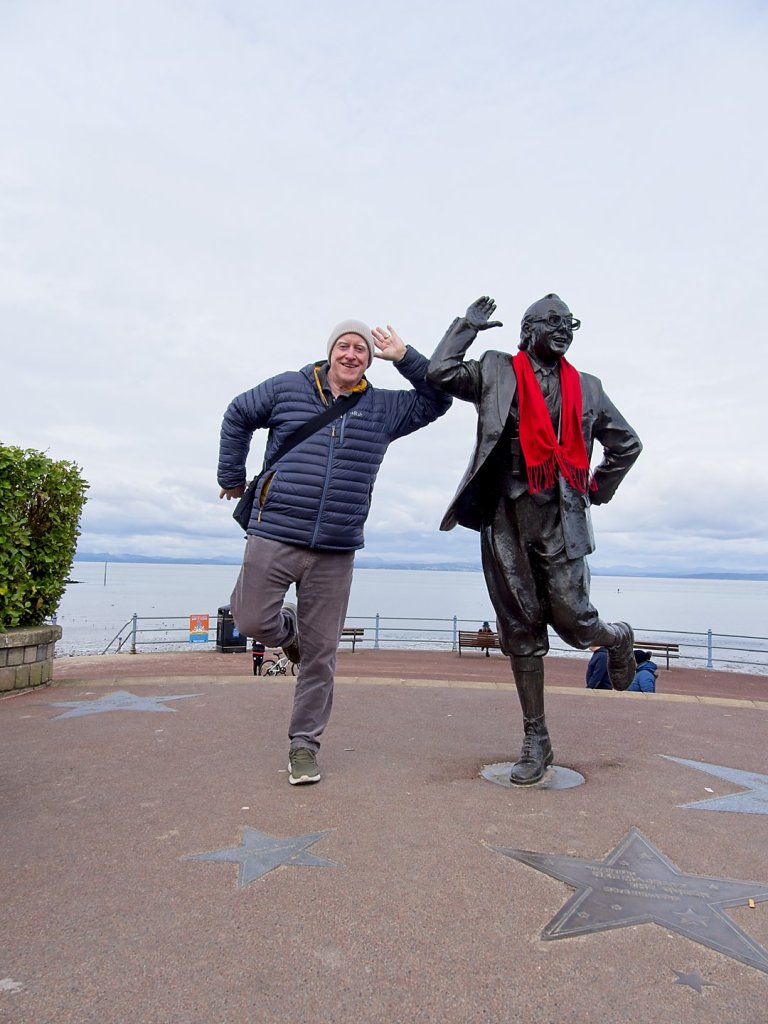
Unfortunately, Morecambe has a bit of a tired reputation, always playing “second fiddle” to Blackpool, just a few miles to the south. This is sad, but Morecambe has by far the best views across to the Lakeland Fells and with the promised development of The Eden Project North, things may at last be looking up again for the town.
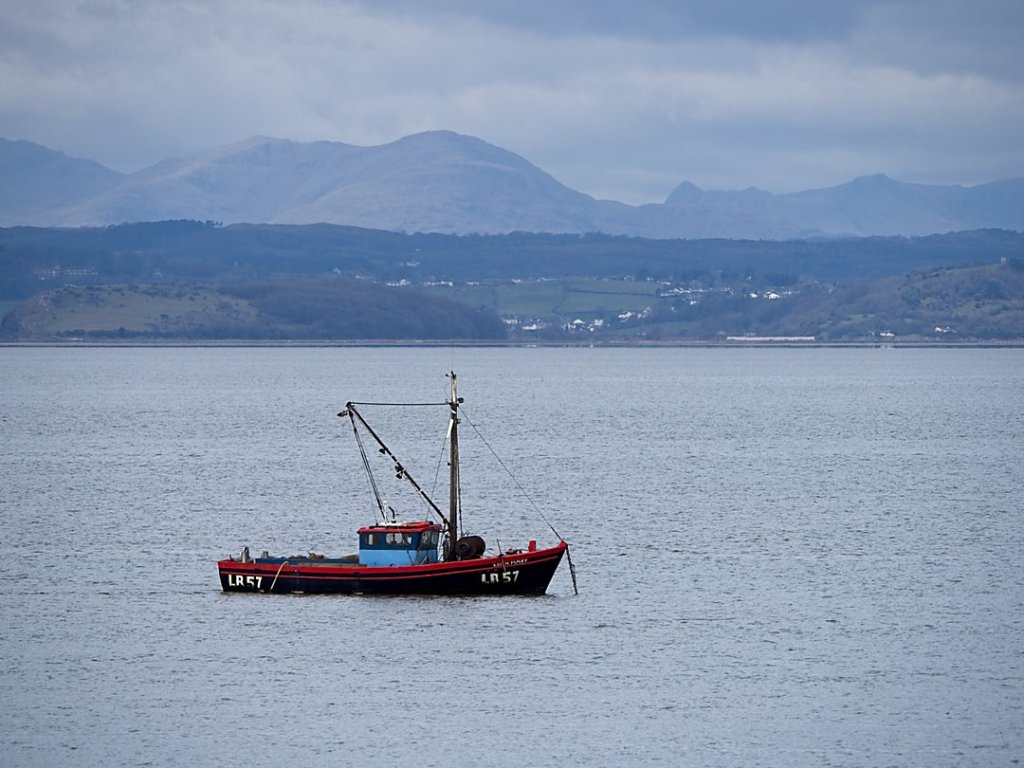
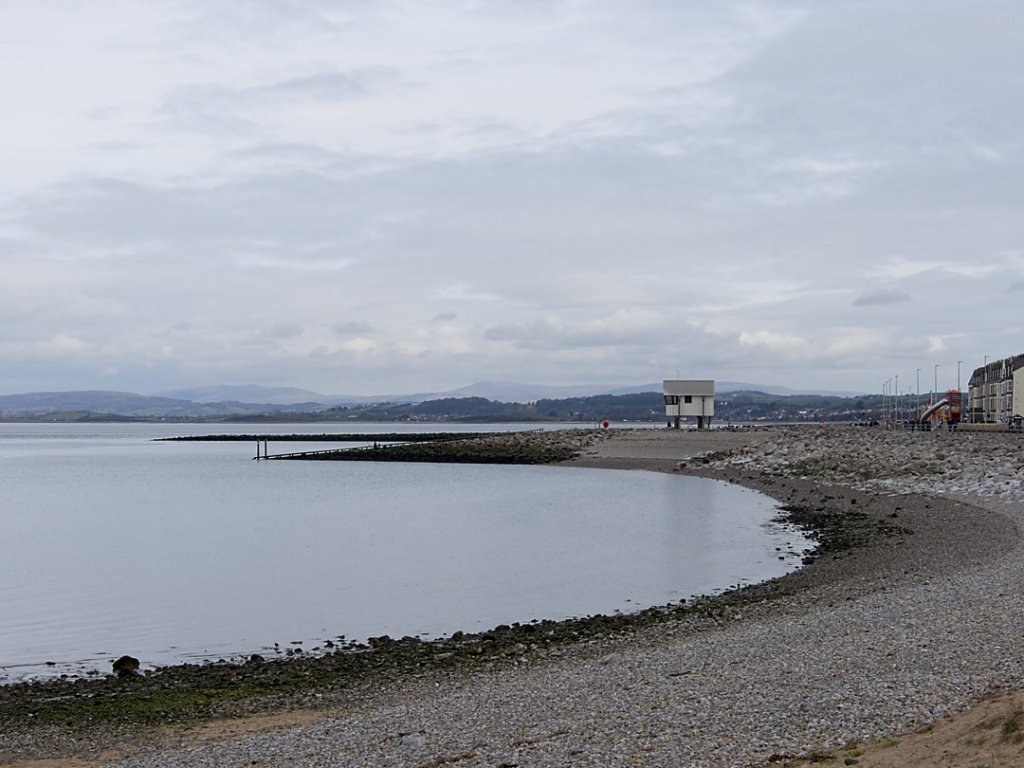
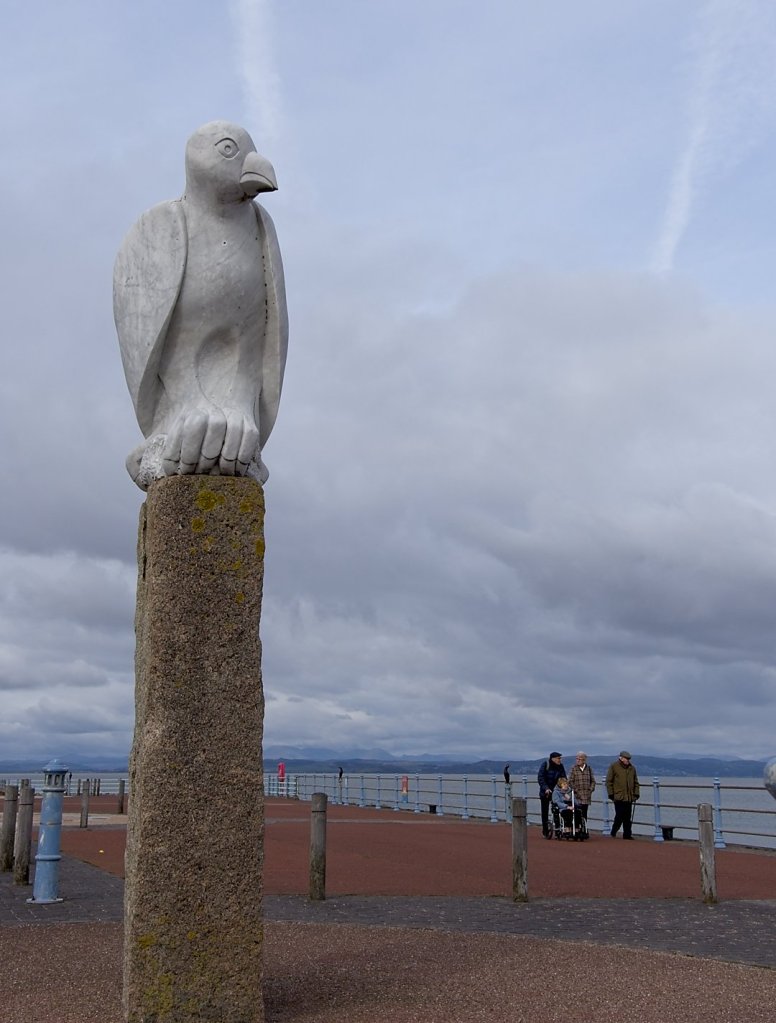
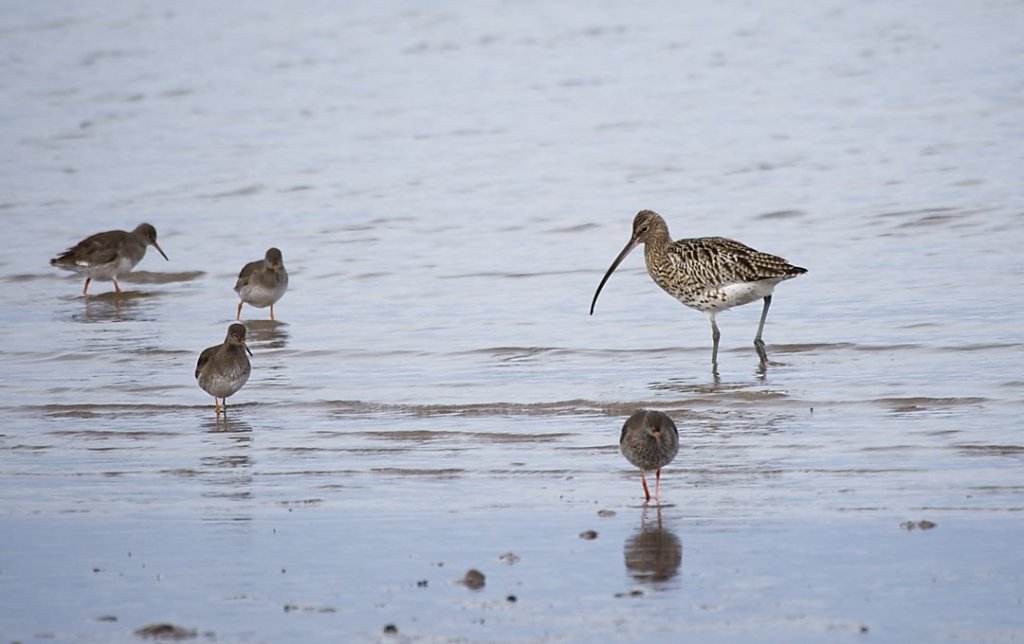
Morecambe Bay is rightly famous for its wading bird population.
After a good walk along the Morecambe sea-front, we drove on to Heysham to look at the early medieval chapel of St Patrick which is close to the church of St Peter’s, both of which are thought to date from the 8th century. Many Saxon and Viking remains are buried in the churchyard.
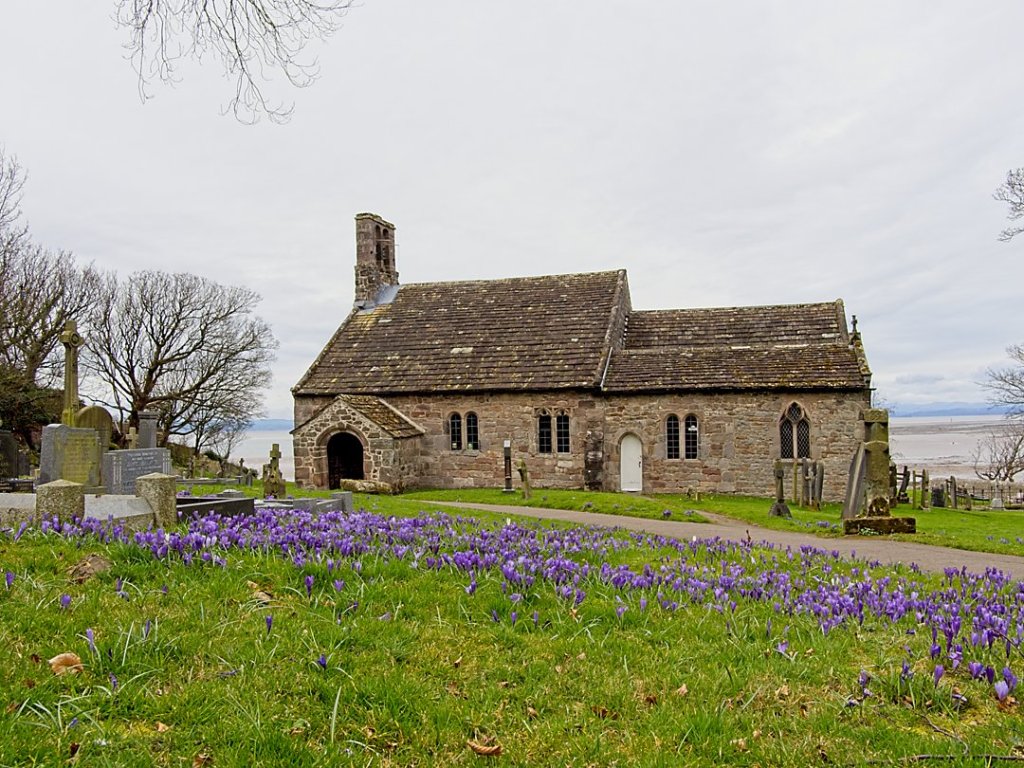
Above and behind St Peter’s church, St Patrick’s Chapel looks out over the Bay. Local belief is that St Patrick landed here on returning from Ireland. He may have been born in Ravenglass on the west coast of present-day Cumbria and captured age 16 by pirates. Taken to Ireland and held as a slave, he escaped in a ship bound for France, which was blown off course and wrecked here.
Many artefacts found near here date back to the stone age and are exhibited in Lancaster Museum.

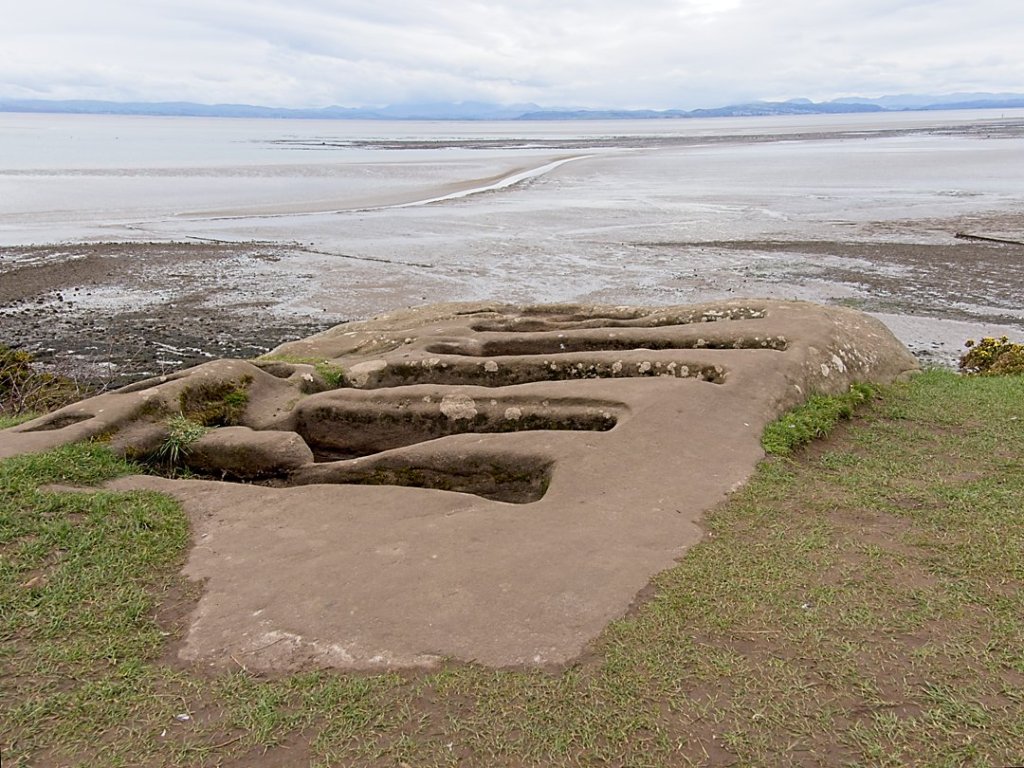
Alongside the chapel, there are six graves, hewn out of the bedrock. These were thought to be the graves of saints or other holy individuals, the chapel having been built to provide a place of rest for early Christian pilgrims visiting the graves. Much more recently, a photograph of the graves appeared on the cover of a Black Sabbath CD, “The Best of Black Sabbath”.
 "See-u-Later"
Nice to see you out and about again without the burden of work!
LikeLike
Thanks Keith
Not had time to draw breath yet!
LikeLike