
17th – 18th March 2023
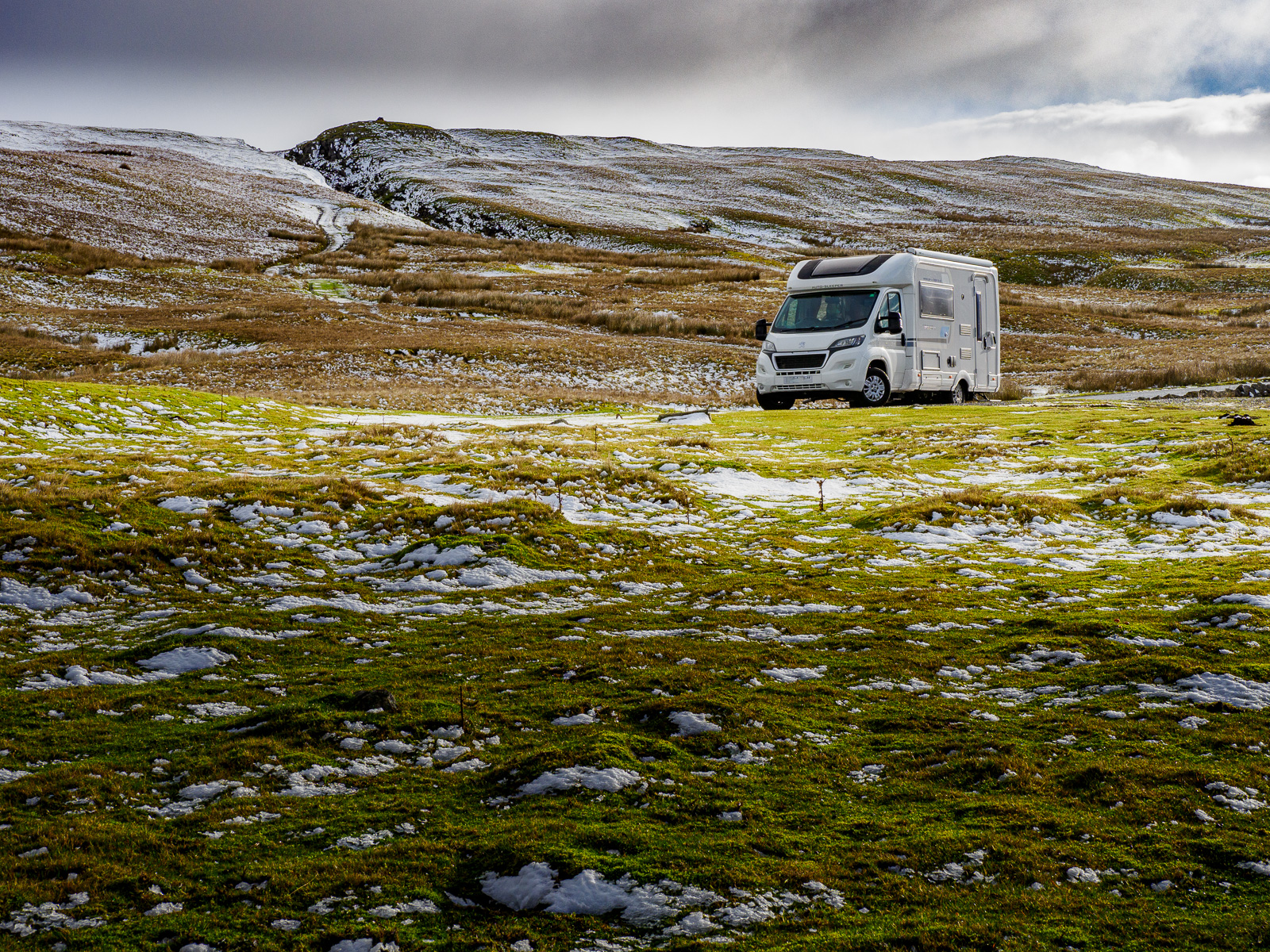
Our pitch for the weekend was Ripon Racecourse, around a half-hour walk from the city centre. We were staying courtesy of Central Yorkshire District Association of the Camping and Caravanning Club. As you can glean from the following photograph, the weather was changeable to say the least, and it was quite soggy underfoot from recent heavy rainfall. As the pitches were all grass, we were advised not to take Fufu across to fill with water, so with some trepidation, we set-up using our anti-skid mats, on the grass alongside the track, hoping to avoid sinking in.

We last visited Ripon in June 2022. As we did not have much time on that visit, it was somewhere we had intended to return to.
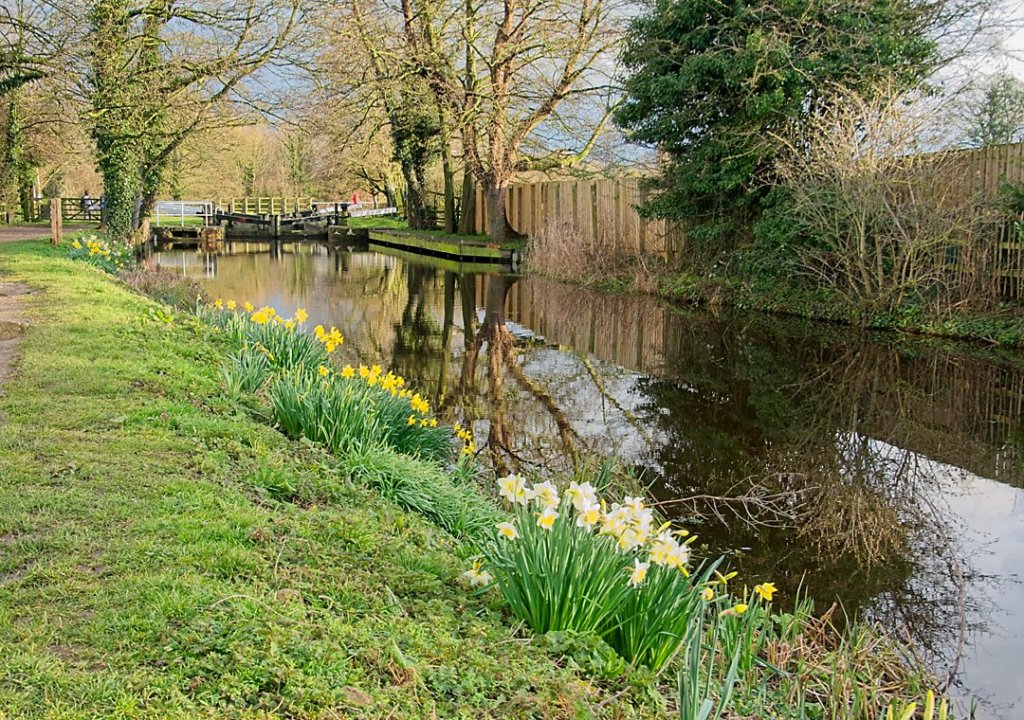
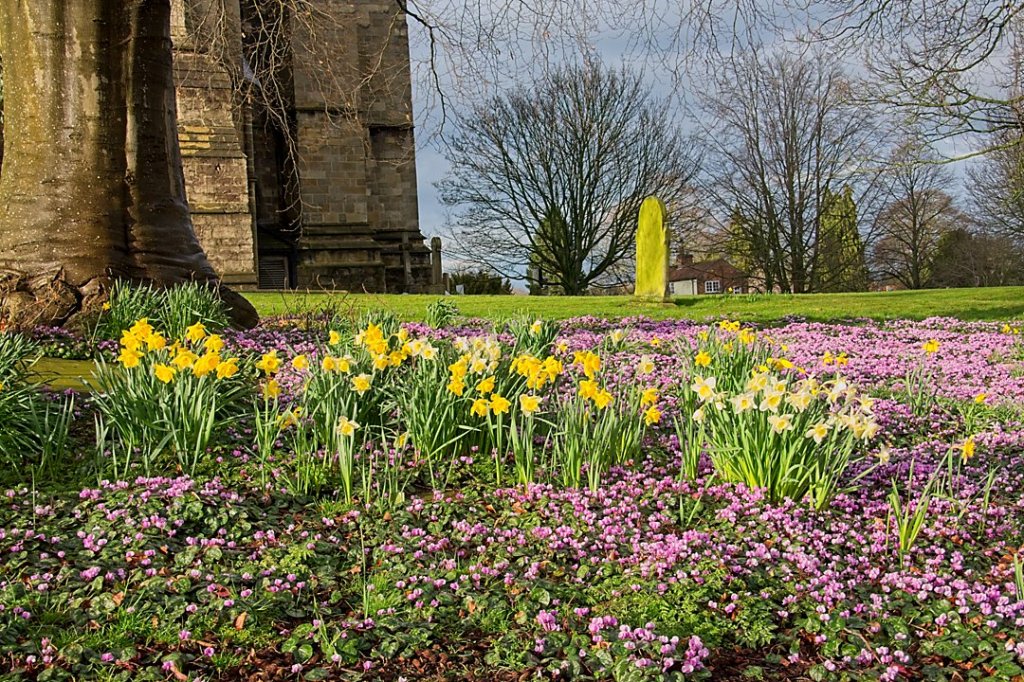
Our walking route to the city centre took us along the Ripon Canal towpath to the wharf. There seemed to be a real feeling of spring in the air.
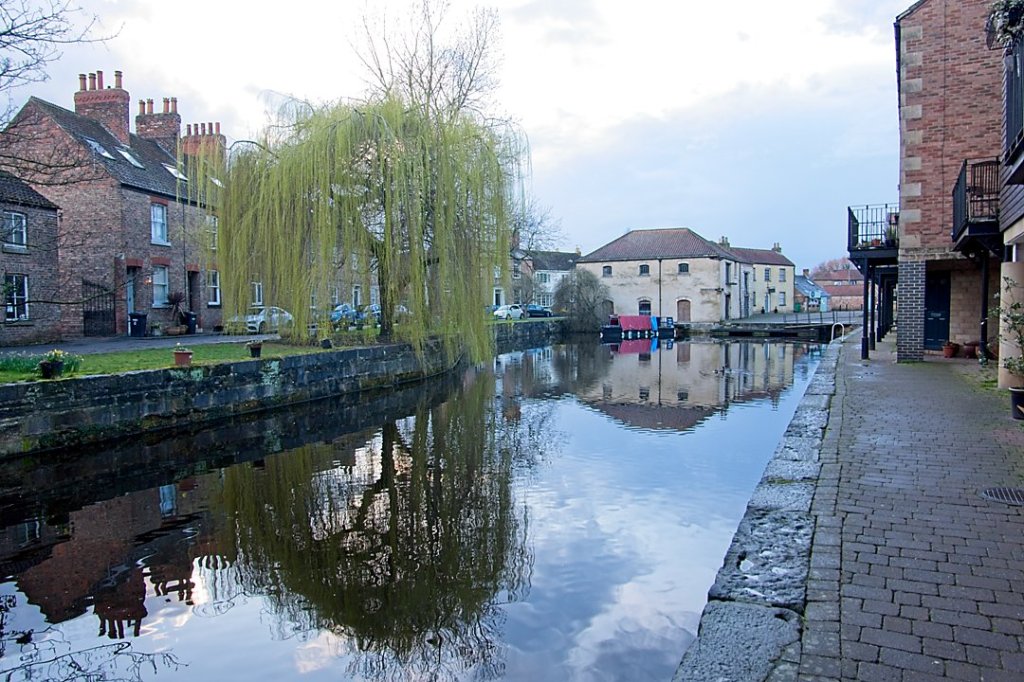
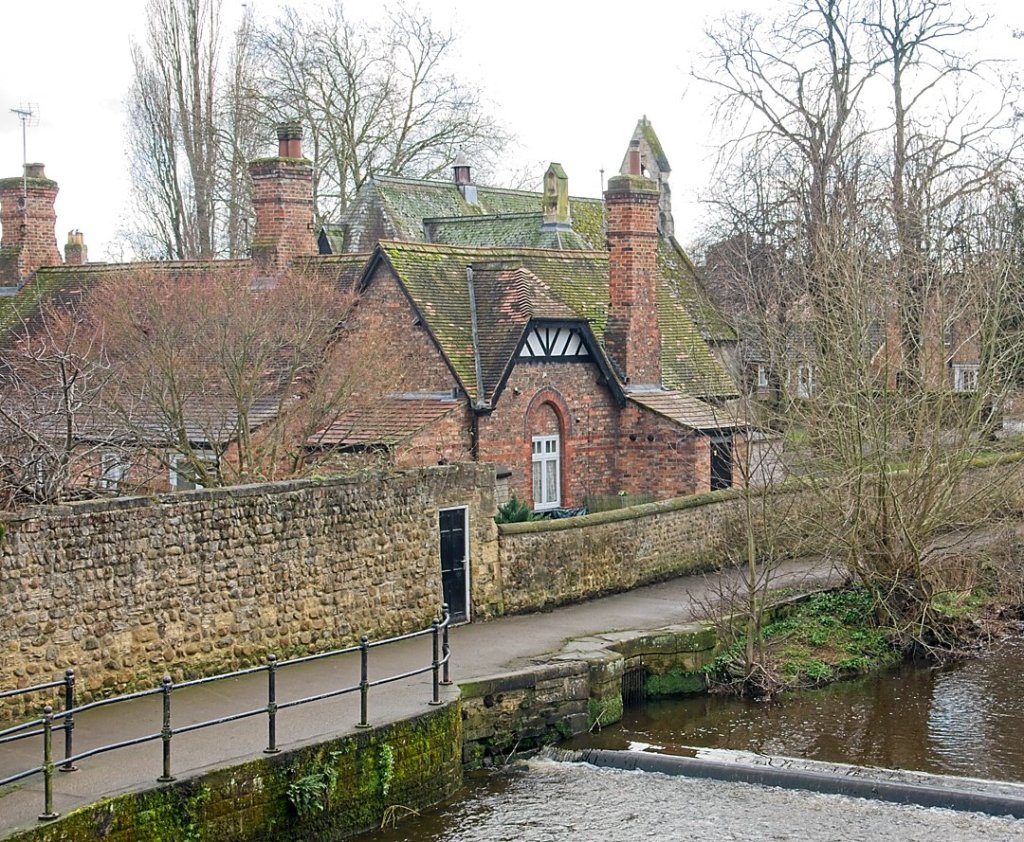
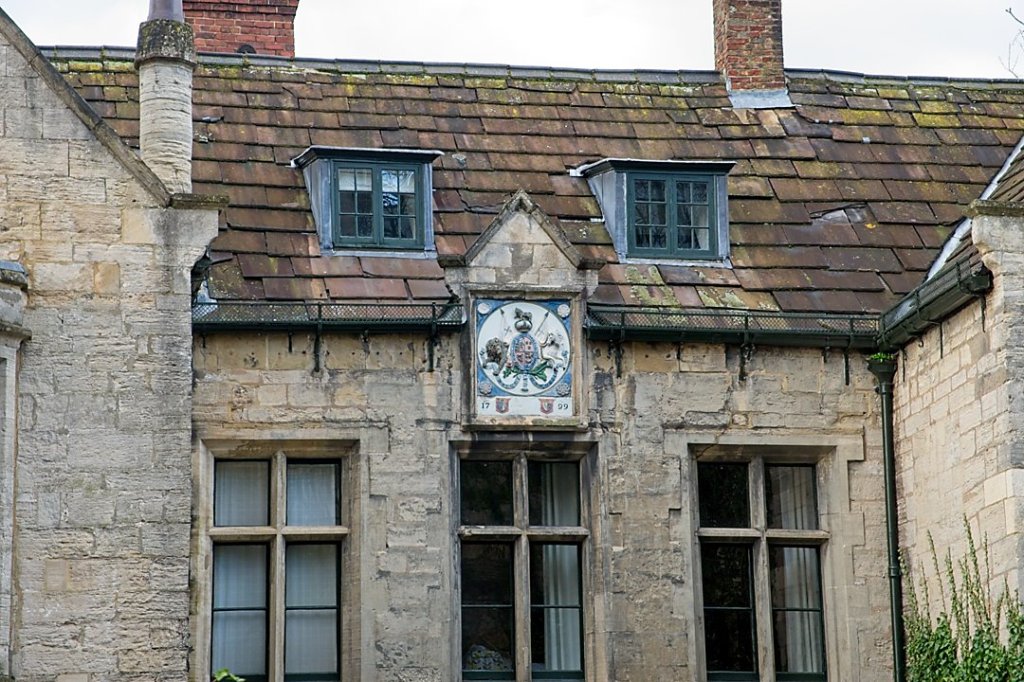
Our interest in history means that most of the time we choose places to visit with this in mind. Ripon did not disappoint; there are very many old buildings full of character to be seen.

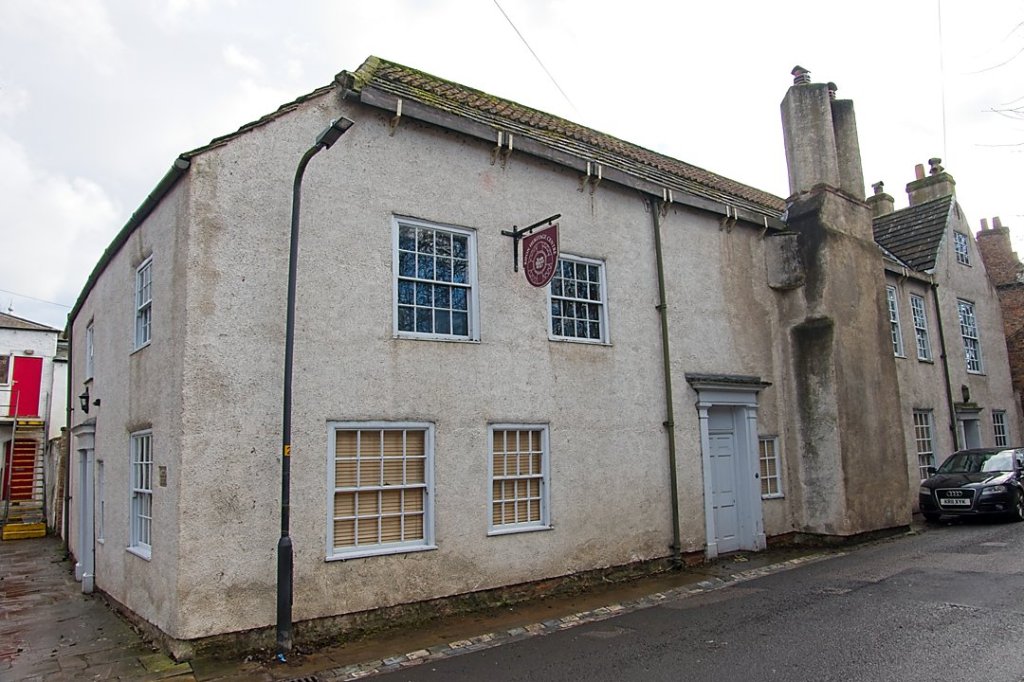
It is now the Ripon Heritage Centre.
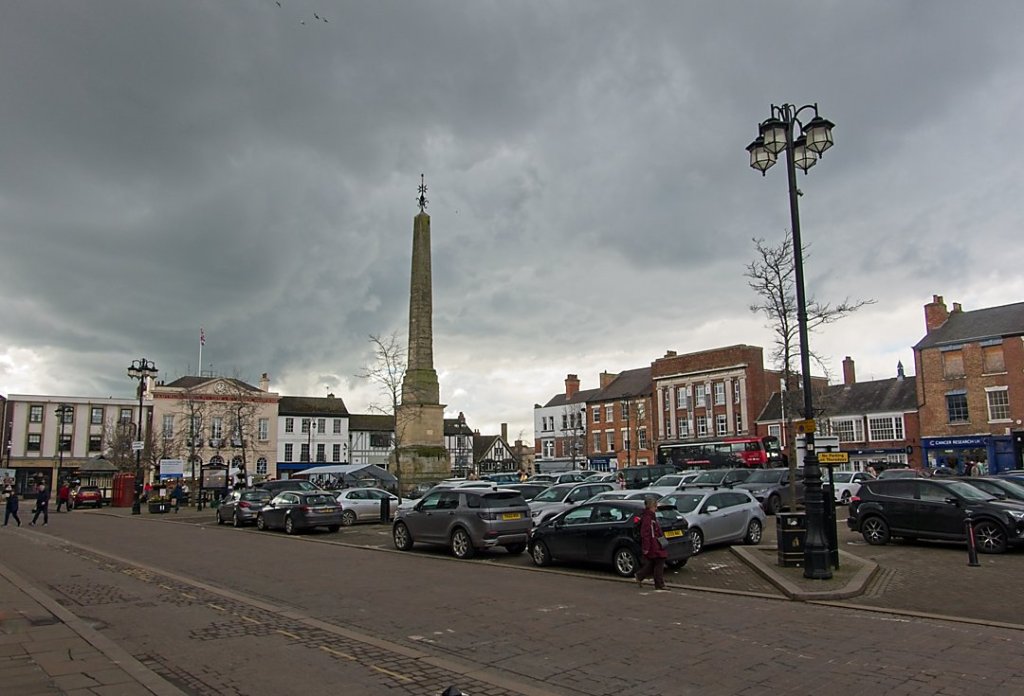
In November 1569 hundreds of rebels, led by the “Northern Earls”, assembled in this market place with the aim of re-establishing Roman Catholic worship in the North and deposing Queen Elizabeth I in favour of Mary Queen of Scots. After initial success and capturing Barnard Castle, the uprising was quelled and many were hanged here and elsewhere, as traitors.
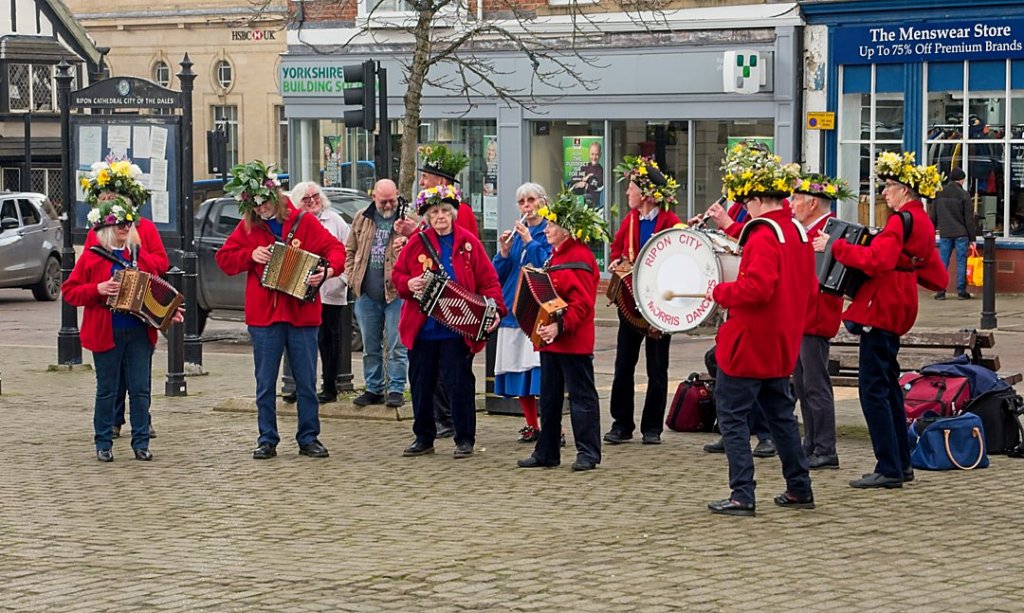
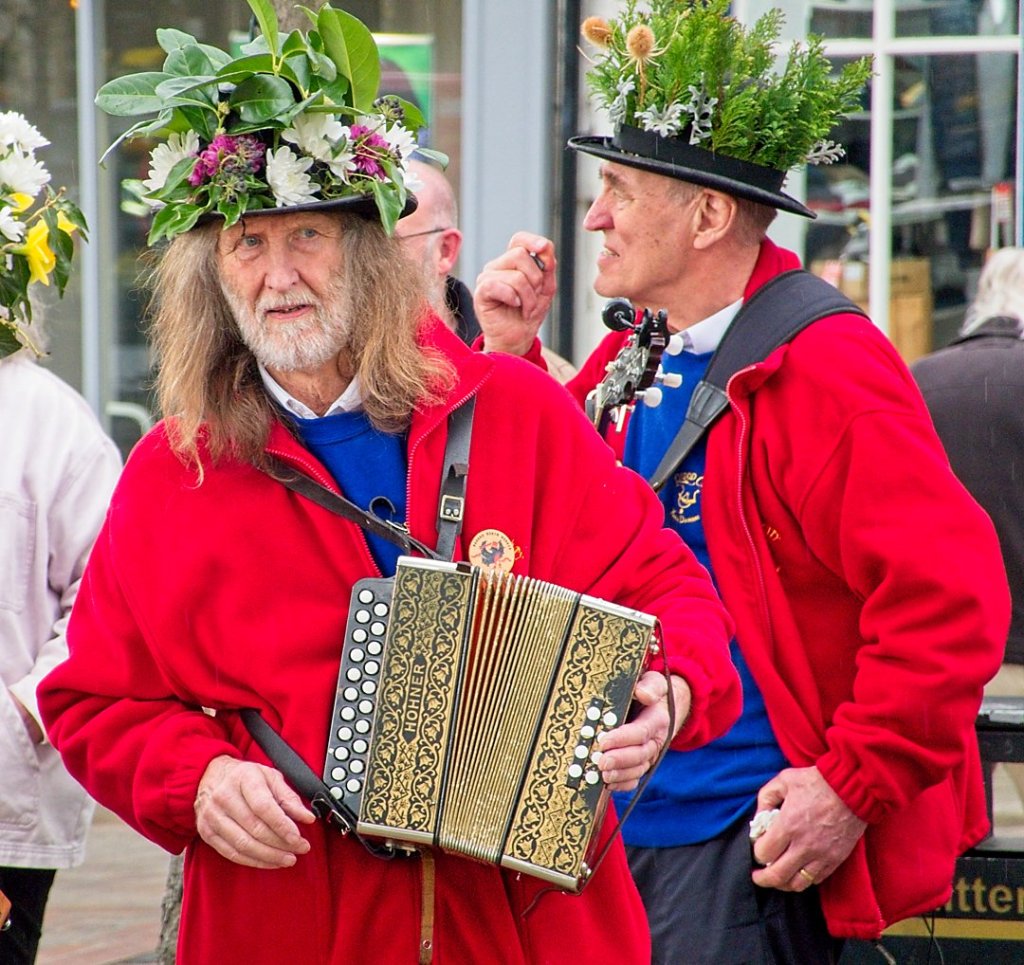
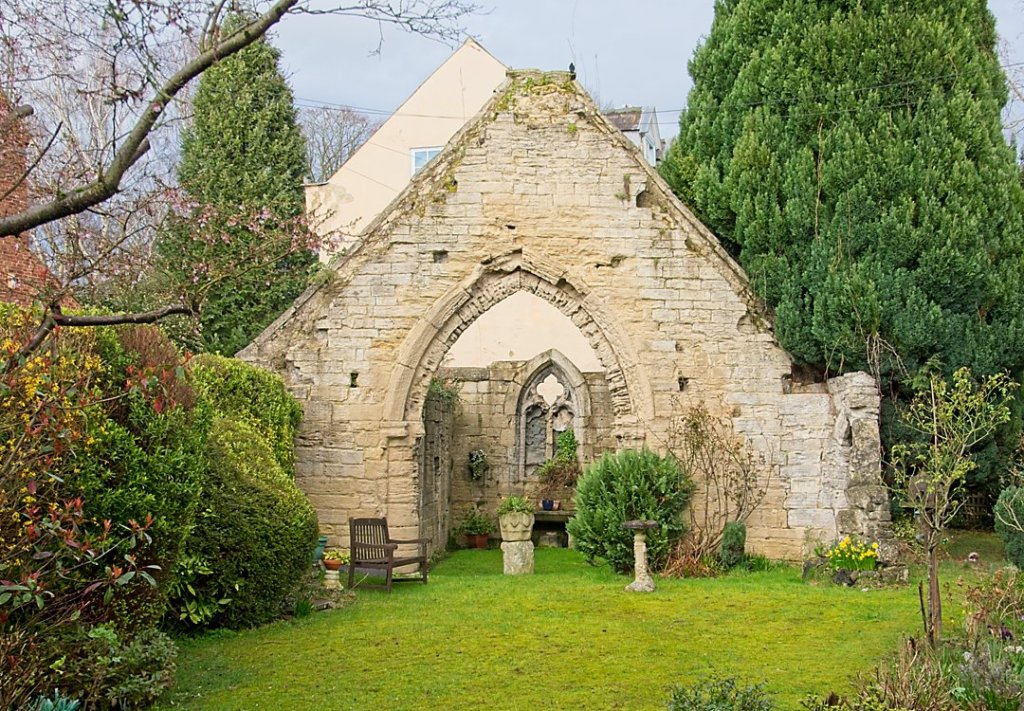
There are a number of churches in the city; some in a better state of repair than others.
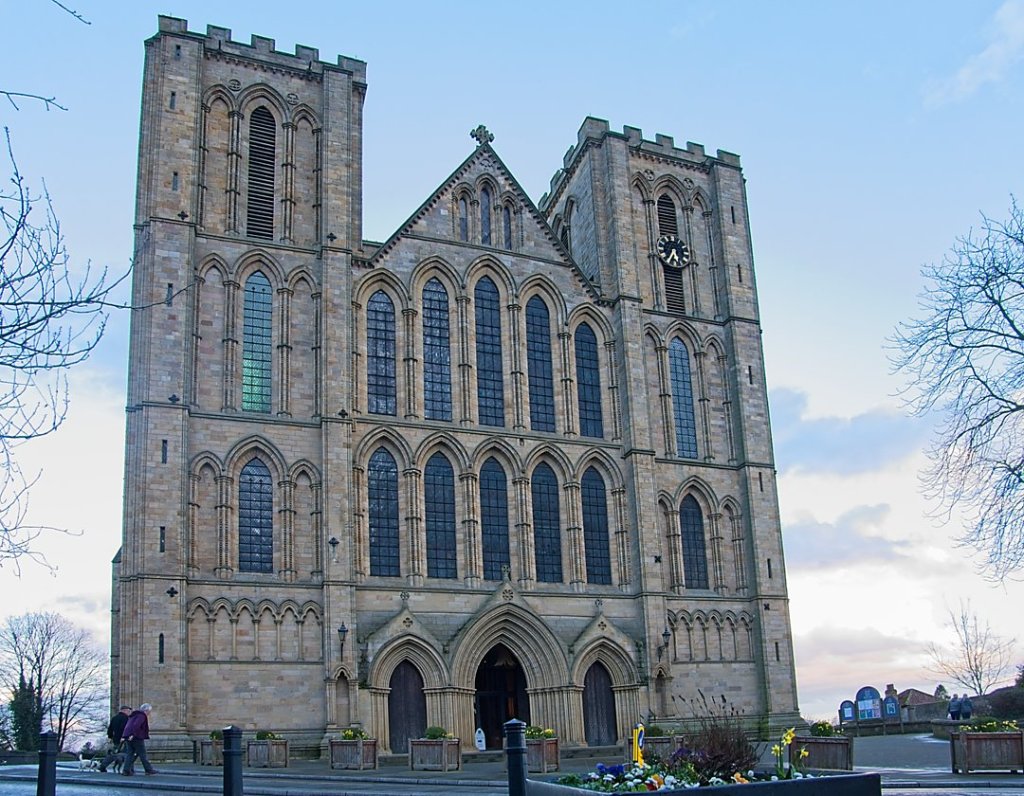
Ripon Cathedral
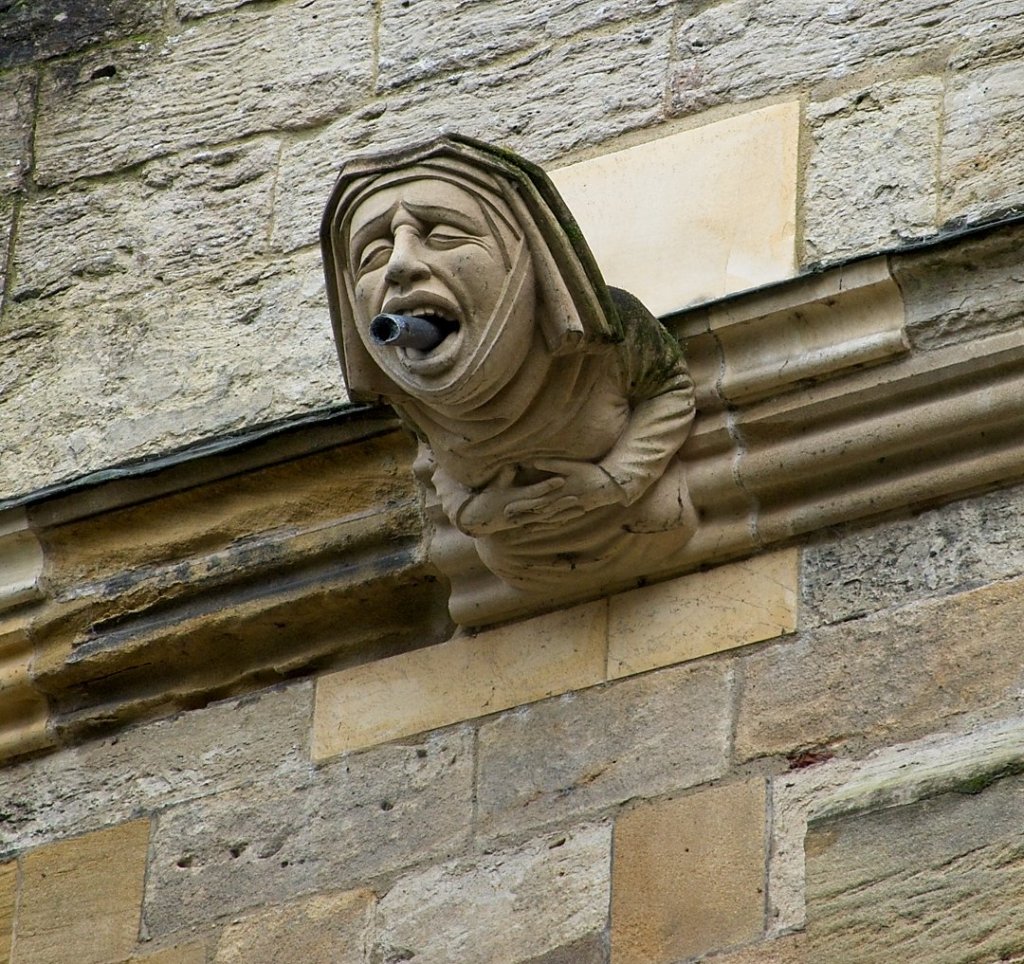
Ripon Cathedral is stunningly beautiful. I have already posted some images in a blog-post dated 6th June 2022, so have tried to avoid too much repetition.
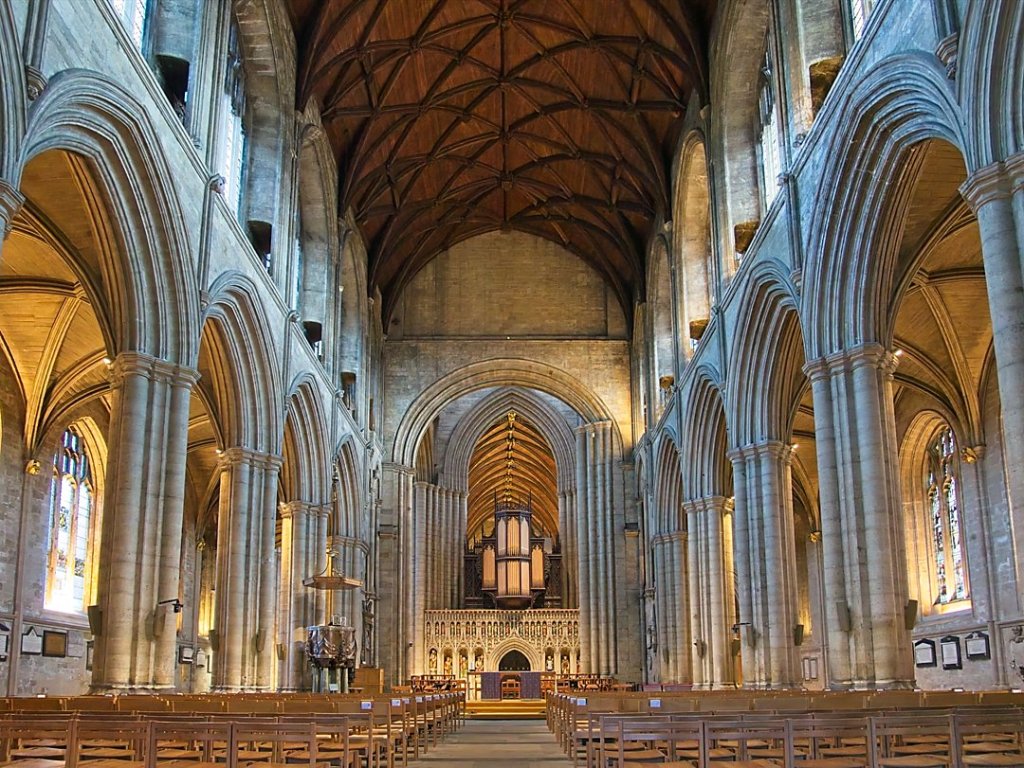
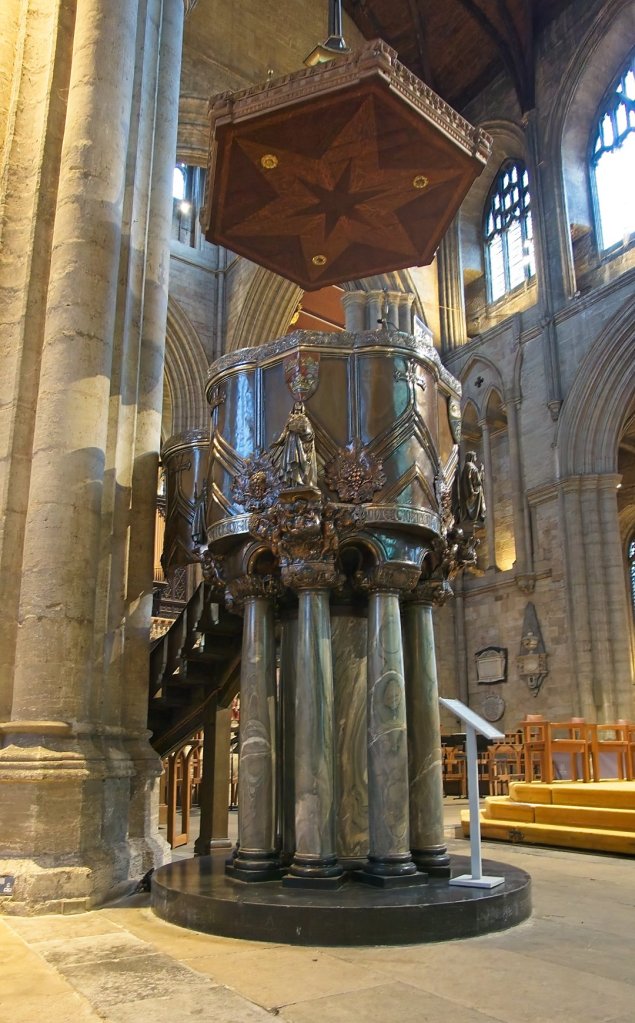
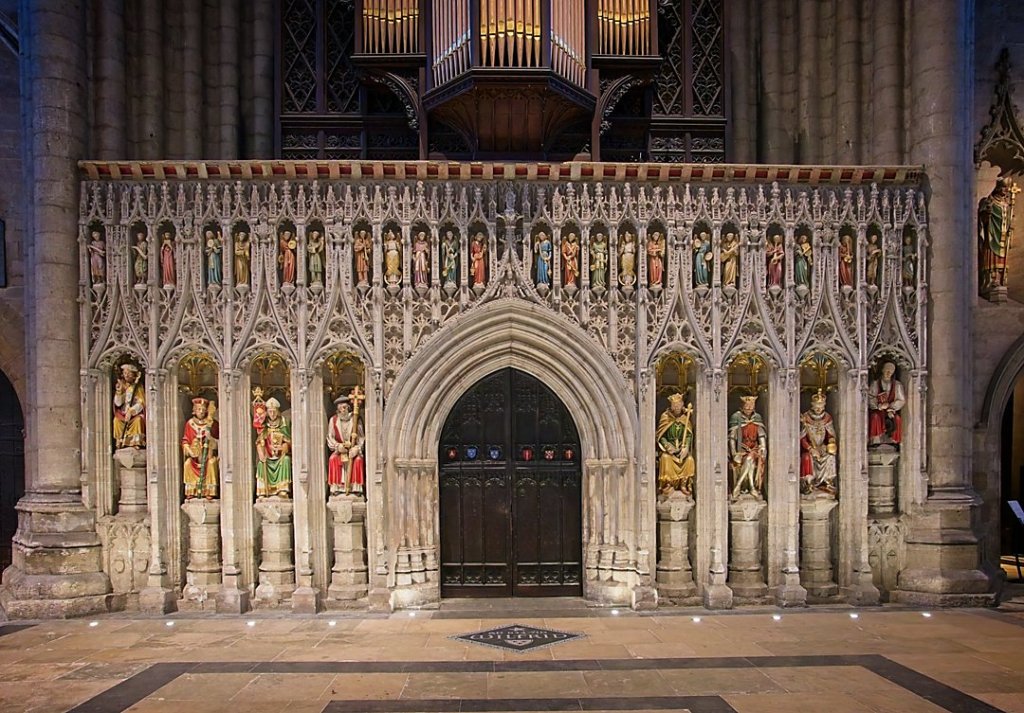
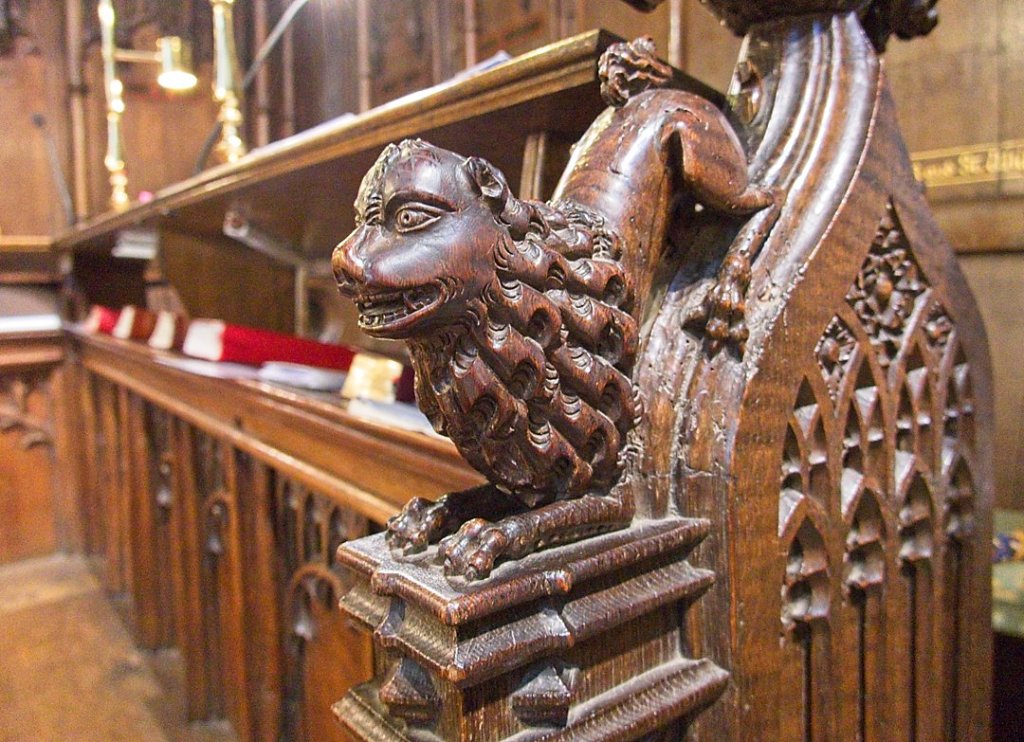
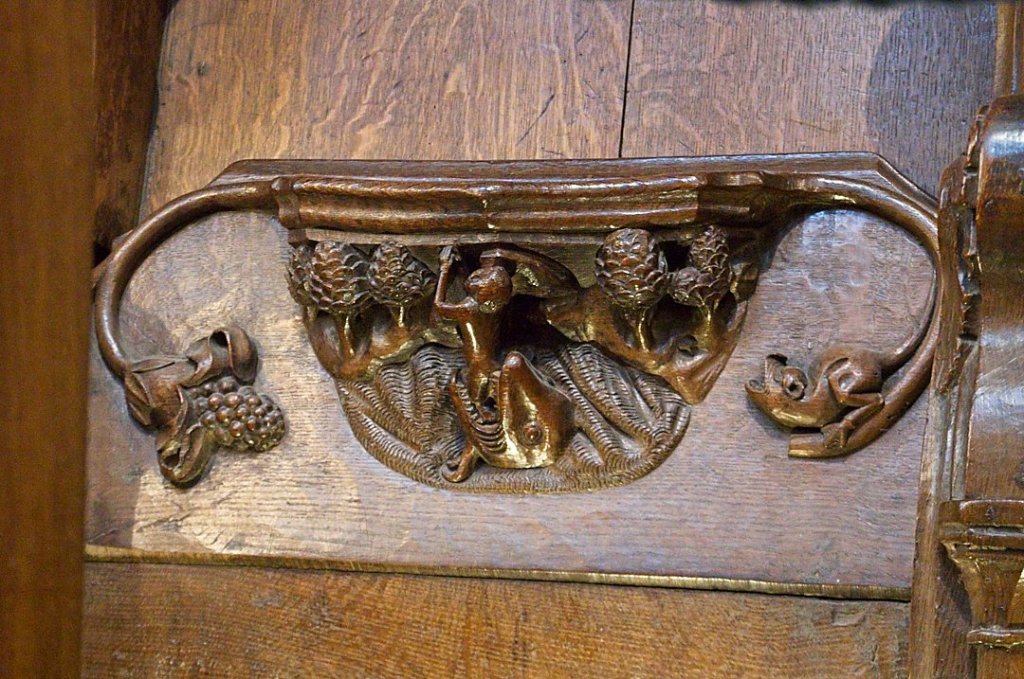
Many of the choir stalls have ornately carved misericords (effectively perches), provided to relieve the suffering of those choristers who were required to stand throughout long services. The one pictured below depicts the bible story of Jonah who was cast to sea and was swallowed by a whale.
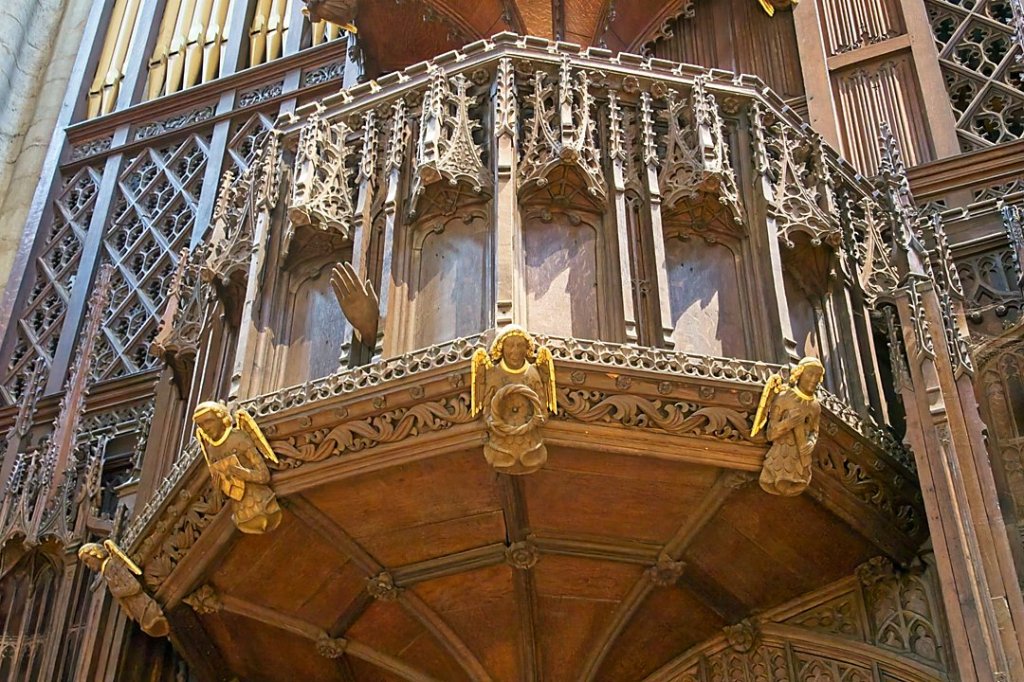
These days, the choir singers are conducted from the floor of the choir, but in days gone by, the organist would pass instruction via the remote-controlled wooden hand just behind where they sit, which could be made to wave.
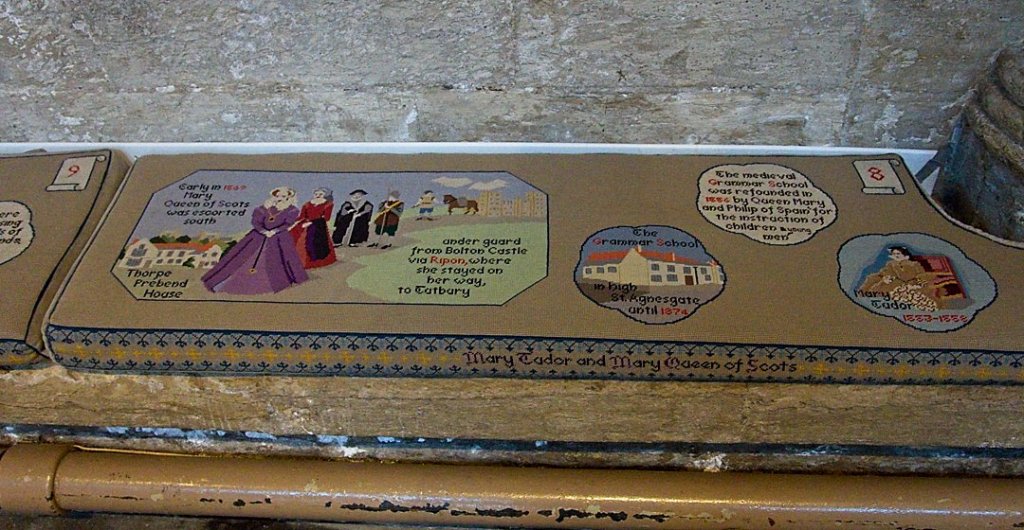
Along the aisle walls, the seating is covered with tapestries. These “Millennium” cushions tell the story of the city of Ripon in 5 million stitches, from the 7th century to the year 2000. The first church on the site was built by Saint Wilfred.
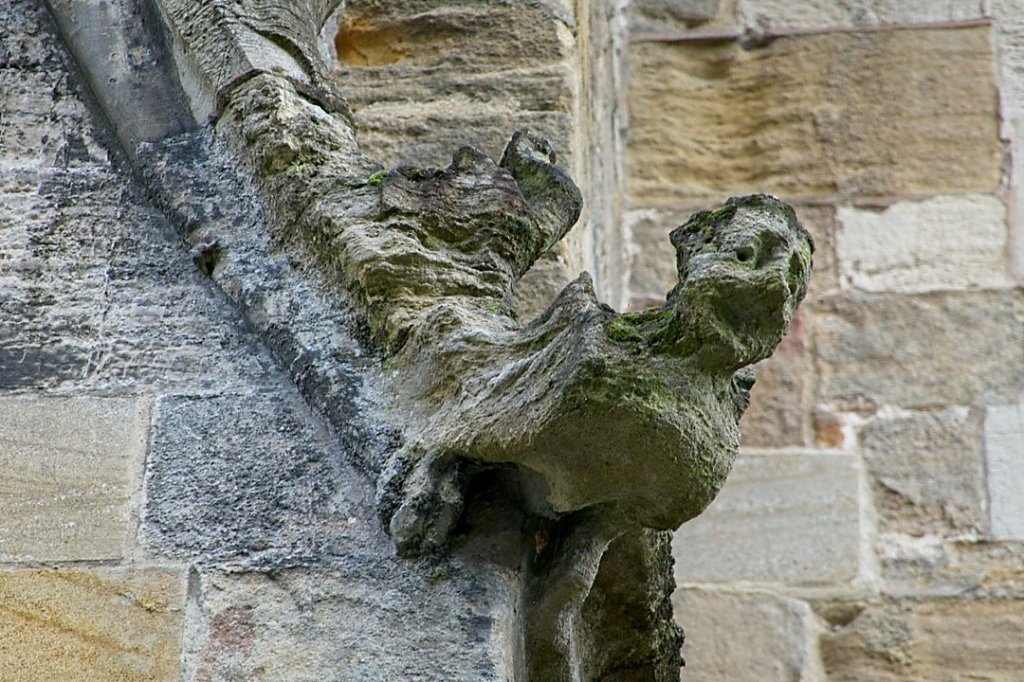
As with most such ancient buildings, restoration work is ongoing as much of the stonework is showing its age.
Ripon Workhouse Museum
We toured the Workhouse Museum which gave an insight into conditions for the poor and destitute of the 19th and early 20th centuries.
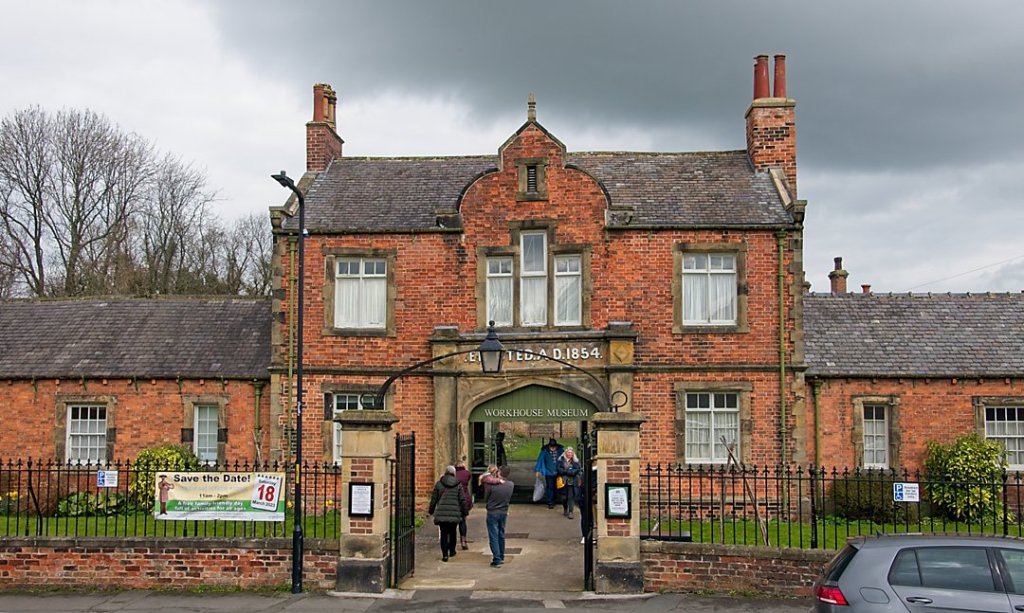
The site is quite a large one with further buildings through the entrance seen above. This first part was where the vagrants were housed; females to the left and males to the right.
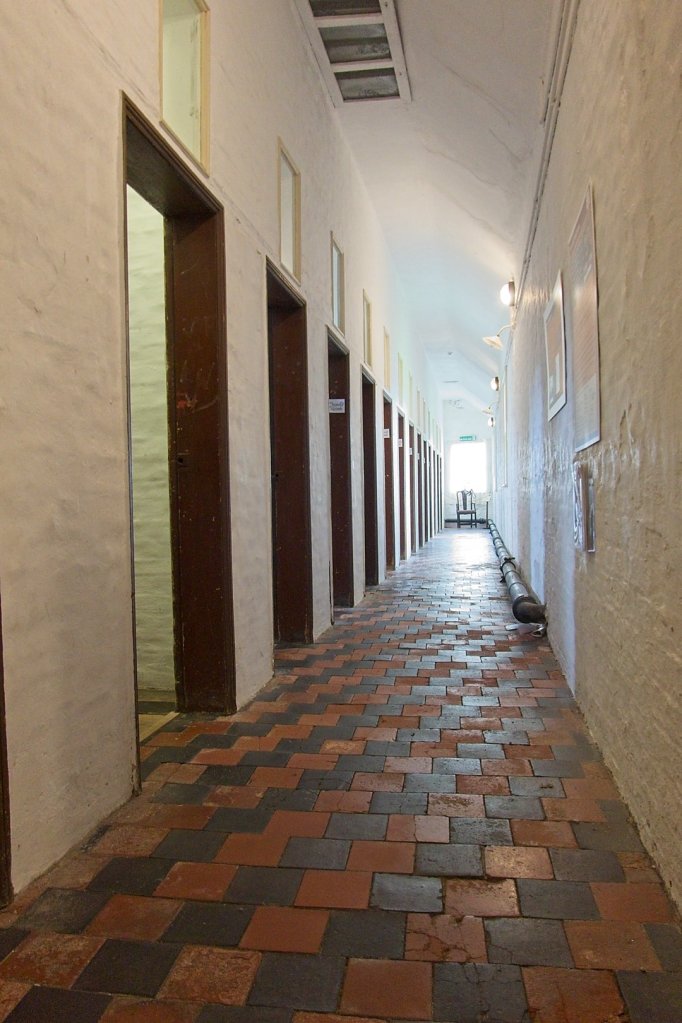
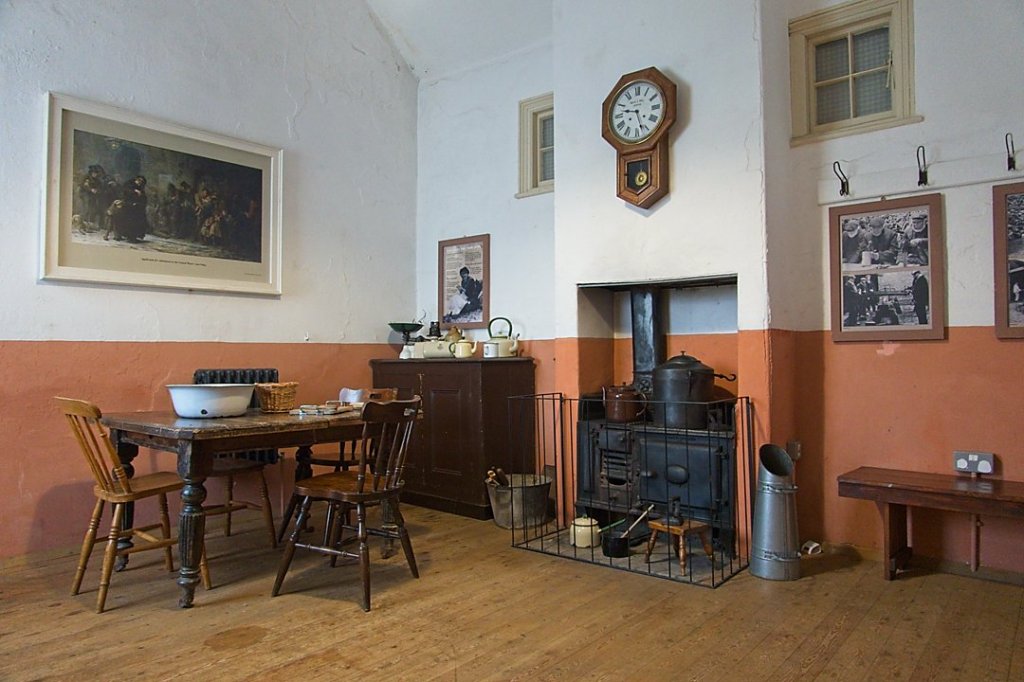
On admission, everyone had to have a bath and give up all their possessions and clothing, which was fumigated and stored. During their stay, inmates were required to wear a workhouse uniform.
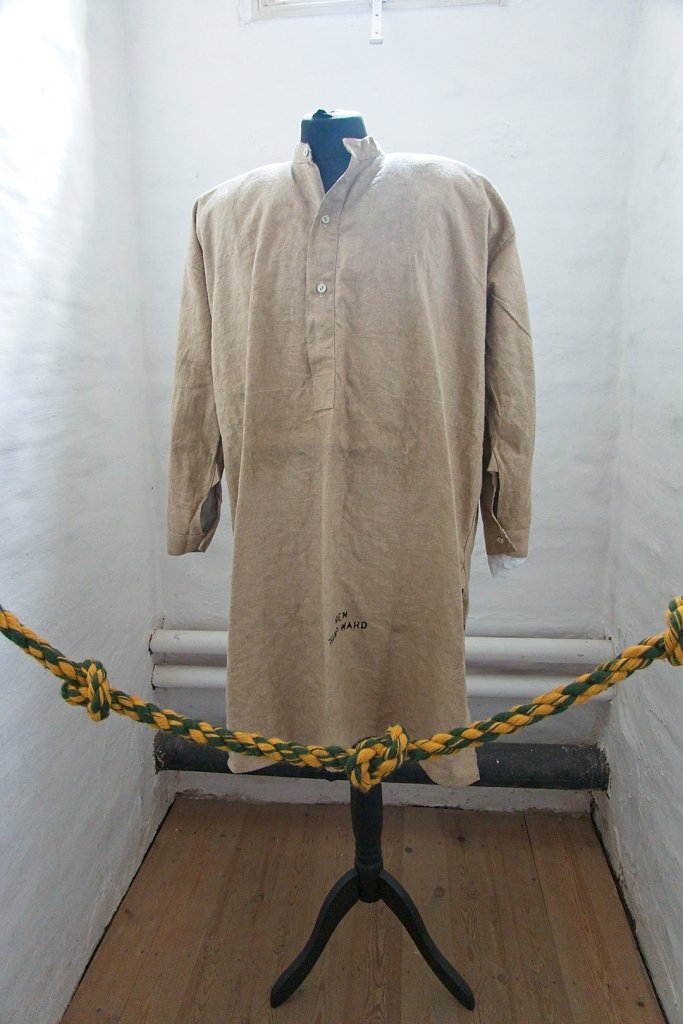
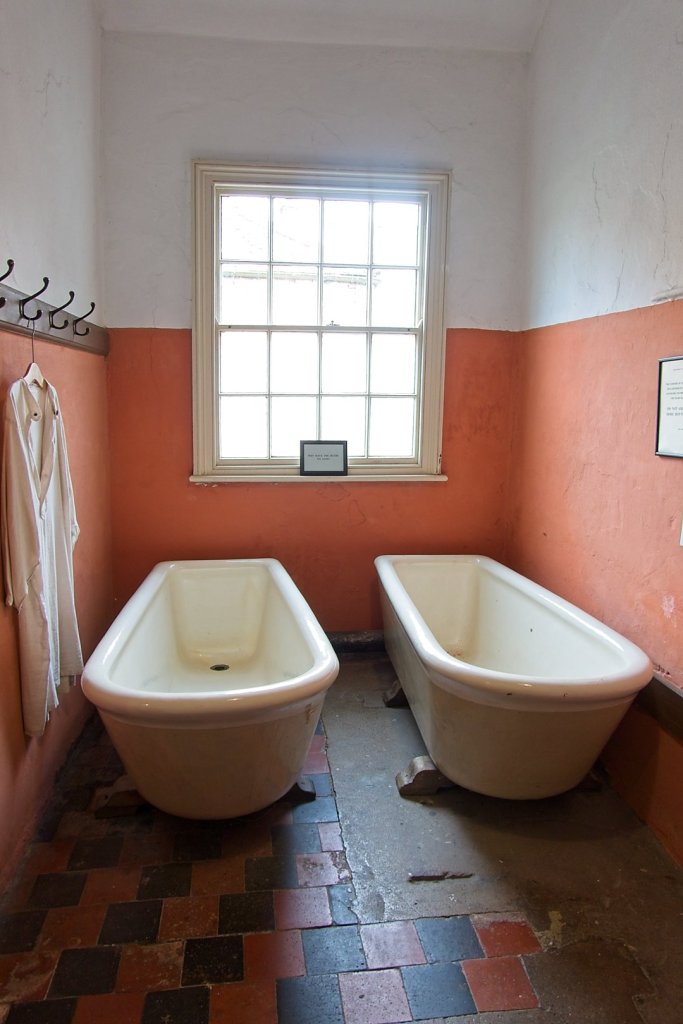
Bathing was not a private matter. The bath-tubs have no taps, the amount and temperature of the water being decided by the attendants.
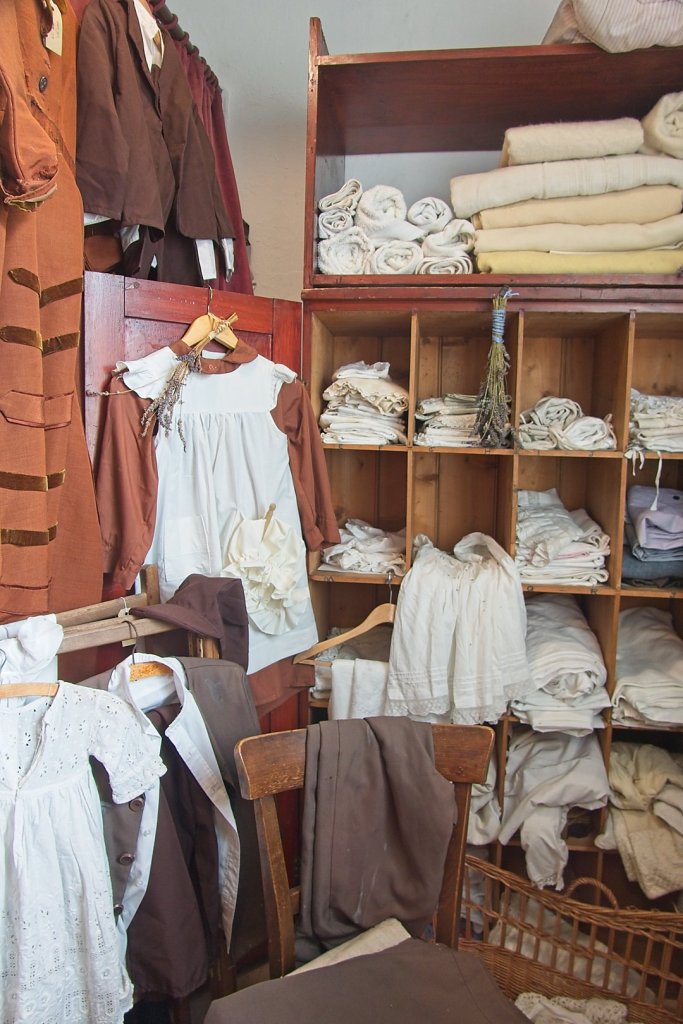
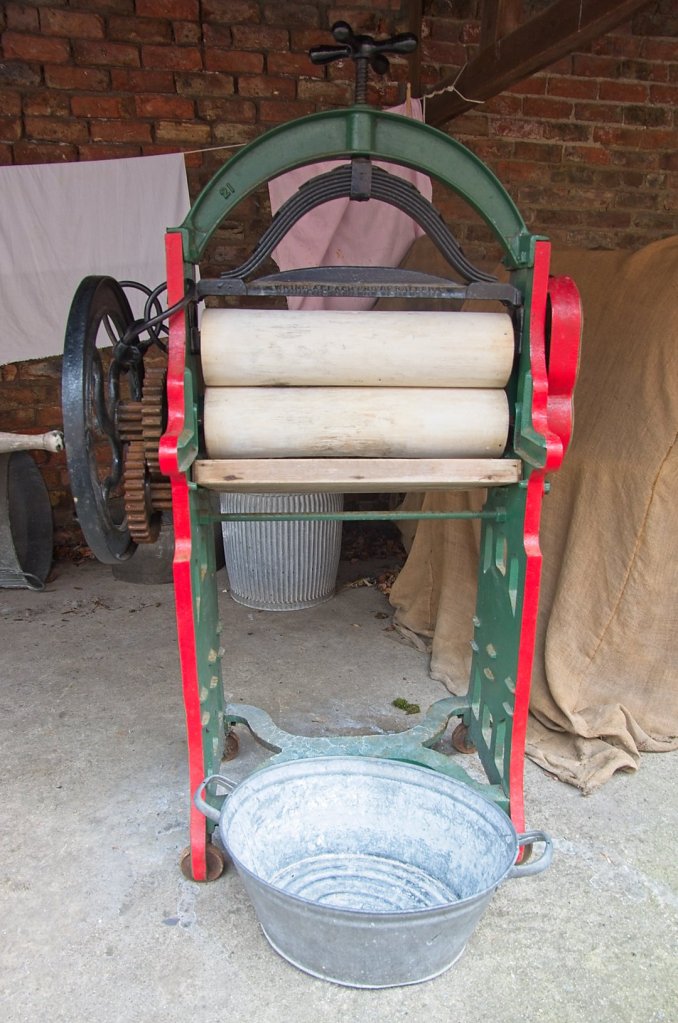
One of the goals of the workhouse was to be self-sufficient, so there are extensive kitchen gardens. Inmates were required to work for their food; although some would work in the garden and other “jobs”, breaking rocks would be a typical task.
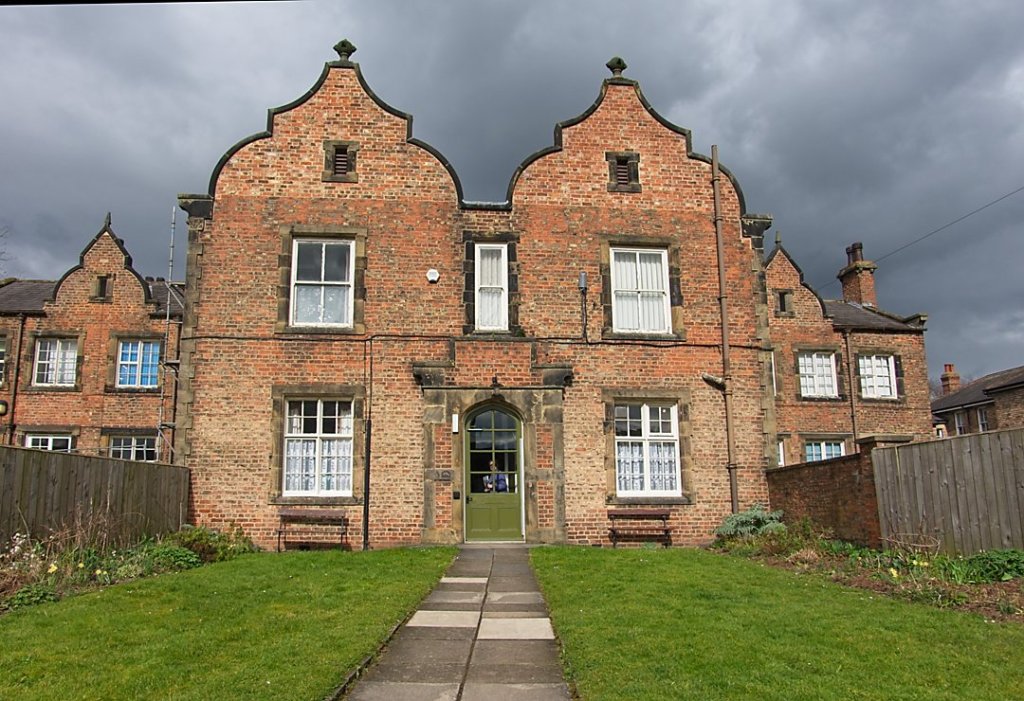
The Workhouse Master and his Wife lived in the first part of this building. Other buildings have been demolished, but the museum is hoping to eventually open the infirmary to visitors.
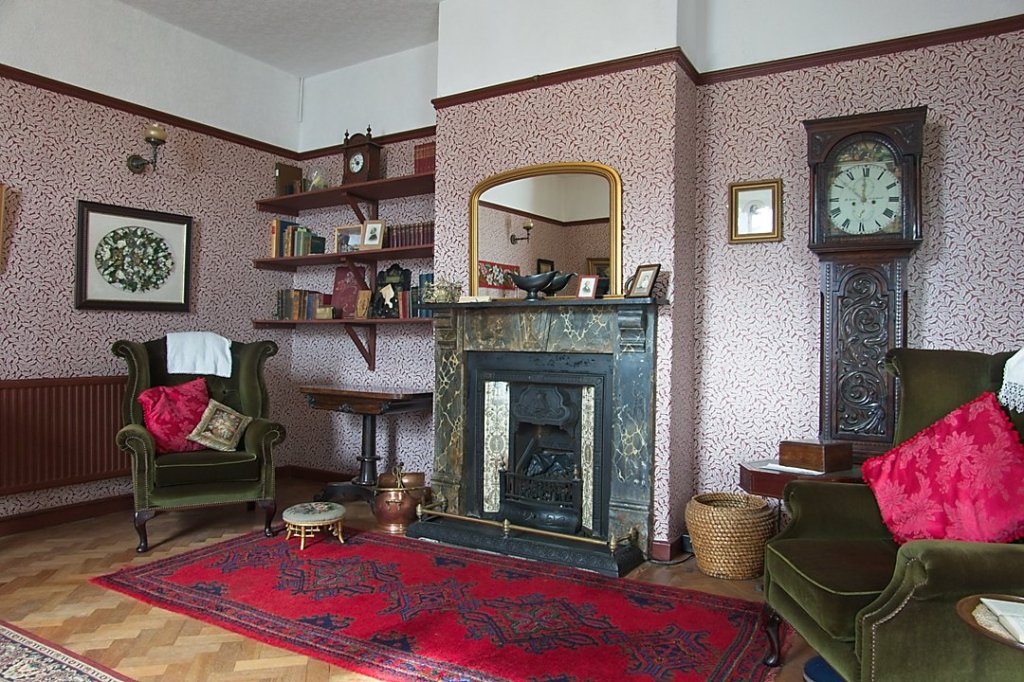
Over time, the role of workhouses changed with elderly and infirm residents being looked after. When Ripon workhouse closed, all remaining residents were moved into alternative, supported accommodation. Many of the buildings were re-purposed, often as hospitals, but the stigma remained. I have worked in a number of such buildings and they are frequently situated at the top of a hill overlooking the town. Everyone in the town would therefore be living in the shadow of the workhouse.
 "See-u-Later"