Thursday 17th – Tuesday 22nd August 2023
For its 2023 annual exhibition, the Photo Group of the Camping and Caravanning Club, chose the village hall in Hose, which was an good venue with excellent facilities. Our thanks to Stuart, Sue, Ian and Sue for stewarding the event.
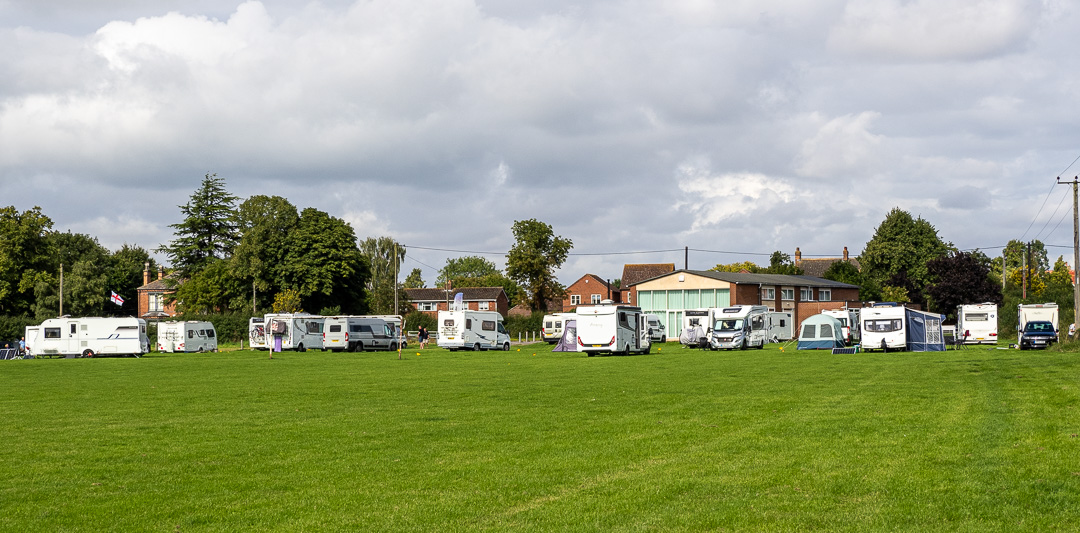
The intention of the the meet was to provide an opportunity for Photo Group members to showcase their work and enter images to compete against each other in various classes. There were General and Advanced entries for both prints and projected images, in both colour and monochrome classes, each appraised by an independent judge on Saturday. The exhibition was opened to the public on Sunday afternoon.
Both Alison and I were quite successful in the competition. If you want to see the images, they are at the end of this post.
Hose
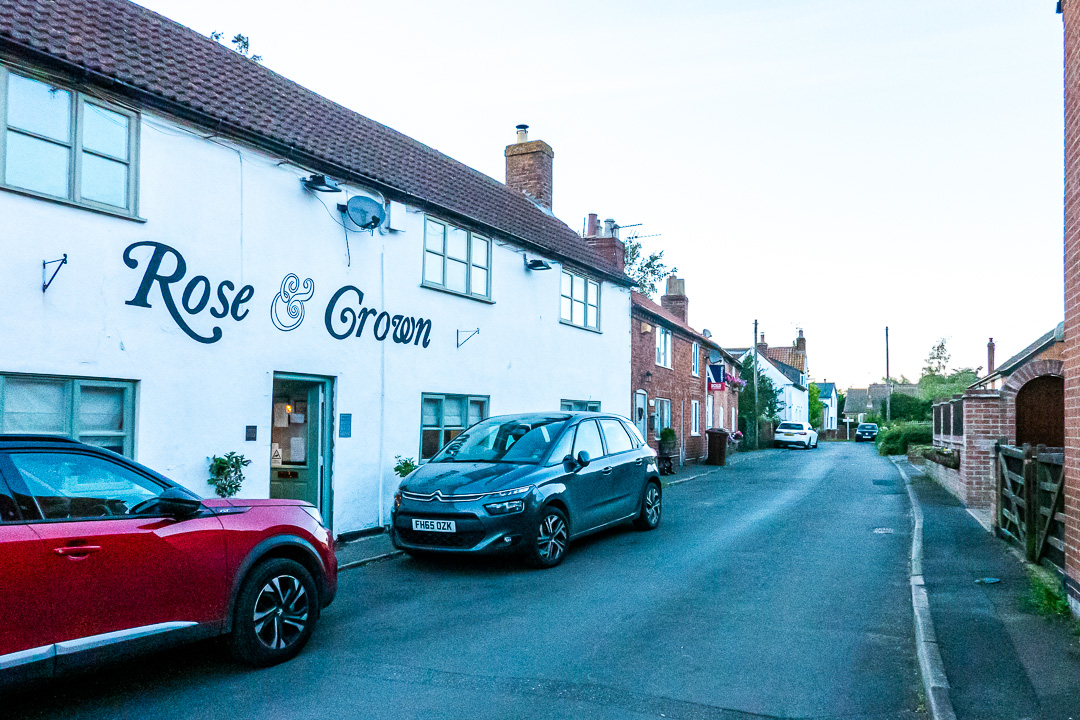
Hose is a small, rural, village situated around 7 miles north of Melton Mowbray, with a pub and a church, and a village green adjacent. There seems to be a good sense of community, based around the village hall, which hosts an extensive range of activities. The surrounding area is quite flat and is mainly given over to agriculture.
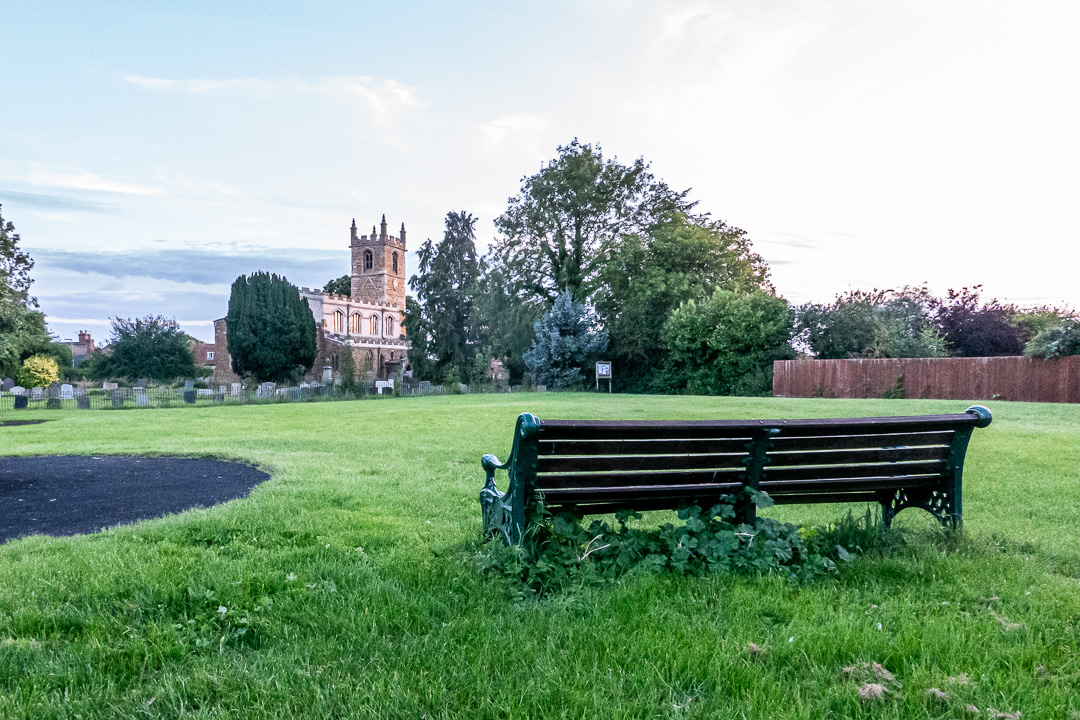
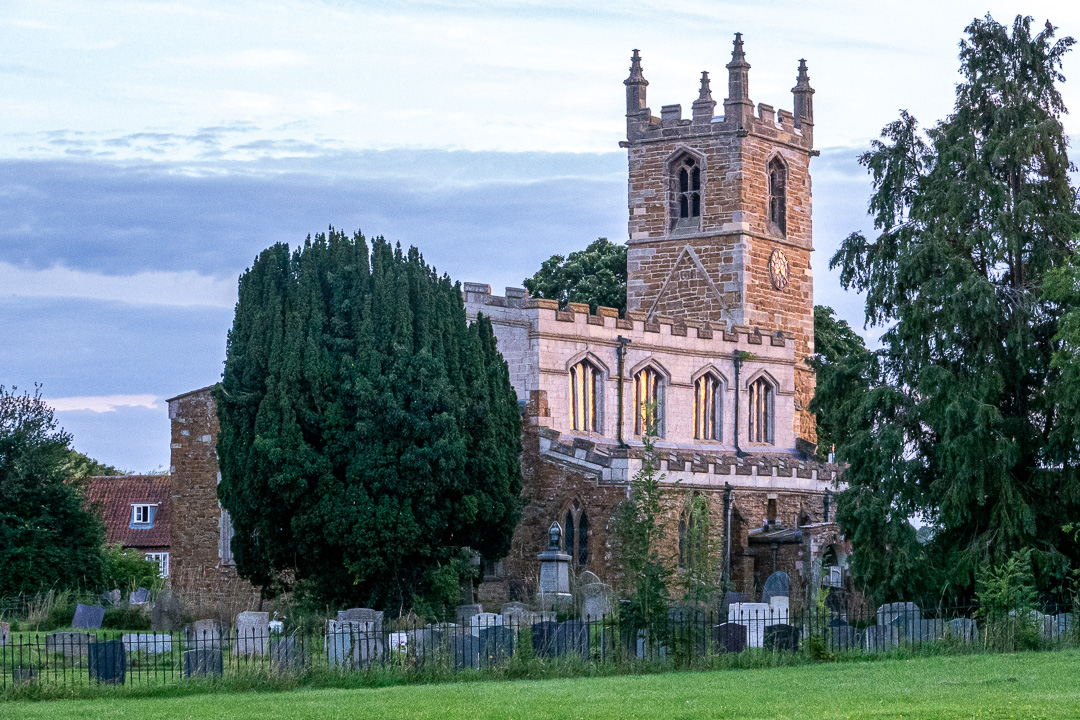
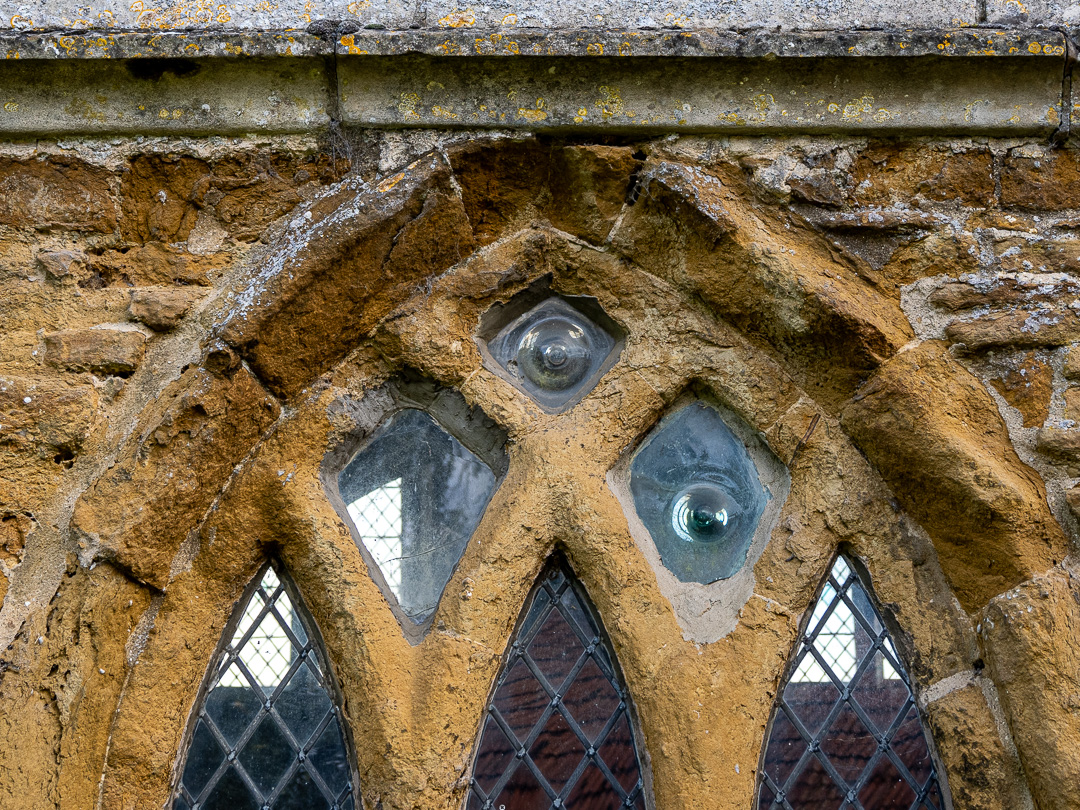
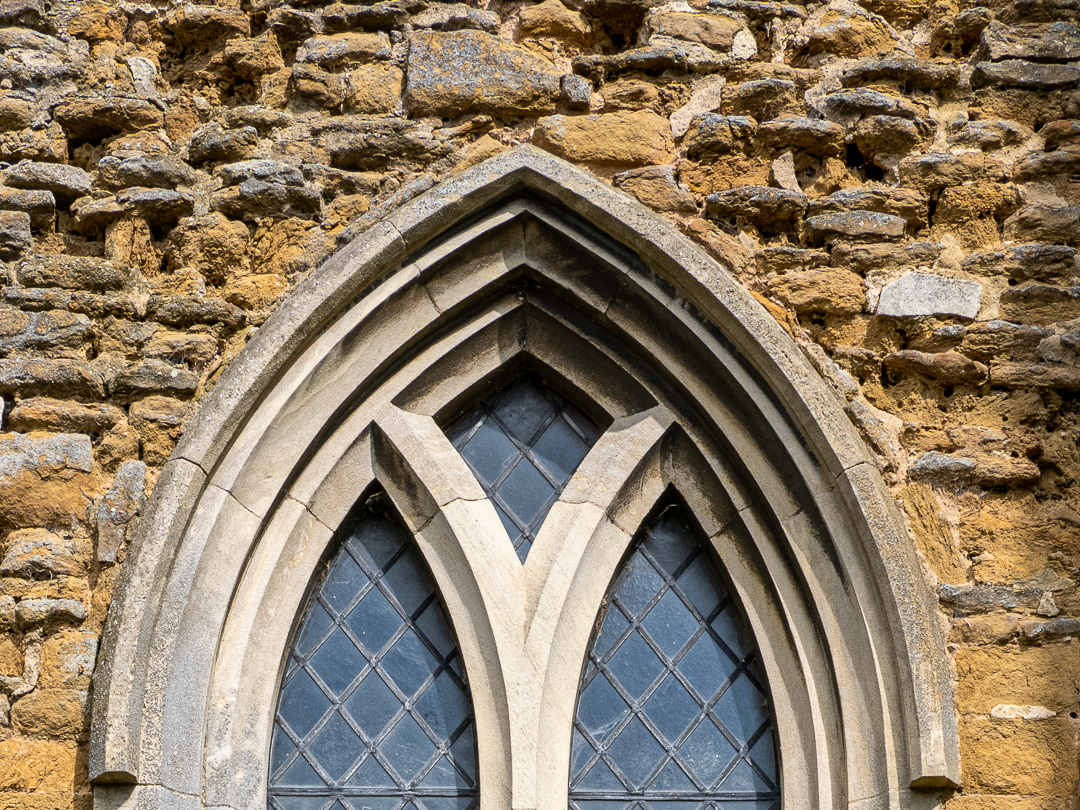
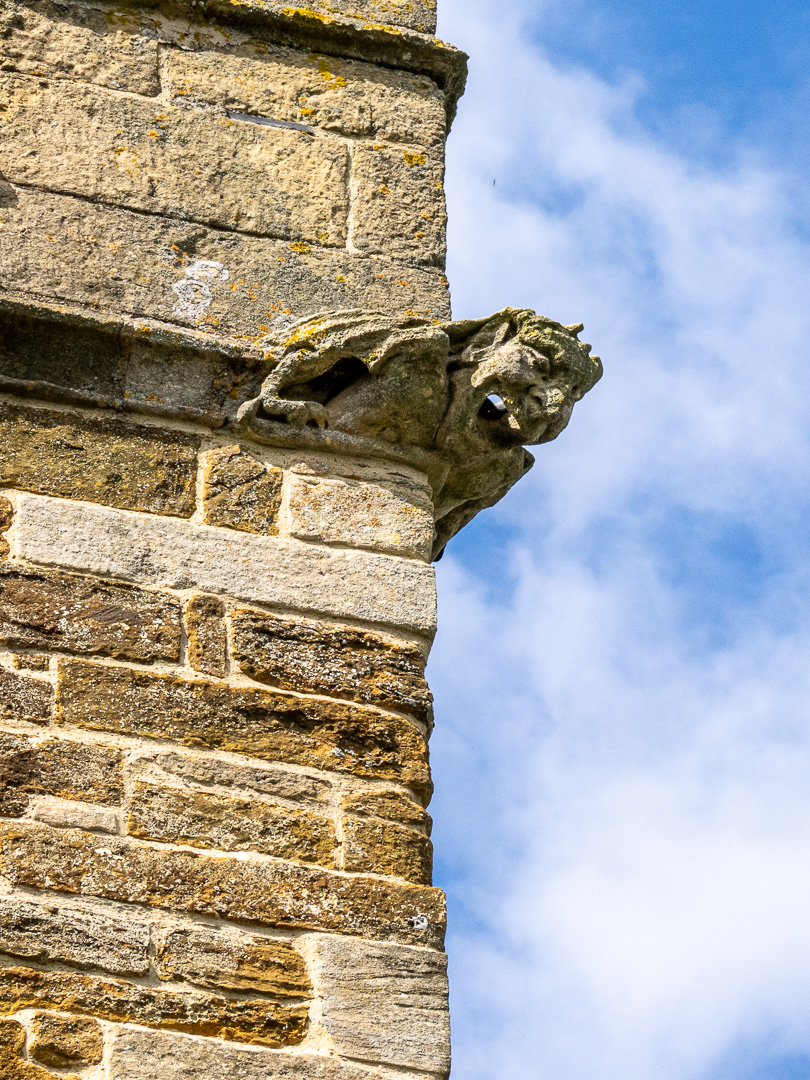
Hose parish church is unusual in that it is built of two, completely different types of stone. The red, sandstone, is soft and has weathered severely in places, whilst the harder light-grey limestone remains quite sharp:

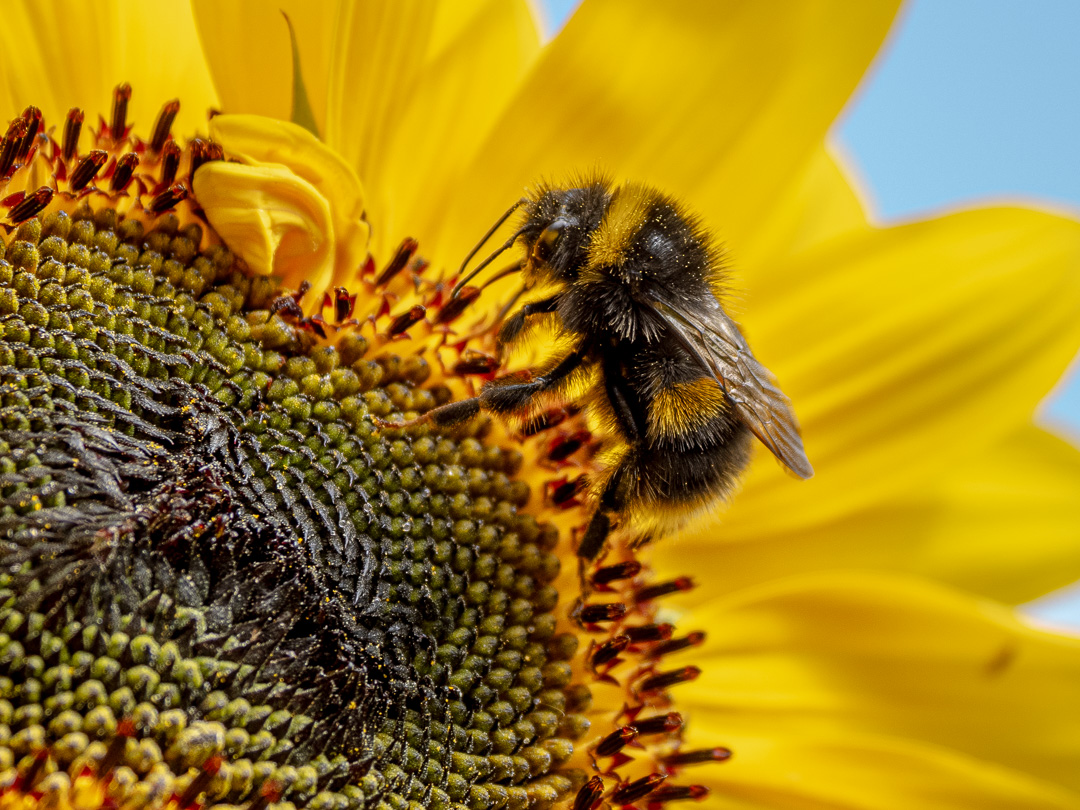
The sunflowers growing in the churchyard, were attracting many bees.
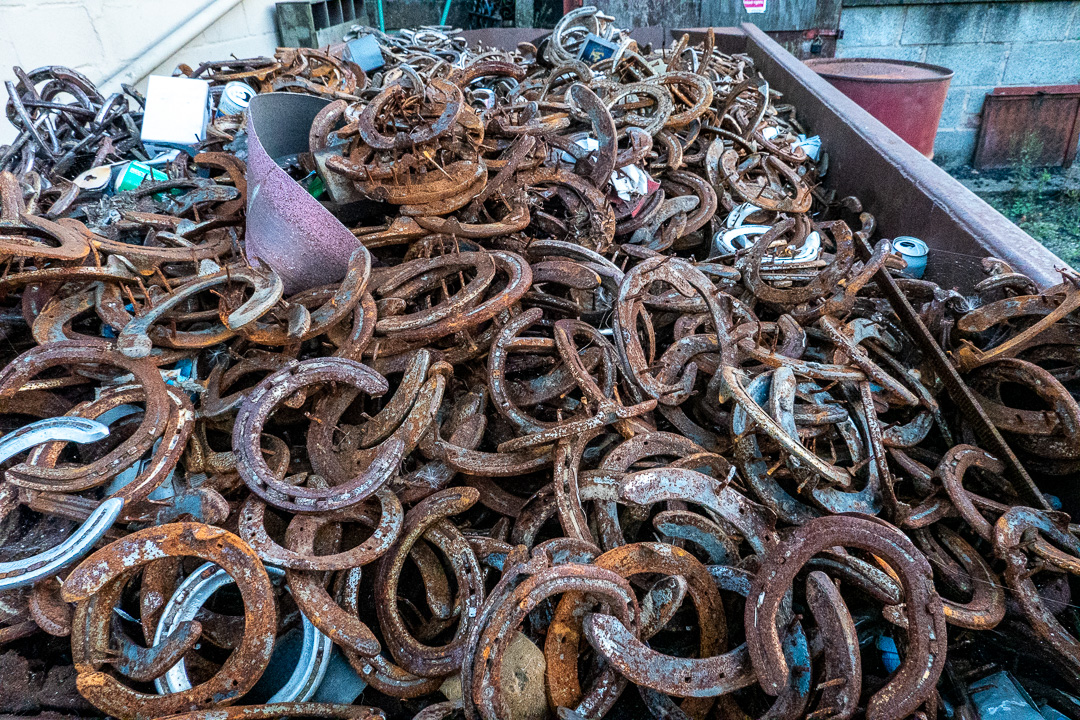
There are many horses kept in the area. The local farrier is clearly kept busy:
Of course we found the time to explore the local area, both on foot and by bicycle, firstly along the Grantham Canal:

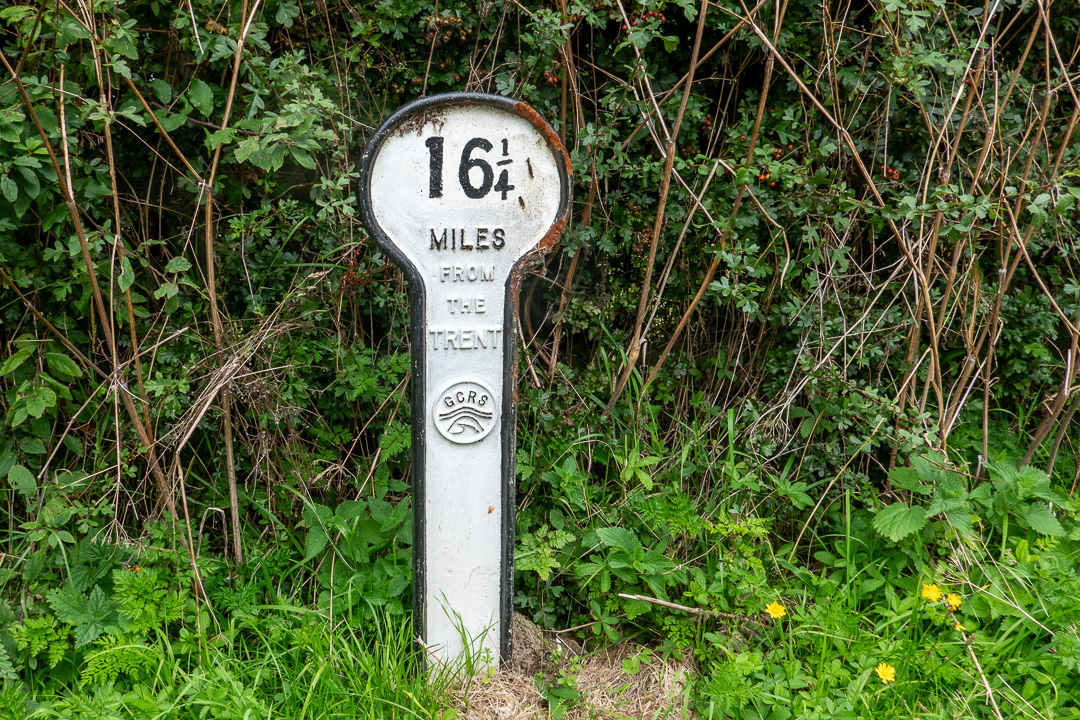
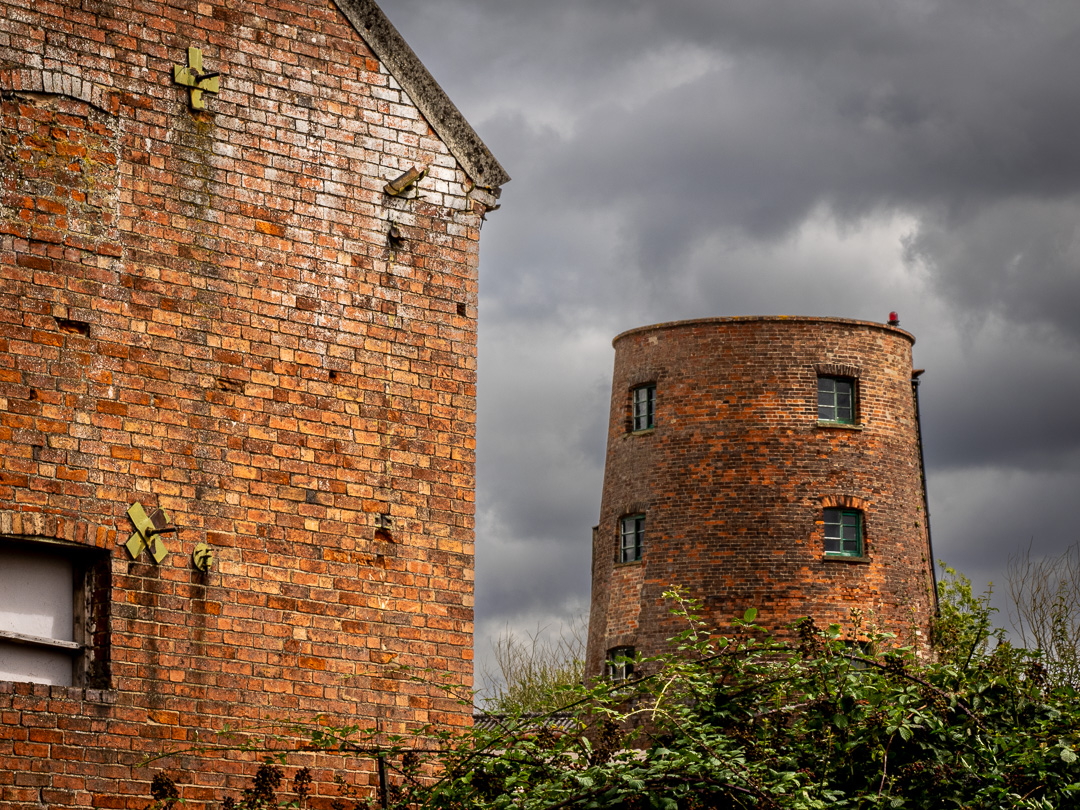
We visited the local village of Harby, where they had dressed-up the pillar box in what appeared to be a seaside theme. Not sure of the reason, but it was very well done.

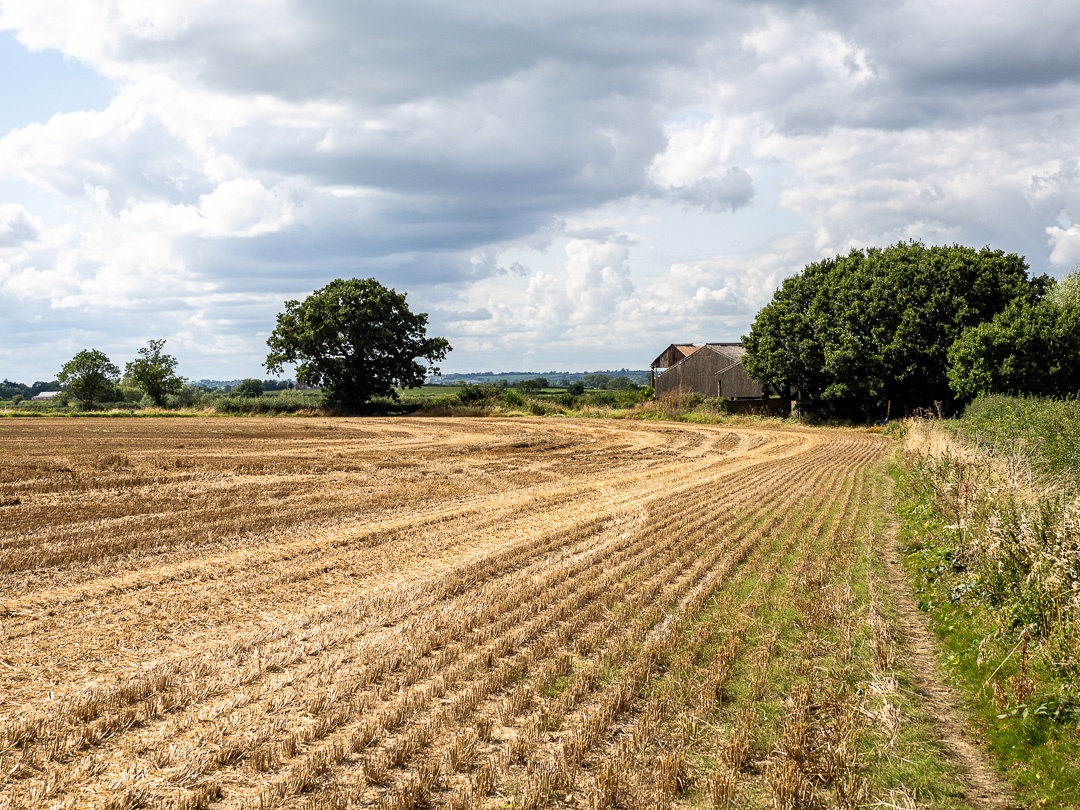
Another walk took us down lanes and across some of the local fields…
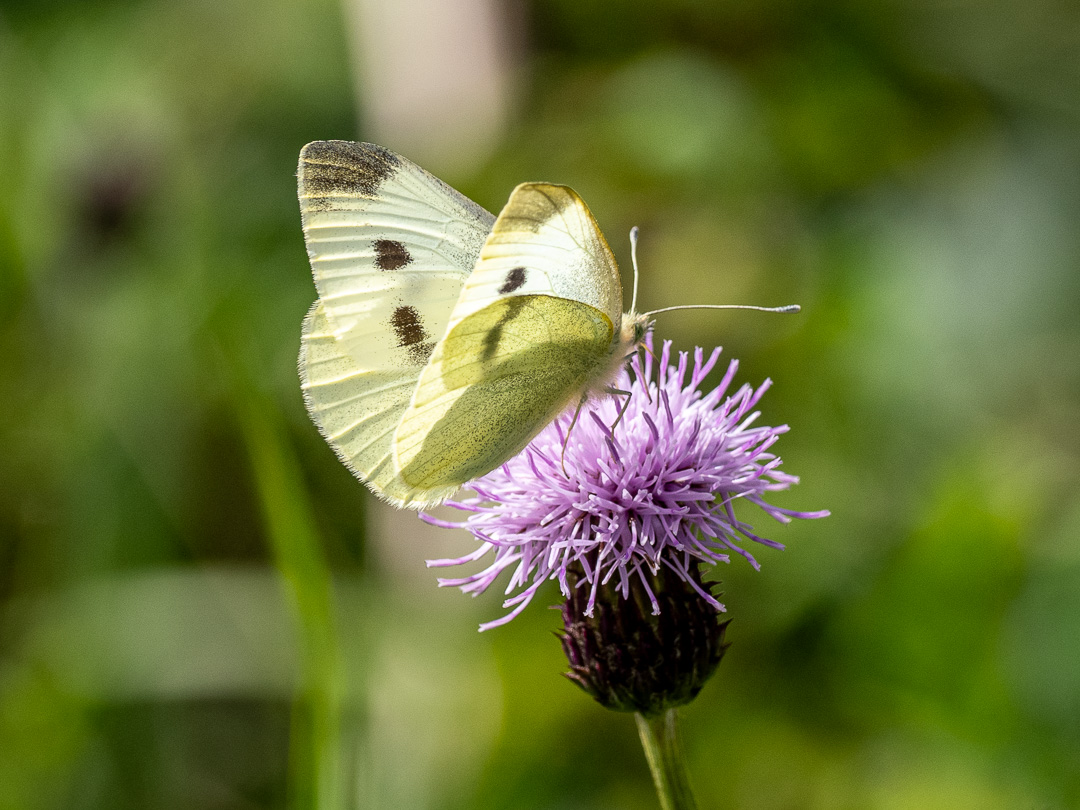
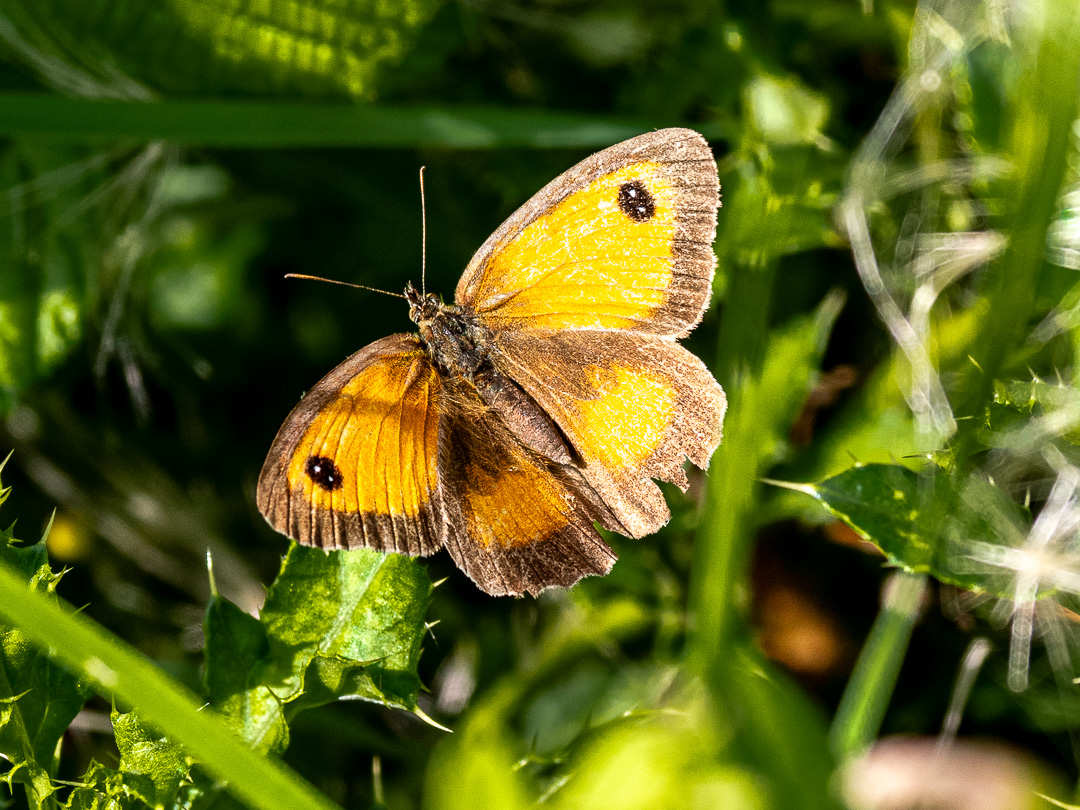
…where butterflies were in abundance:
Melton Mowbray
On the Monday, we decided to take a trip by bus to the local town of Melton Mowbray, of pork pie fame. Monday presented the first reasonable opportunity for this trip as there was no bus service on Sunday. Having checked the timetable online, we waited for the bus due at 10.58am. It did not arrive. Before long we were joined by other photo group members, who advised us that the bus was due at 11.15. So we waited, and before long there was about 10 of us waiting. It arrived at 11.20, which is not too bad, but it took a (very) scenic route, visiting most of the local villages and taking 45 minutes for a journey of just 7.5 miles or so, despite the driver driving at breakneck speed to catch-up time. With 10 extra passengers on the bus, a local woman was overheard as saying: “I have never known this bus to be so busy, there must be something going on, somewhere.”
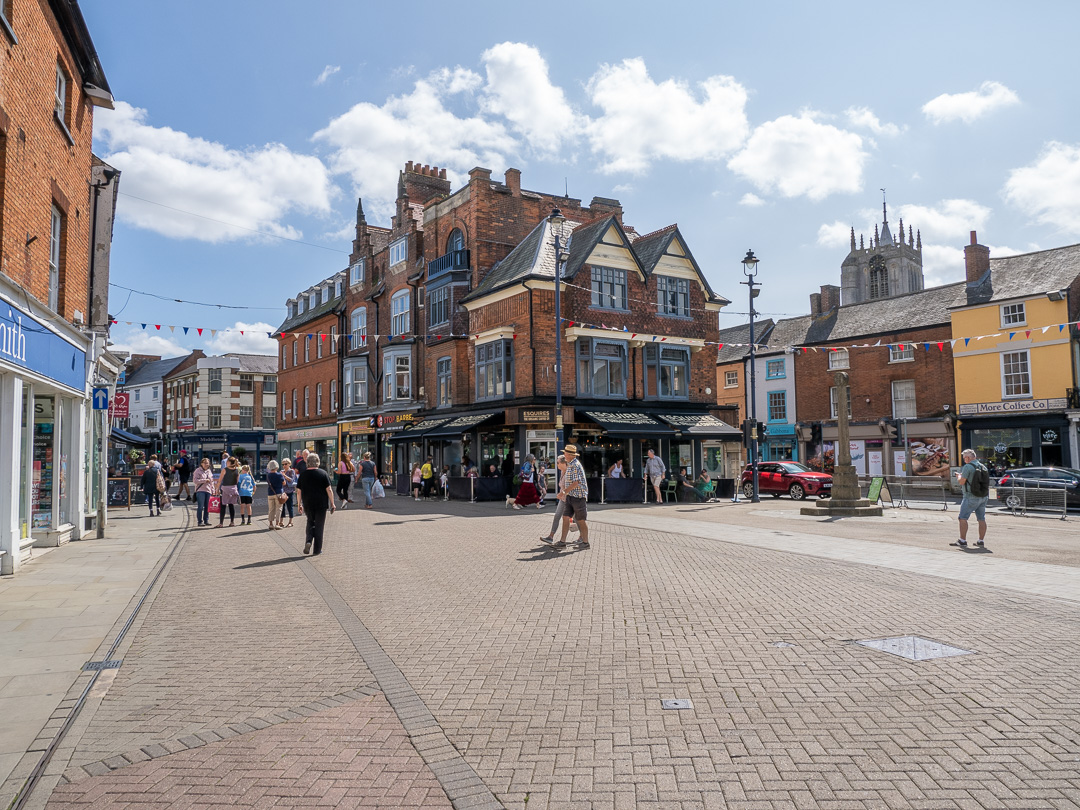
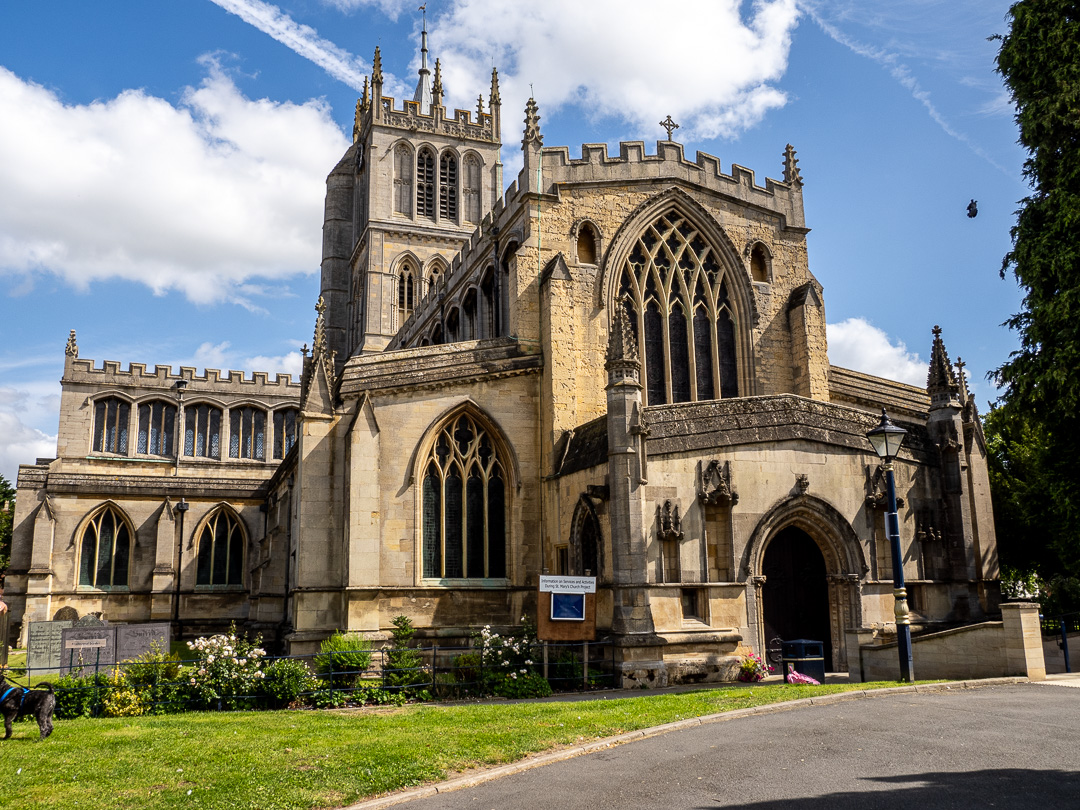
The town centre is a pleasant and open place with some old and interesting buildings. There has been a market here for over 1000 years.
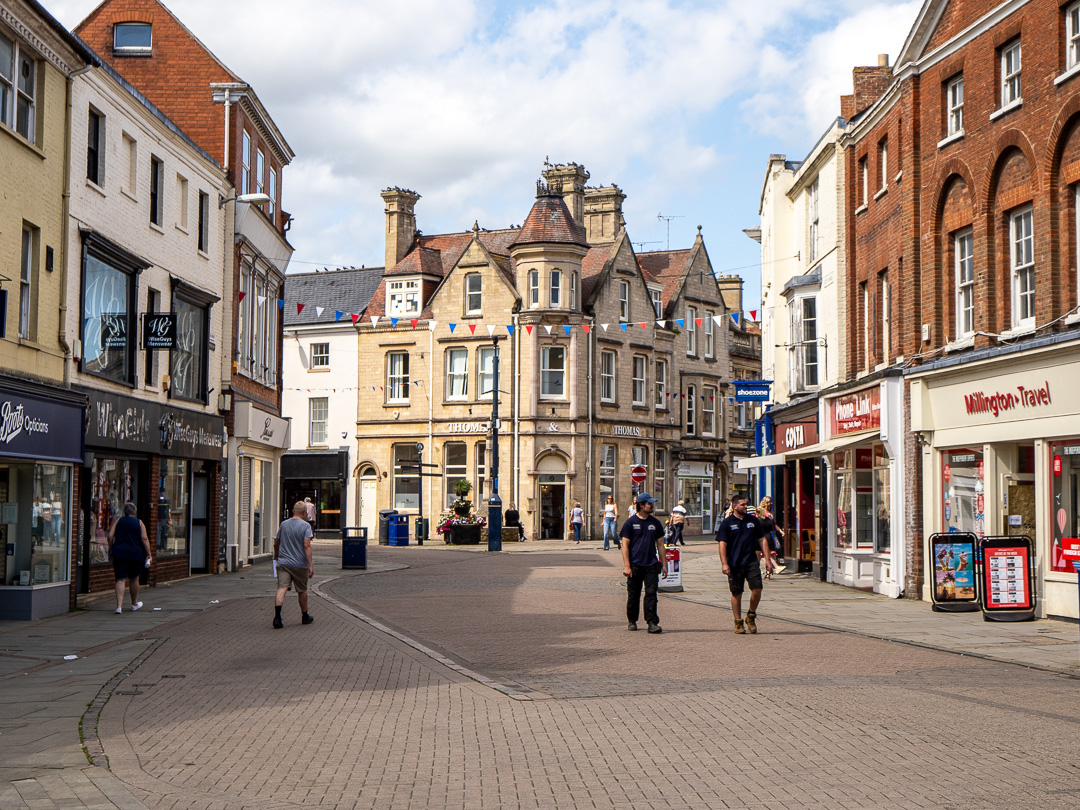


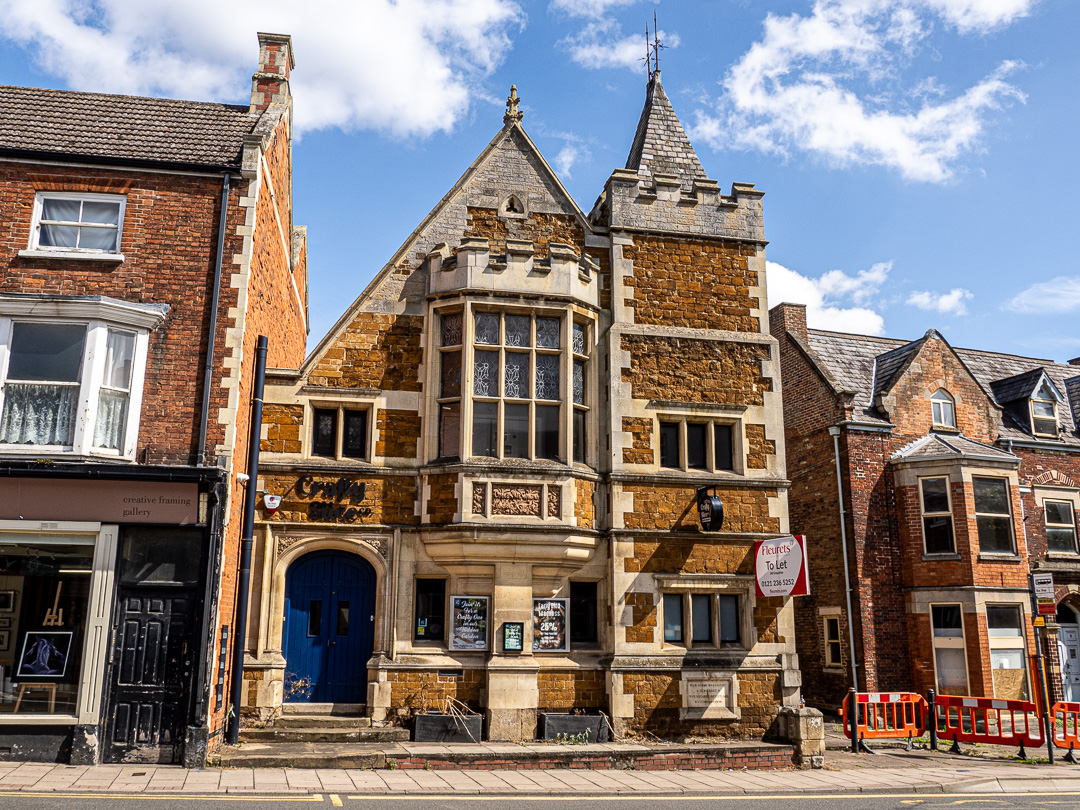
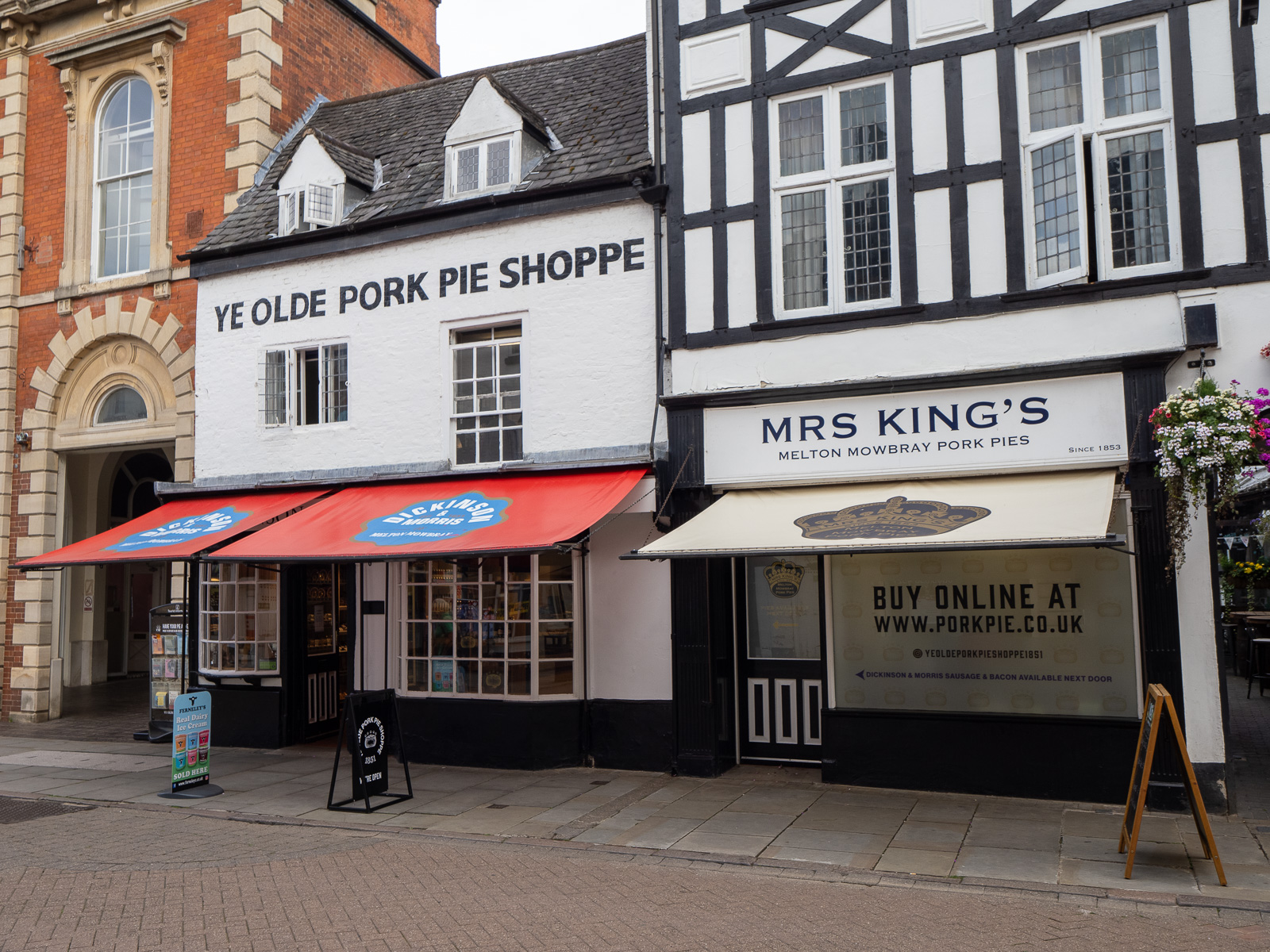
As mentioned above, Melton Mowbray is famous for its pork pies, with two vendors next to each other, “Ye Olde Pork Pie Shoppe” and “Mrs King’s Melton Mowbray Pork Pies, (since 1853)”. I had no idea that Mrs King was that old. Melton Mowbray pork pies have been granted Protected Geographical Indication status since 2008. They are made using a specific hand-raised method.

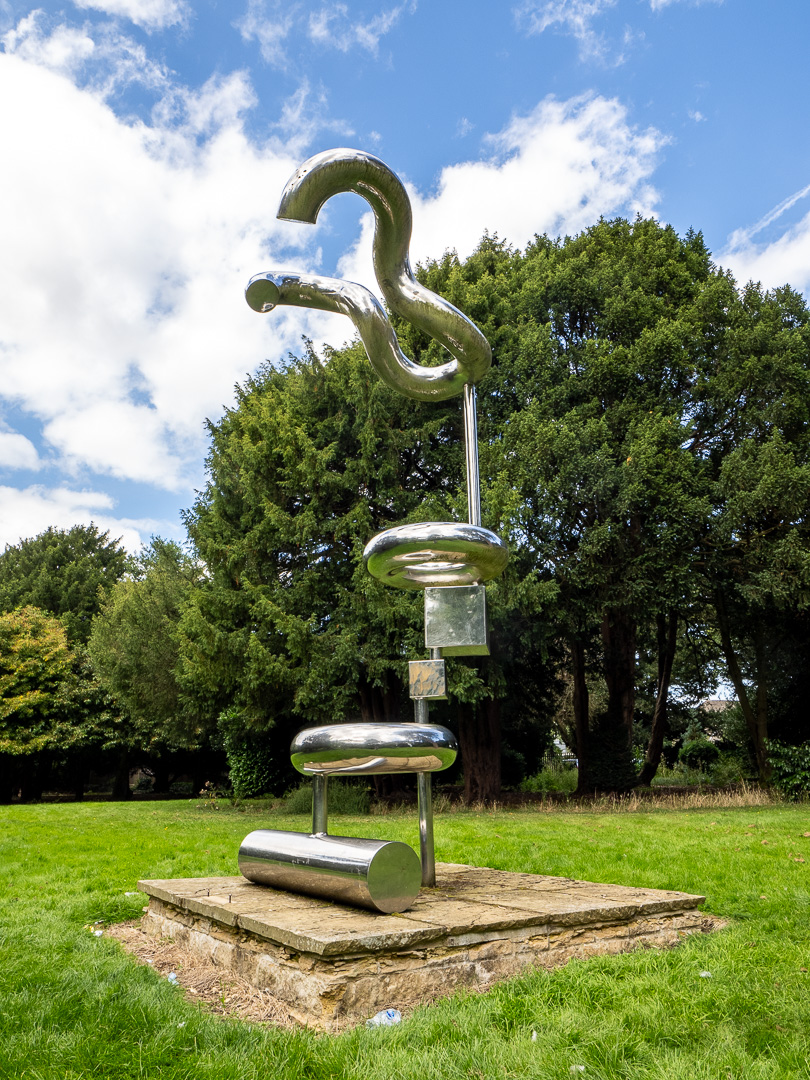
In the Memorial Gardens, there are tributes to the fallen in both world wars as you might expect, but there was also this “art installation”, which is a little beyond me, I think.
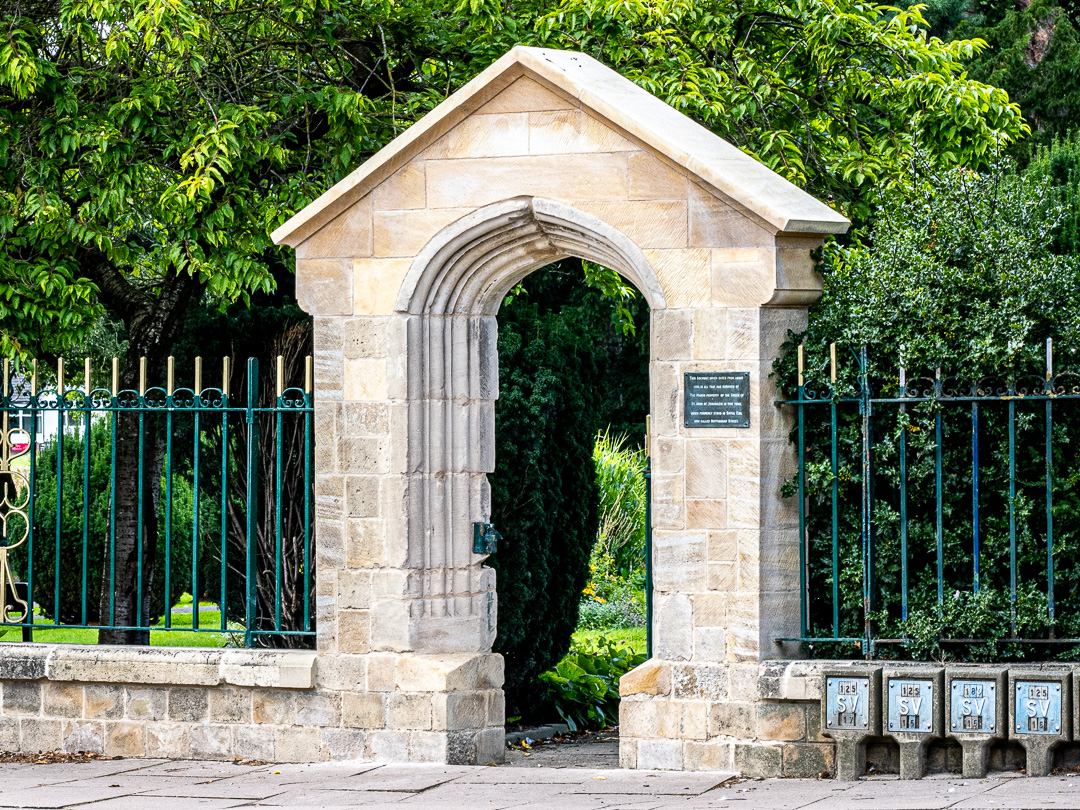
One of the entrances to the memorial gardens was through an archway, which according to the plaque, “dates from around 1480 and is all that remains of the manor property of the Order of St John of Jerusalem”.
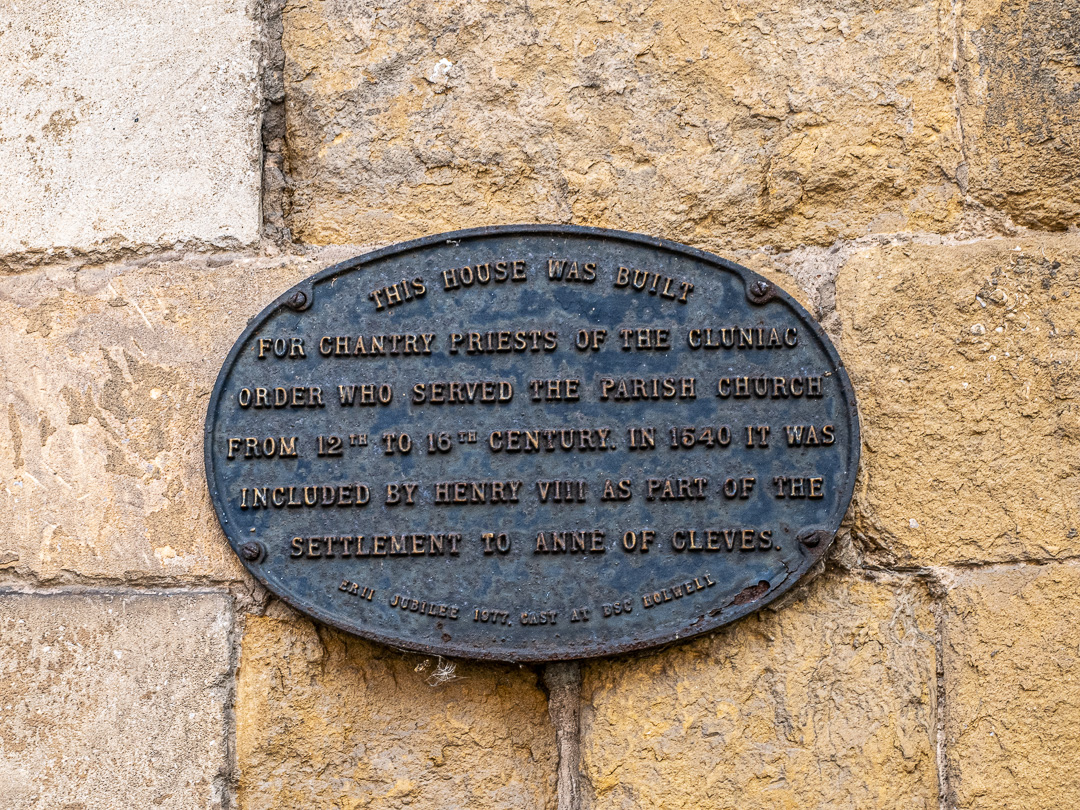
The Anne of Cleves House was owned by Thomas Cromwell, who was executed by Henry VIII, when it was passed on by King Henry to Anne of Cleves, as a part of their divorce settlement.


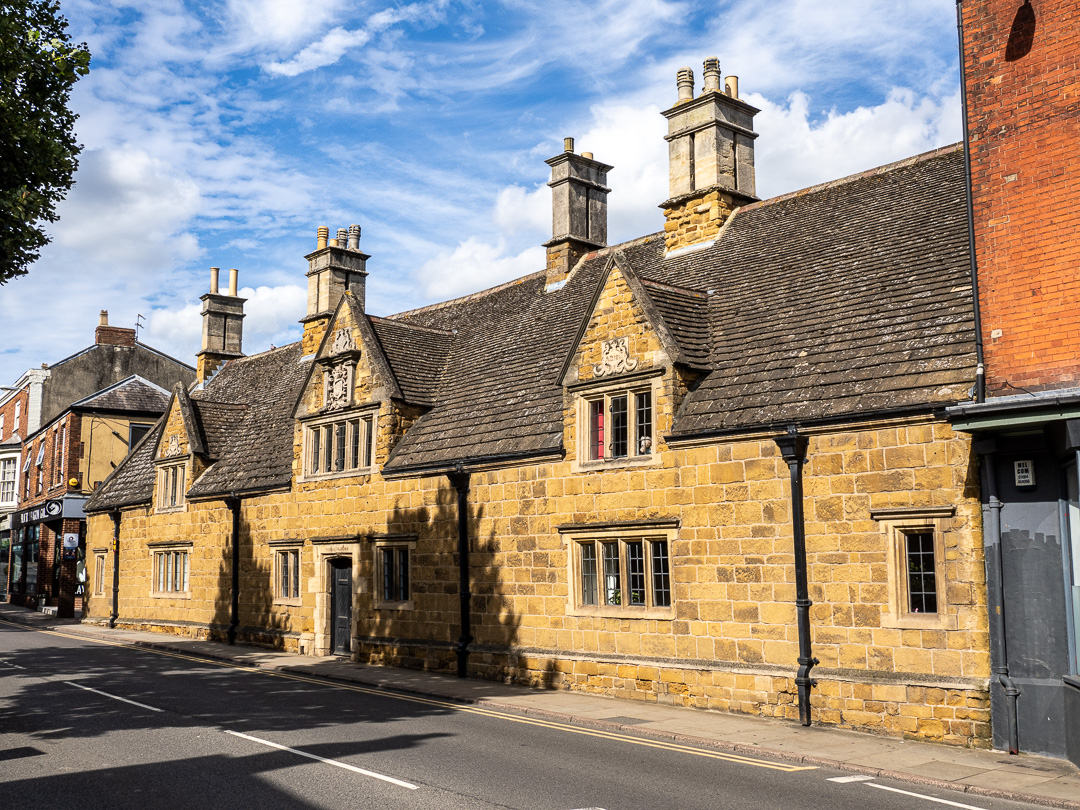
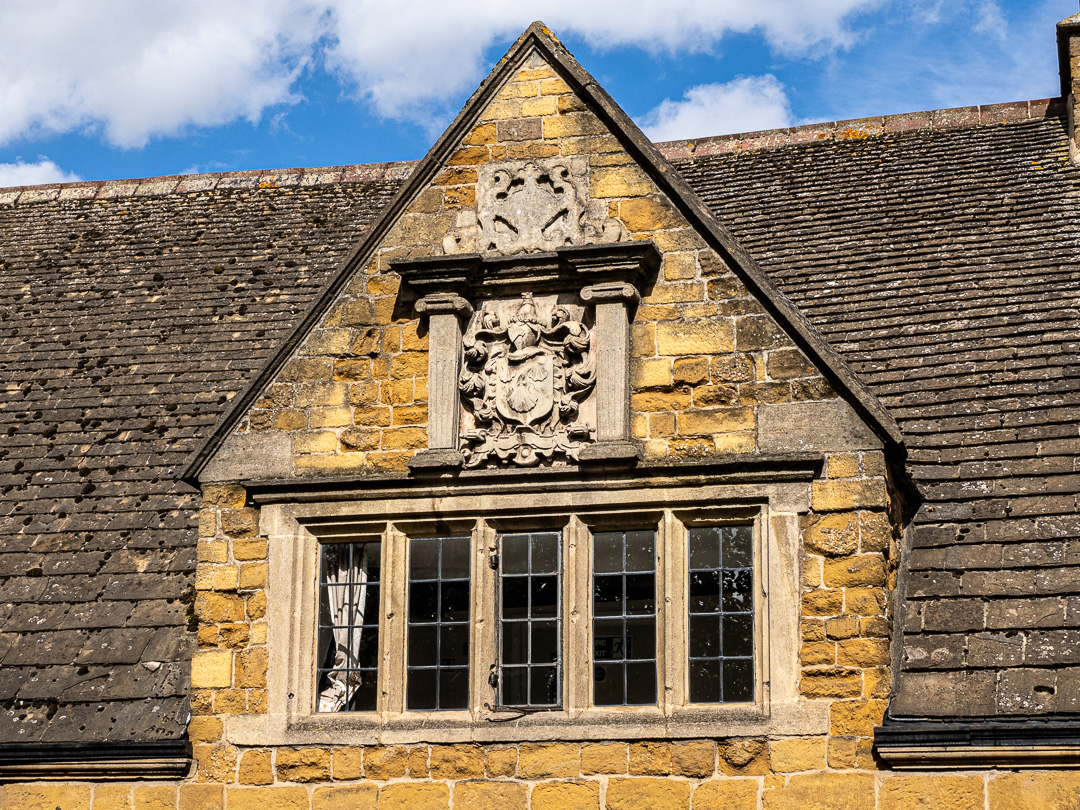
Behind the church, opposite Anne of Cleves House, is another medieval building, with “Maison De Dieu 1640” over the door. Translated this means “House of God”. These are known as the Bedehouses, built for poor local bachelors and widows, as a bequest of Robert Hudson, a London merchant.
Exhibition Entries
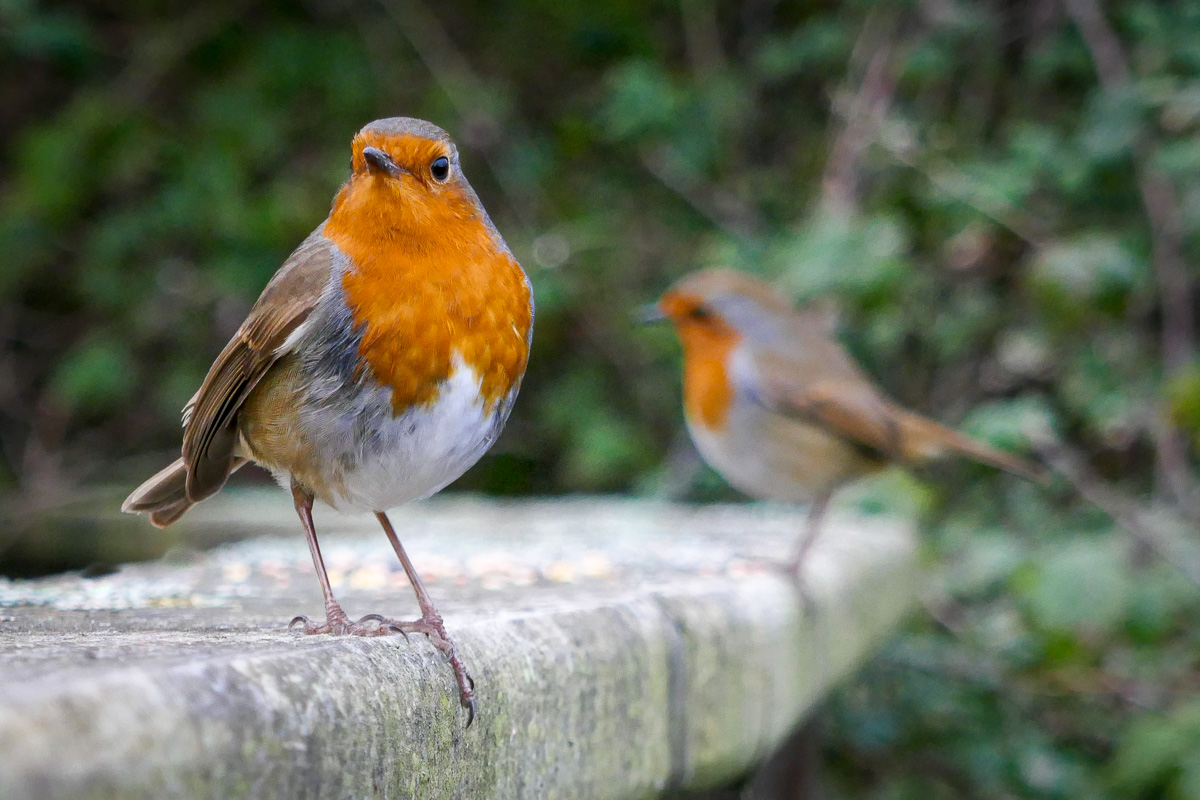
Alison’s Digital Projected Images:
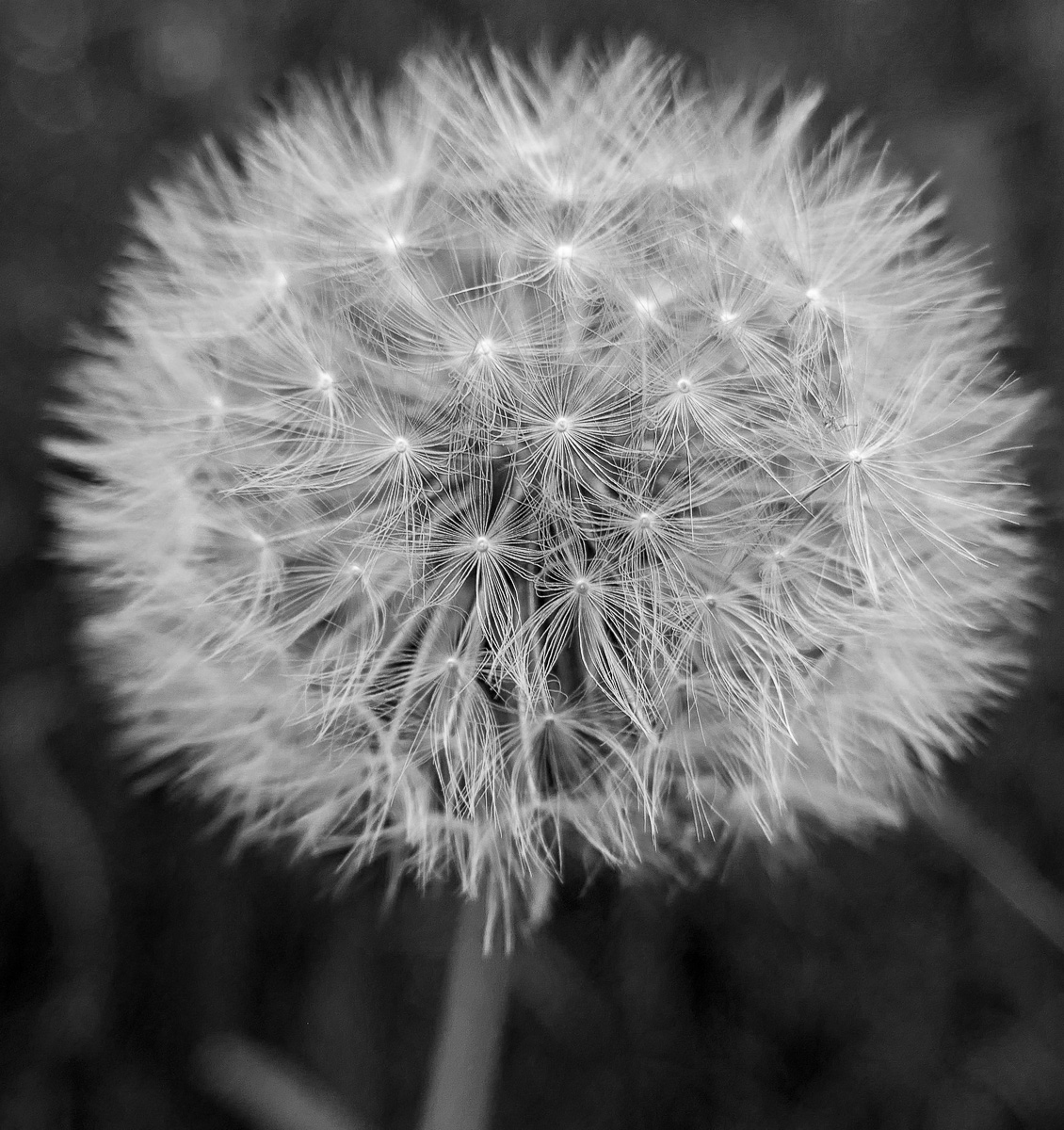
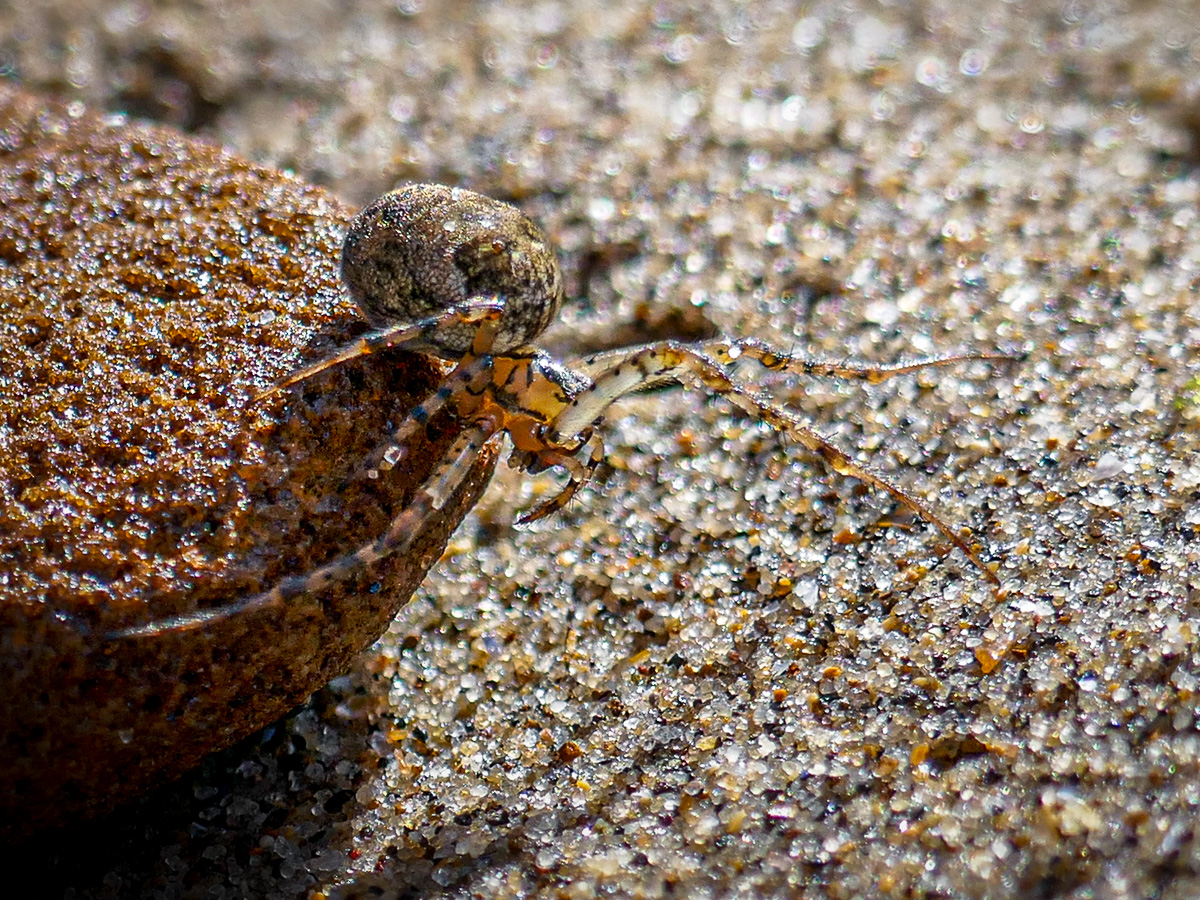
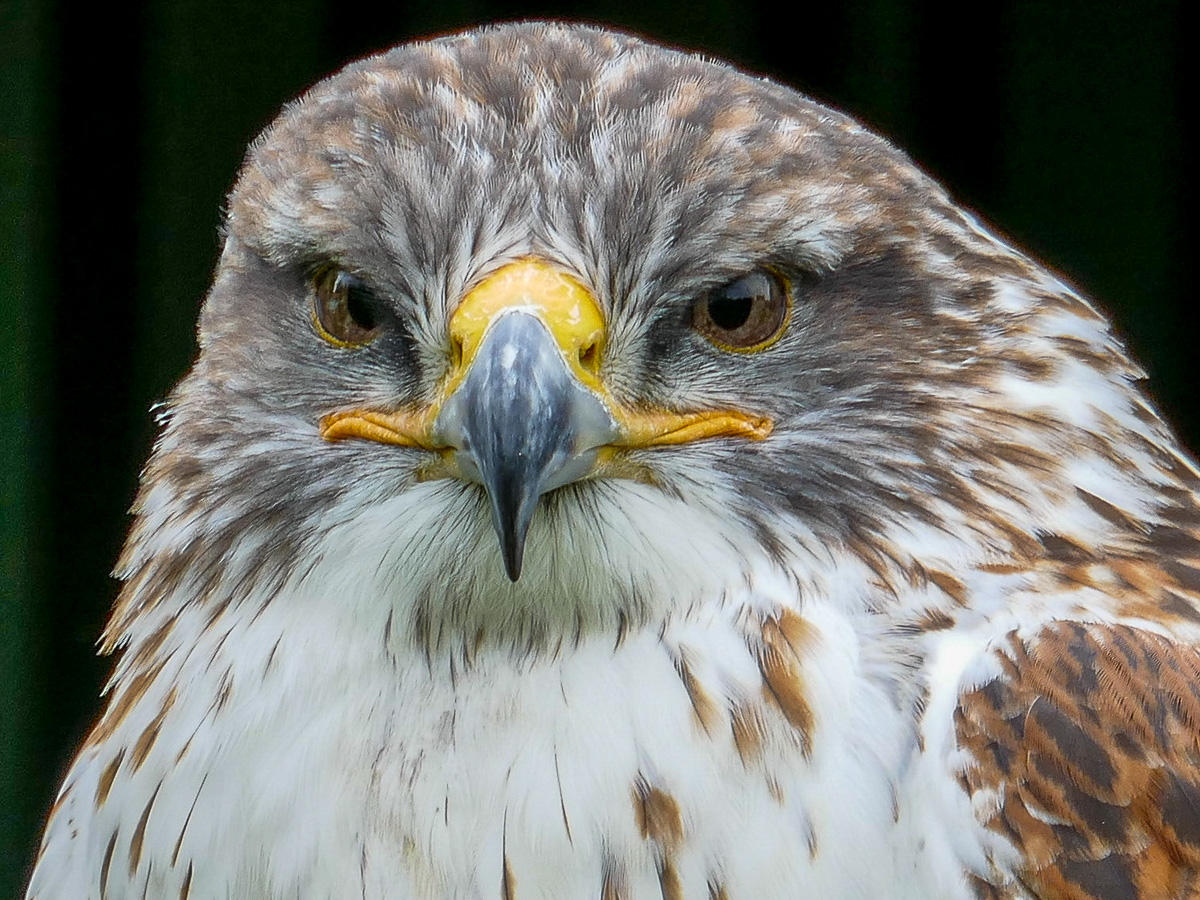
Peter’s Digital Projected Images:
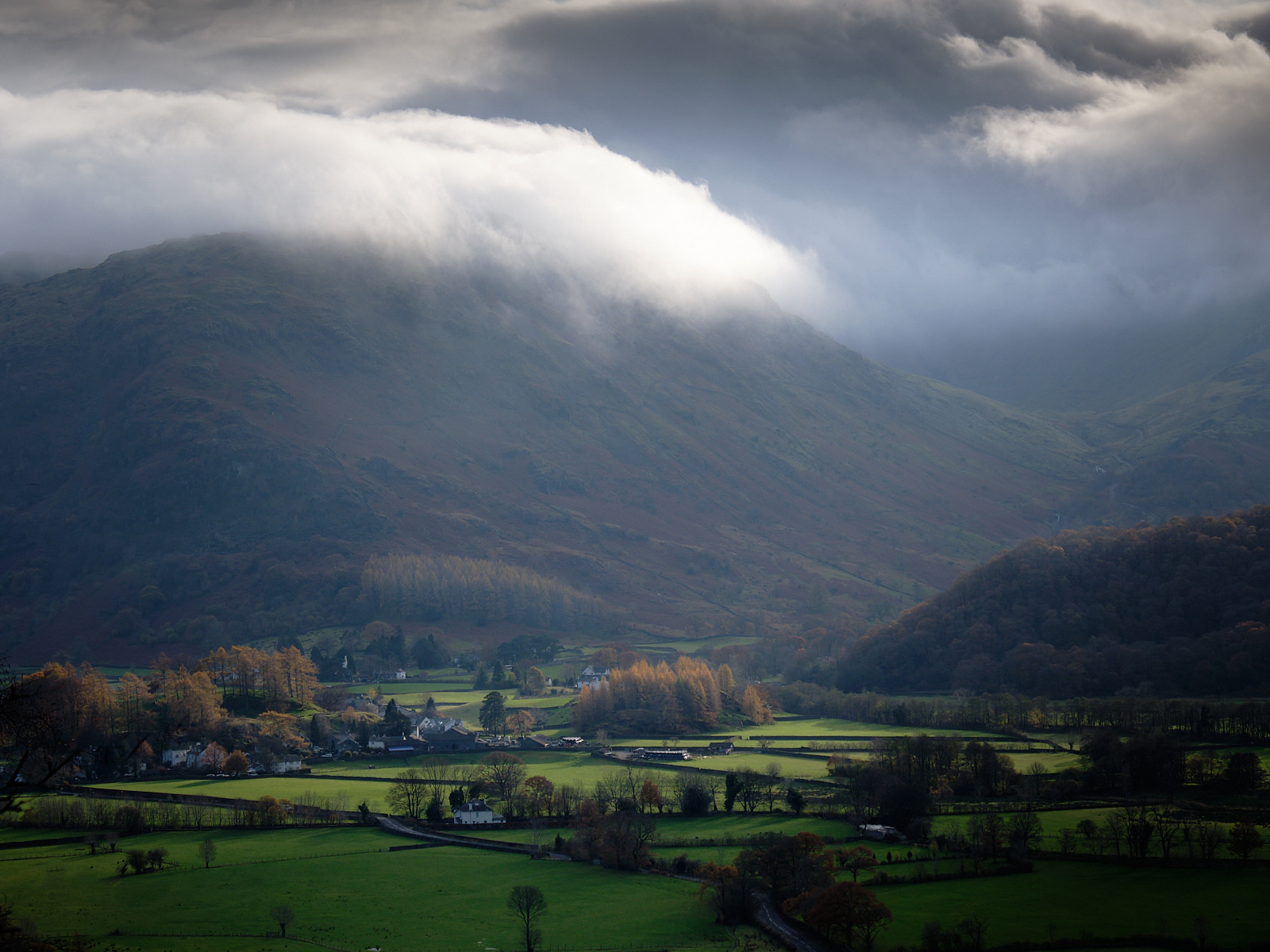
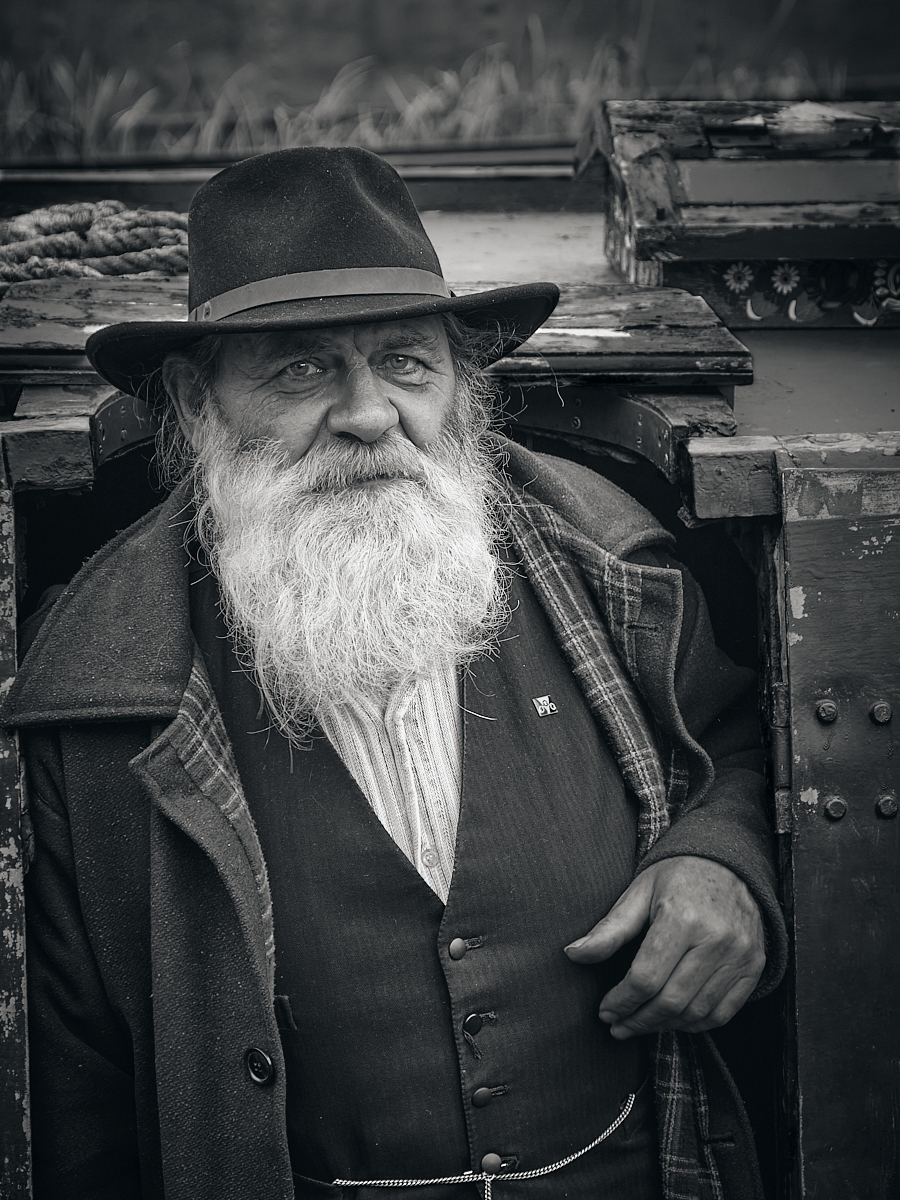
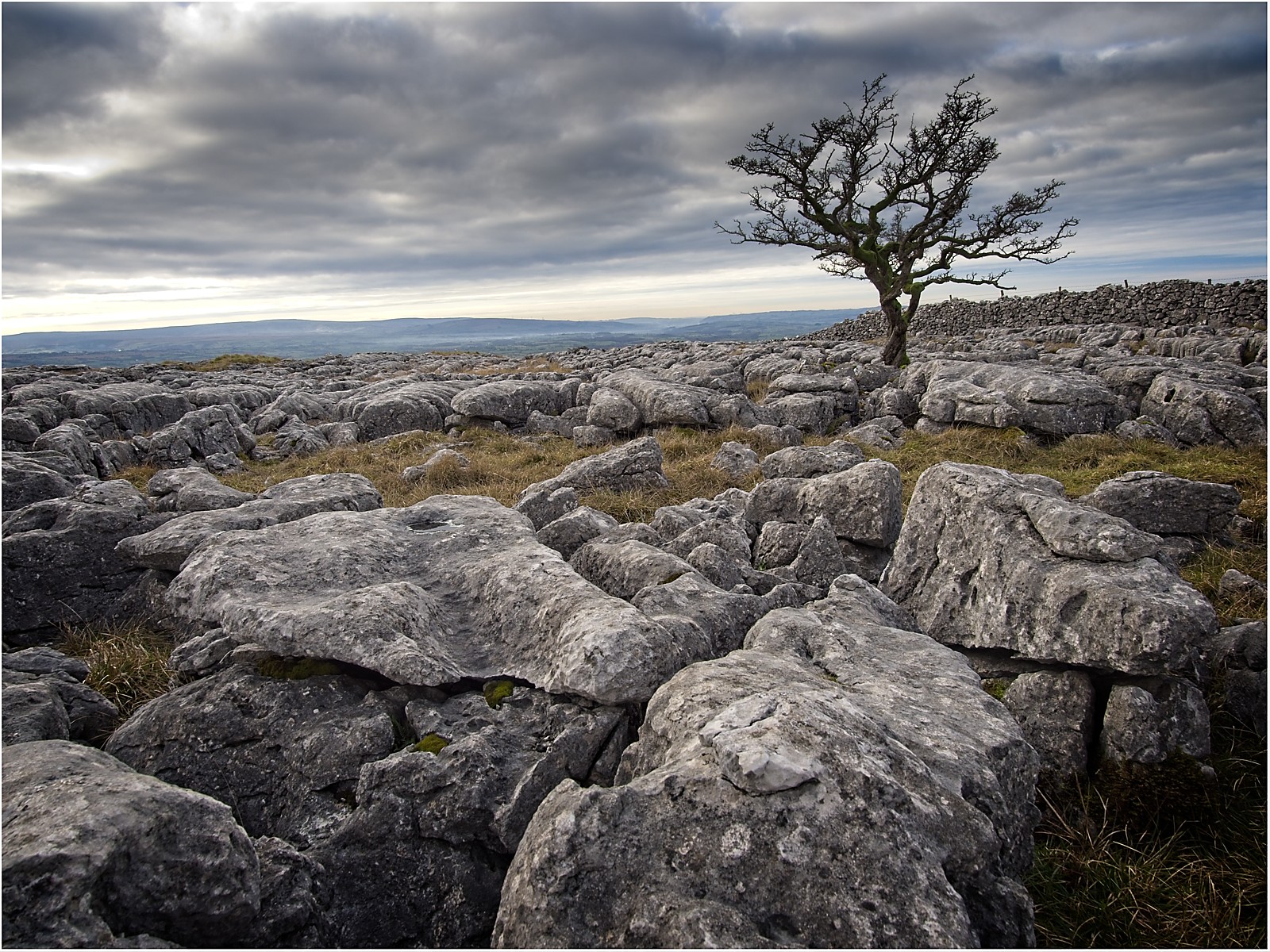
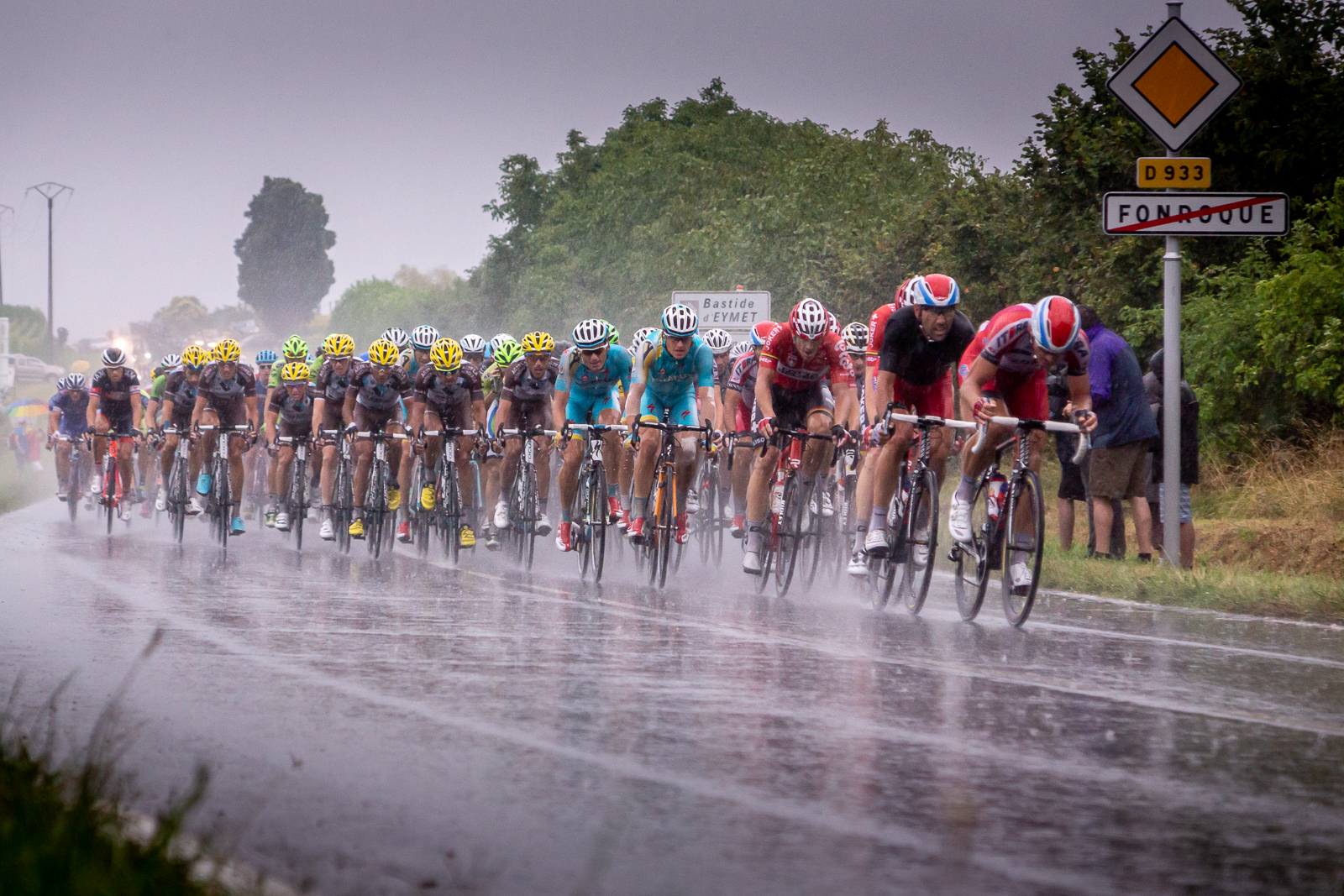
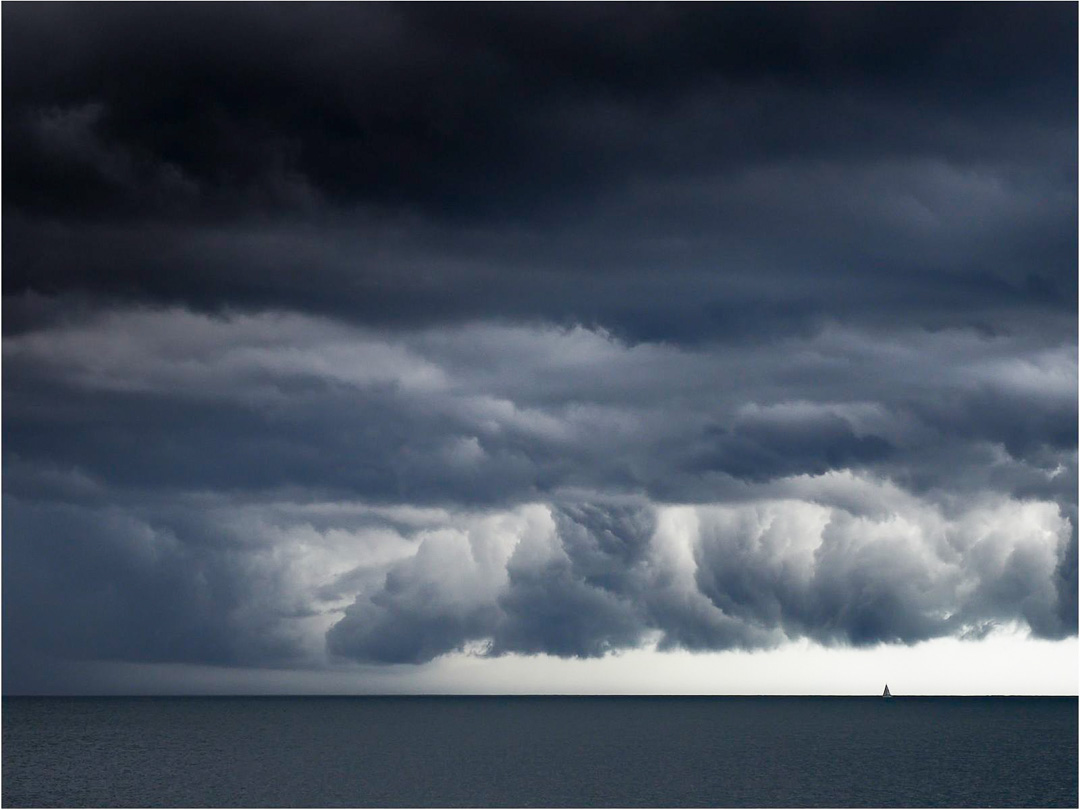
Peter’s Prints:
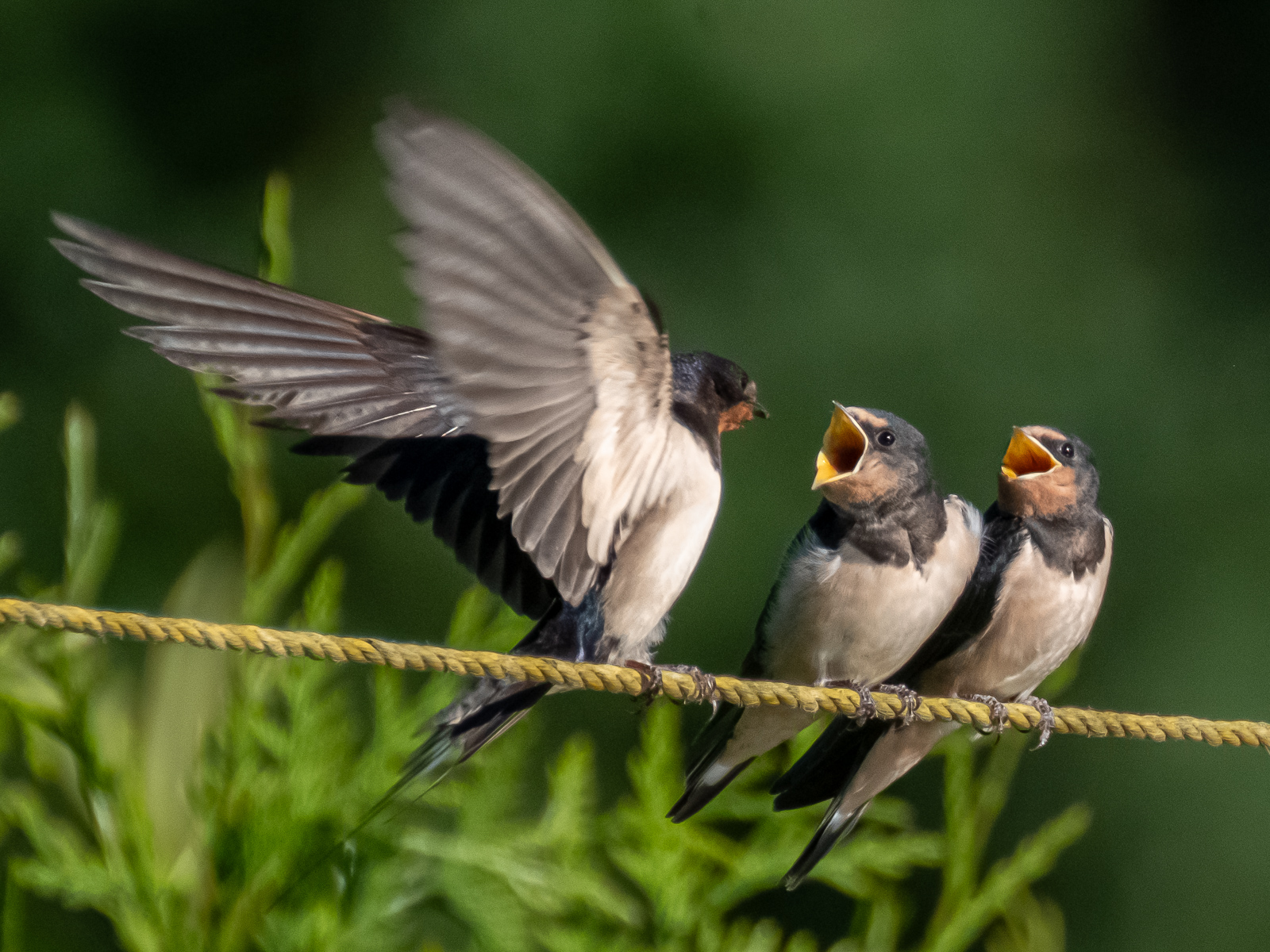
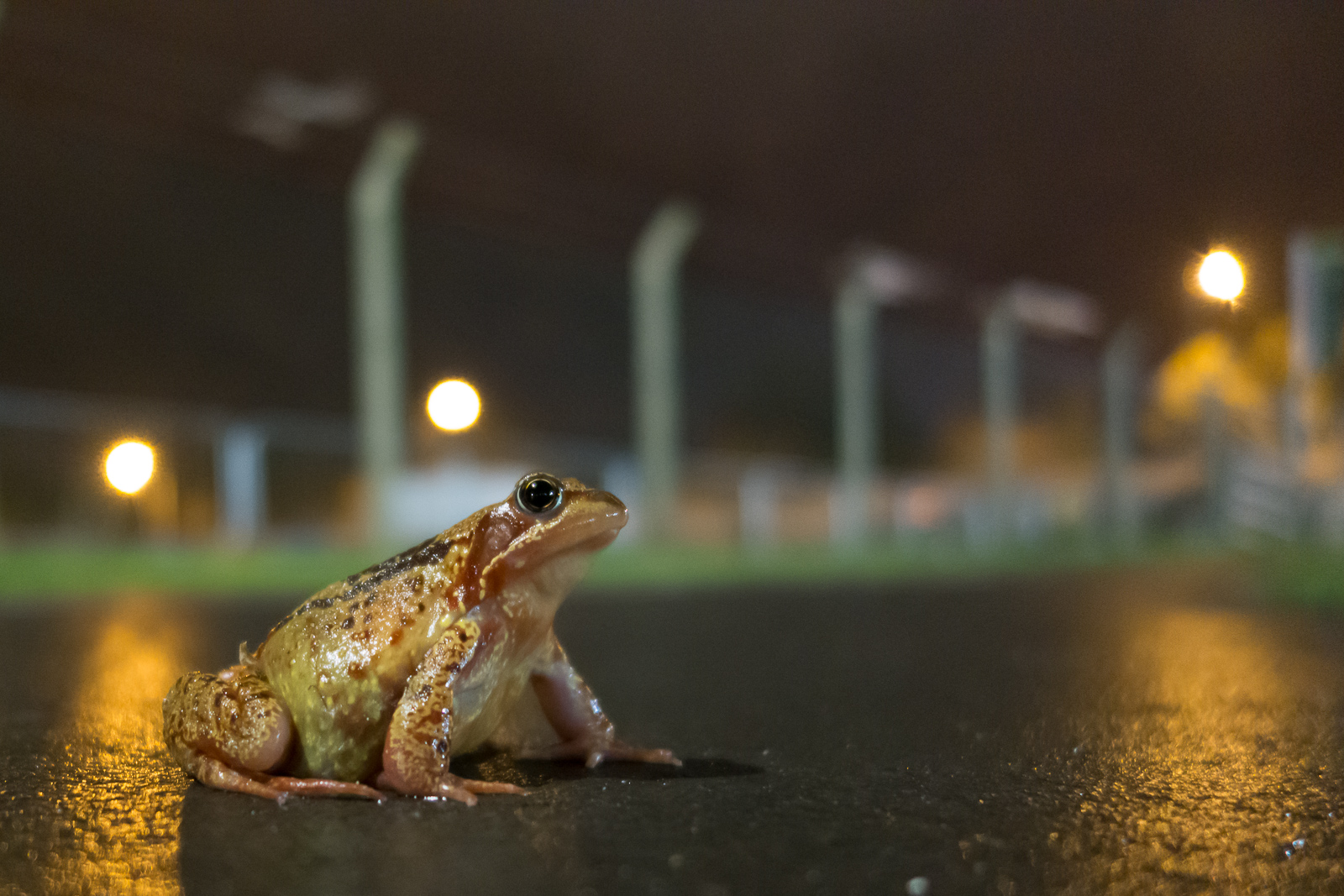
 "See-u-Later"