
Monday 22nd July 2024
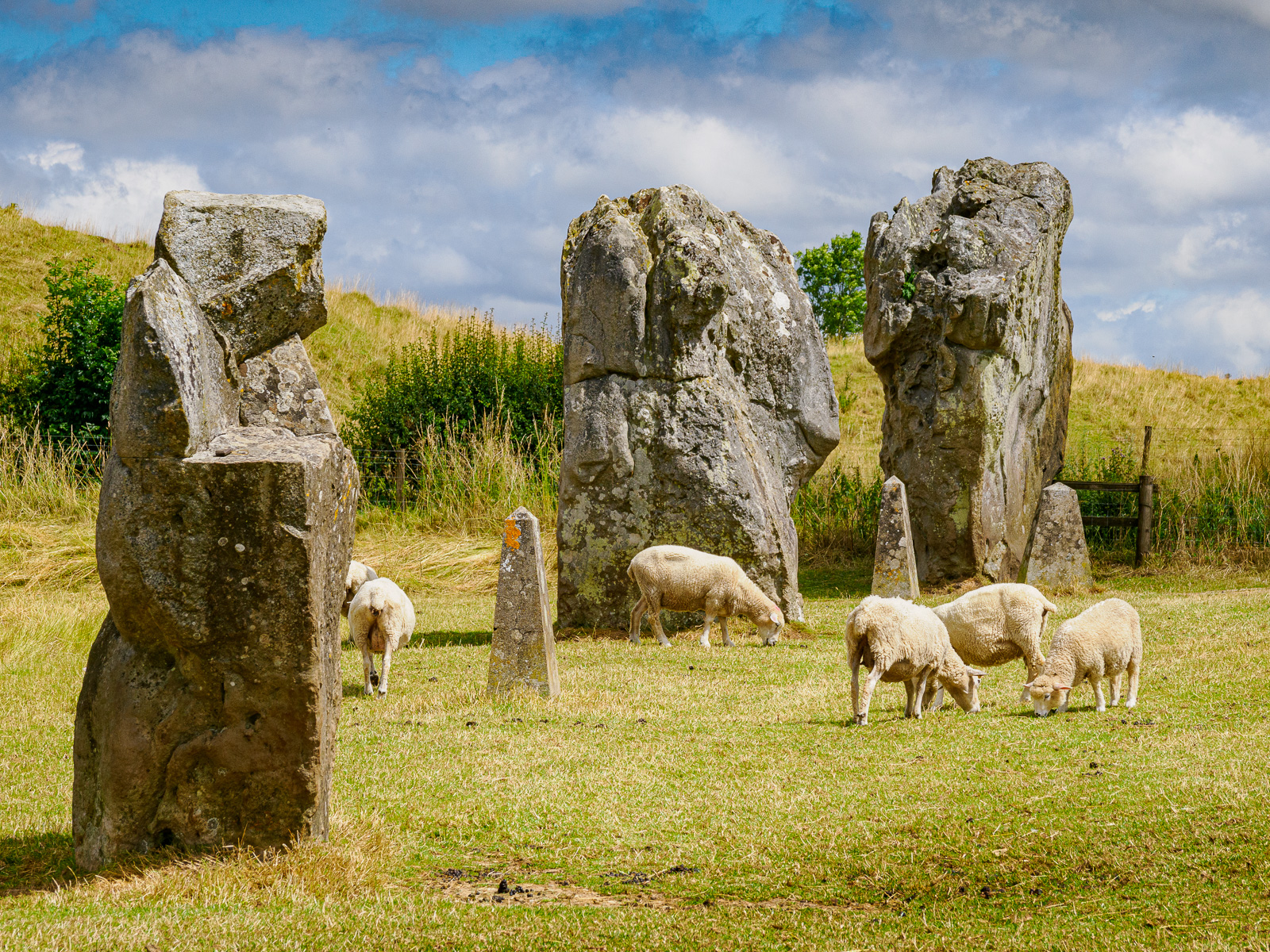
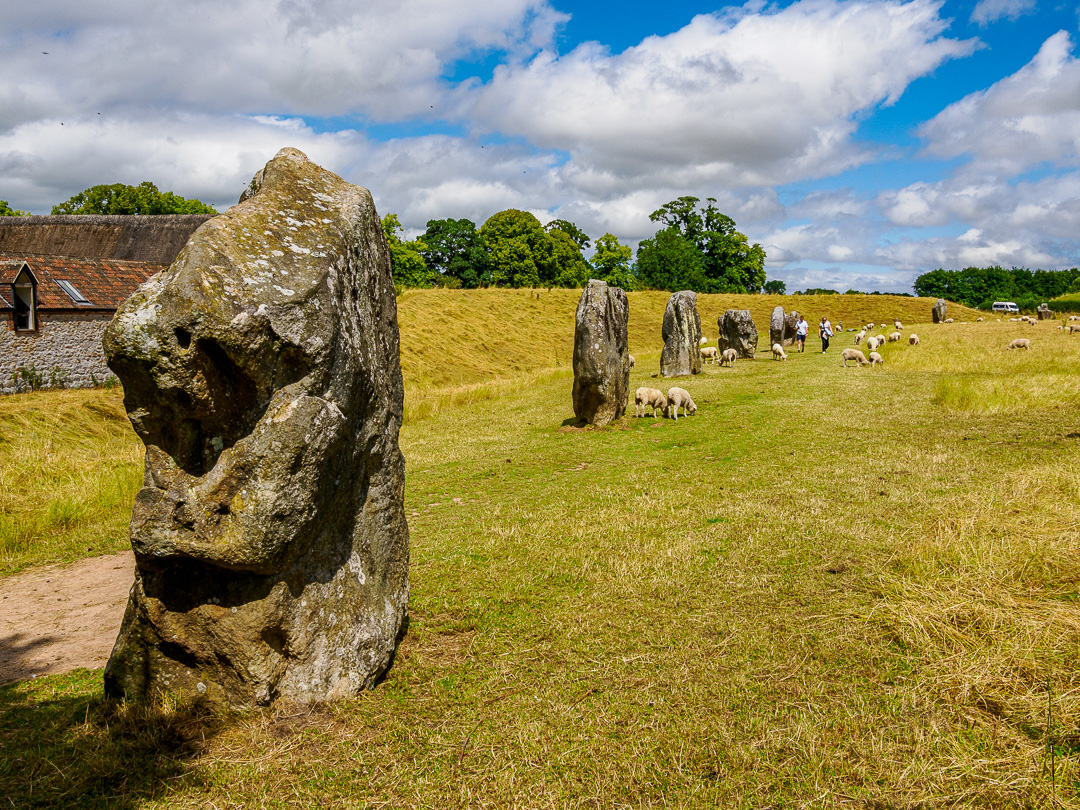
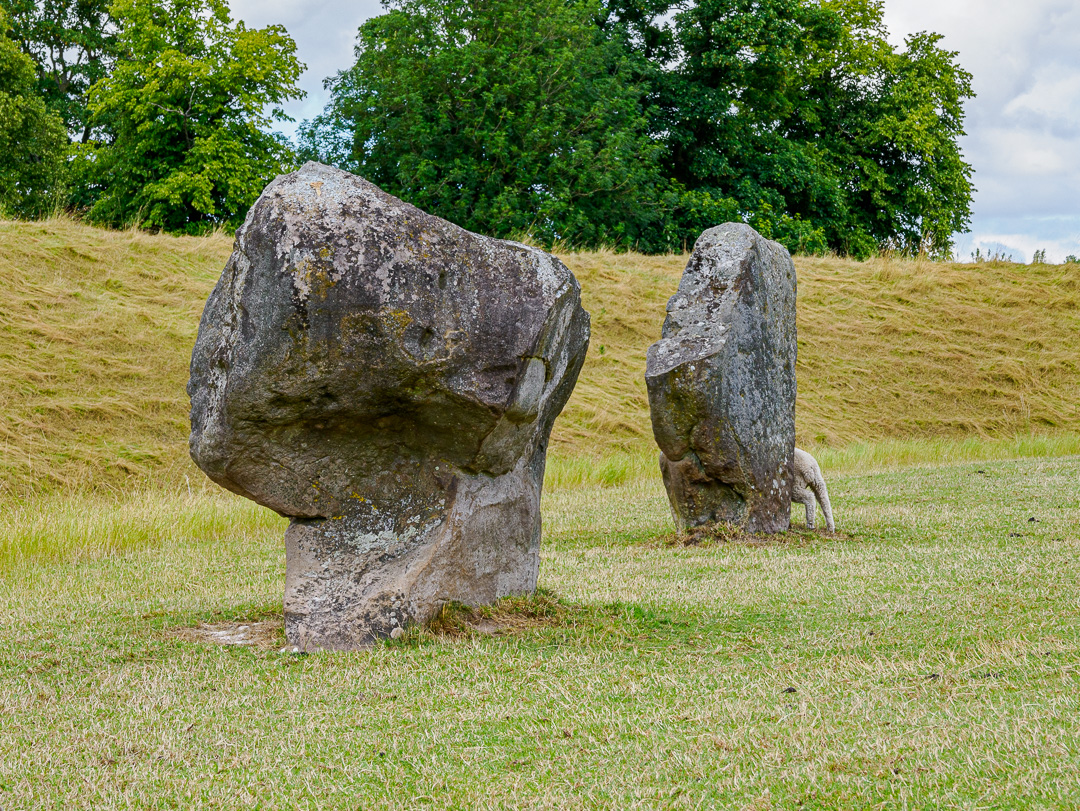
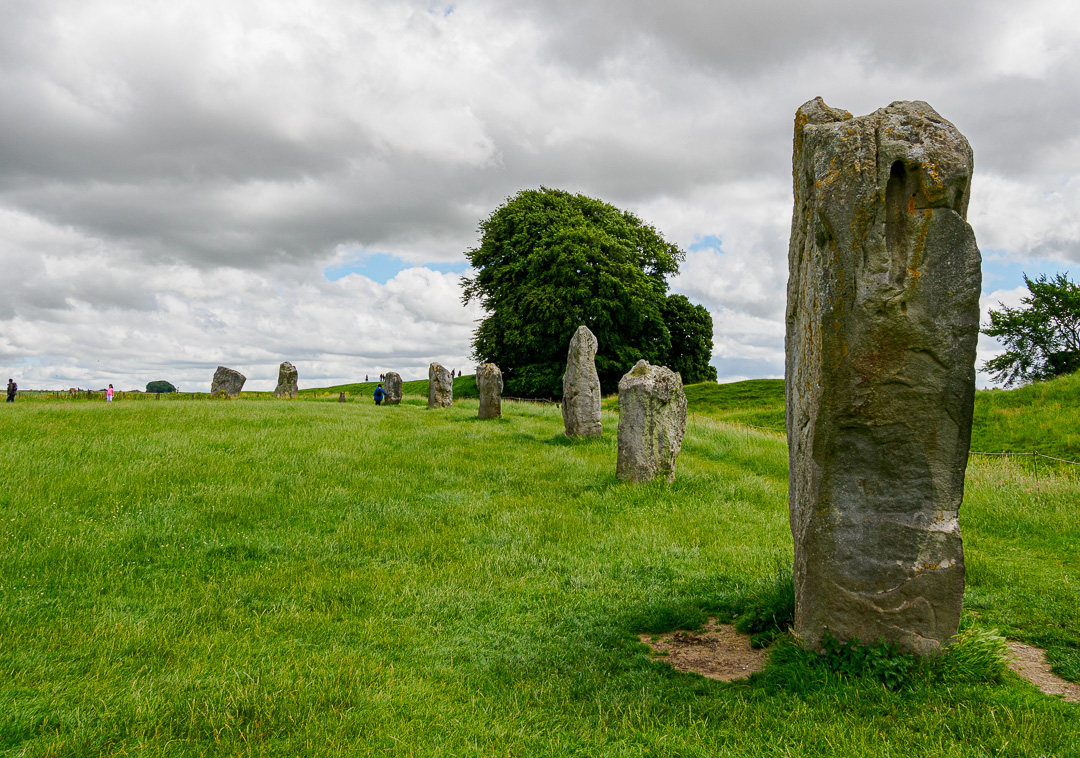
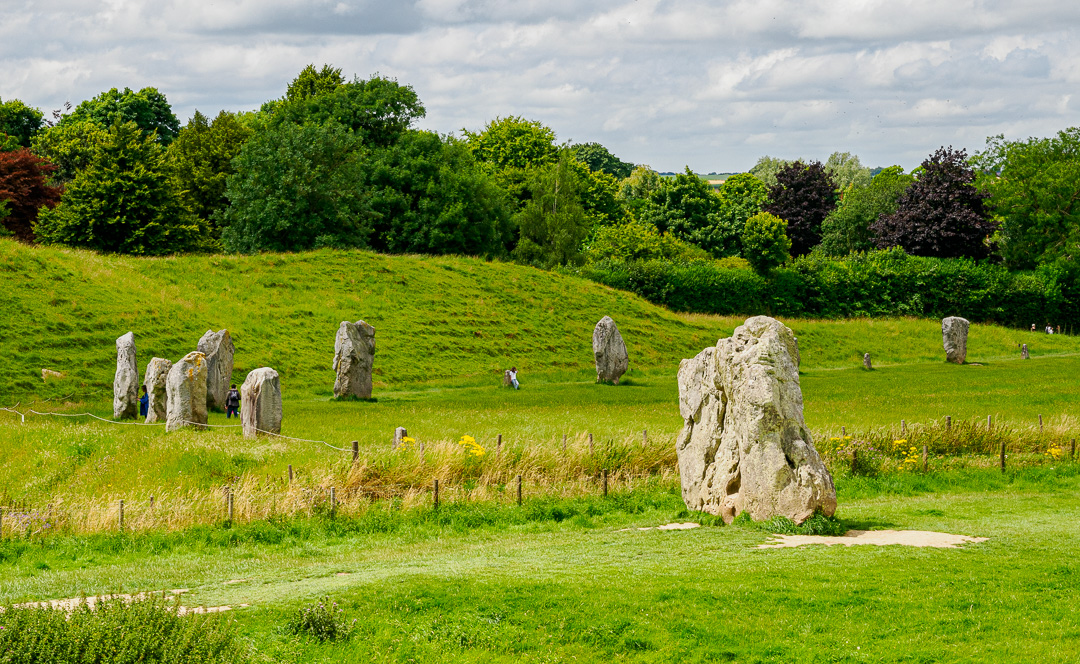
The very attractive village of Avebury is most famous for its neolithic henge of standing stones. Built around the same time as Stonehenge, they form the largest stone circle in the world and have been in place for 4500 years. There was originally a high circular bank and deep ditch, inside of which were one large circle with two small circles in the middle.
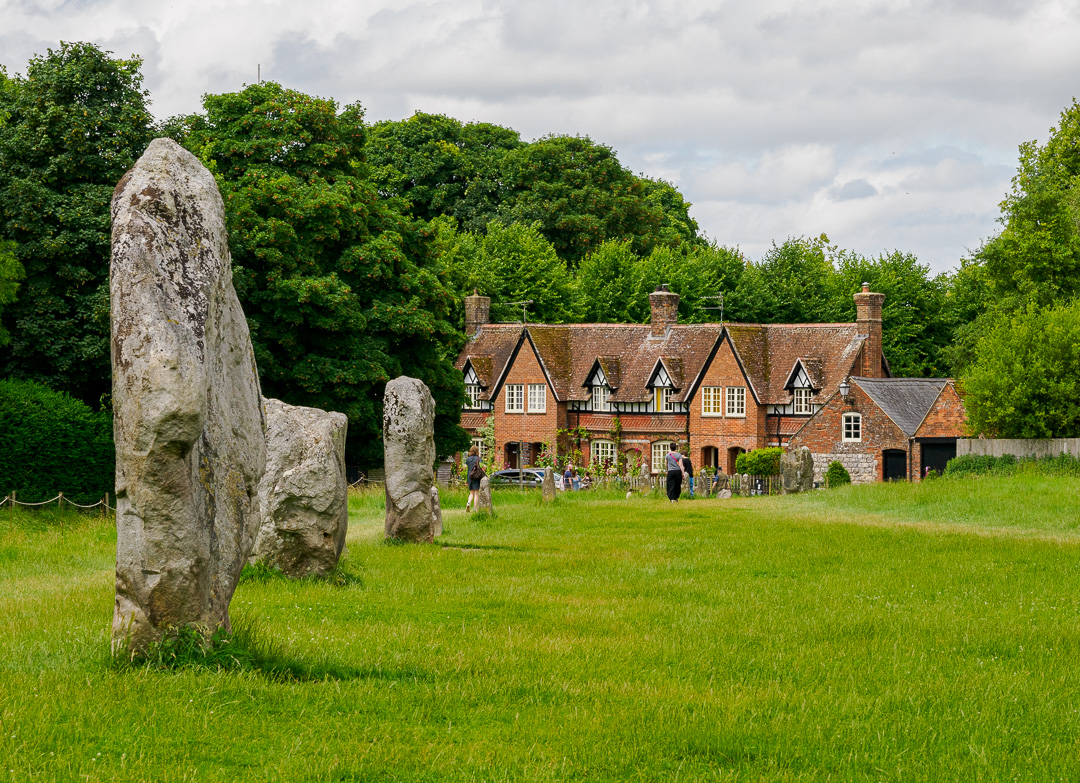
There were originally around 170 stones in Avebury Henge with a further 200, in pairs forming an avenue leading to the Sanctuary (West Kennet Avenue). The Sanctuary is another large stone circle to the south west of the nearby village of West Kennet.

It is believed that the circle was built for religious reasons, not for defence as the ditch was built on the inside of the bank.

Some of the stones are huge, about twice the height of a person and are the largest standing stones in the British Isles. Others are missing (probably broken up for building material around 300 years ago) or have been buried. Those that still lie under the surface were buried in medieval times and there are different theories why. One is that they wanted to clear the land for agriculture and the stones were in the way.
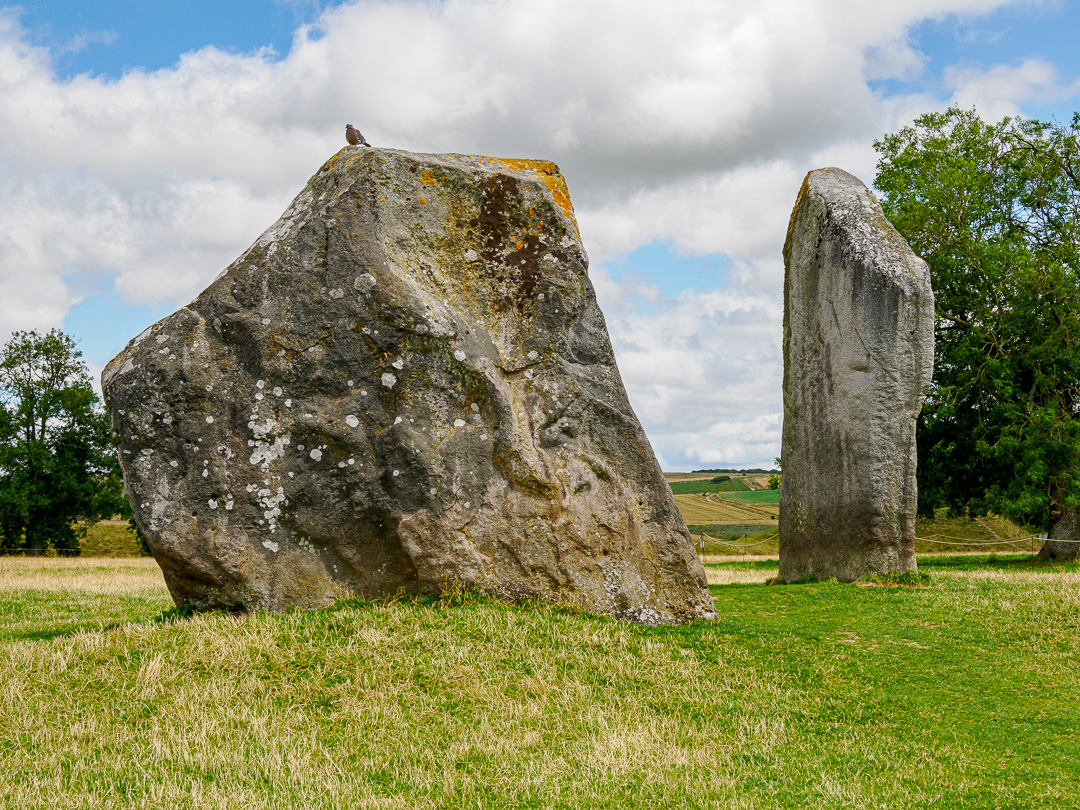
Many of the stones now present were re-erected in the 1930s and small concrete markers occupy the site of many missing stones.
Nearby, is Silbury Hill, the tallest neolithic man-made earthen mound in the world, measuring 31 metres high in the centre.

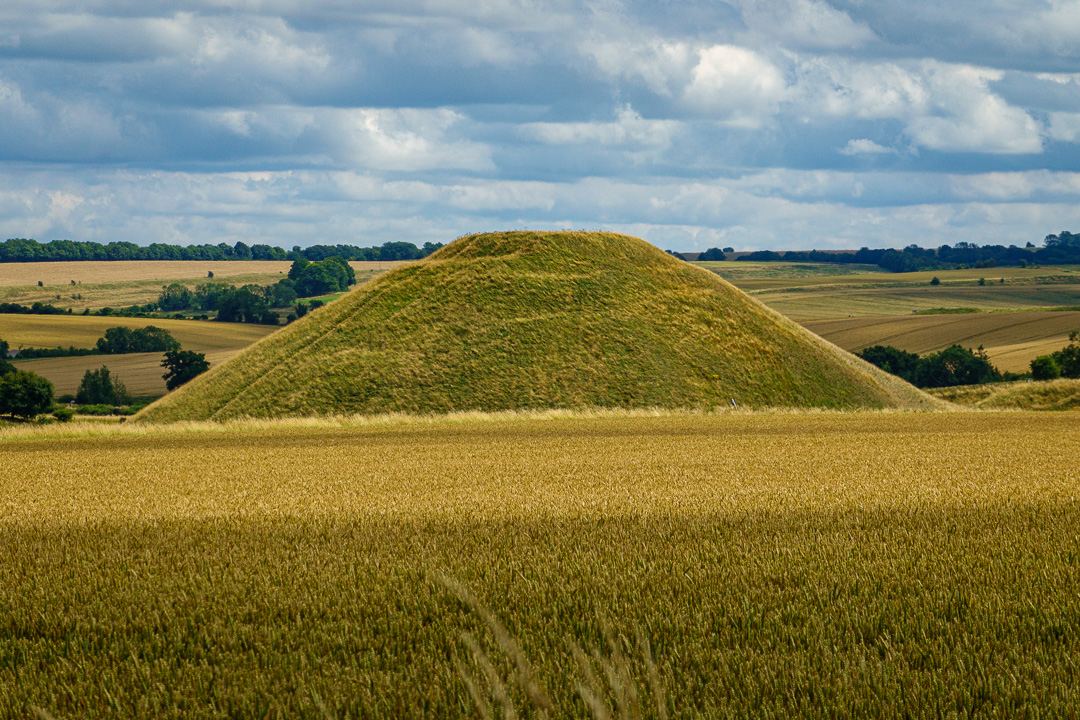
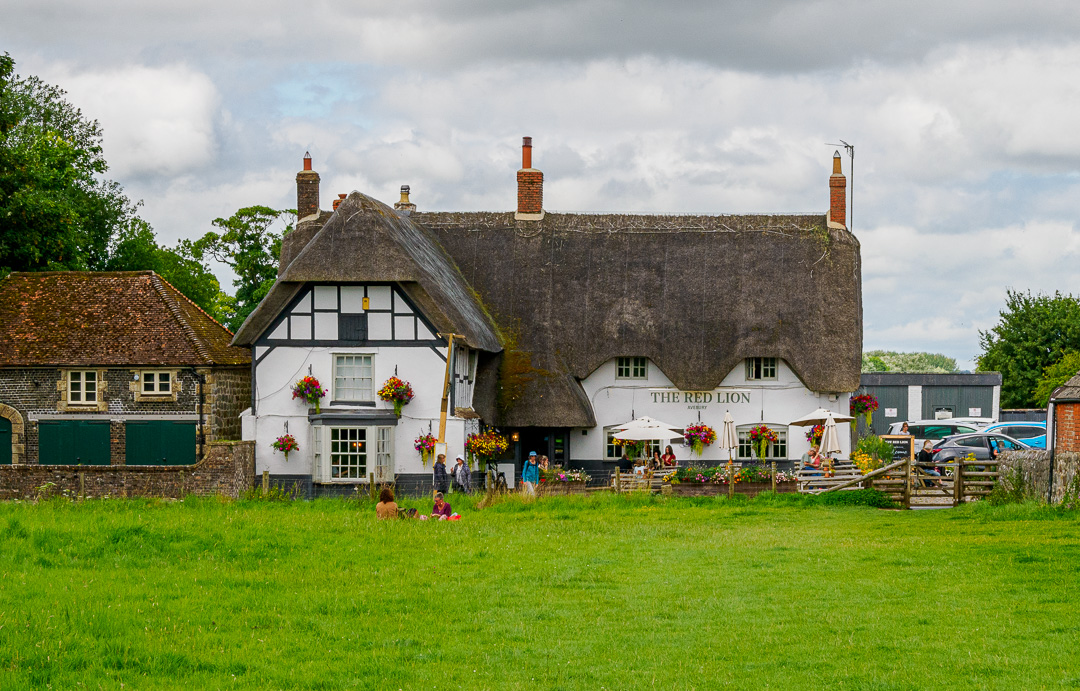
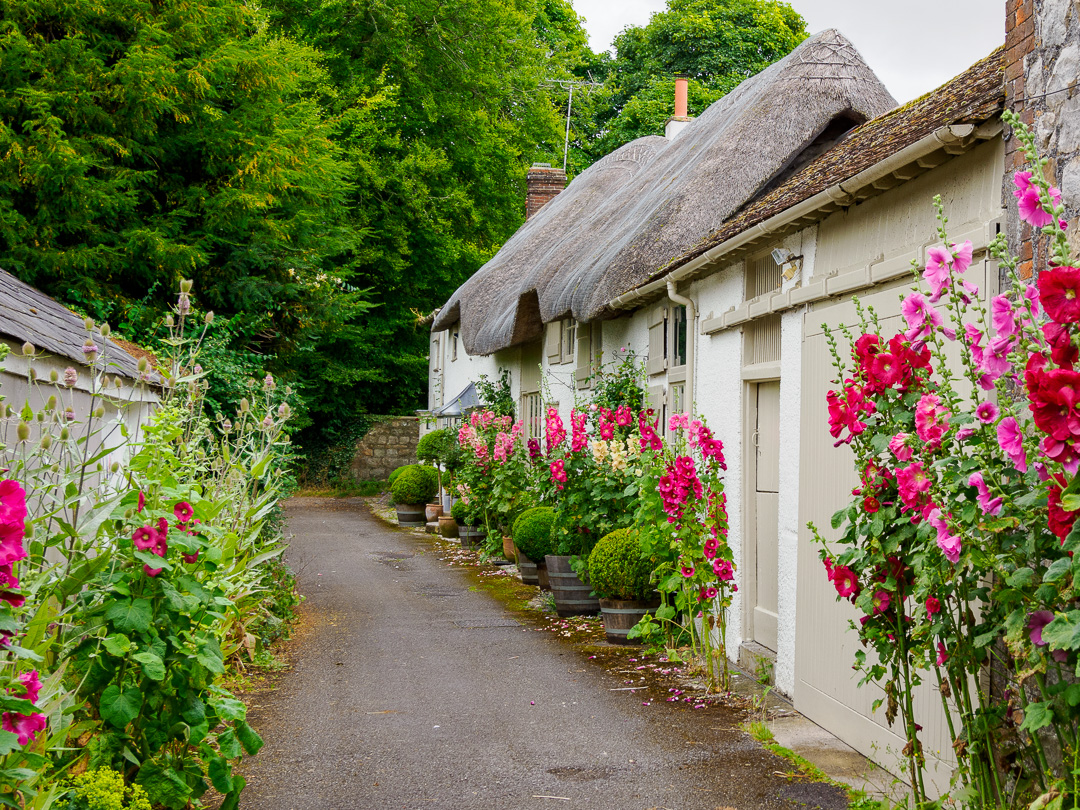
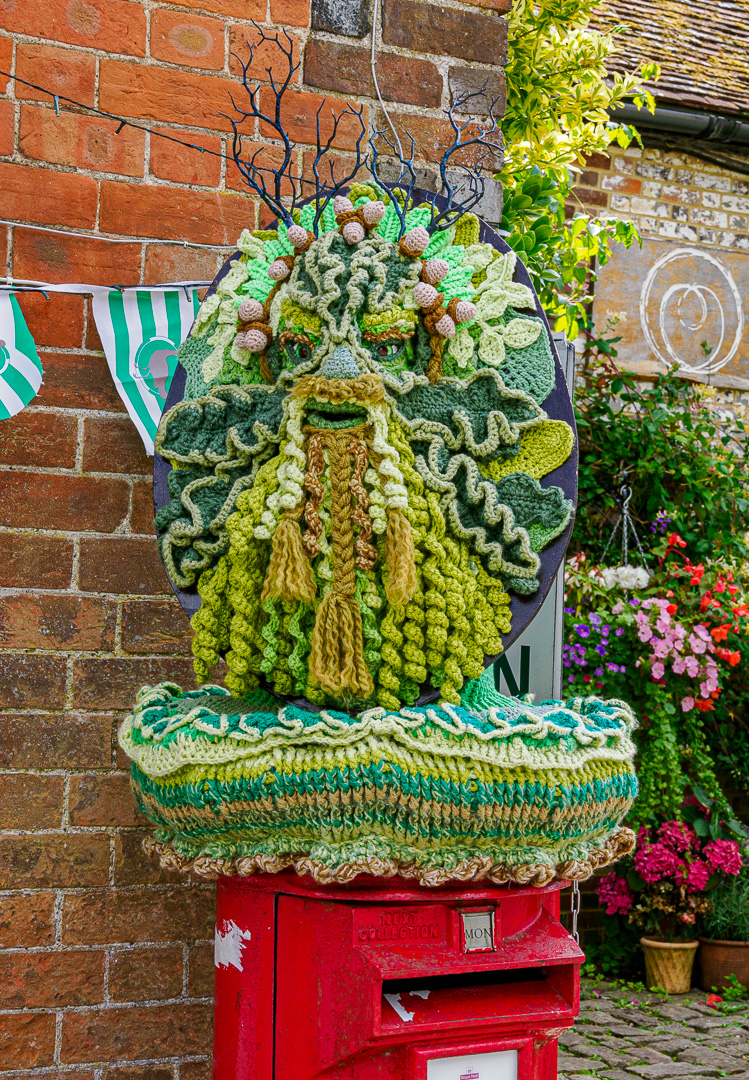
Its neolithic history is only one aspect of Avebury. It is a picture postcard village with very attractive thatched houses everywhere, including the local pub.

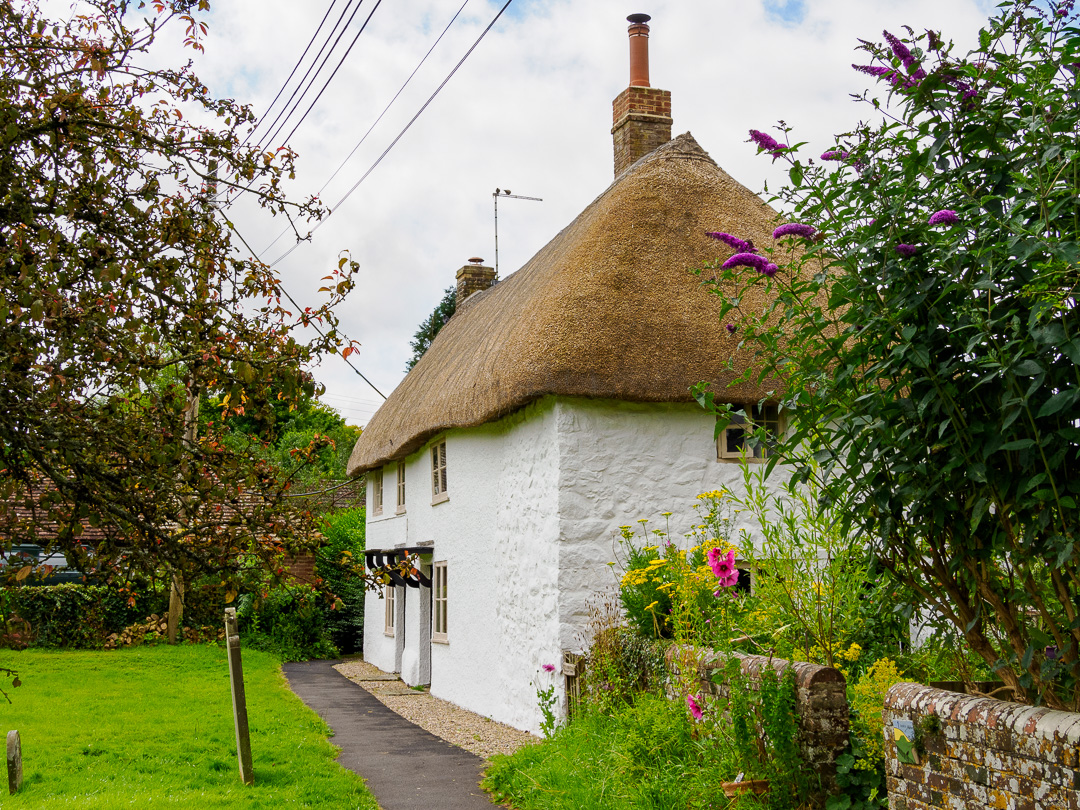
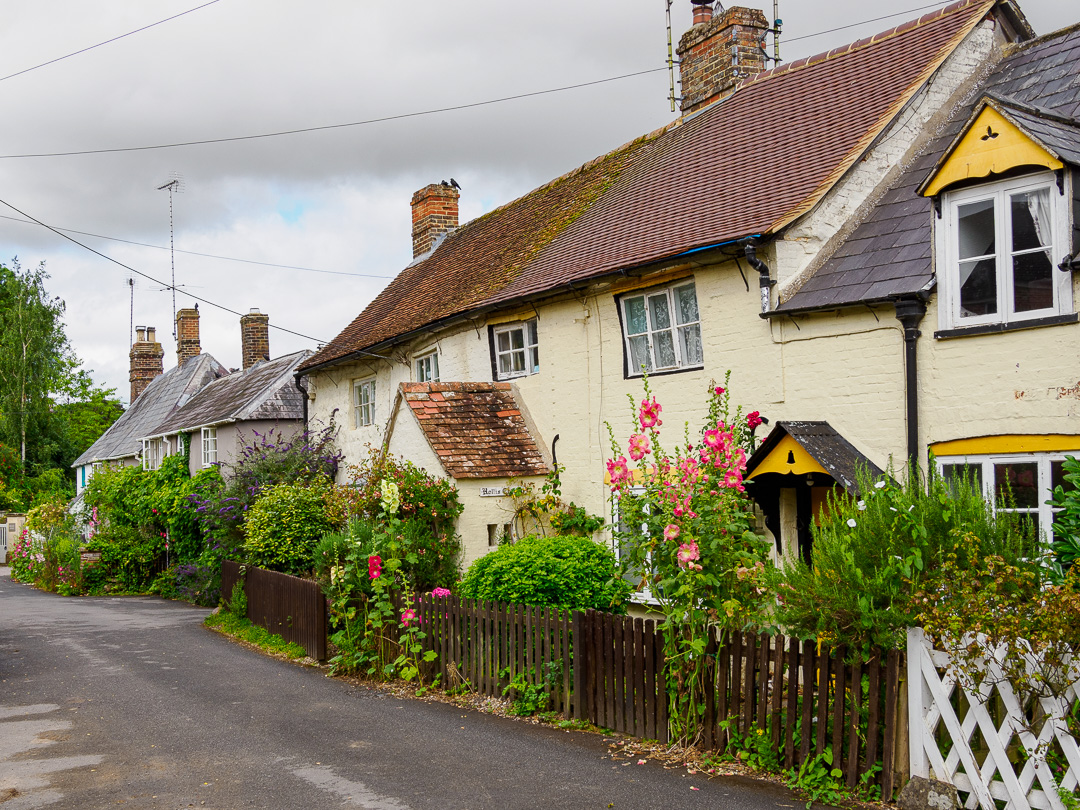
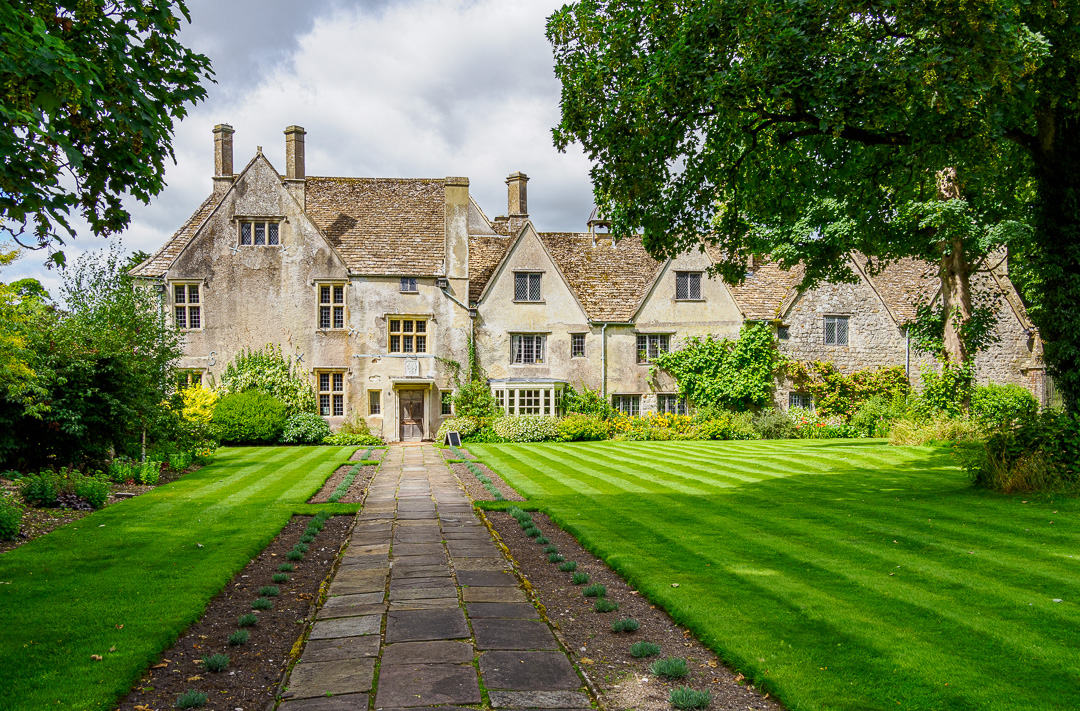
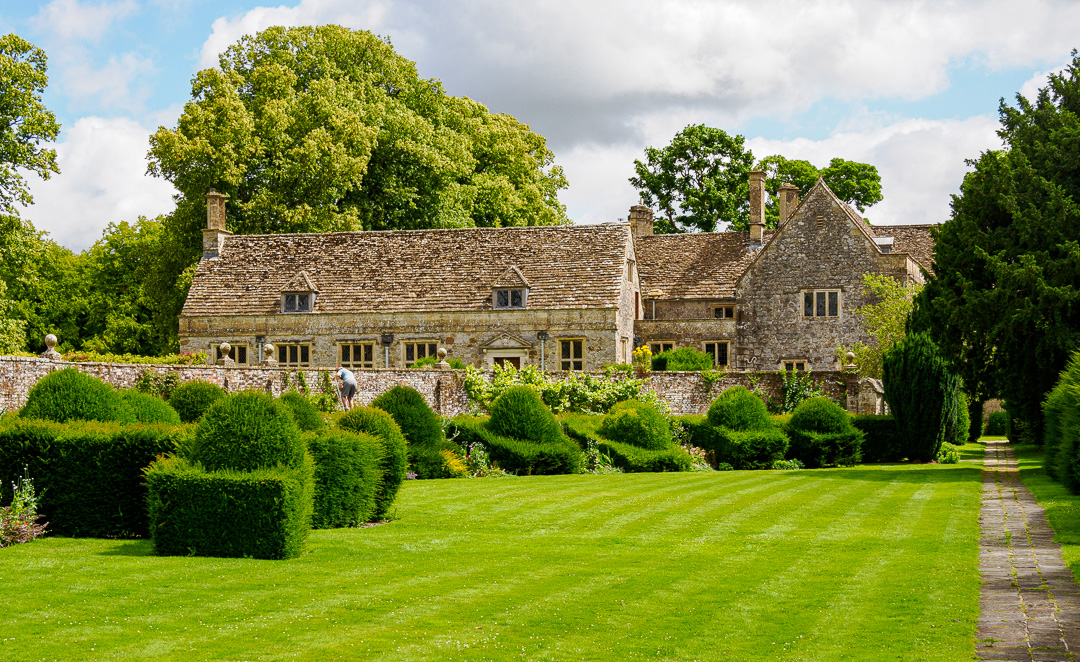
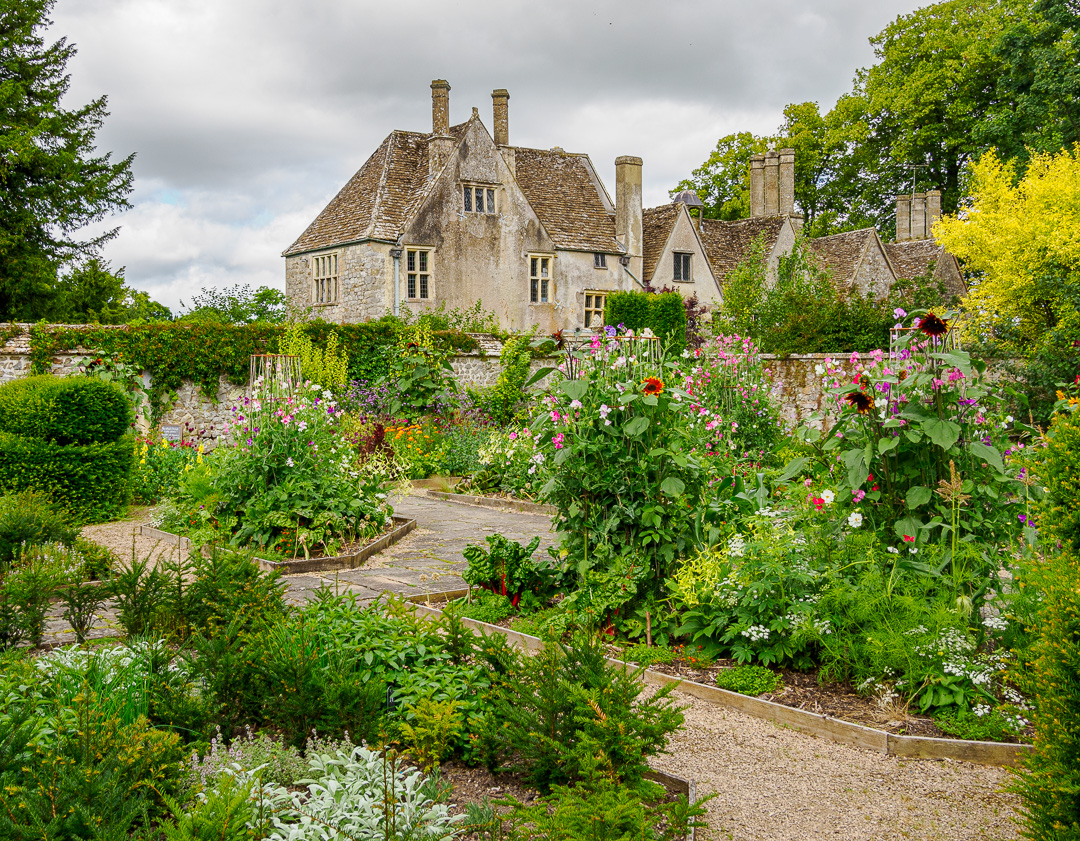
We also visited Avebury Manor, which is under the care of the National Trust. Unfortunately the house is closed for repair following a major flood. We were however, able to wander around the gardens:
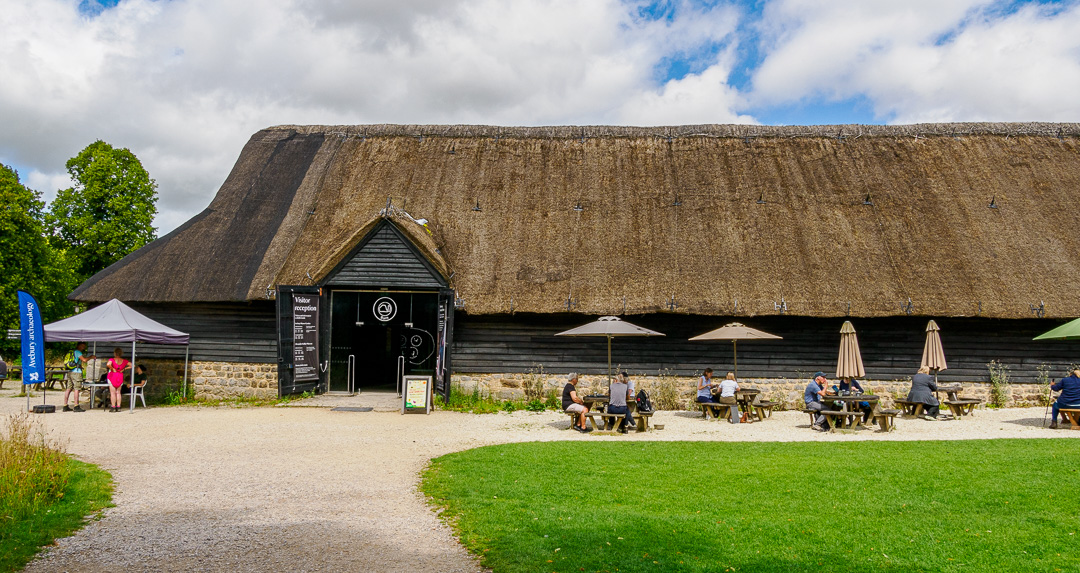
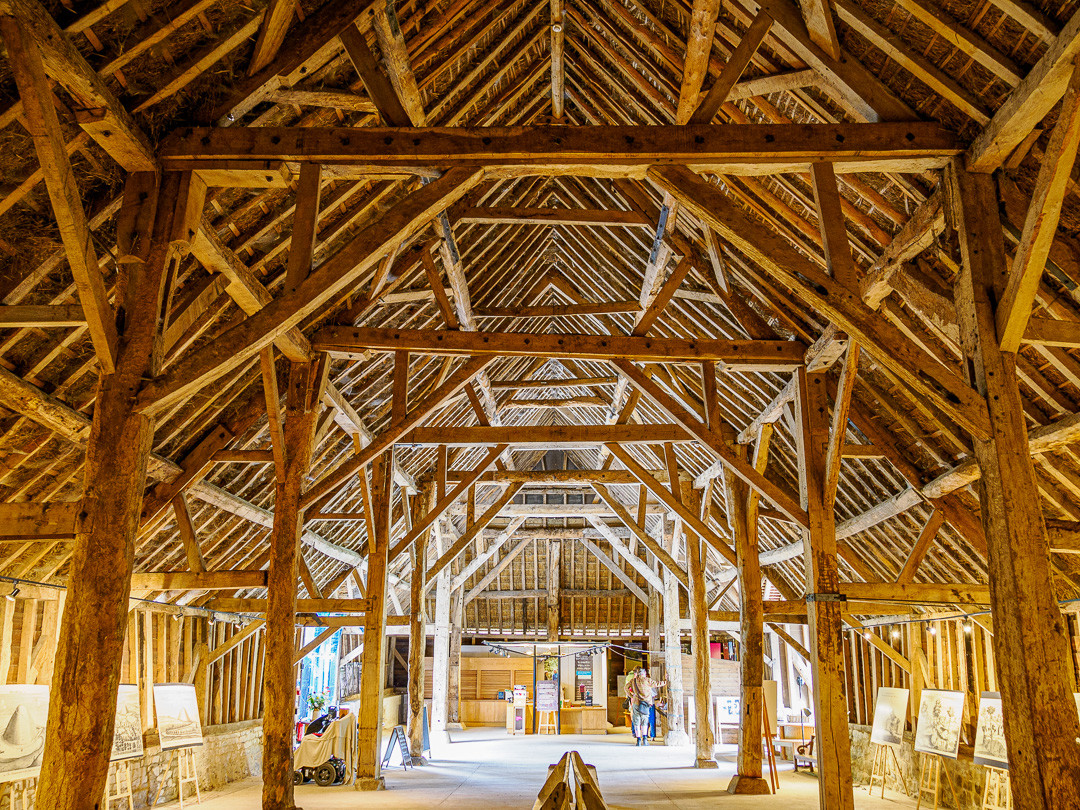
We also visited The National Trust Museum which occupies a large thatched barn nearby.
St James’ Church is worth visiting. The oldest part of the church is 9th century, replacing an earlier wooden and mud building. The aisles are 12th century and the tower is 15th century.

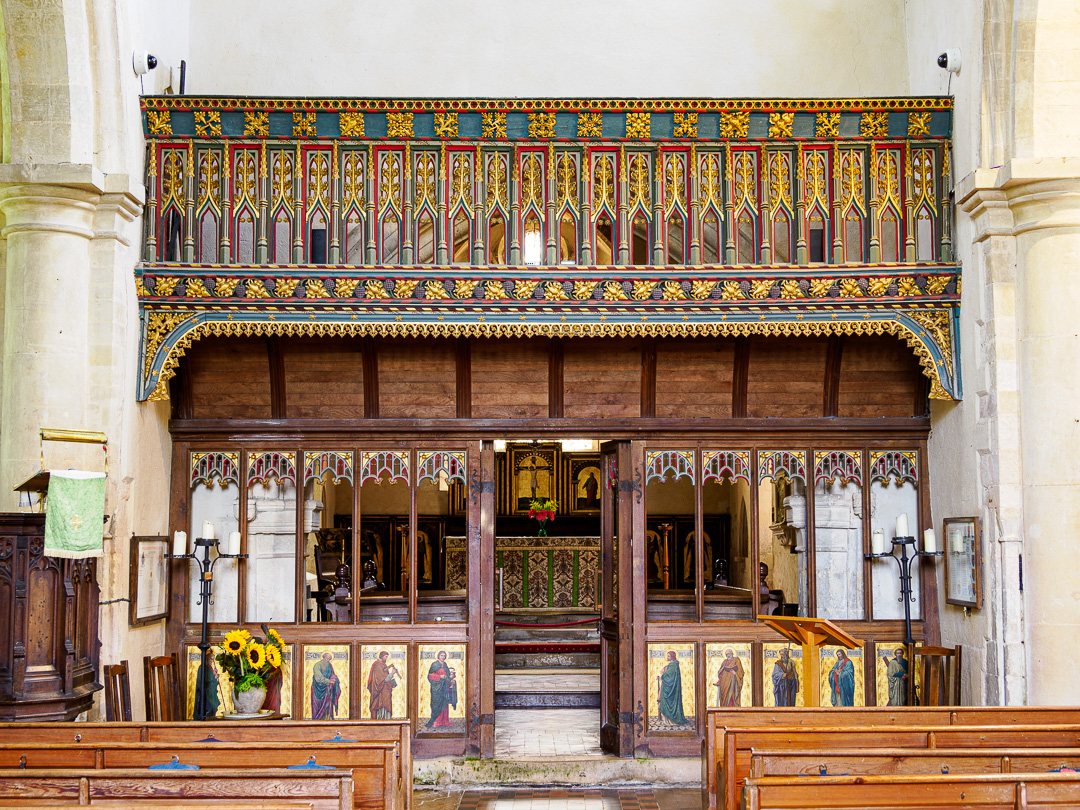
The Victorian rood screen has a rood loft above which was built in the 15th century and removed in the reign of Elizabeth I and hidden behind a wall. Rediscovered in 1812, it has been repainted.
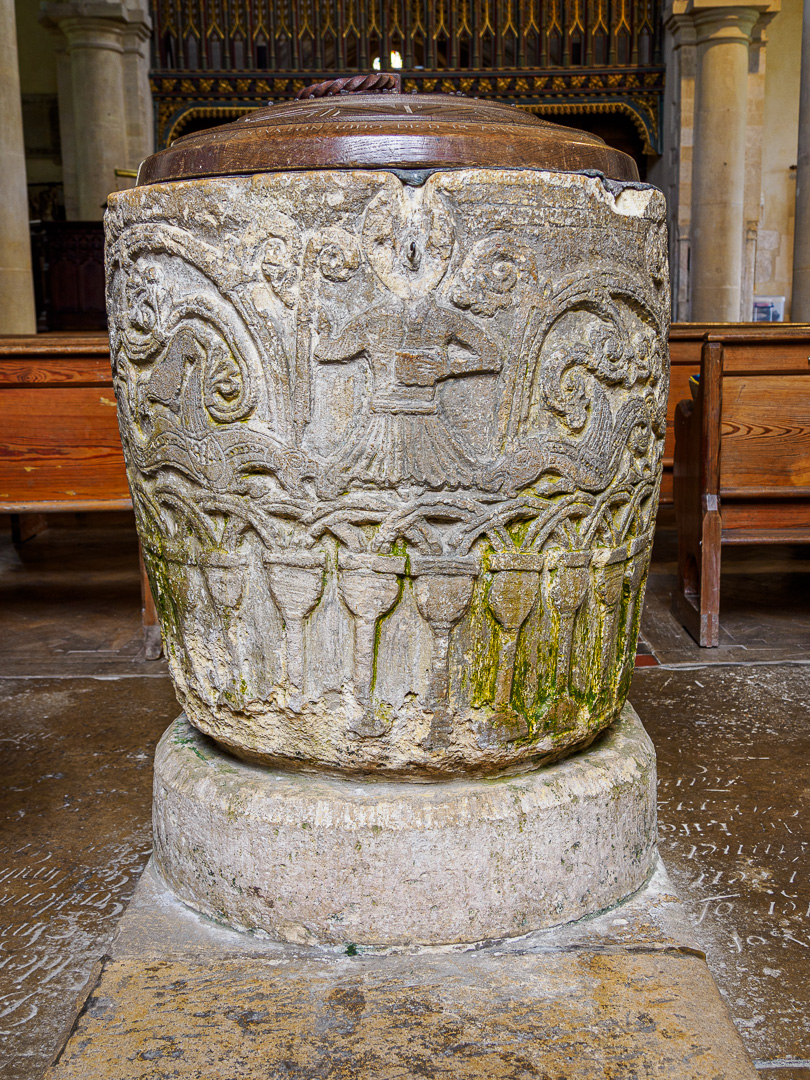
The Saxon baptismal font depicts St Michael holding a crozier and two serpents with twisted tails.
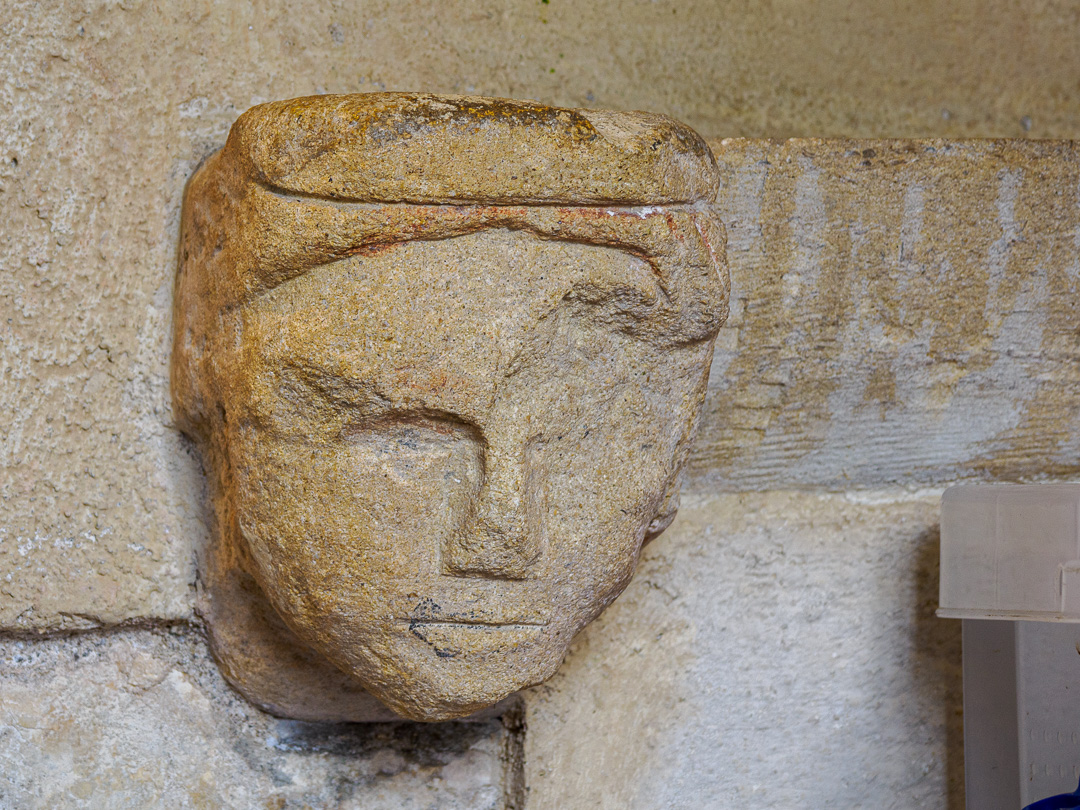
There are also many “faces in the stone”, some of which look quite mischievous:

 "See-u-Later"
Looks like a great area to visit. Some lovely photos.
LikeLike
Thank you for your positive feedback. Yes it was a really nice place, full of interest.
LikeLike