
Thursday 25th to Sunday 28th July 2024
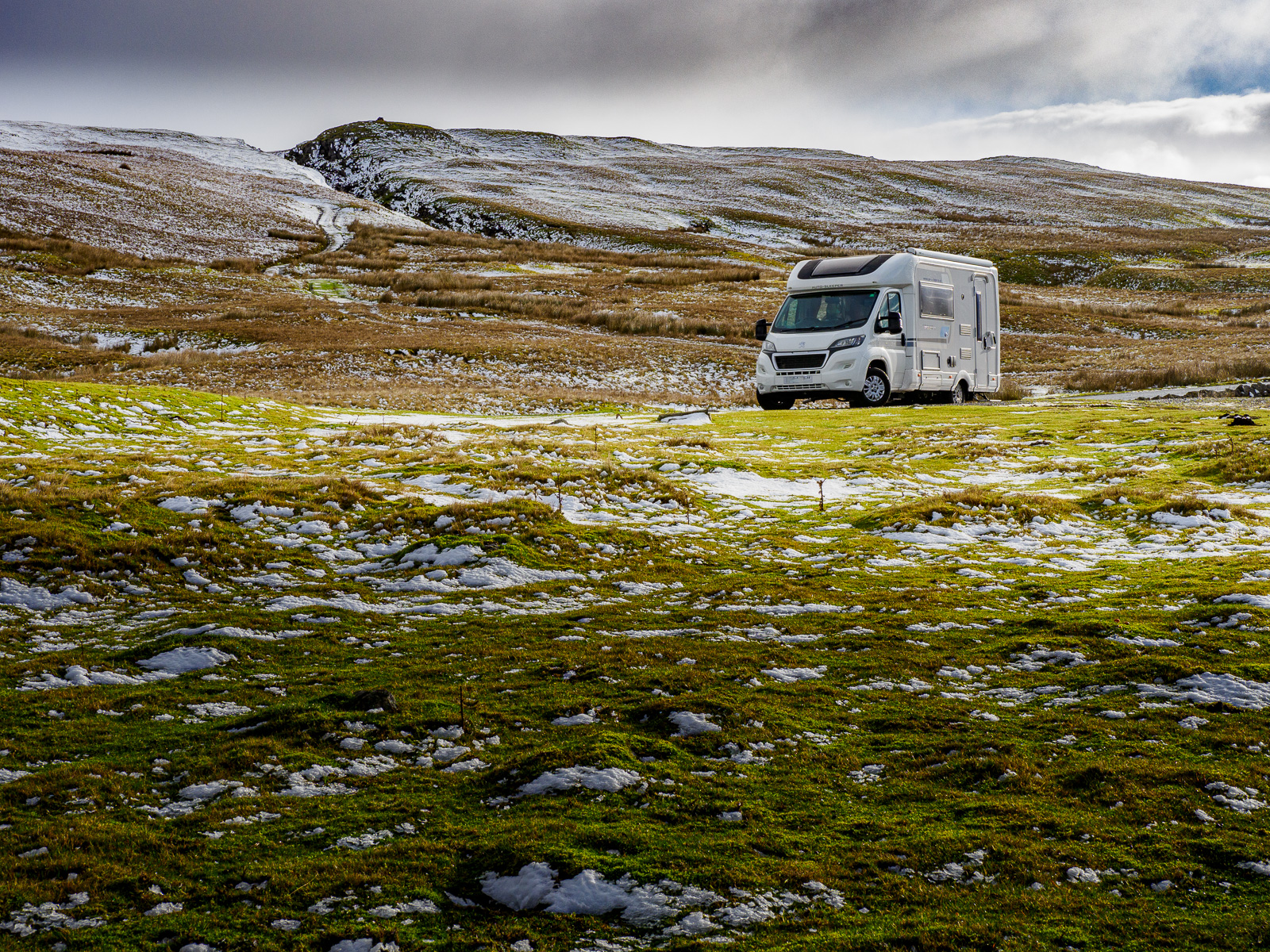
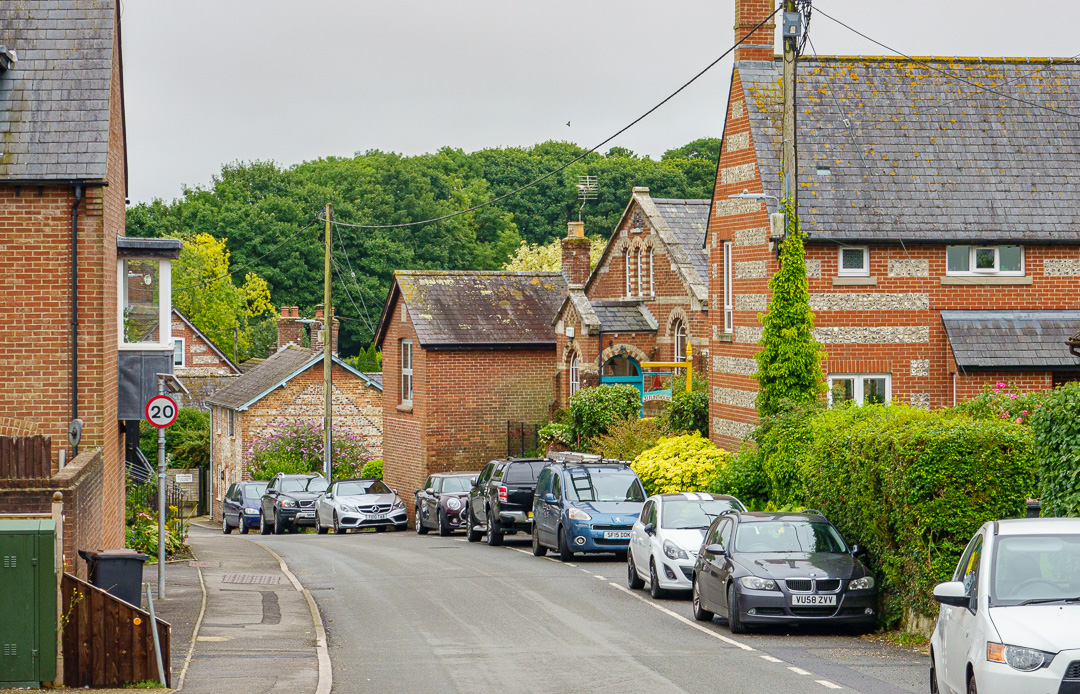
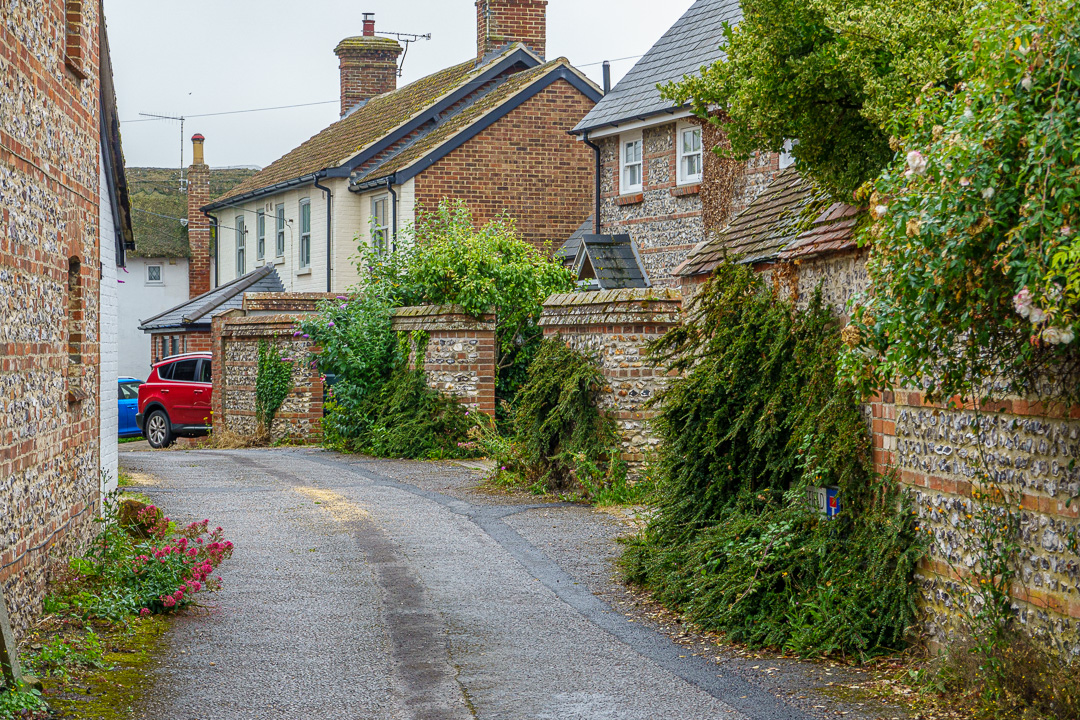
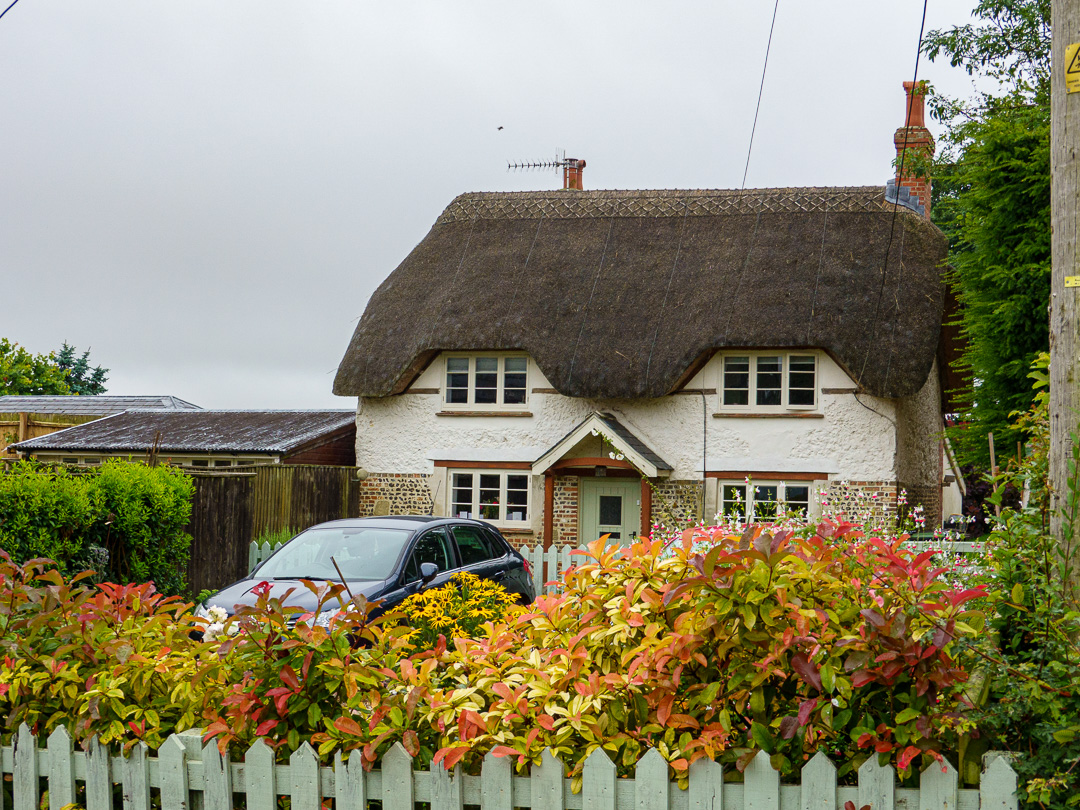
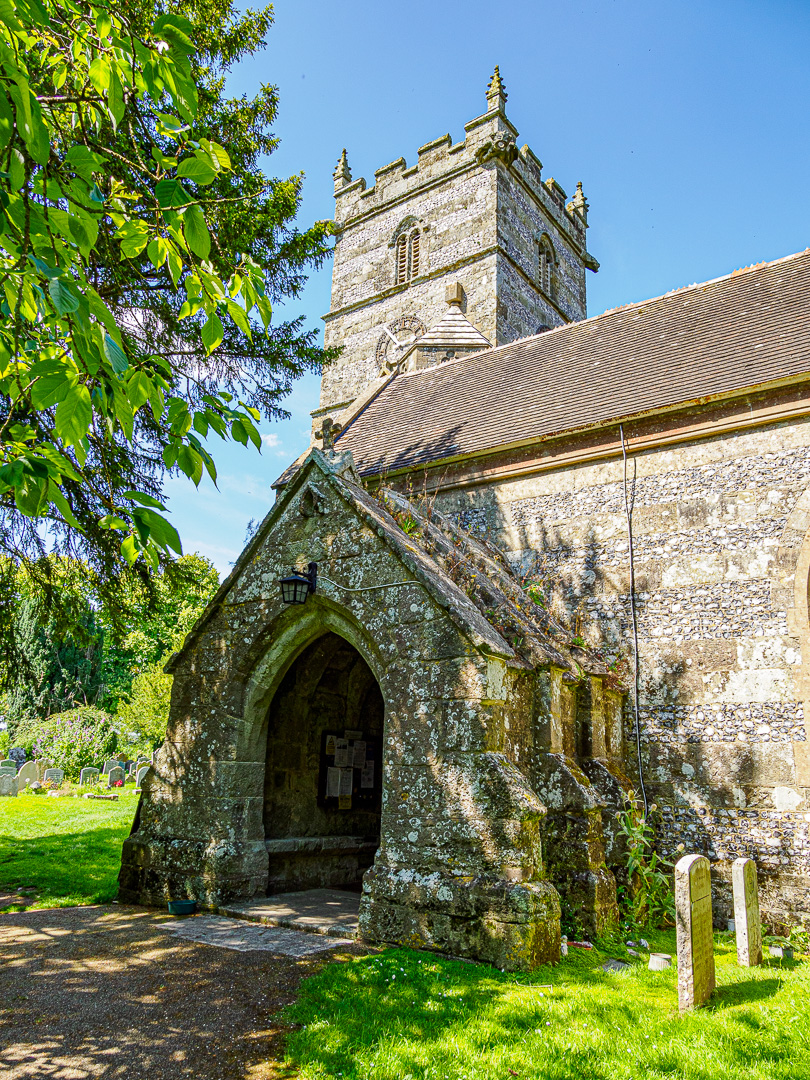
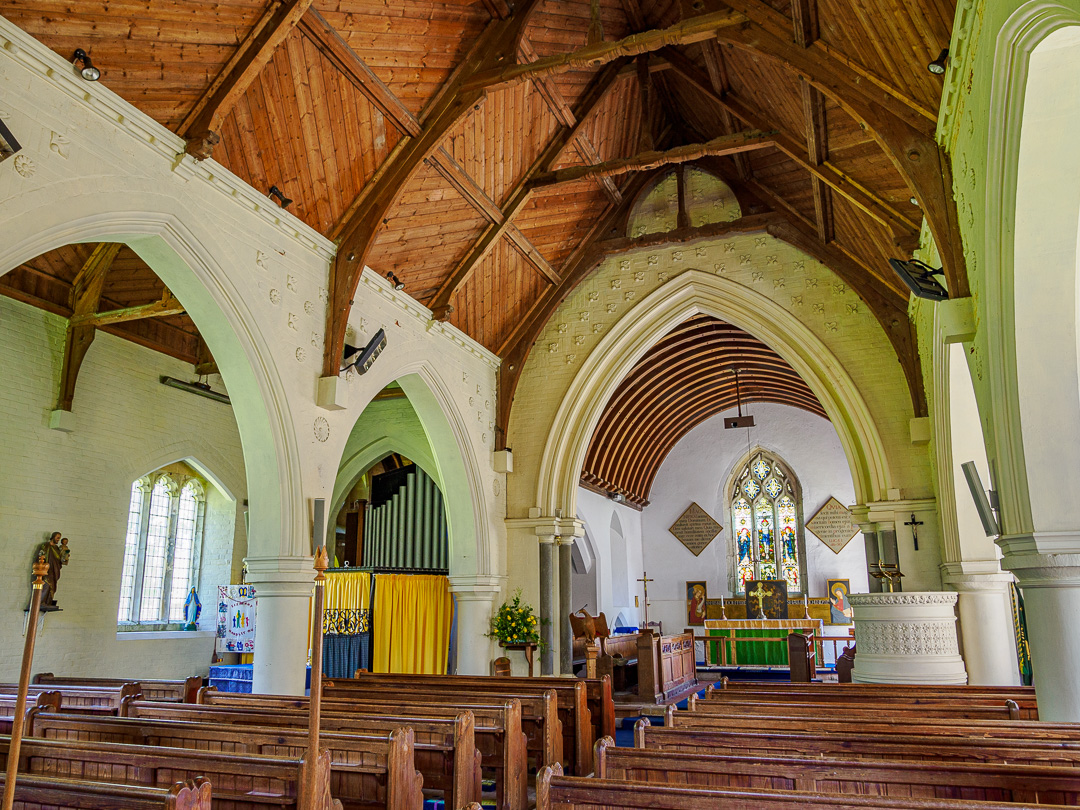
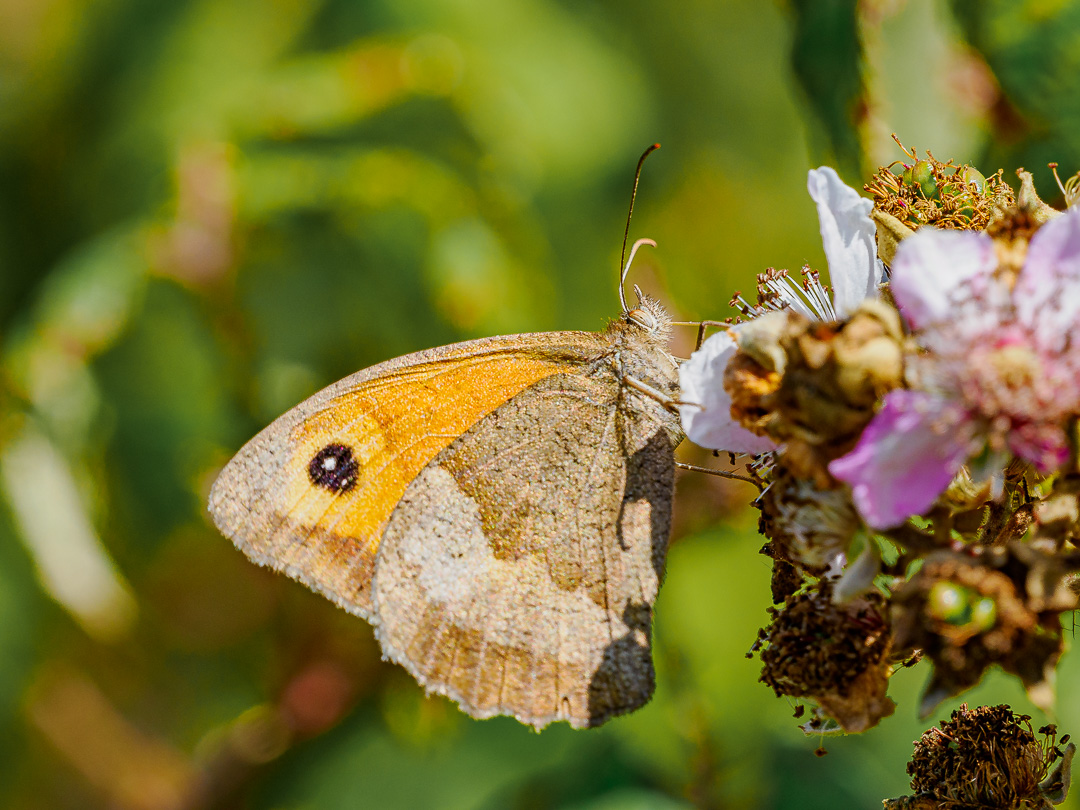
We are staying for the final part of our trip, at Sixpenny Handley, a small village in the north of Dorset, just over the boundary from Wiltshire. The venue is Church Farm Caravan Site, but we are in their rally field, attending a meeting of the Camping and Caravanning Club Photographic Group. Many thanks to the stewards, Pat, Stuart and Sue, who have done an excellent job.
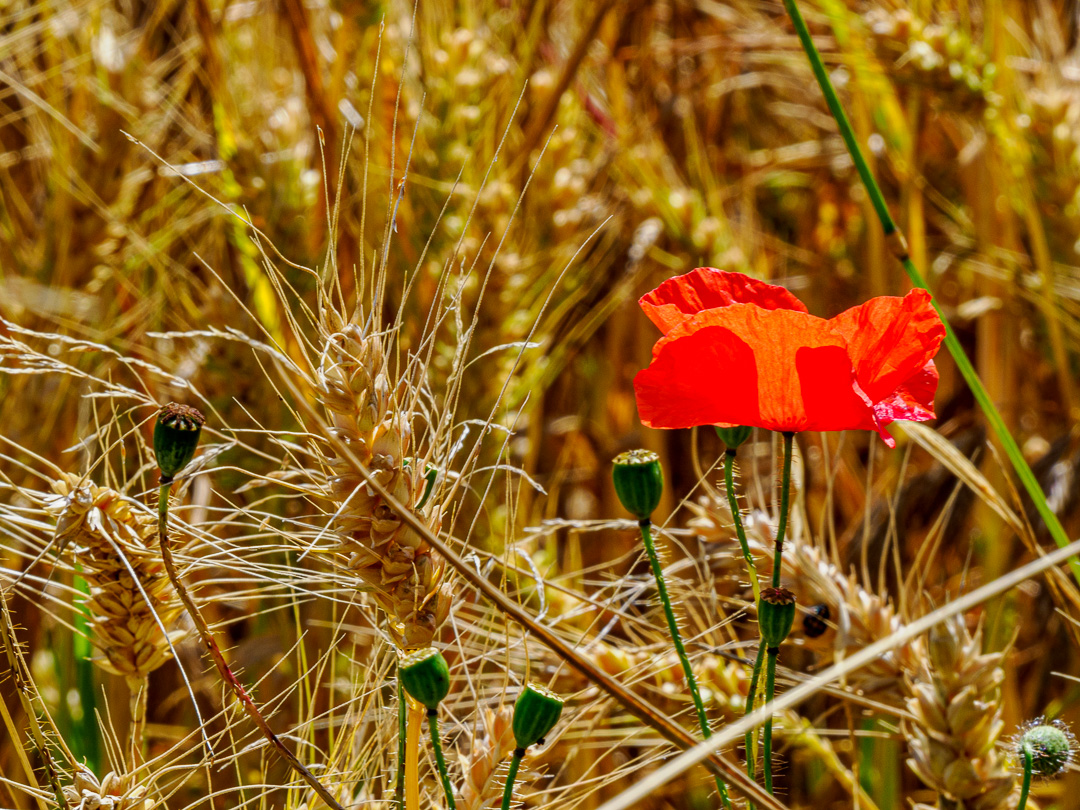
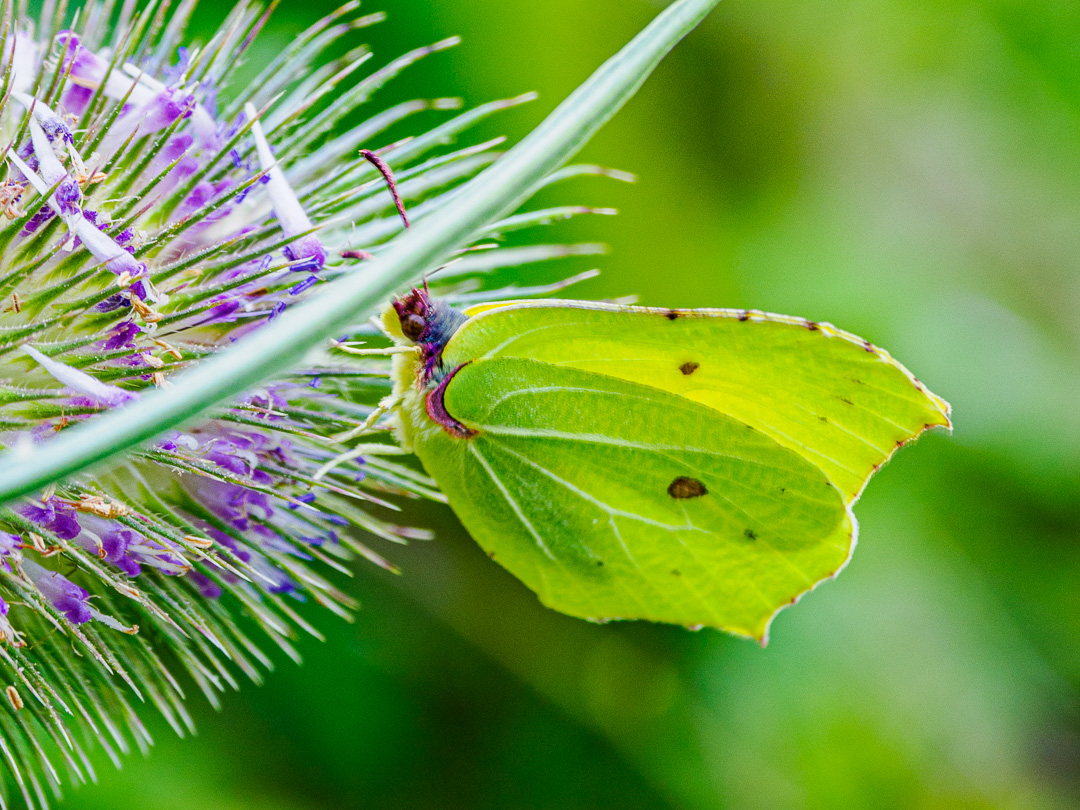
Sixpenny Handley:

Salisbury:
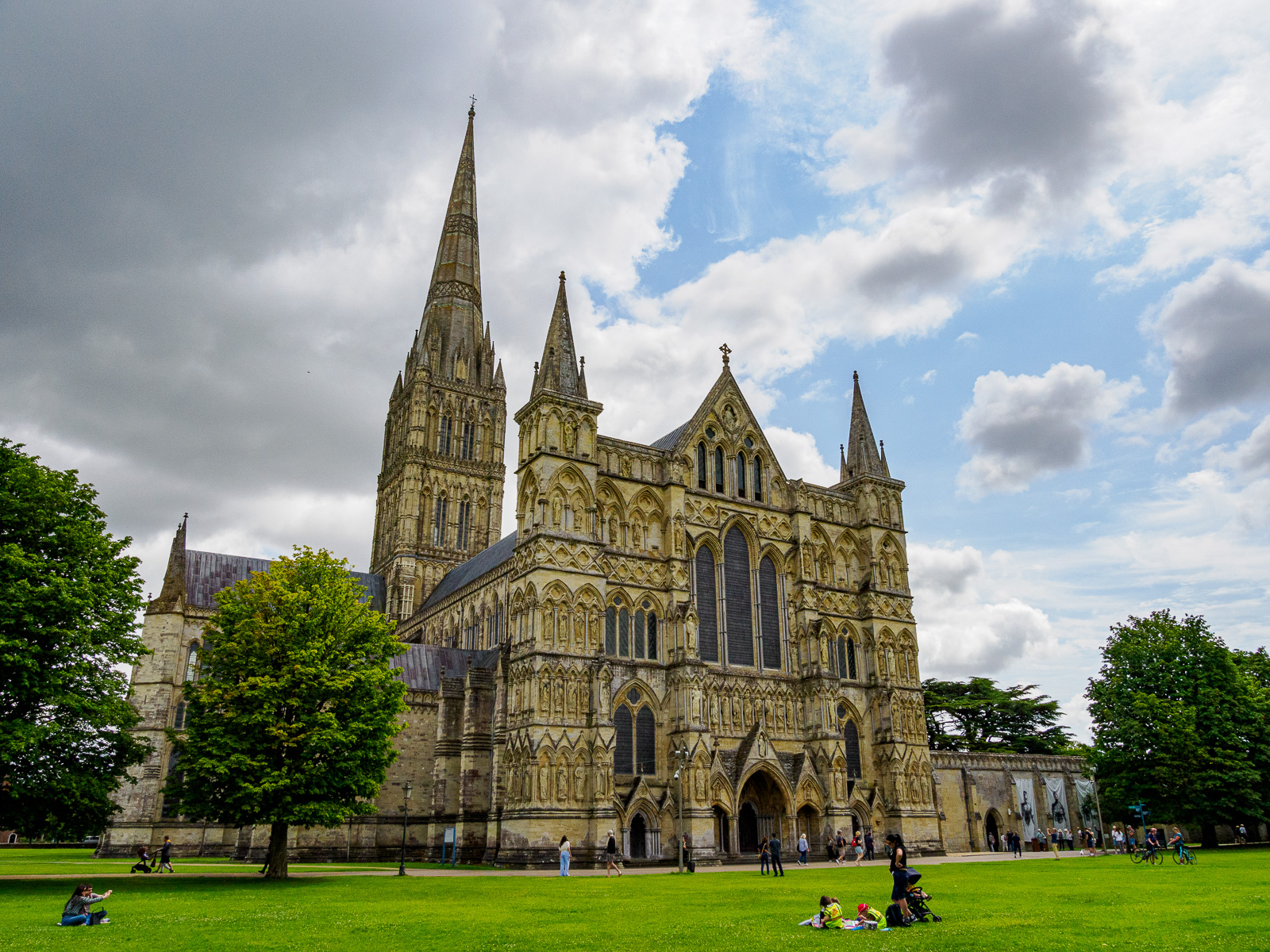
On the Friday of our stay, we took the bus to Salisbury, a medieval city that is famous for its cathedral.
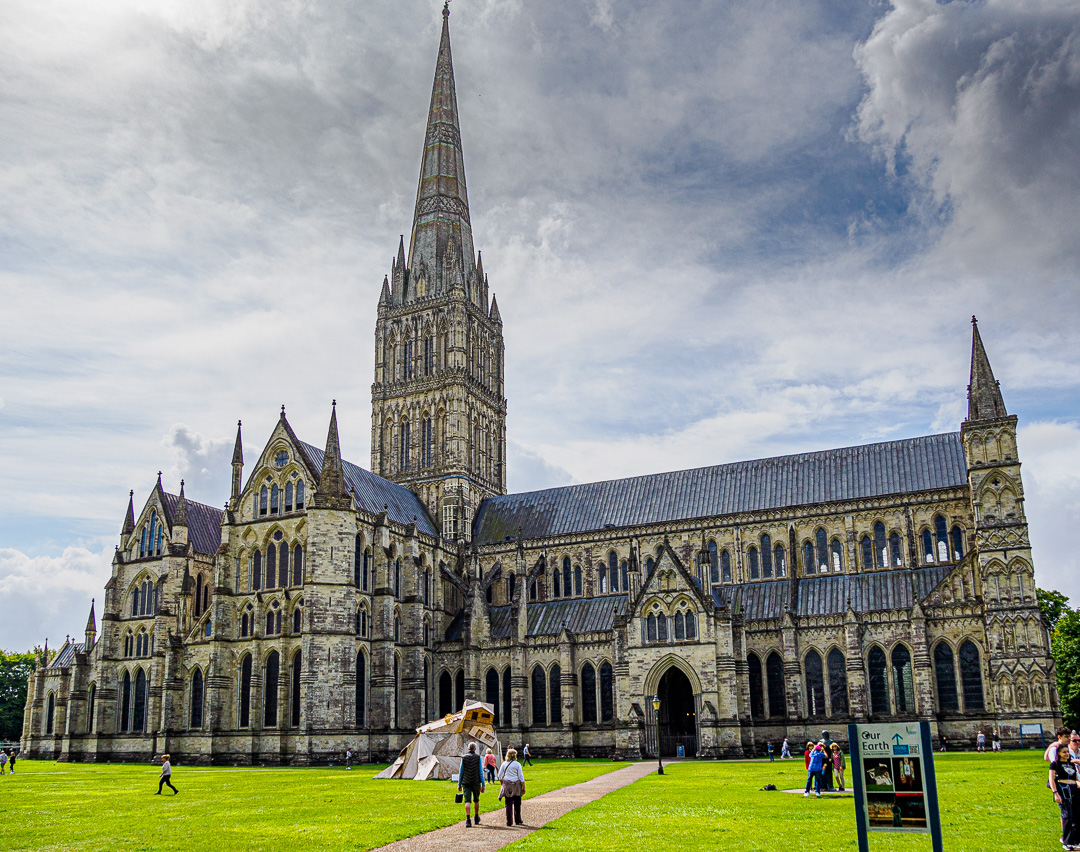
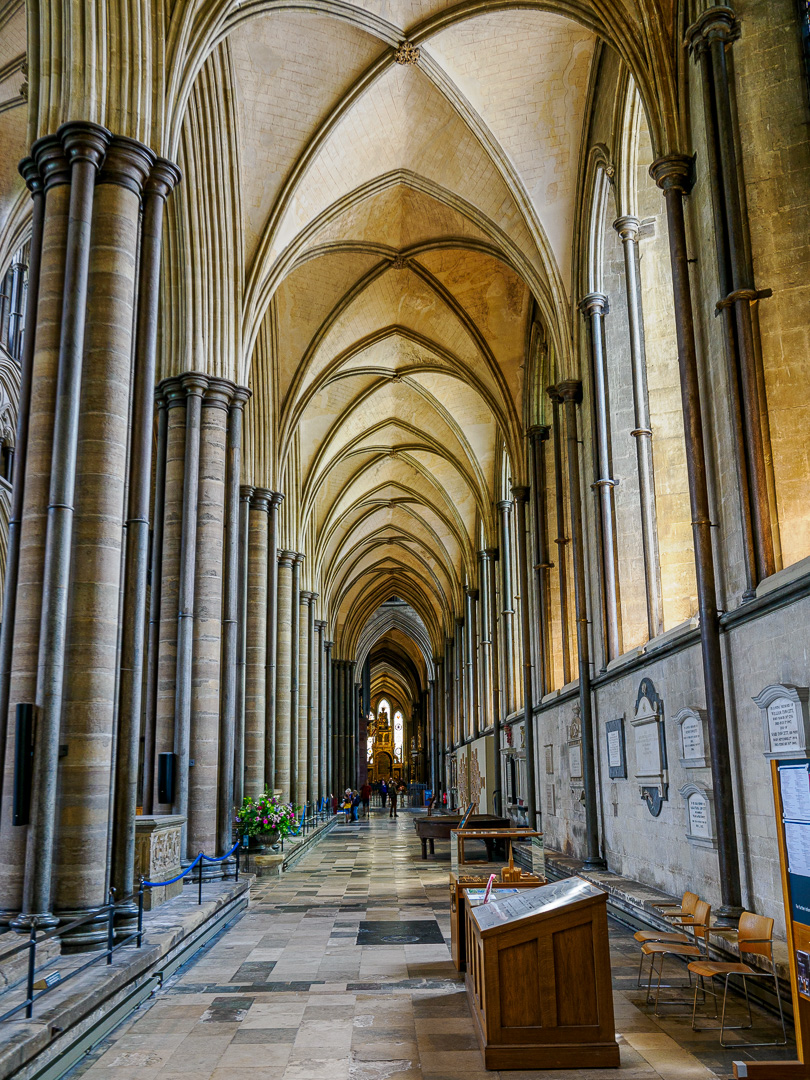
It was built between 1220 and 1258, in just 38 years and has the tallest church spire in England. Because it was built in so short a time, it is consistent in terms of its overall style.

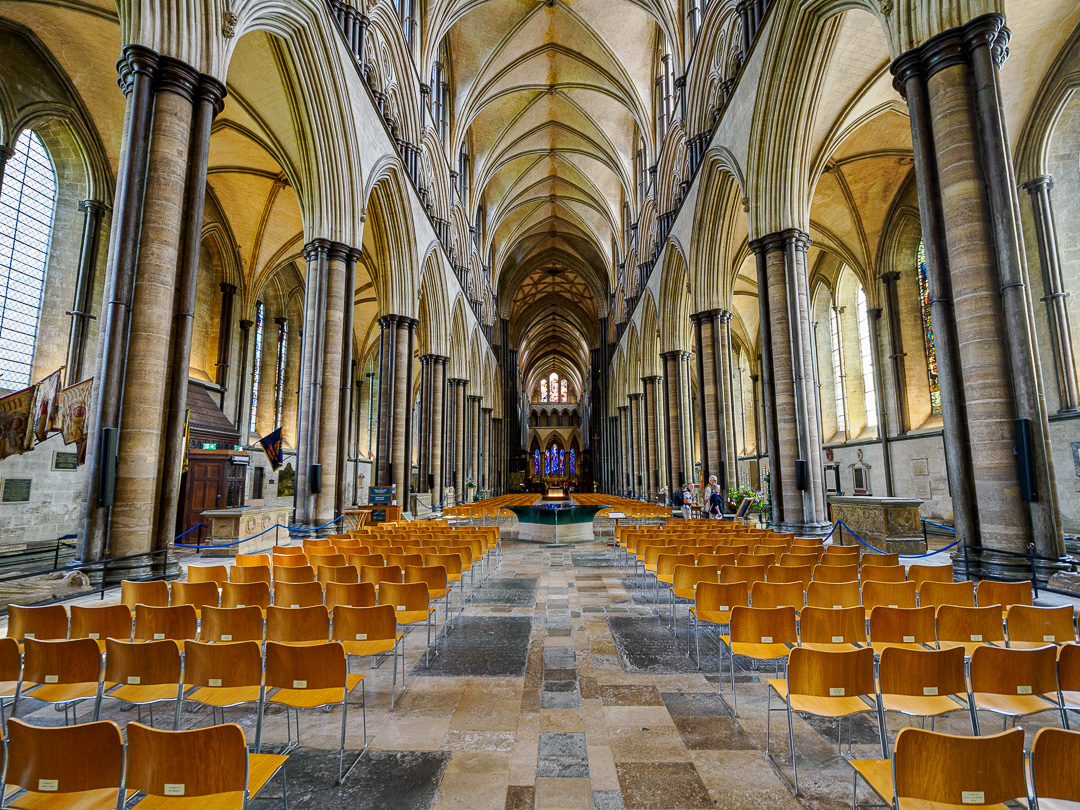
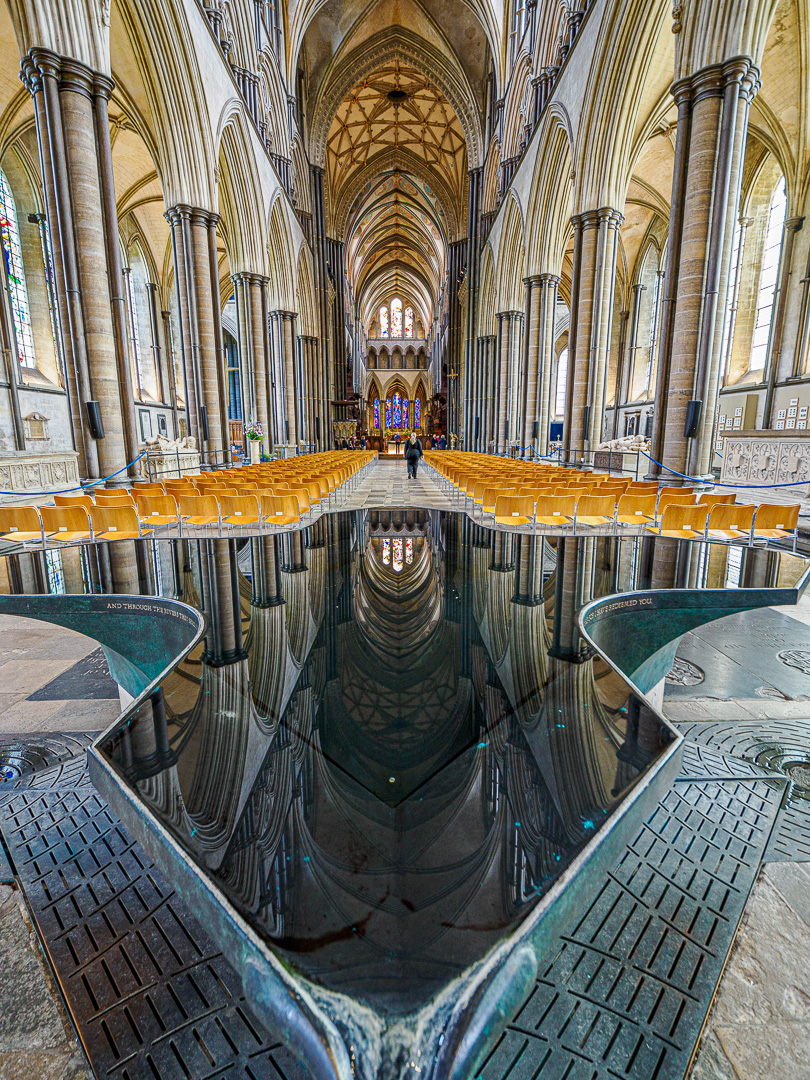
Half-way along the nave is a water feature which provides a superb reflection:


The water table is very high in this area and the building does not have deep foundations. Because of the chalk content, most of the tombs are above ground in the cathedral. There are tombstones on the floor, but these were moved inside from the surrounding grounds and used for repair. There are many tombs, all around the building.
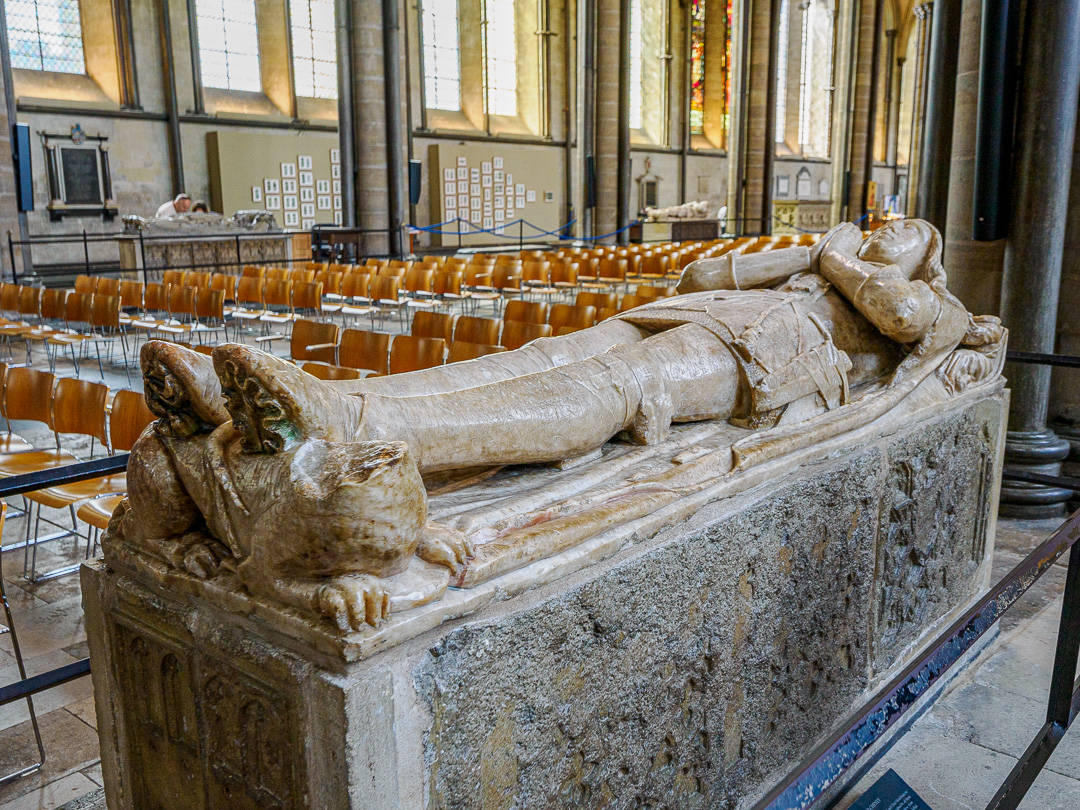
It is thought that William Longspée (below), might have been poisoned with arsenic.

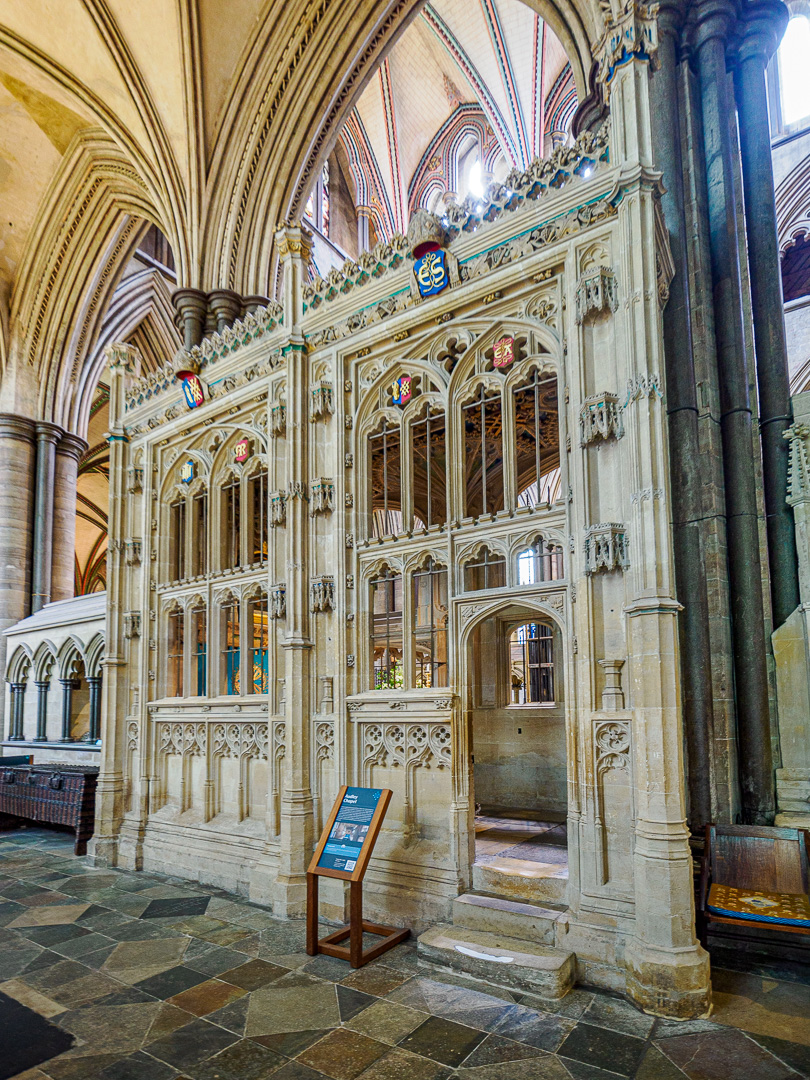
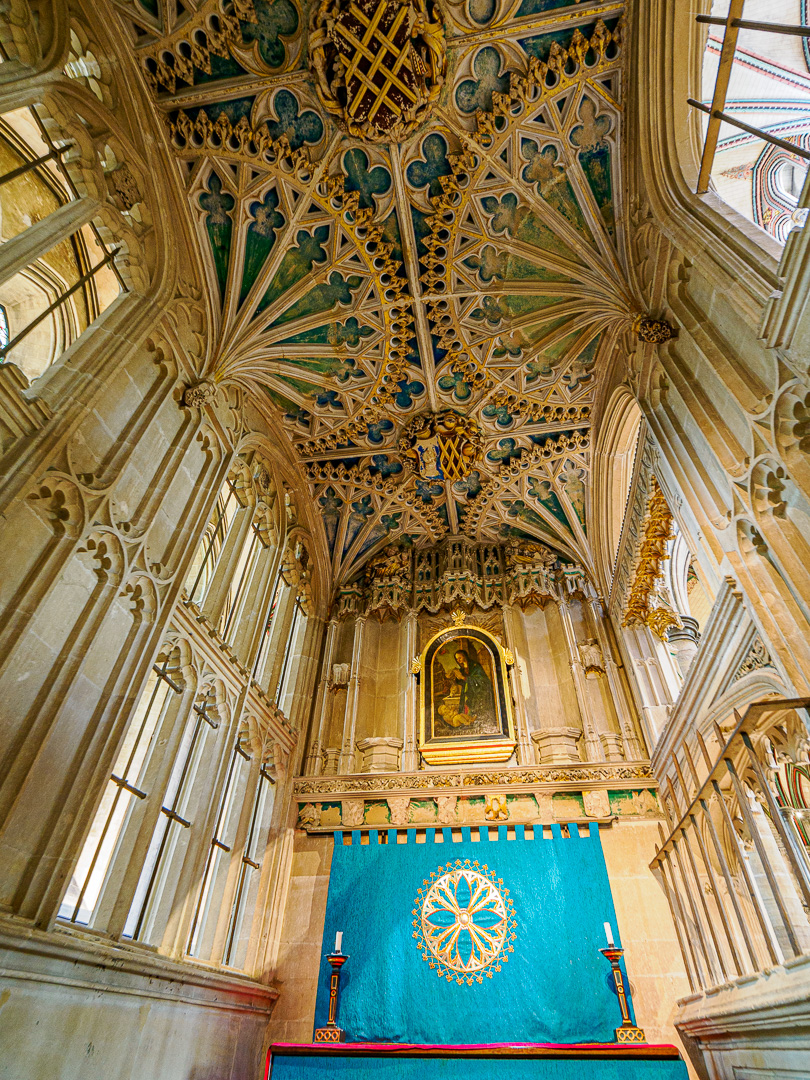
Very wealthy families could afford a dedicated chantry chapel. This one was built by Bishop Edmund Audley in 1524.
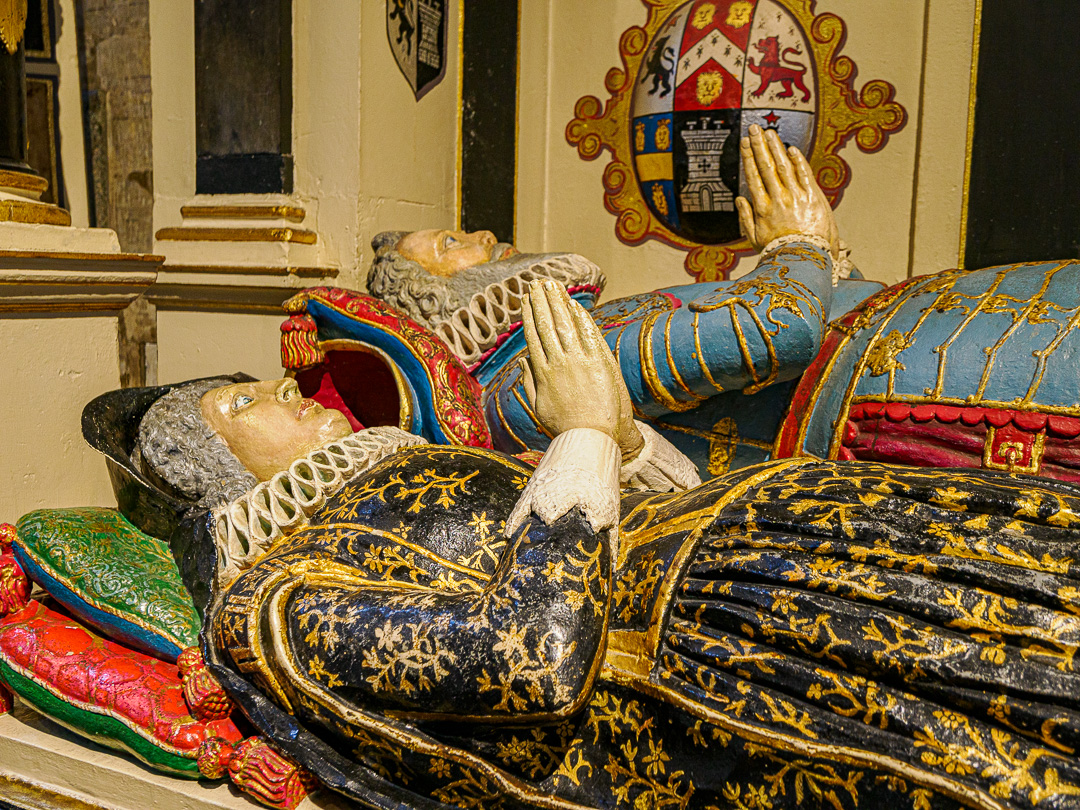
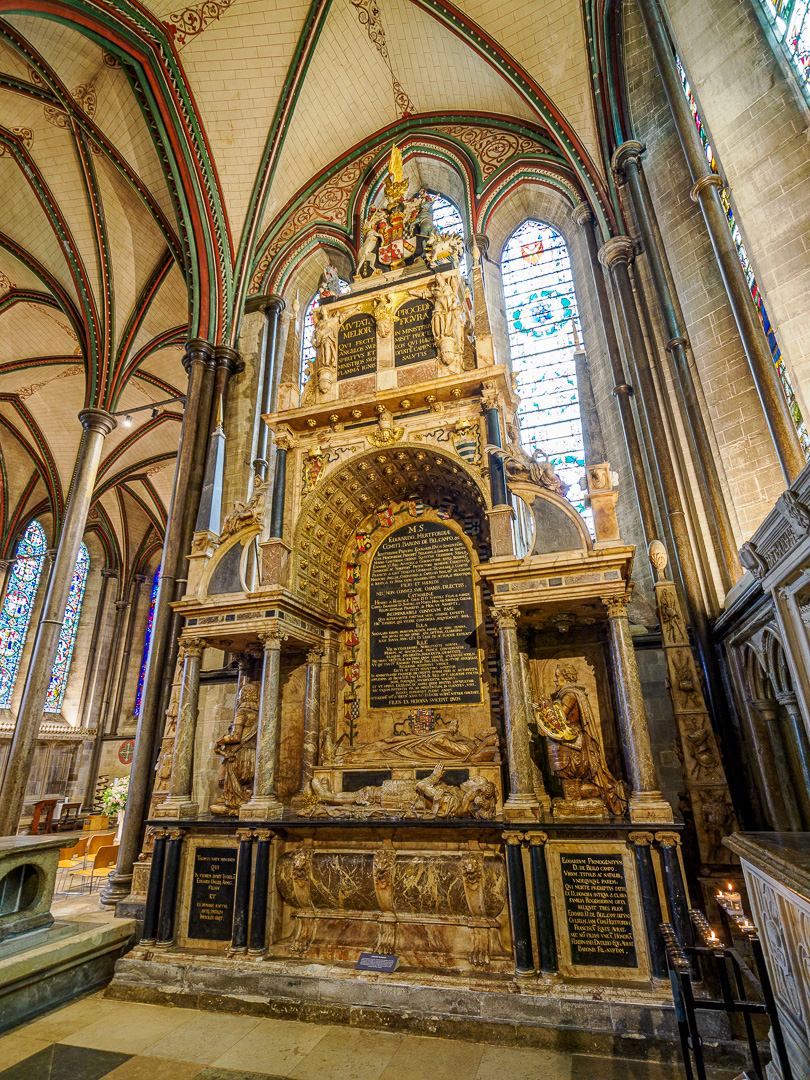
This tomb is that of Edward Seymour, Earl of Hertford and nephew of Jane Seymour, third wife of King Henry VIII. He is buried with his wife, Lady Catherine Grey who was Lady Jane Grey’s sister. Lady Jane Grey was Queen for just 9 days in 1553.
There many examples of intricately carved wood. These are pew-ends in the choir.


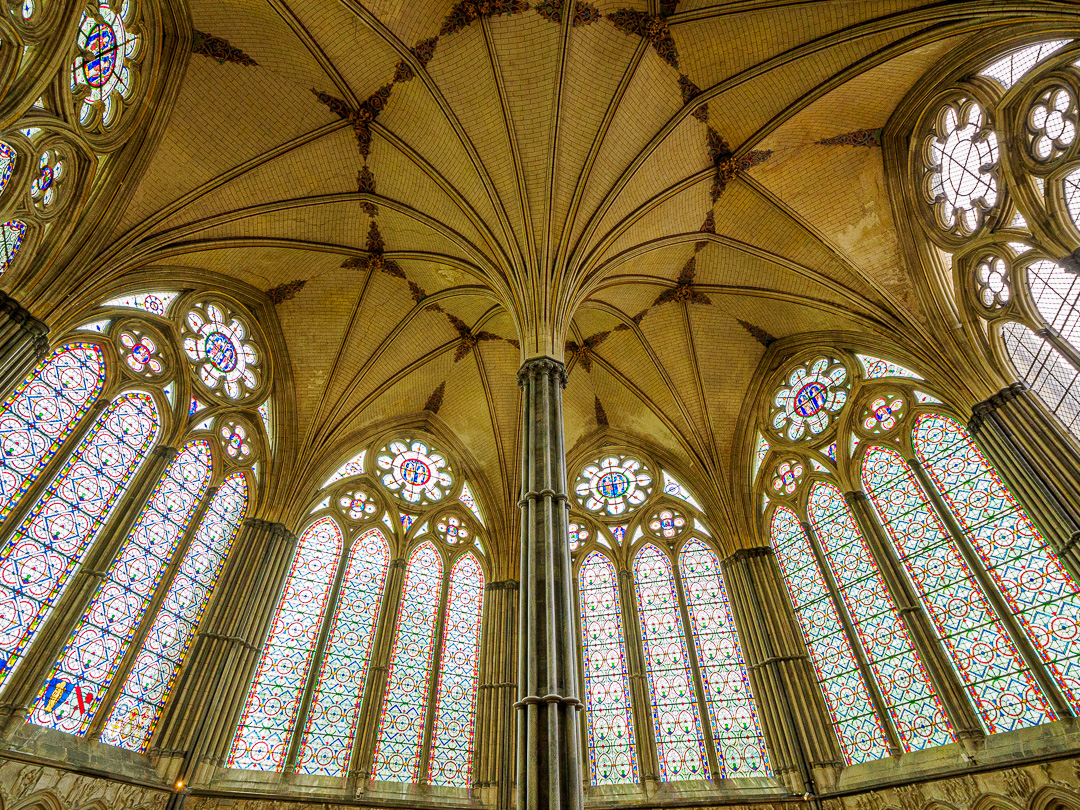
The chapter house underwent major repair in the Victorian period, but it remains astonishing.
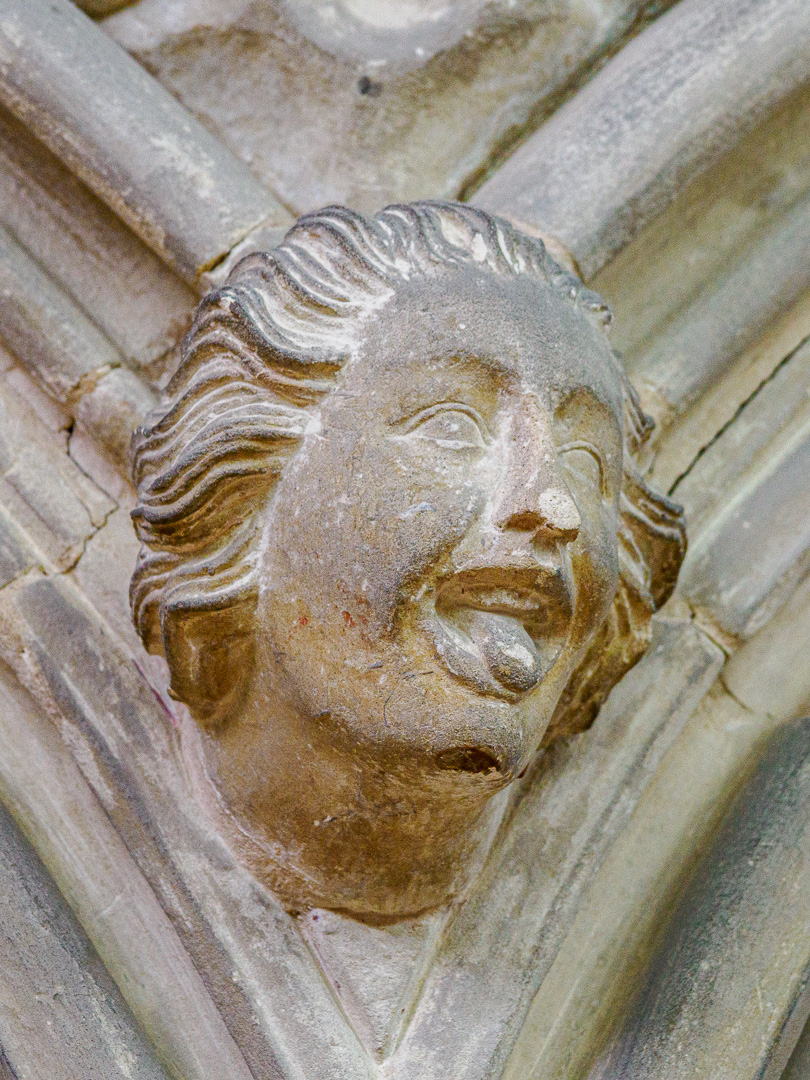
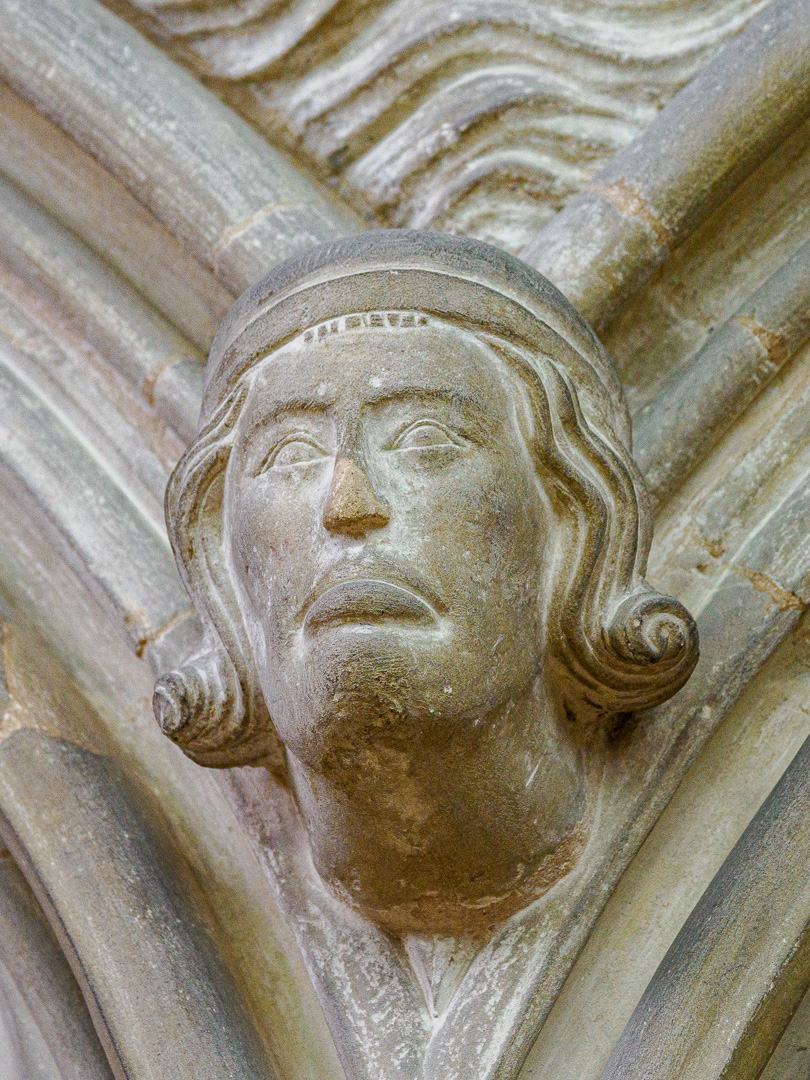
There are lots of examples of “faces in the stone” in the chapter house, many of which are clearly portraits (caricatures perhaps) of people known to the masons.



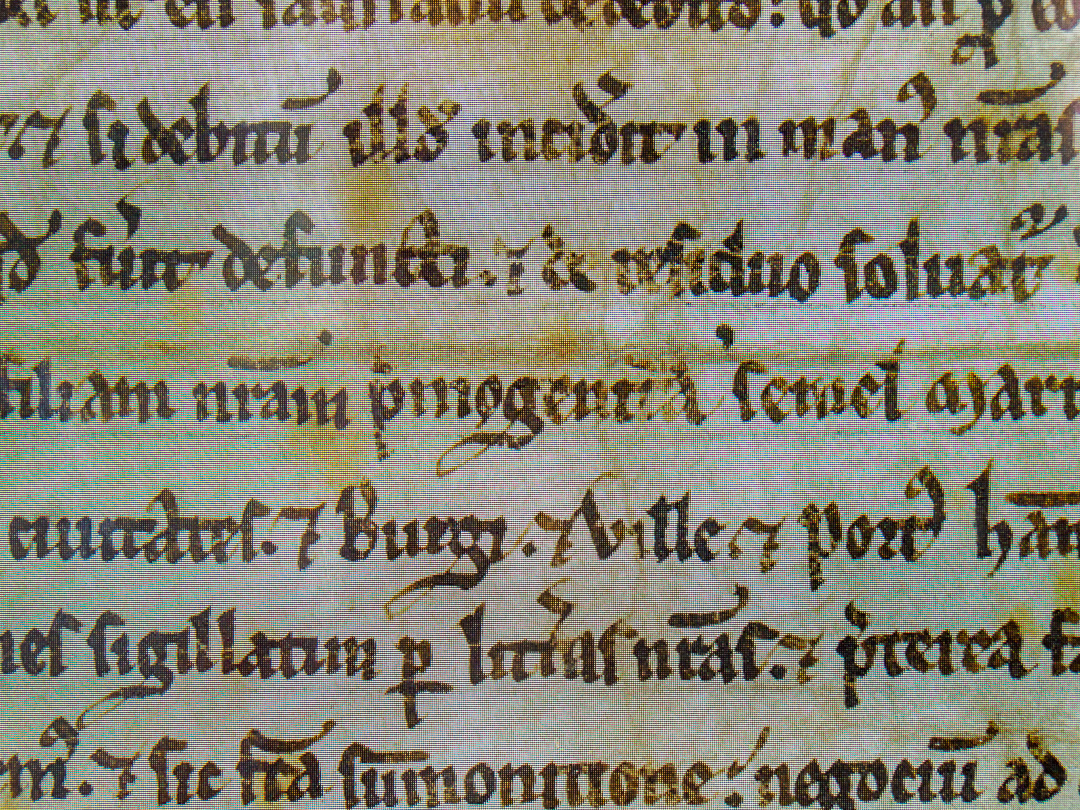
There is a copy of the Magna Carta on display in the chapter house. Below is a portion of a scanned copy.
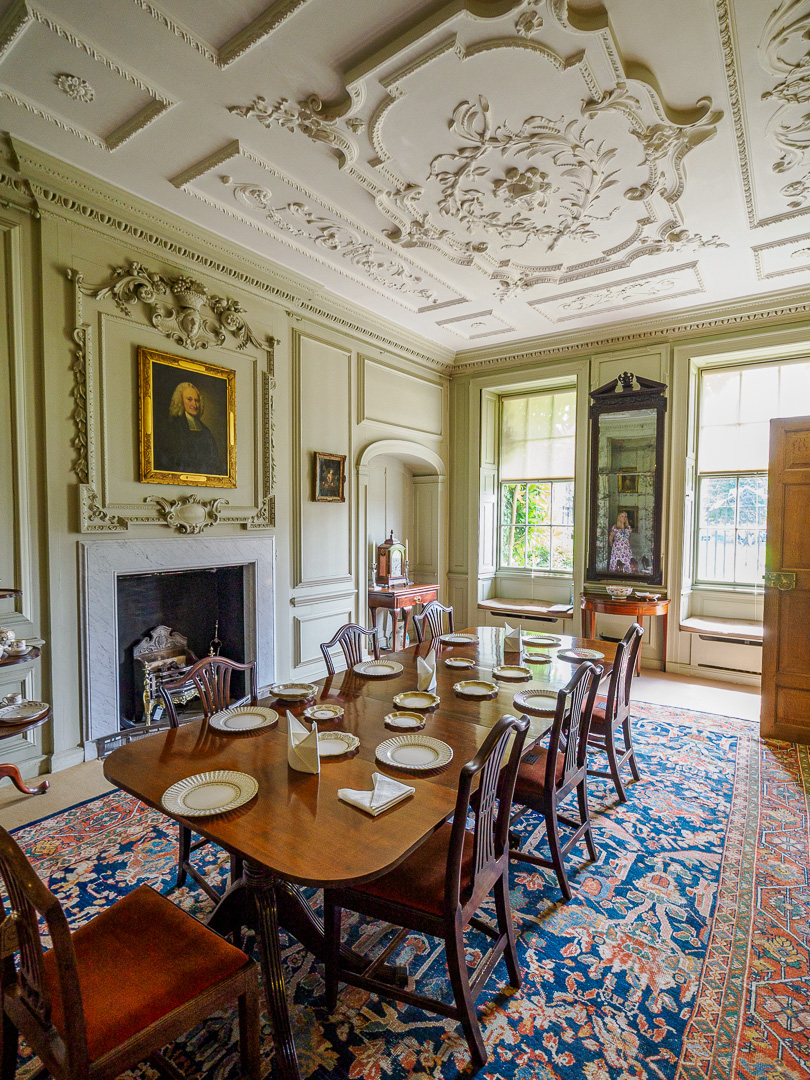
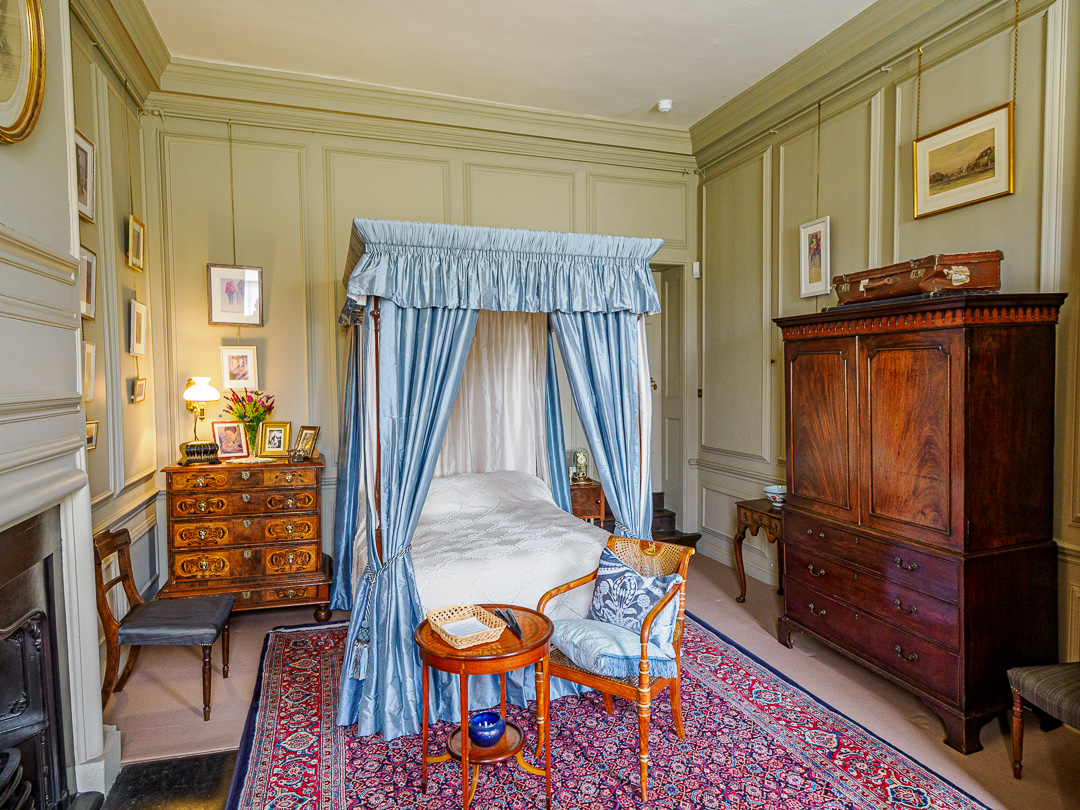
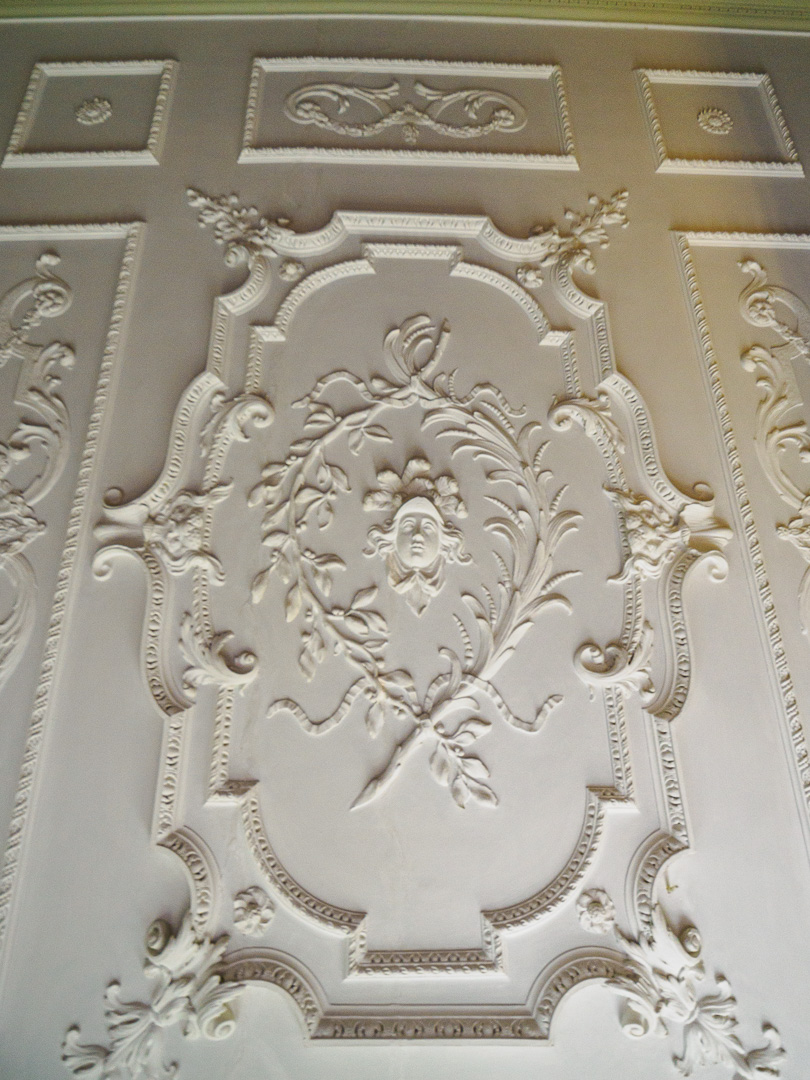
When we had finished our visit, we walked across the cathedral close to Mompesson House, an Edwardian House which has been restored to its original style by the National Trust.

It is most famous for its ornate plaster-work.

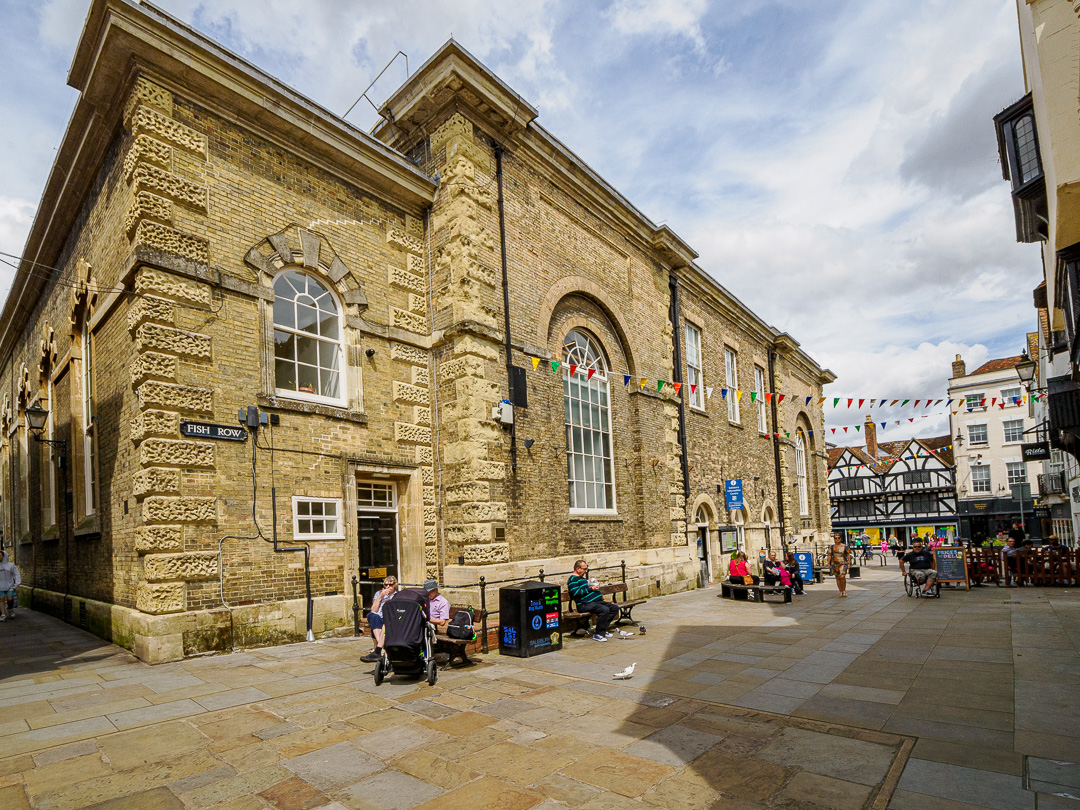
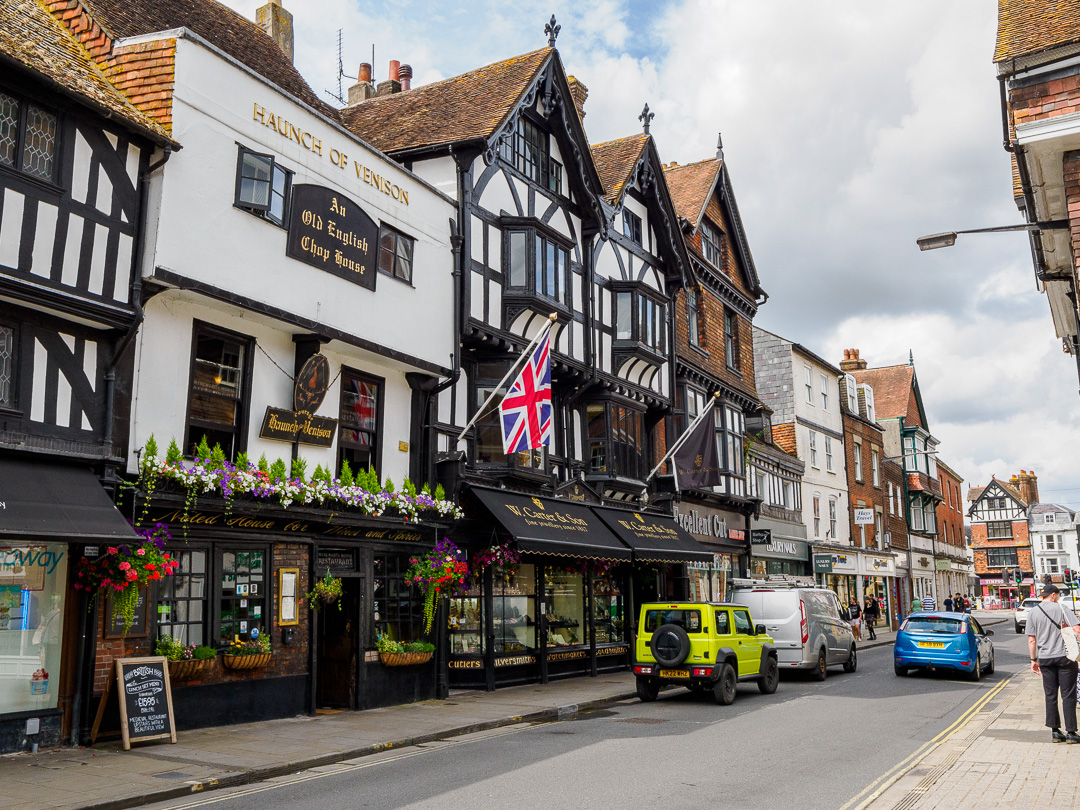
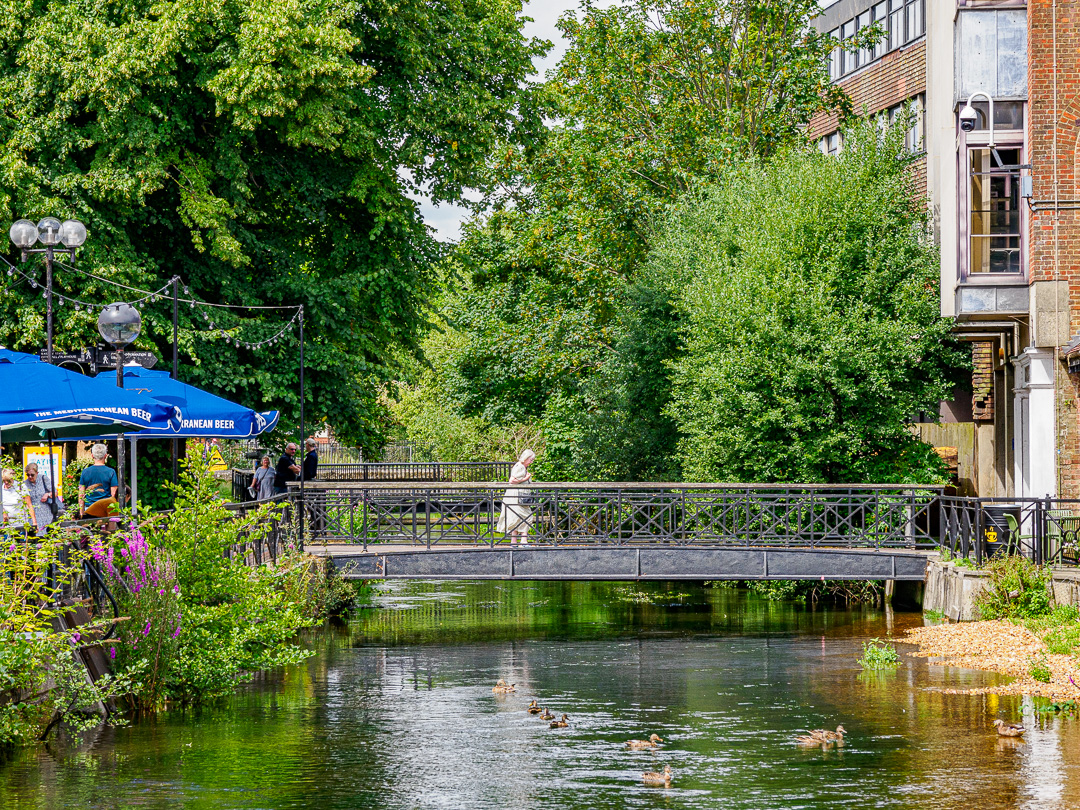
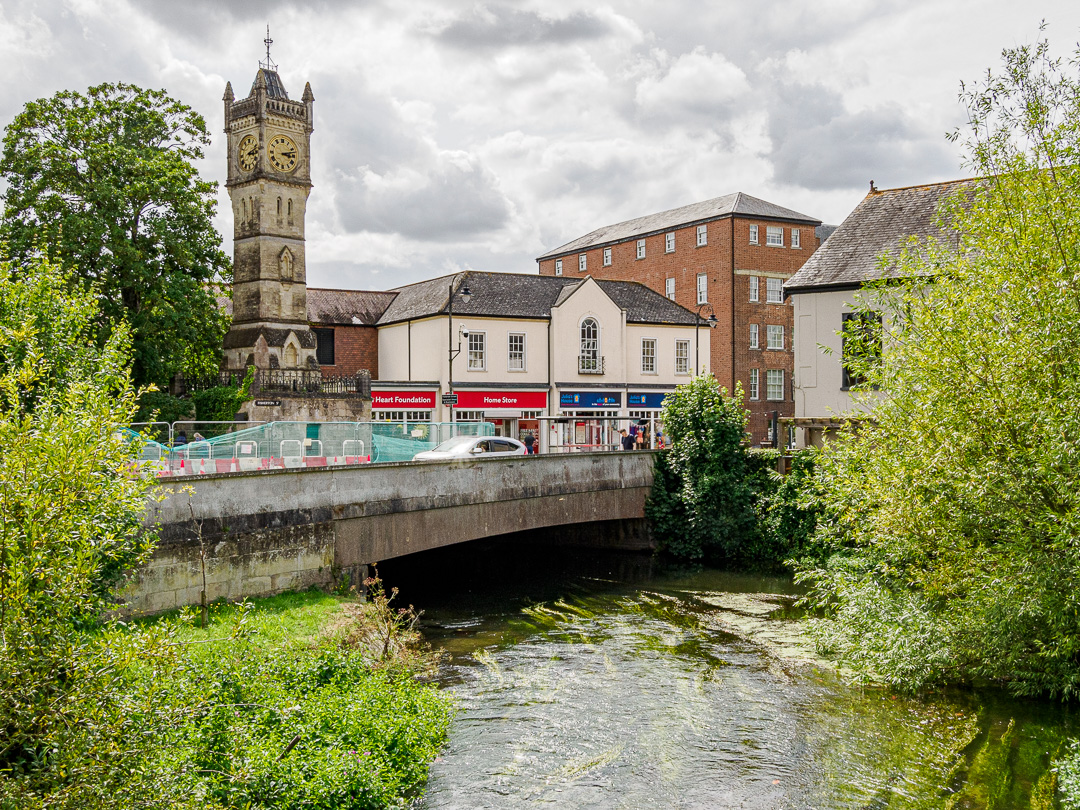
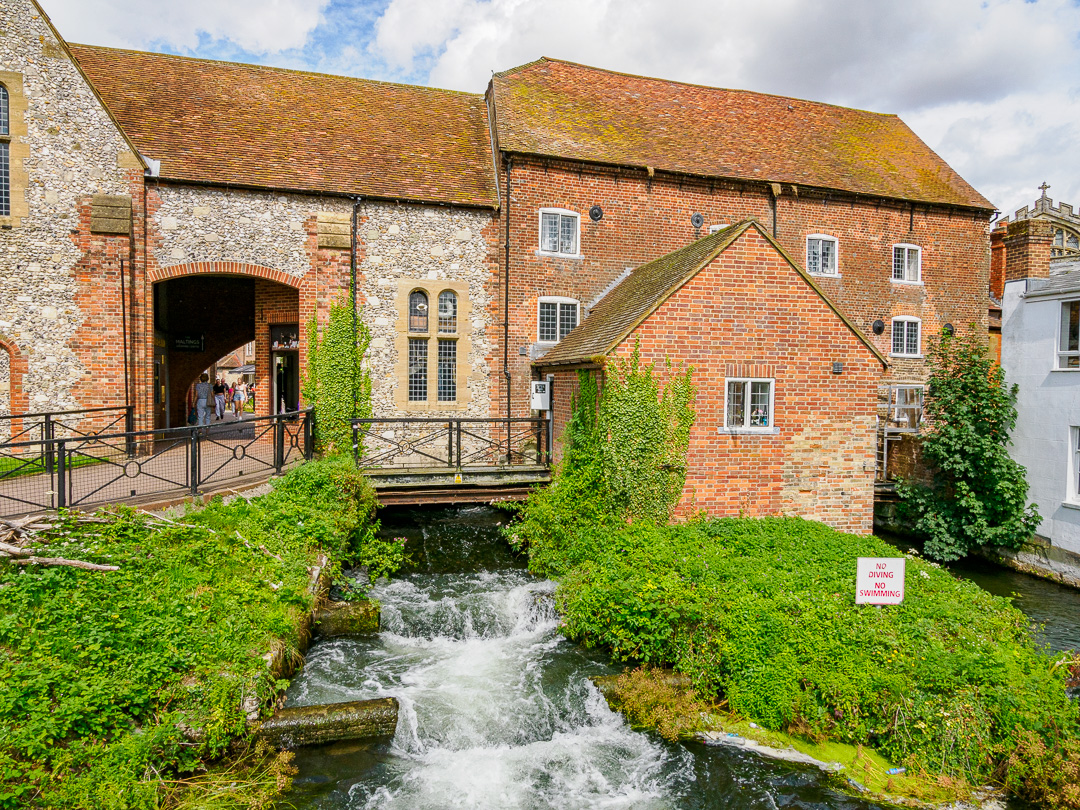
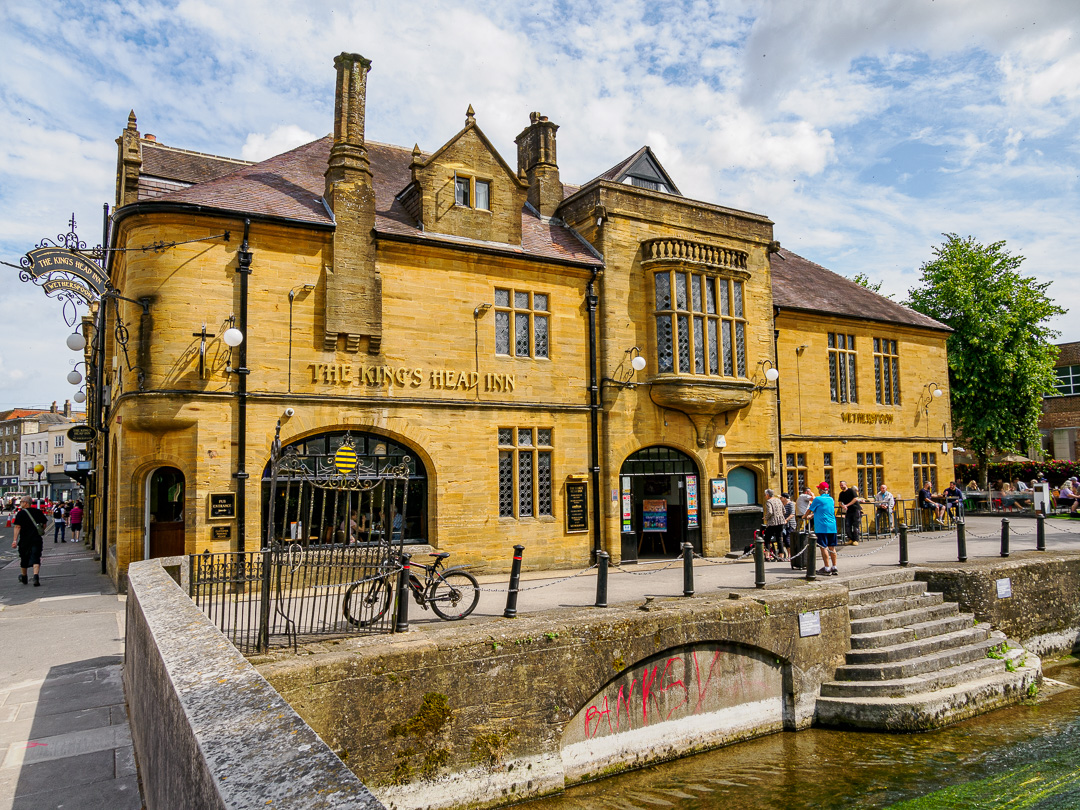
There are many old building around the city centre too:



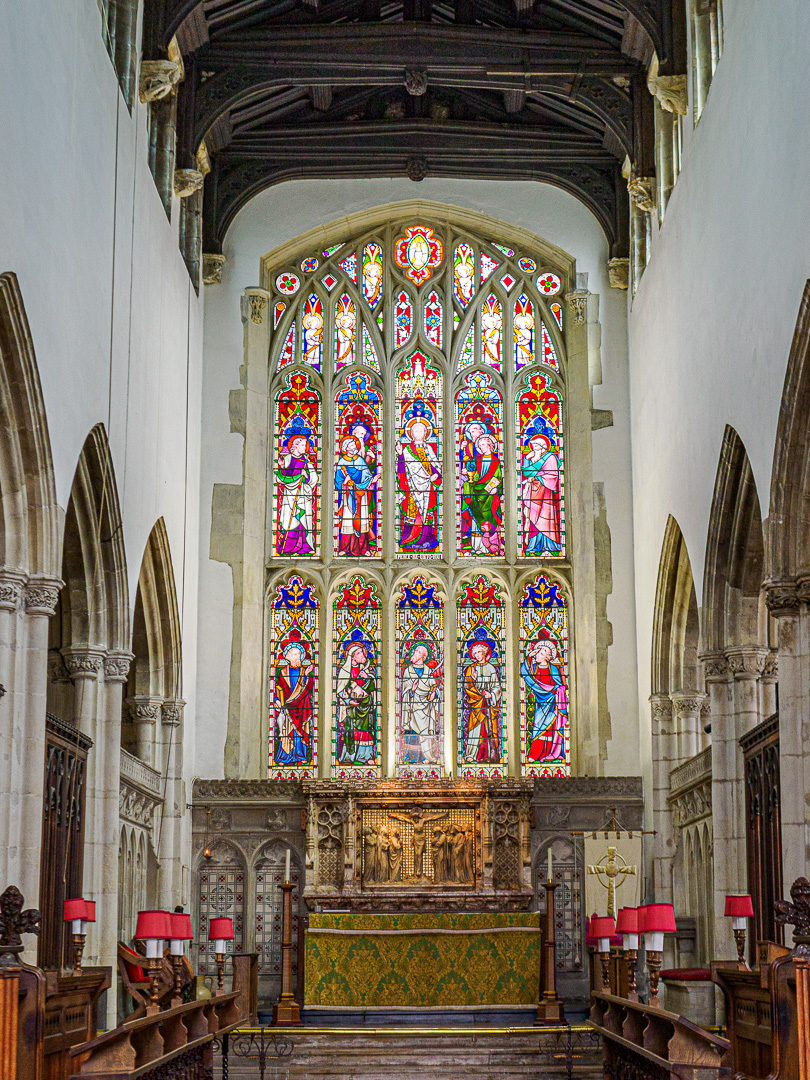
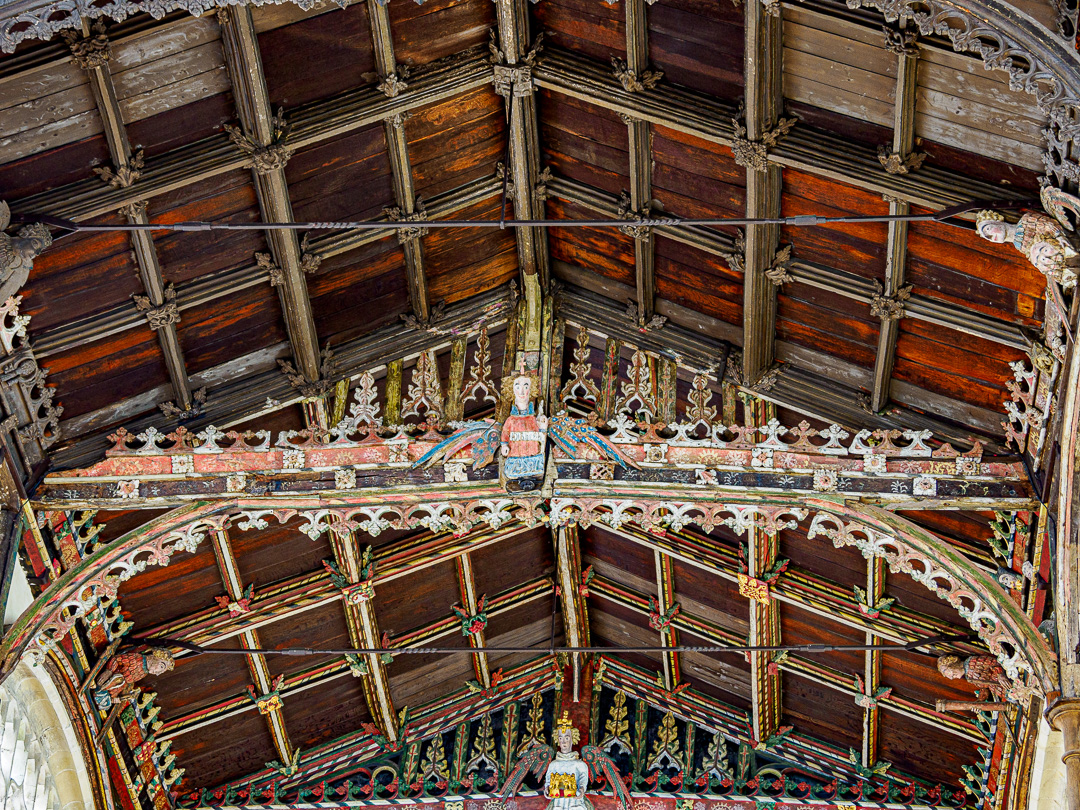
We also briefly visited Saint Thomas a Becket’s church which had some amazing wall art:

Old Sarum:
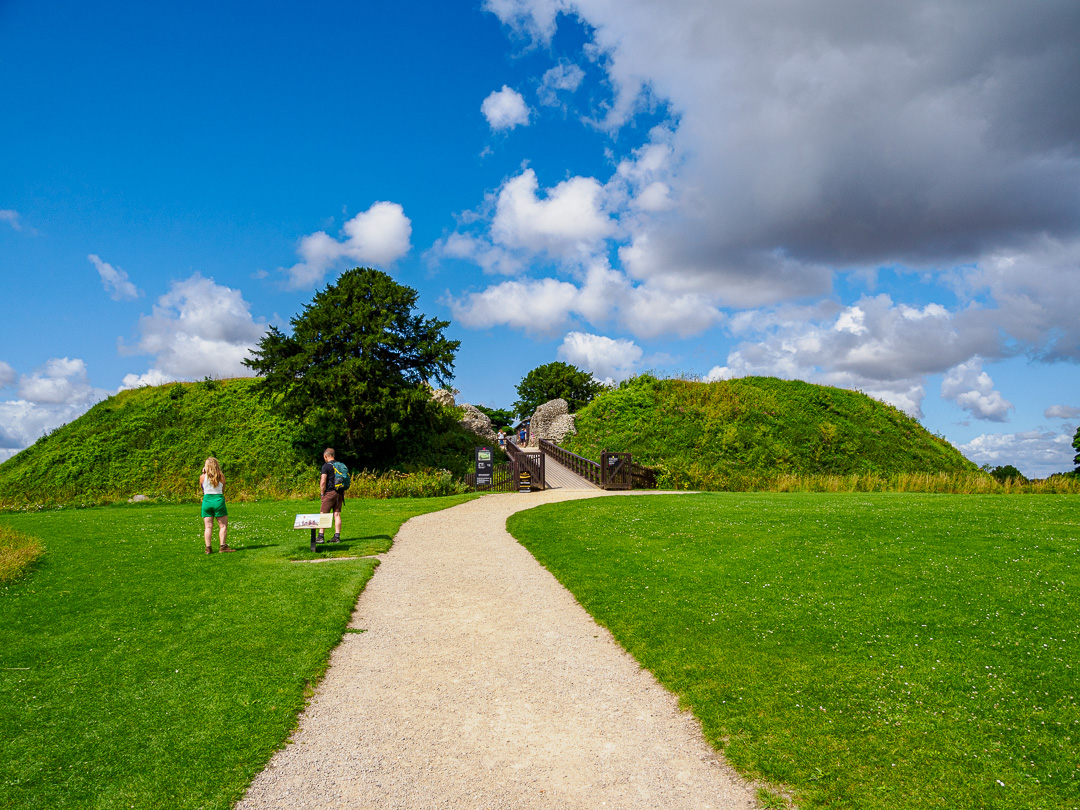
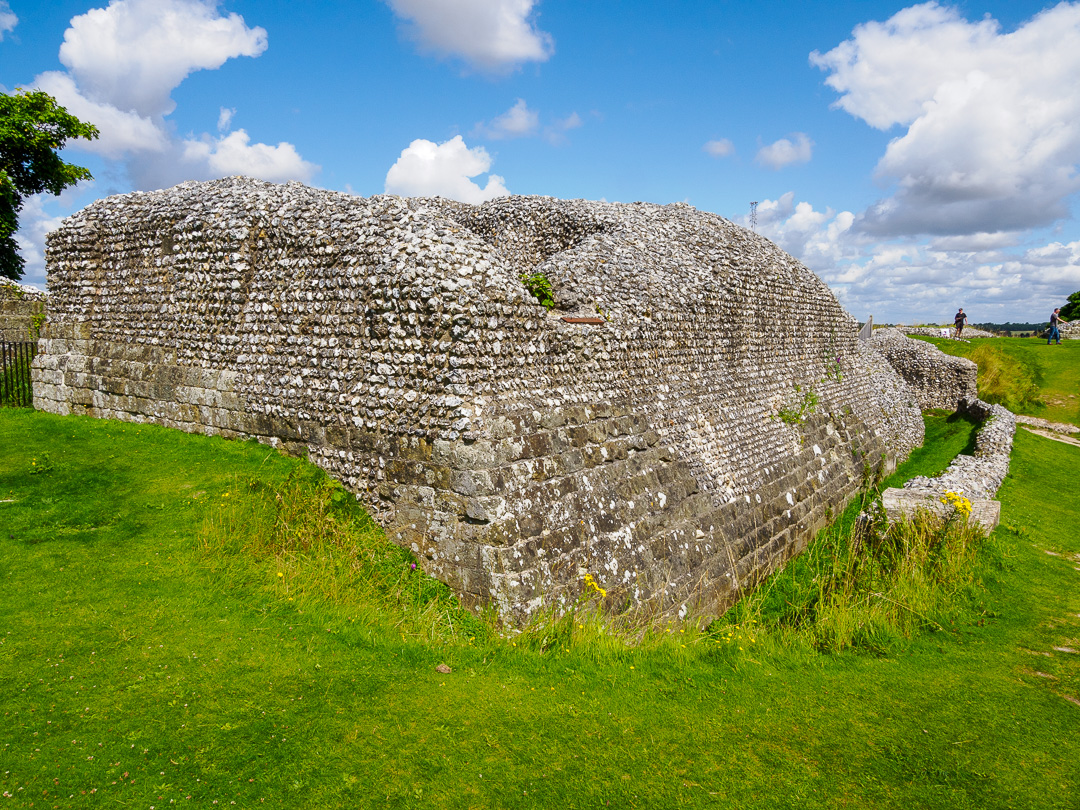
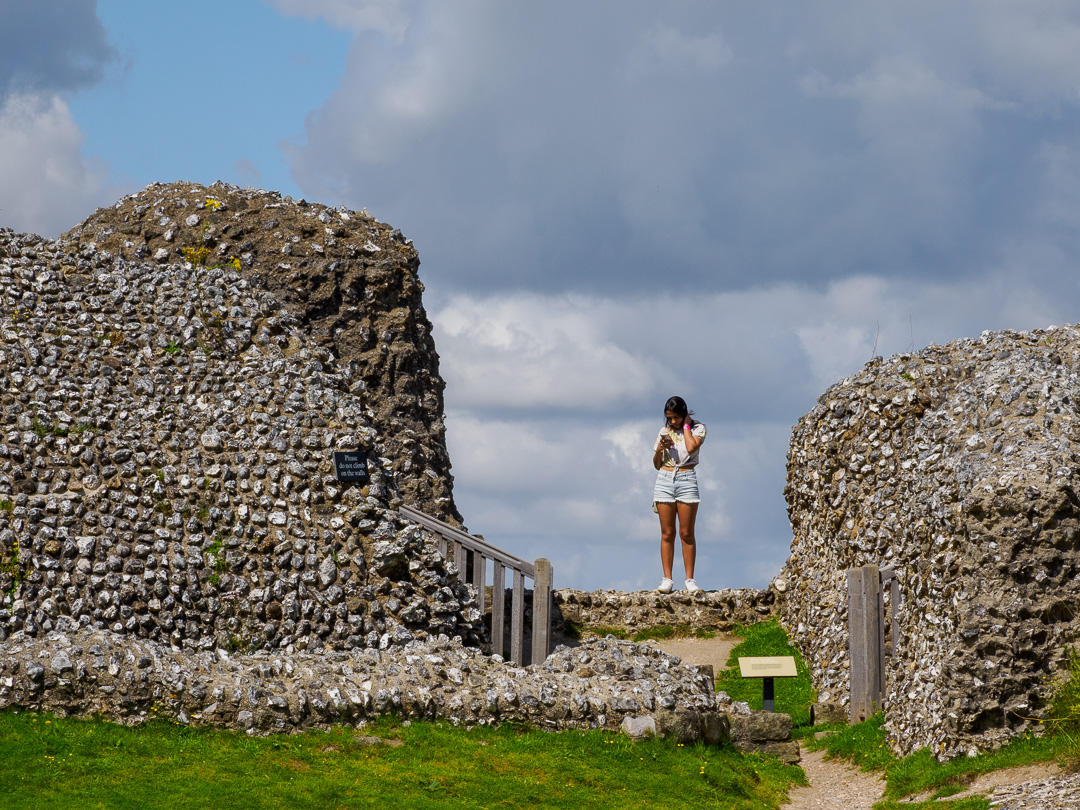
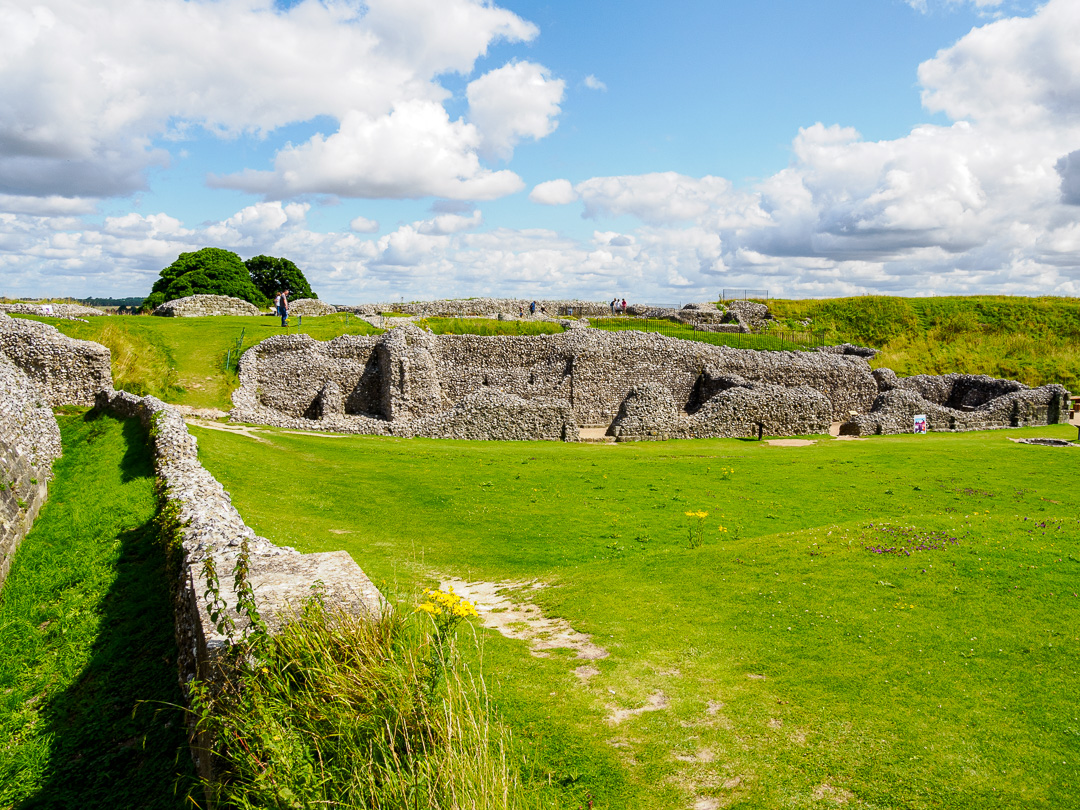
The first cathedral built in this area was just to the north of Salisbury on a hill at Old Sarum, in the outer bailey of the castle. The remains of this church are still there to be seen, but the current Salisbury cathedral replaced it in the 13th century.
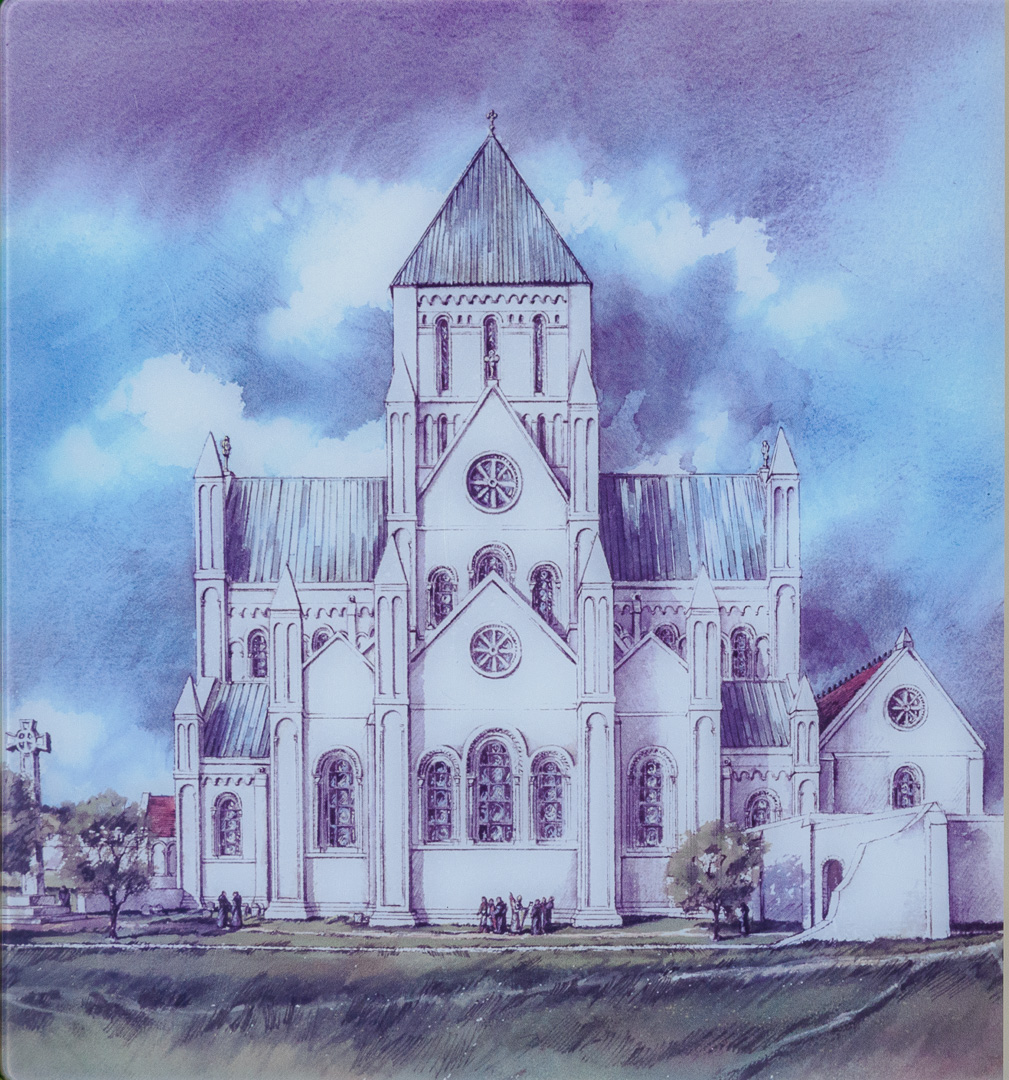
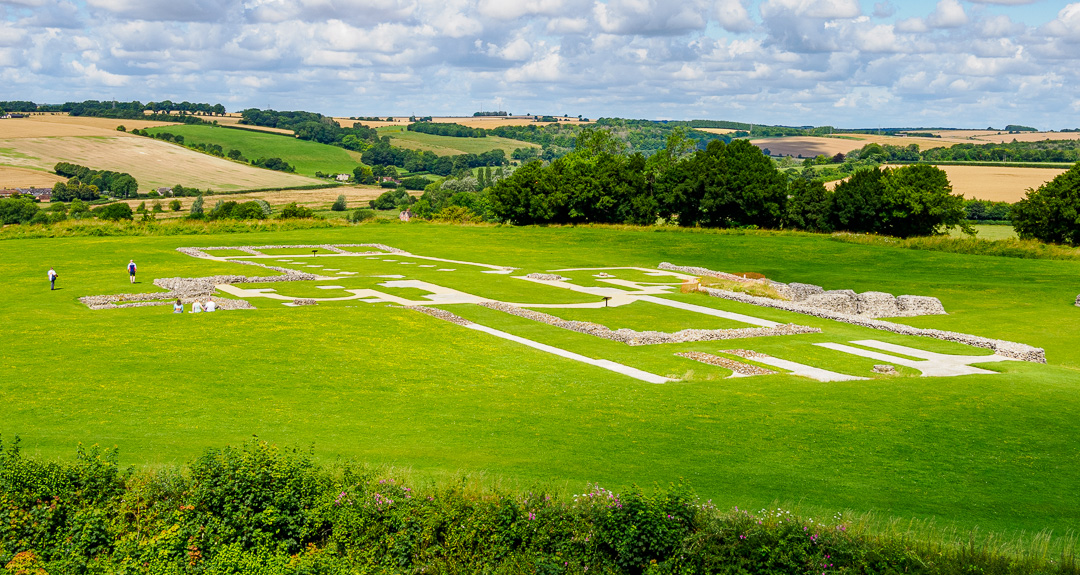
There has been a settlement there for 5000 years with a fortified Celtic hill fort which was later developed further into a castle and royal estate by the Saxons. William the Conquerer built the current castle which was demolished during the reign of King Henry VIII.

This is the final post from this trip as tomorrow we head for home, by which time we will have done around 800 miles.
 "See-u-Later"