Monday 16th – Tuesday 17th September (days 3 – 4)
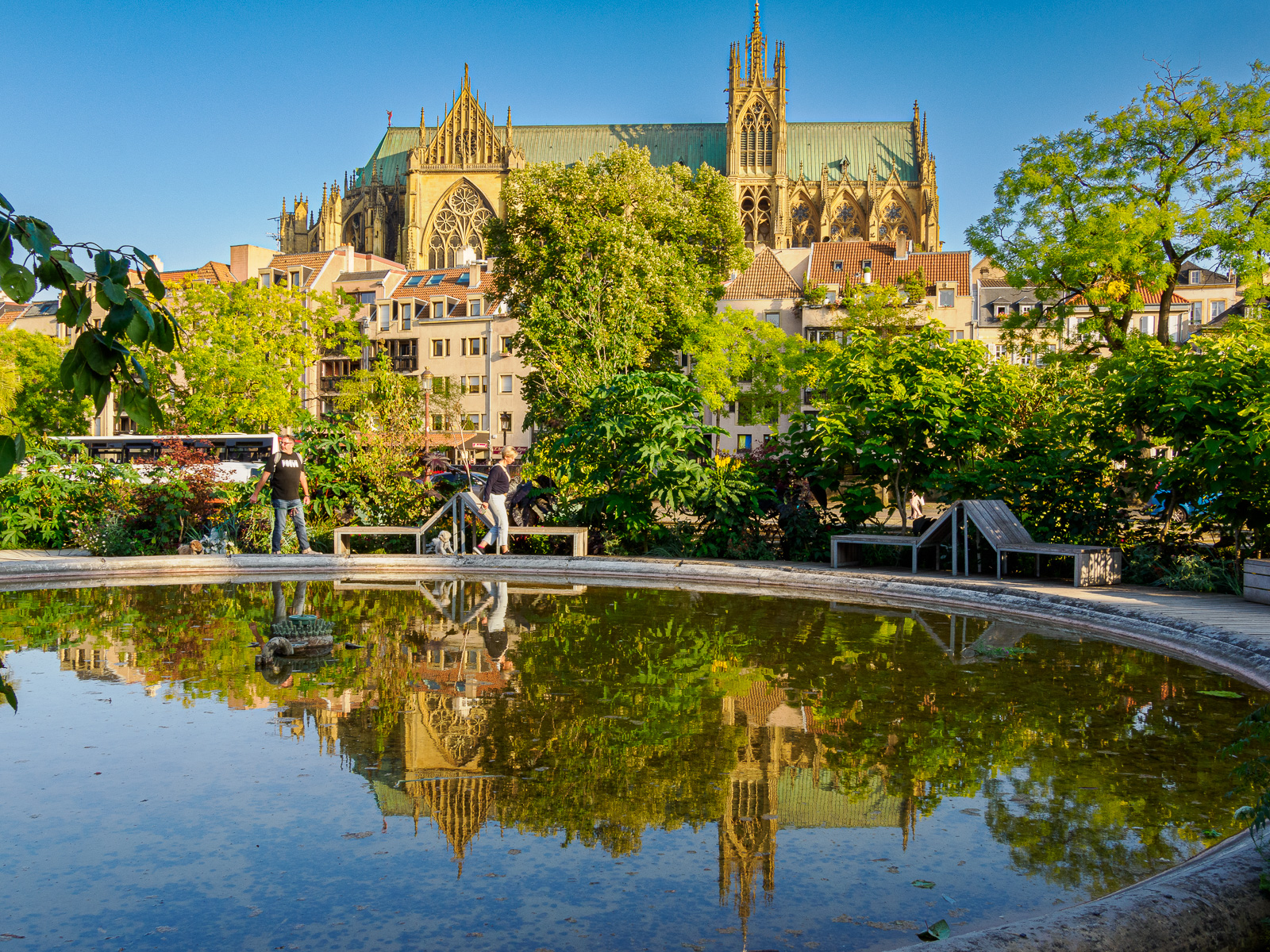
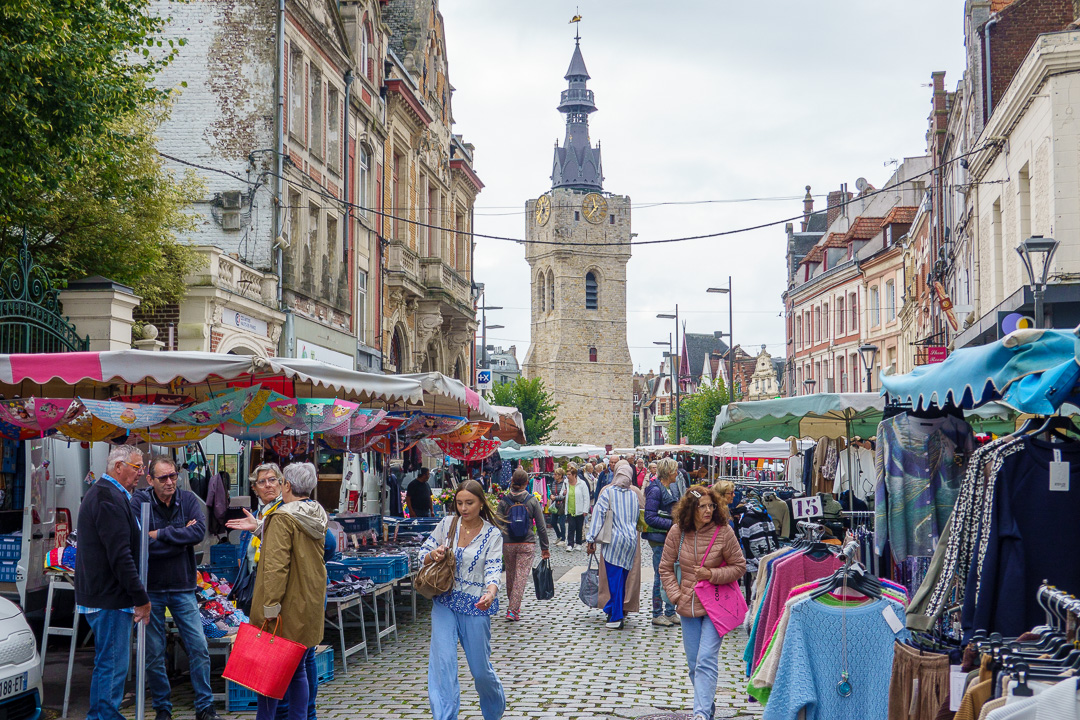
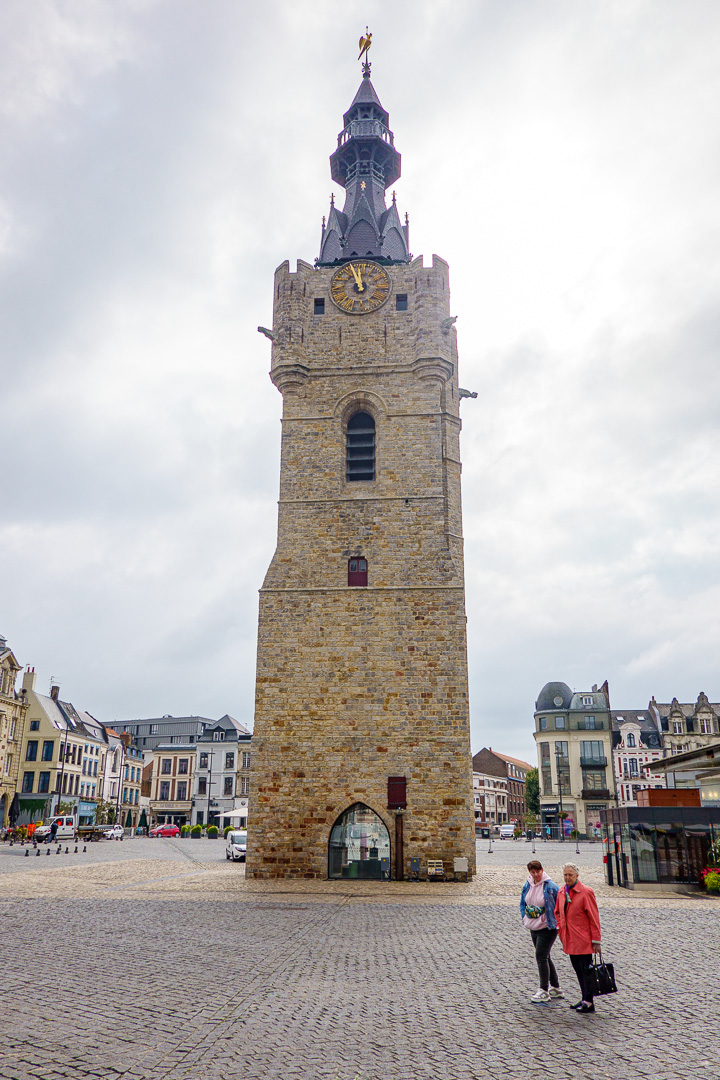
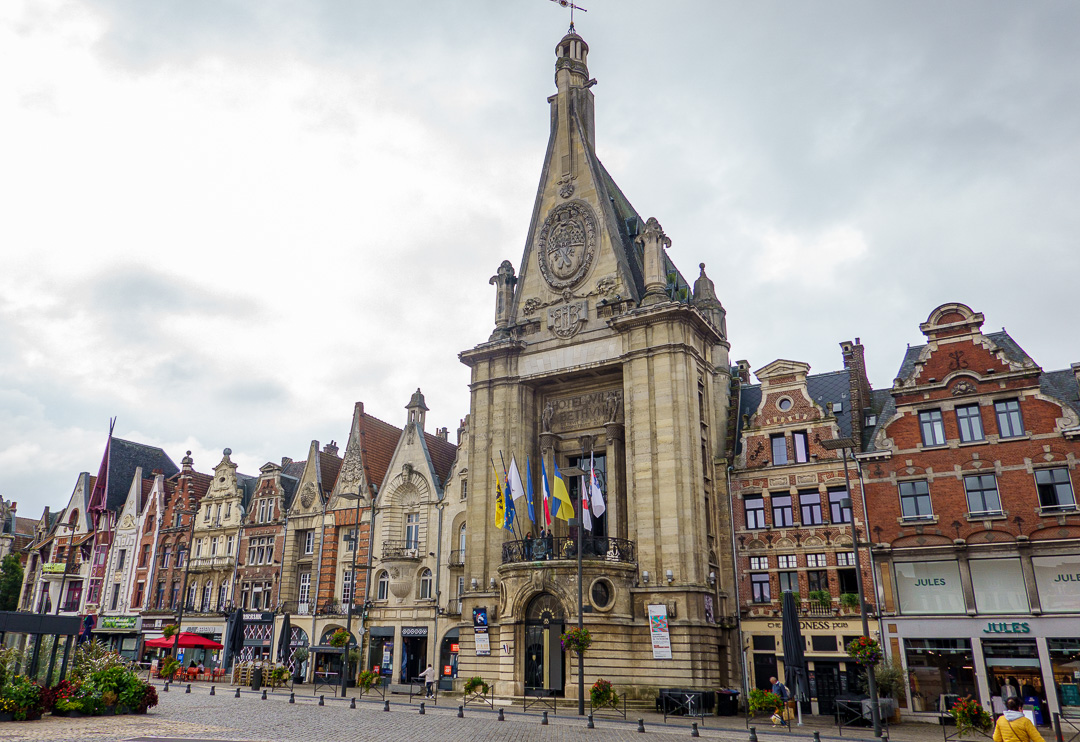
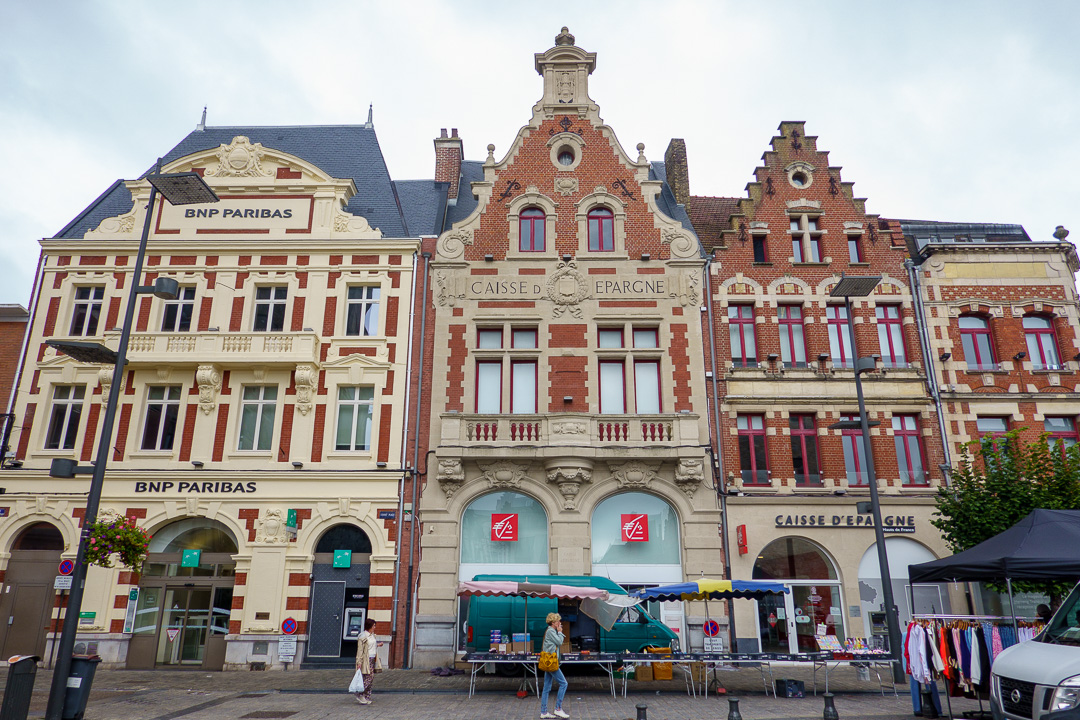
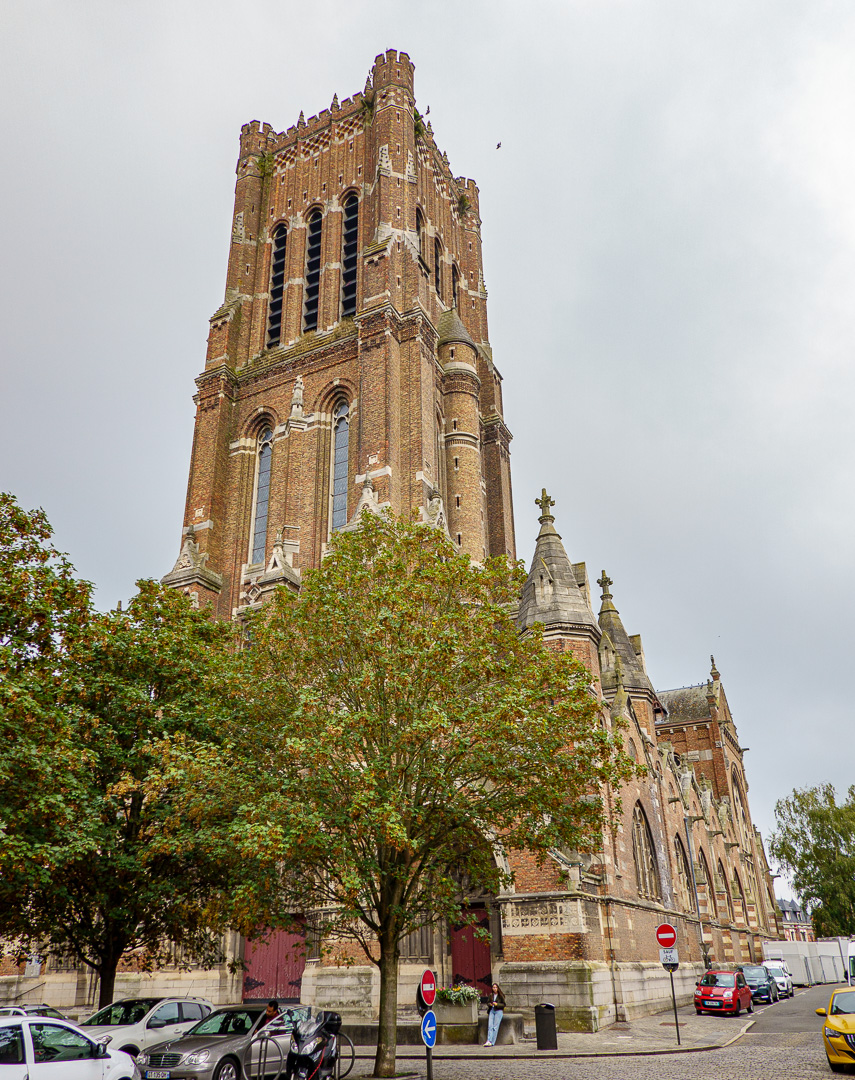
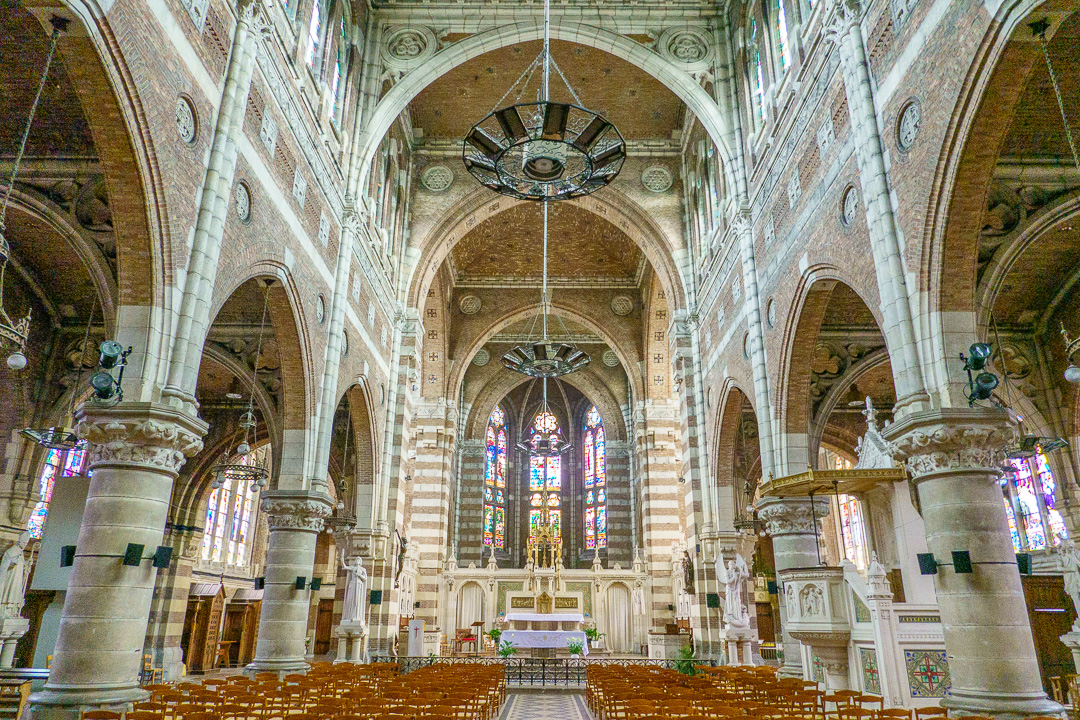
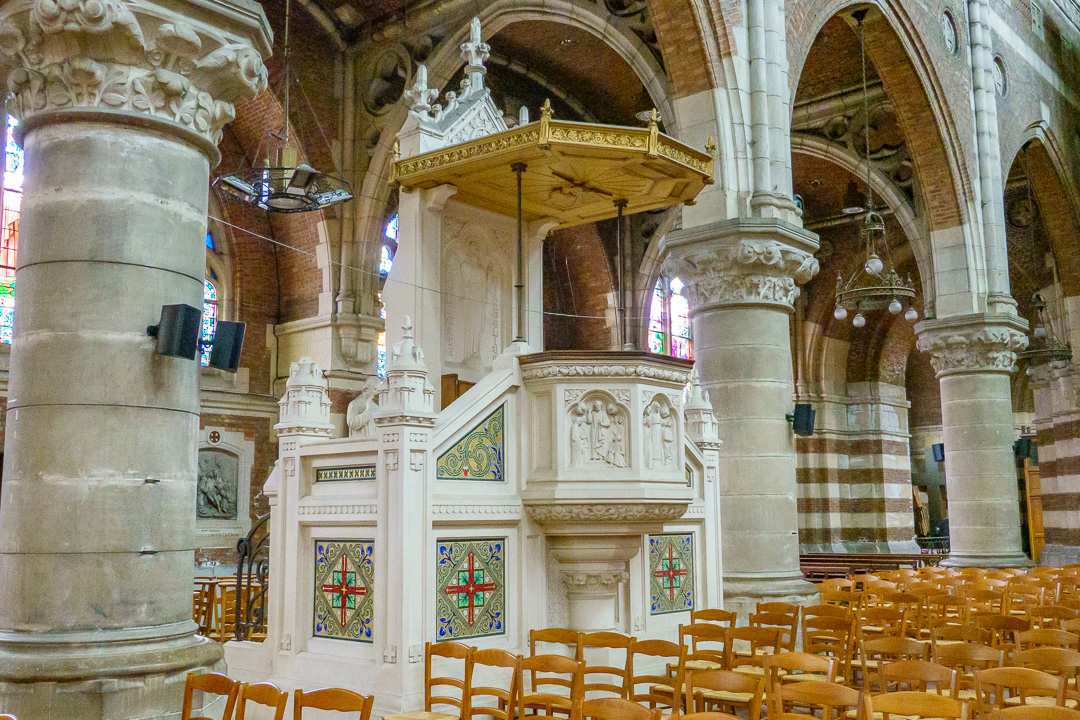
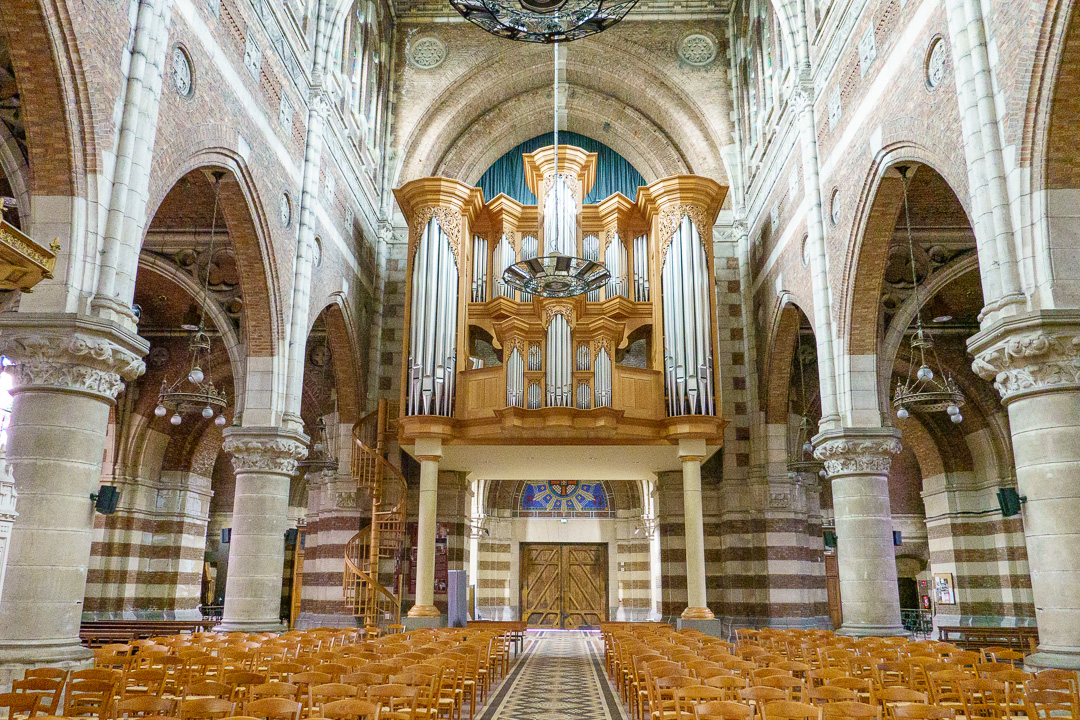
On Monday, Heading generally in a south eastern direction, we planned an overnight stay in Charleville-Mézières. On the way, we called at Béthune, a small town with some interesting architecture at its centre and a truly remarkable church. Tuesday saw us head further south east to the city of Metz, with its impressively tall gothic cathedral.
Béthune:
Monday is market day in Béthune. A huge range of things are offered for sale, even household furniture in addition to the usual fresh food and clothing etc.
Charleville-Mézières:
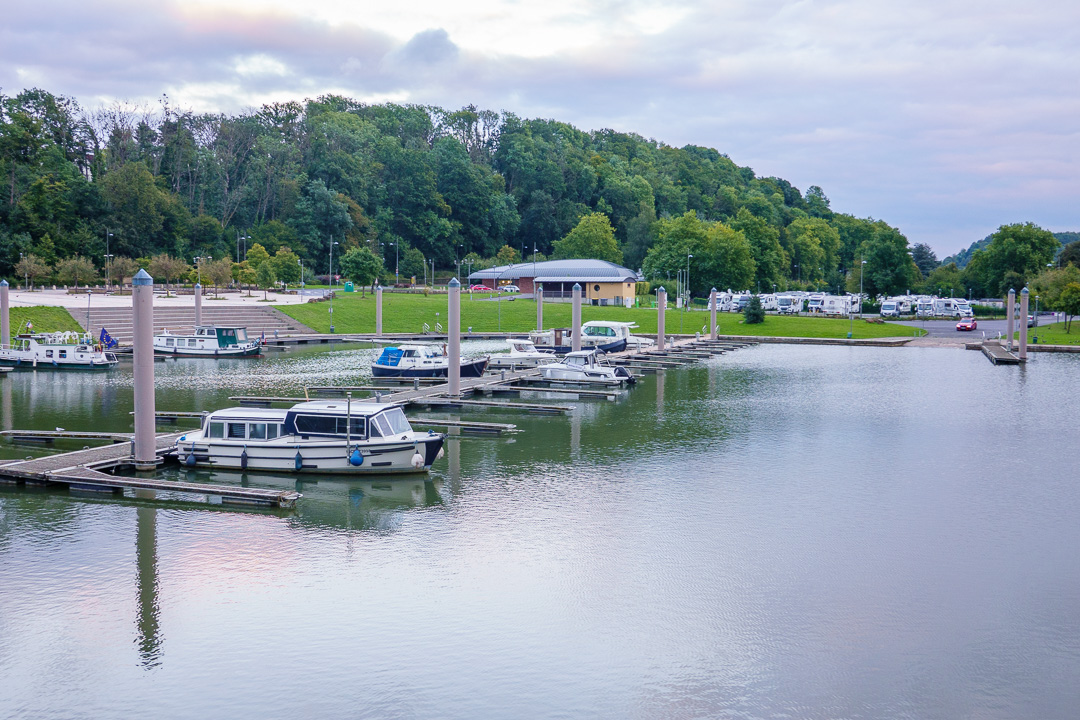
Charleville-Mézières was a bit of a surprise. We had a lot of “fun” trying to get to the motorhome aire, even inadvertently calling by one of its suburbs, “Manchester” (it seemed a long way to drive to only get there!). When we arrived, we found a good spot on the aire, overlooking the marina.

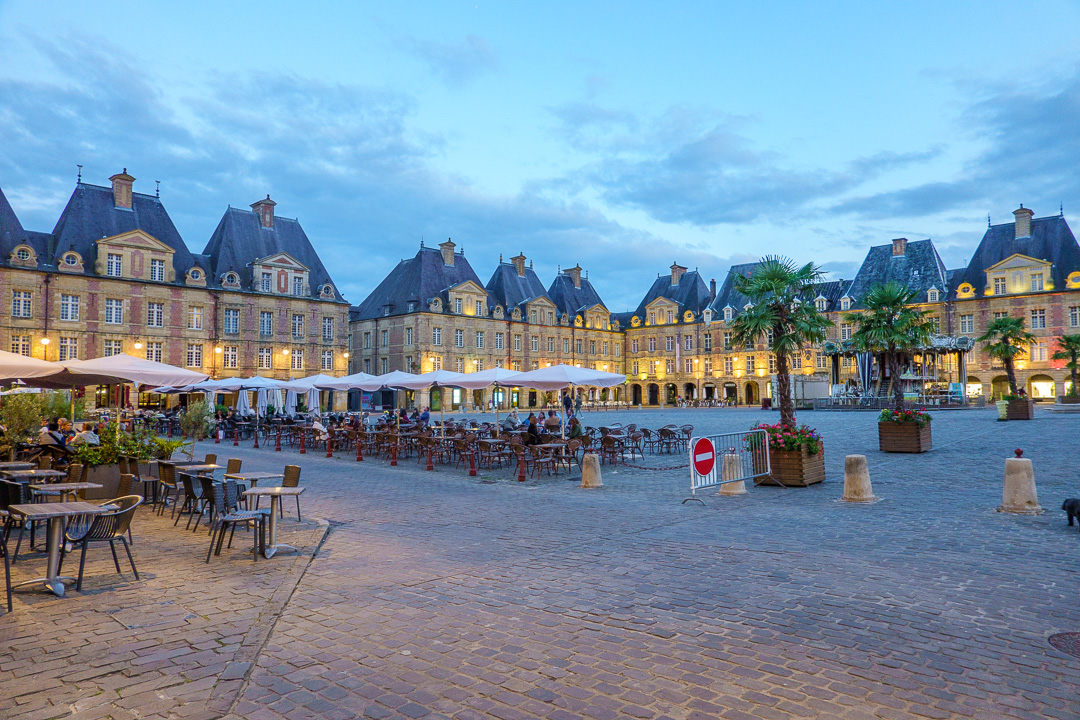
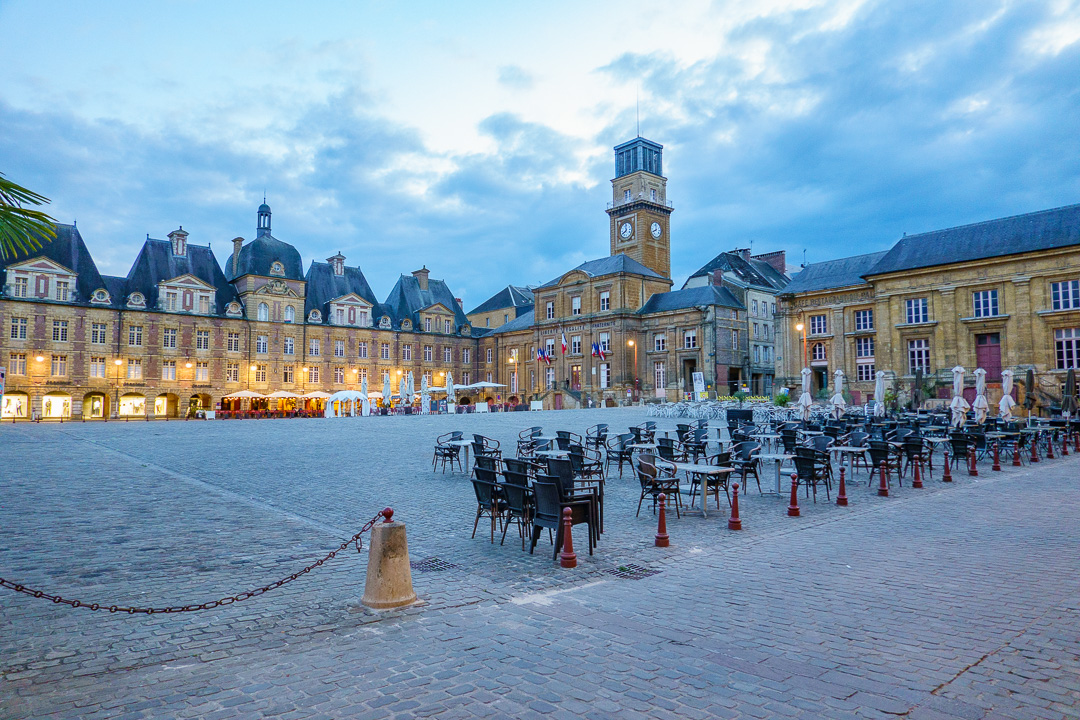
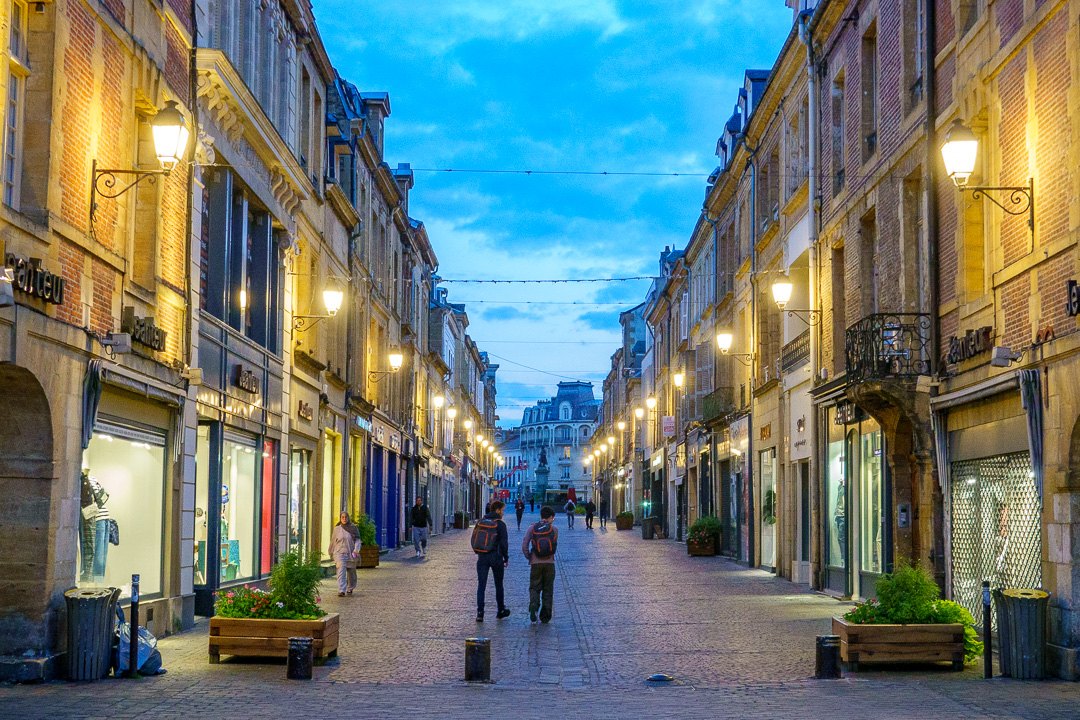
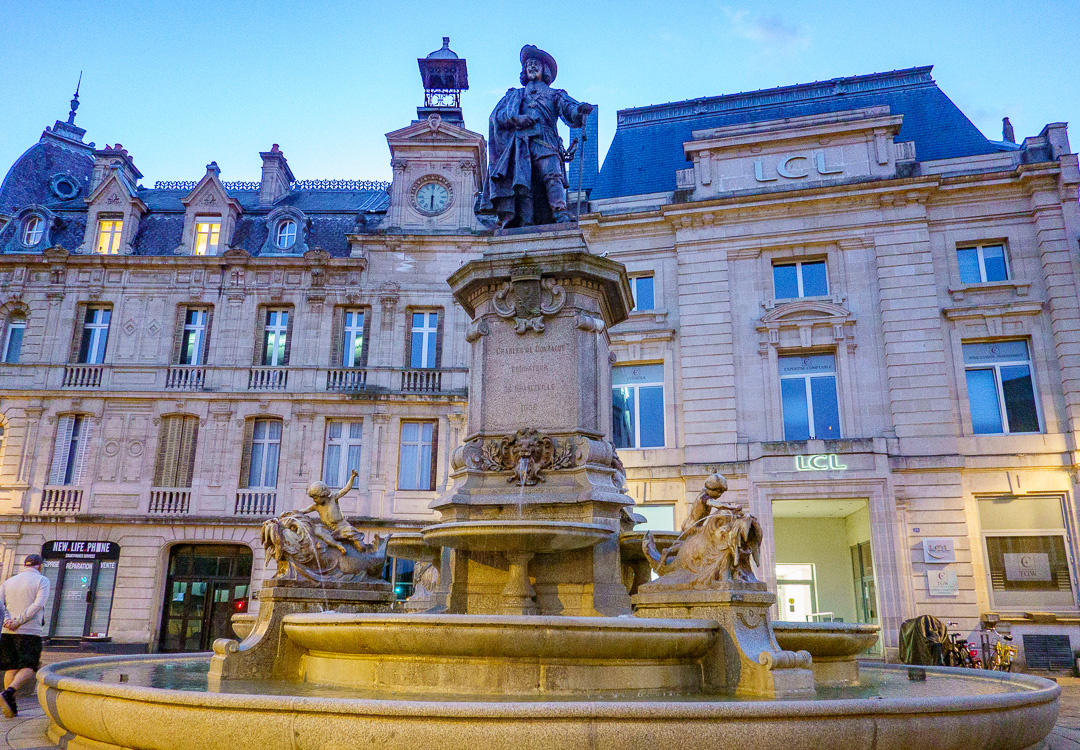
We visited the town square just as dusk was falling, to find a really nice vibe with people dining out. There are covered walkways around the square with some posh shops.
Metz:
Metz is a city built on the Moselle and Seille Rivers. We stayed the night right next to the River Moselle on the motorhome aire which is only a short walk from the centre.
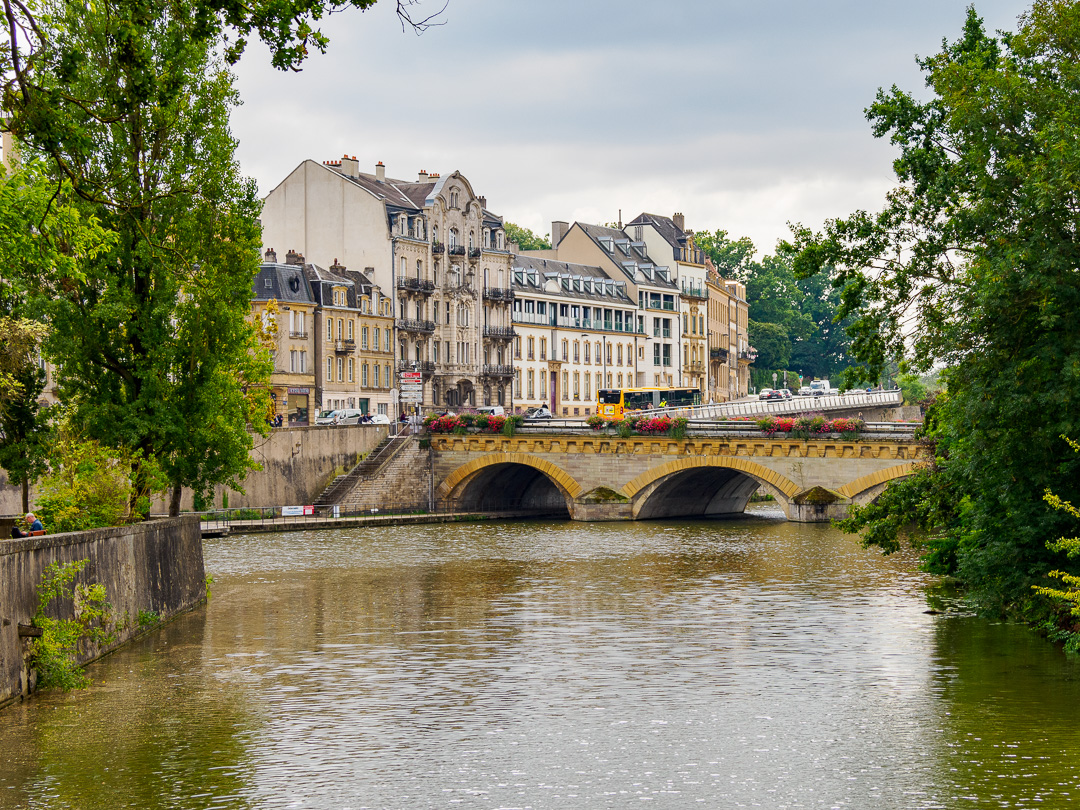
We timed it just right, arriving around 2pm, as there were many vacant places which filled-up quickly. Much later and the aire would have been full. We later witnessed many motorhomes having to turn around in the entrance. There are around 20 places and I am sure they could have filled it at least twice.
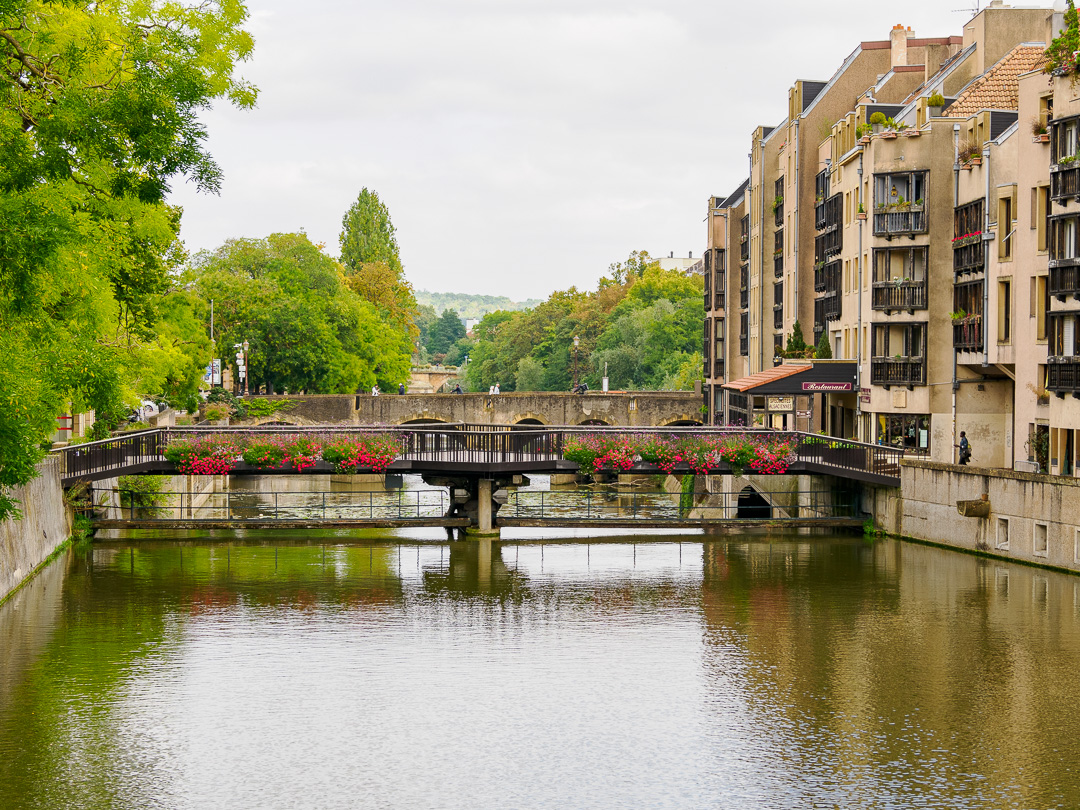
It is a nice aire, but being next to the river, there was also some wildlife. Some noisy bright green birds, members of the parrot family in the trees above and an unwelcome visitor in the van in the shape of a large brown rat, which needed to be chased away. We kept the door closed after that.
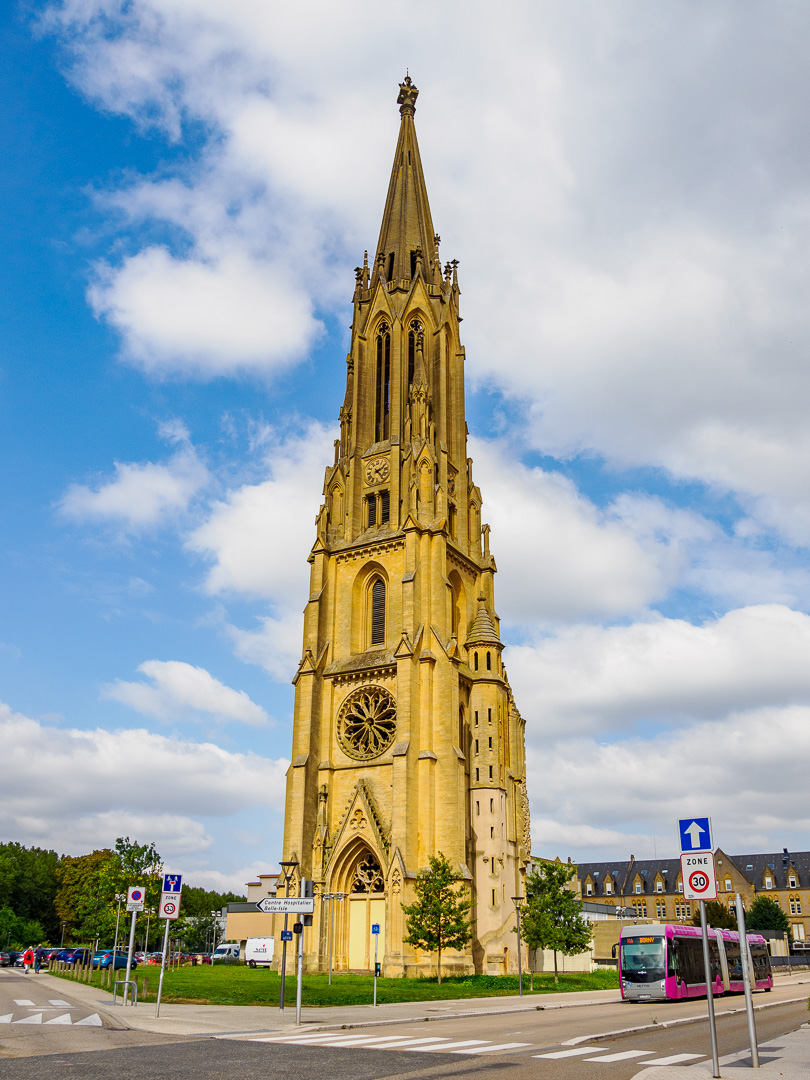
The church that was attached to the tower above, was originally built in 1881, was damaged during WW2 and destroyed by fire in 1946.
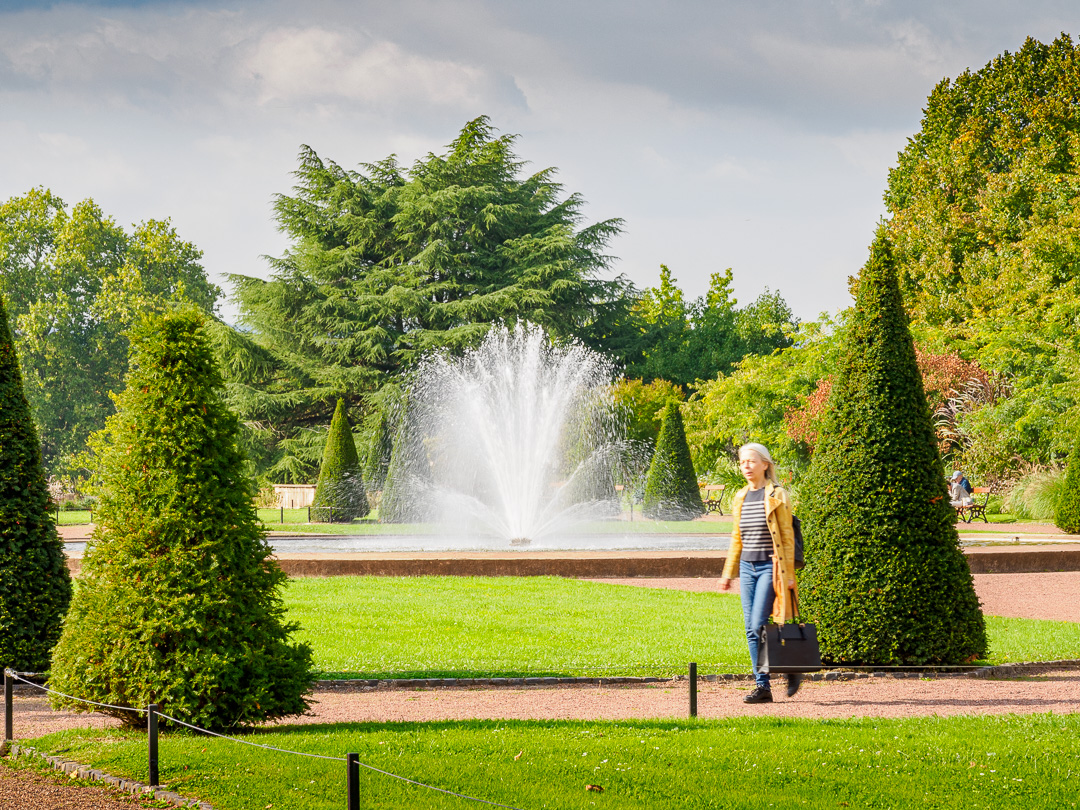
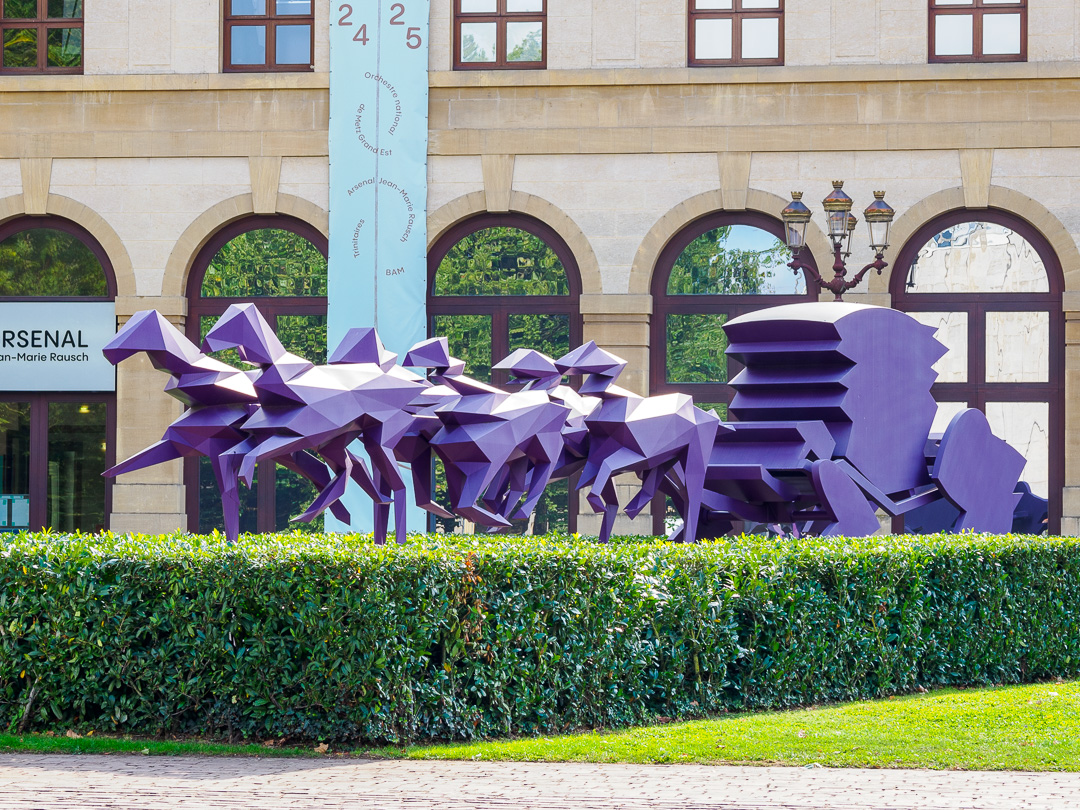
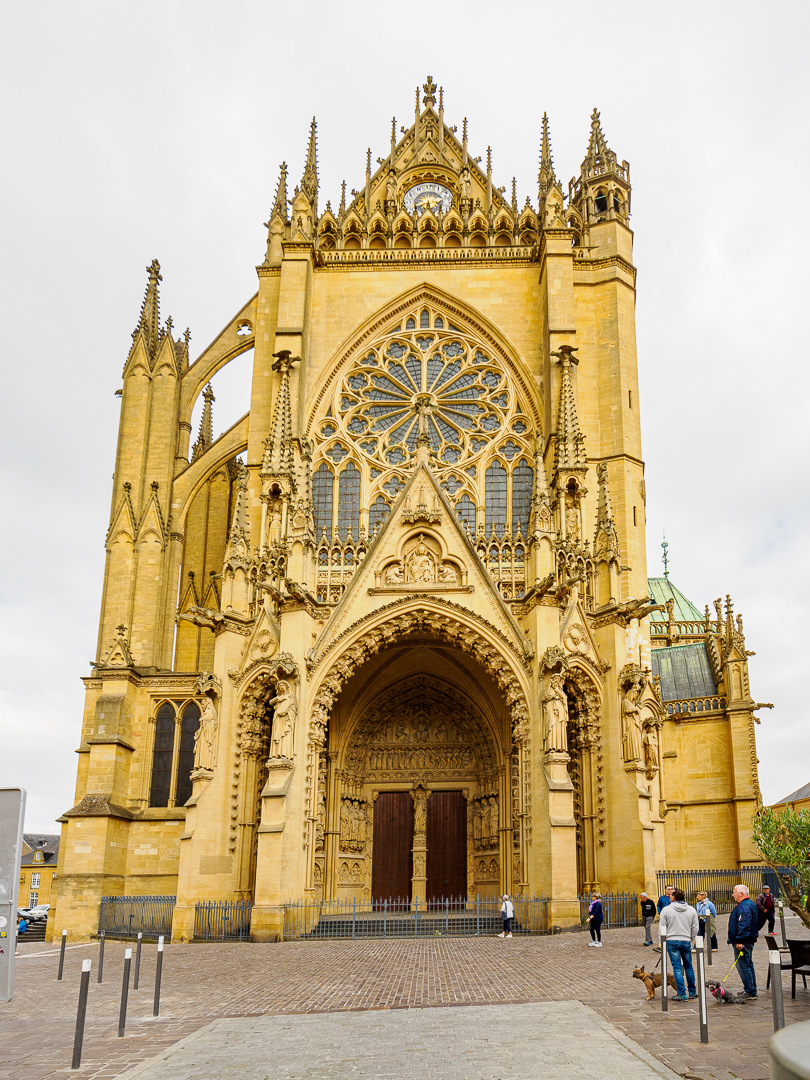
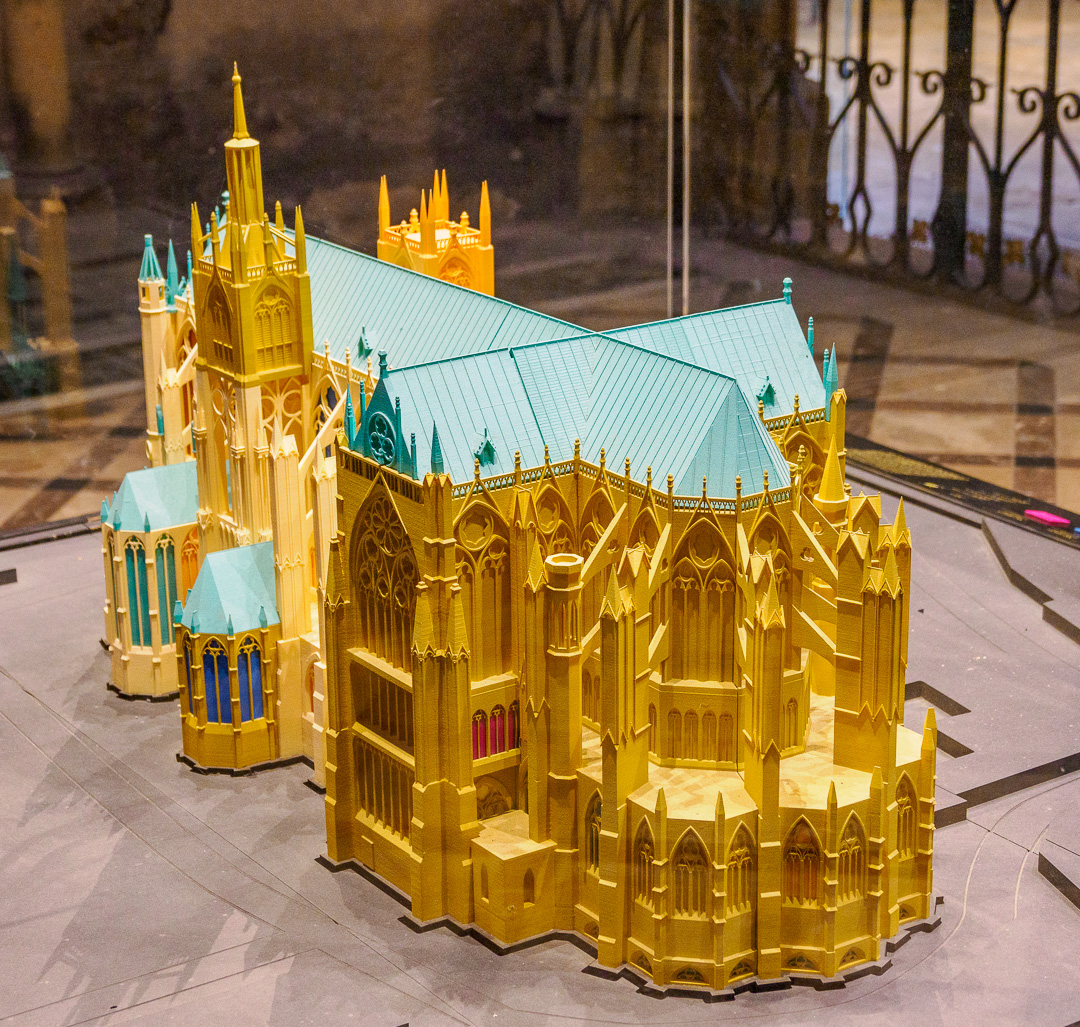
The city of Metz is most famous for its 800 year old gothic cathedral which is extremely tall and very ornate, with astonishingly detailed stone carvings everywhere you look.
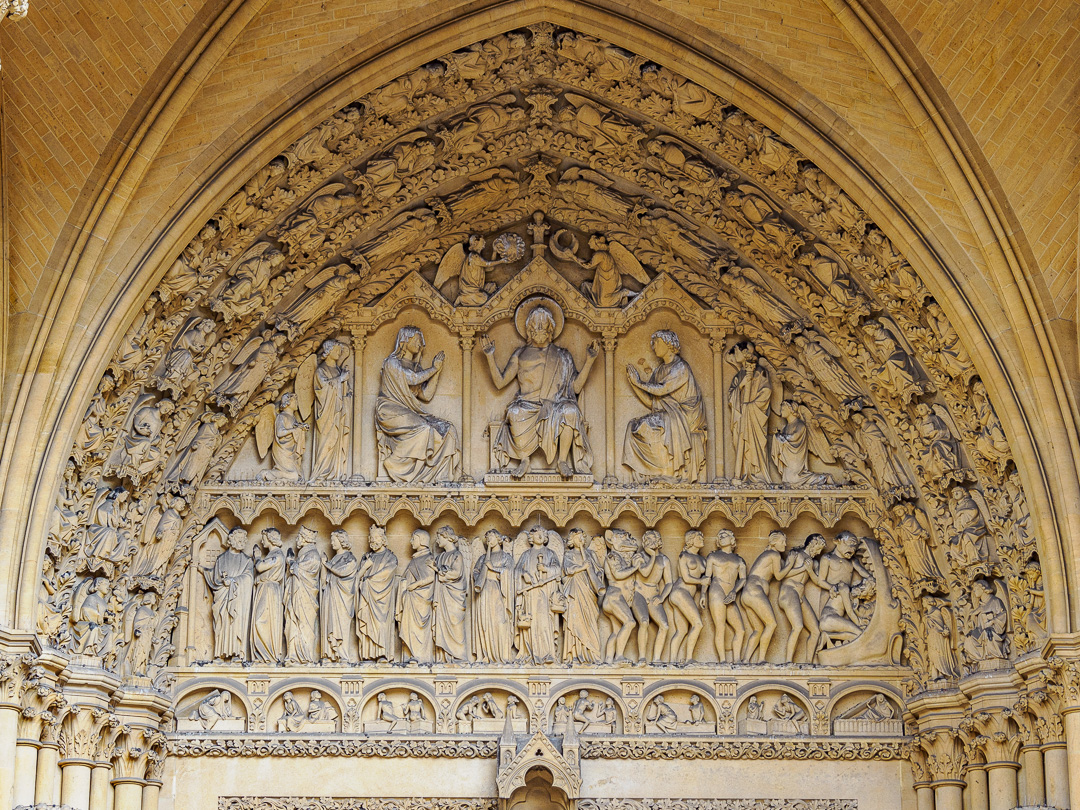
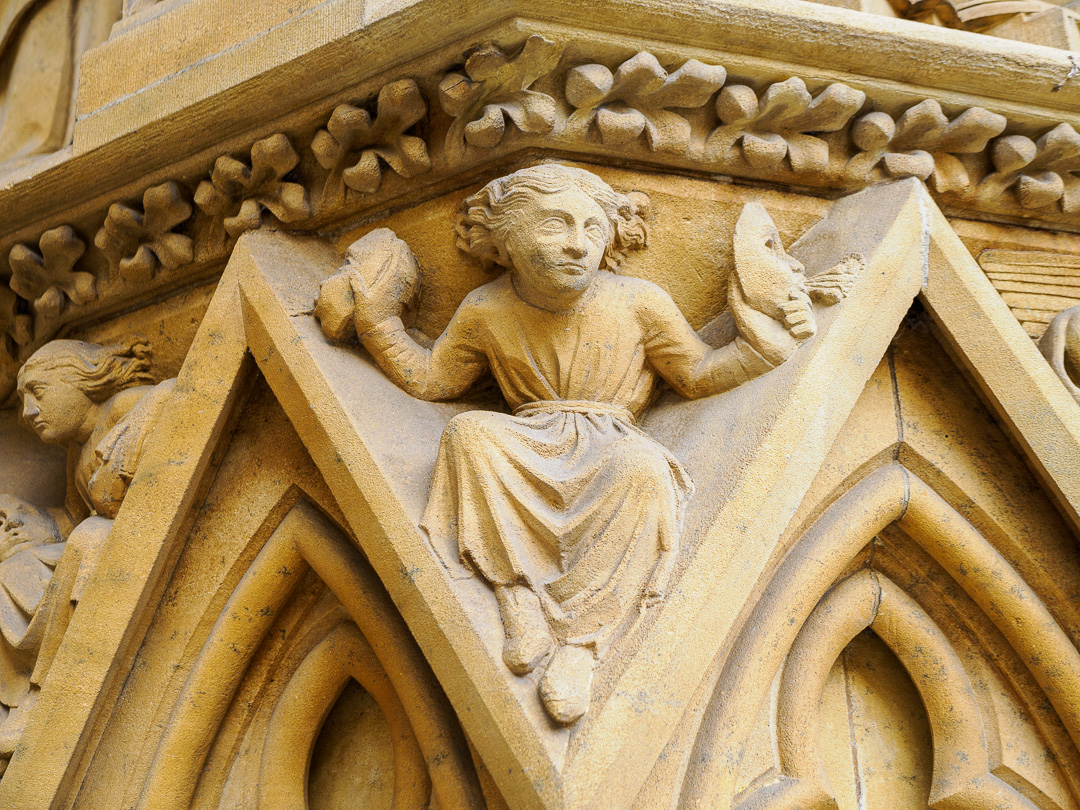
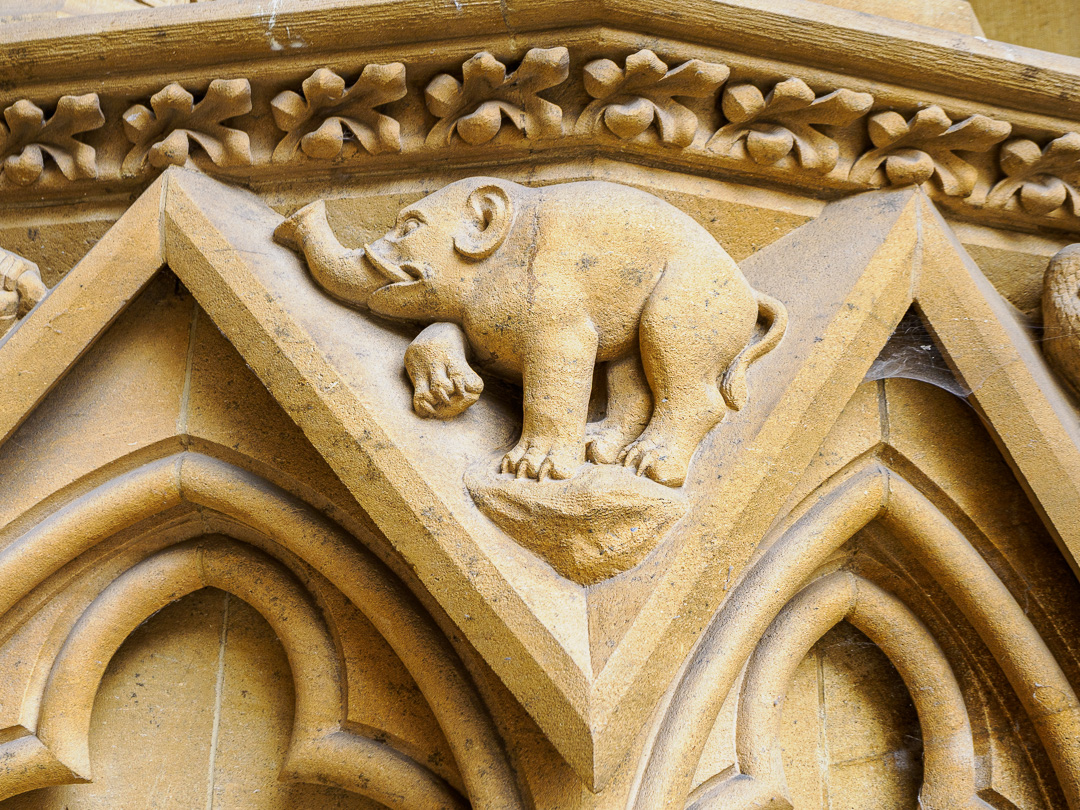
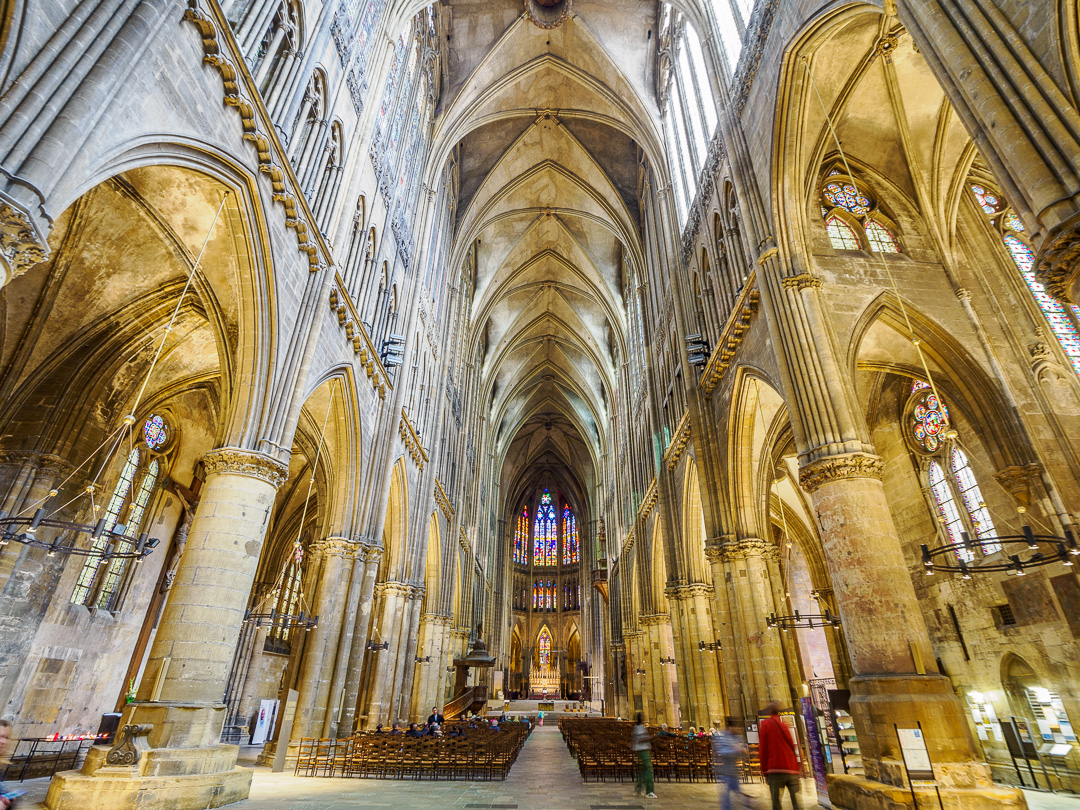
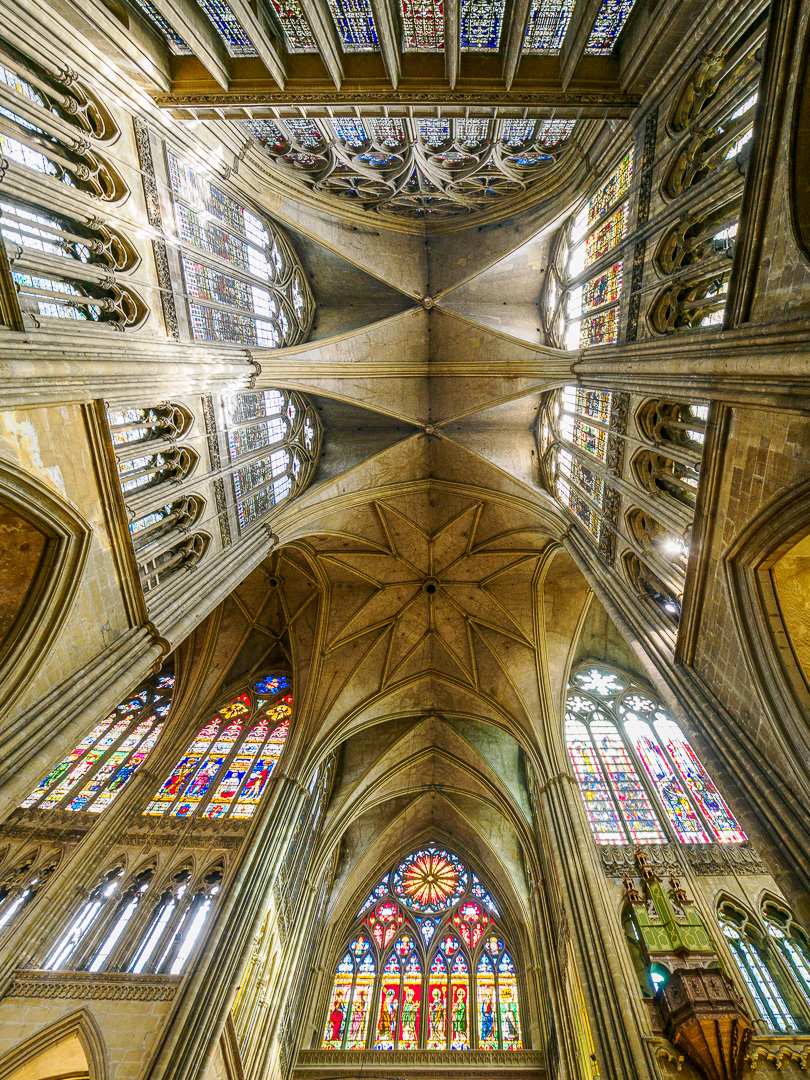
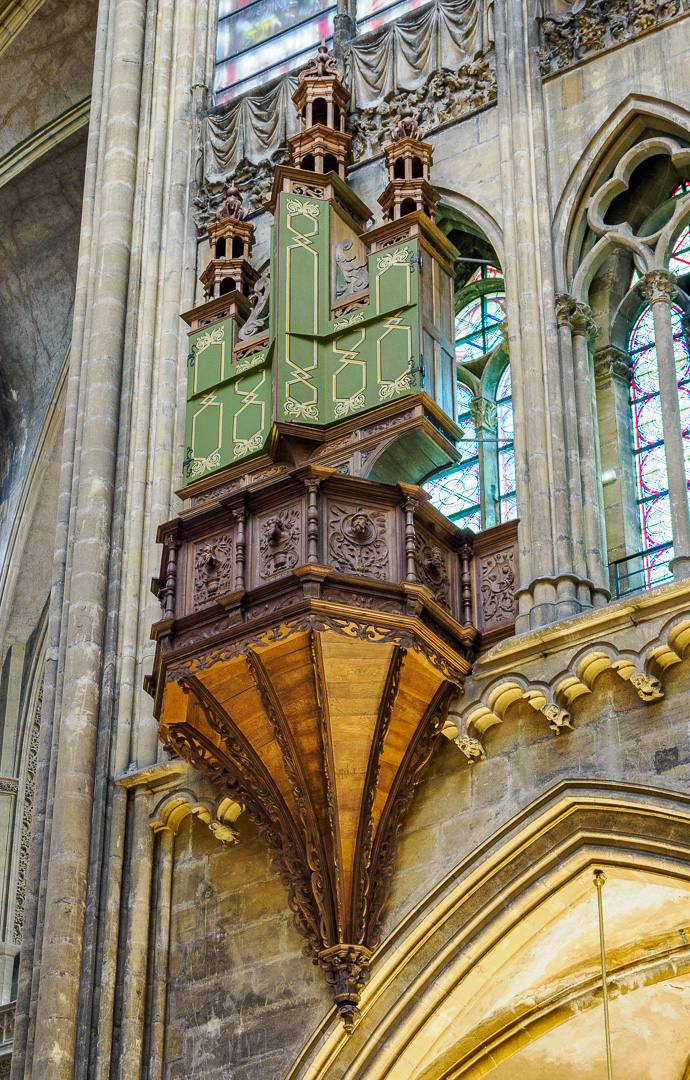
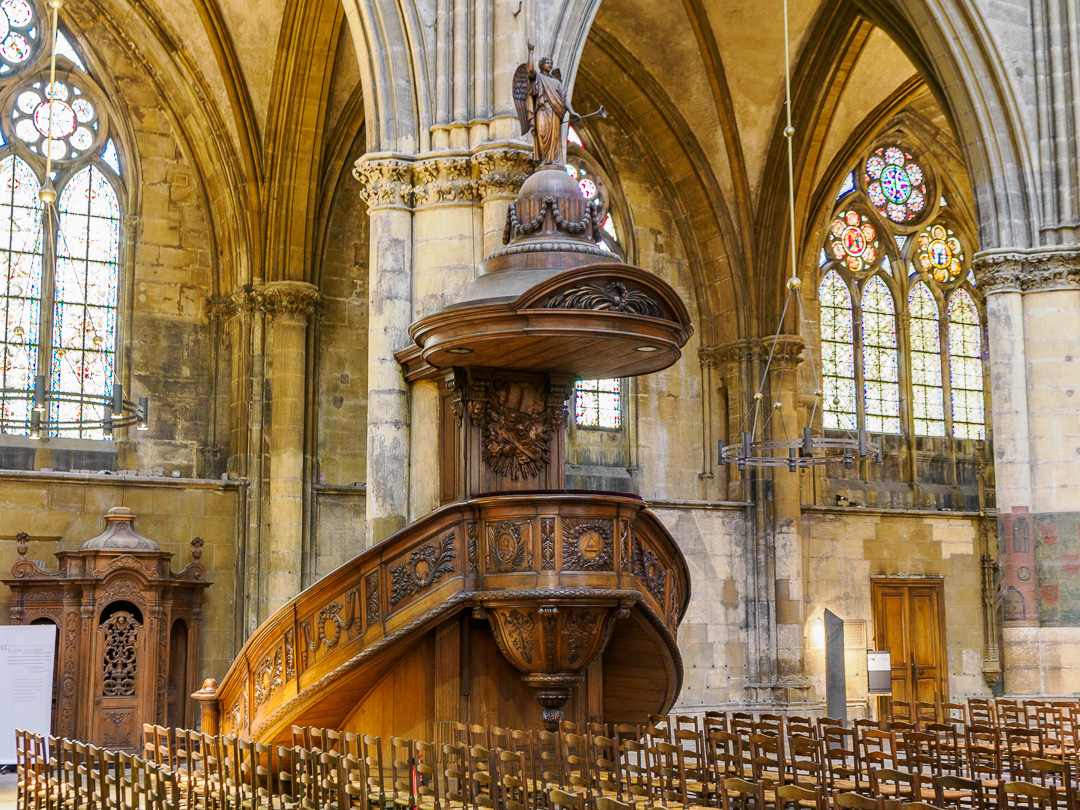
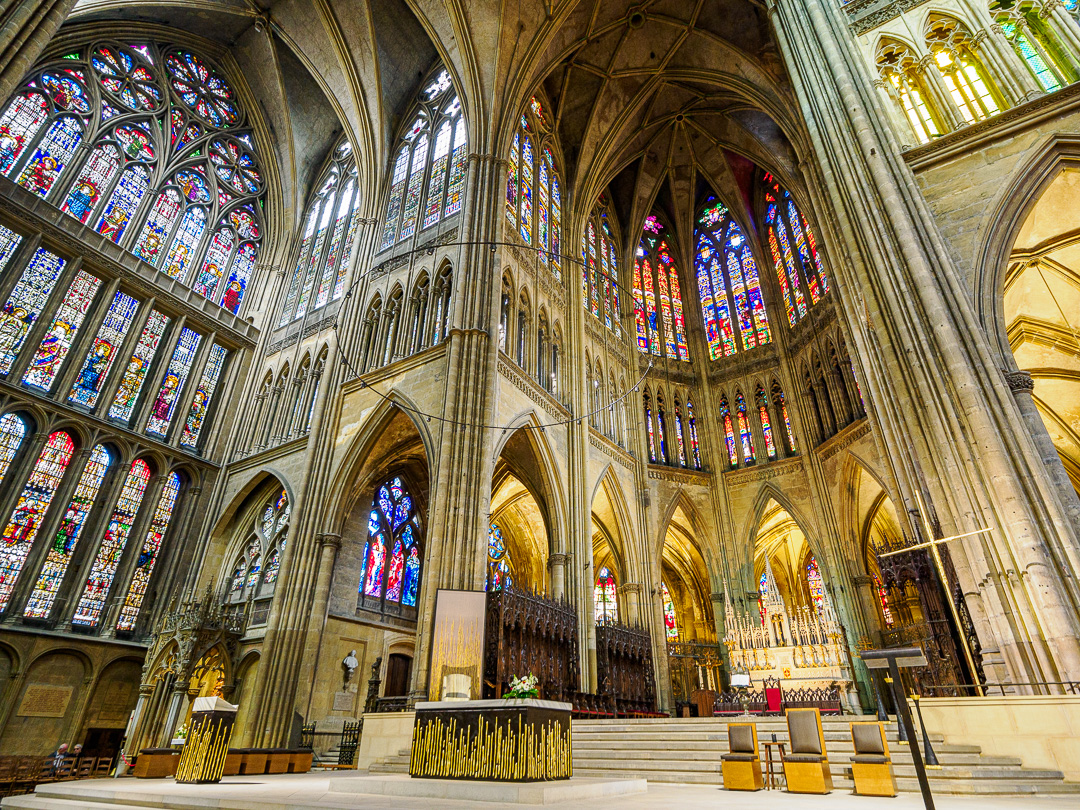
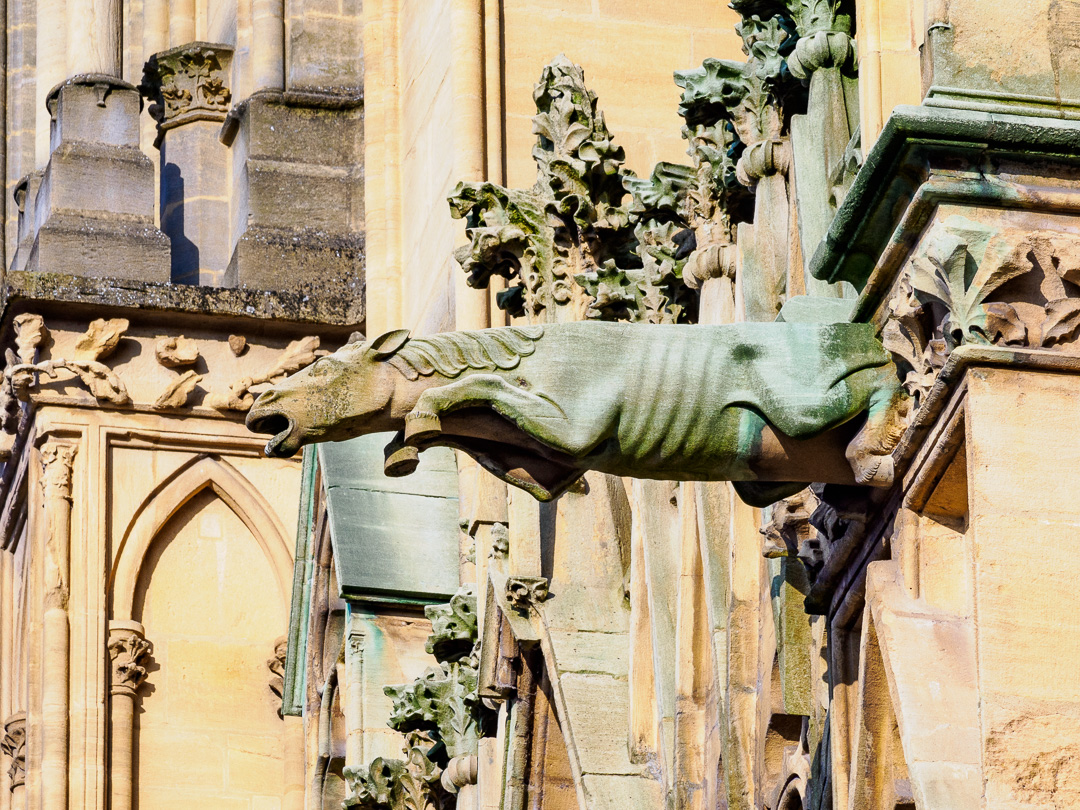
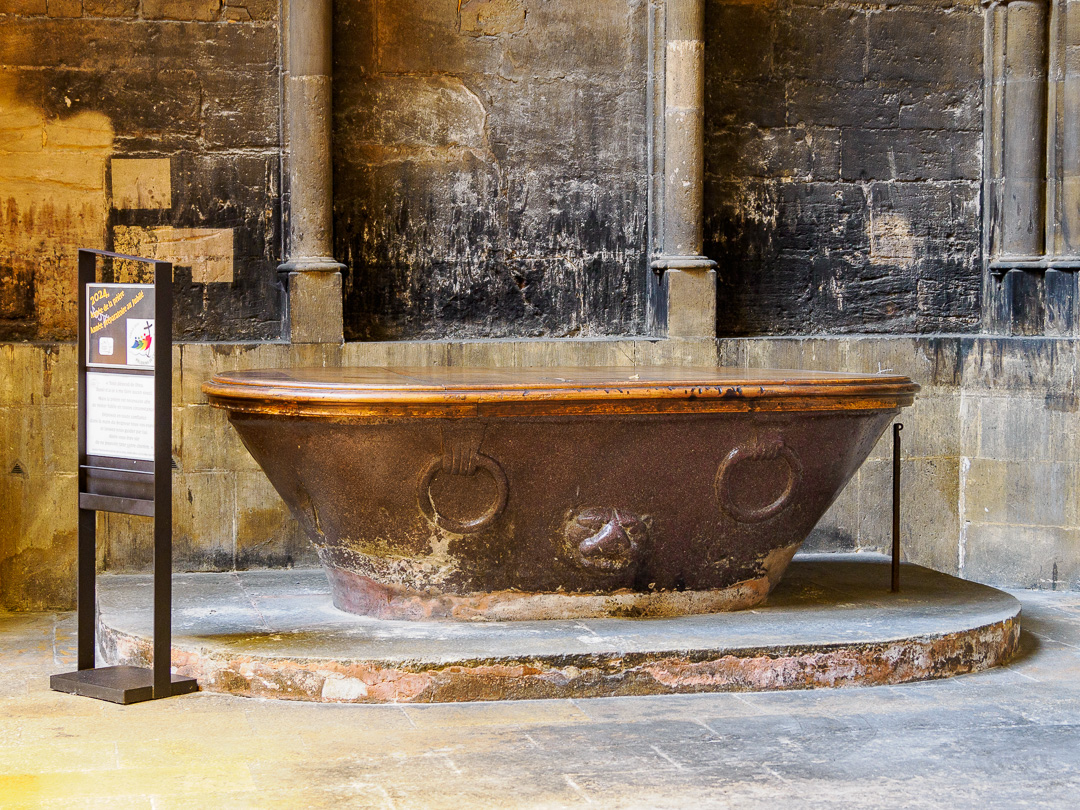
There are many fine animal-shaped gargoyles on the cathedral. The baptismal font (below right) is a genuine Roman bathtub in Egyptian porphyry dating back to the 2nd or 3rd century.
Tomorrow we head further south east, to a city called Colmar in the Grand Est Region of NW France.
 "See-u-Later"