
Saturday 28th and Sunday 29th September 2025
Moving further south and east, about an hour’s drive from our last stop, we headed for the town of Saint-Rémy-de-Provence which I had looked attractive from my research online.
The Town:
Saint-Rémy-de-Provence is a picturesque, up market and chic destination for those with a few bob.
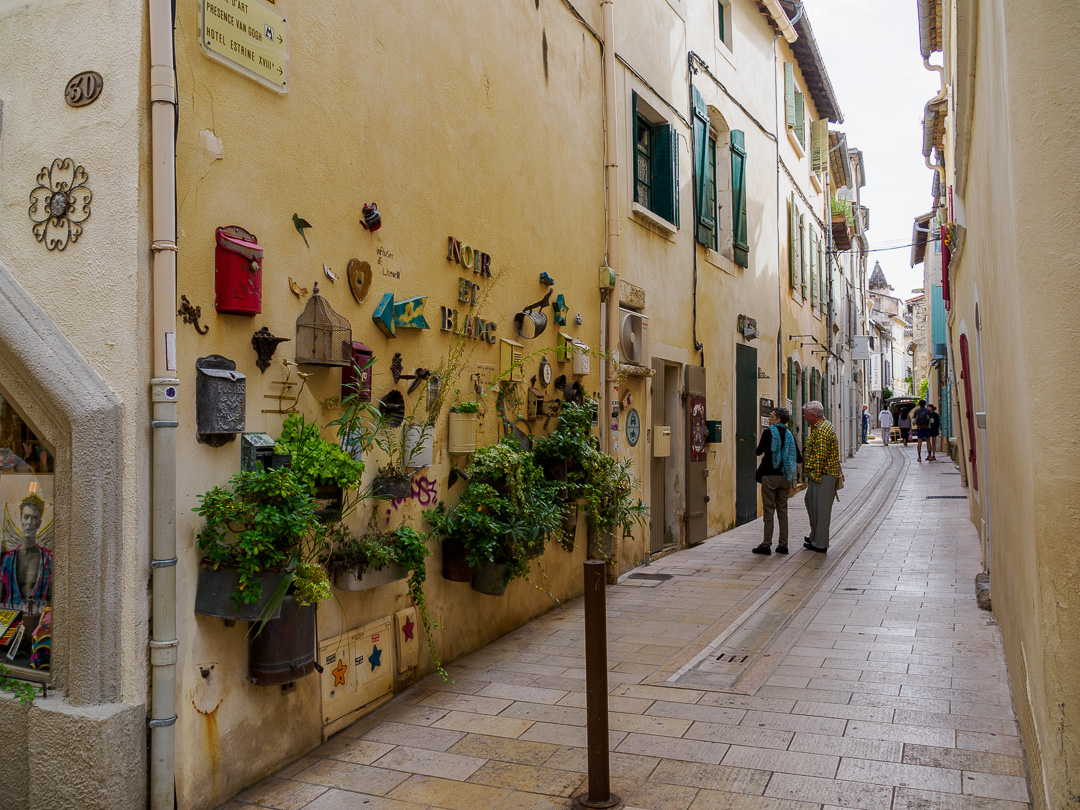
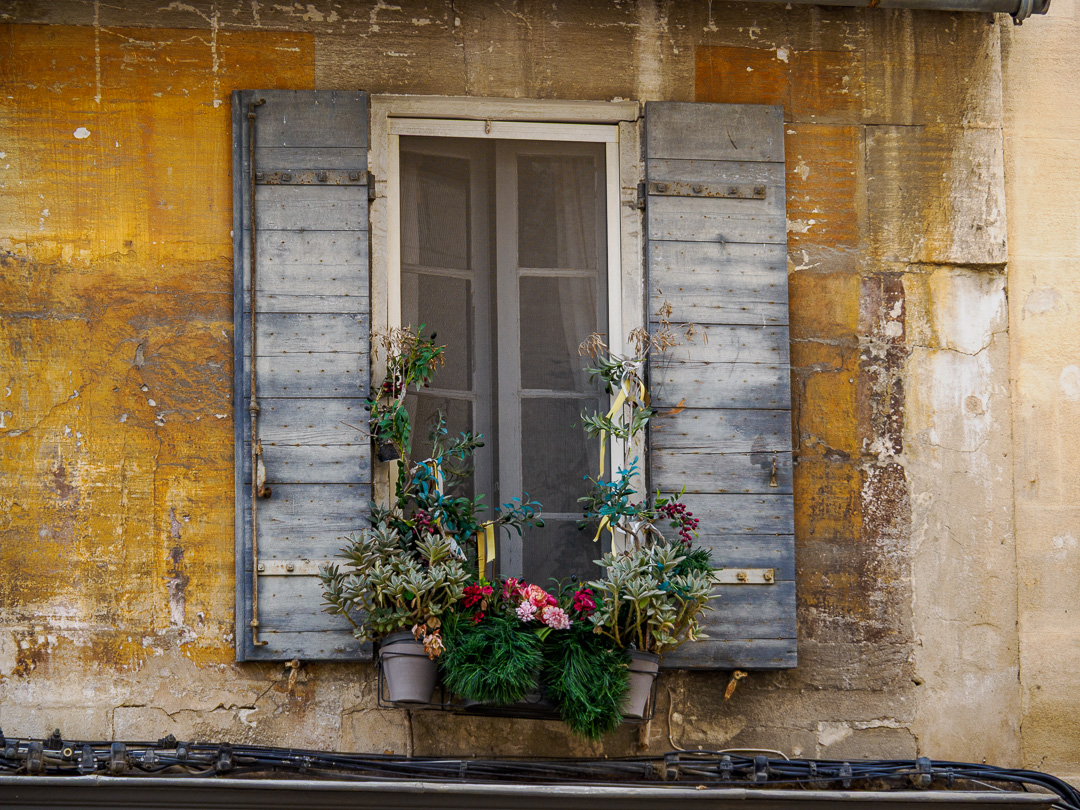


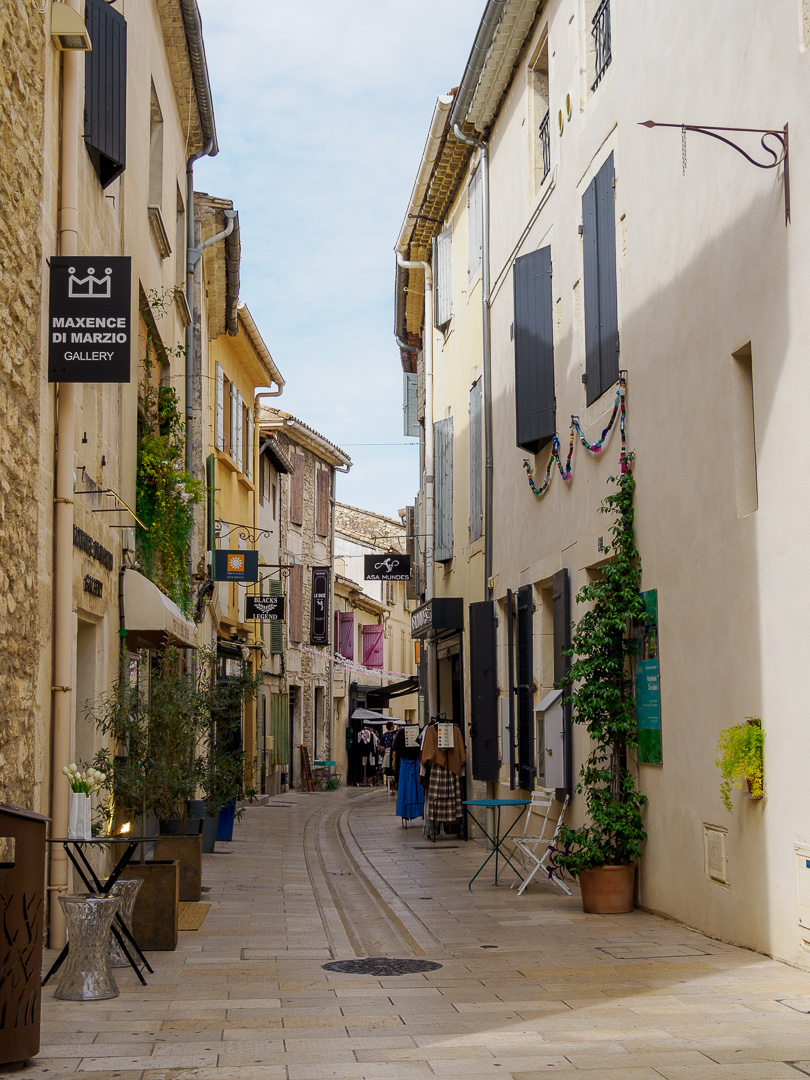
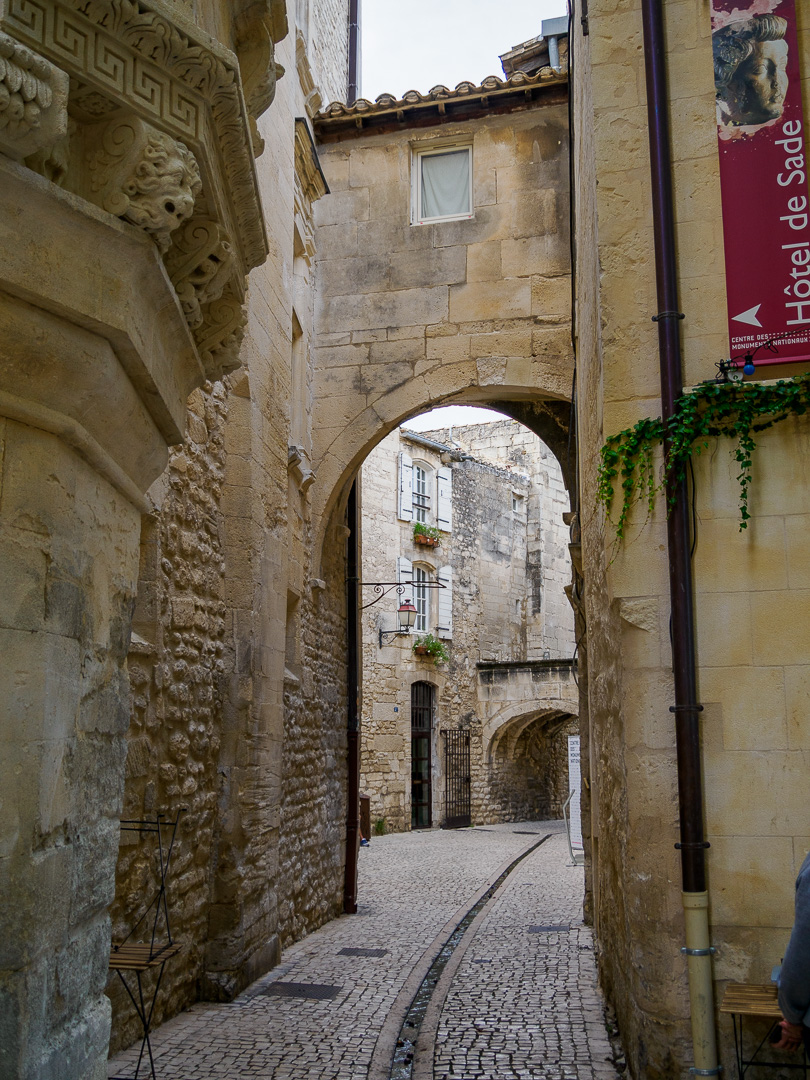
There are many old buildings of medieval origin with “lifestyle” oriented shops, selling original art at huge prices. The whole town has a wealthy air to it. Fair to say, it is thriving.
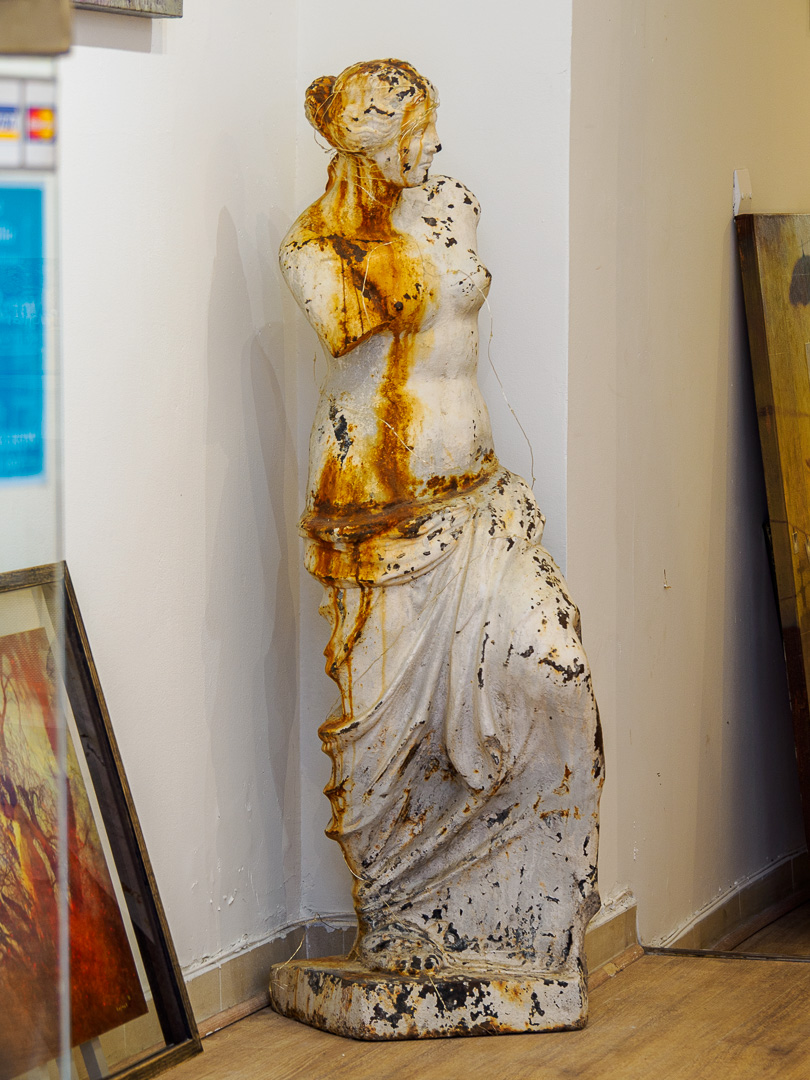
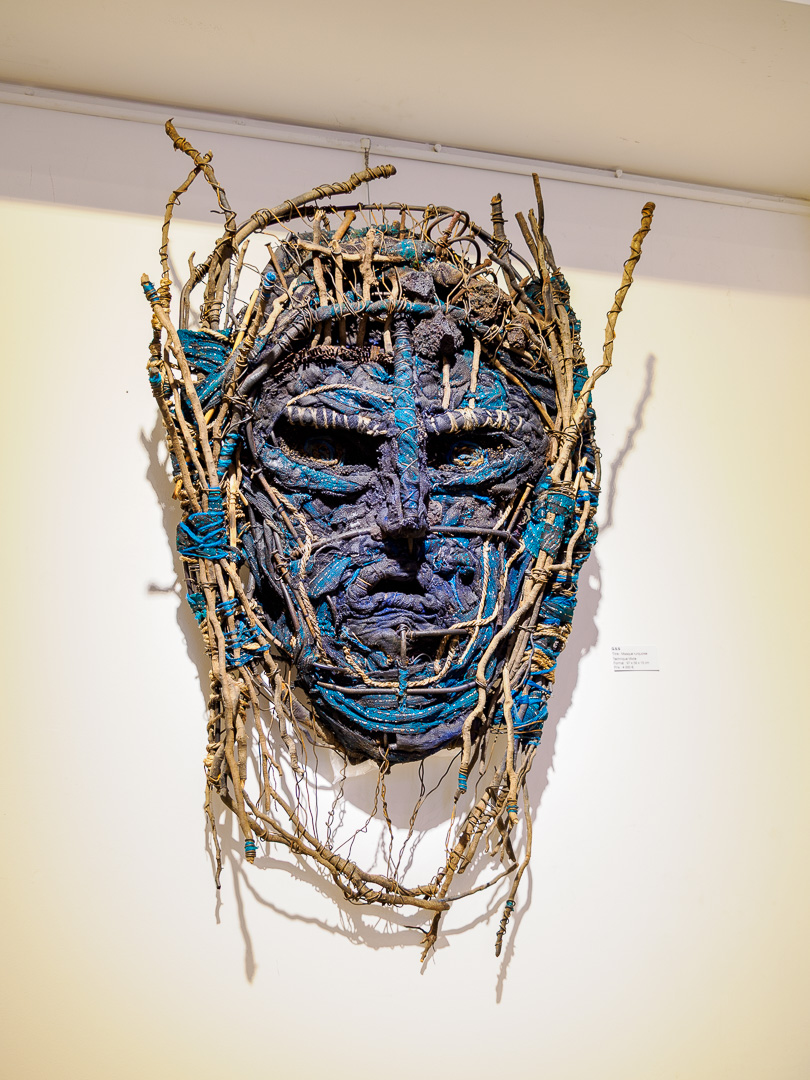
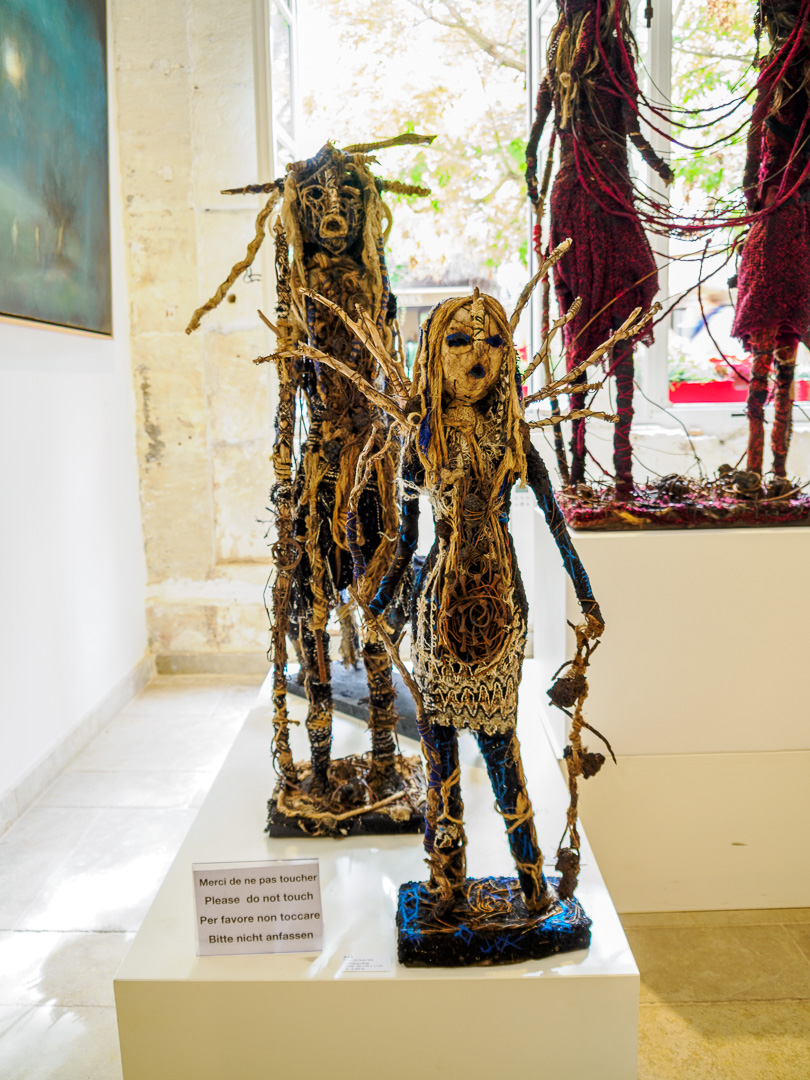
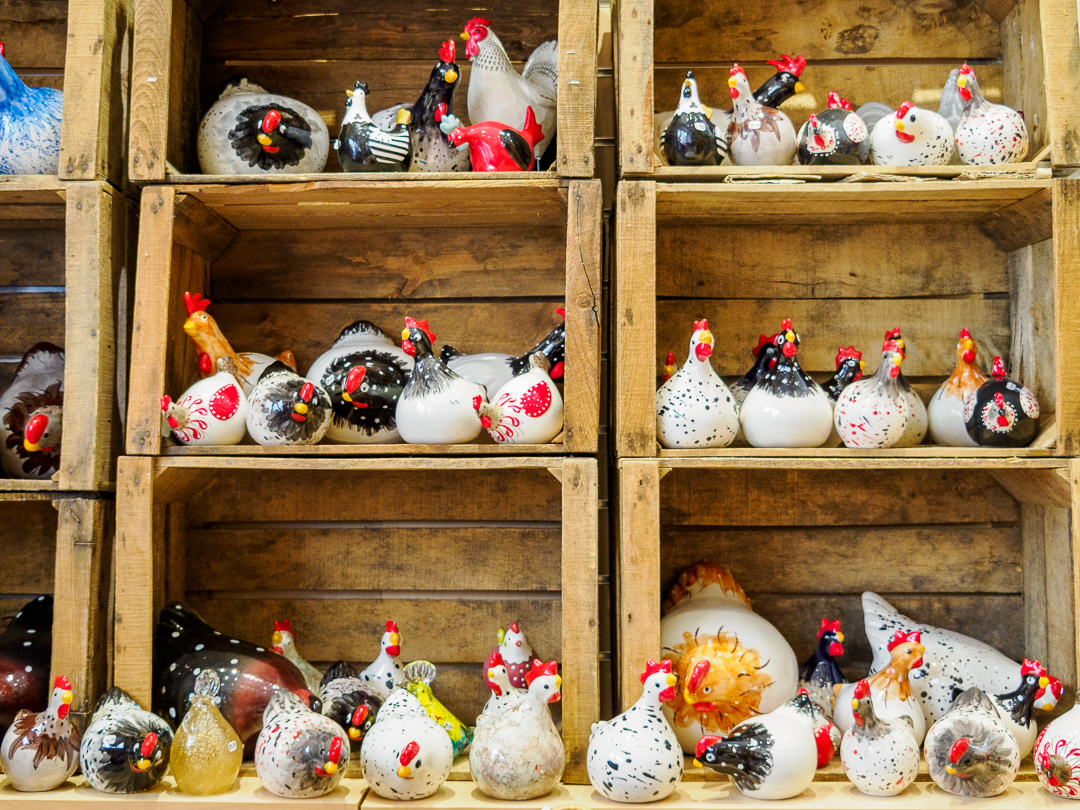
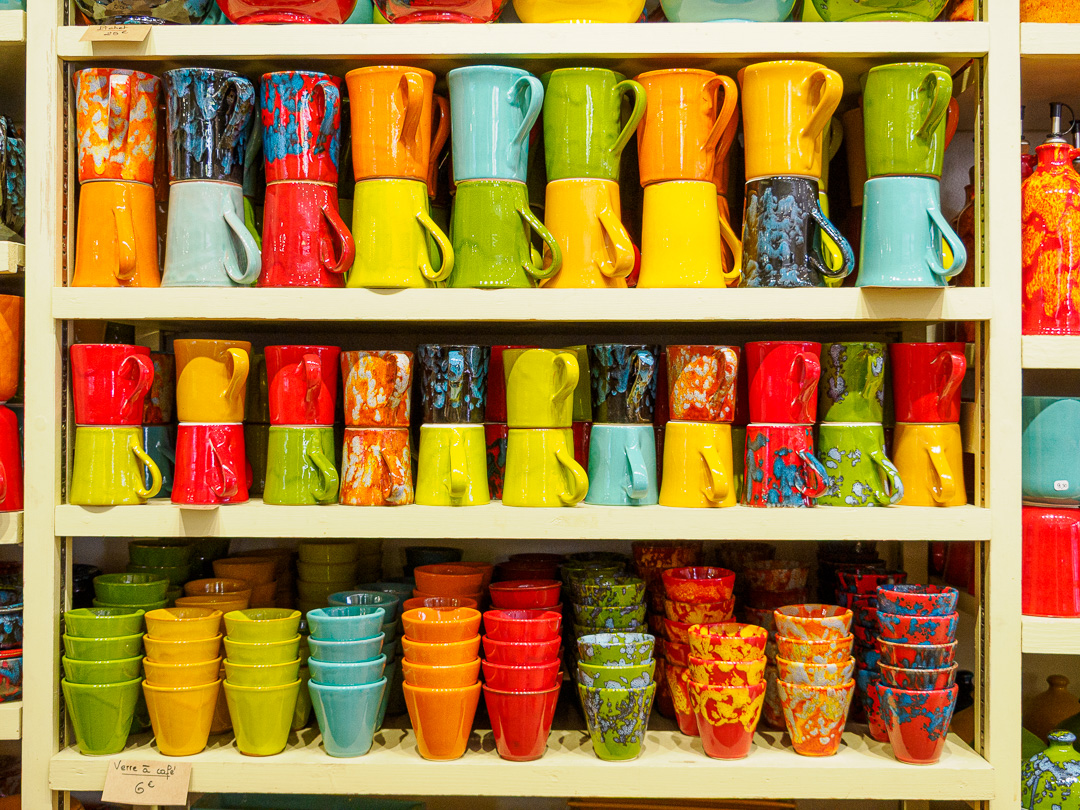
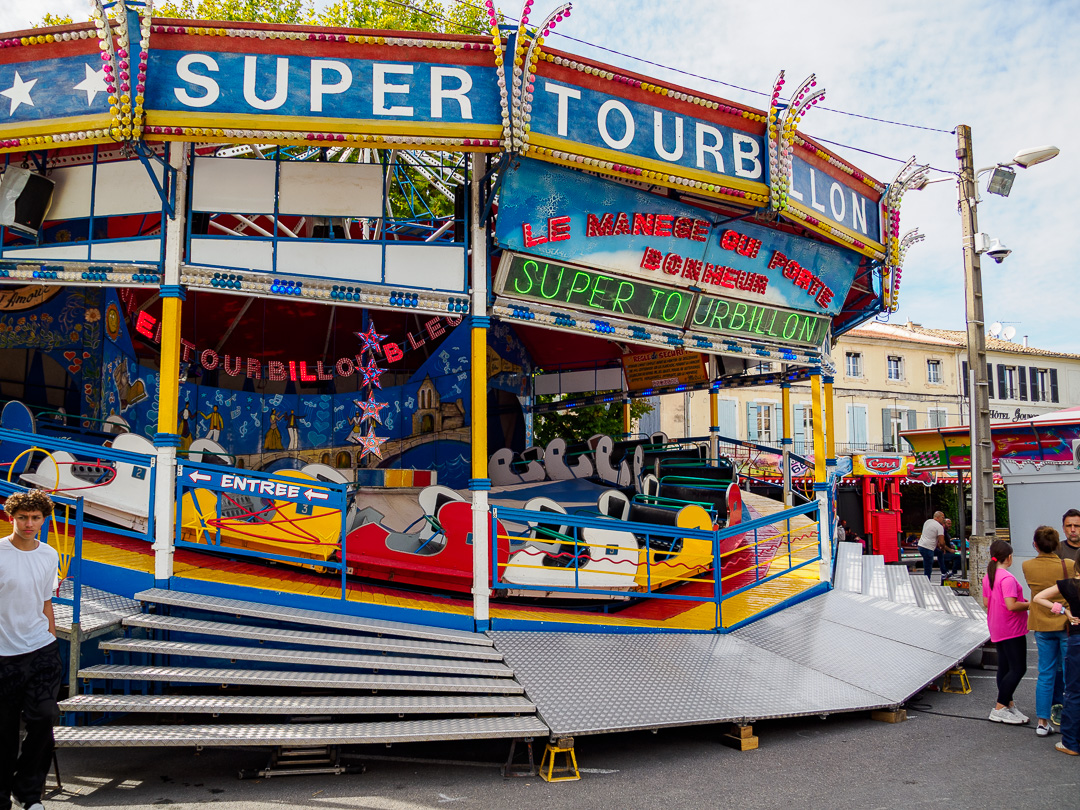
The centre was very busy as there was a fête being held there, with loud music and fairground rides, but more of this below.
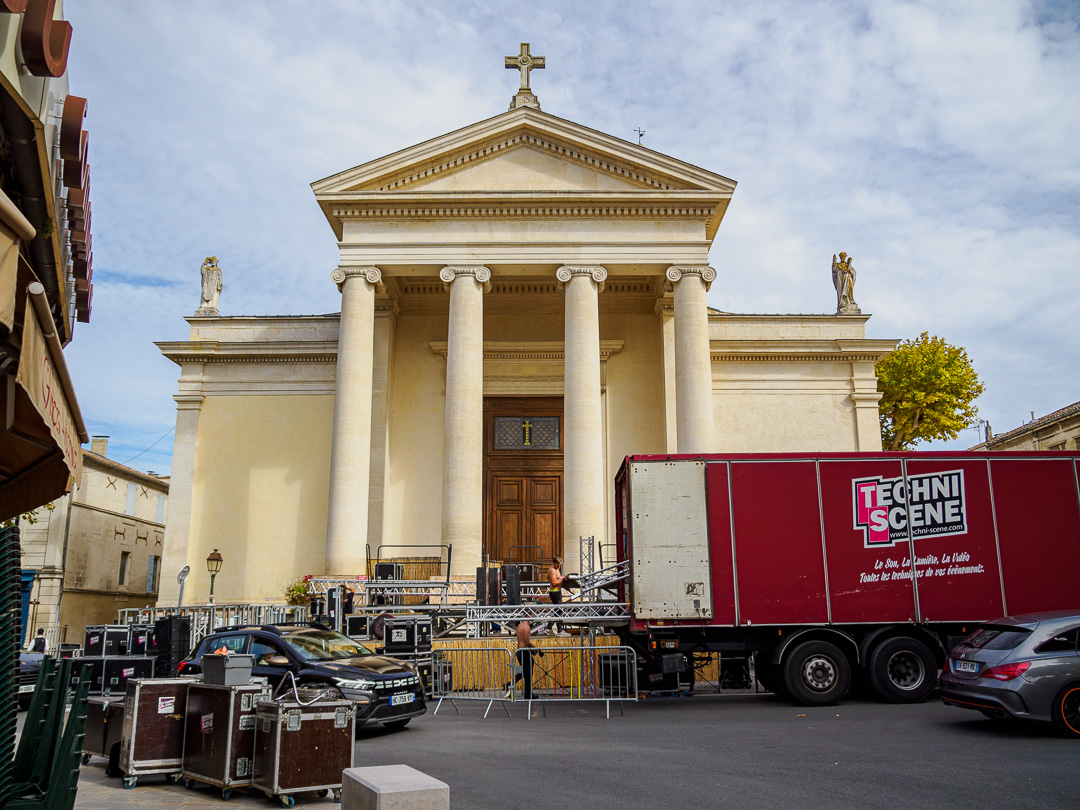
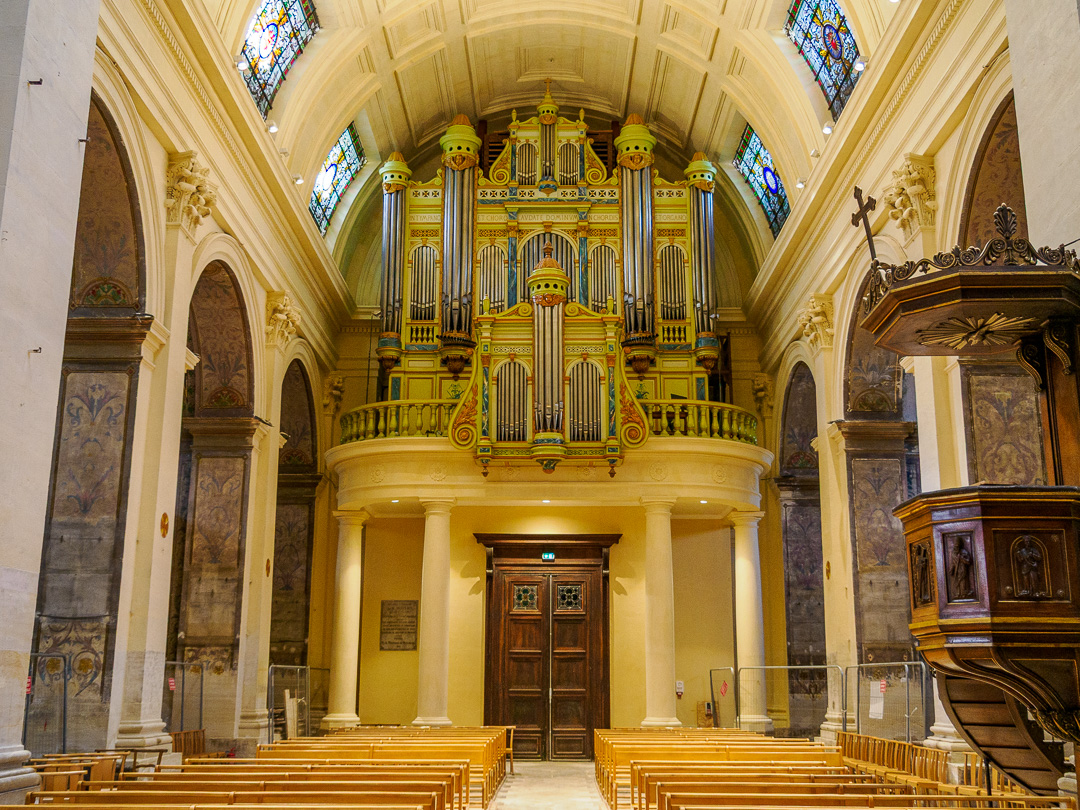
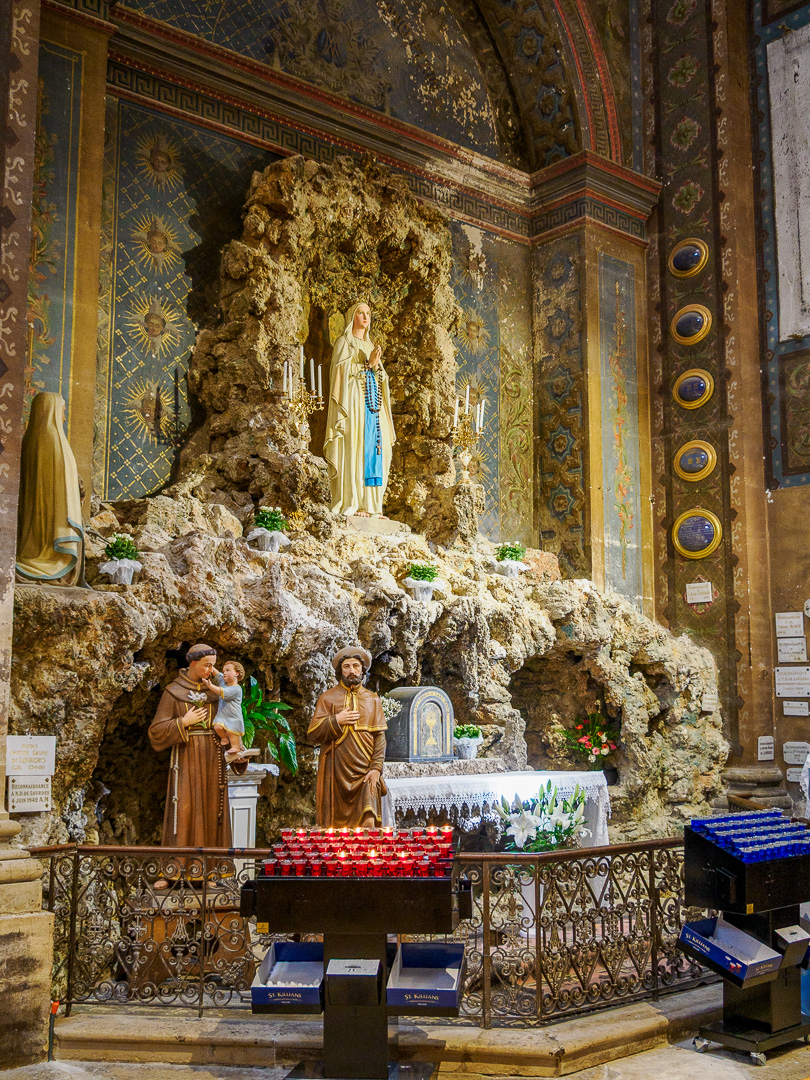
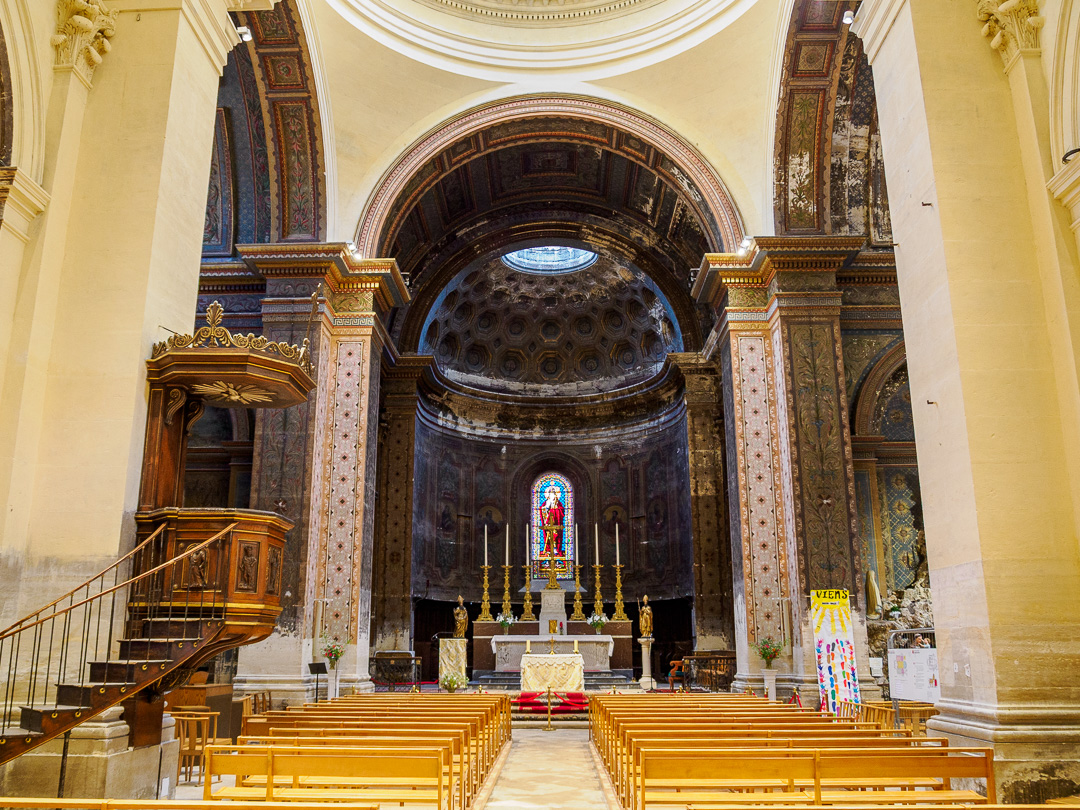
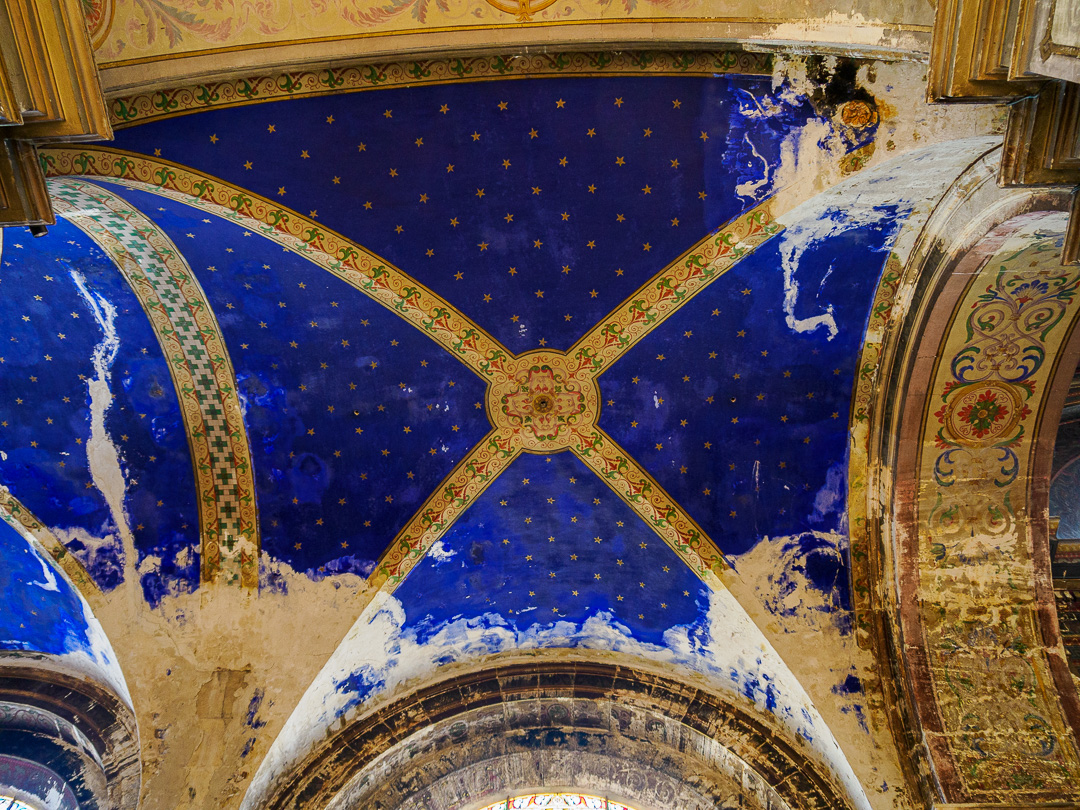
Escaping the high-activity hubbub we had a quick look inside the church, which seemed to be undergoing some restoration:
The Feria:
Unknown to us when we arrived, the town was about to hold a feria, or bullfight. Apparently French bullfights are not normally brutal affairs leading to the death of the bull, but the participants compete to retrieve trophies from the horns of the bull in an arena. We did not attend this event, however.
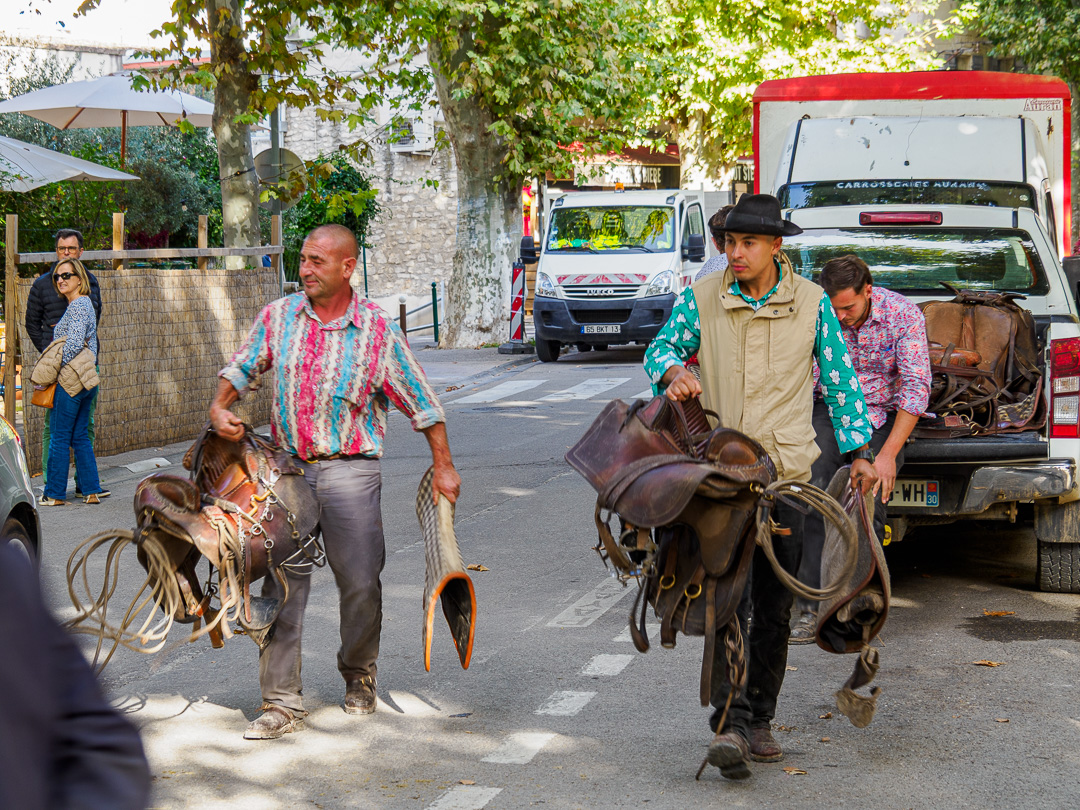
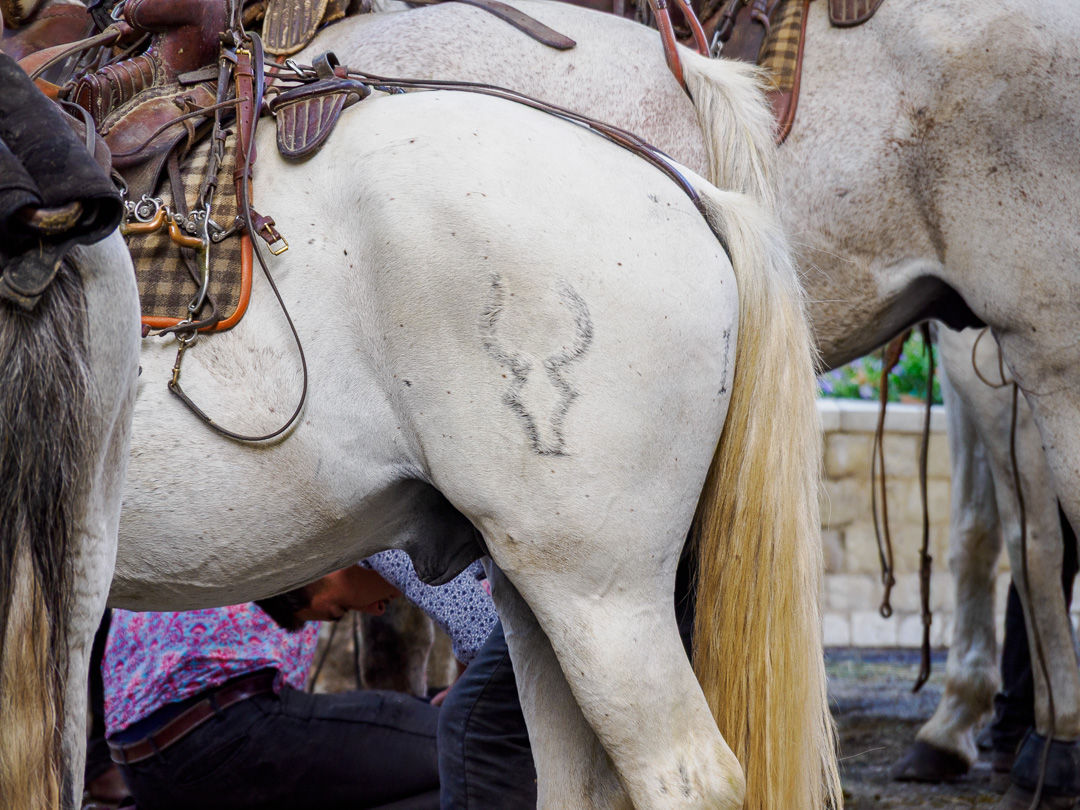
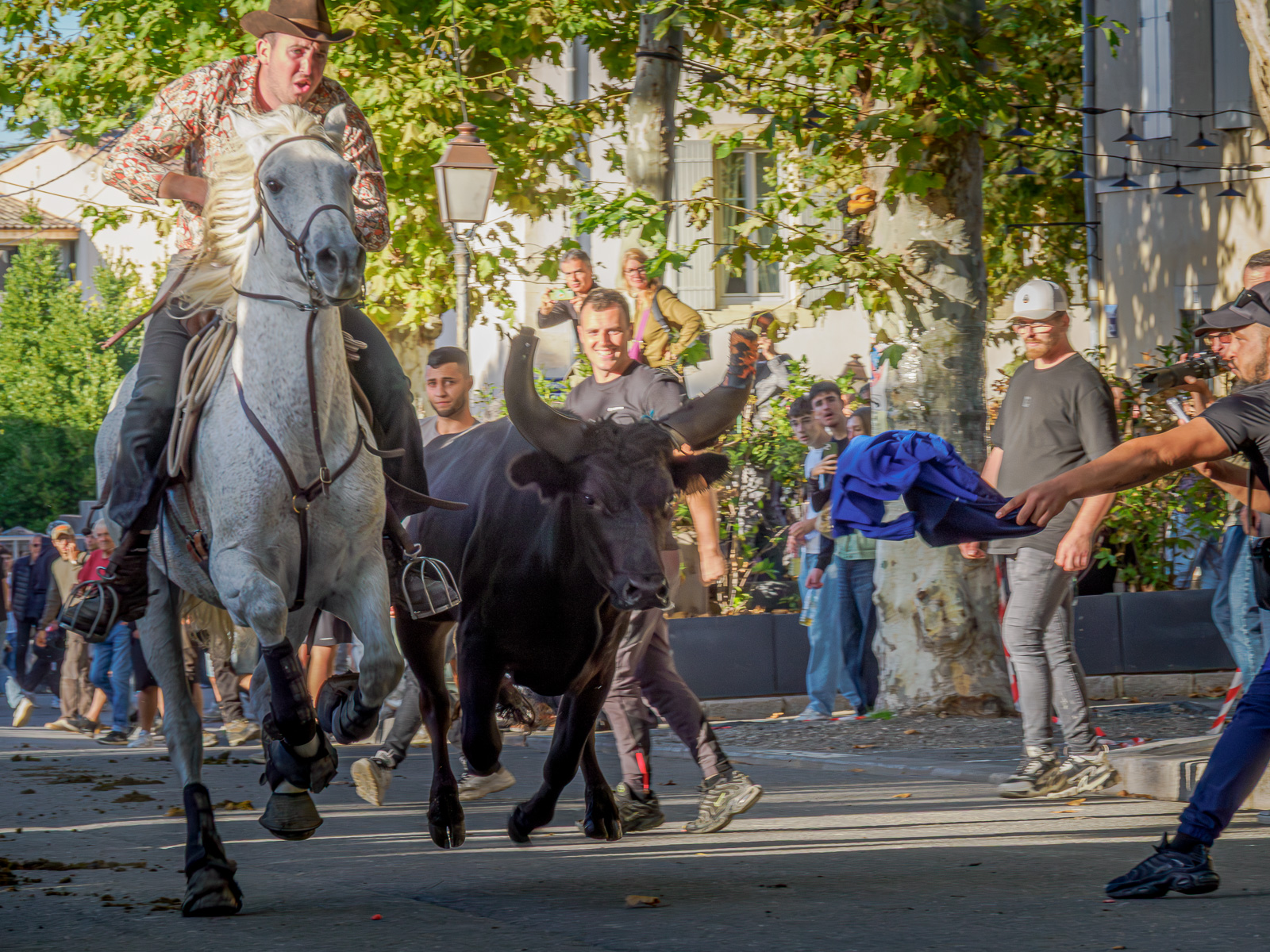
We were wandering around the town centre in the early evening, when it became apparent that something was happening. We saw a poster, then noticed strong gates being put into position in places along the streets.
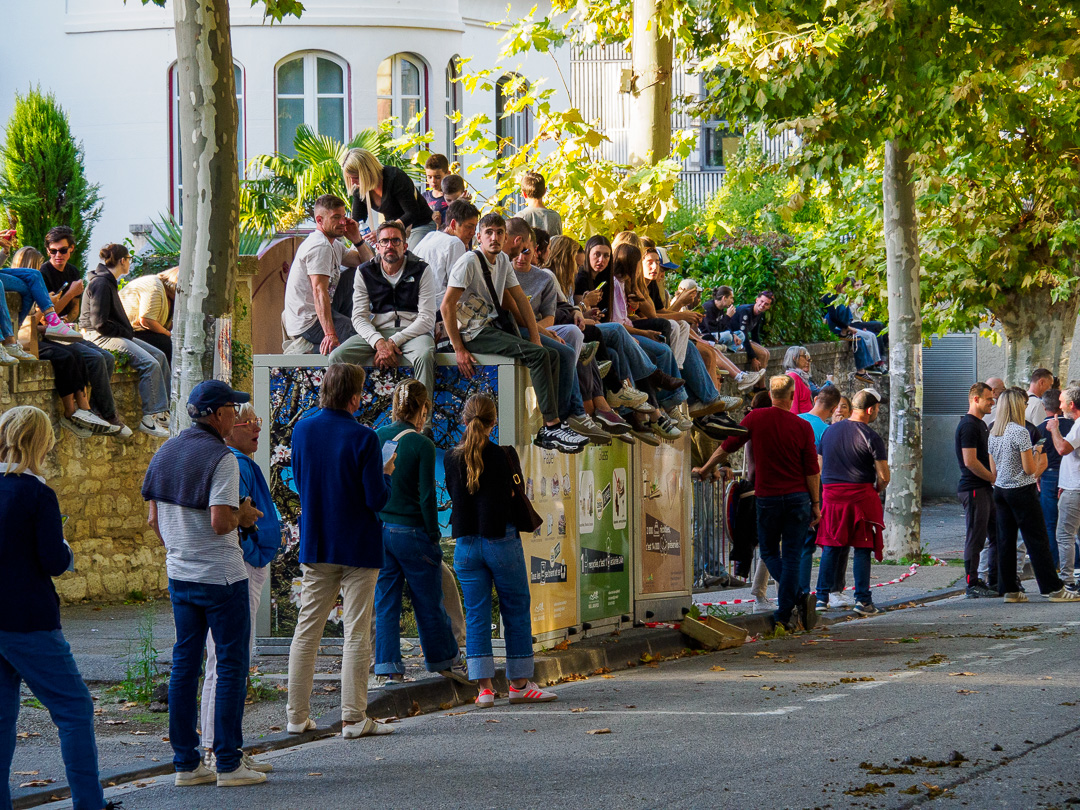

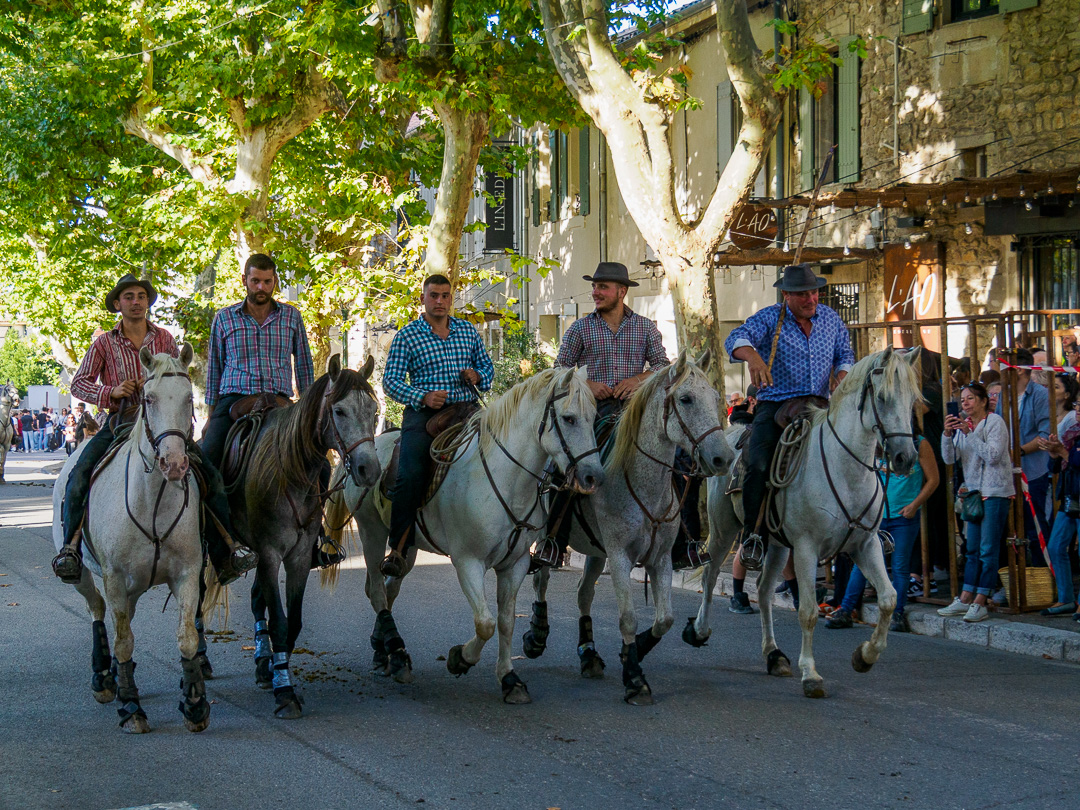
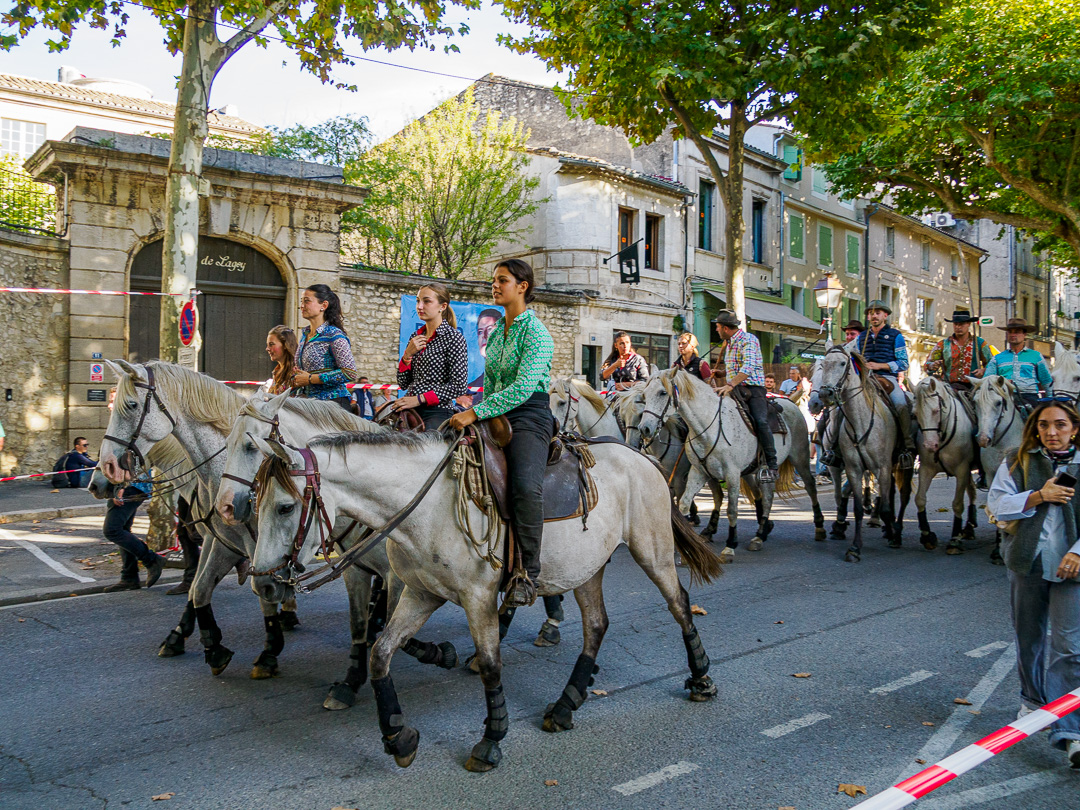
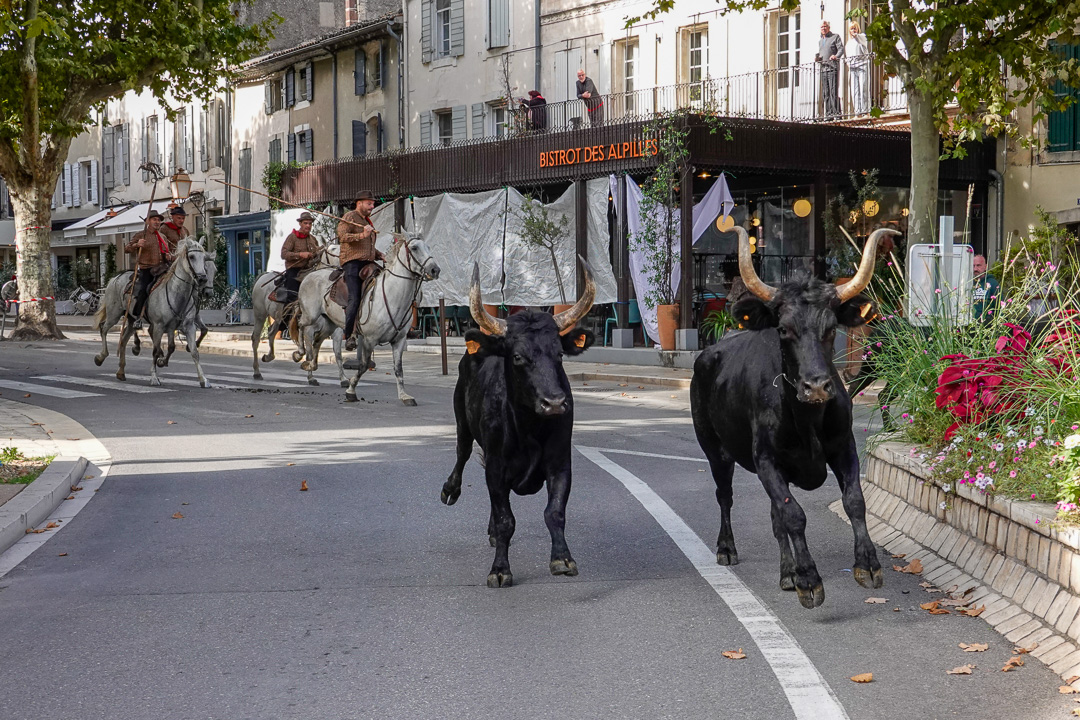
What was about to happen, was a “bull-run”, where young bulls are taken through the streets by horse-riders. I definitely do not approve of such activities, but stayed to watch.
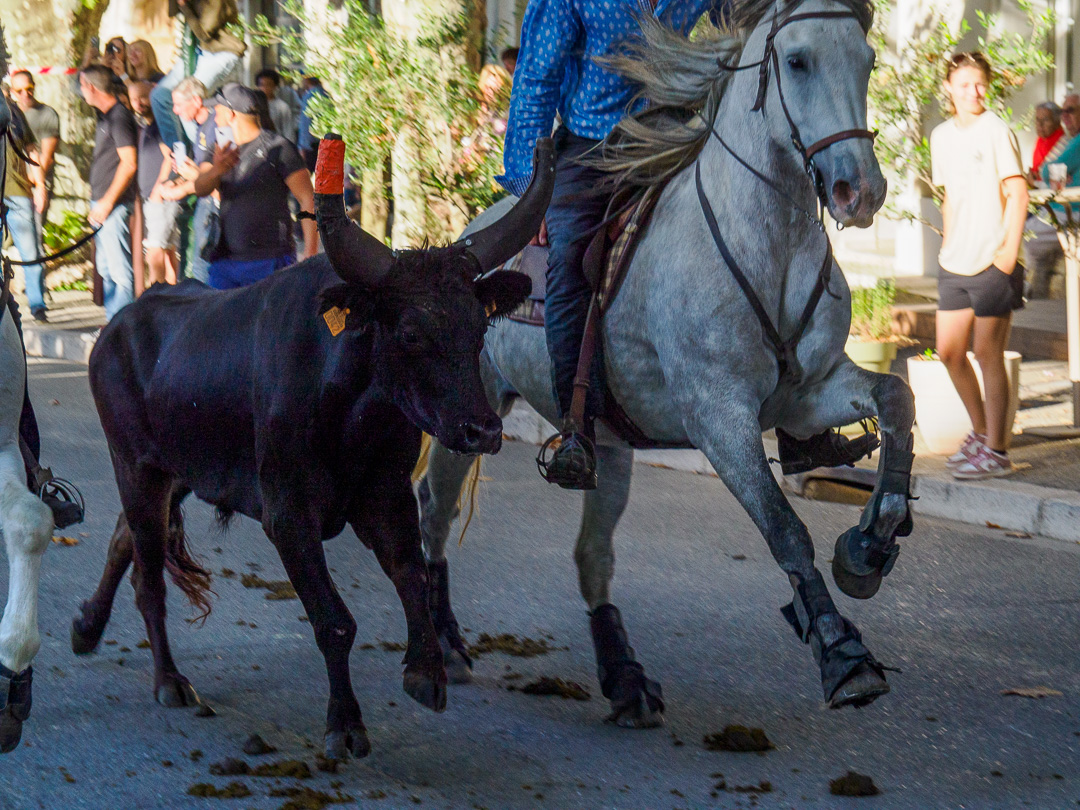

Local young men, filled with bravado (possibly the liquid sort), run after the bulls and try to stop them, grabbing their horns. None were successful but some had a really good attempt.
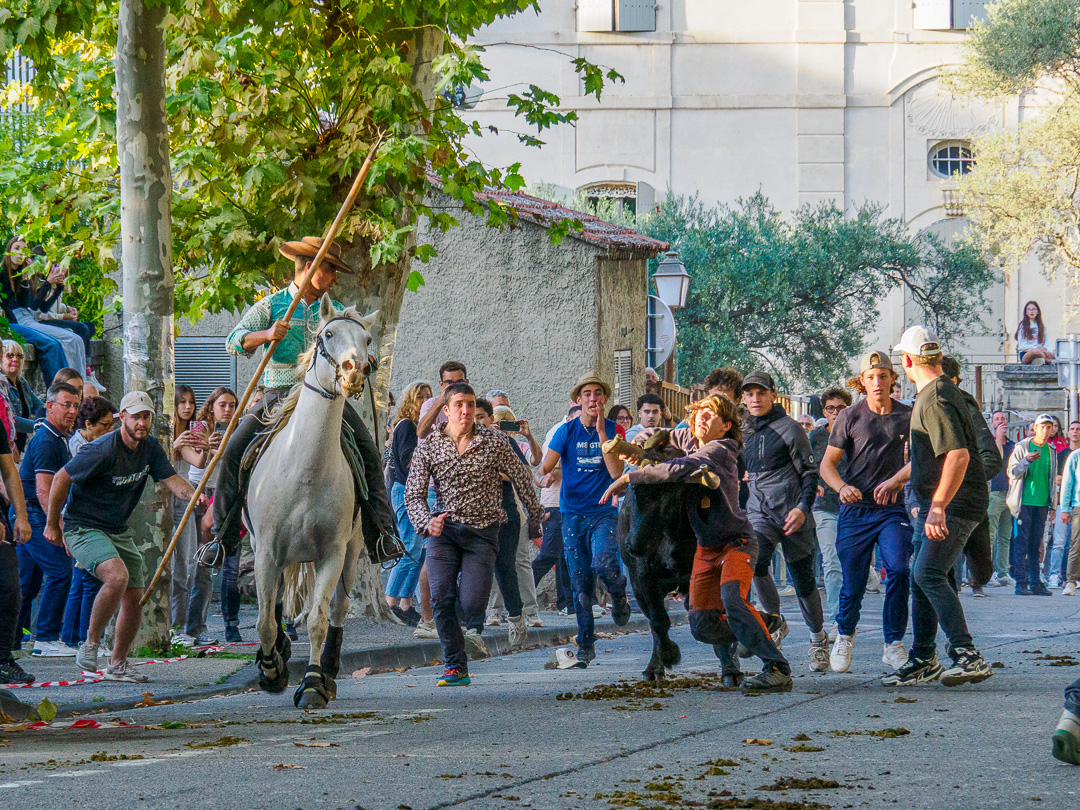
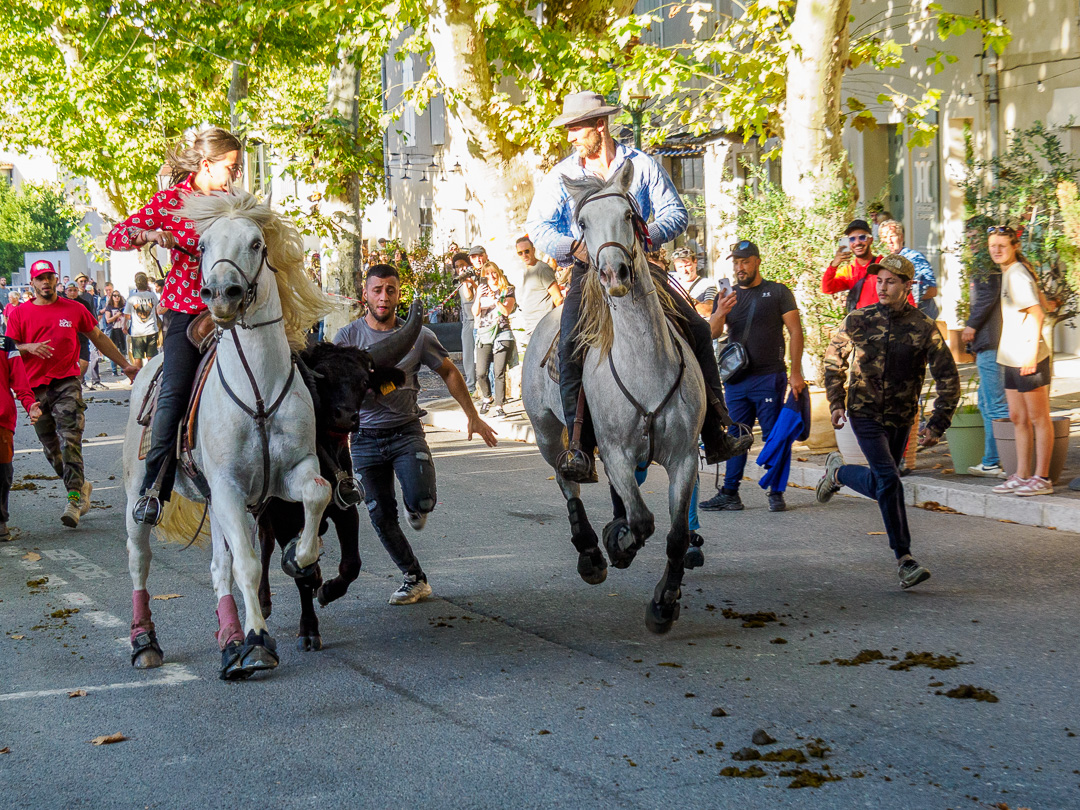
On Sunday morning there was a larger run, with six bulls and six riders, over a longer circuit of the town, but we were unable to get close. Alison managed to get a couple of good photos though:

Monastery of Saint-Paul de Mausole:
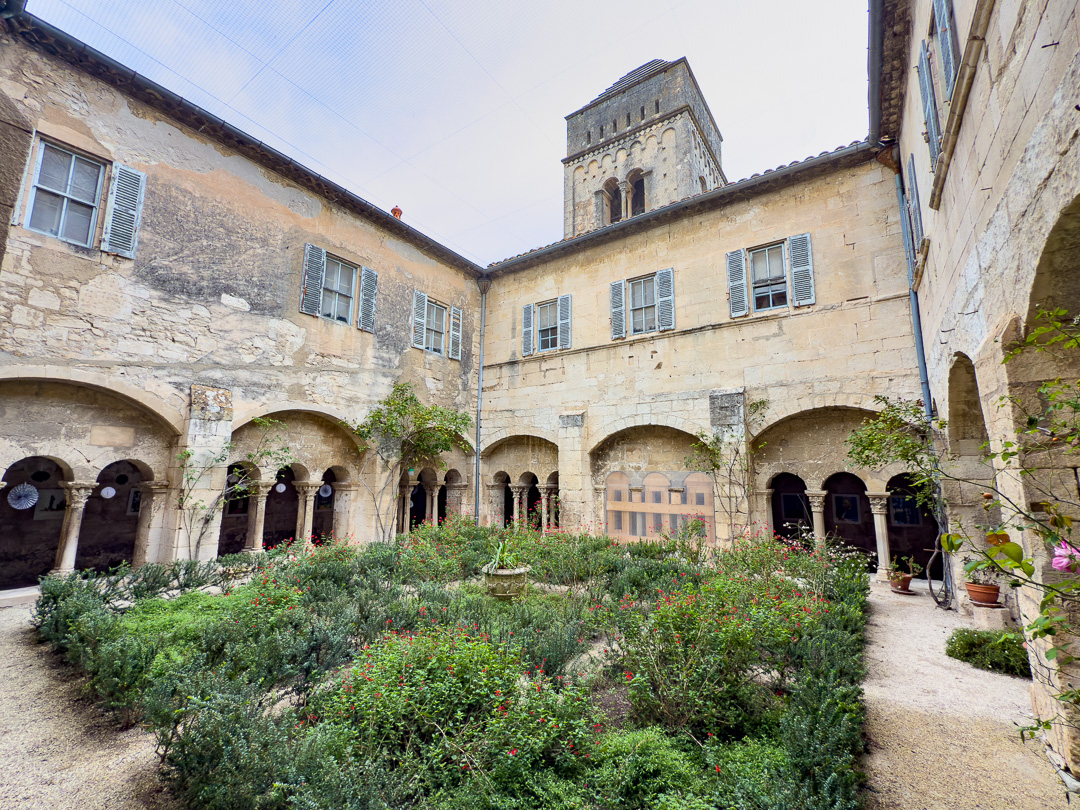
The Monastery of Saint-Paul de Mausole is an 11th century Benedictine monastery. Since the year 1605, it has also been an asylum for the insane and the destitute.
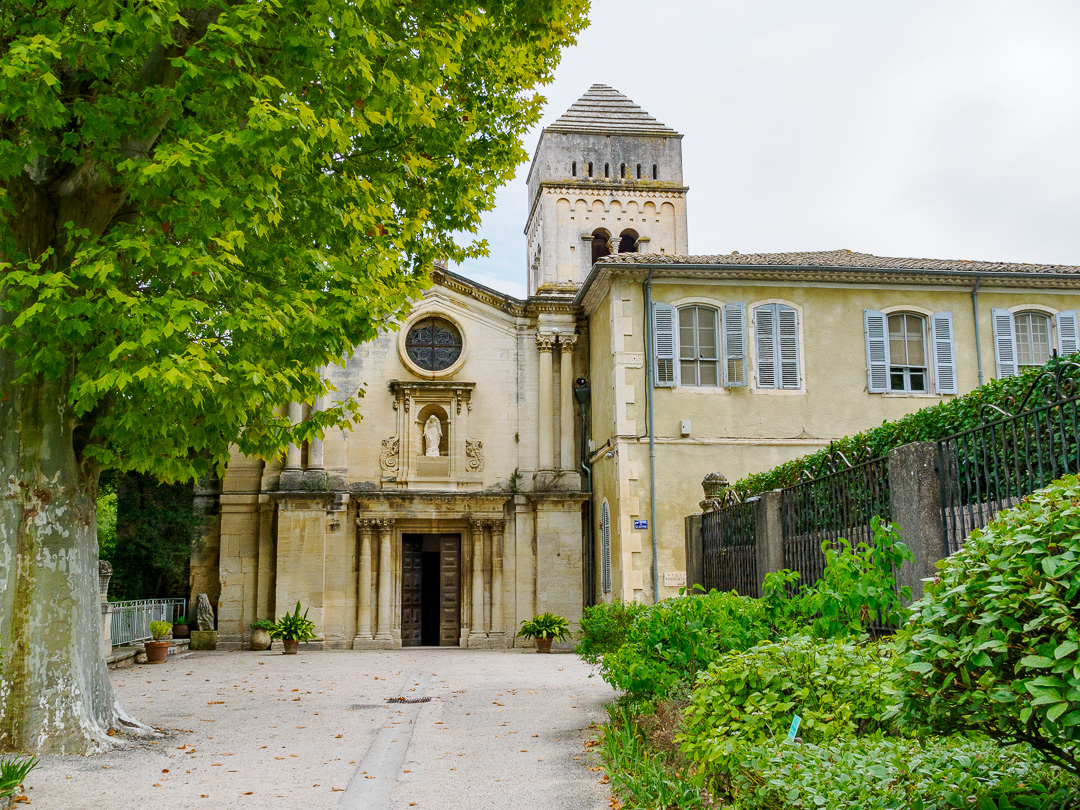
The monastery is billed as being a museum about Vincent Van Gogh who voluntarily admitted himself there after mutilating his left ear.

Whilst staying there, he had a room to himself, funded by his brother. He was also allowed to paint and several of his most famous works were painted here, including “Starry Night”.

There are several rooms which are dedicated to Van Gogh, including his bedroom, and it covers in detail, what his life would have been like when he stayed there. There are many reproduced paintings of his, on display.

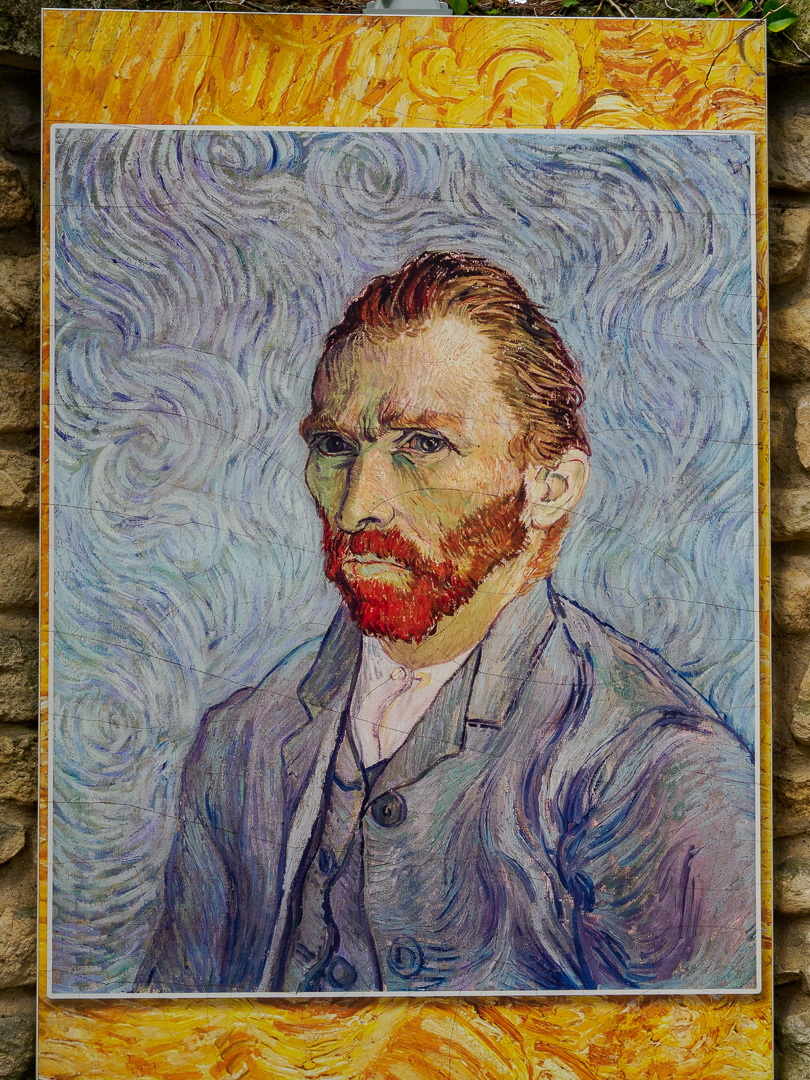
Information is displayed about the range of, mainly physical, treatment administered to patients of the asylum. At the time, there was a belief that illnesses of the mind could be cured by physical means, so treatments such as suspension in a harness or being plunged into ice-cold baths, were administered.
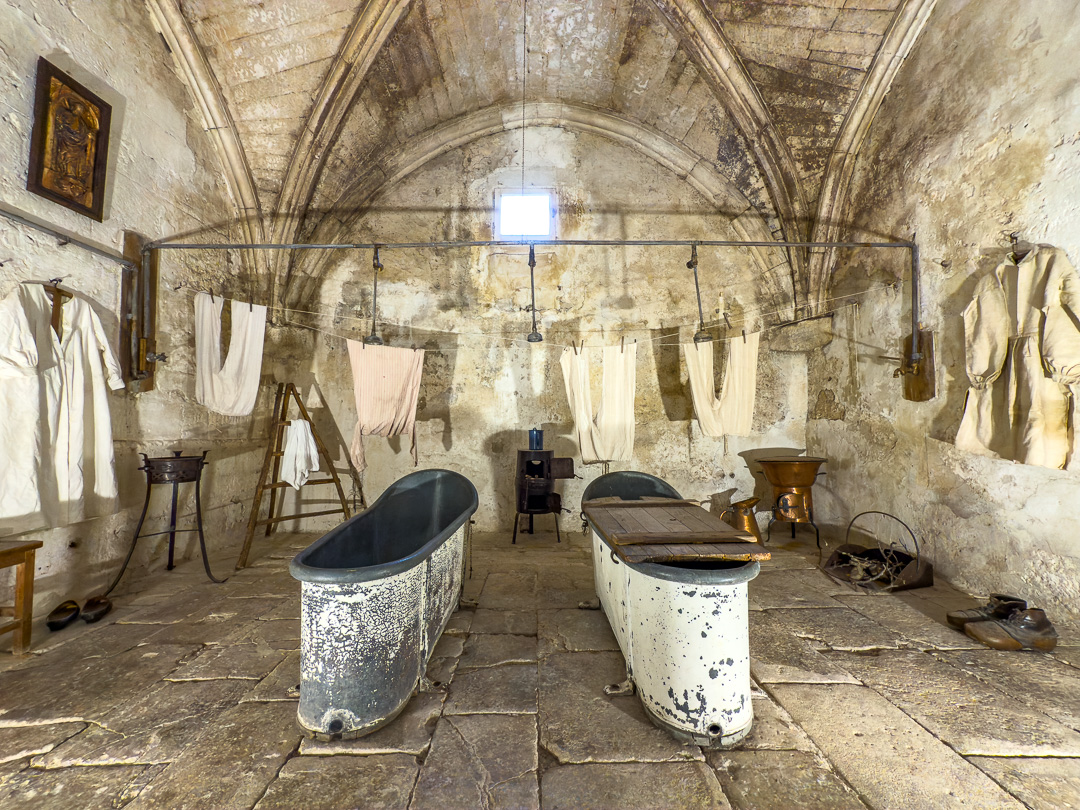
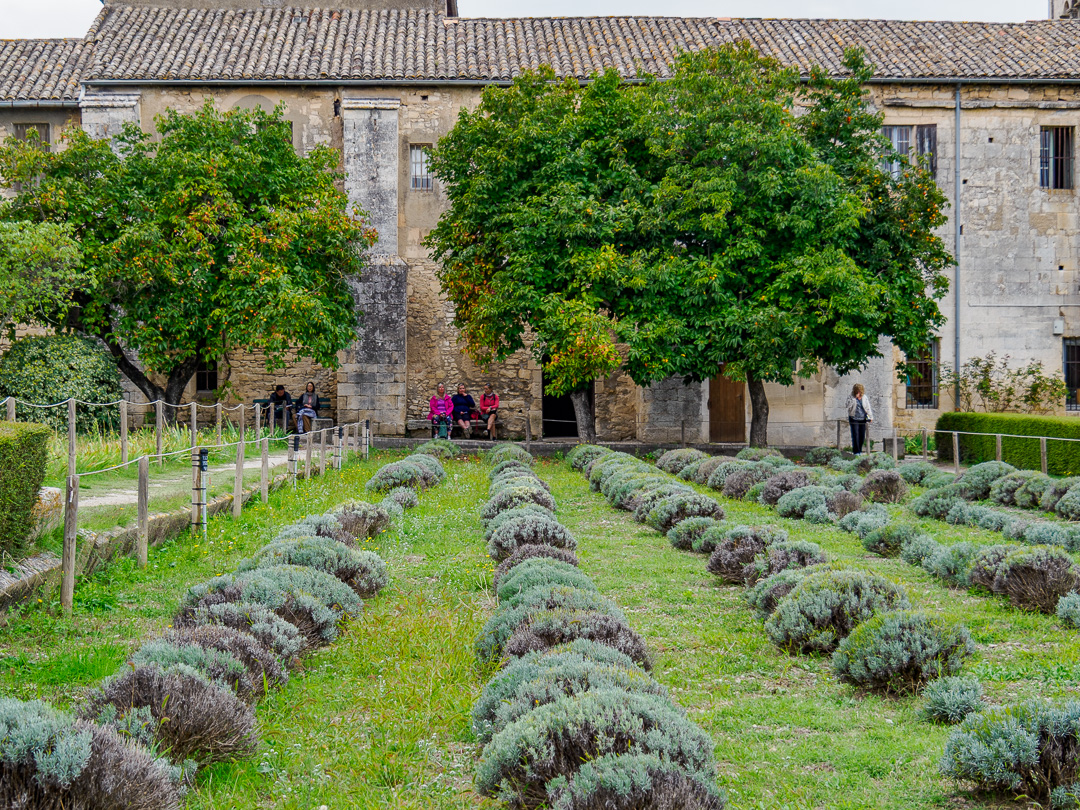
The monastery building is interesting in its own right:
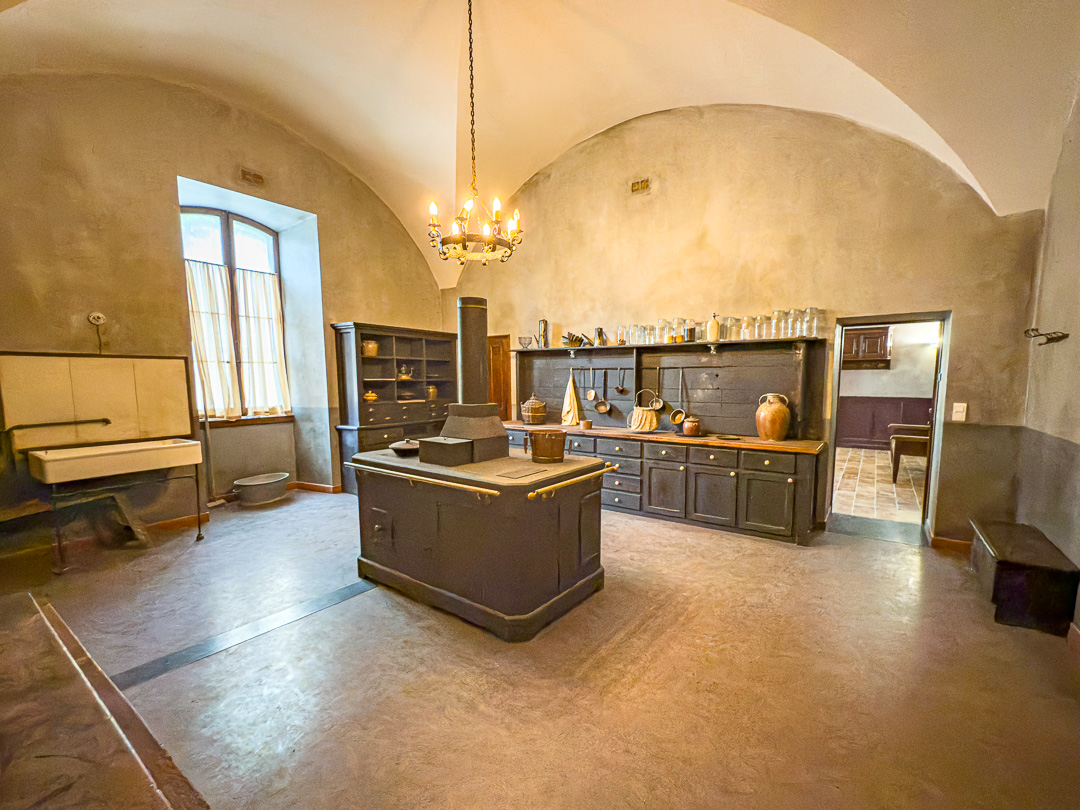
There is a difference in the way that visitors were shown and the areas in which patients/inmates were accommodated, but to be fair, the conditions did not seem too bad (apart from the physical treatments, of course)
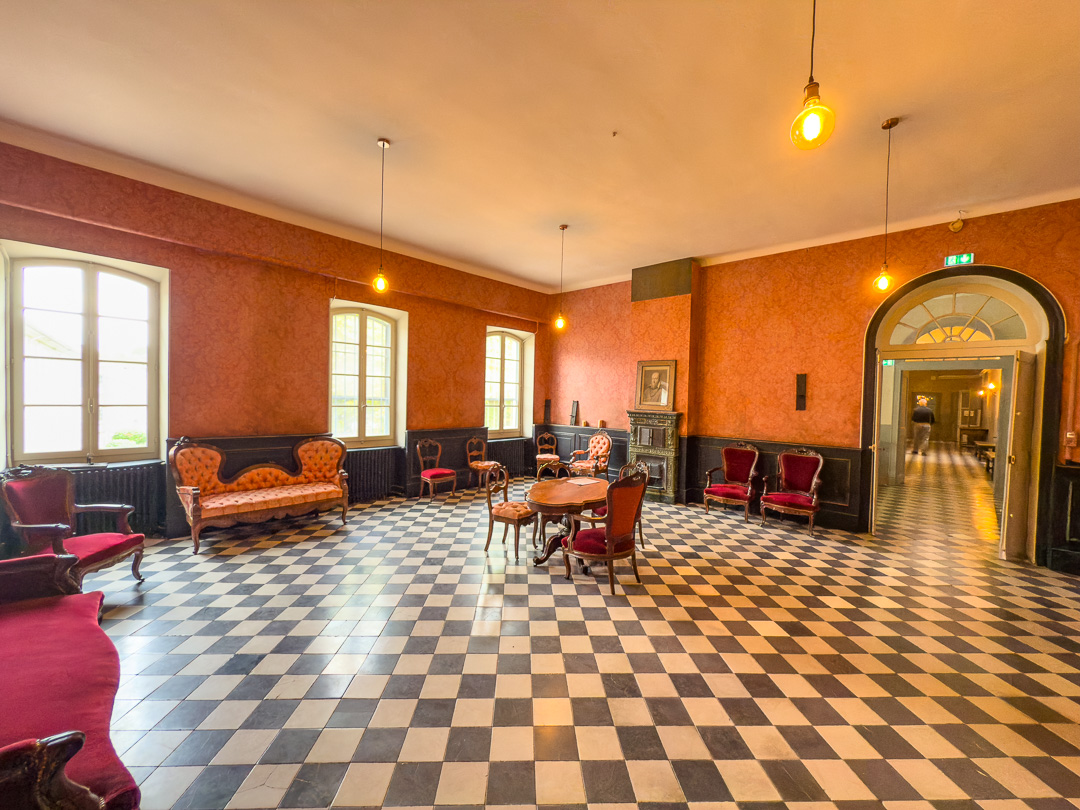

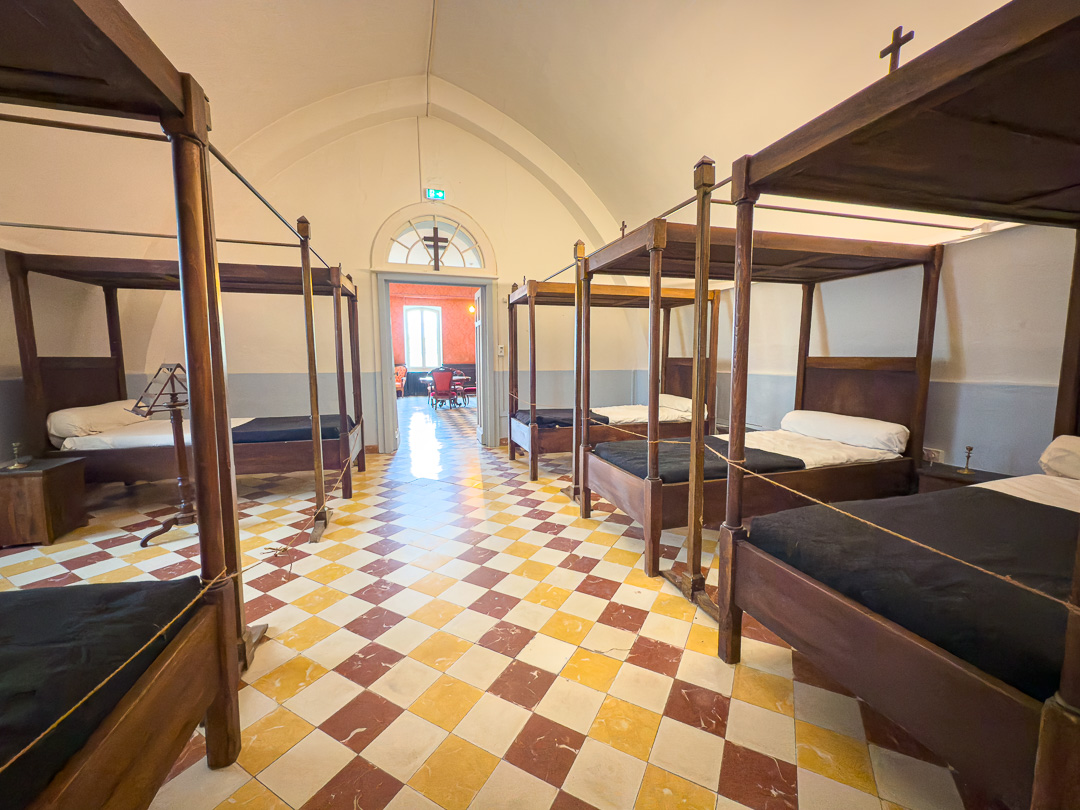
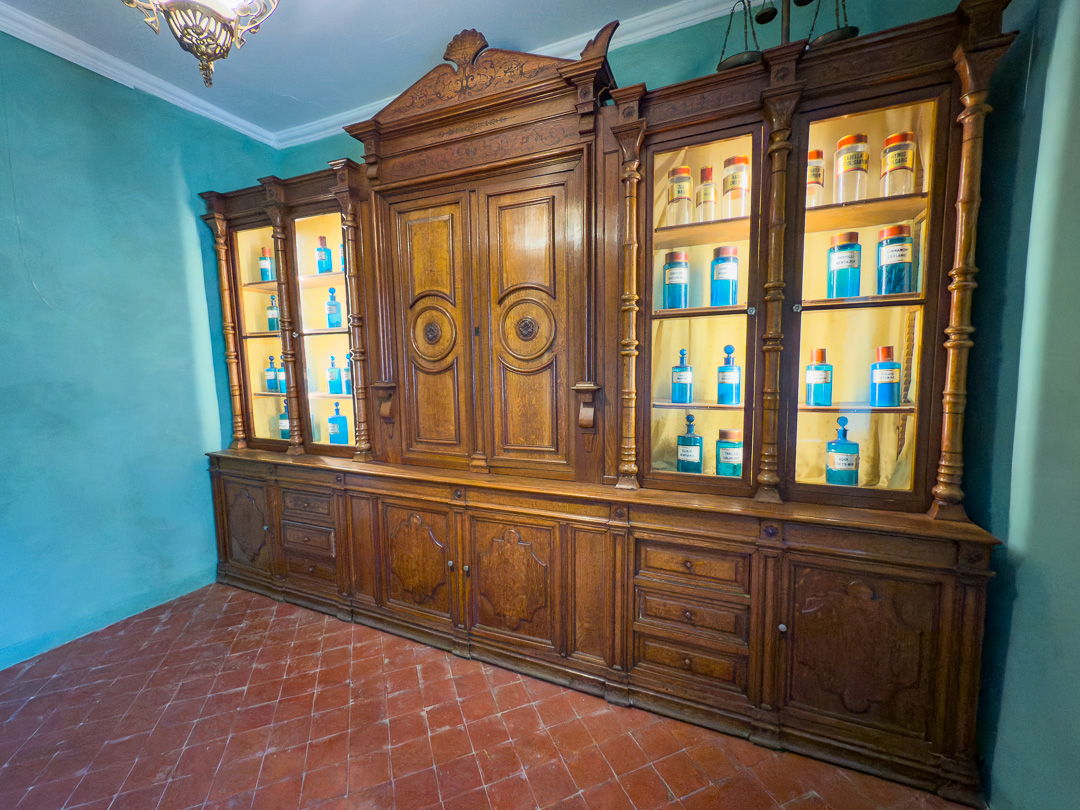
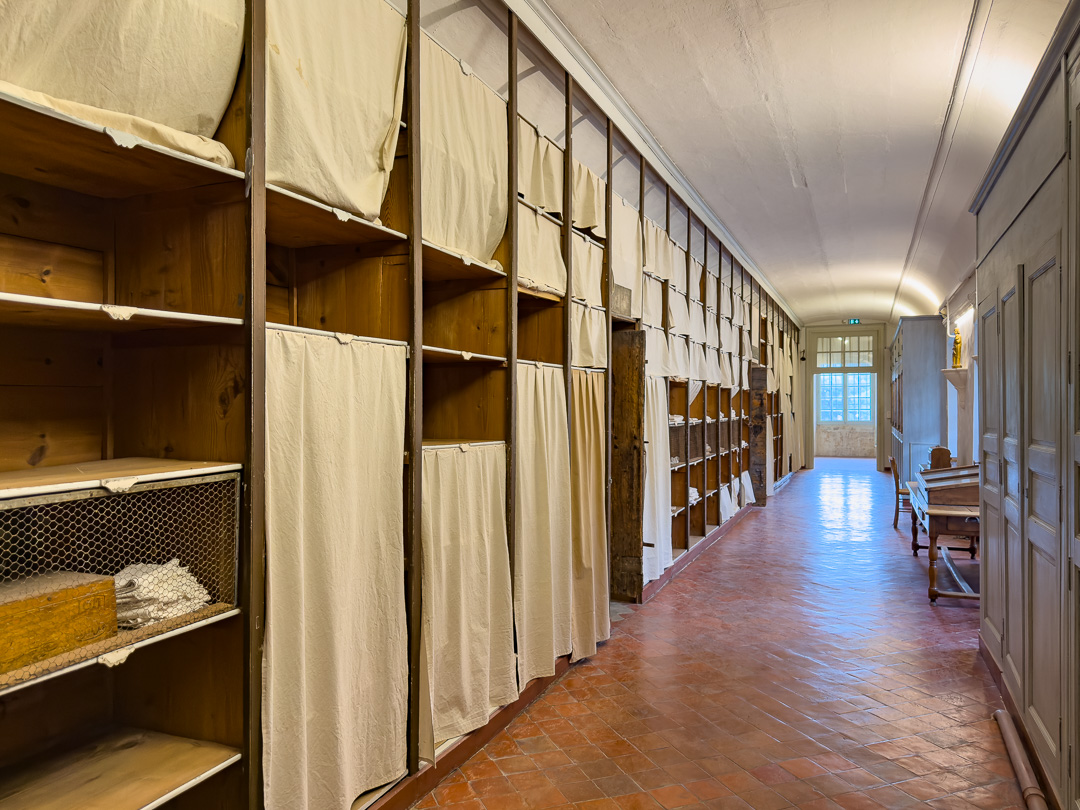
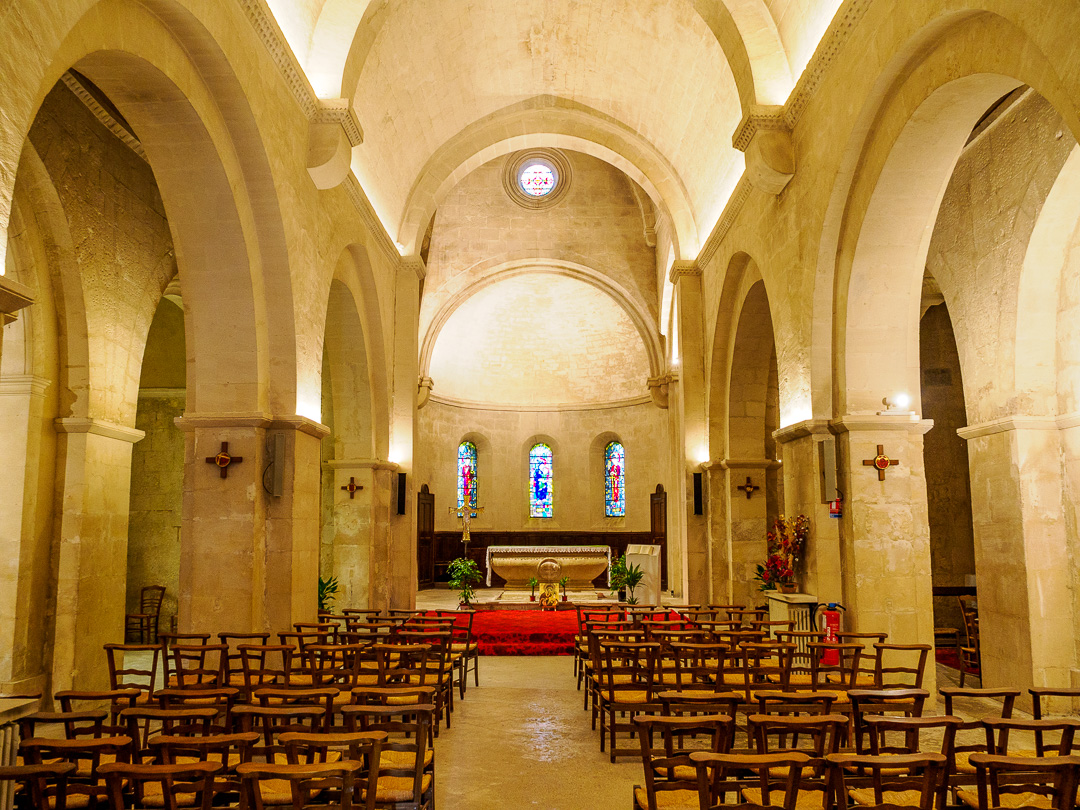
Of course, being a religious institution, there are associated areas:


Glanum Roman Town:
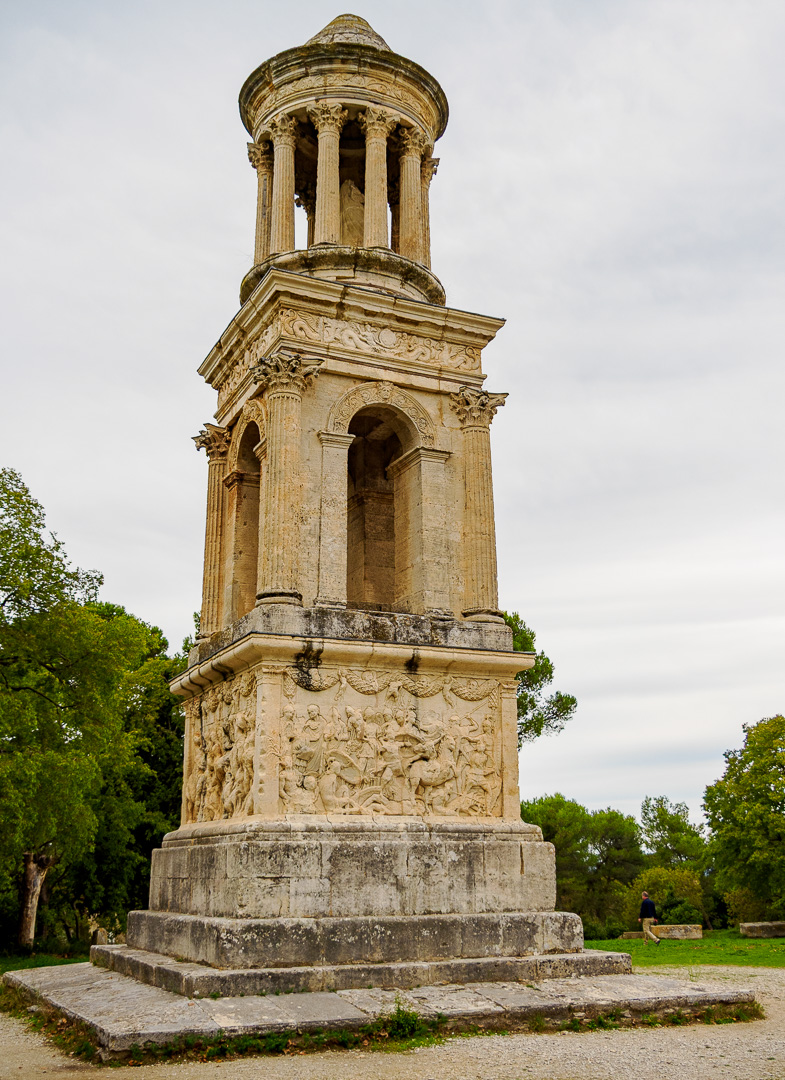
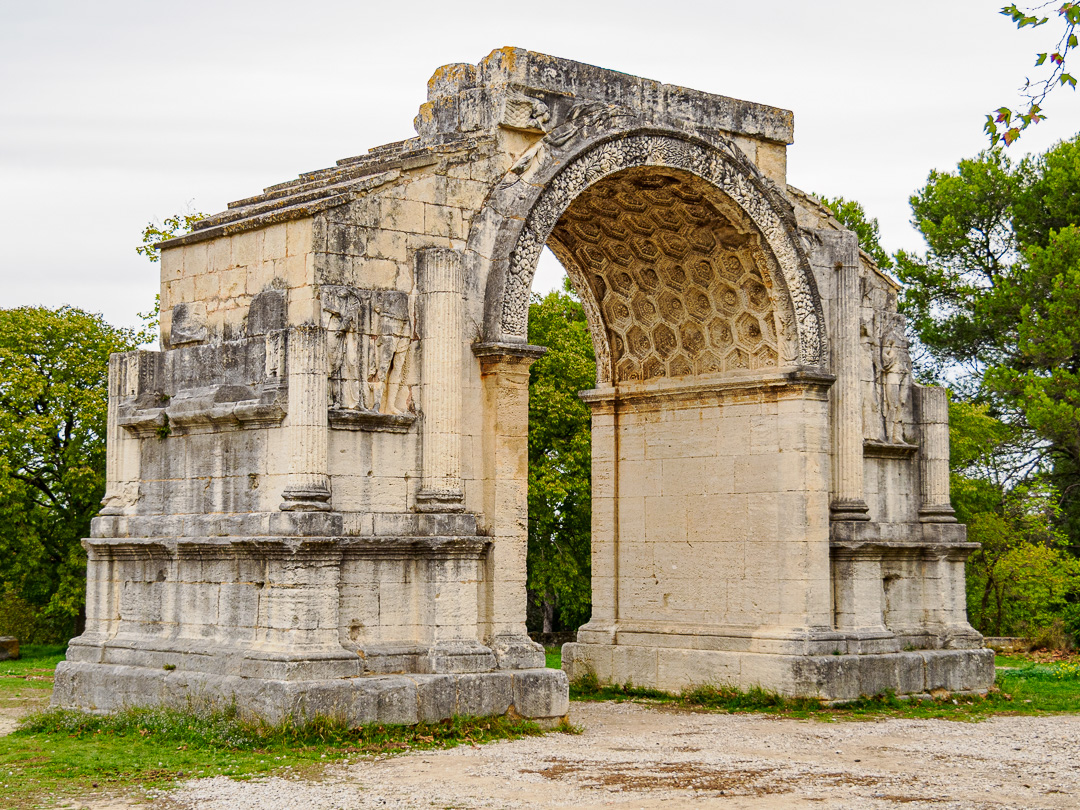
On the far side of the road from the monastery, are these two Roman structures, which are synonymous with the town. They relate to the long road built across Gaul by the Romans just after they conquered the territory:
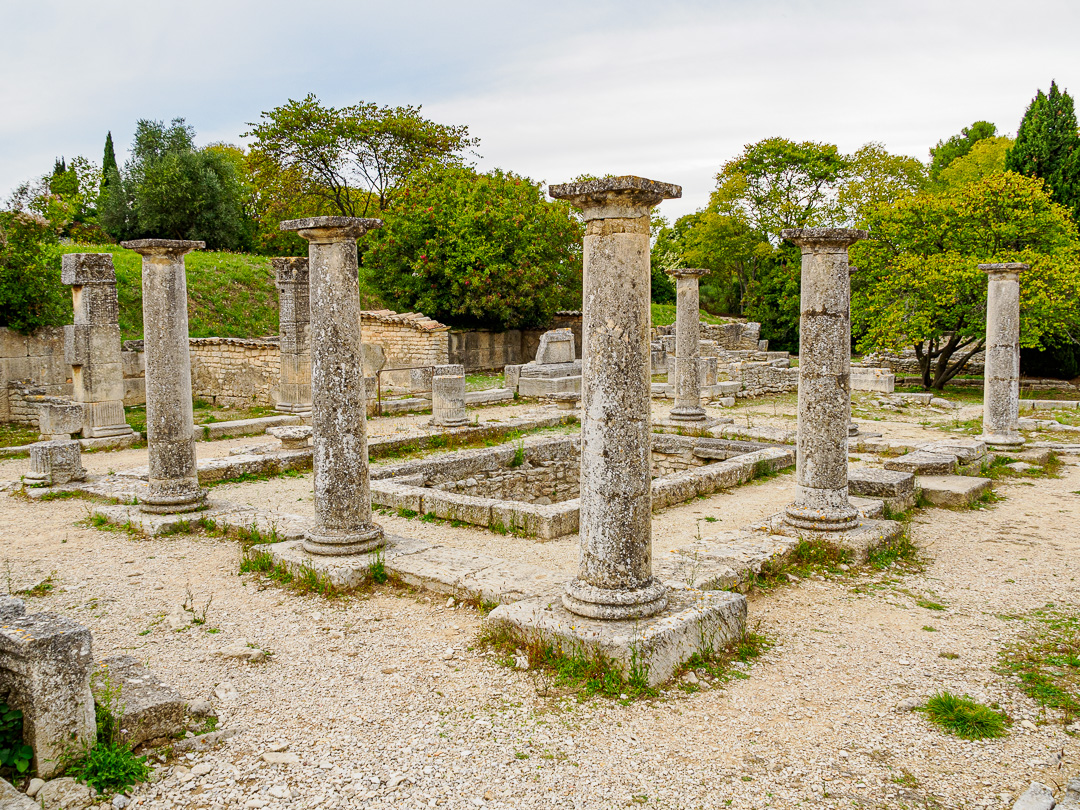
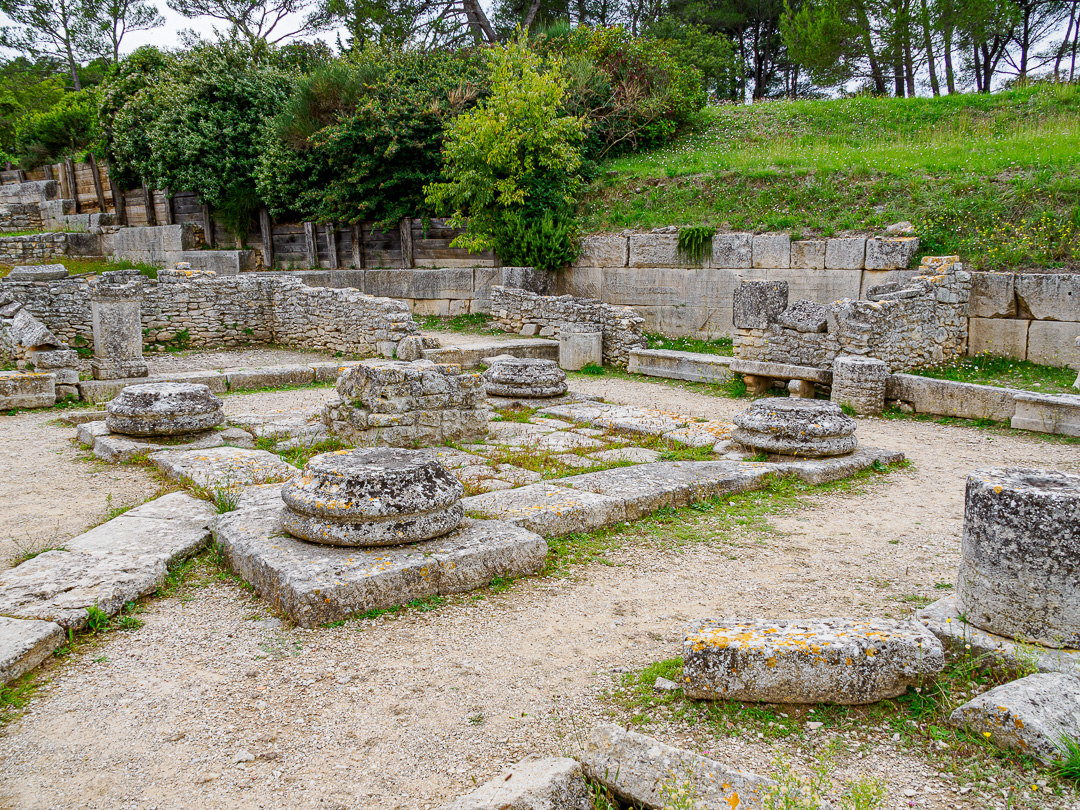
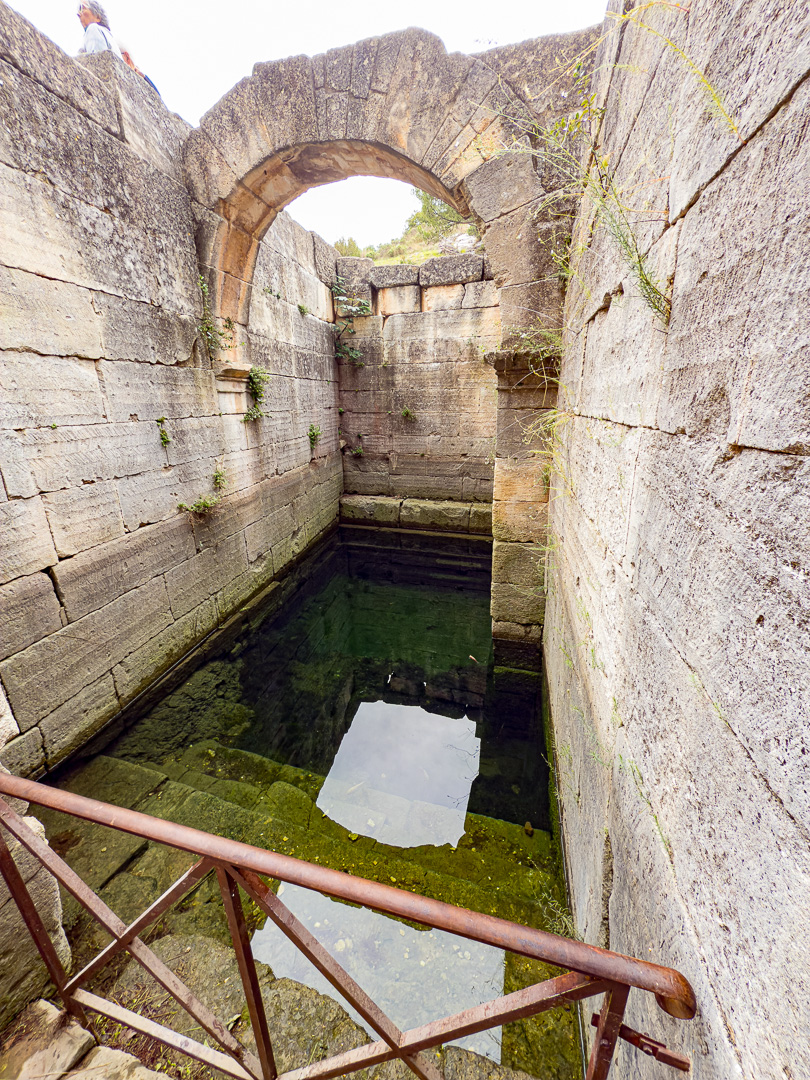
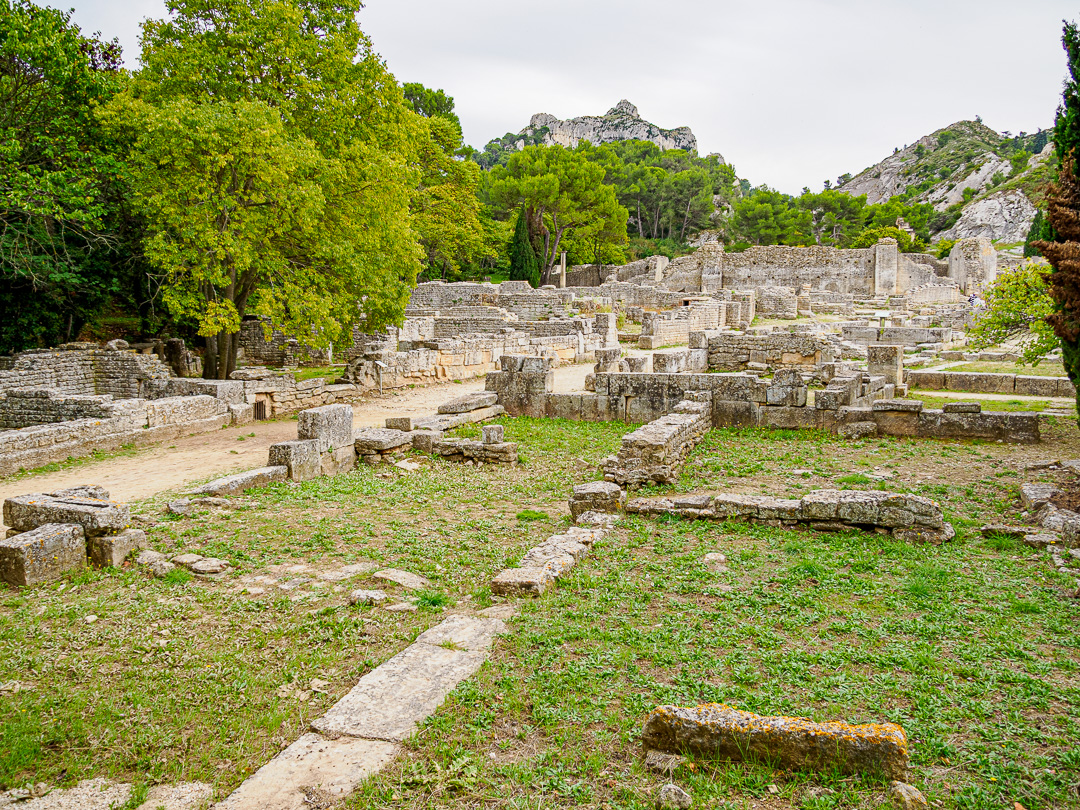
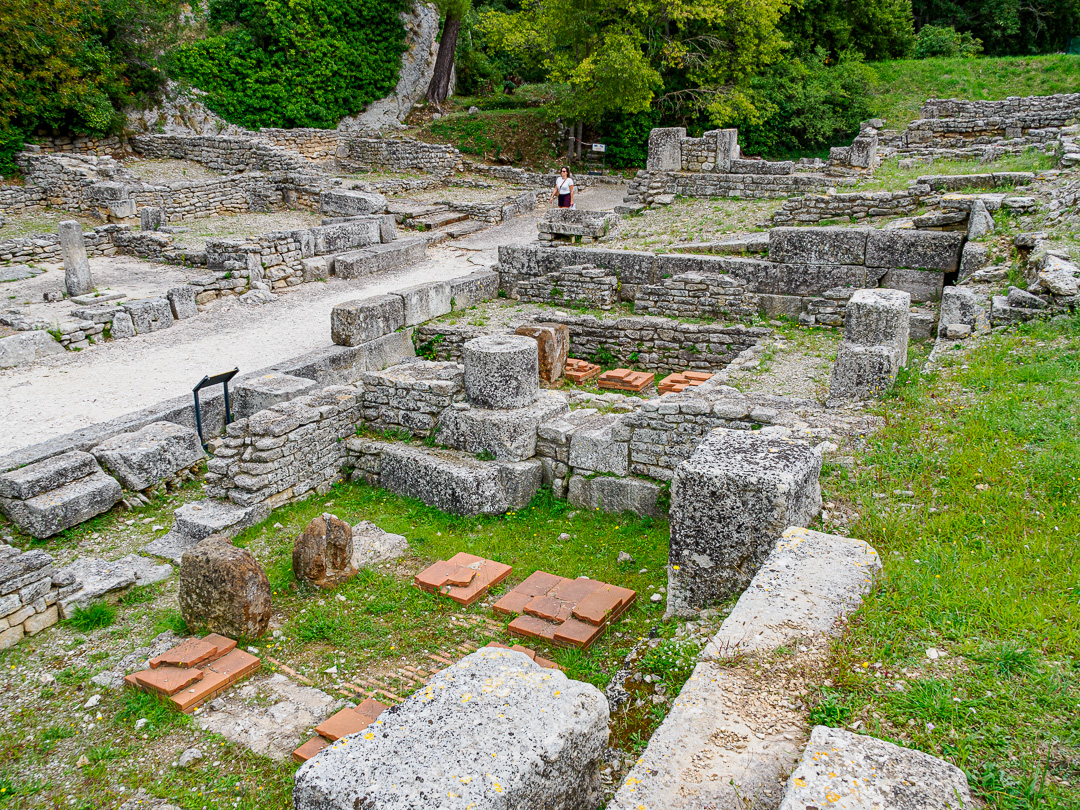
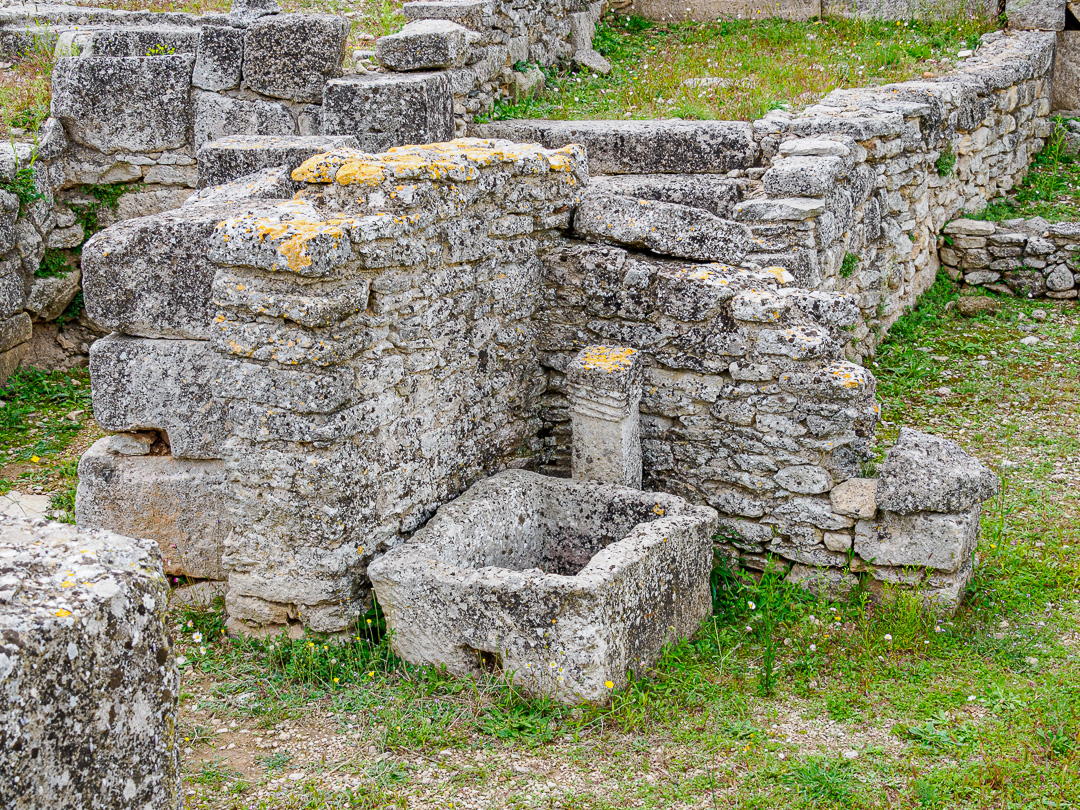
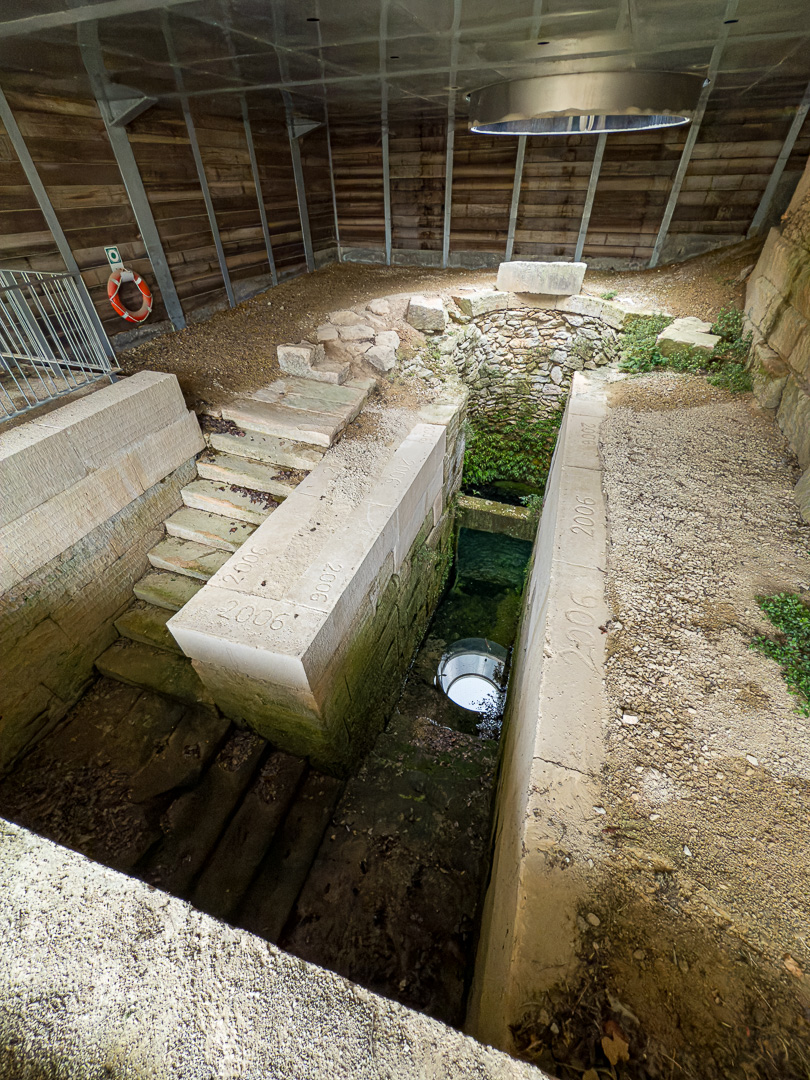
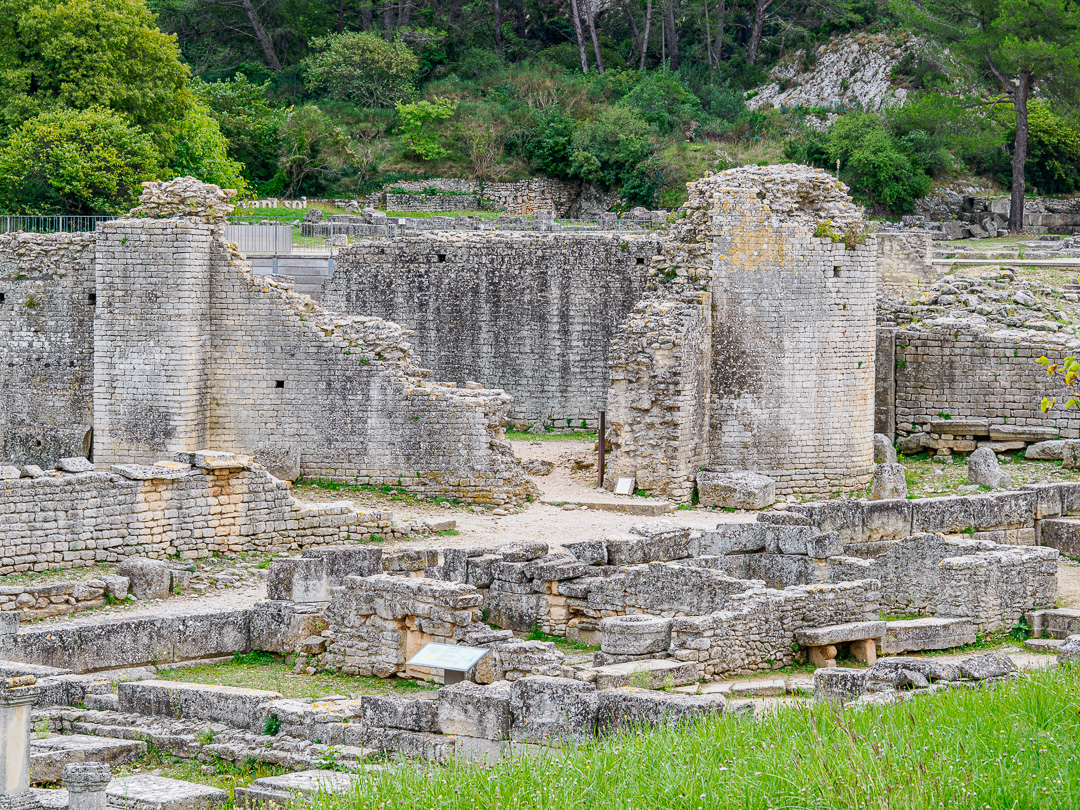
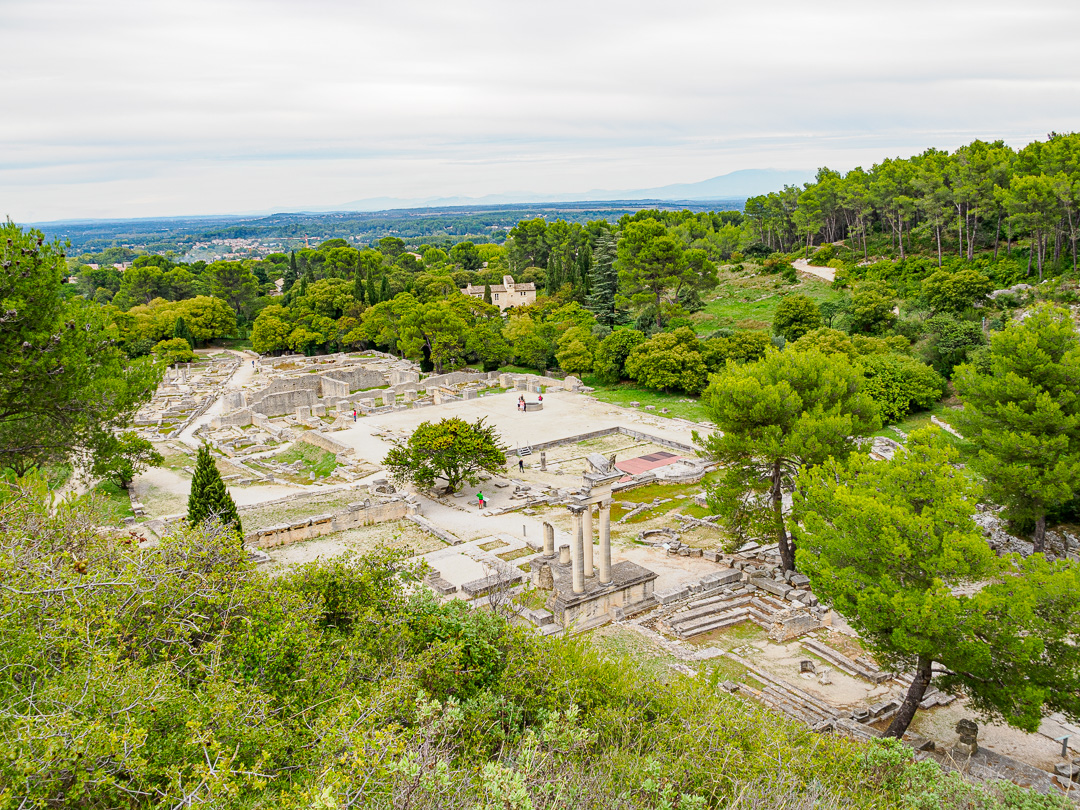
Right next door to the Monastery, is the huge archaeological site of Glanum, which was a Roman town, complete with main street, temples, baths, forum, market place, court and many, (what must have been impressive), dwellings.
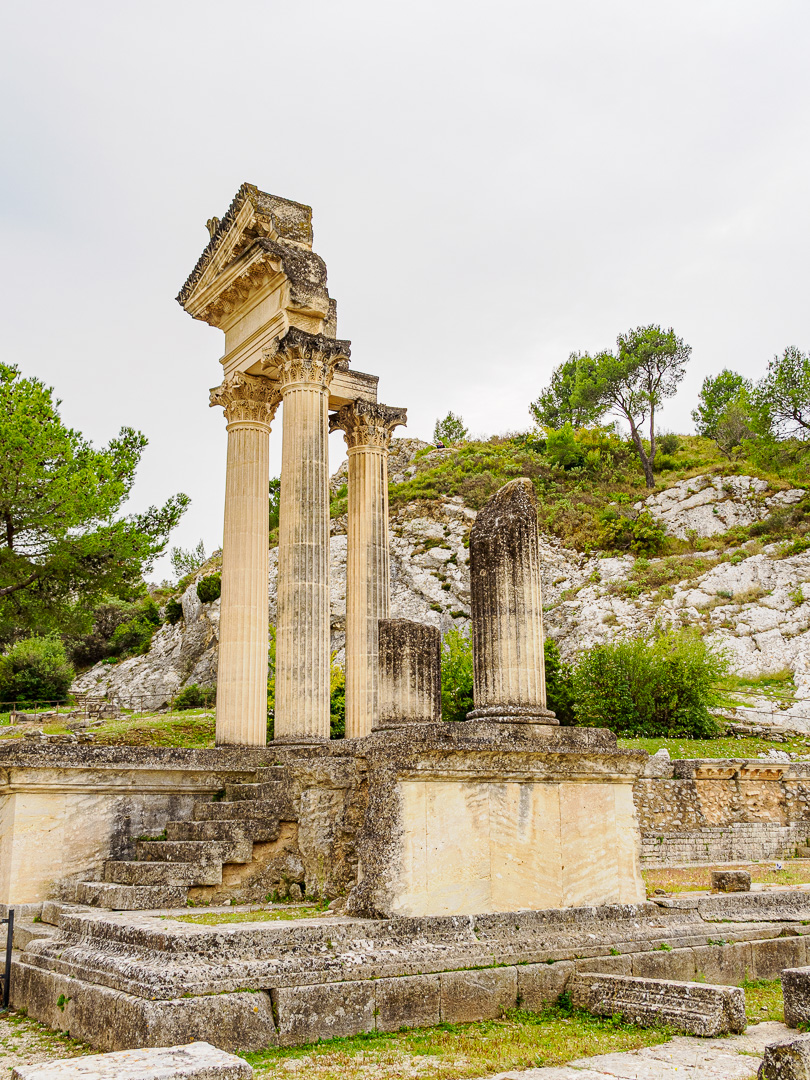
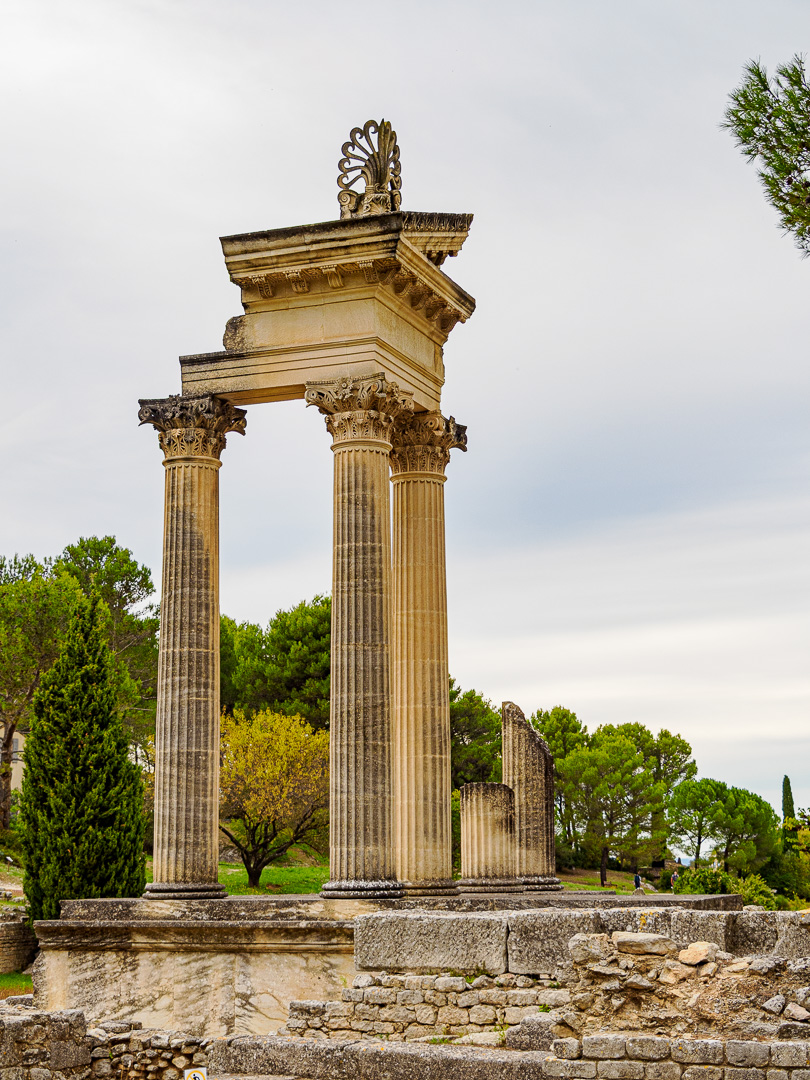
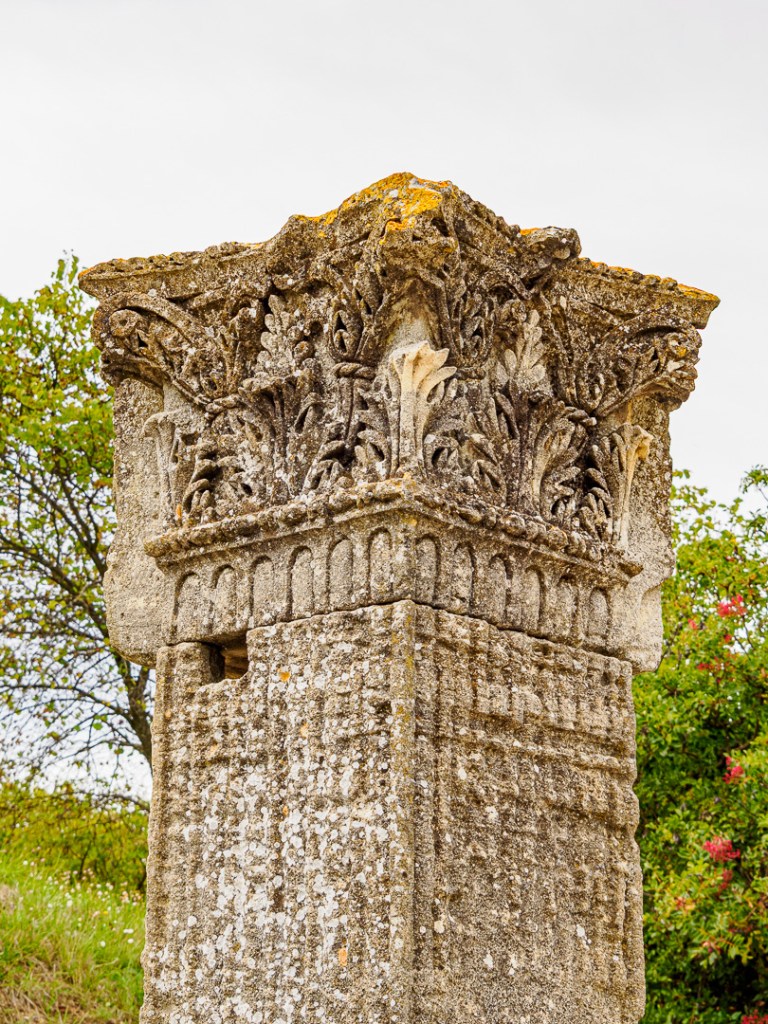
Some of the stone carving remains extremely sharp and detailed.

That is it for today. TTFN and See-u-later.
 "See-u-Later"
Feria are very famous in the south of France. Not all of them have events with bulls. Sometime it is the “course landaise”. I agree with you I am not a fan of corrida.
LikeLiked by 1 person
Hi Mélodie
I was not aware of the different types of Feria. I only saw the bulls being run through the streets, which I assume is “corrida”. The whole thing is much bigger than I imagined.
LikeLiked by 1 person