Thursday 9th and Friday 10th October 2025
Thursday – CERN and Col de la Faucille:
Heading north again, we headed for the town of Gex and just beyond it, our planned overnight stay of Col de la Faucille.
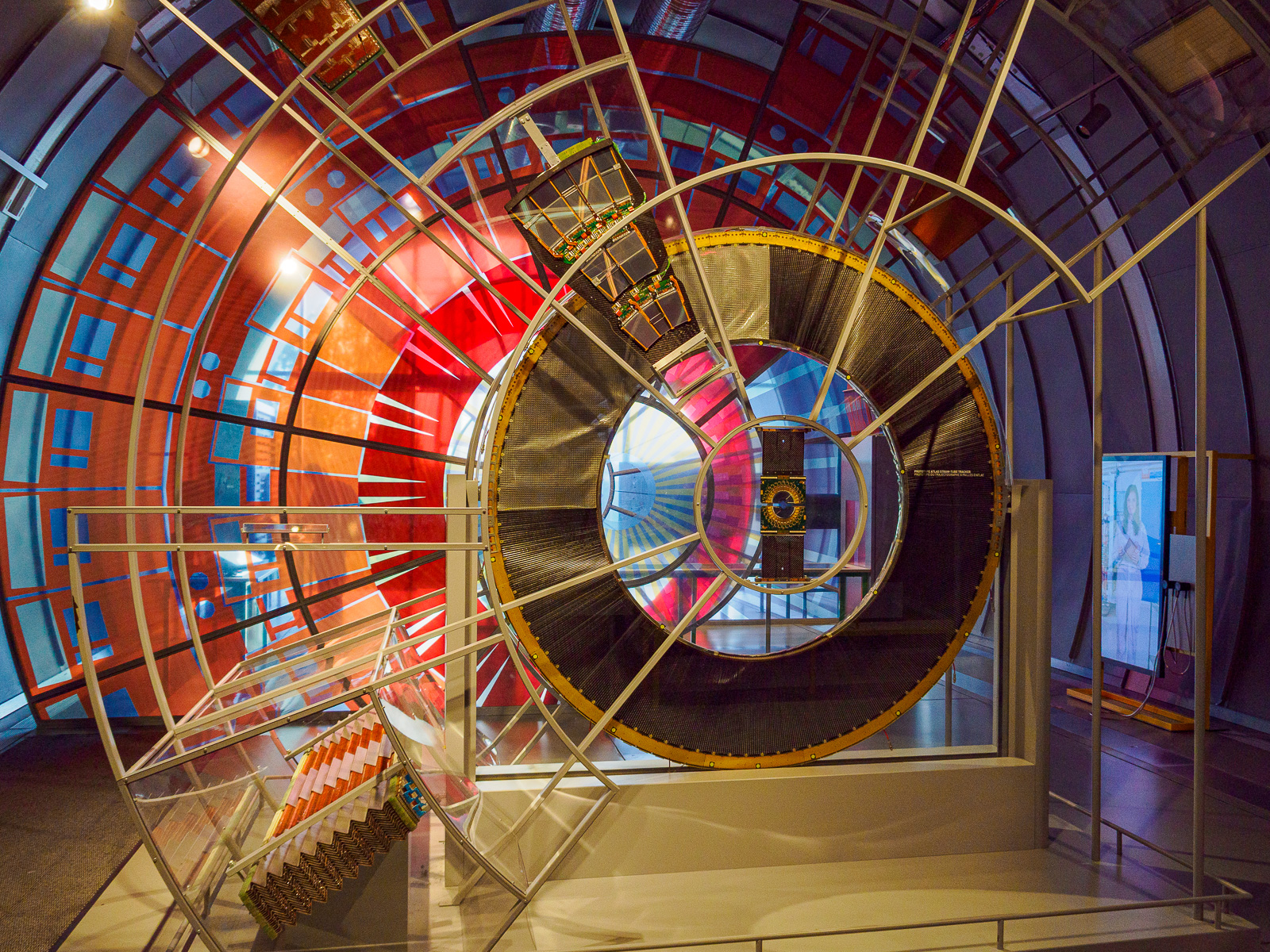
Along the way, we passed signs for CERN, so on the spur of the moment we diverted our journey just over the border, into Switzerland.
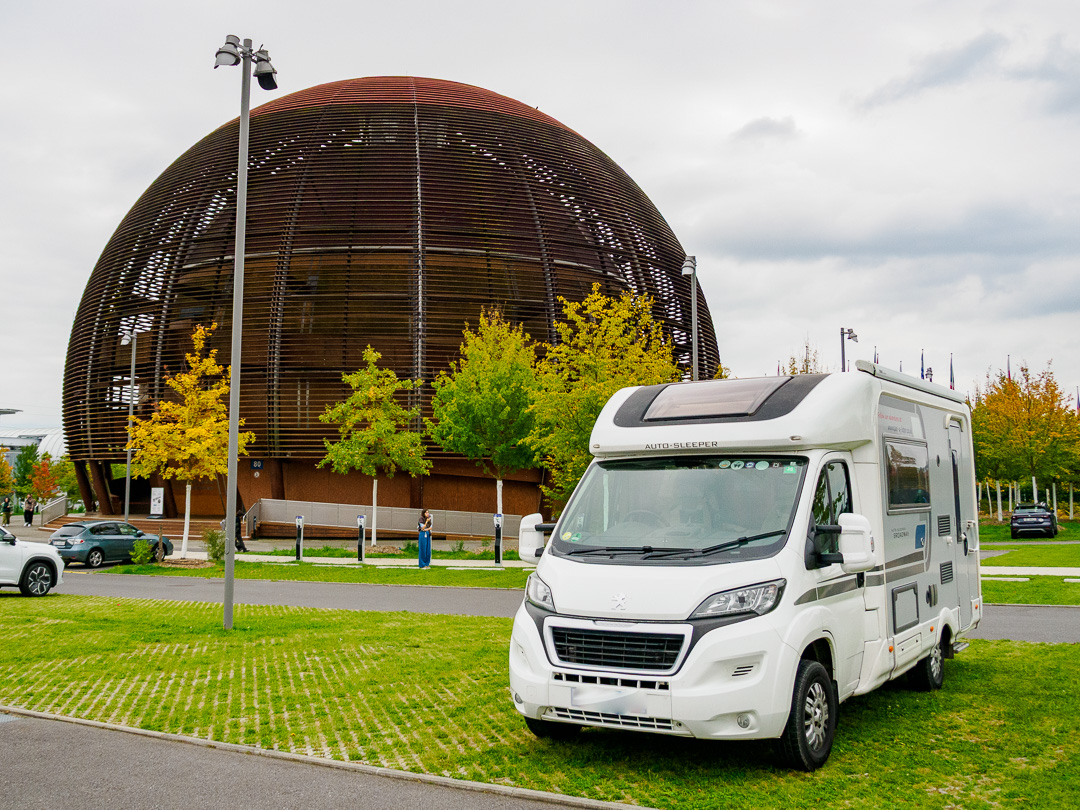
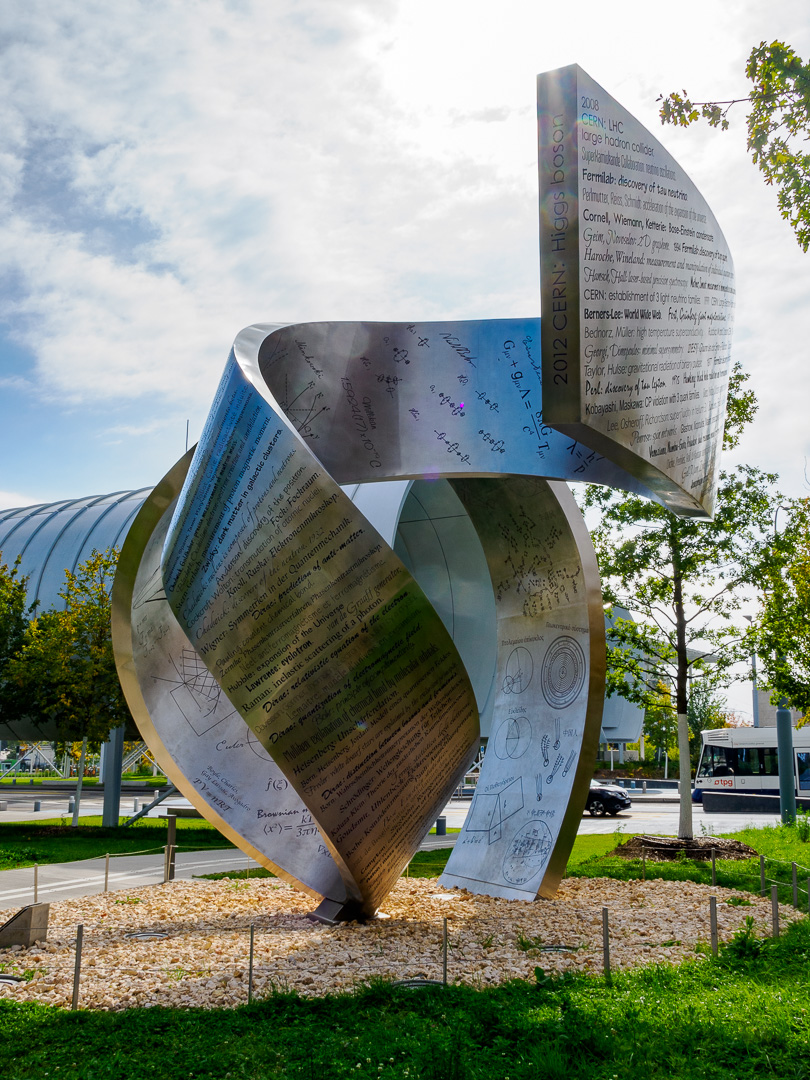
CERN is the largest particle physics laboratory in the world. Only a small part is visible above ground as the experiments are all completed underground. The largest tunnel is 27 Km in circumference and houses the Large Hadron Collider. You can learn a great deal more about CERN and the work carried out there, by searching for CERN in Wikipedia, or at www.home.cern
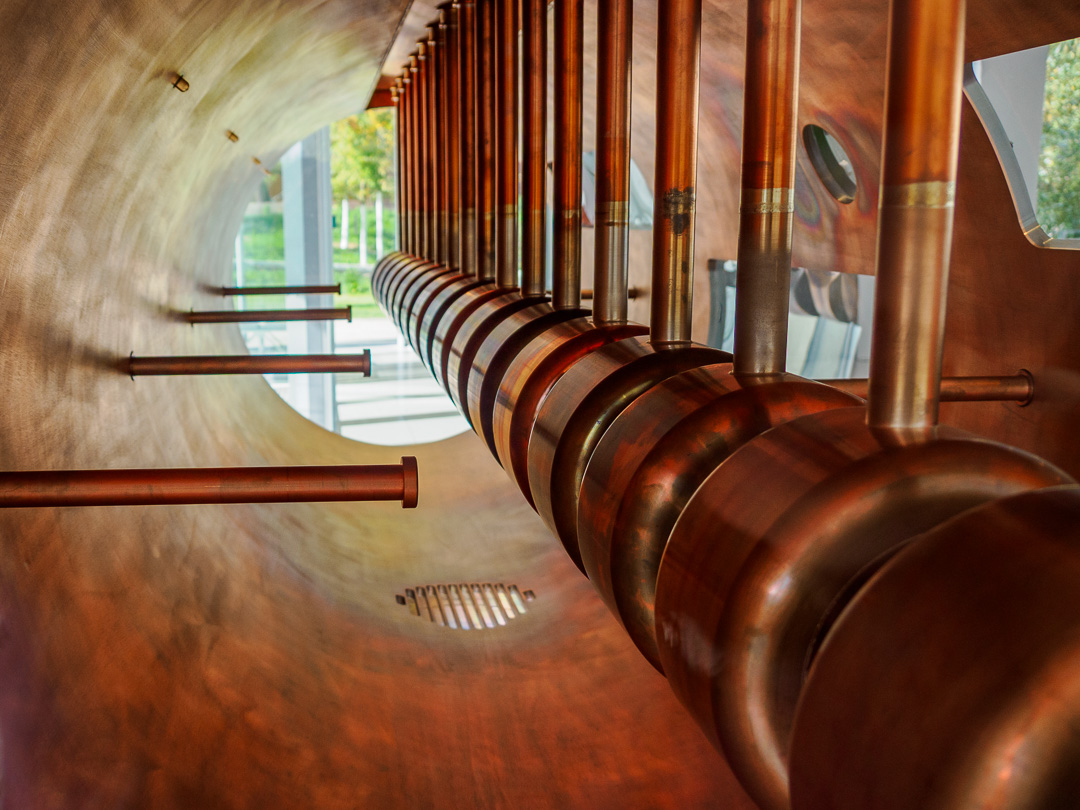
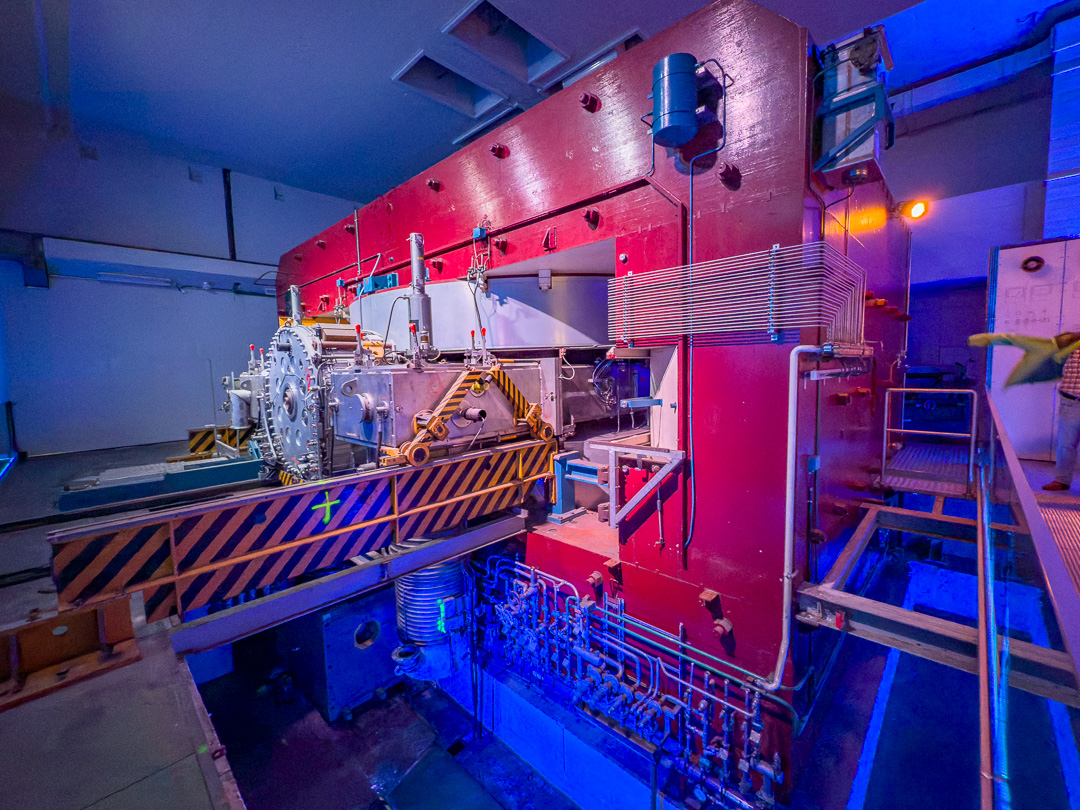
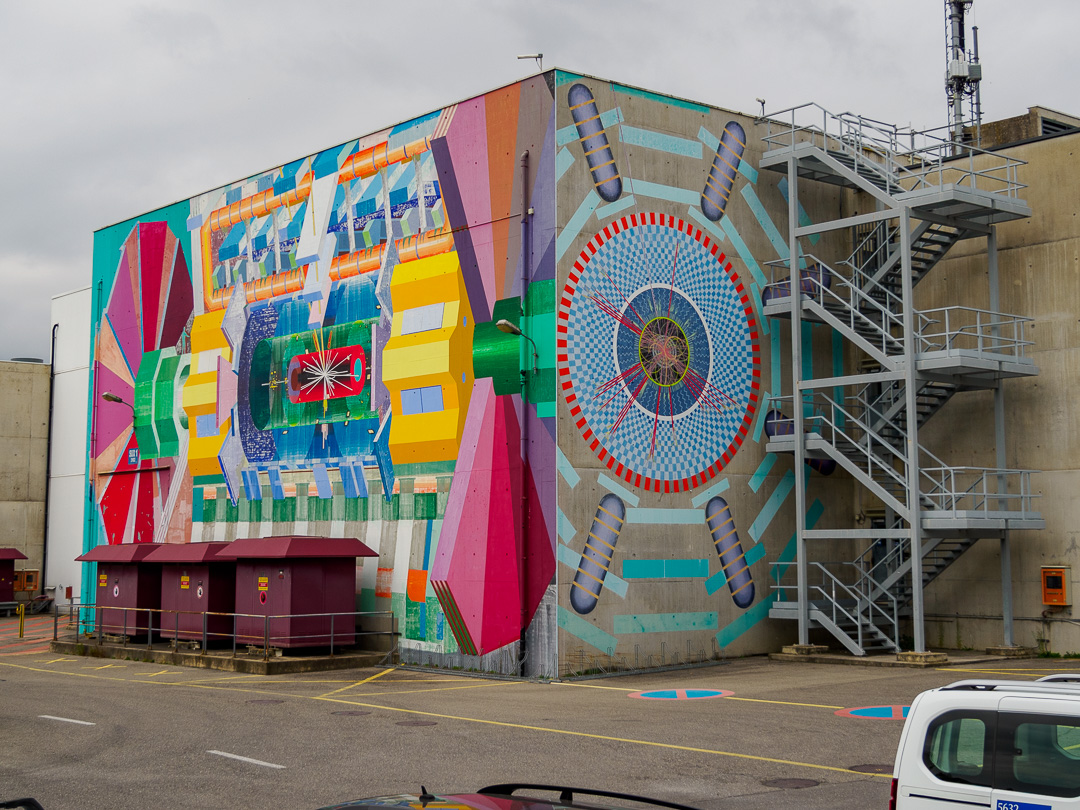
There are three permanent free exhibitions to see, with many interactive experiments, illustrating various aspects of physics and also some artwork:
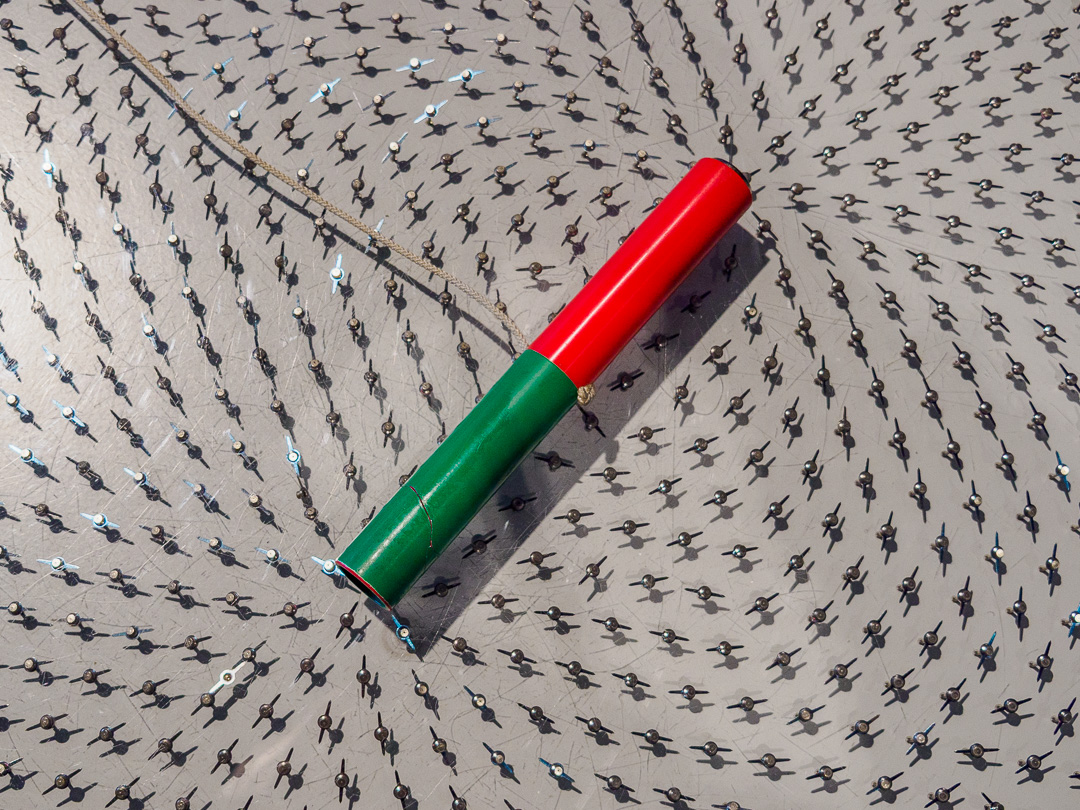
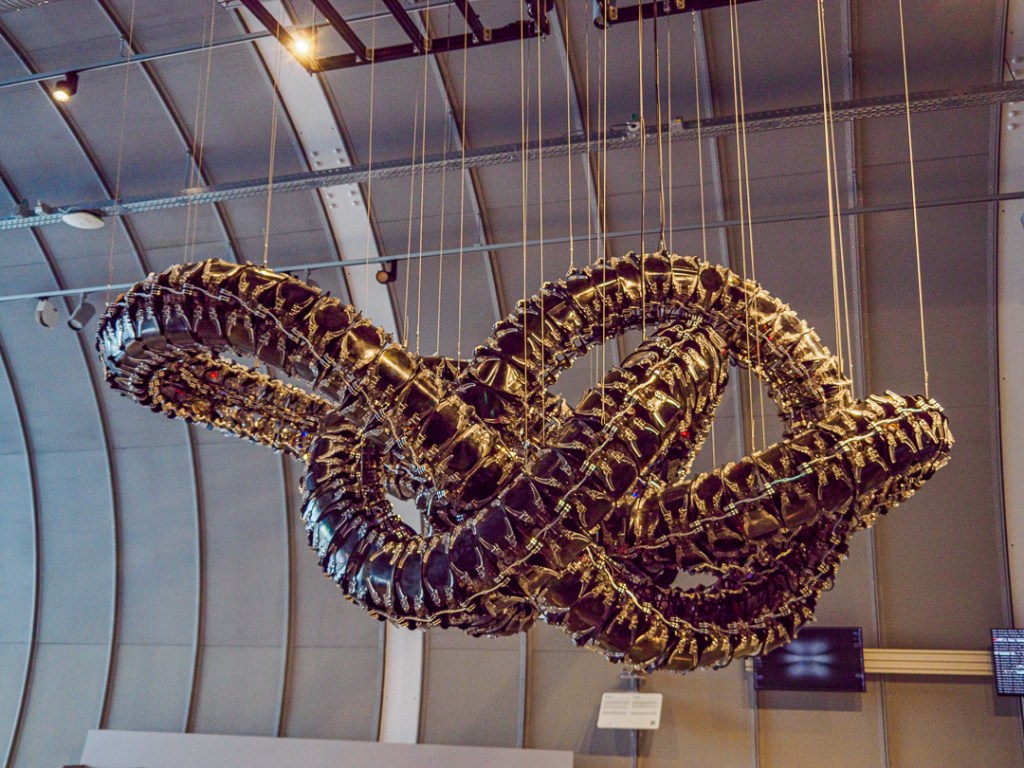
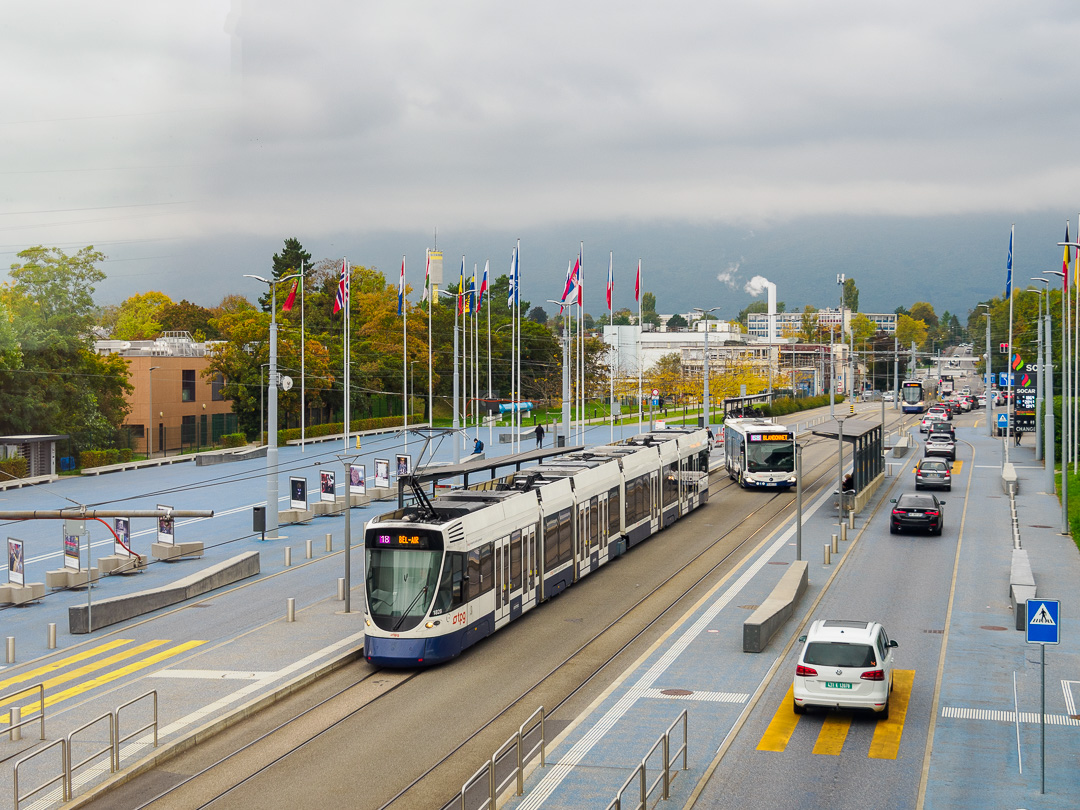
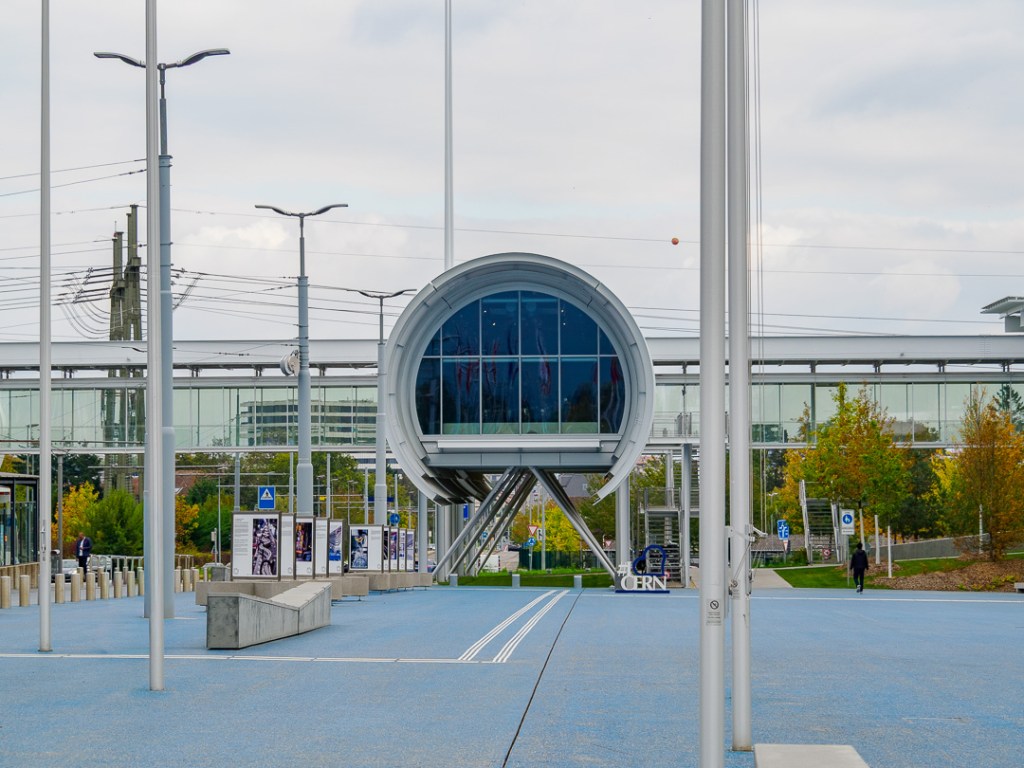
The place is fascinating and we spent a good few hours there, including taking the guided tour.
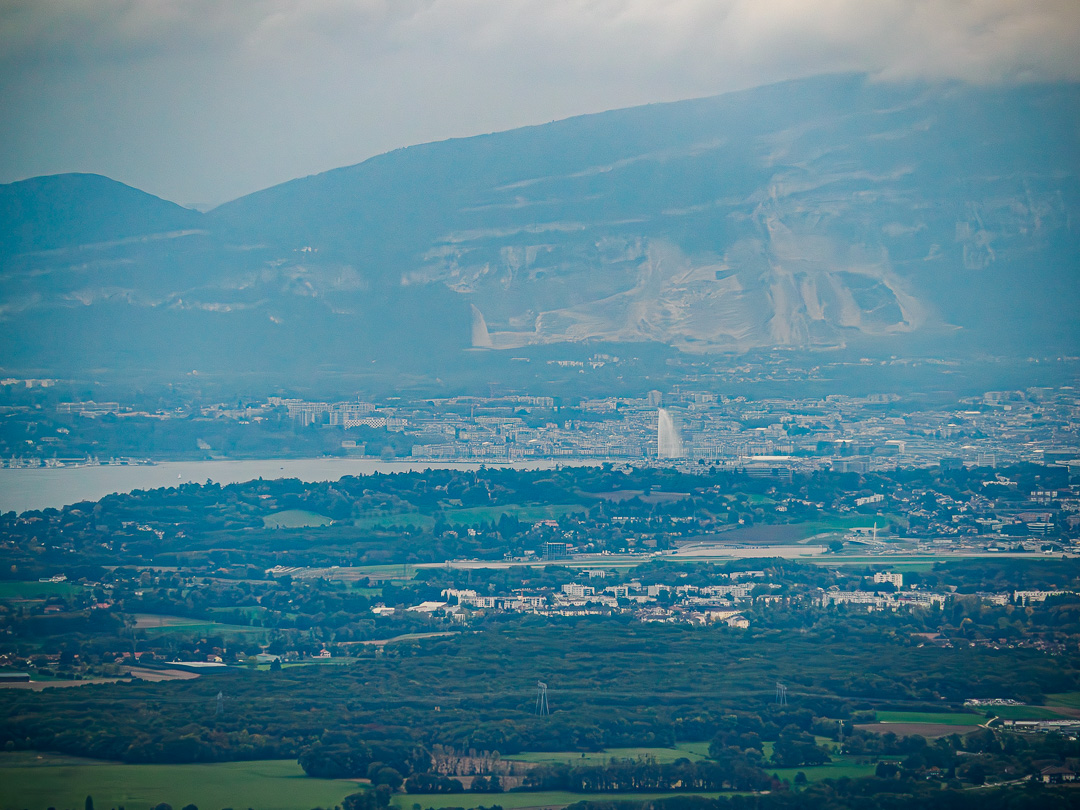
Our stop-over for the night, at Col de la Faucille, was at an altitude of 1,312 metres and was within the cloud layer, though we did manage to get some photographs that evening and before leaving on Friday.
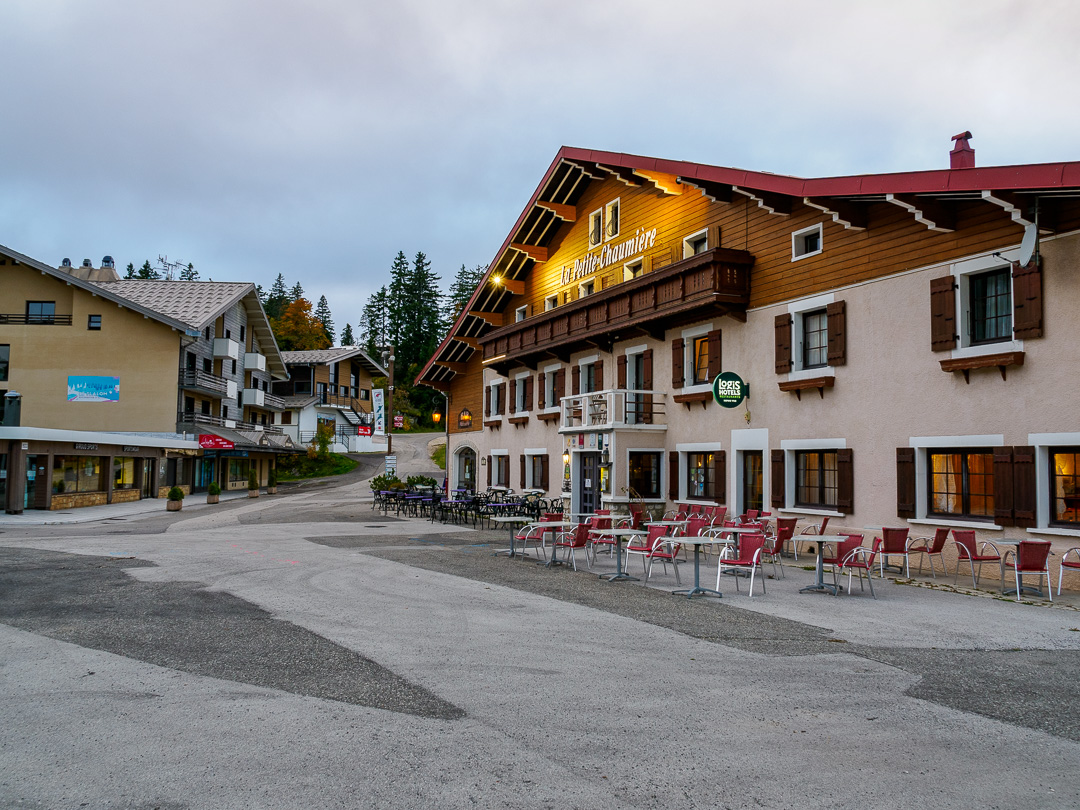
The Col de la Faucille has some holiday attractions, some for the summer, others for the winter. We caught the off-season between.
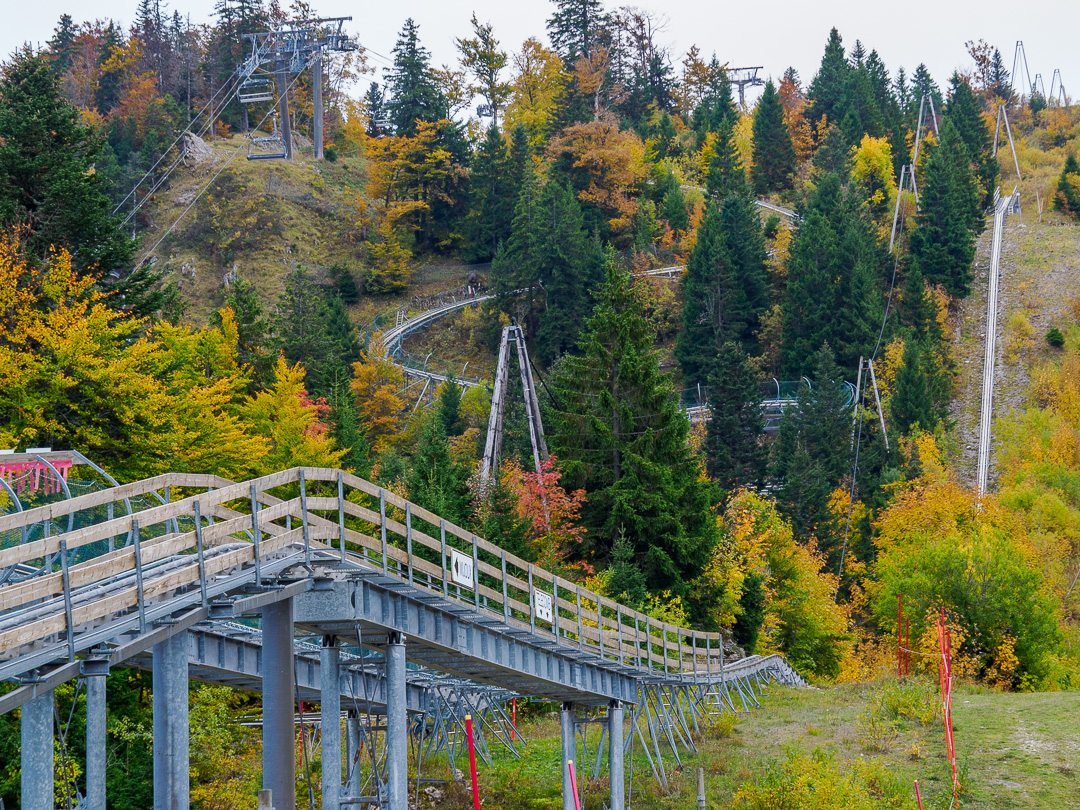
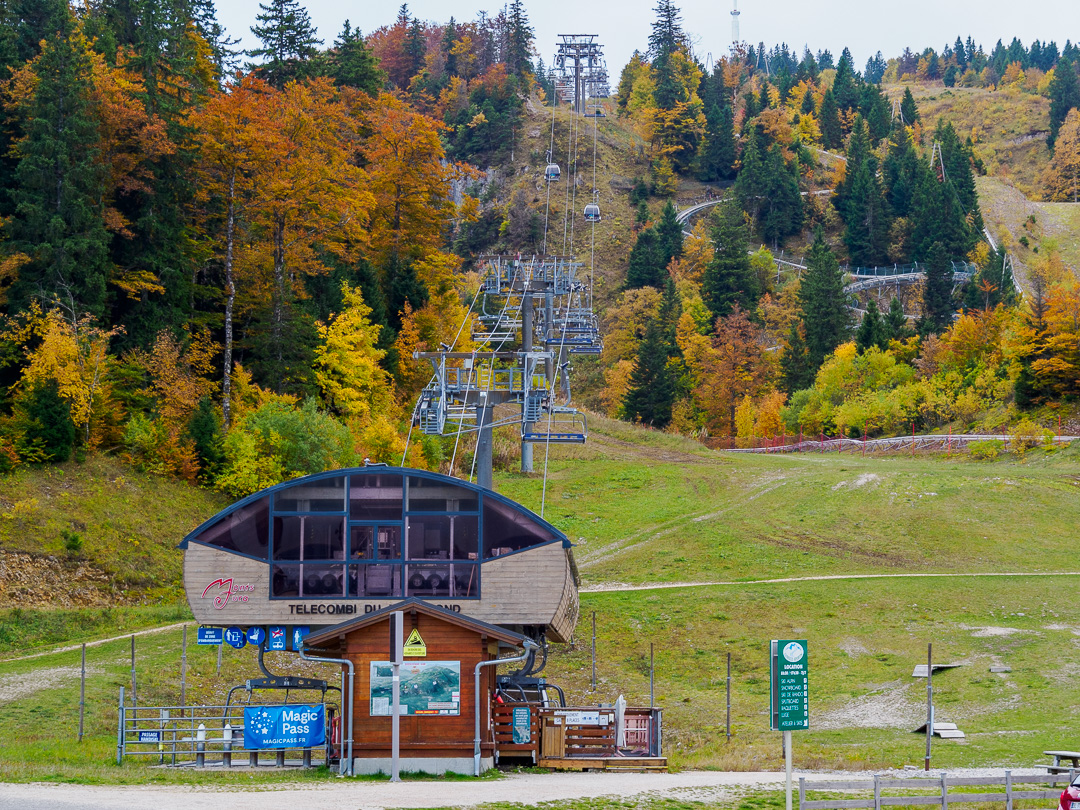
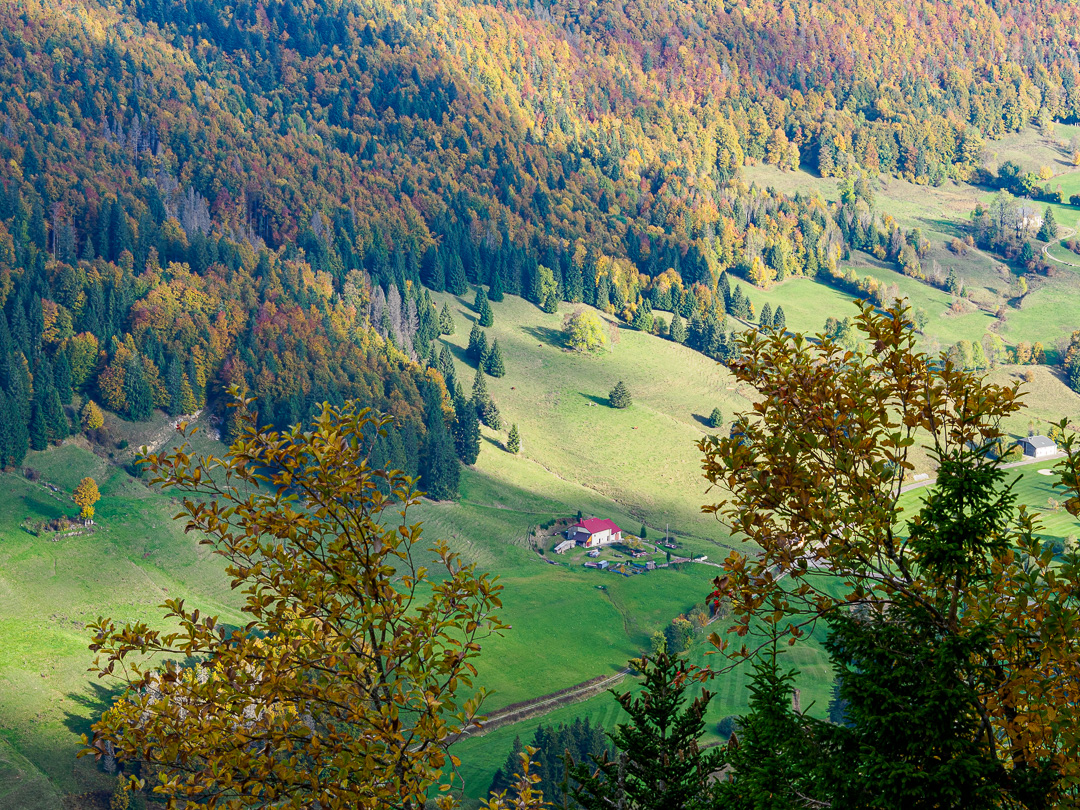
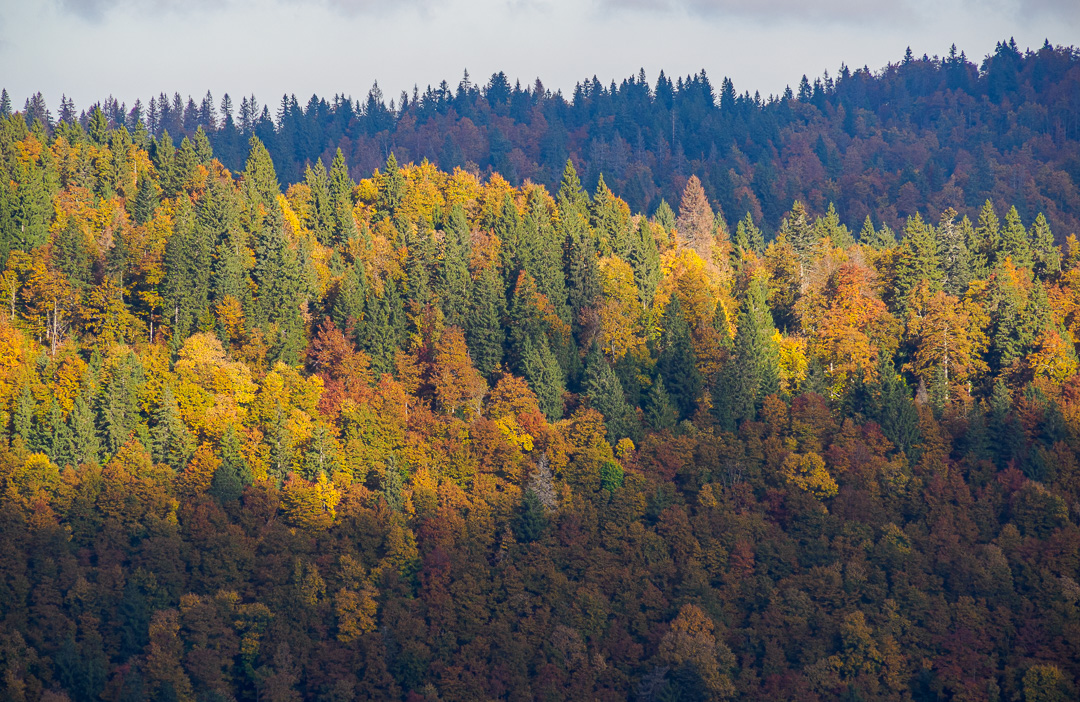
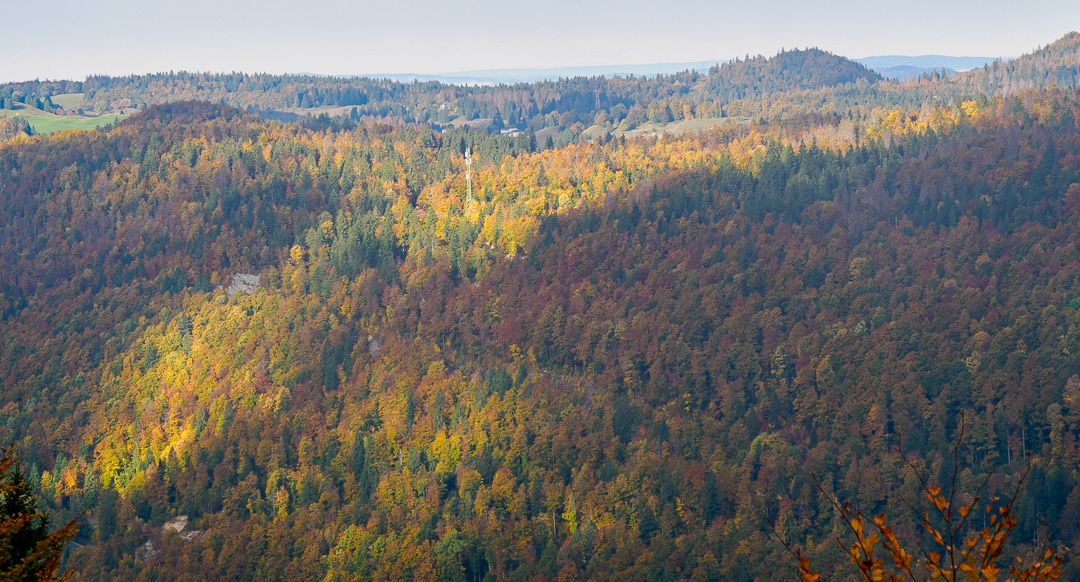
Much clearer on Friday morning between the cloud banks:
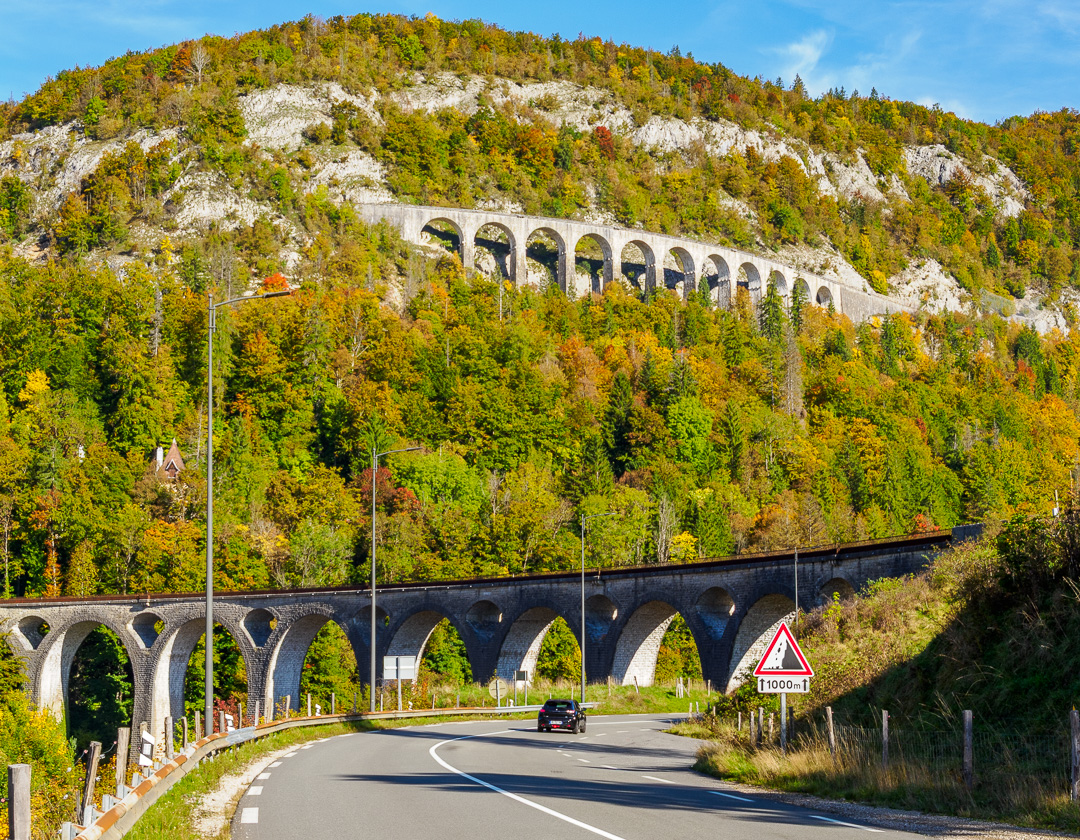
Friday – Salins-les-Bains:
Moving further north Alison spotted that Salins-les-Bains looked interesting.
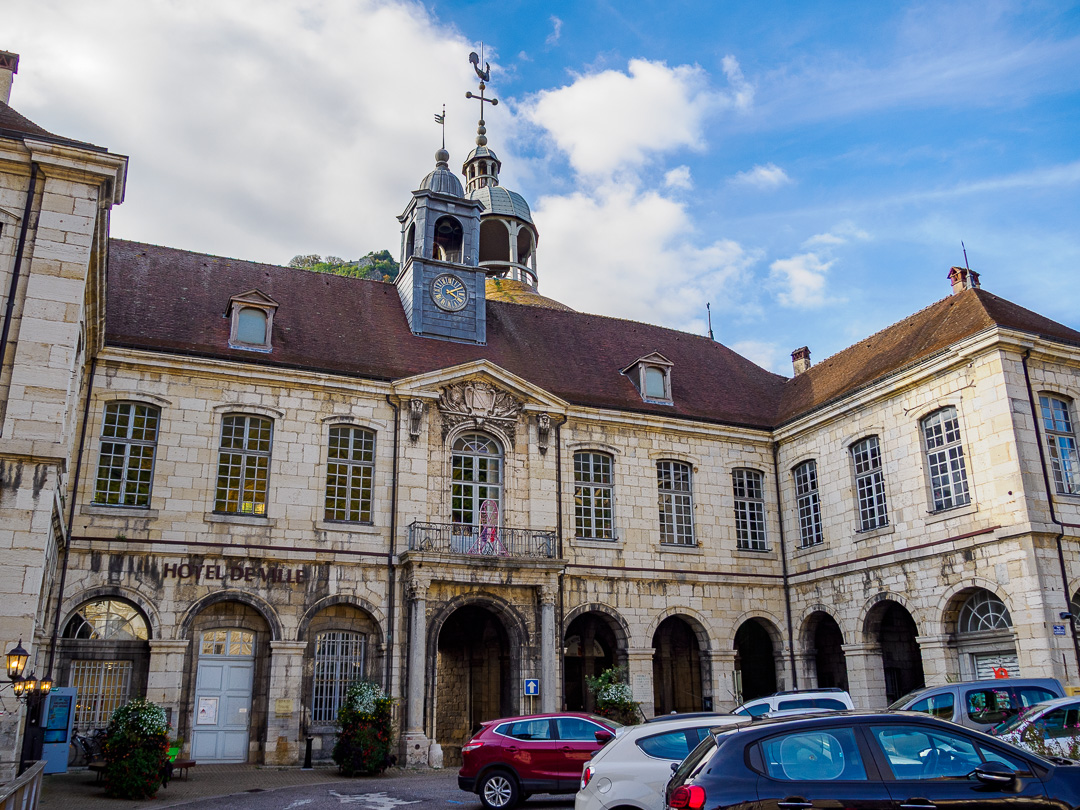
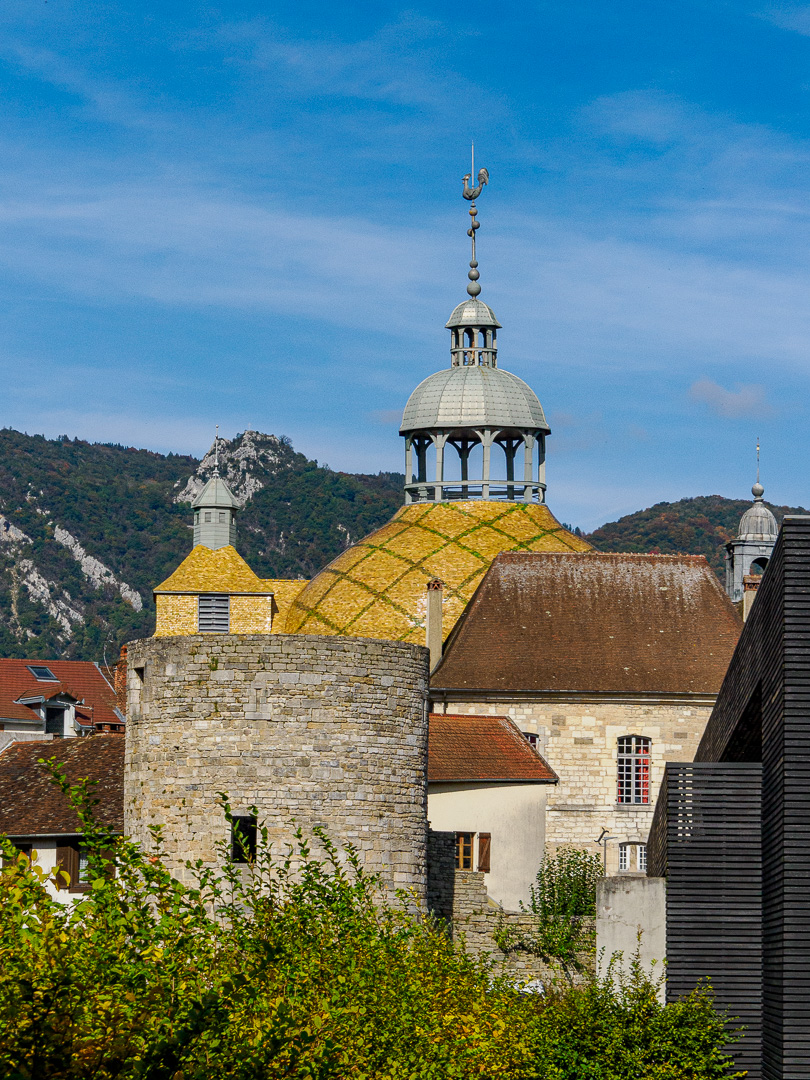
The town was established as a spa town, but has a tradition of salt mining, going back to the 12th century. There are some interesting buildings here, including the hotel-de-ville, which incorporates the circular, Chapelle Notre-Dame-Libératrice de Salins-les-Bains, with its remarkable roof constructed with patterned glazed tiles.
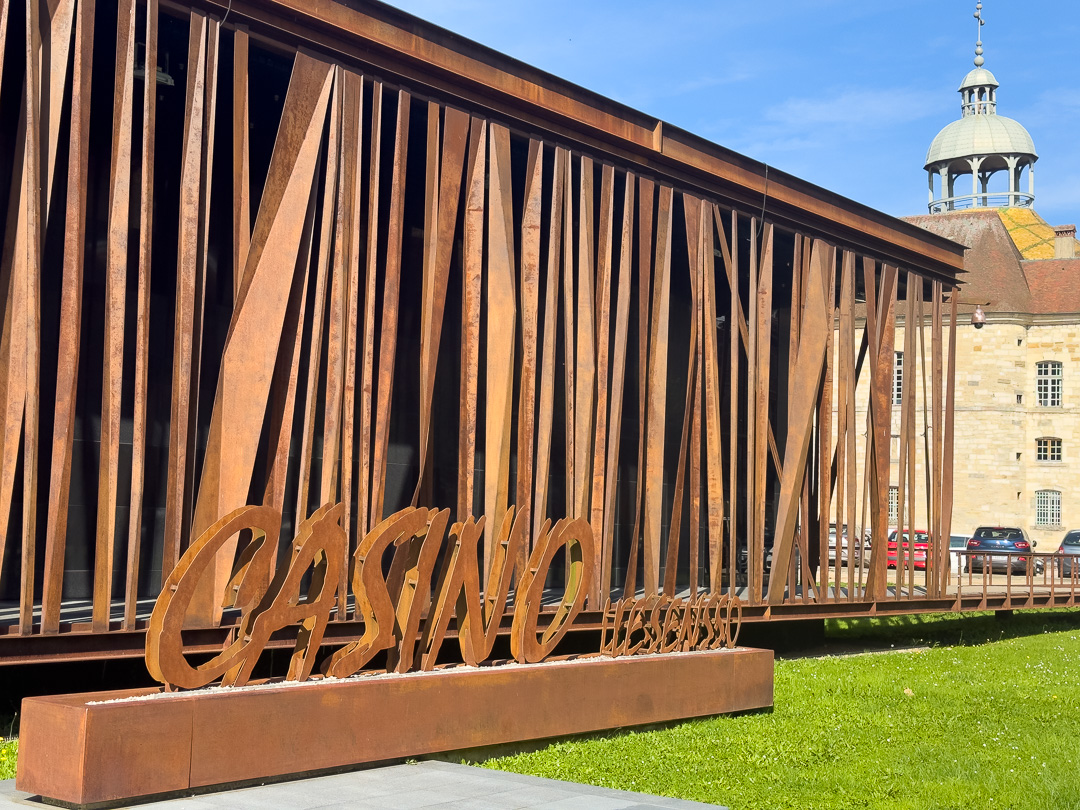
The town sits in a steep-sided valley, with a fort atop the hill at each side. We did not climb up to either. Instead, we booked a tour of the salt mining museum, which included a visit to the underground workings.
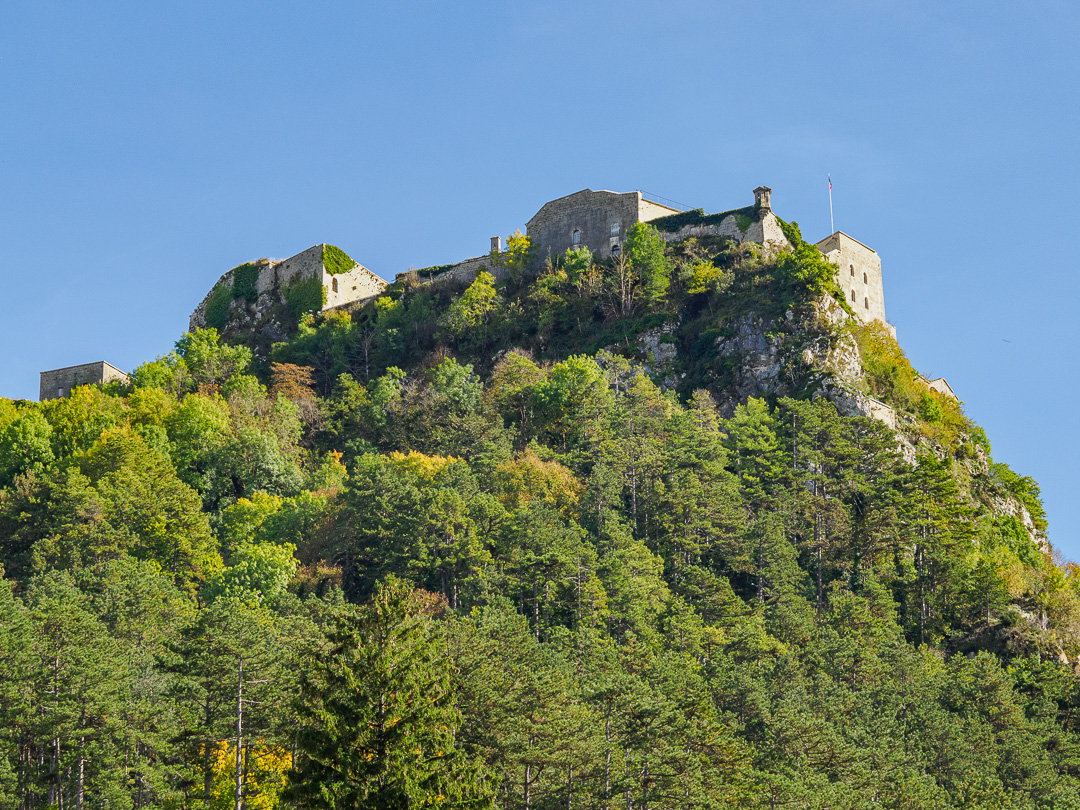
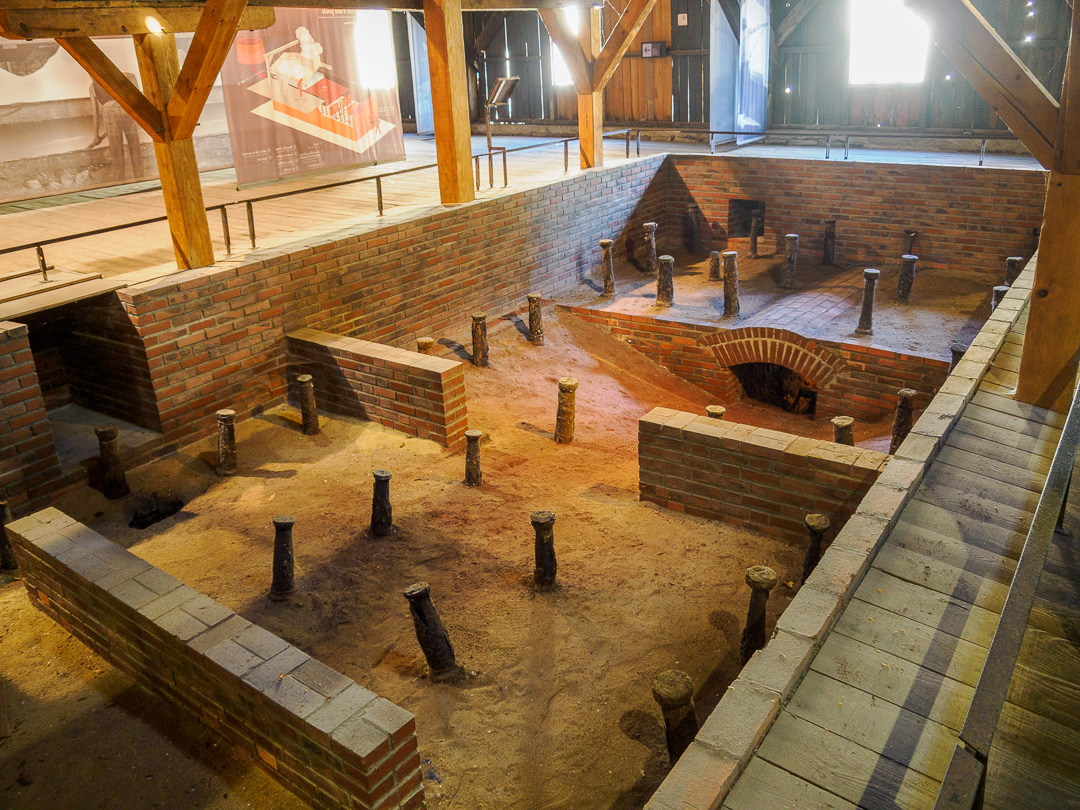
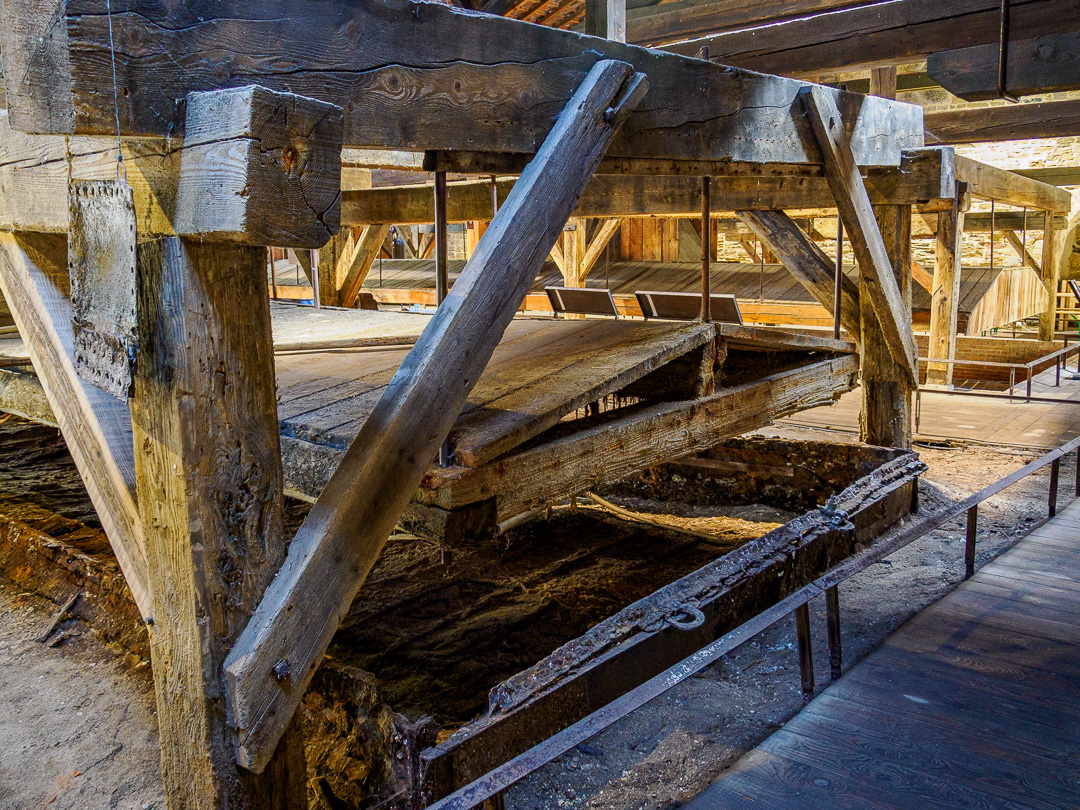
In this mine, salt was extracted as brine and then evaporated using huge, heated tanks in an adjacent building.
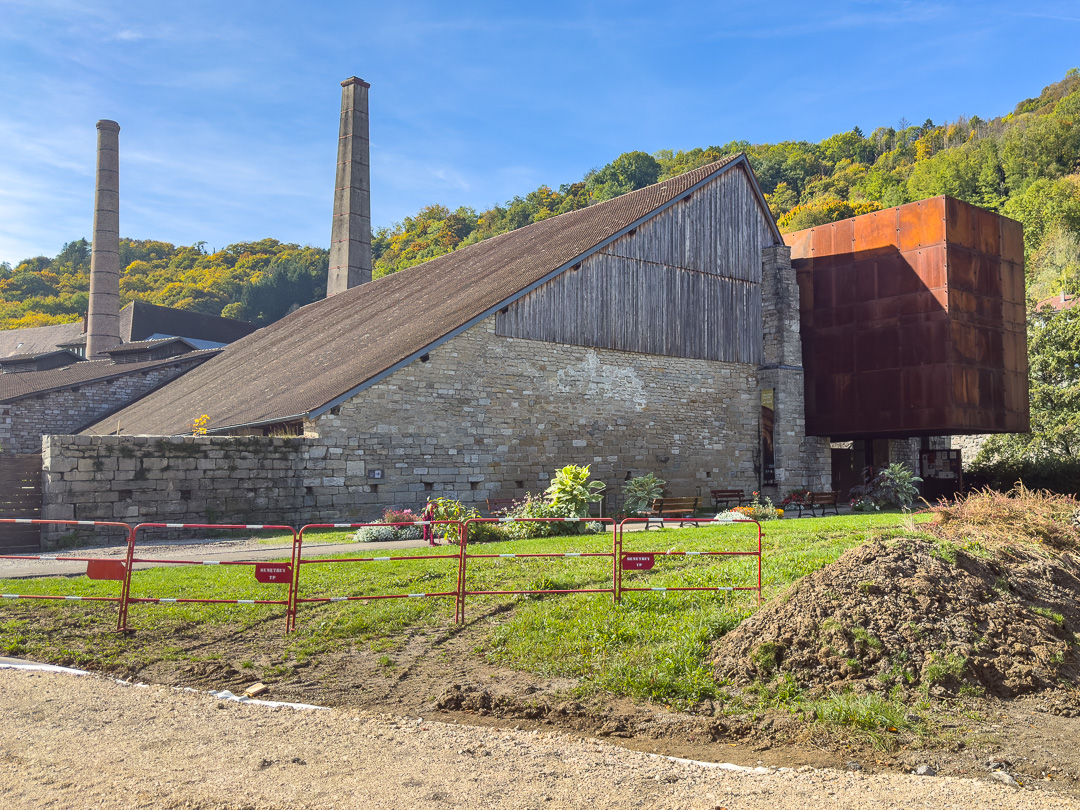
The brine was lifted manually in the beginning, but later, a large underground water-wheel drove a pump via a simple, but effective mechanism, some 20 metres away.
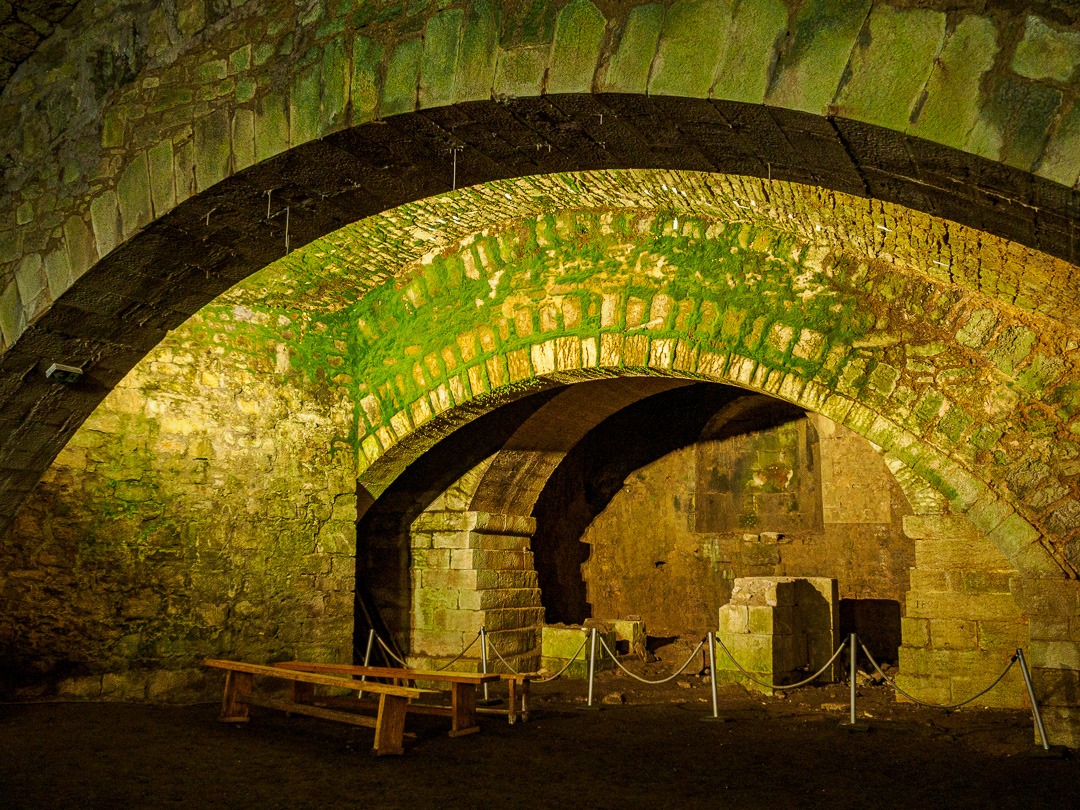
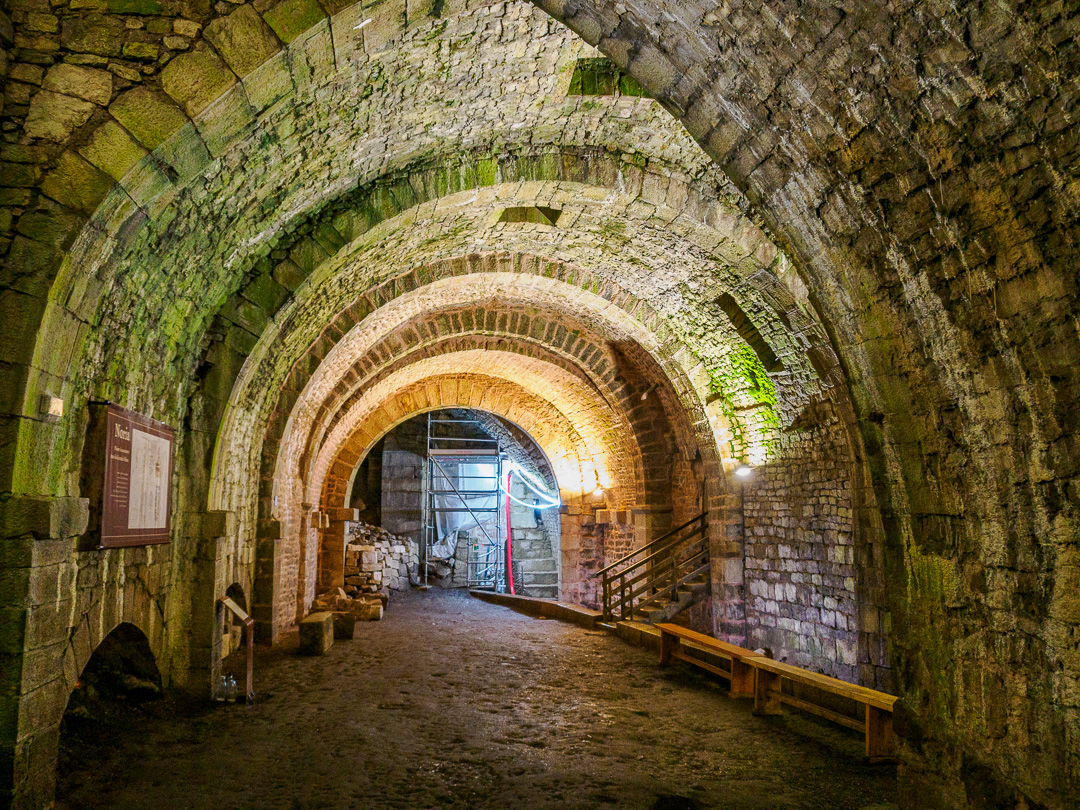
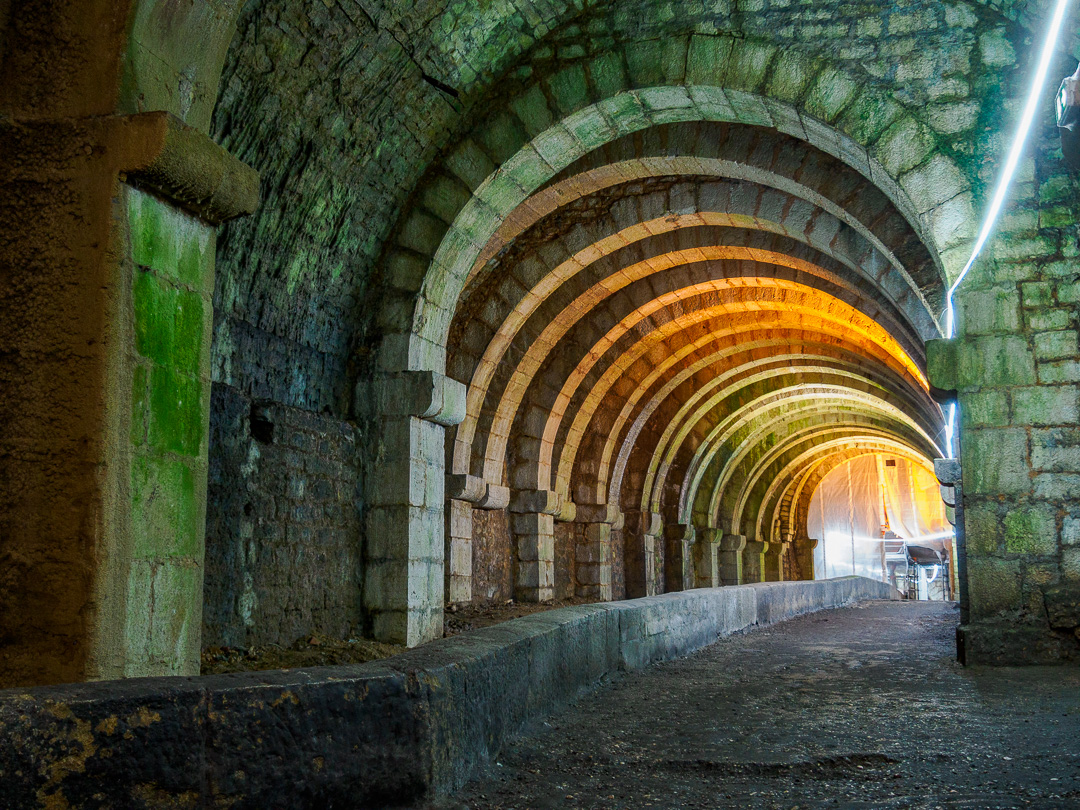
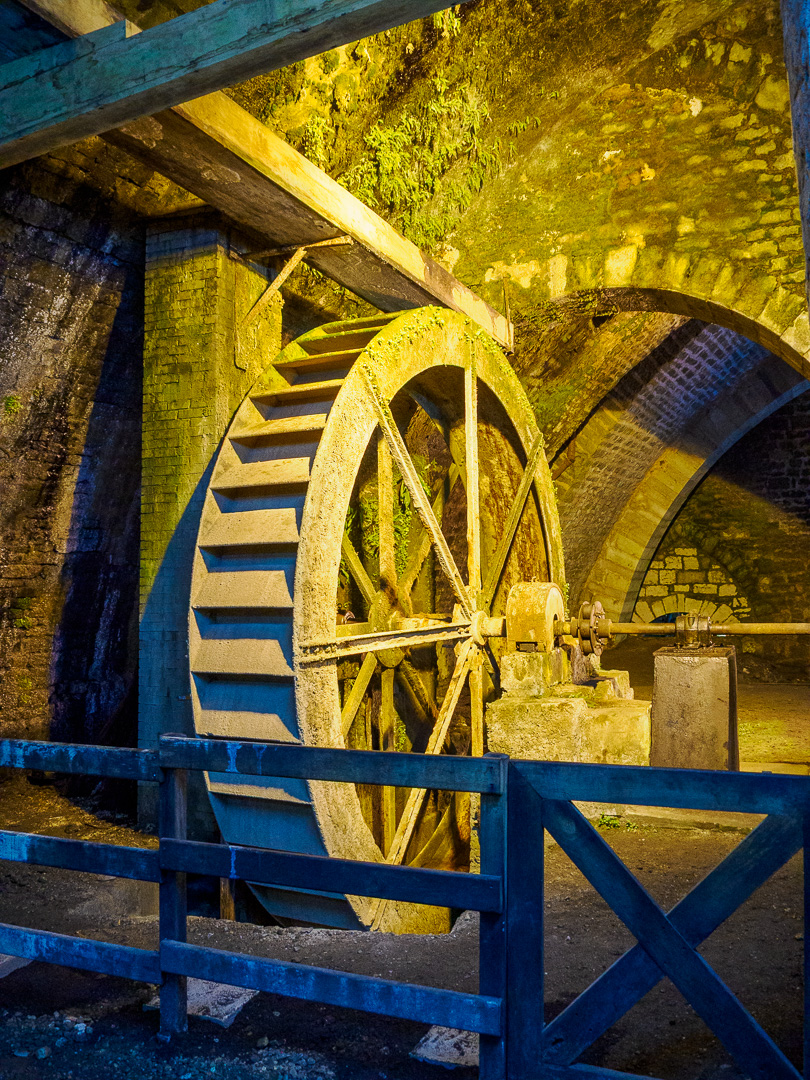
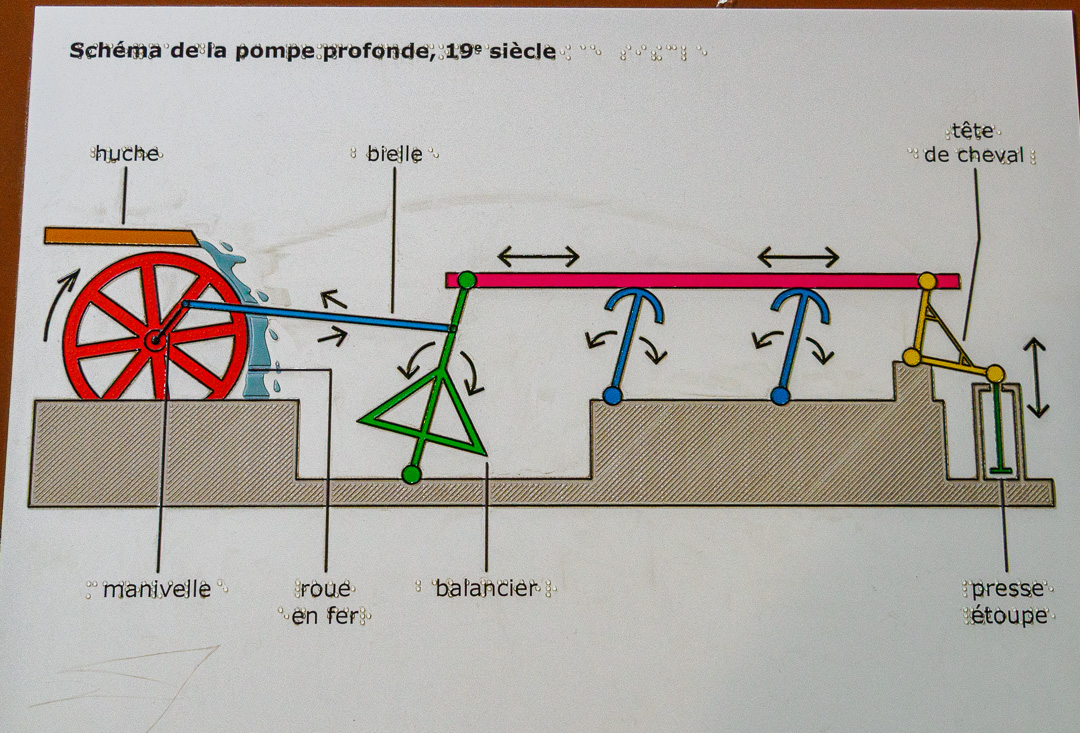
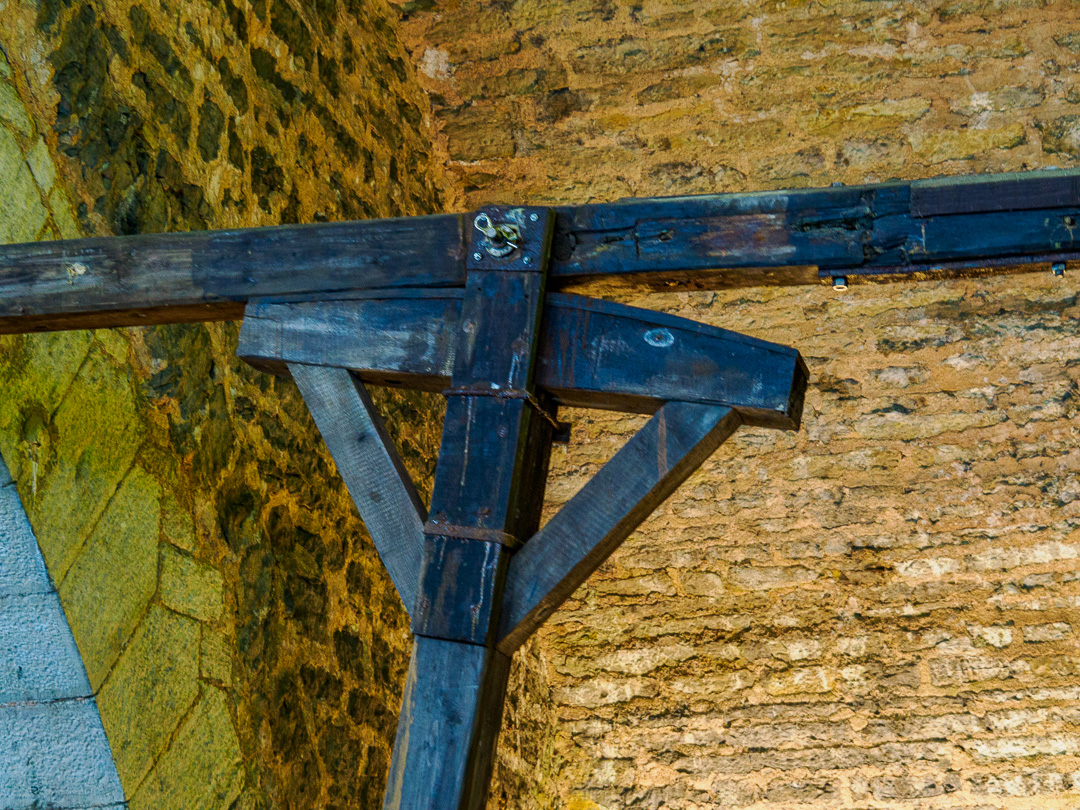
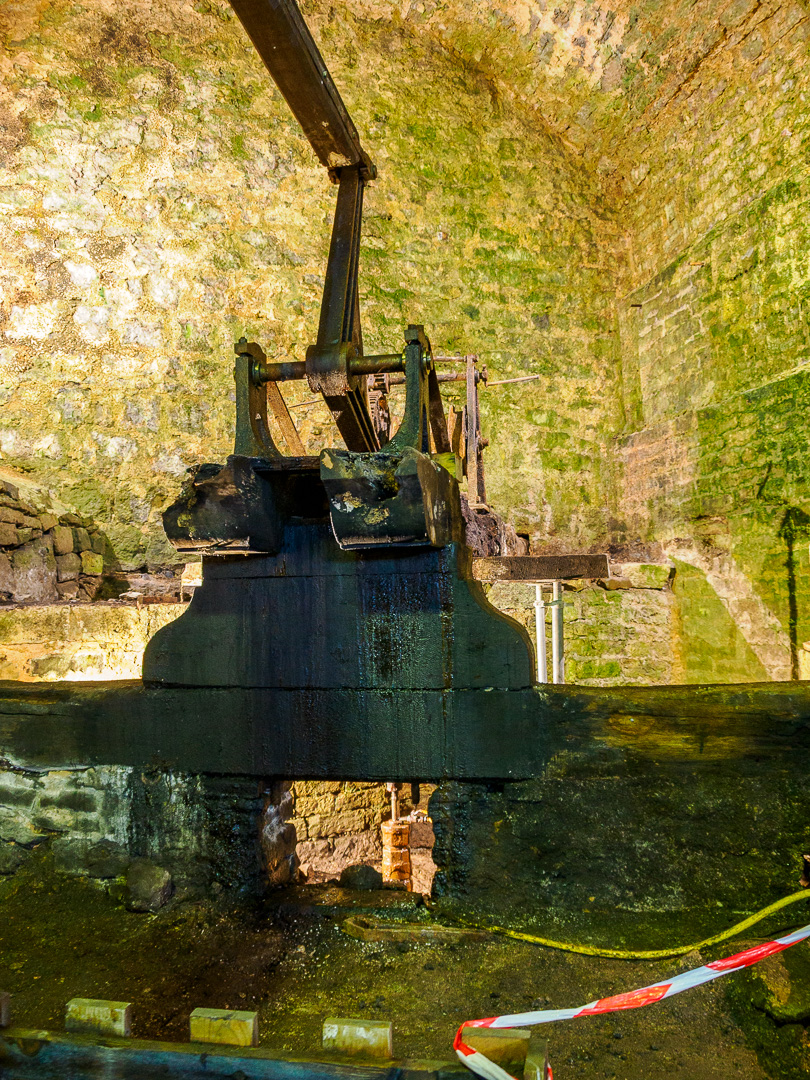
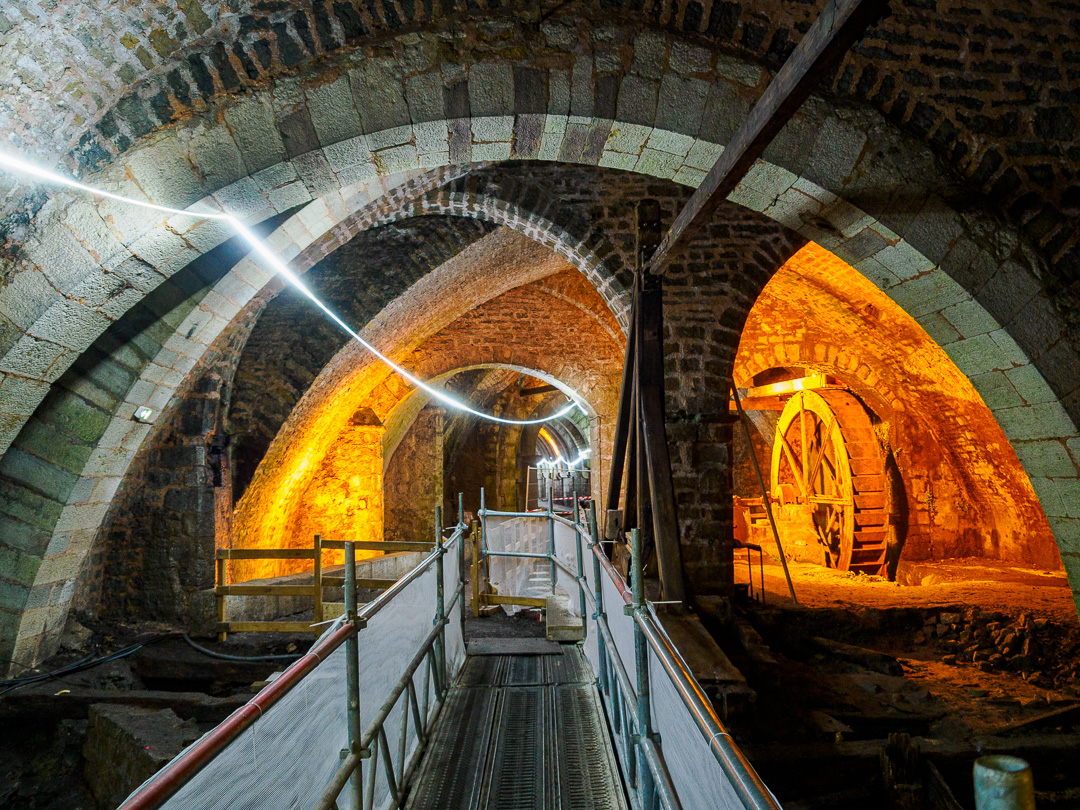
After being pumped up to the surface, the evaporation process took place in large tanks:
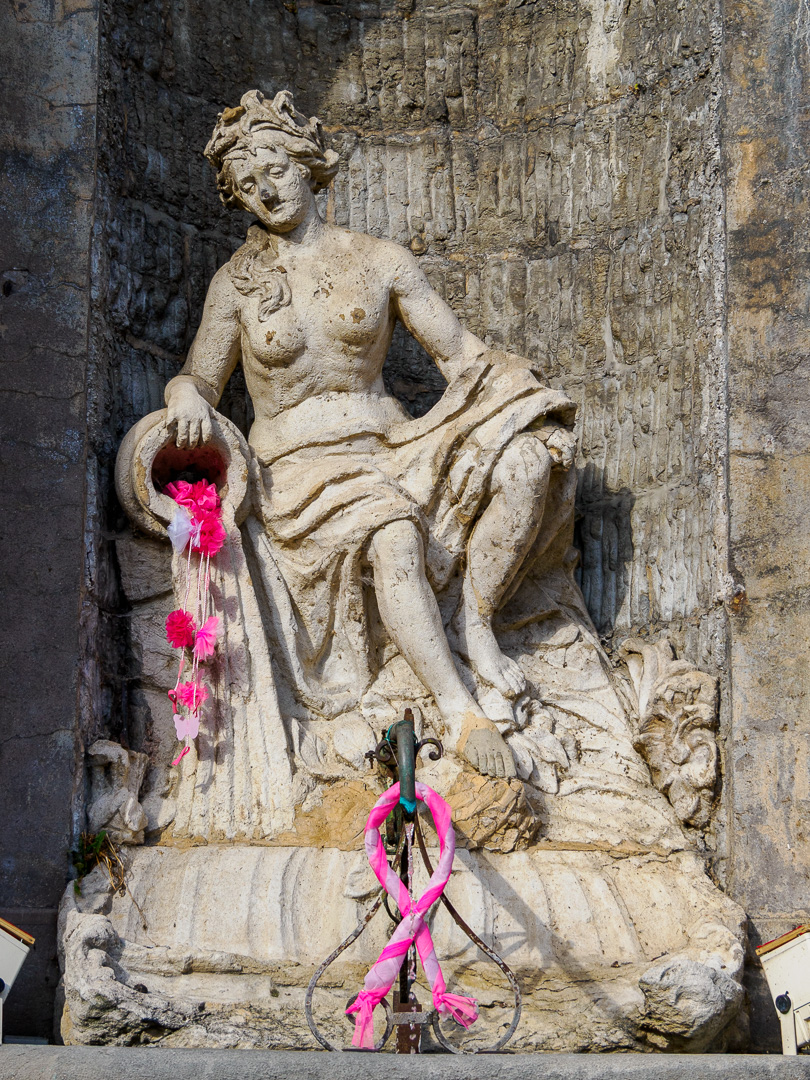
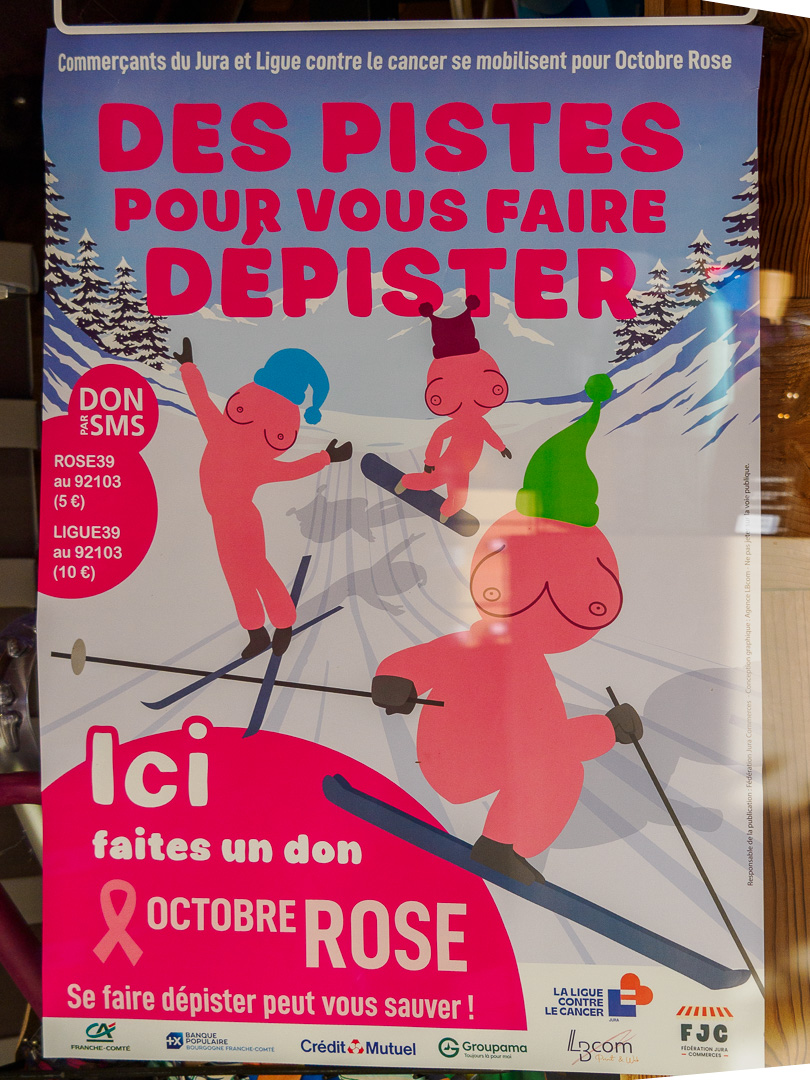
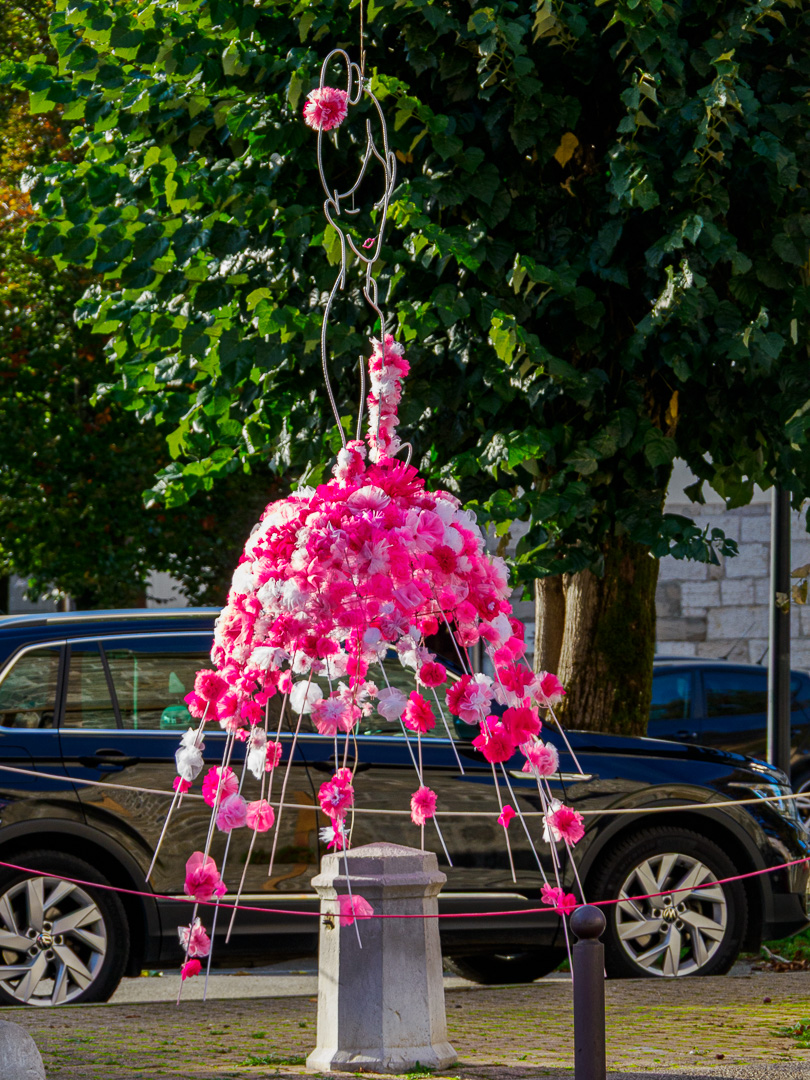
Wandering around the town afterwards, we noticed some awareness raising action for breast cancer, which is part of the October calendar in France:
Our park-up for the night is alongside the Salt Mining Museum, where the town council has provided some motorhome places. So that is it for today. TTFN and See-u-later.
 "See-u-Later"