
Thursday 14th May 2026
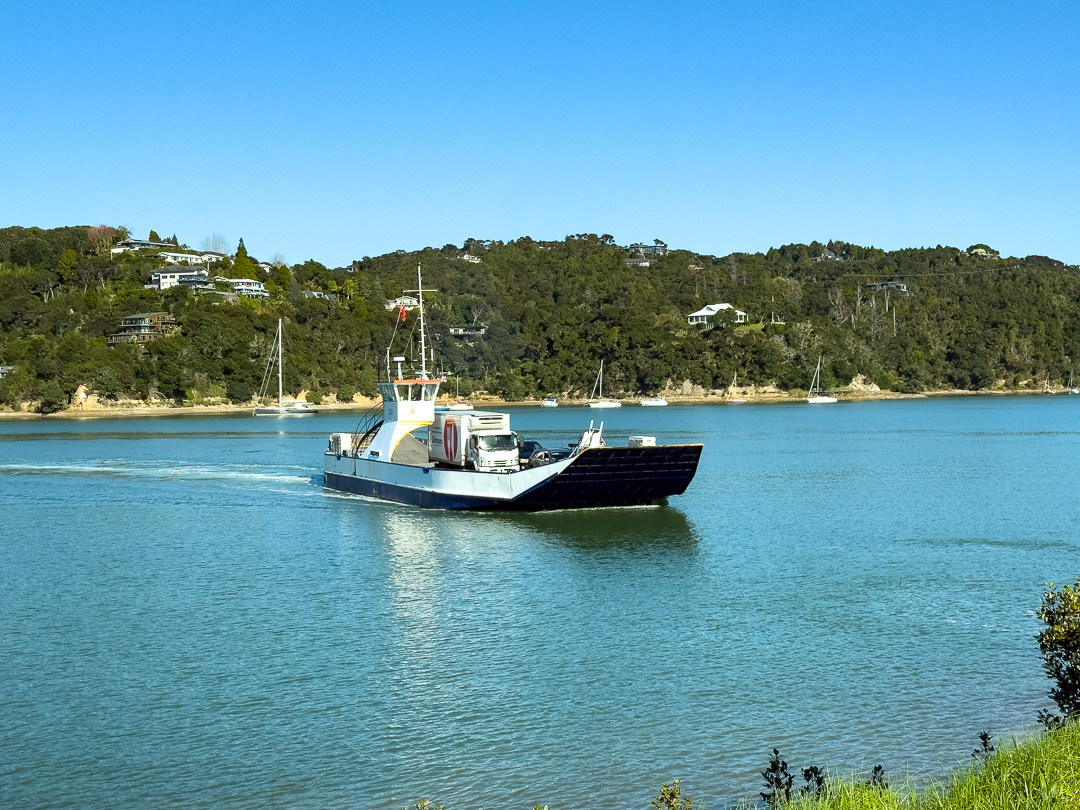
Leaving Russell, we caught the ferry back across the water then headed north to Waitangi and the Treaty Grounds.
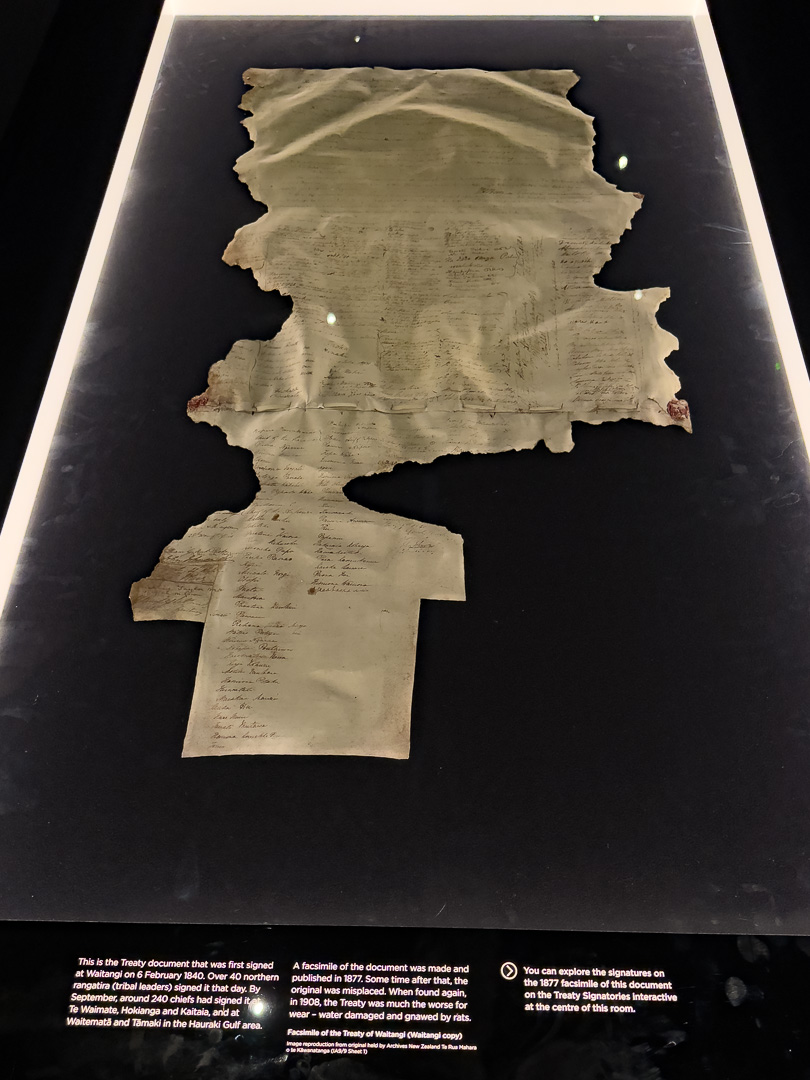
The history of New Zealand is not long, but it is complex. In 1840, Maori Chiefs and a representative of the British Crown gathered in Waitangi to sign The Treaty of Waitangi which changed the relationship between the British and the Maori.
Later, it was found that the translated version of the document differed in some critical regards to that in English. Of course that was not the end of the story and there were armed conflicts for some years. Some issues still remain difficulties, despite an apology from Queen Elizabeth II in 1974.
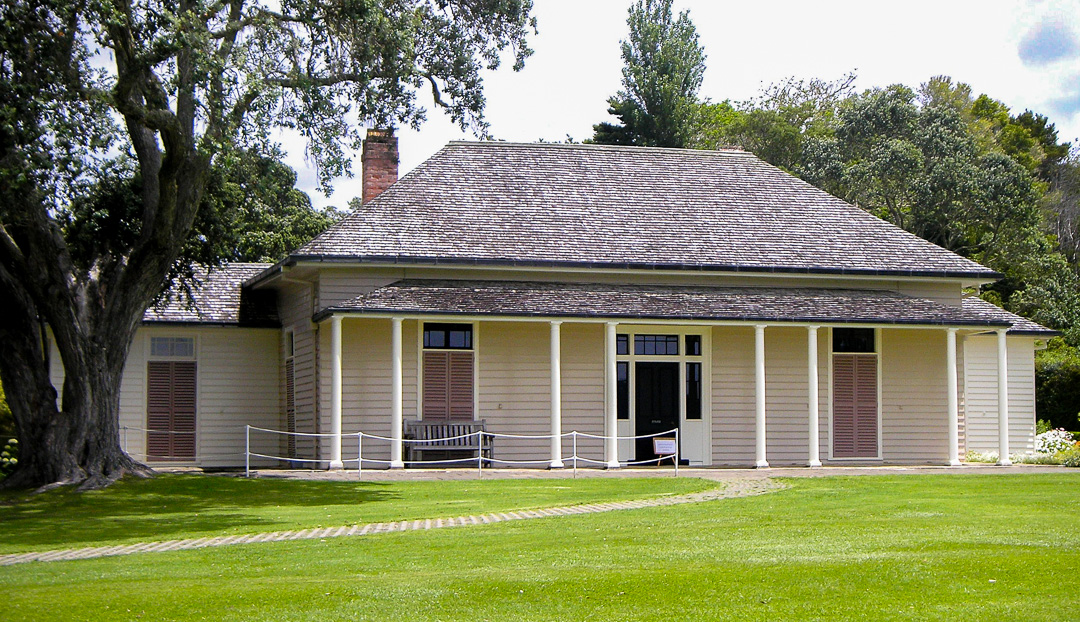
The site is now under the care of the New Zealand National Trust, but the Treaty House was originally the home and place of business of the first British representative in New Zealand, James Busby. This is where the treaty was first drawn up. Sadly I missed taking a photo of this, so I have used one from Wikipedia with the appropriate credit.
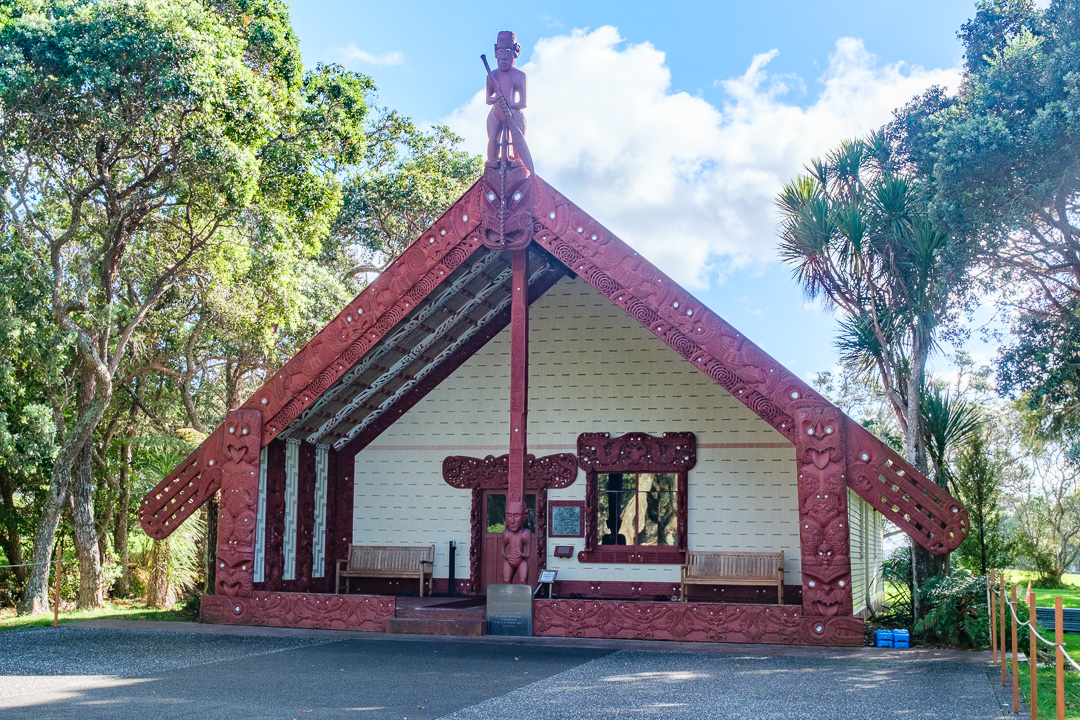
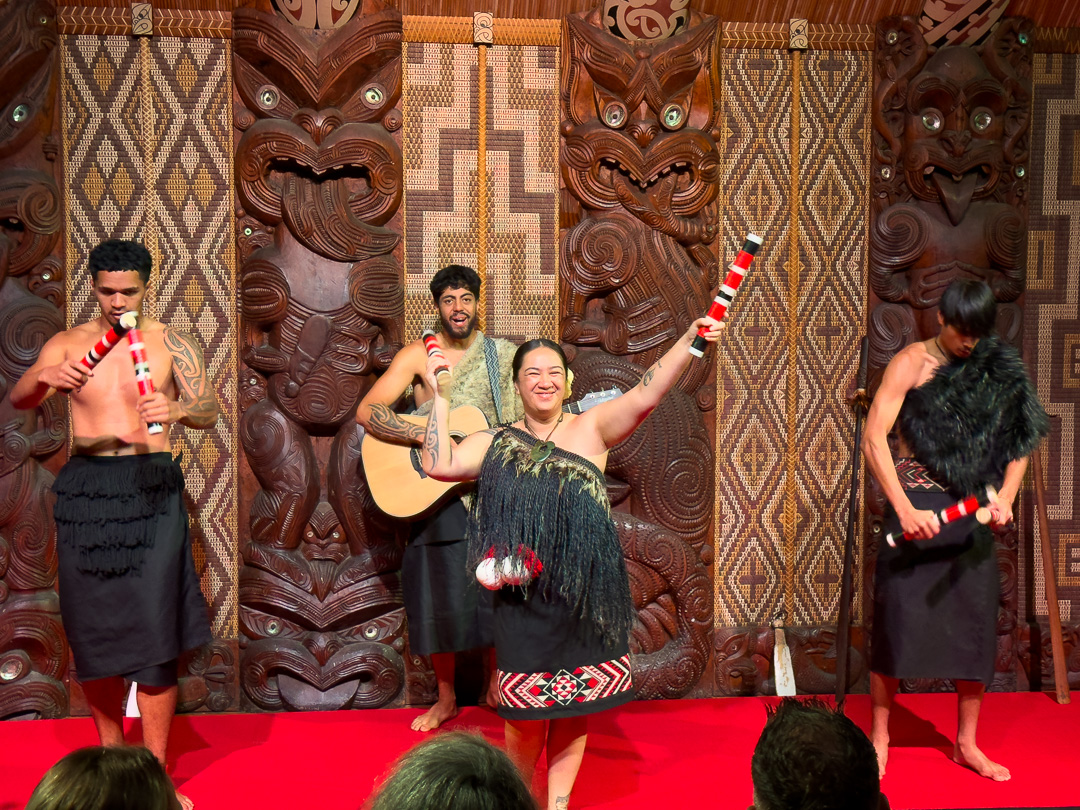
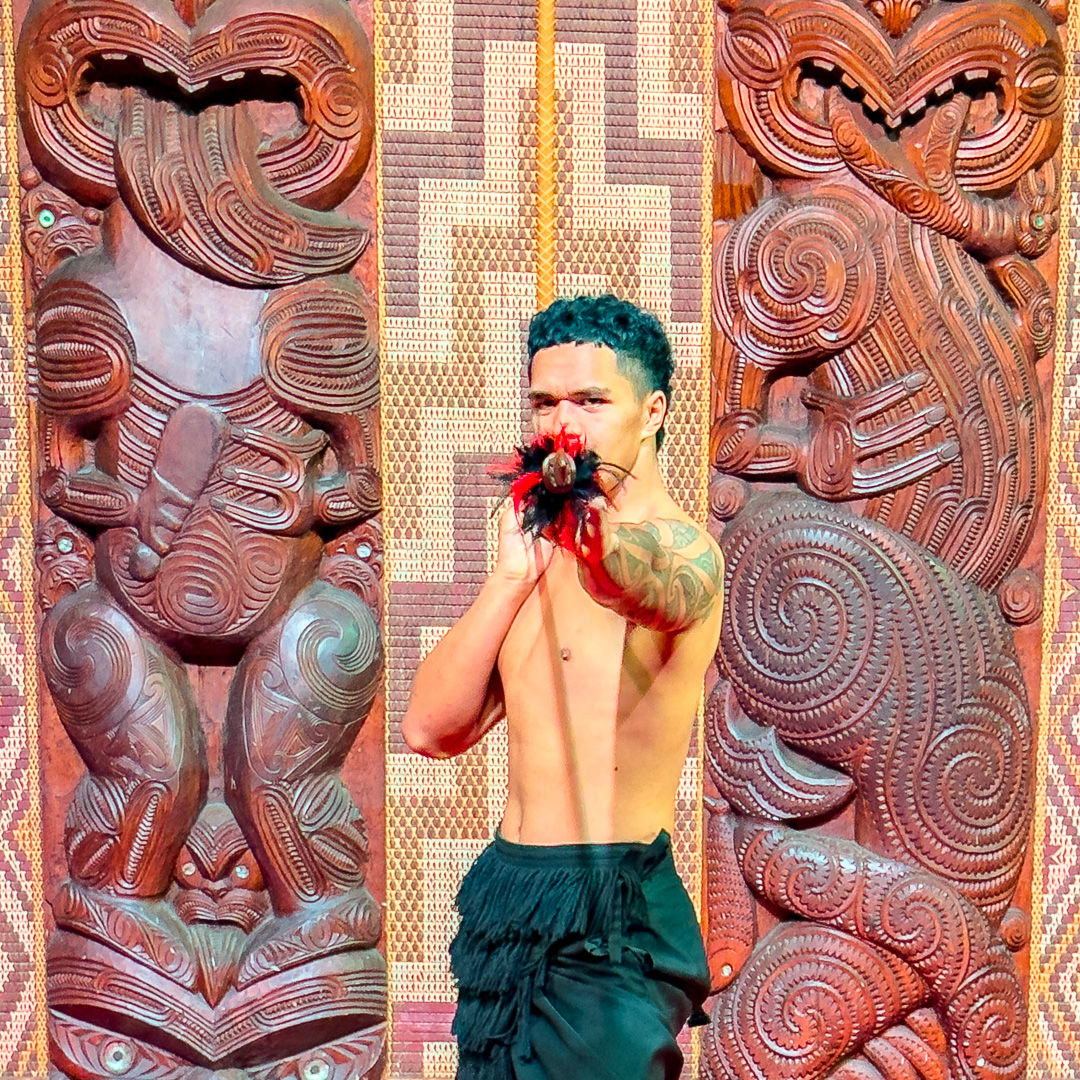
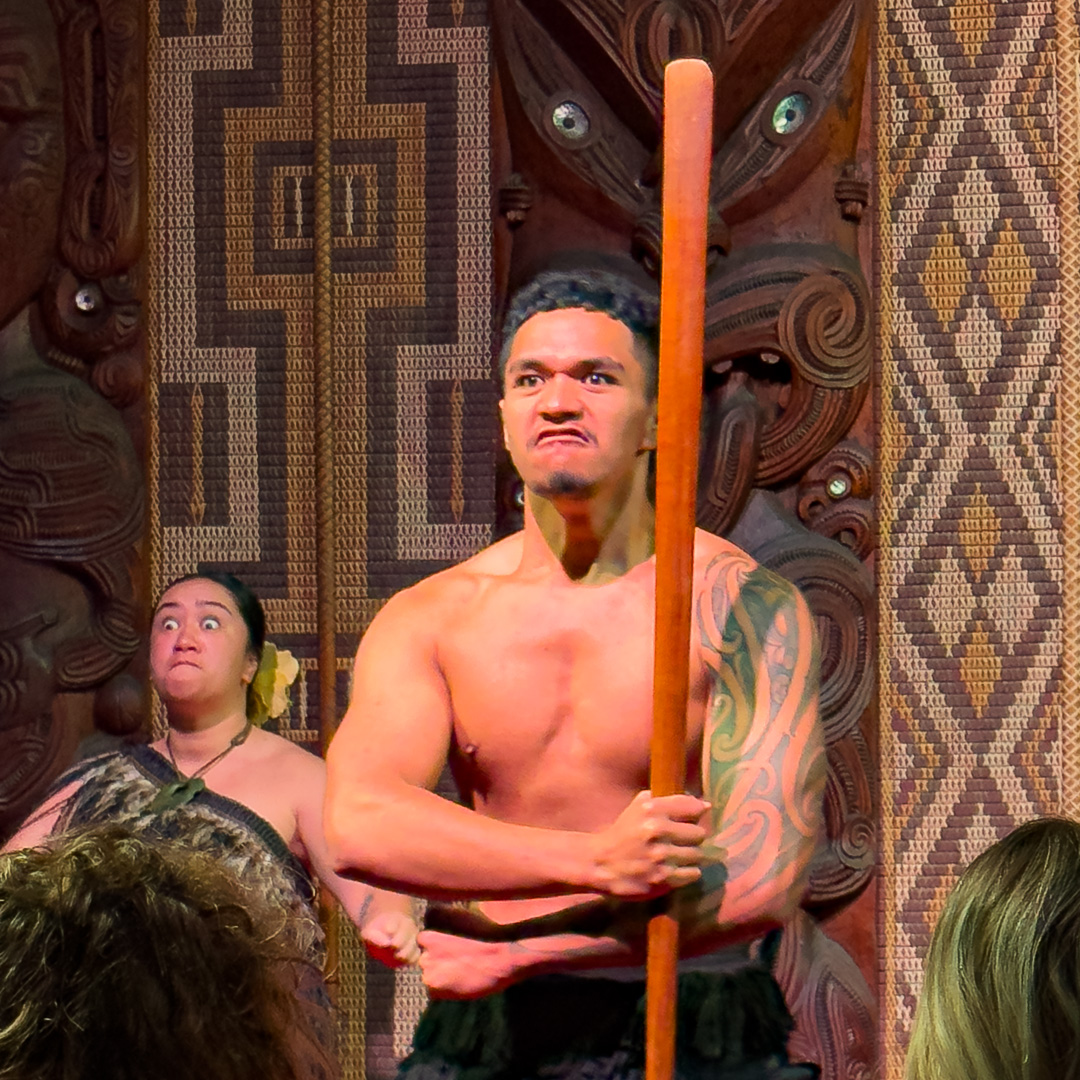
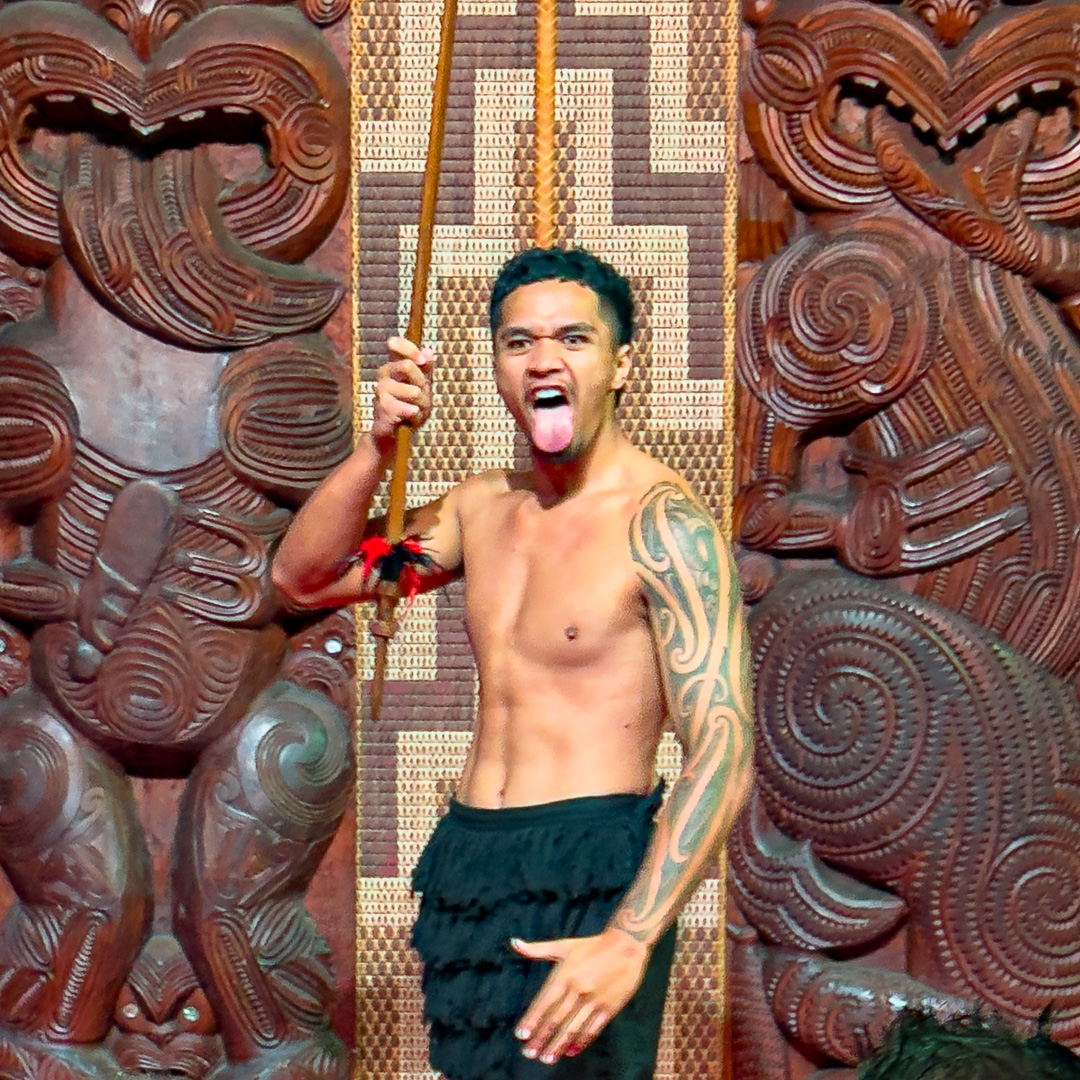
Facing this, is Te Whare Rūnanga, an impressive carved meeting house which was opened in 1940 and took six years to complete. Its position is meant to symbolise the partnership between the Maori and the British Crown. In here, we attended a “cultural experience”, demonstrating some of the Maori traditional culture.
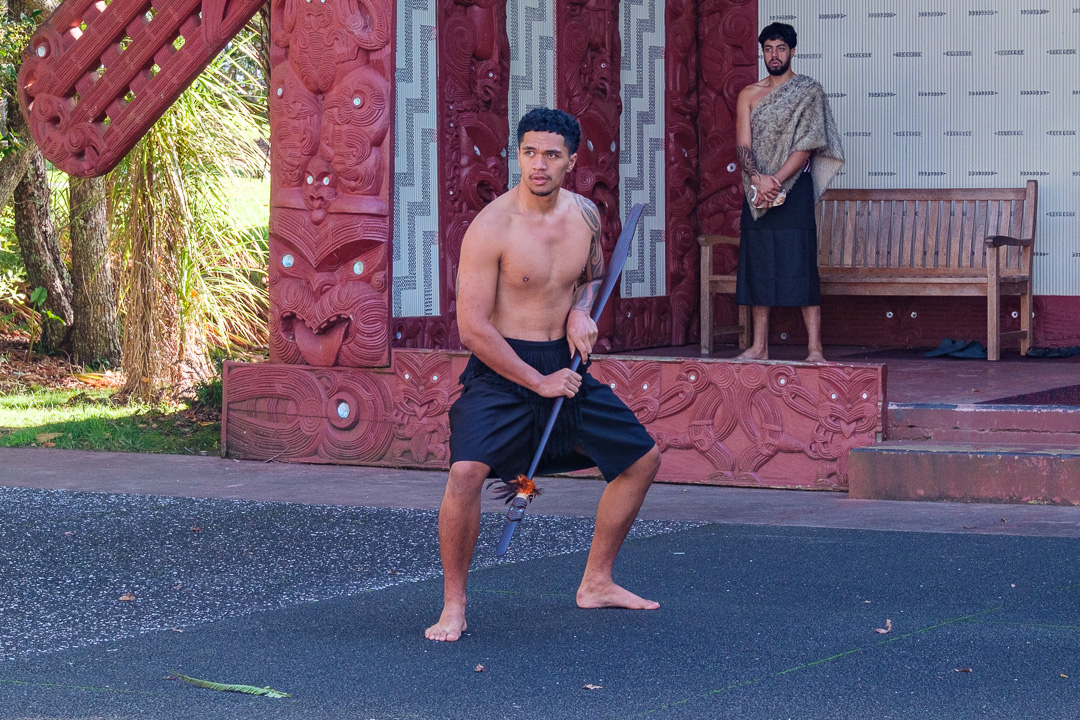
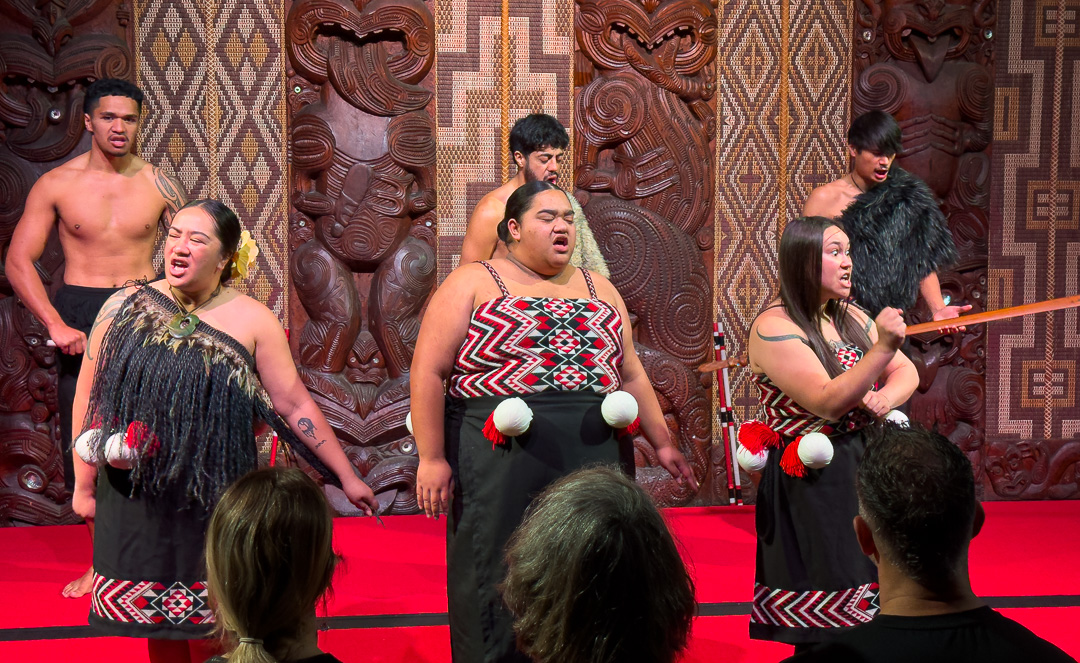
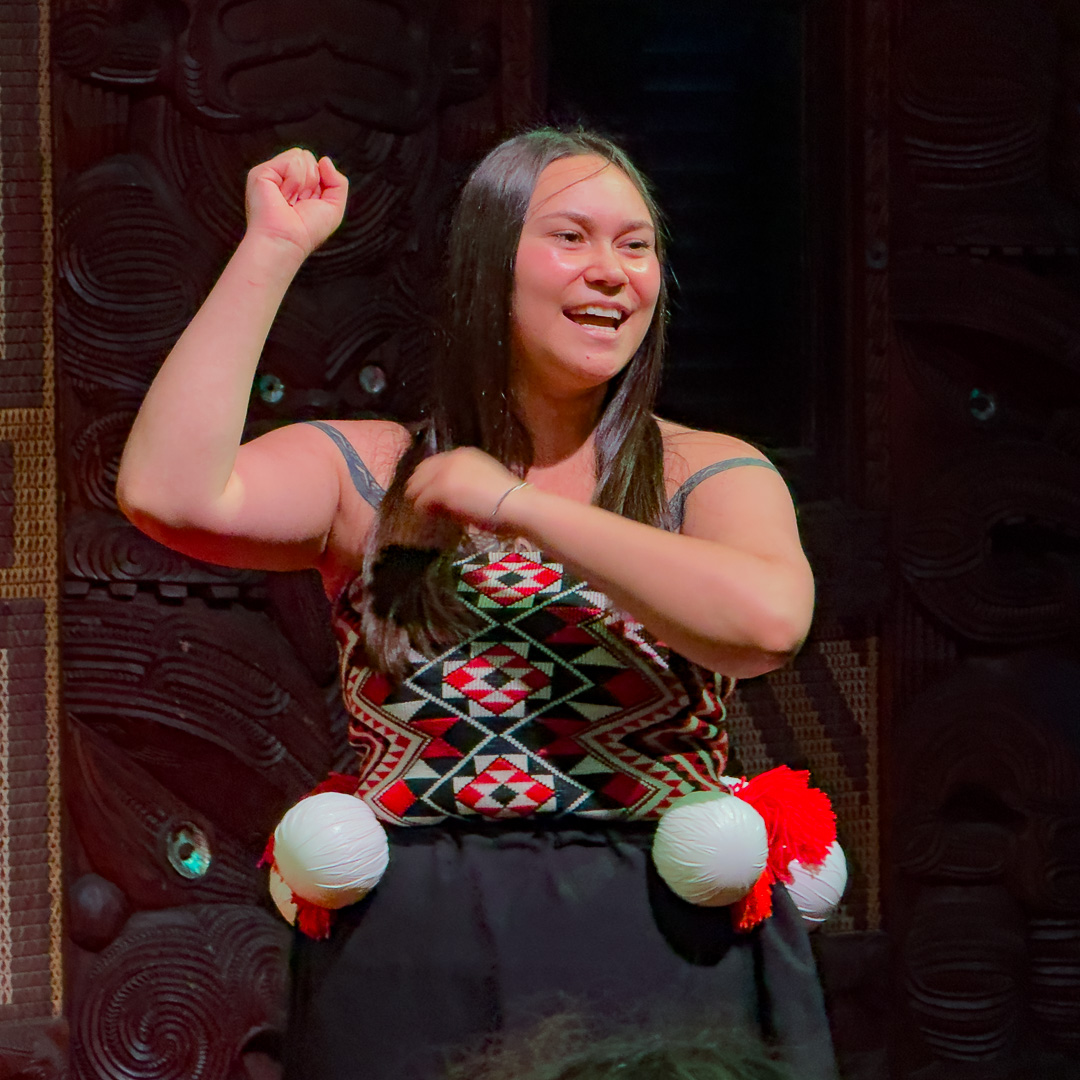
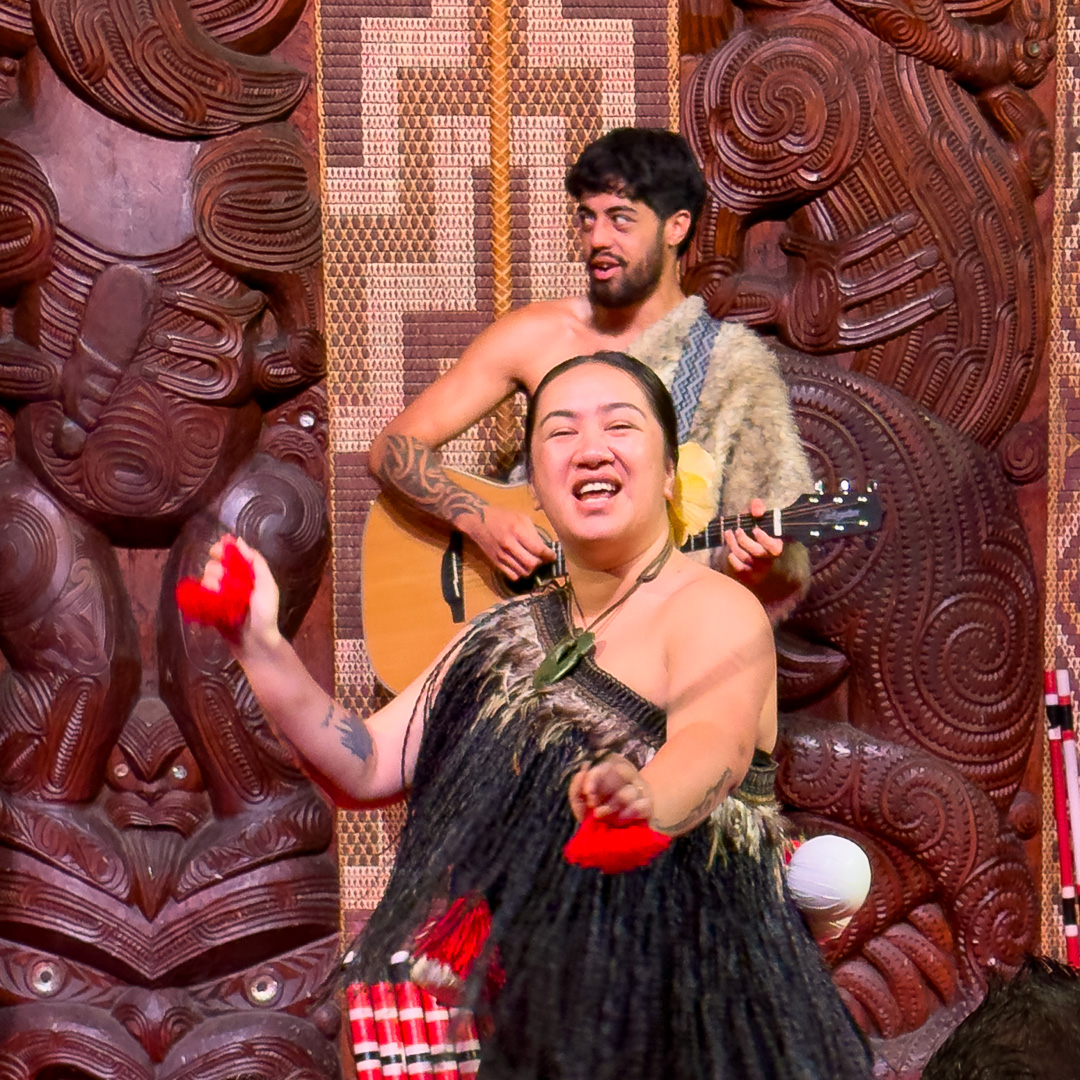
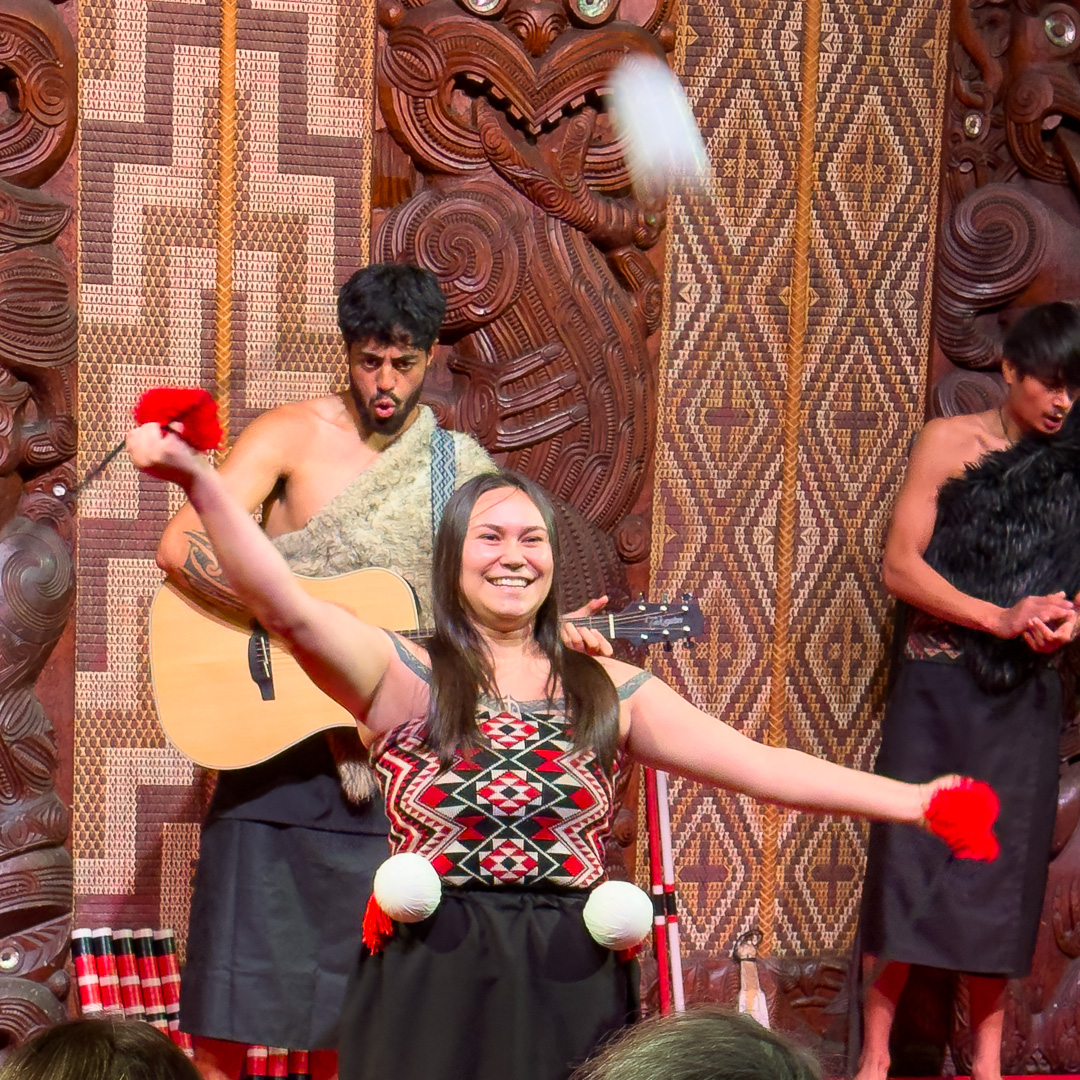
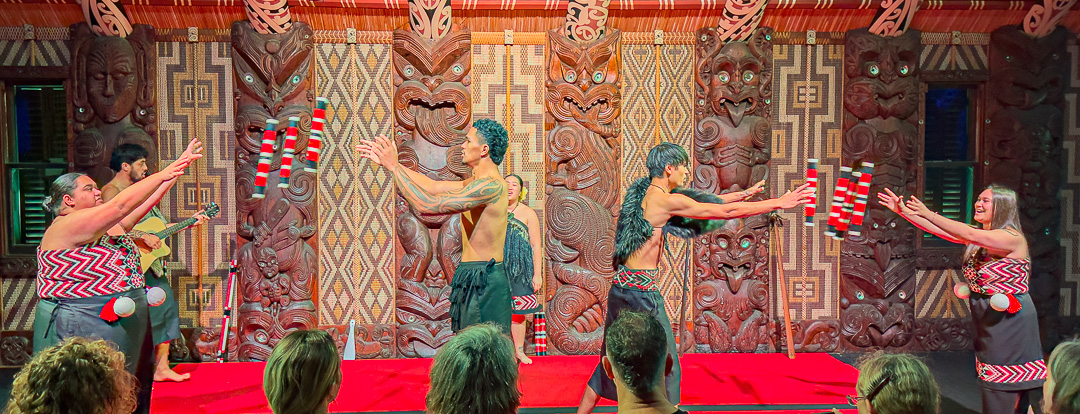
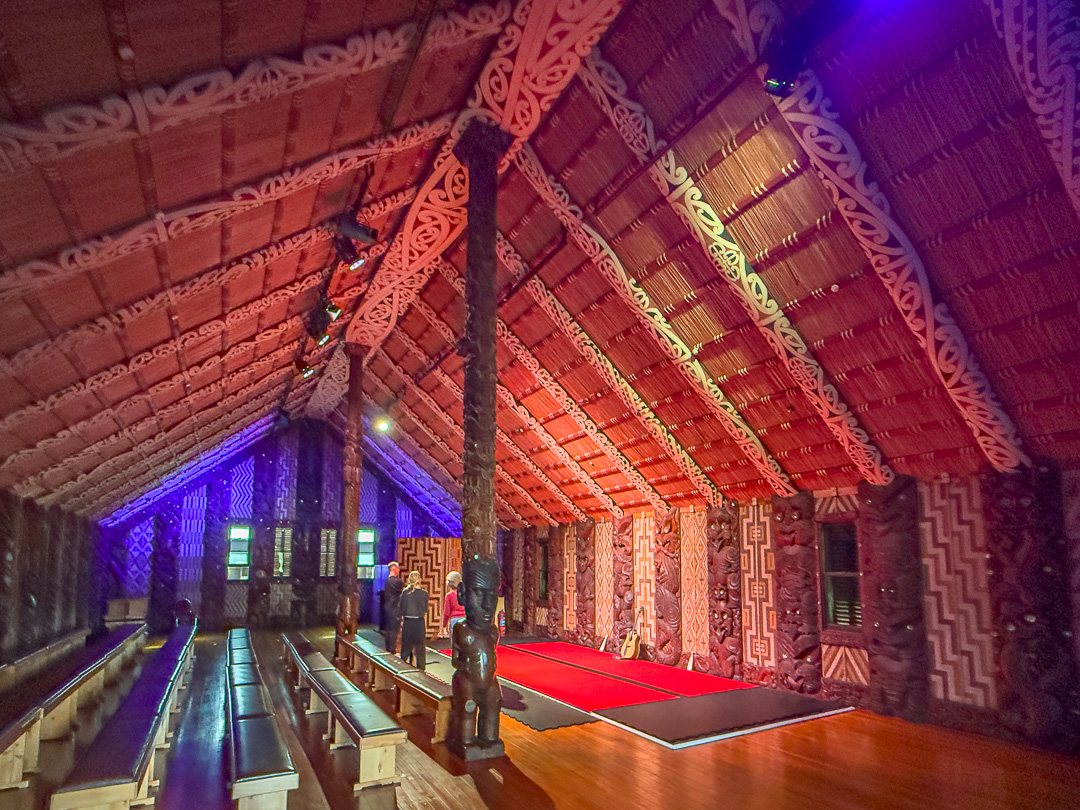
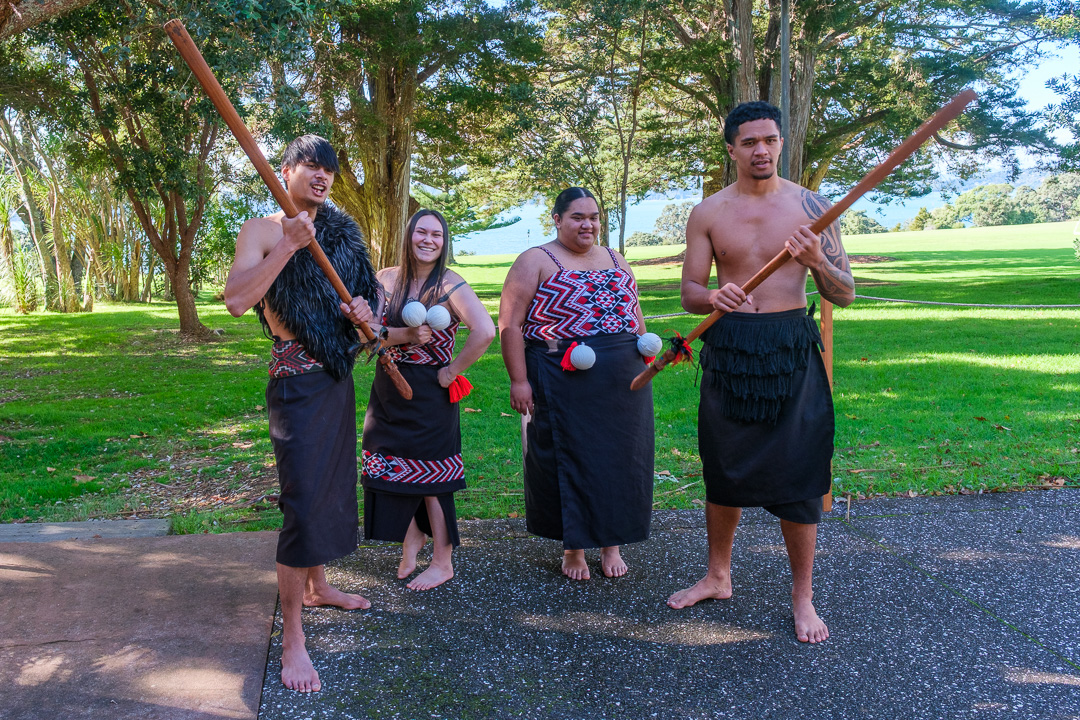
It is believed that the Maori arrived from Polynesia in the 12th century. There are two museums on site, the Museum of the Price of Citizenship, and Museum of Waitaingi, each of which was very interesting and presented information about the history of New Zealand from earliest times to date, including specific information about the treaty and the difficulties surrounding it.
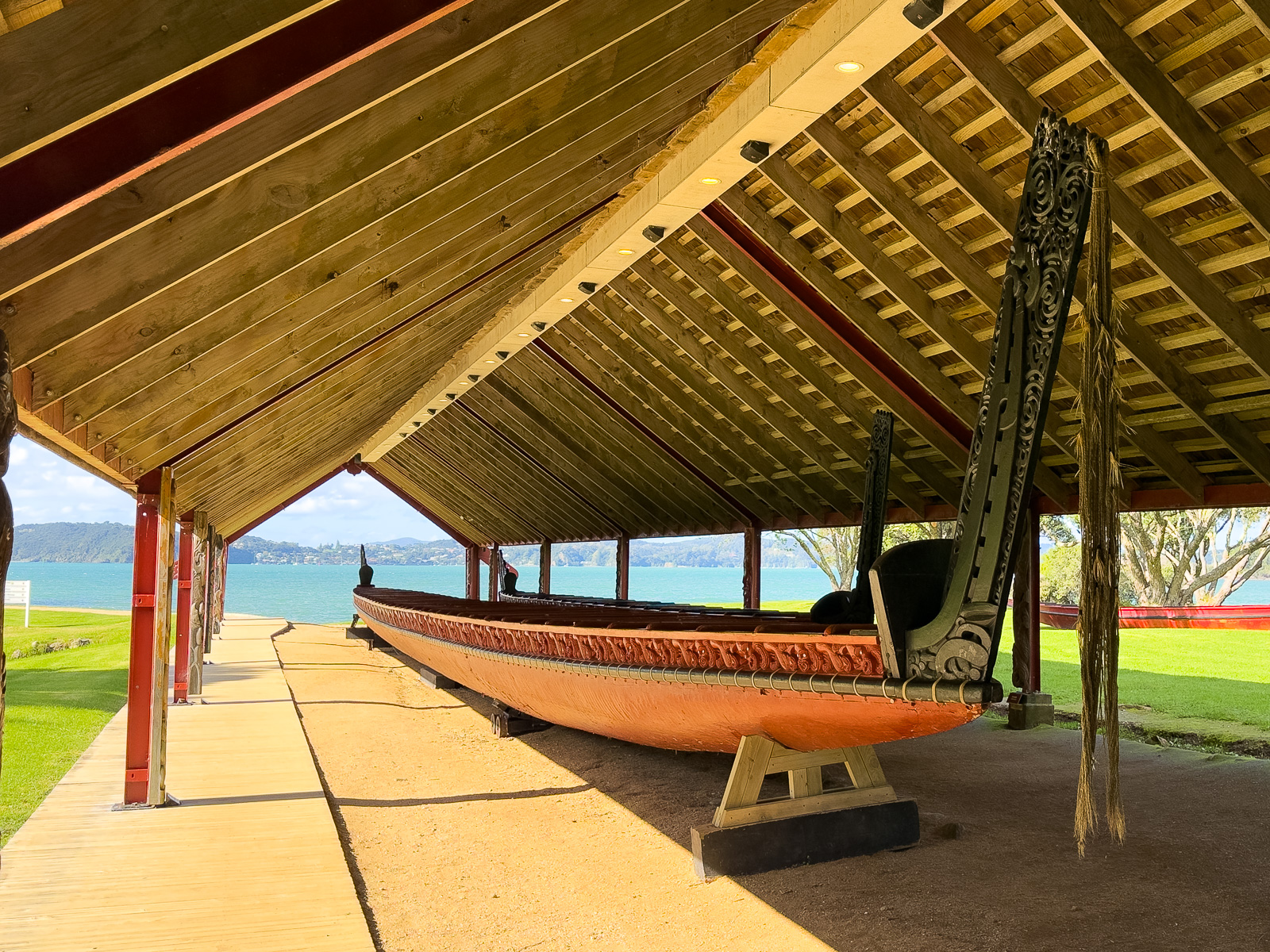
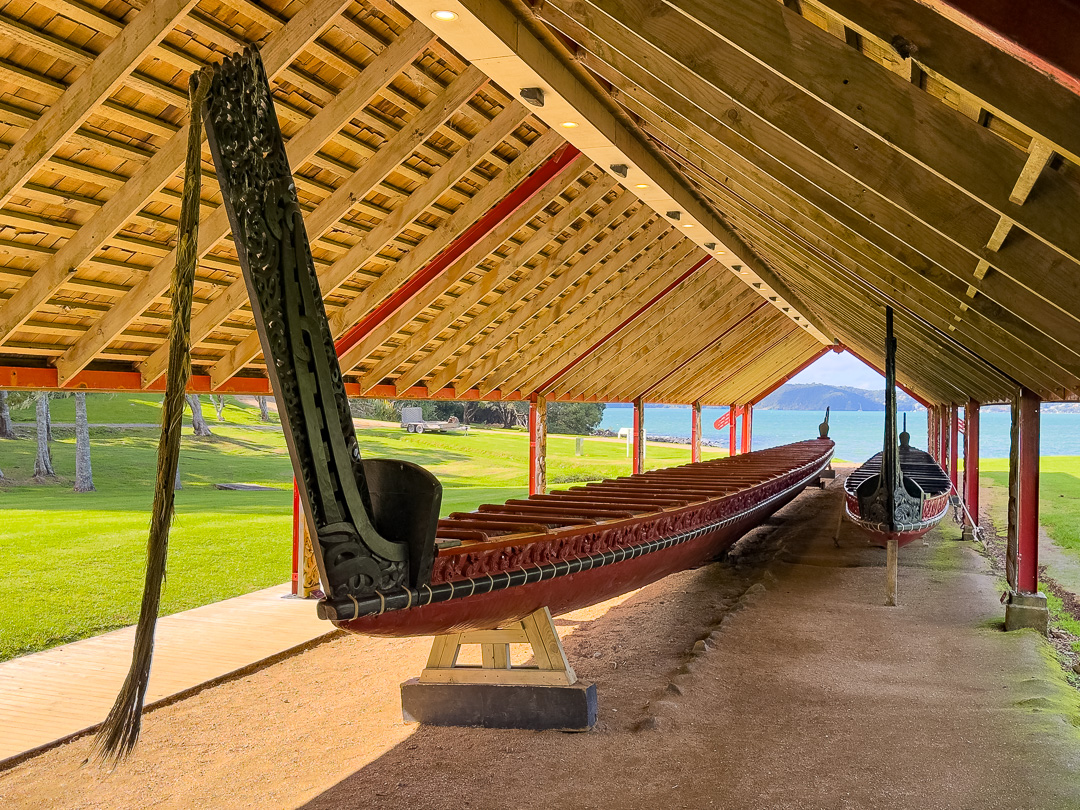
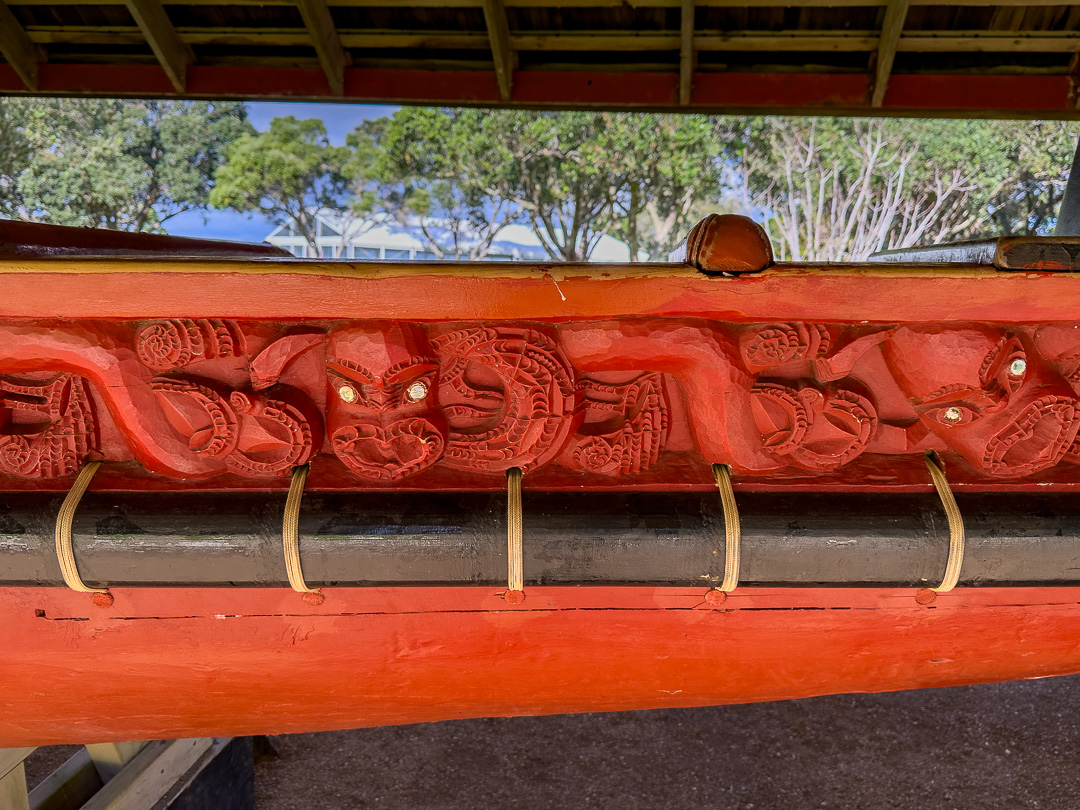
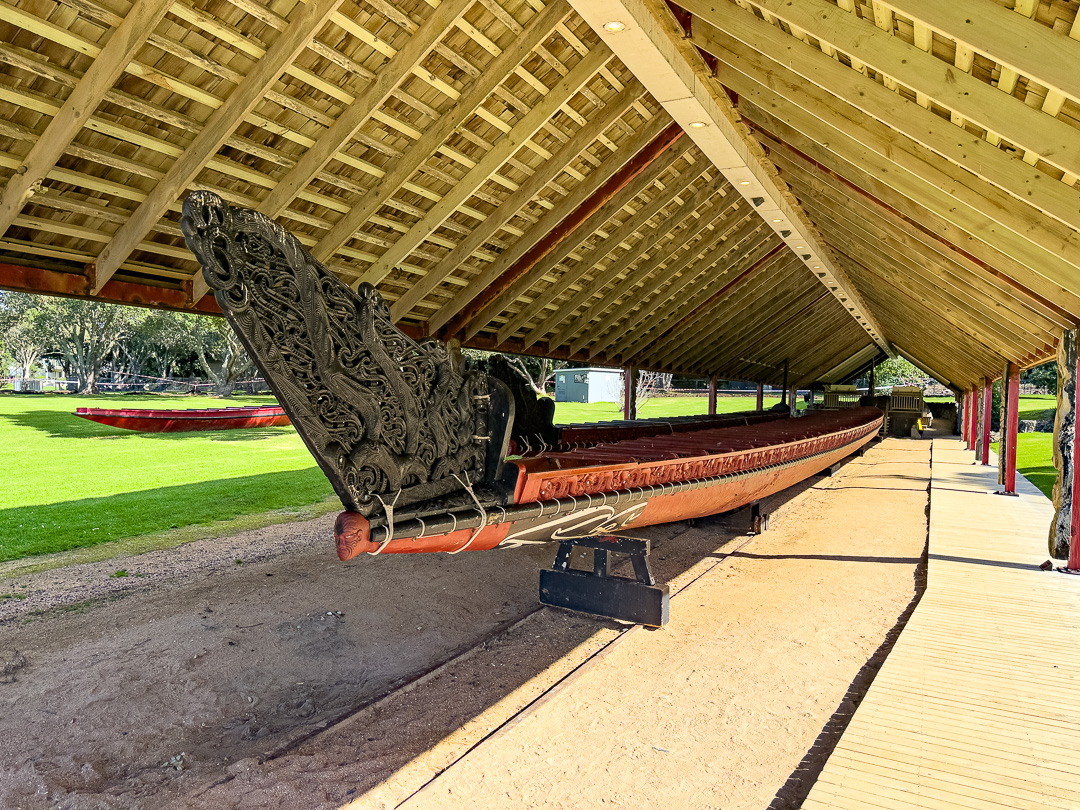
Also on site are two ceremonial war canoes, one of which is the largest in the world. Made of three hollowed out tree trunks joined together, it was built to commemorate 100 years since the Treaty was signed, it is 35 metres long and needs a minimum of 76 paddlers to handle it safely in the water. It is paddled every year, on the 6th February as a part of the Waitangi Day celebrations.
That is it for today. TTFN and see-u-later.


One Reply to “”