
Fri 23rd and Sat 24th October 2026
A couple more days spent in the Loire area of Western France. This place is just full of châteaux; far too many to visit without getting thoroughly fed up of them. We were however tempted by the château at Saumur, before moving on along the south bank of the river to Turquant and its different style of accommodation.
Friday; Saumur:
Just a half-hour drive north of our last stop-over, we stayed on the Saumur Camping Car Park site on an island in the middle of the Loire river. Definitely in the Loire Valley then! Most of the city is on the south side of the river, about a 25 minute walk from the aire.
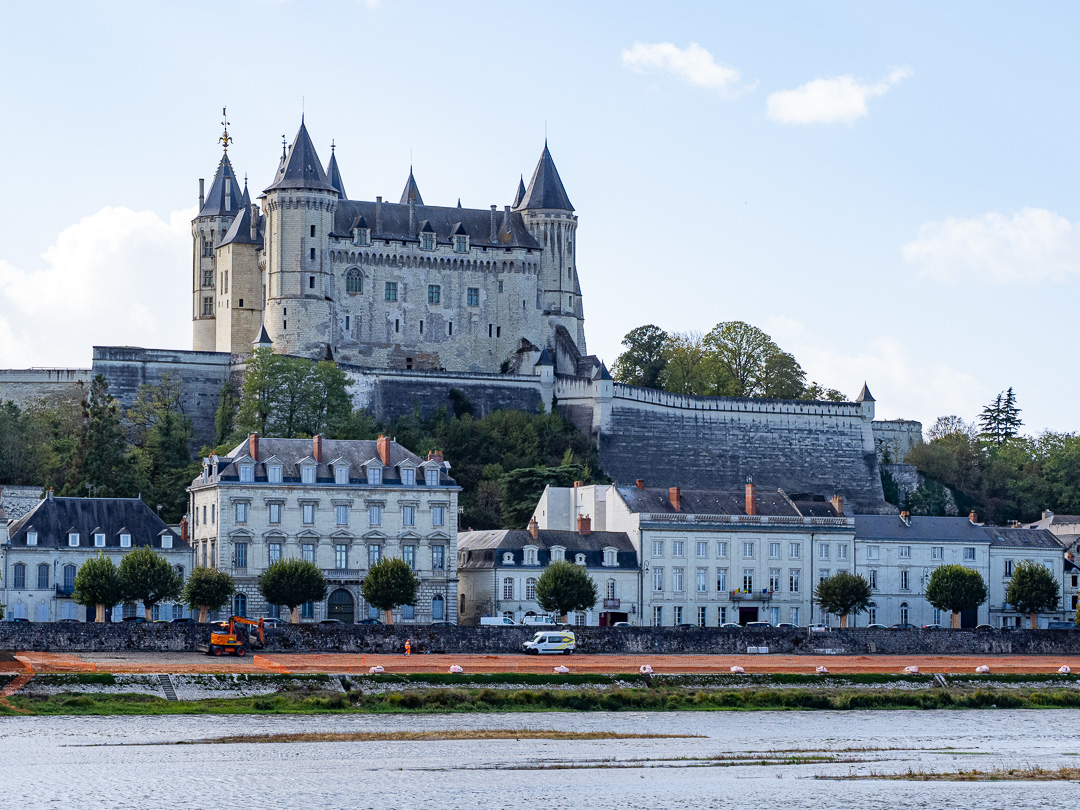
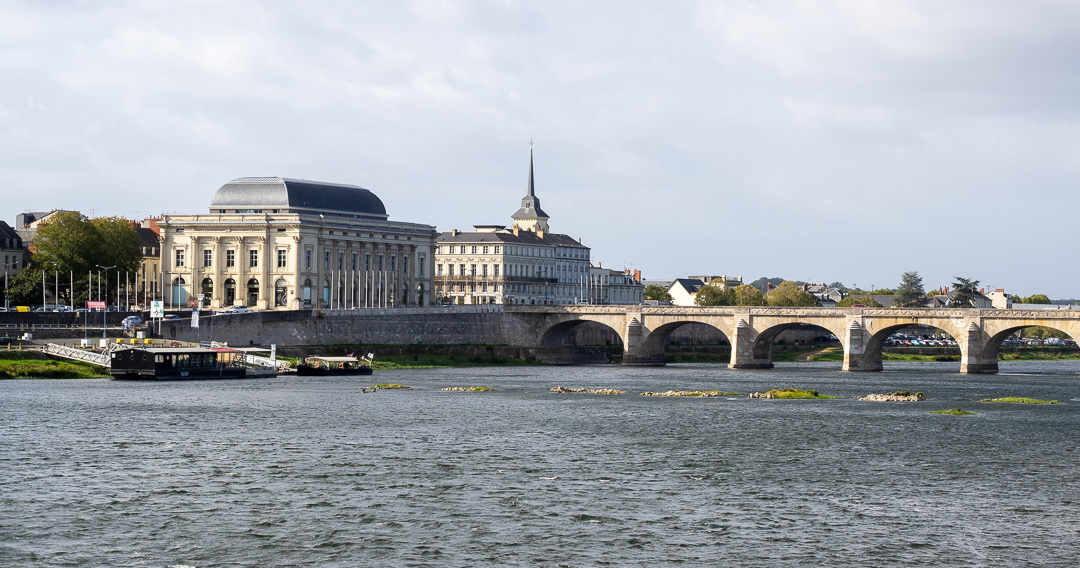
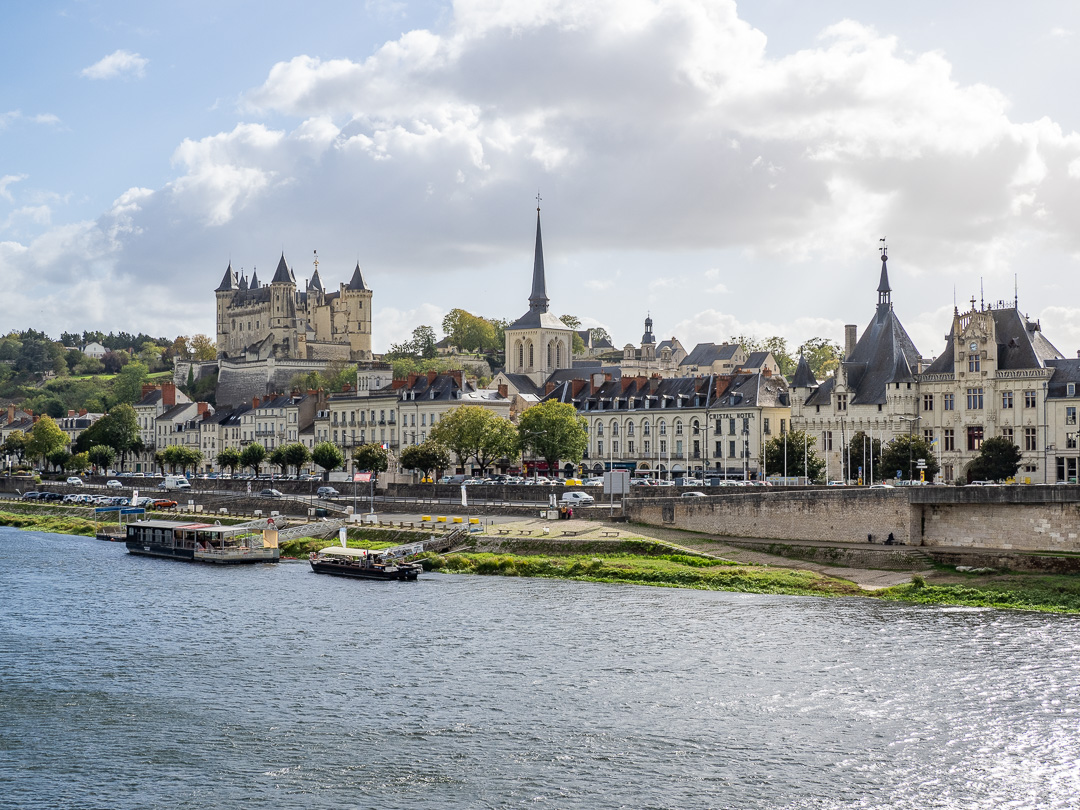
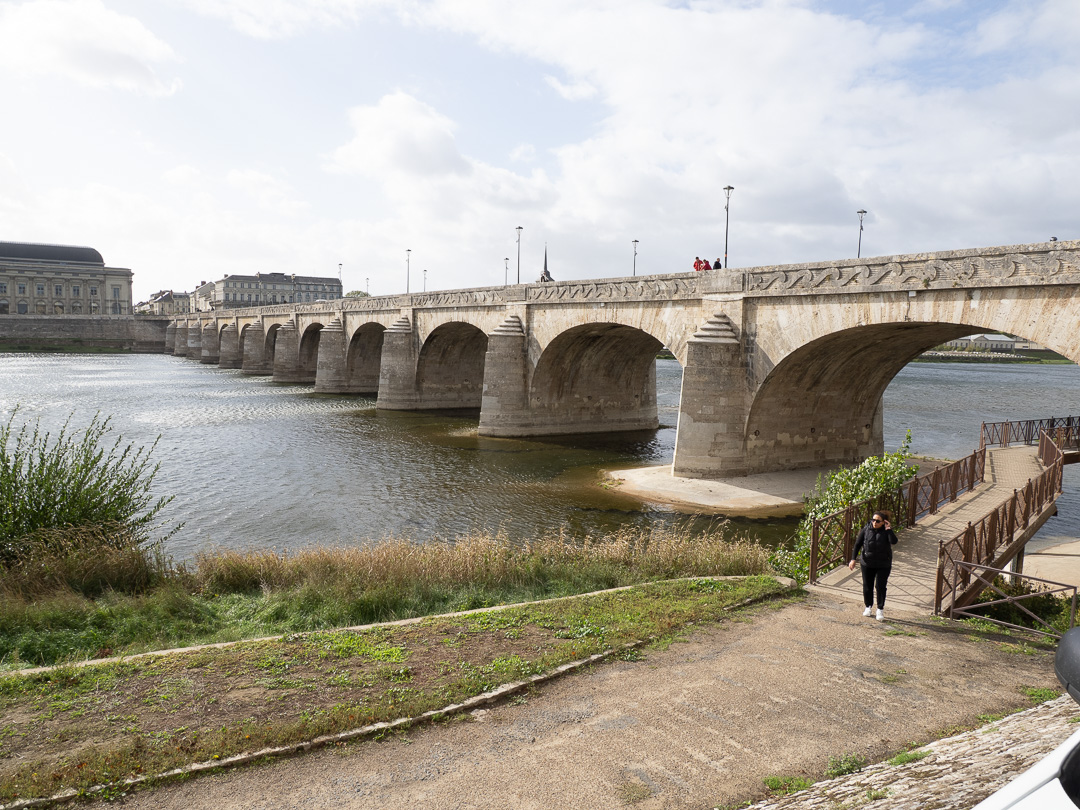
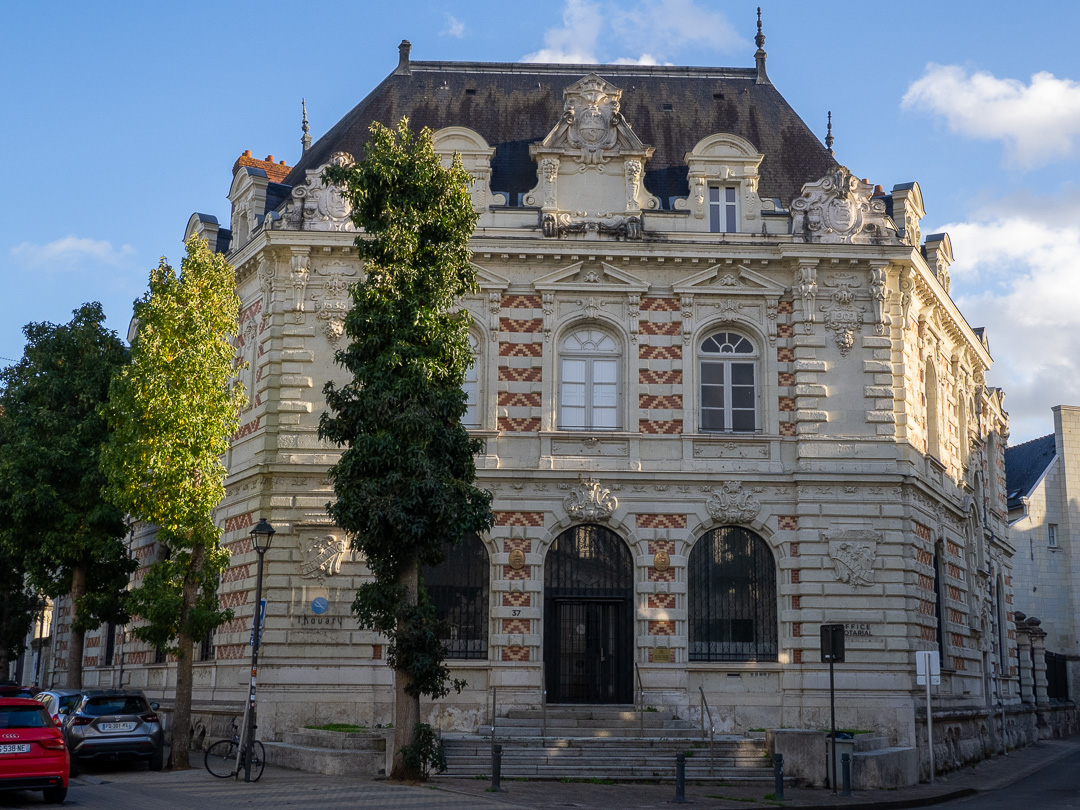
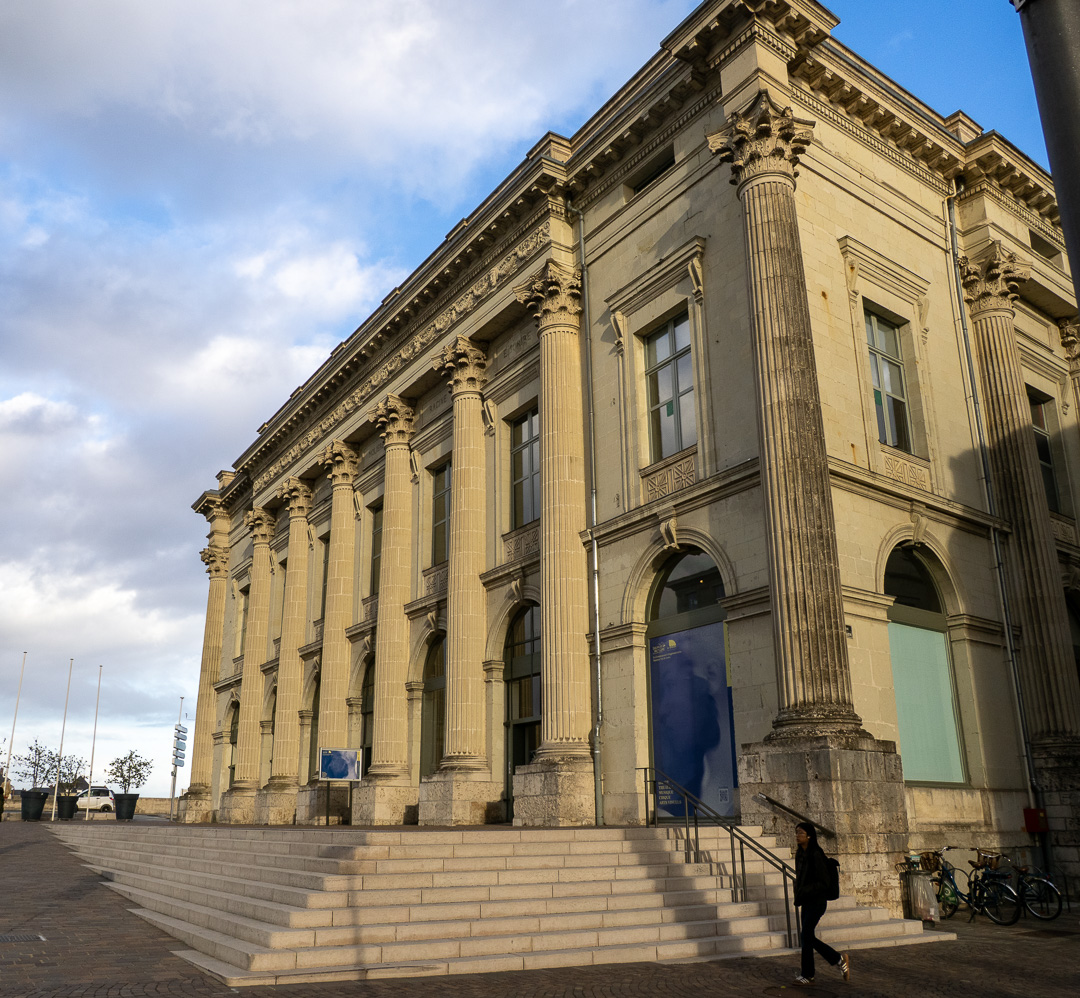
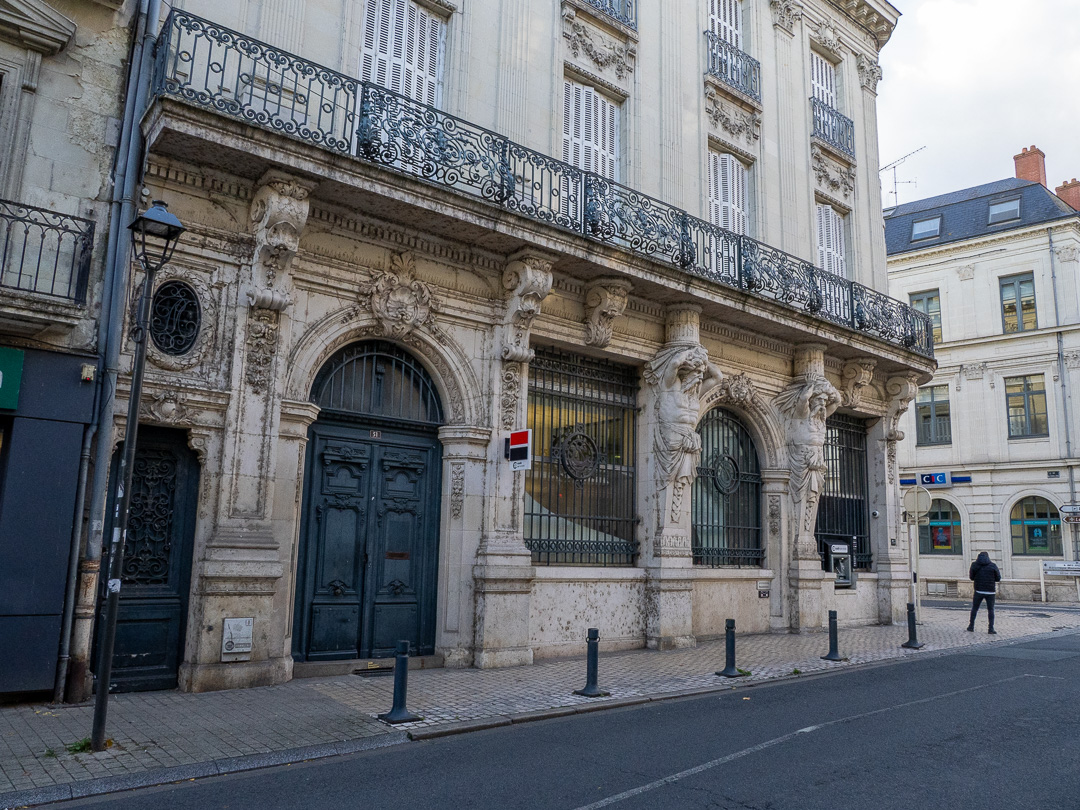
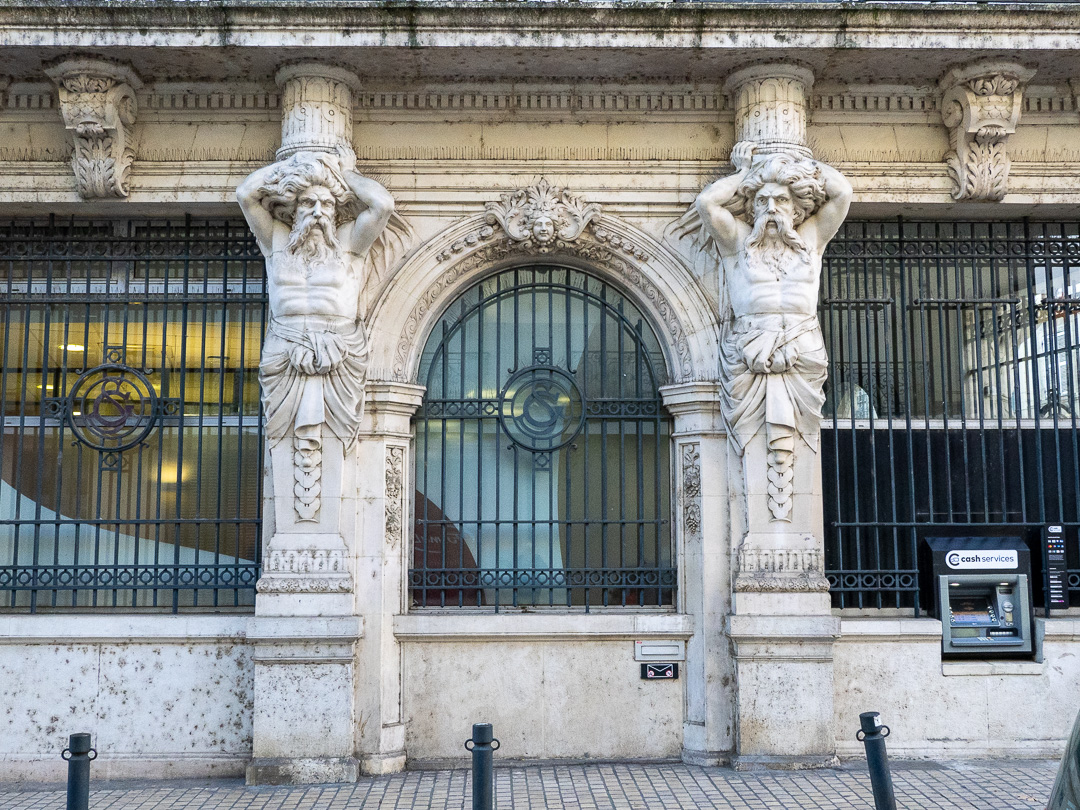
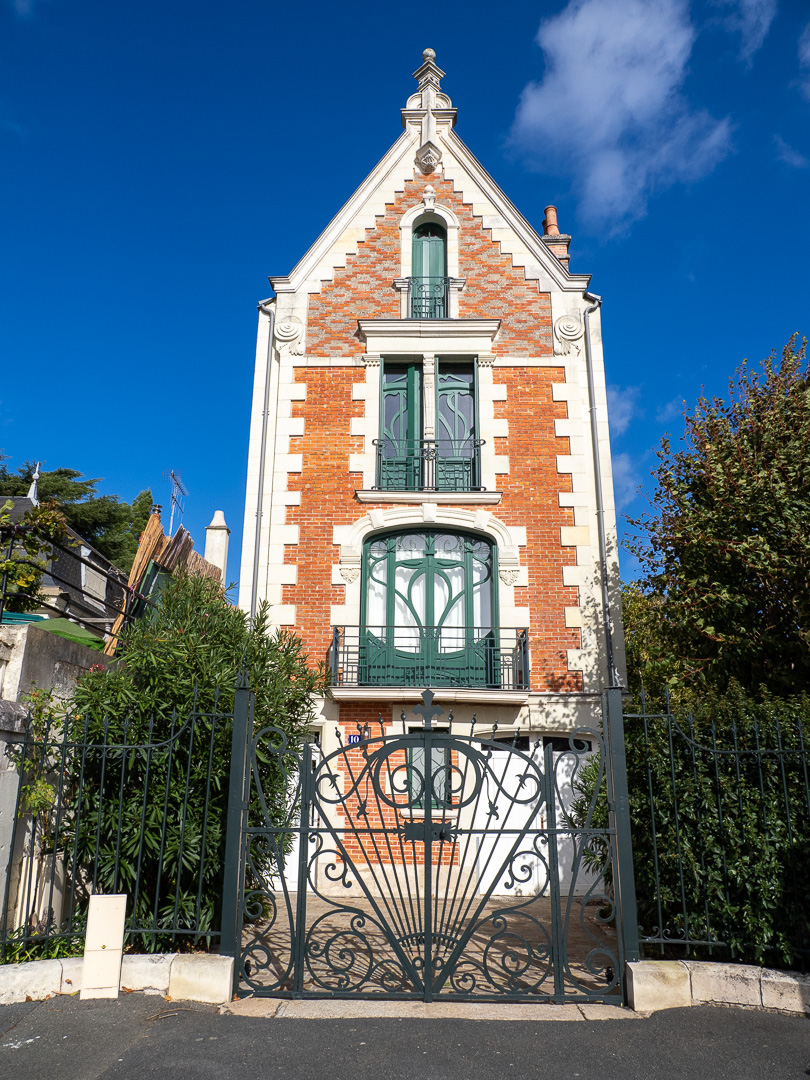
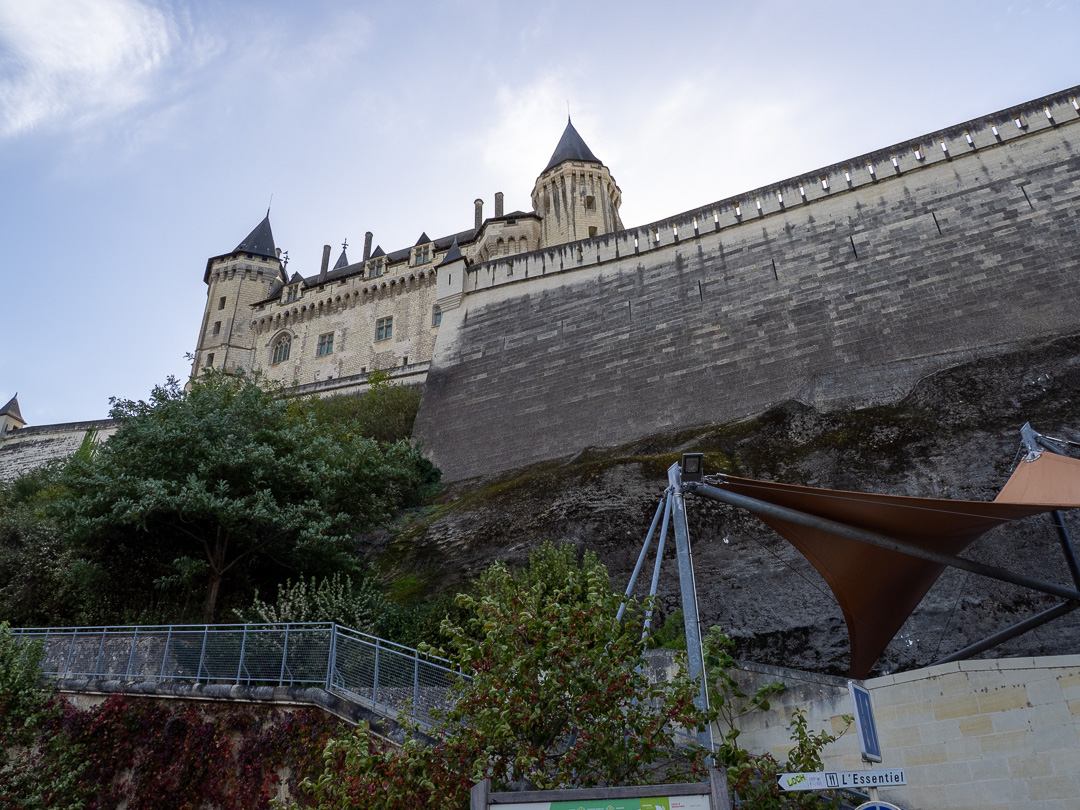
The most obvious feature of Saumur is the château which overshadows the city, being much the highest building, surrounded by fortifications. This is however a historically prosperous city and there are many elaborately ornate buildings which display great wealth.
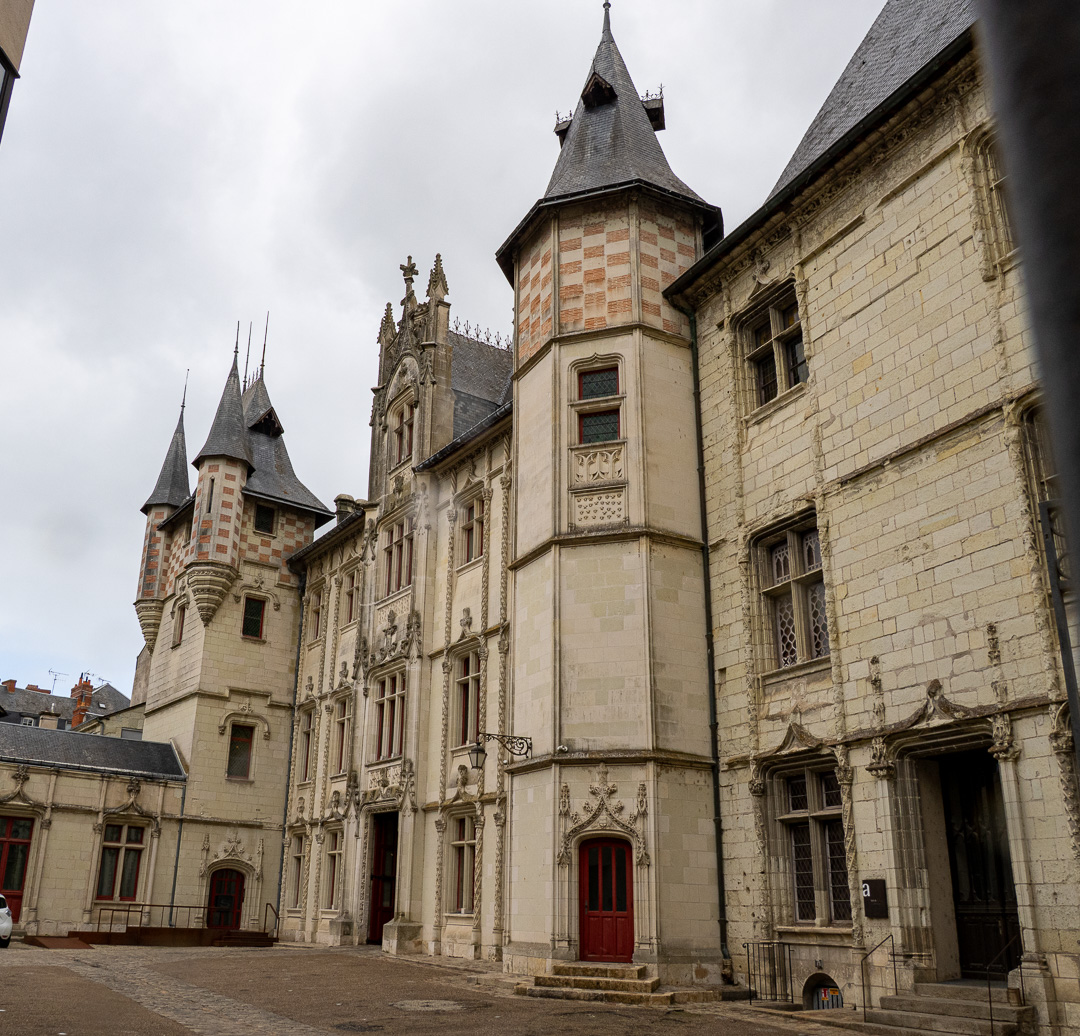
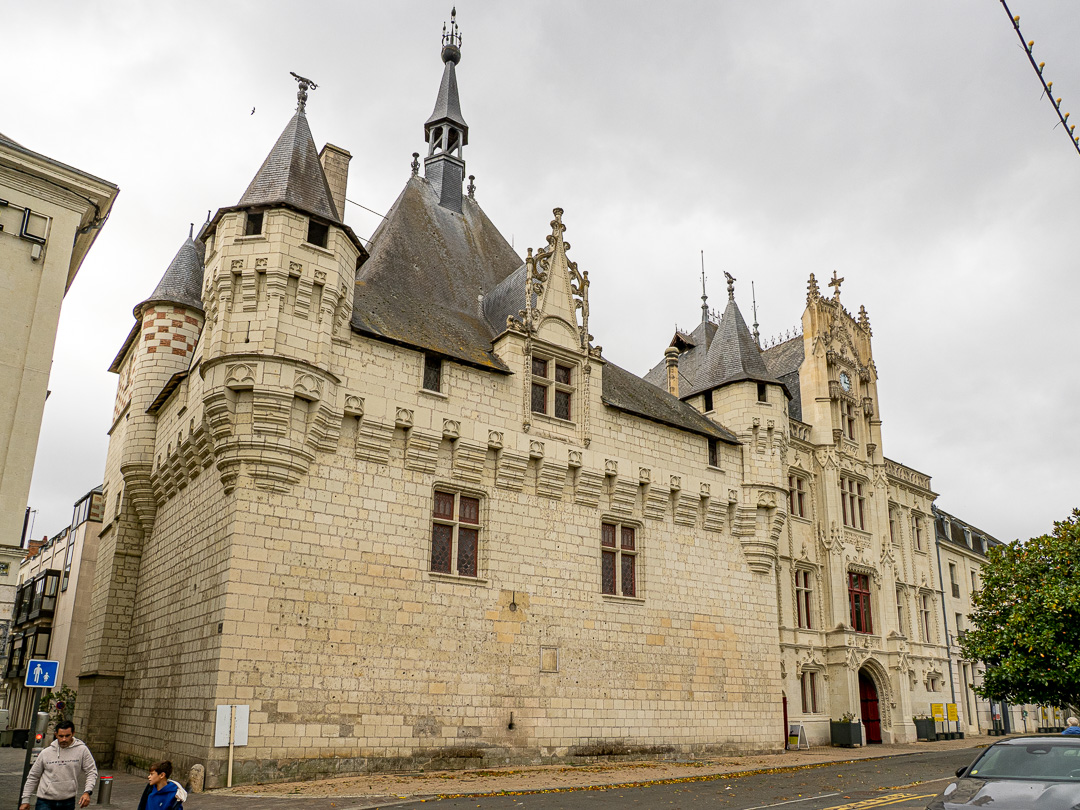
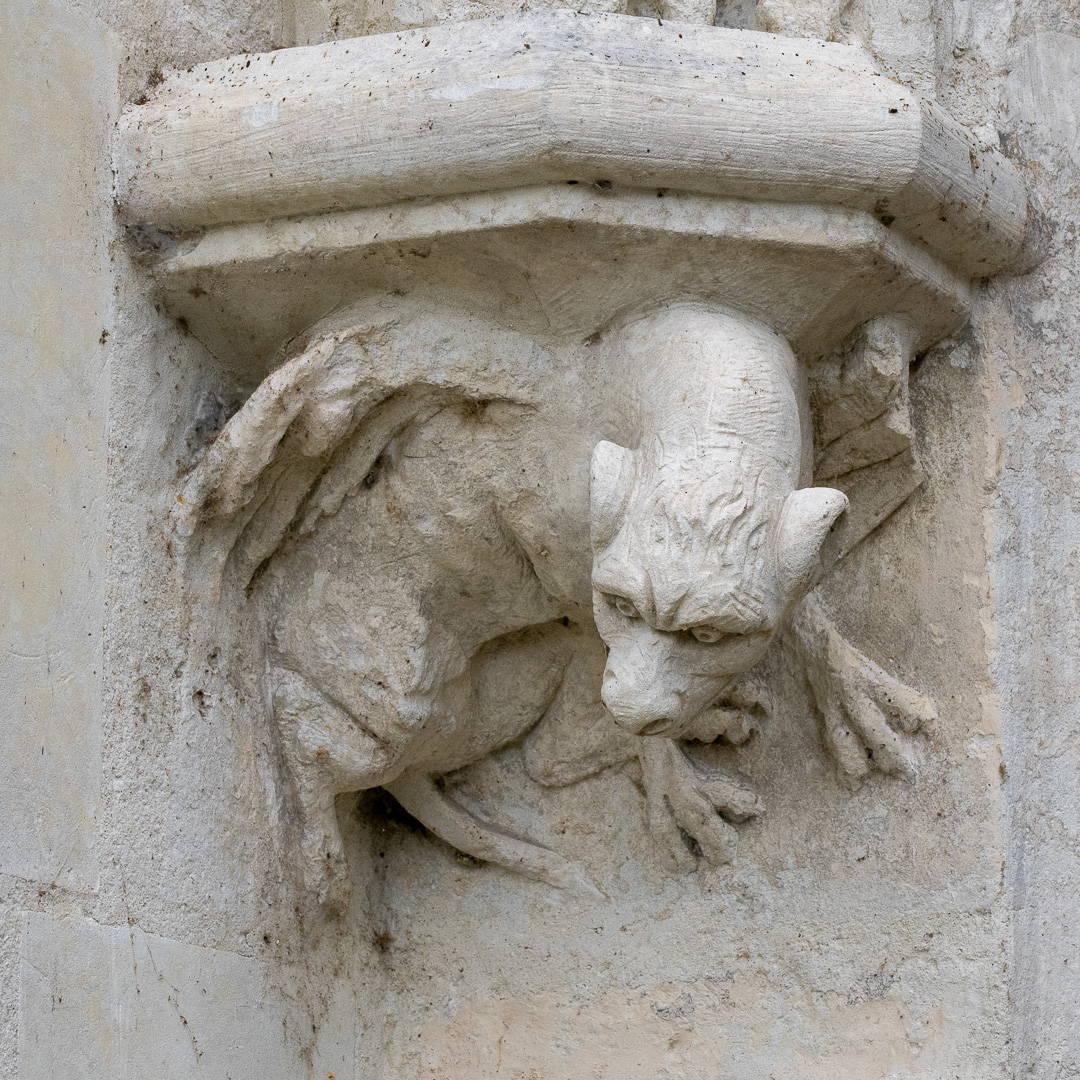
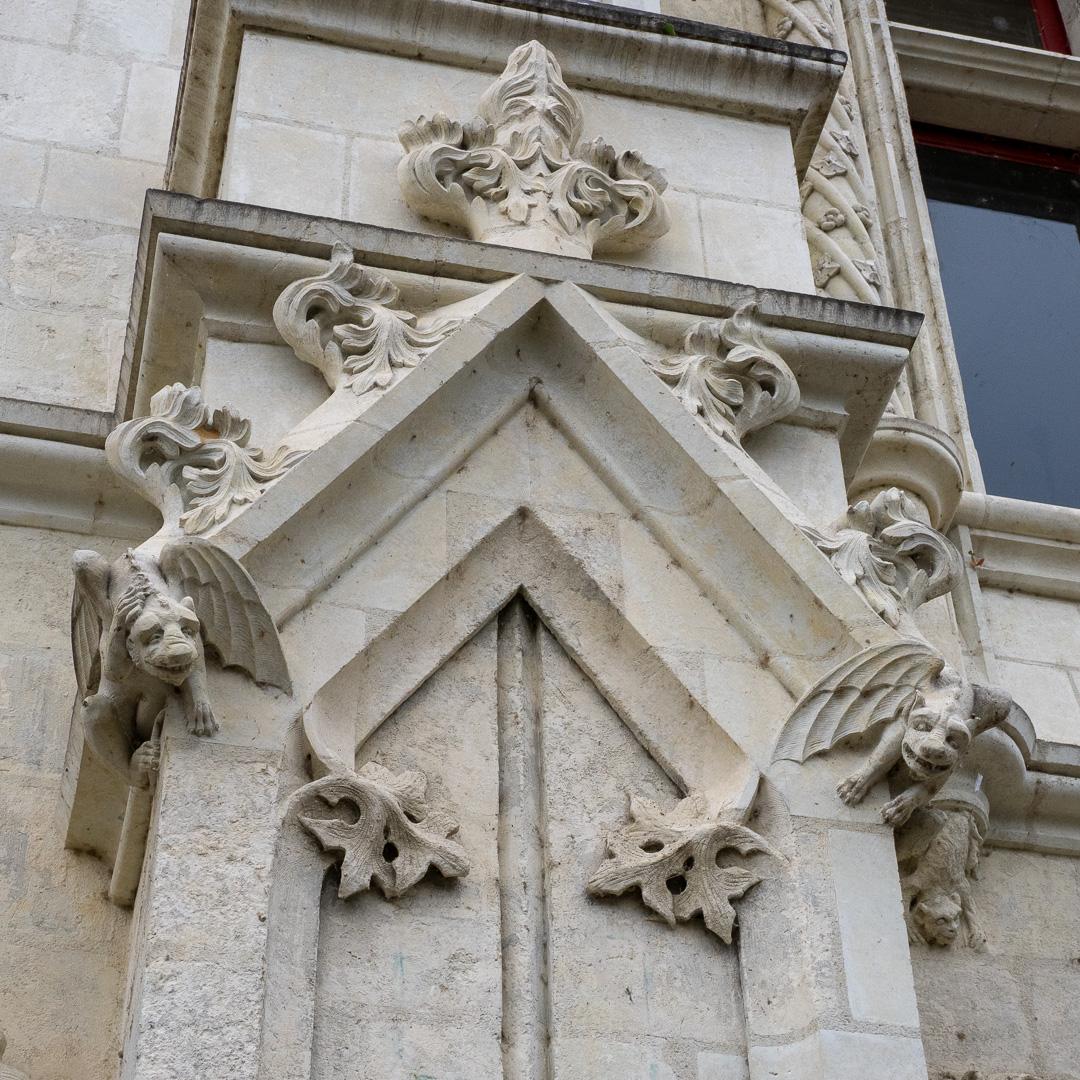
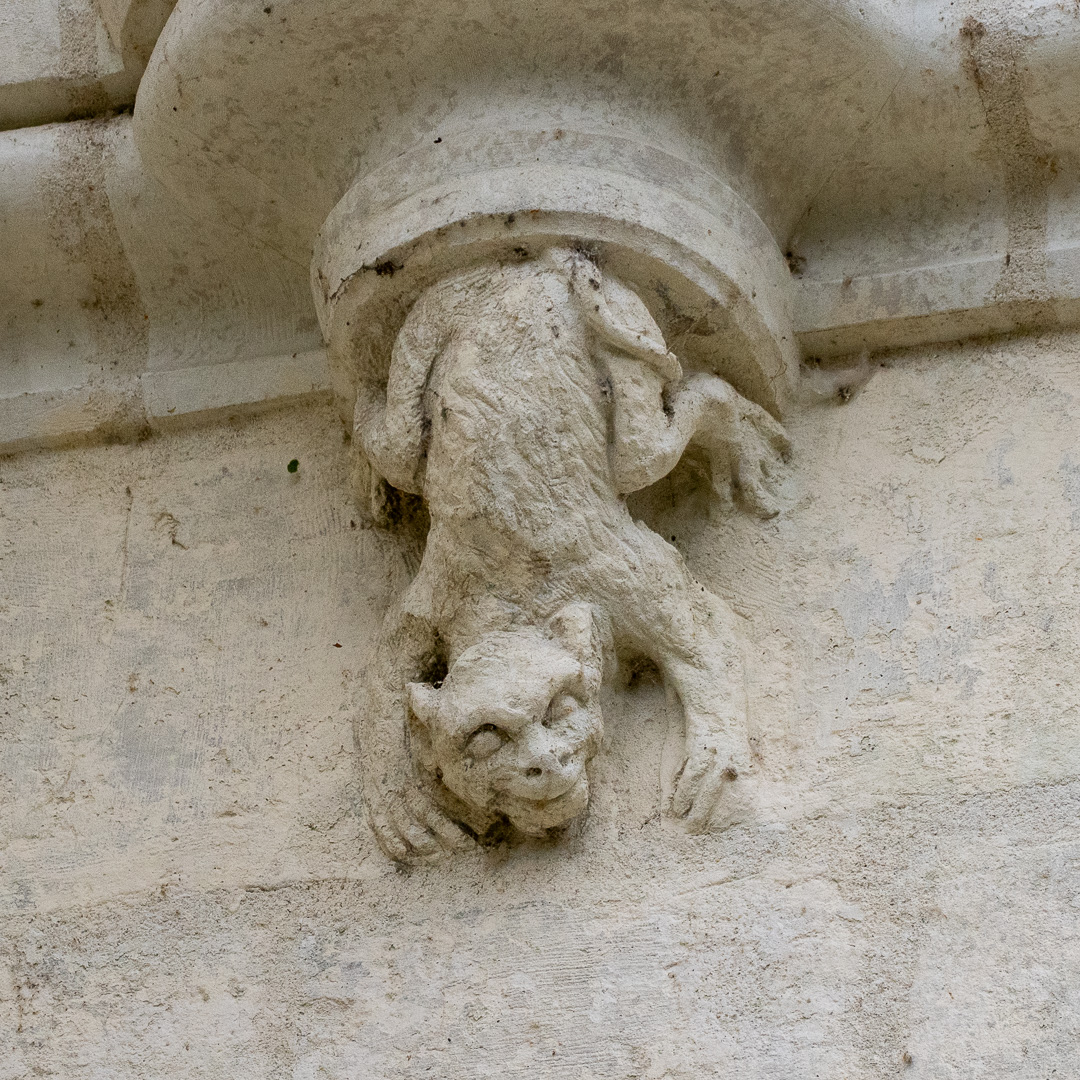
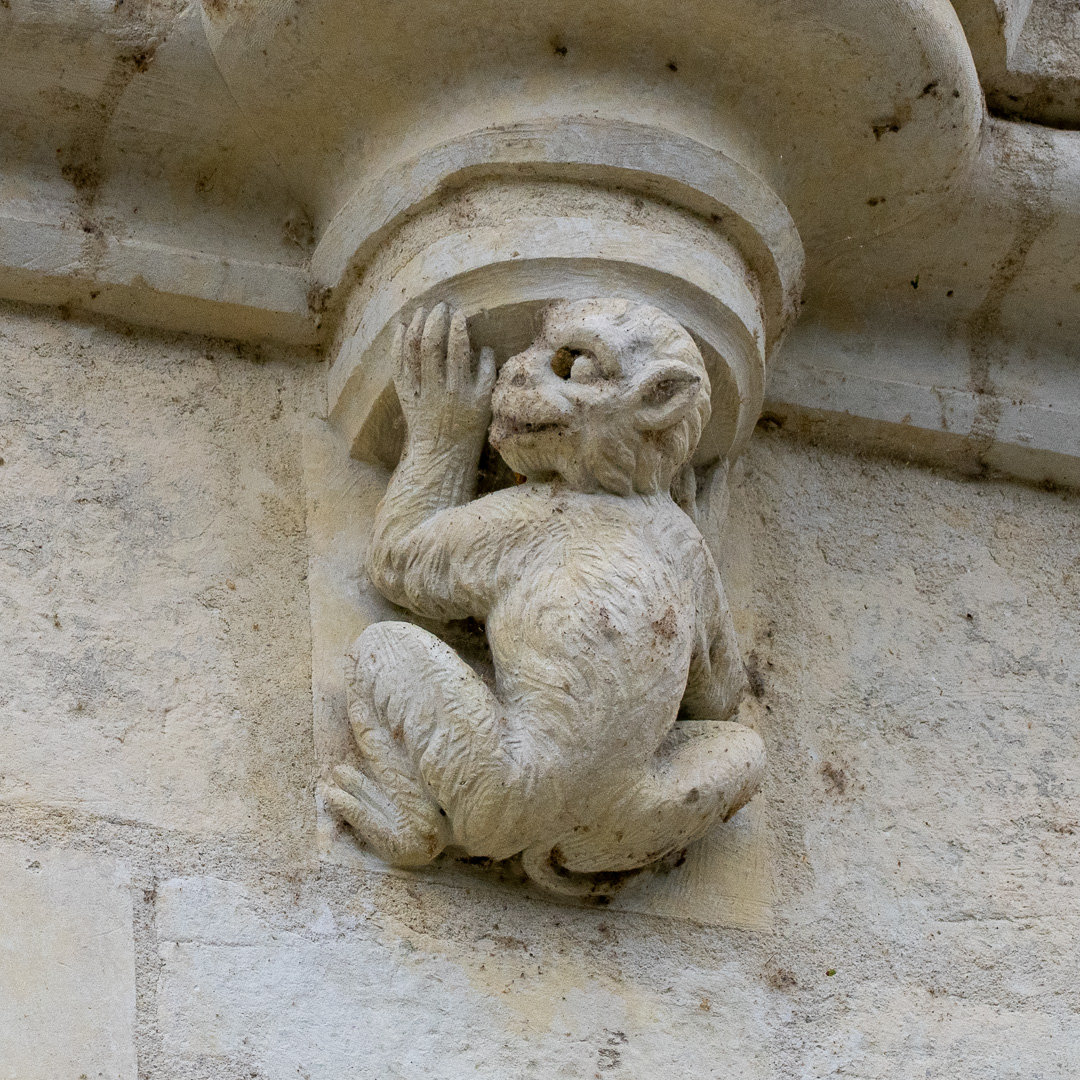
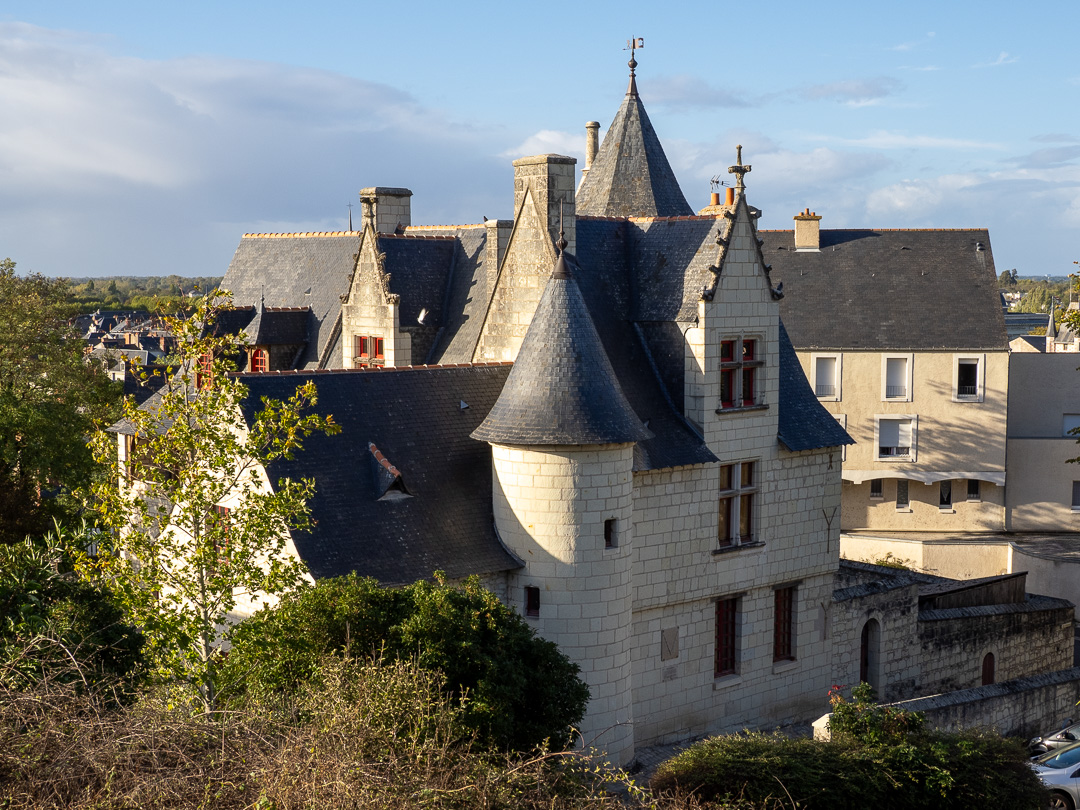
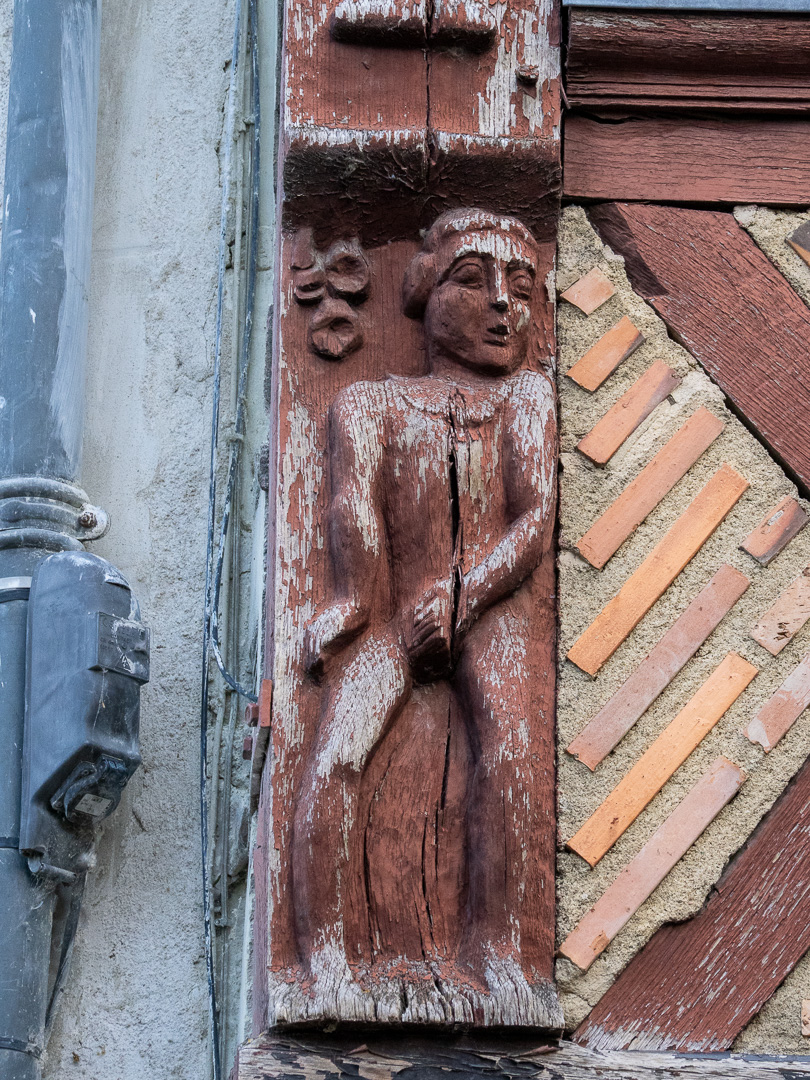
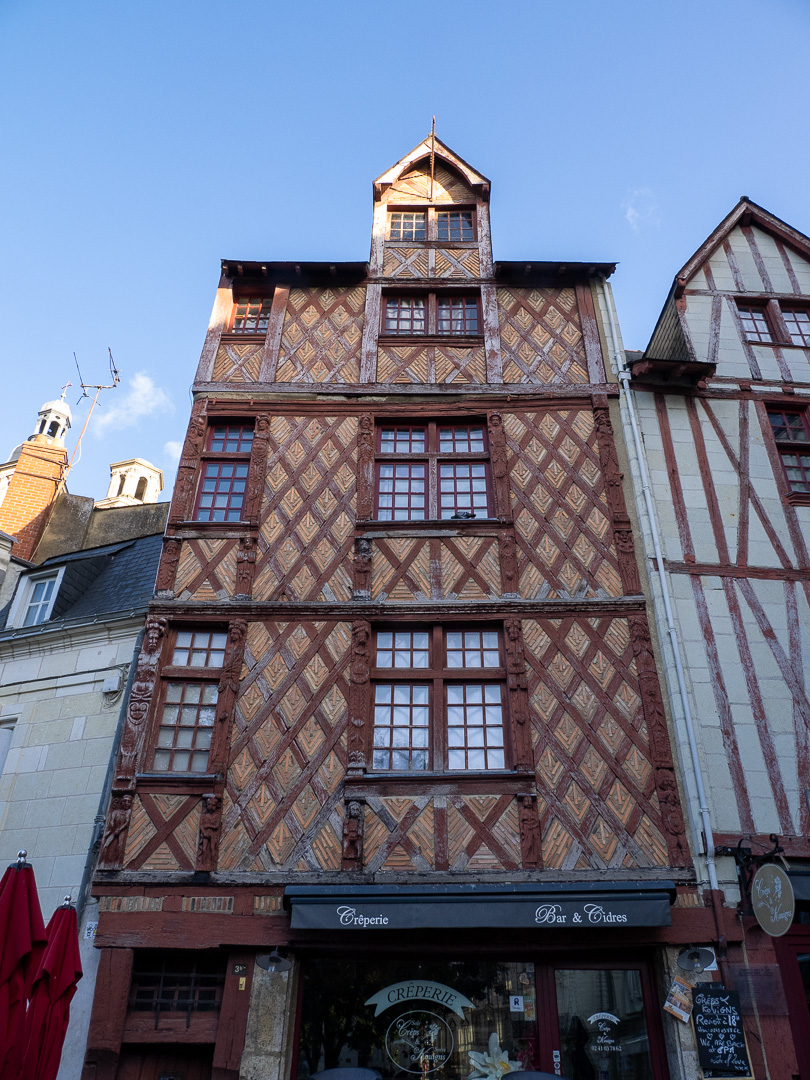
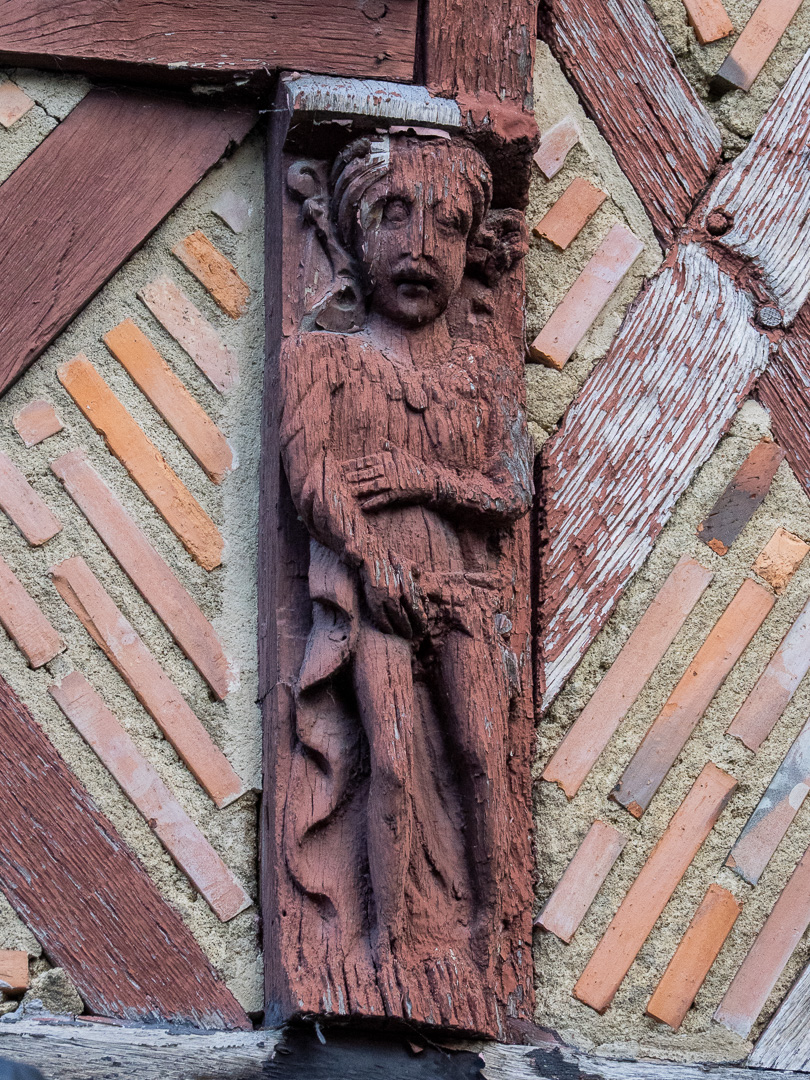
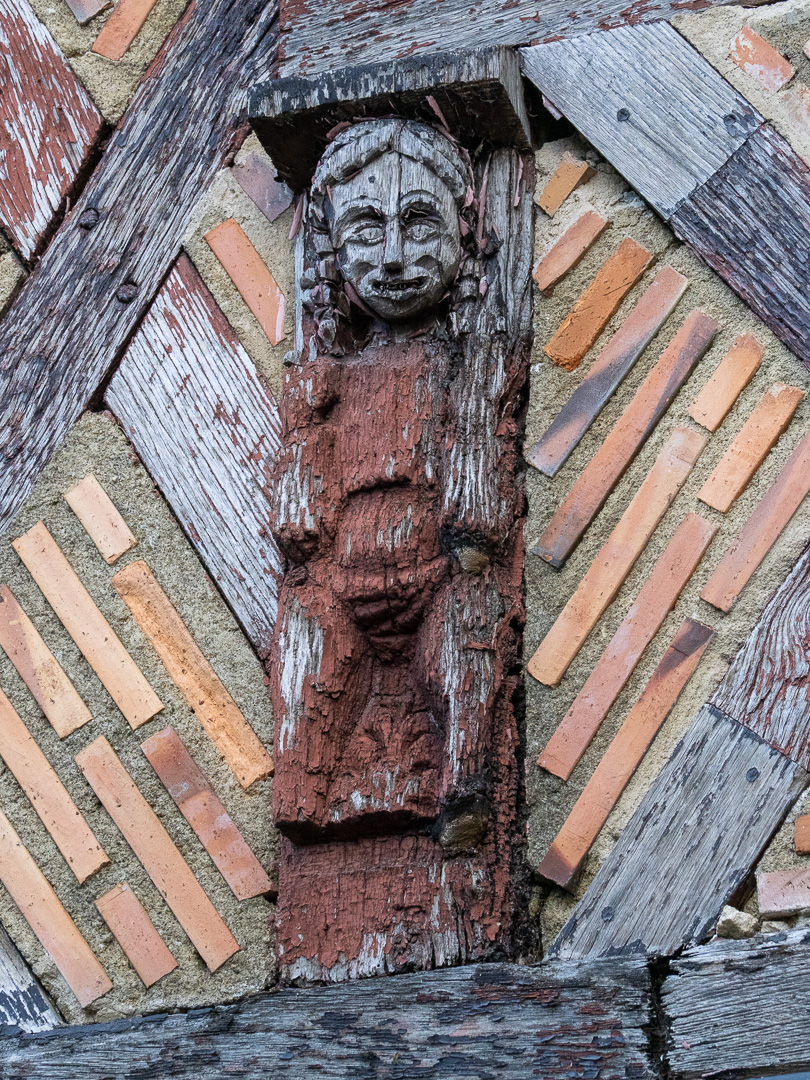
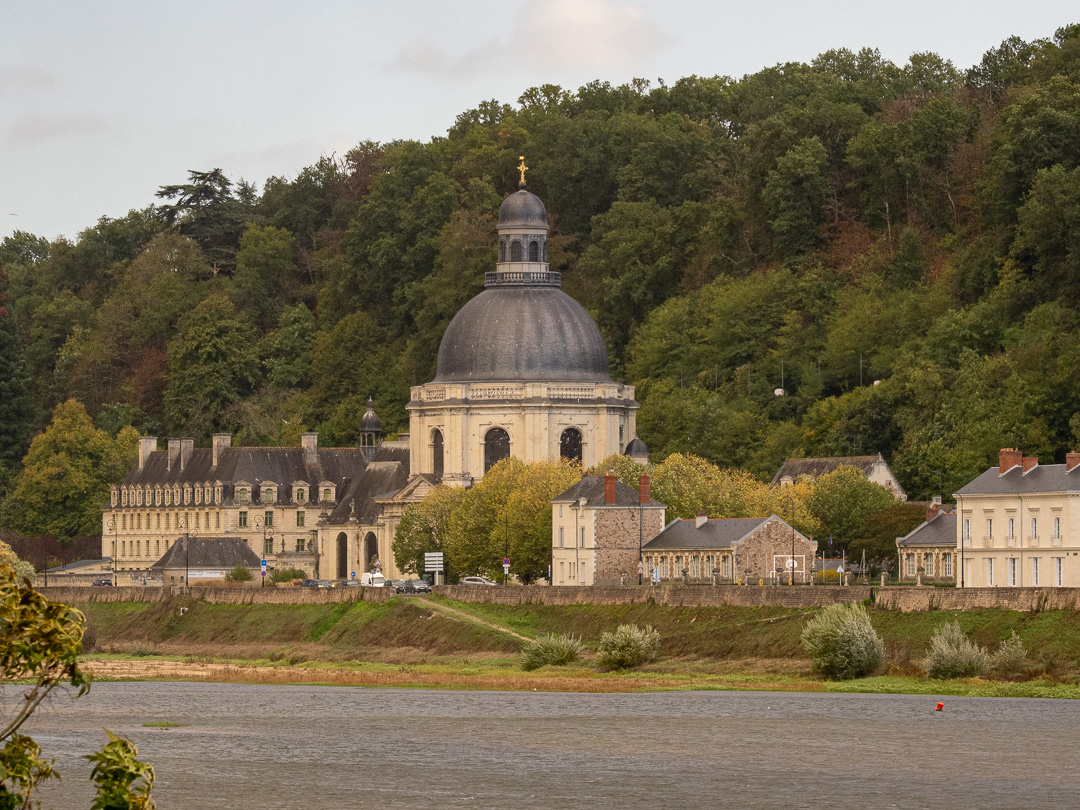
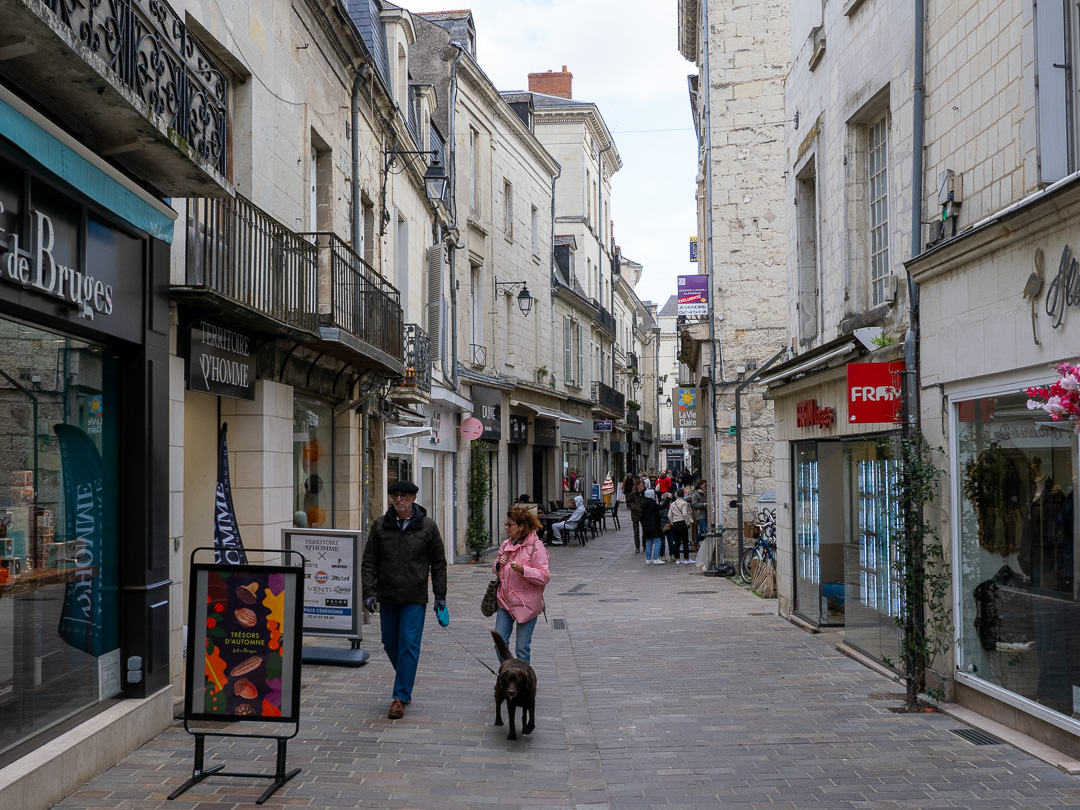
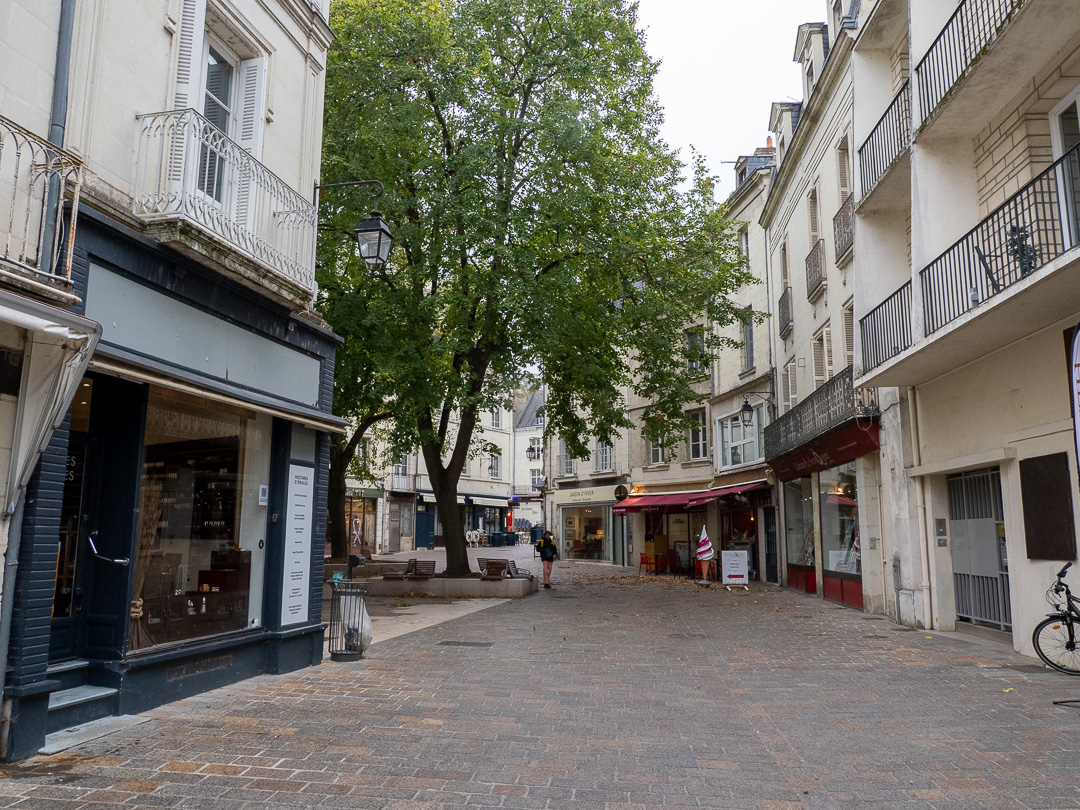
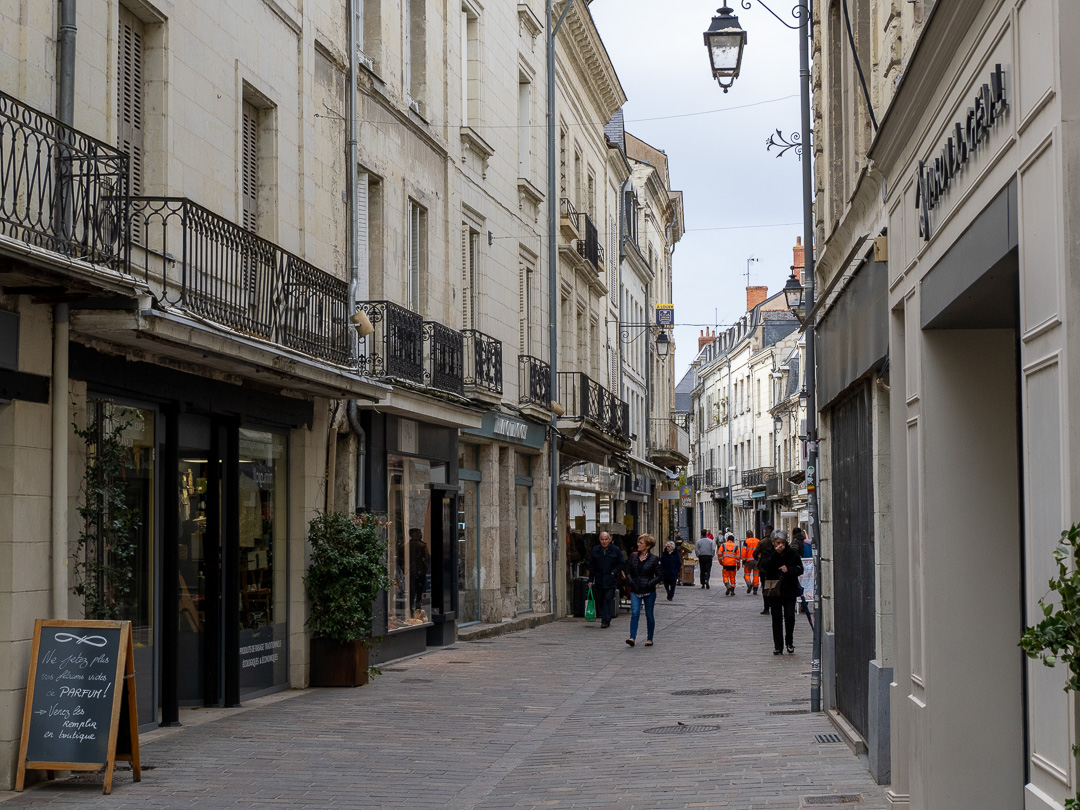
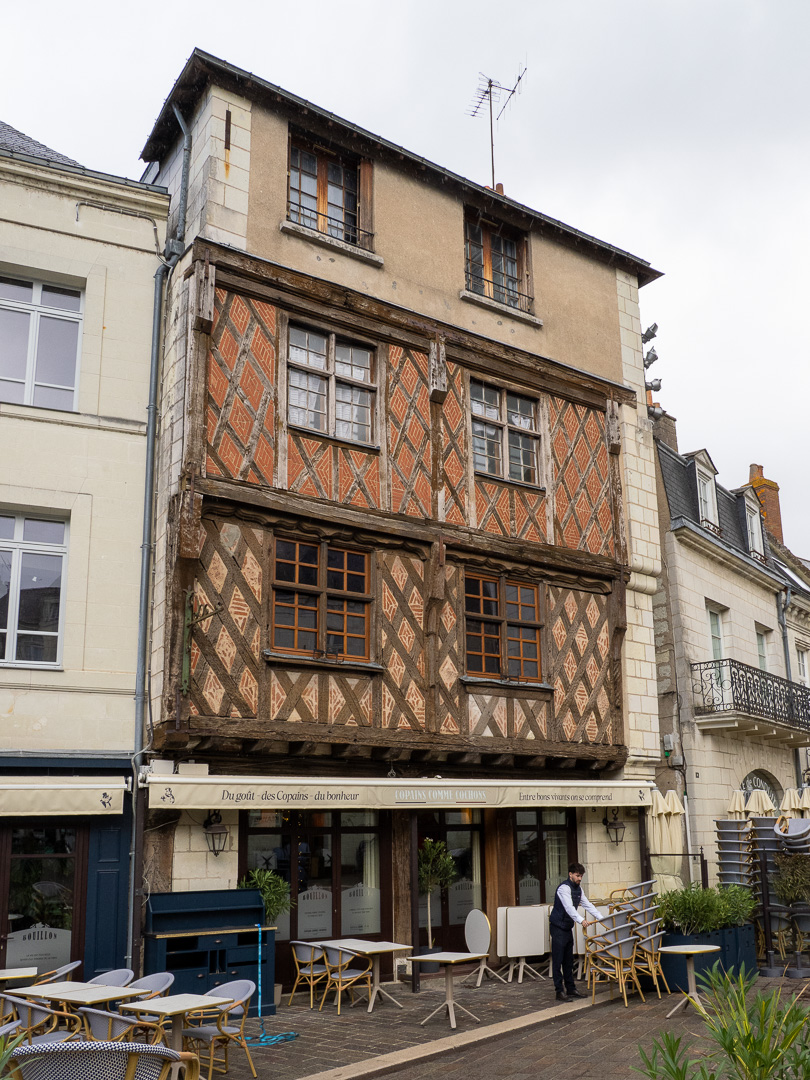
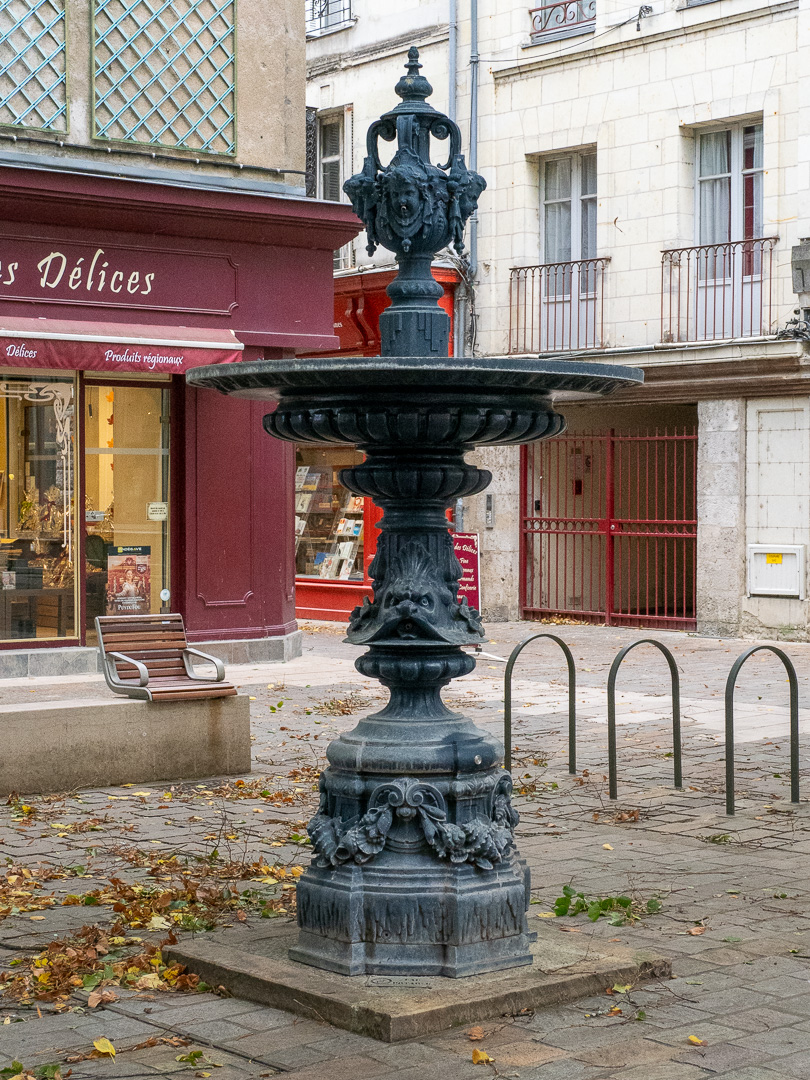
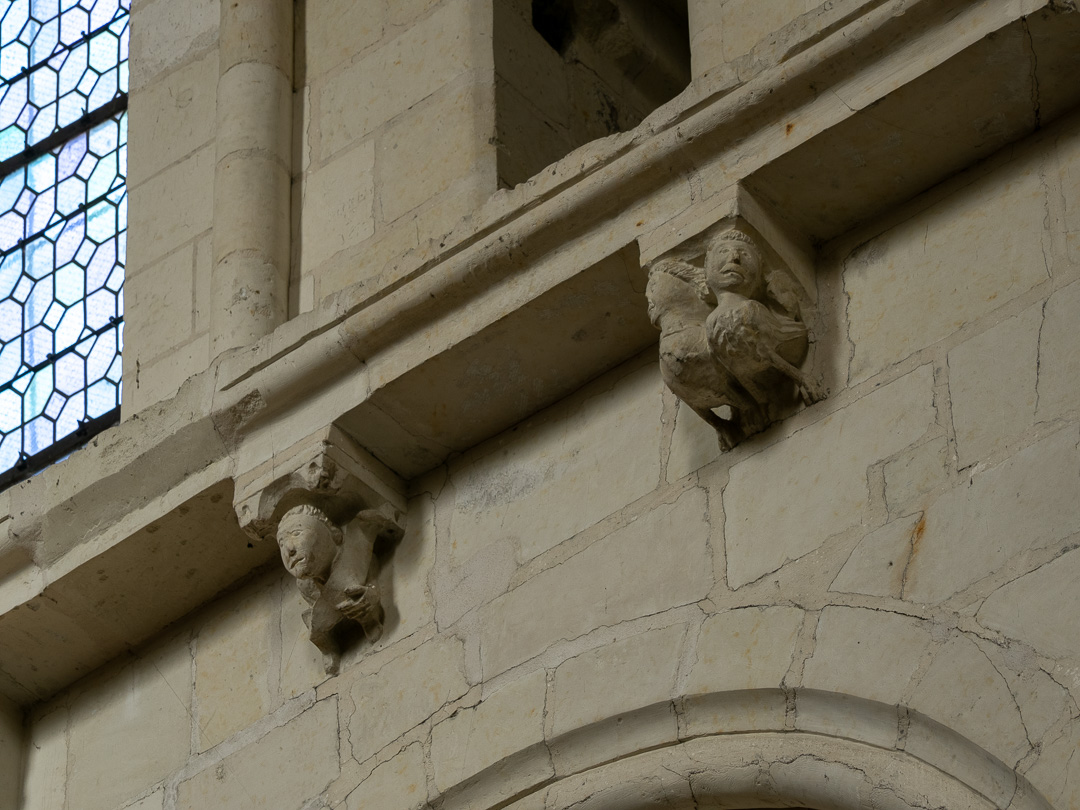
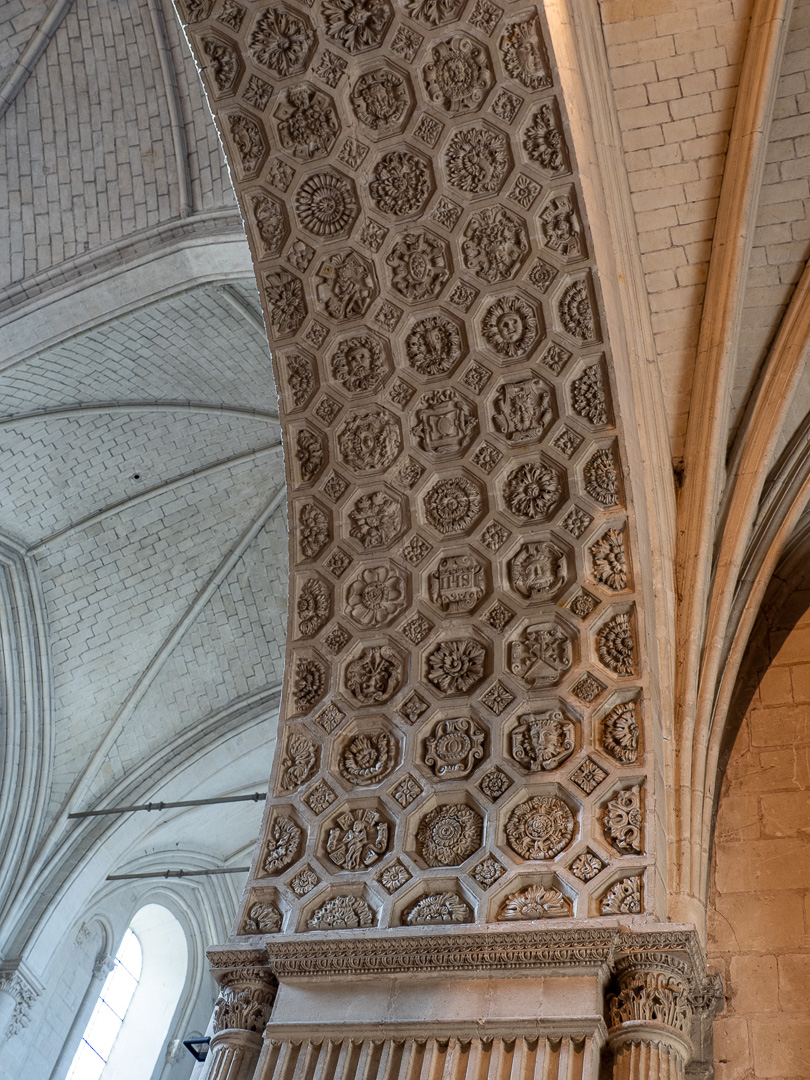
We visited the church of St. Pierre:
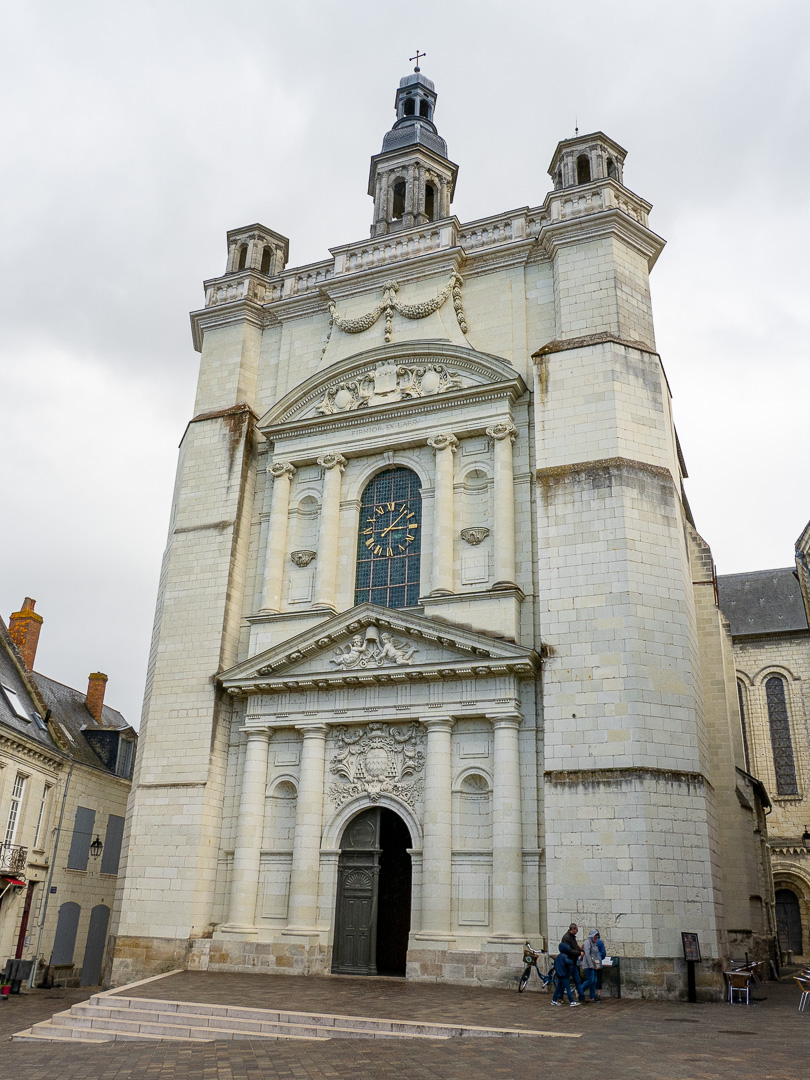
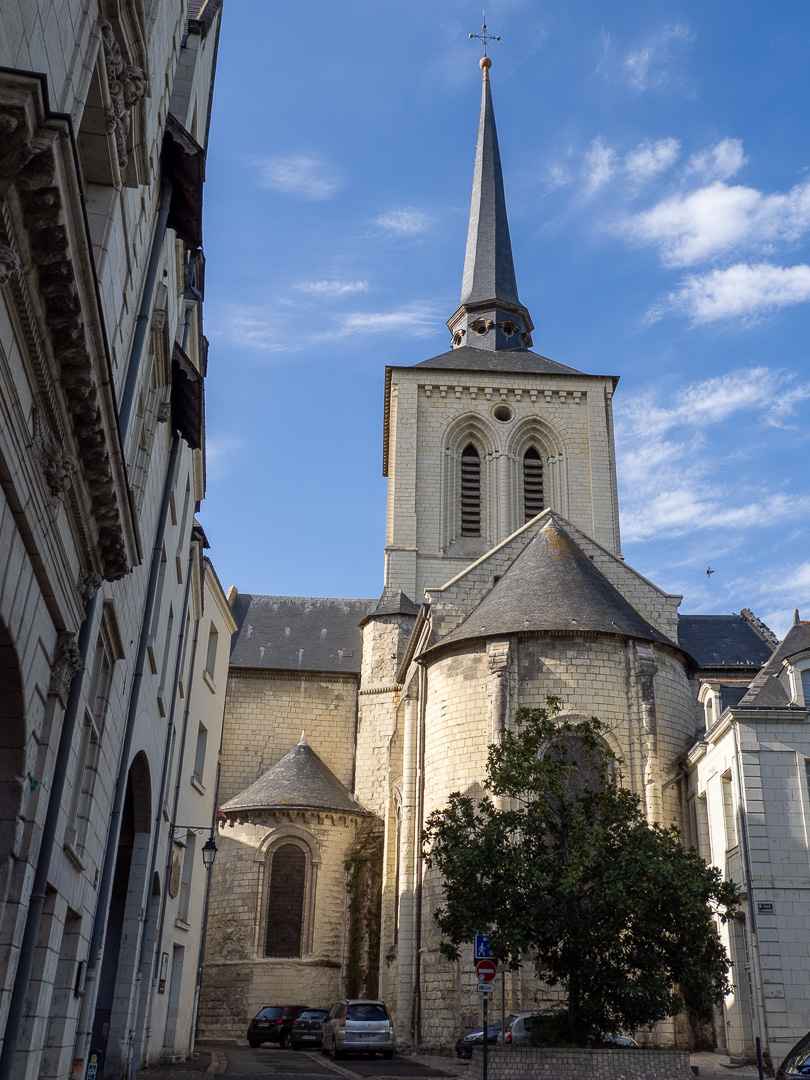
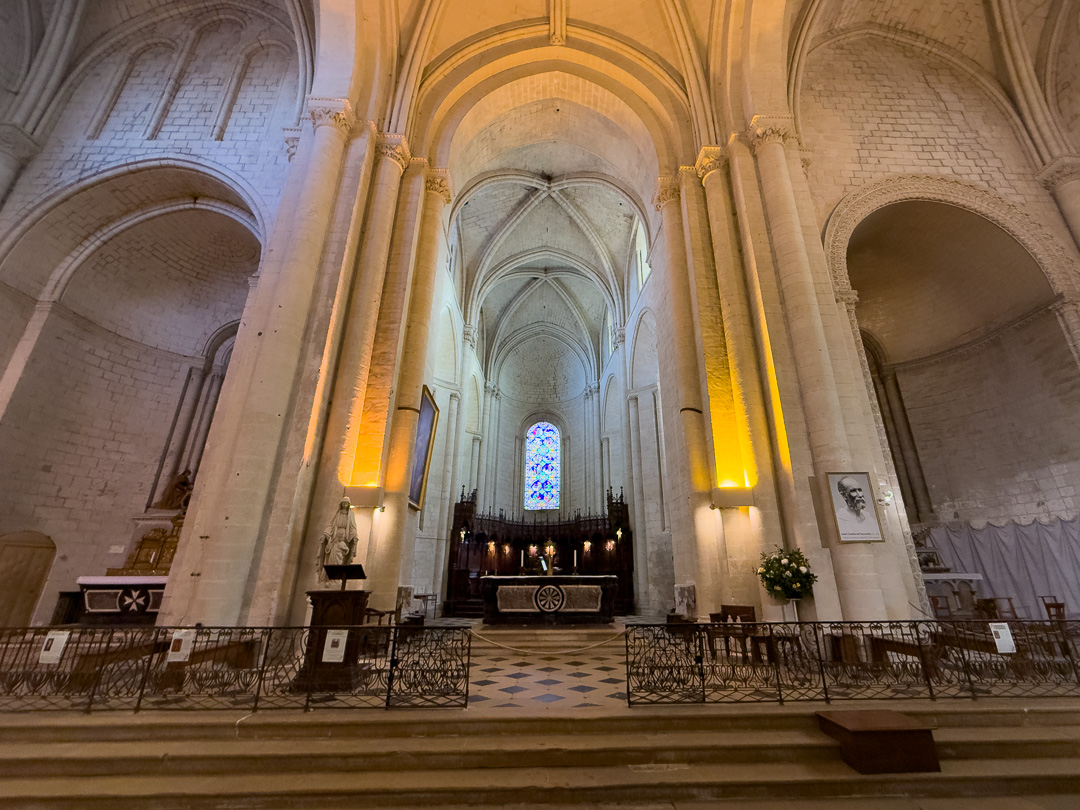
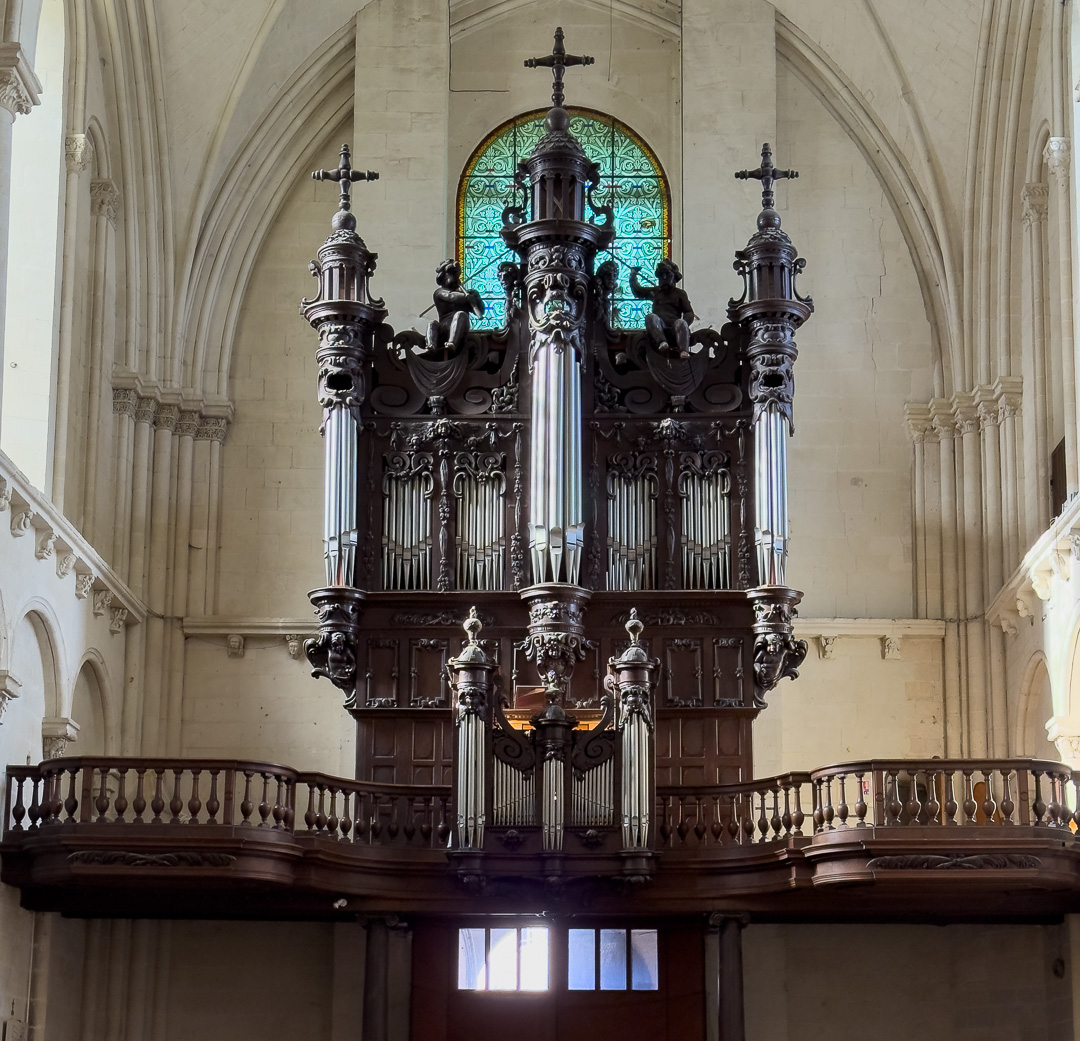
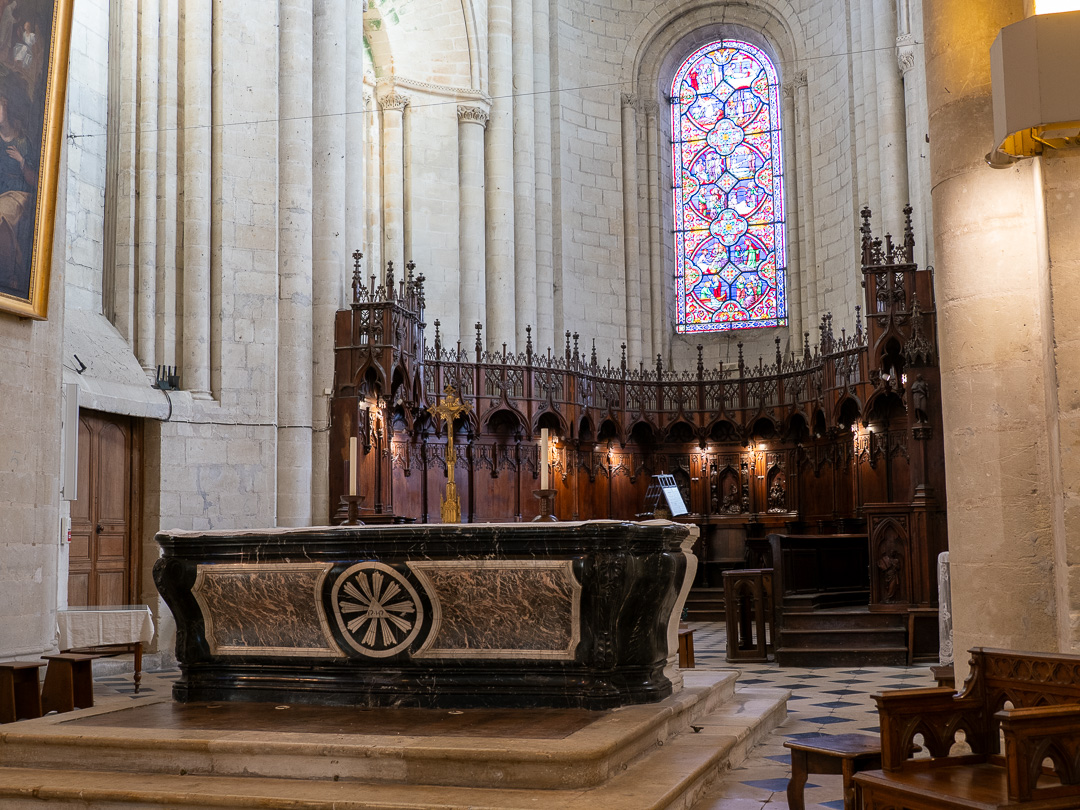
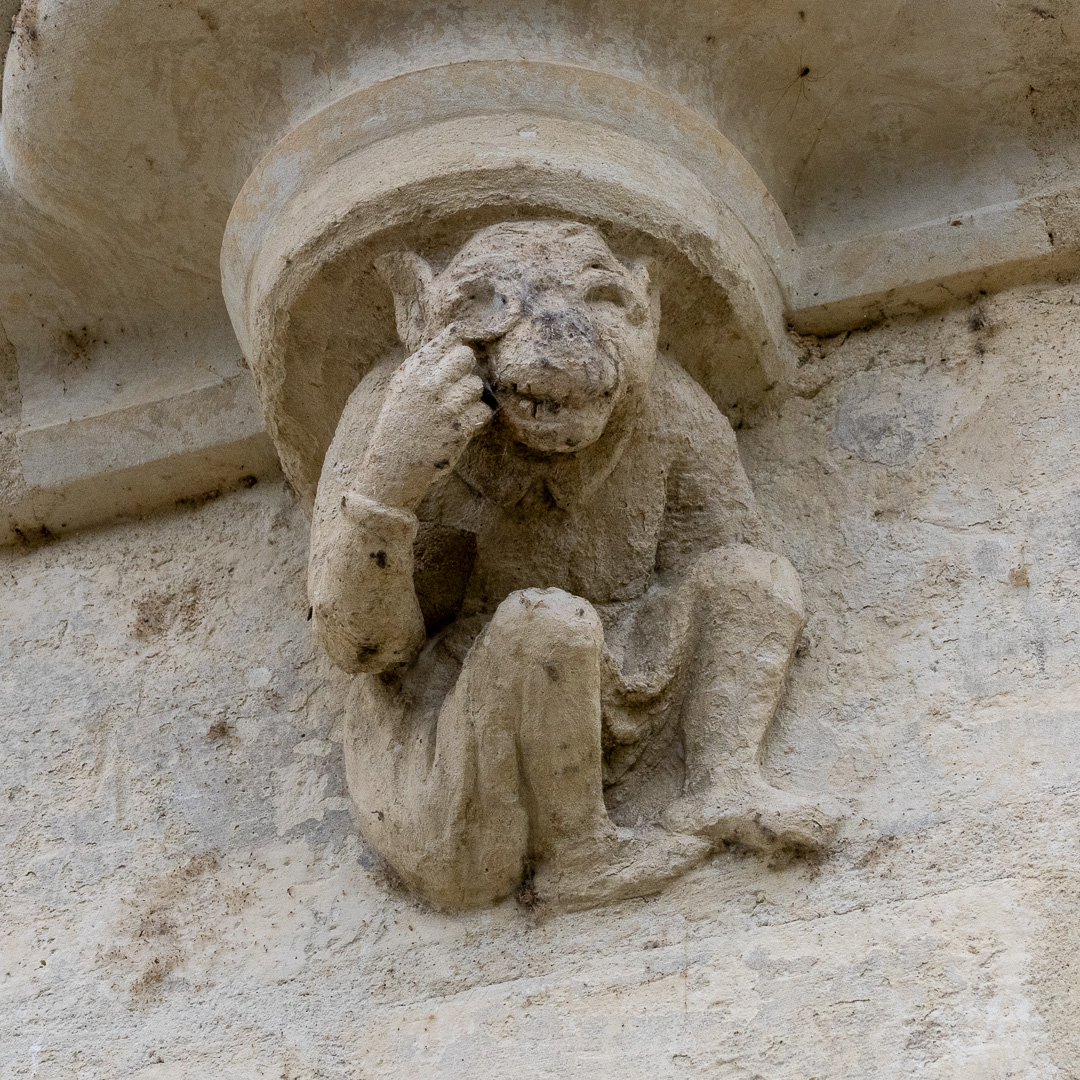
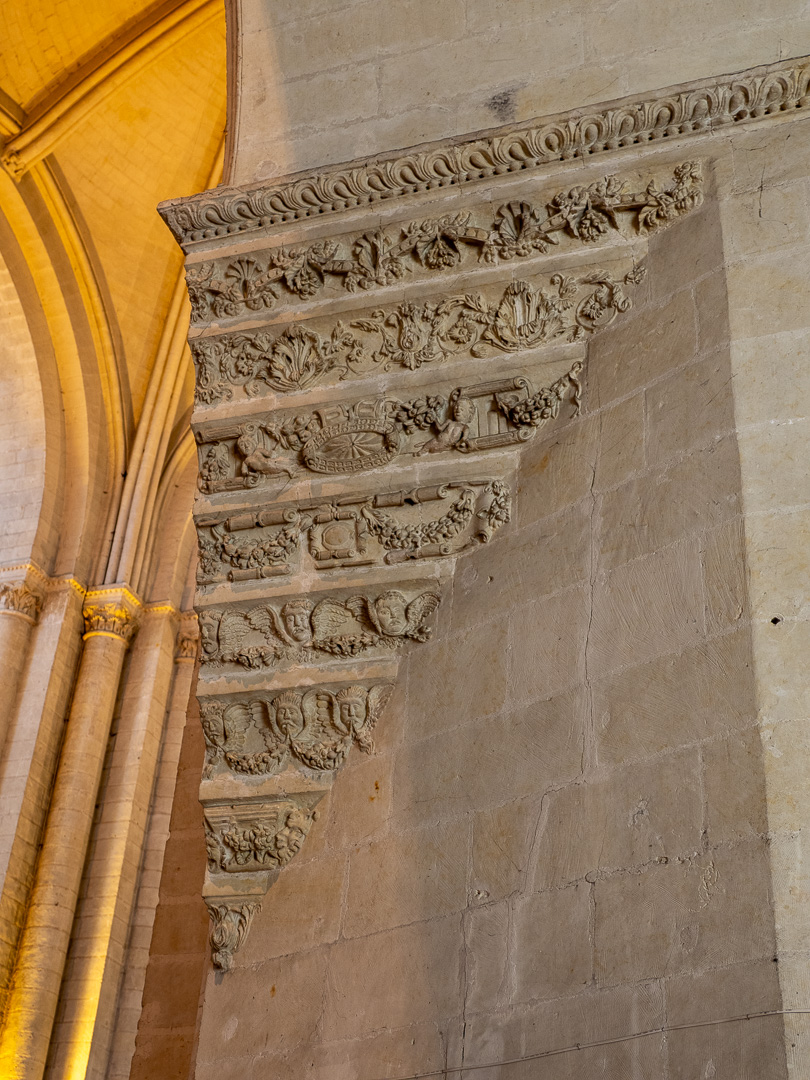
There were some interesting features in the stone carvings:
The château is worth a visit, but as you might expect, you have a good climb to get to it, then there are many stairs inside.
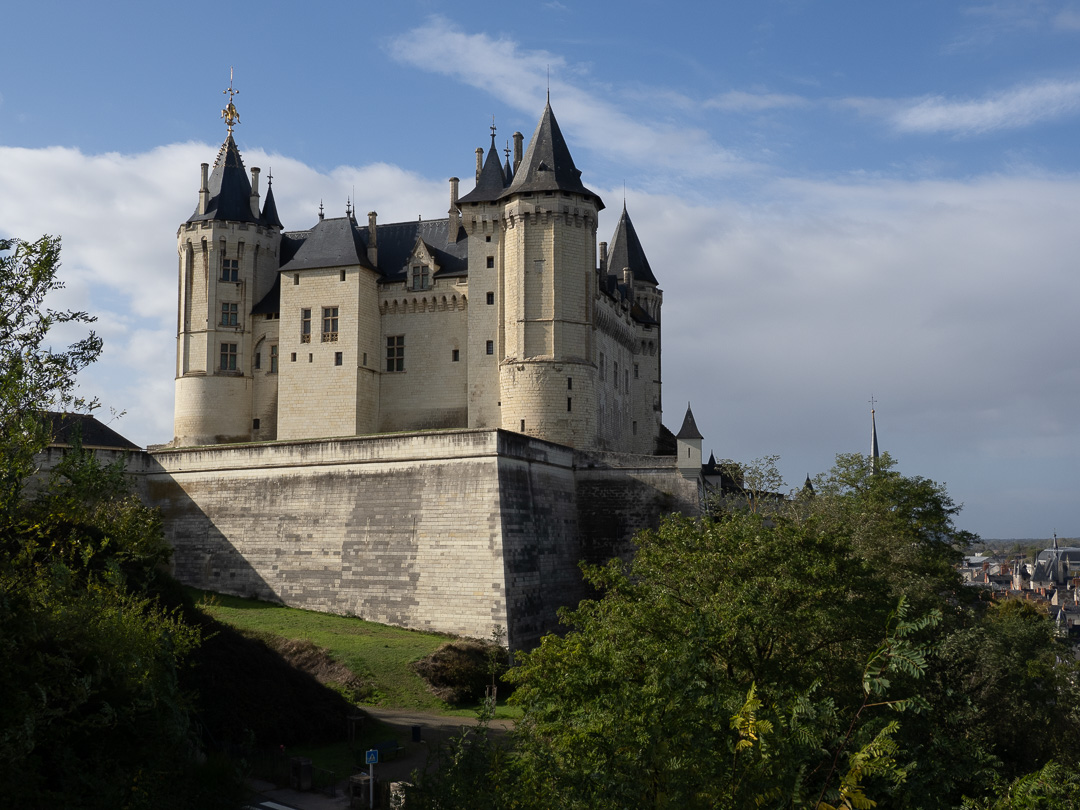
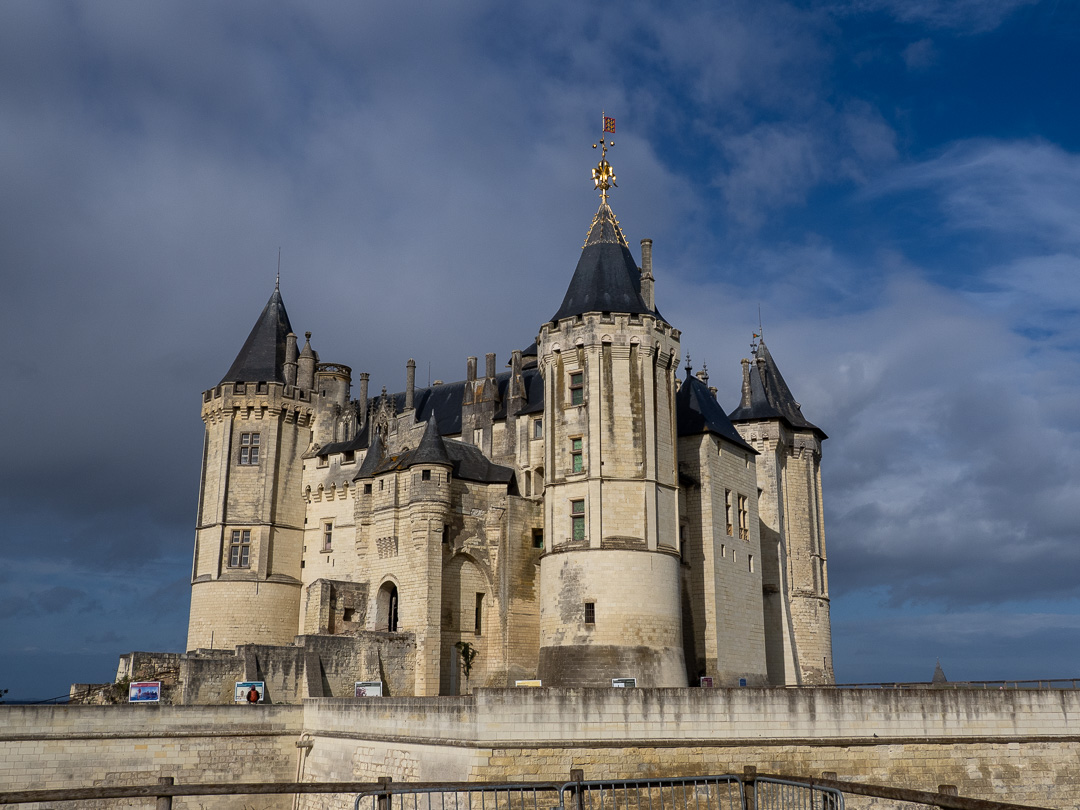
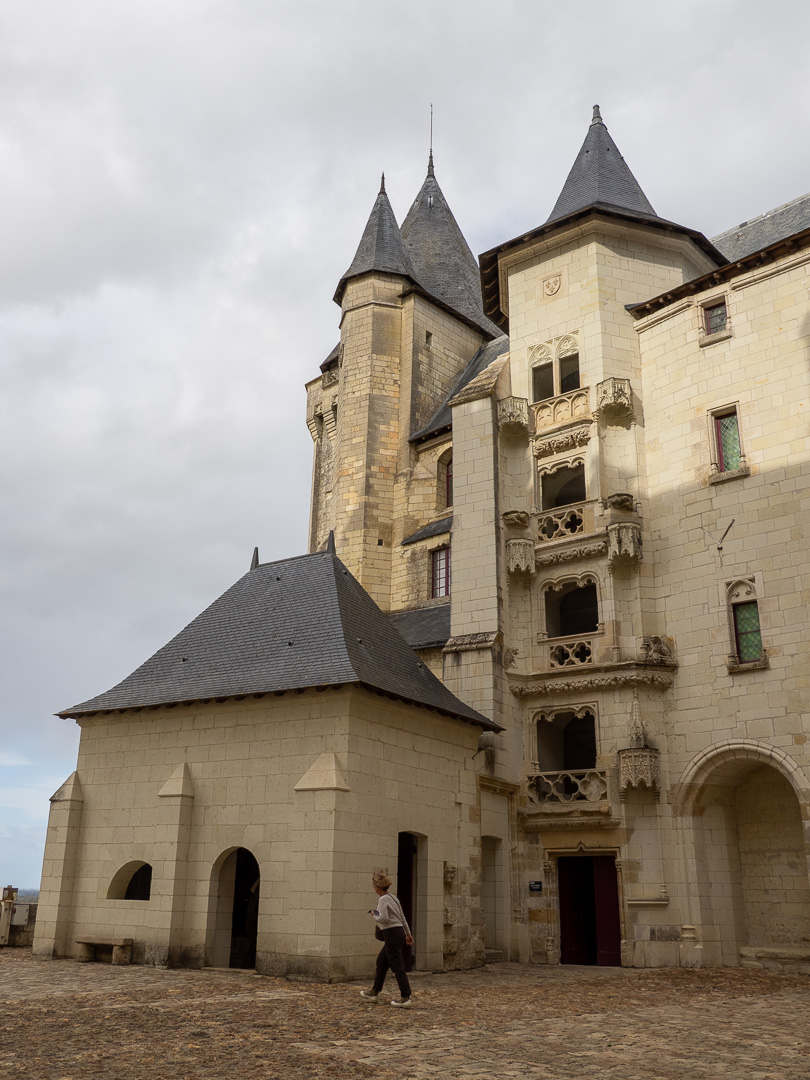
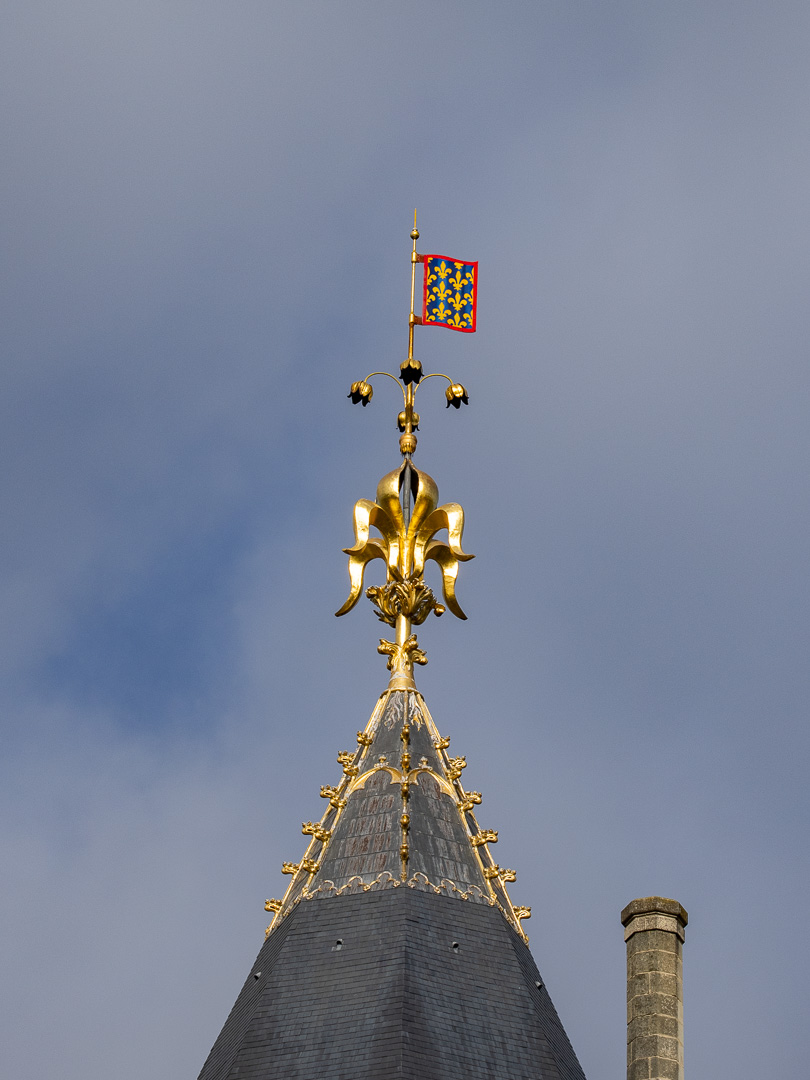
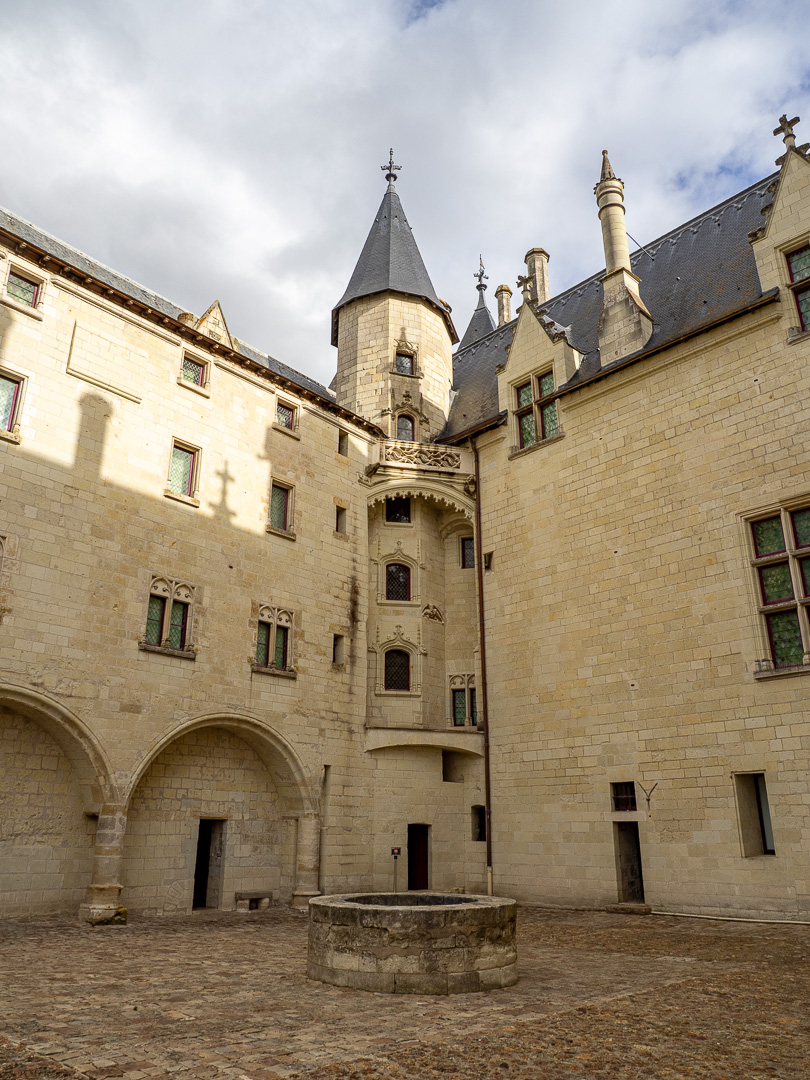
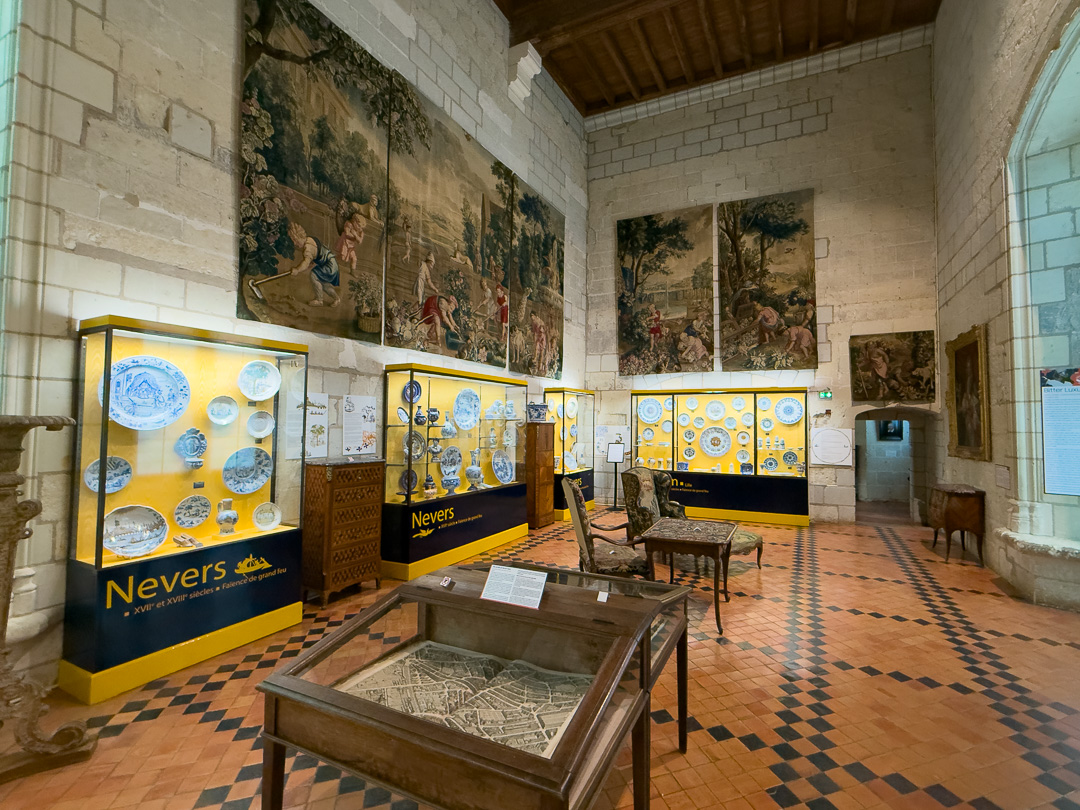
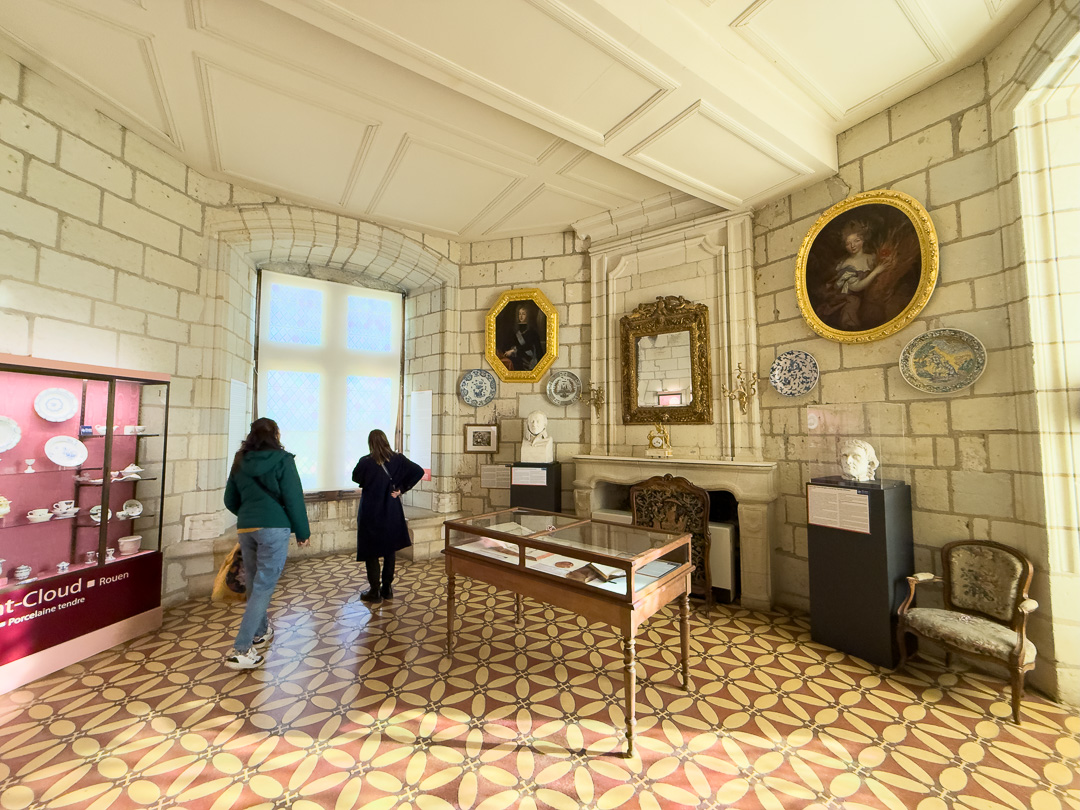
It has been used as a museum since 1912 in the hands of the city council, with its rooms being used to display exhibits such as tapestries and pottery. There is not much evidence of its original use as a residence.
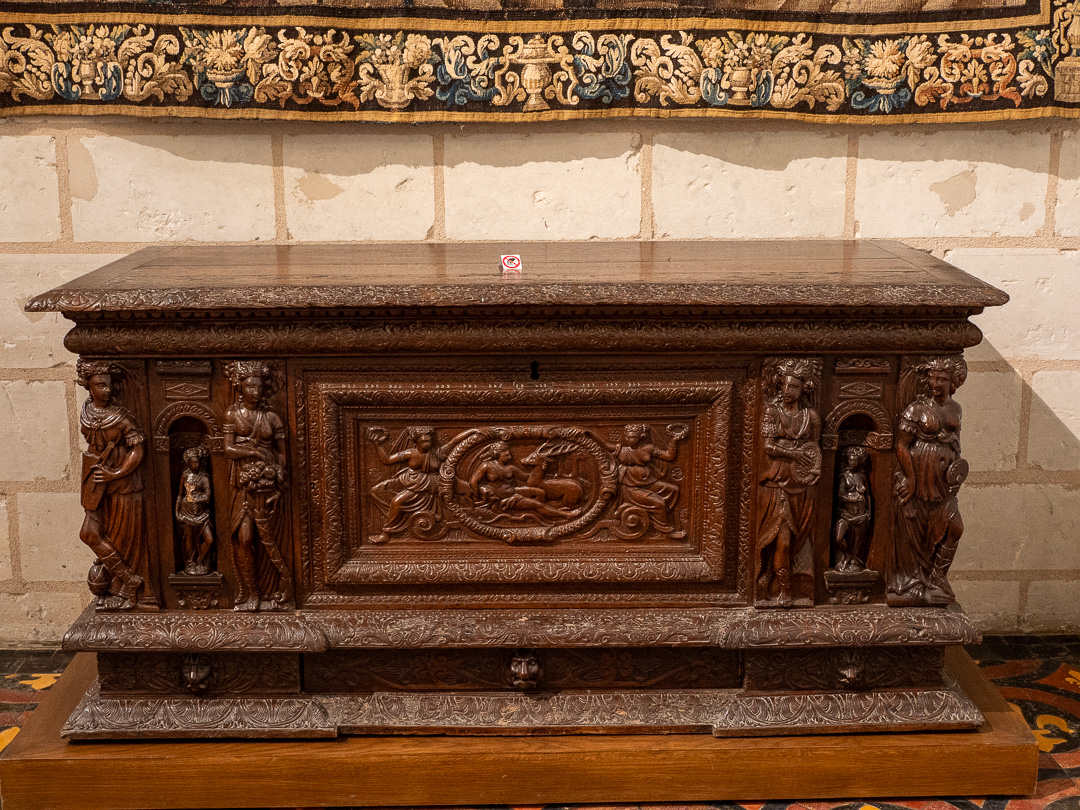
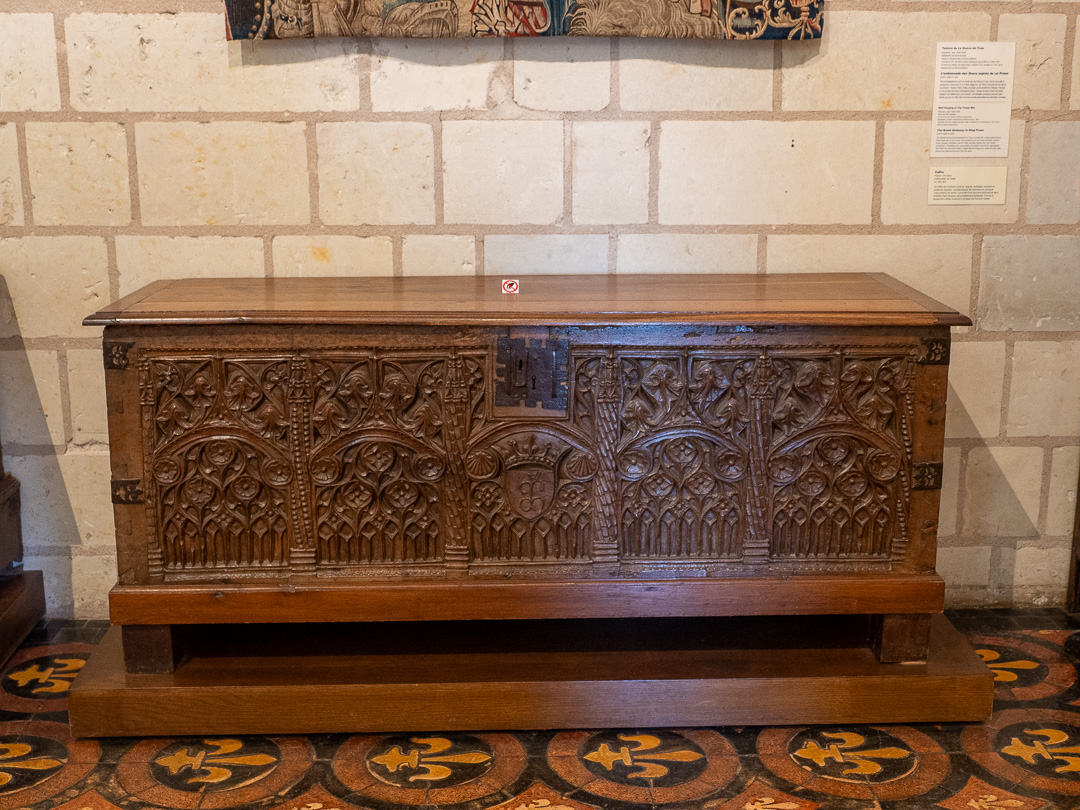
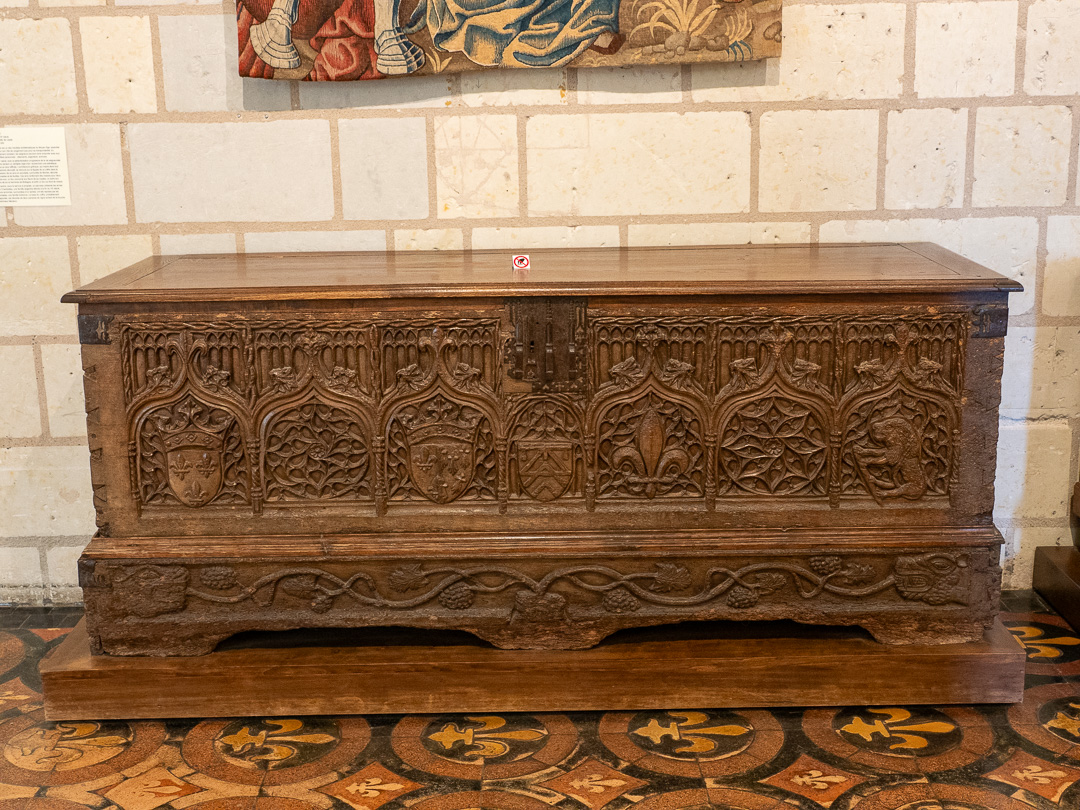
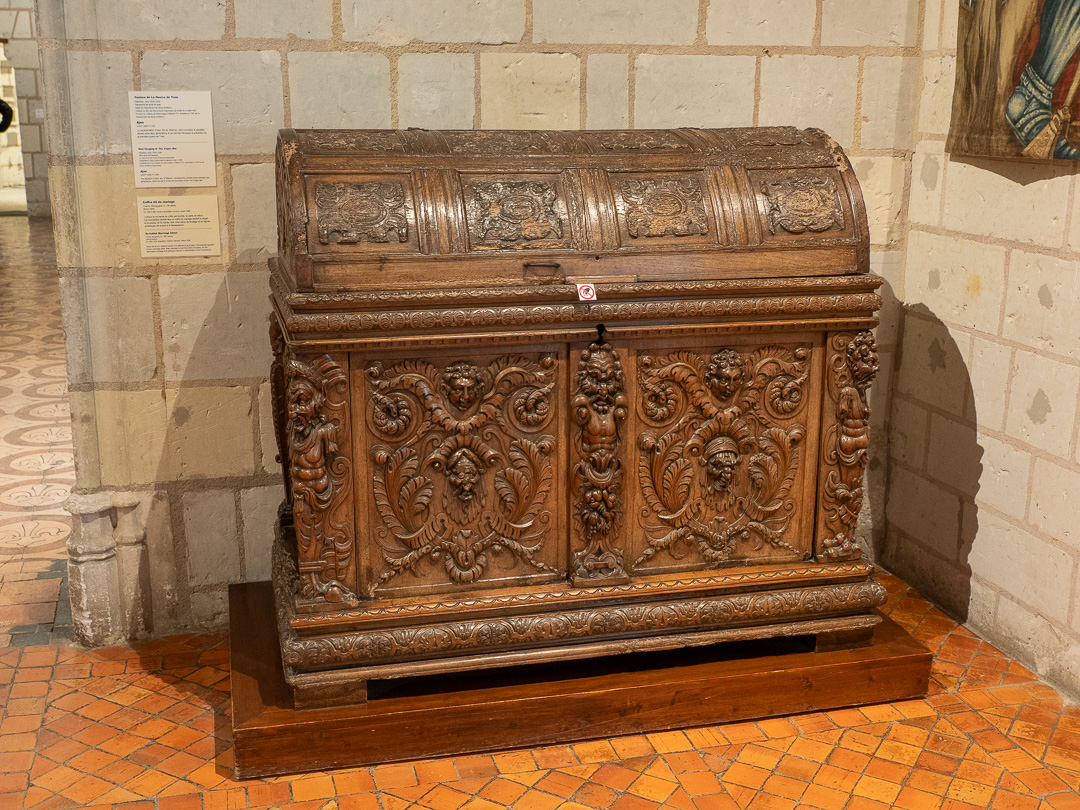
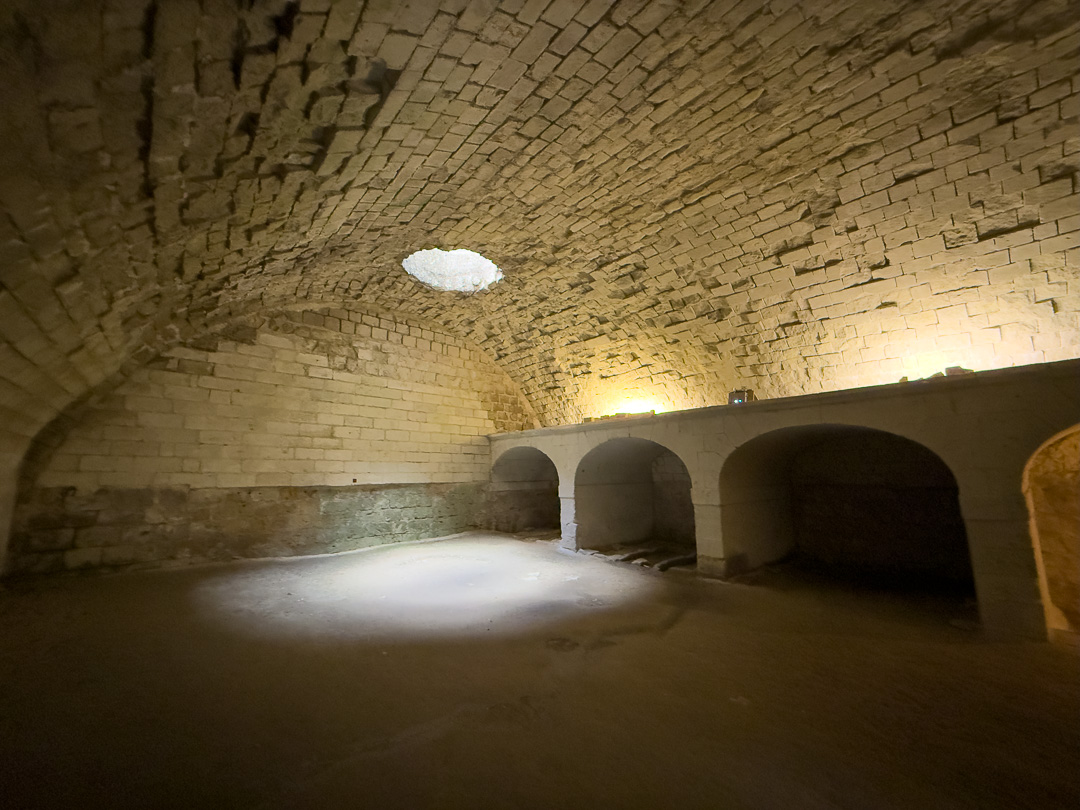
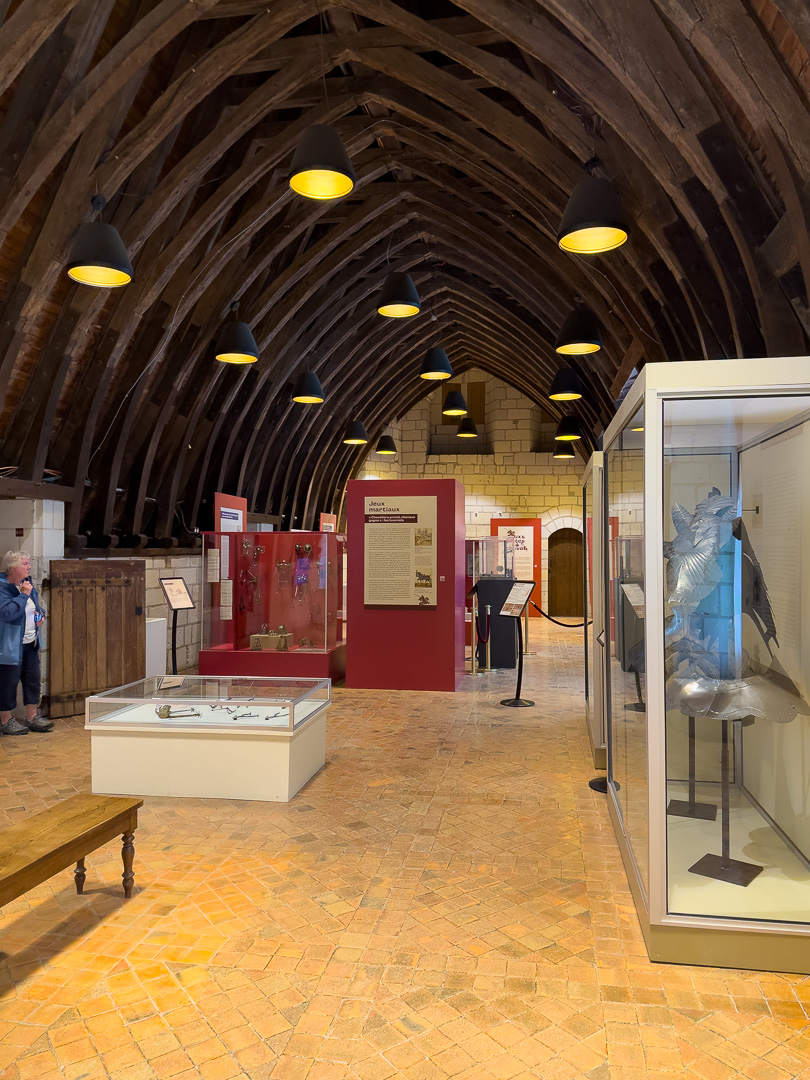
Much of the interior is available to view, from the cellars to the attic rooms.
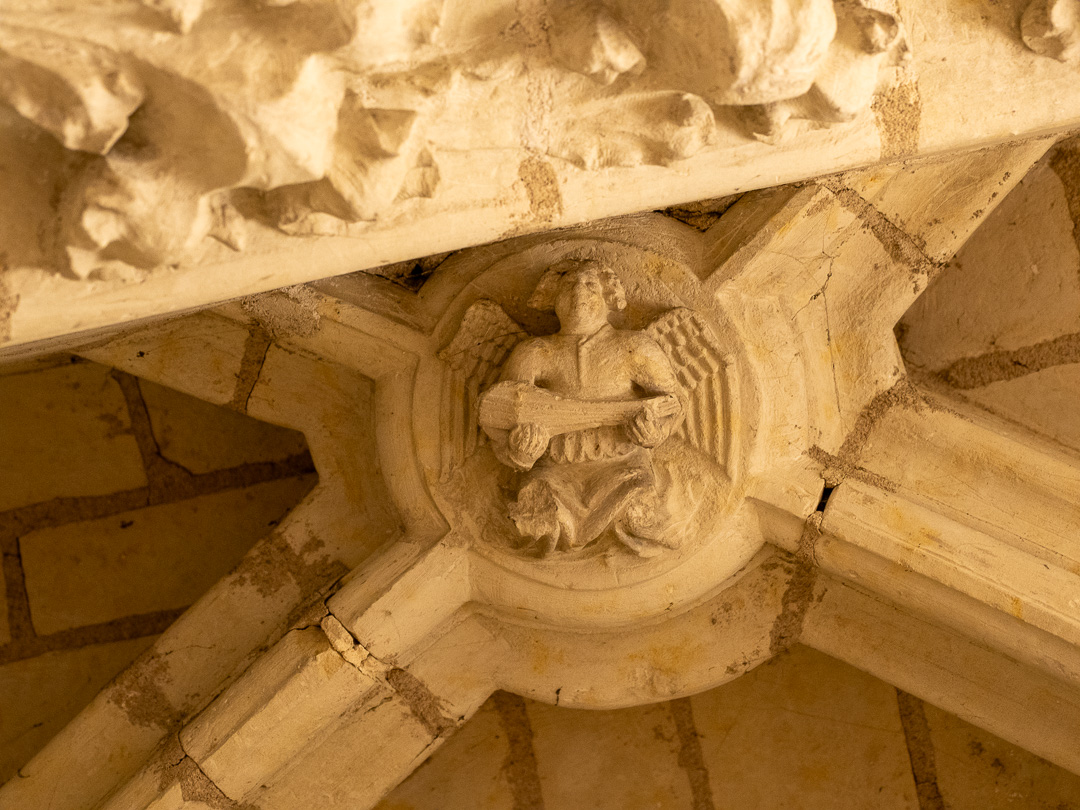
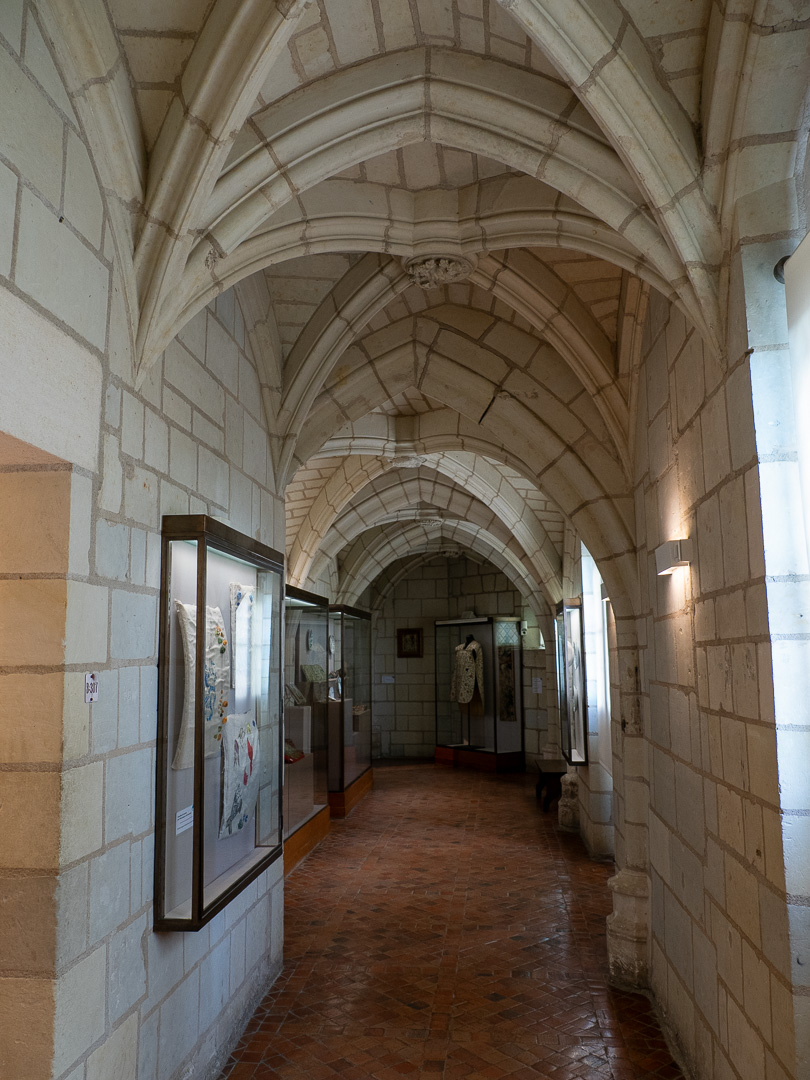
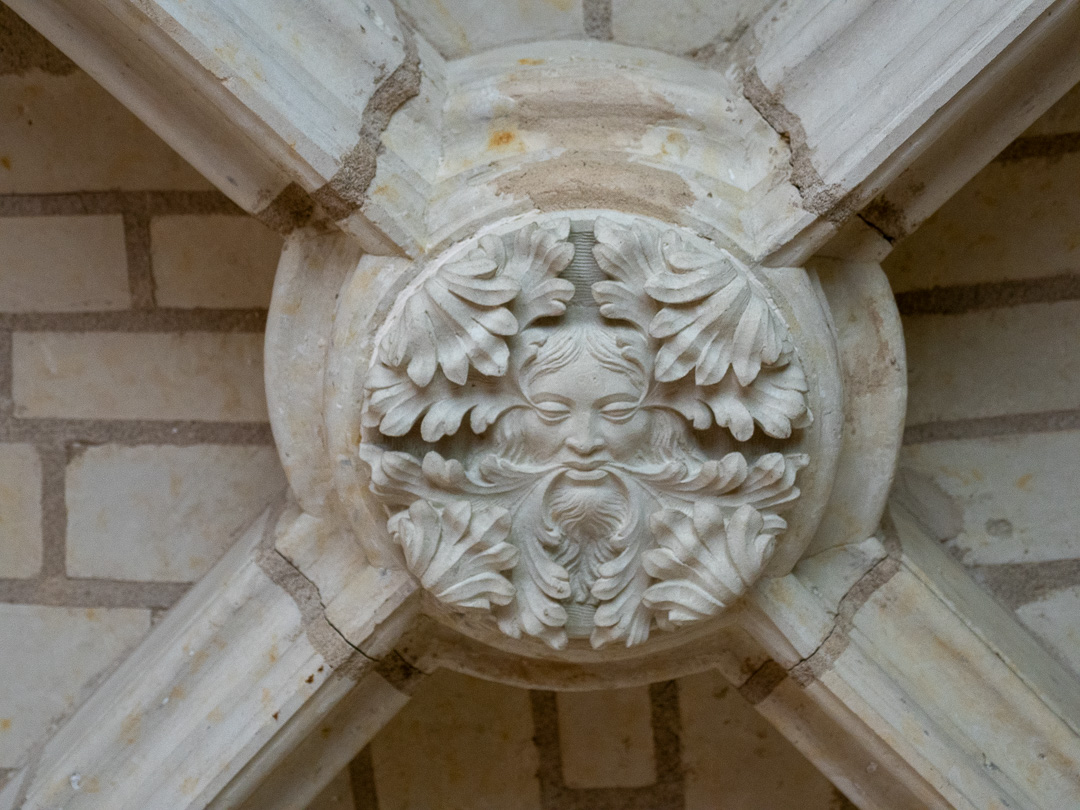
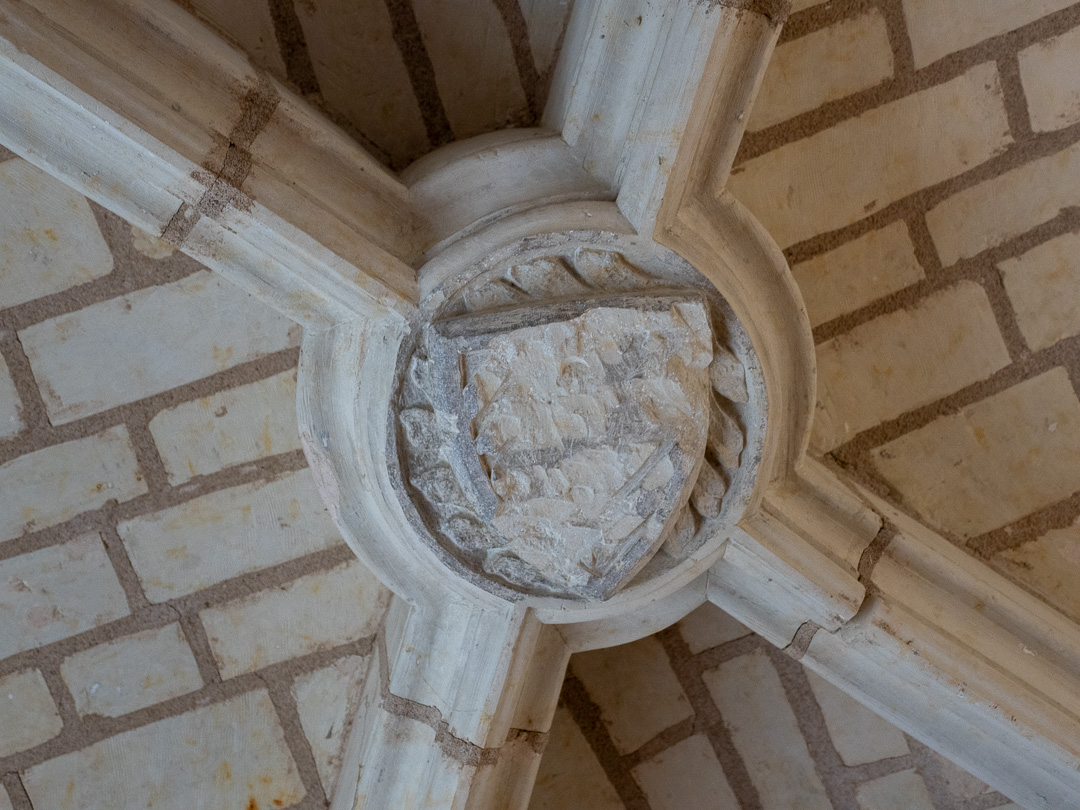
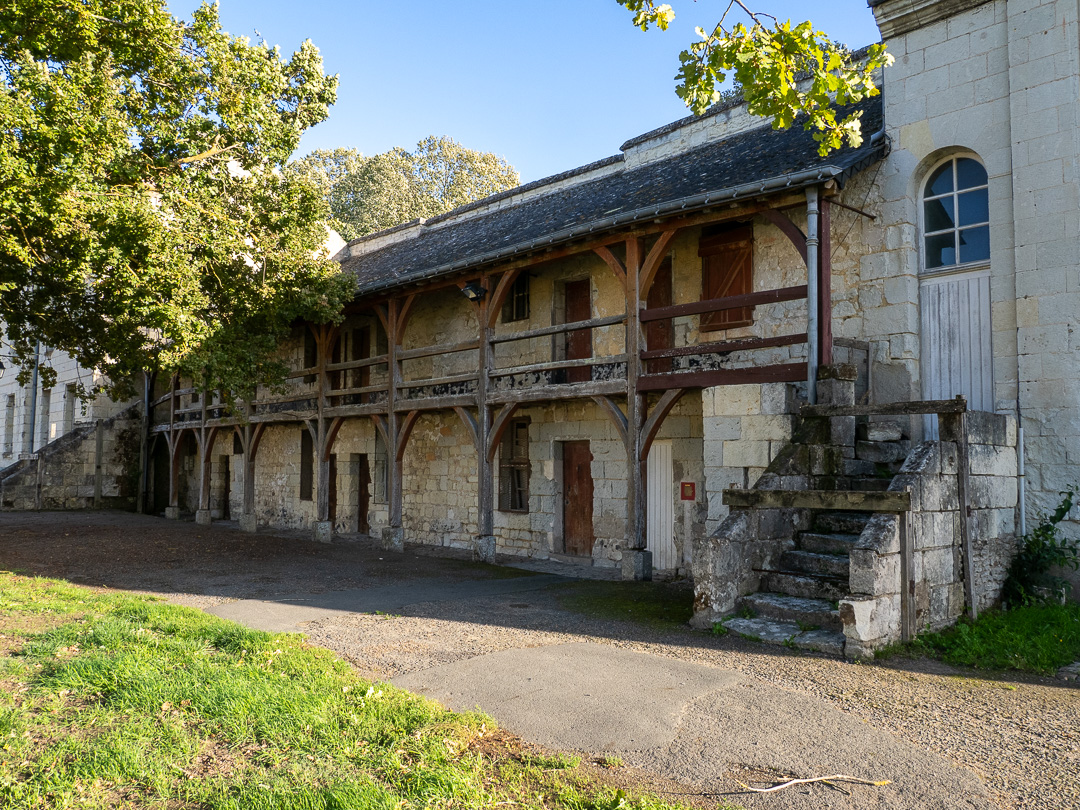
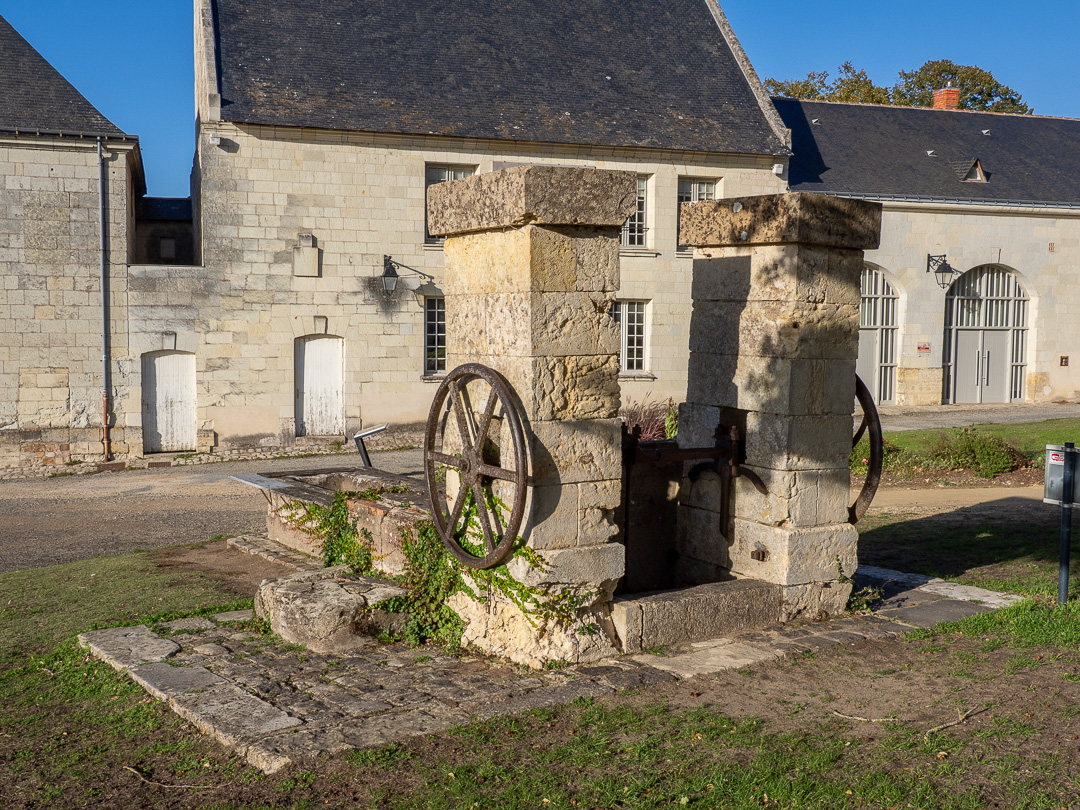
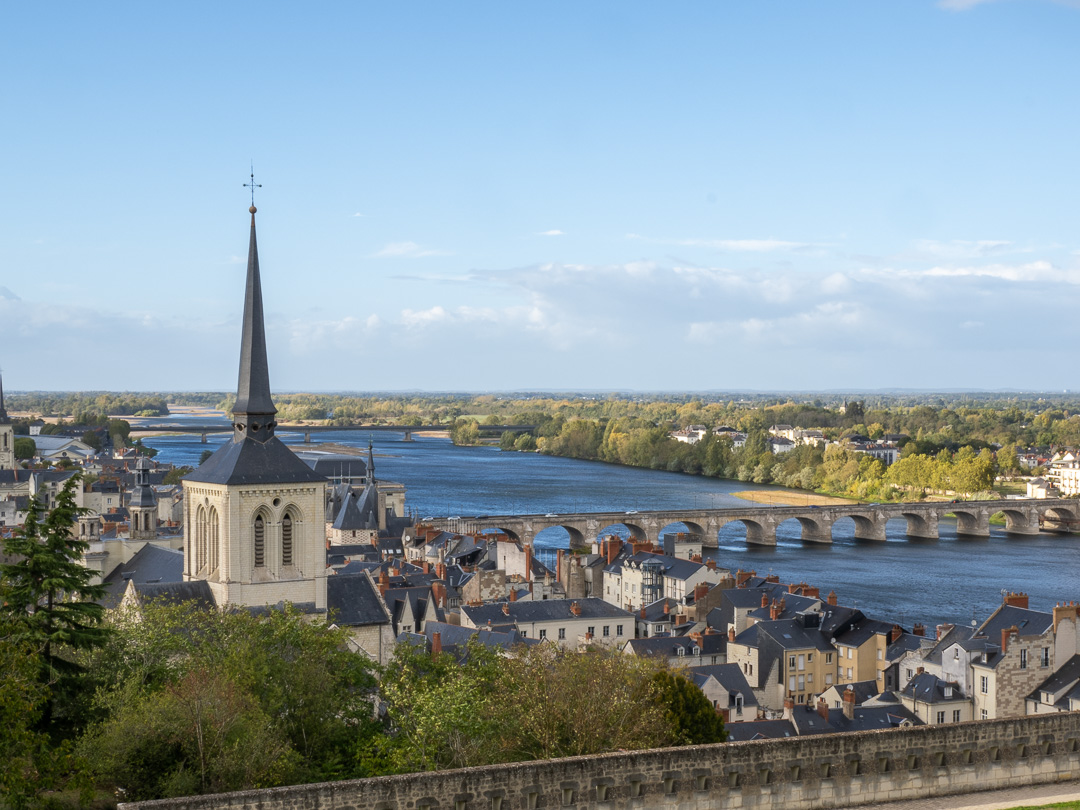
There are very fine views from the château, especially downstream over the Loire:
Saturday; Turquant:
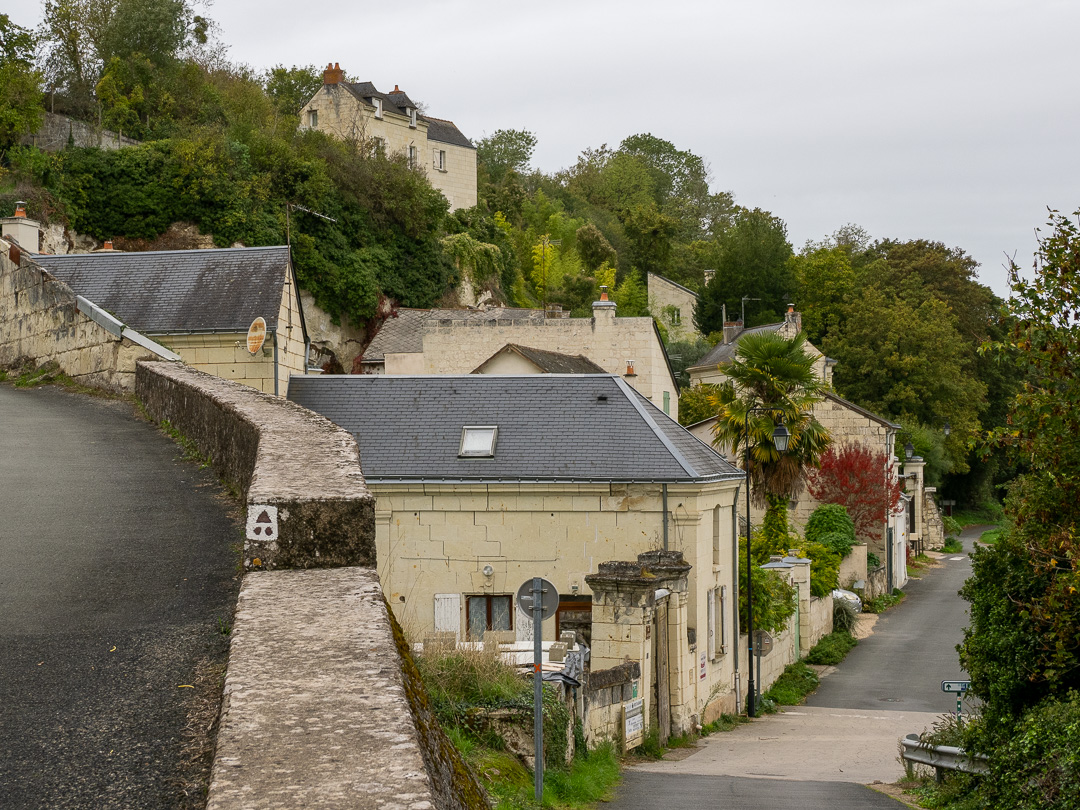
The village of Turquant is about 15 minutes drive east along the south bank of the Loire, from Saumur. A bit of a rainy day today, but we did manage to explore it a little.
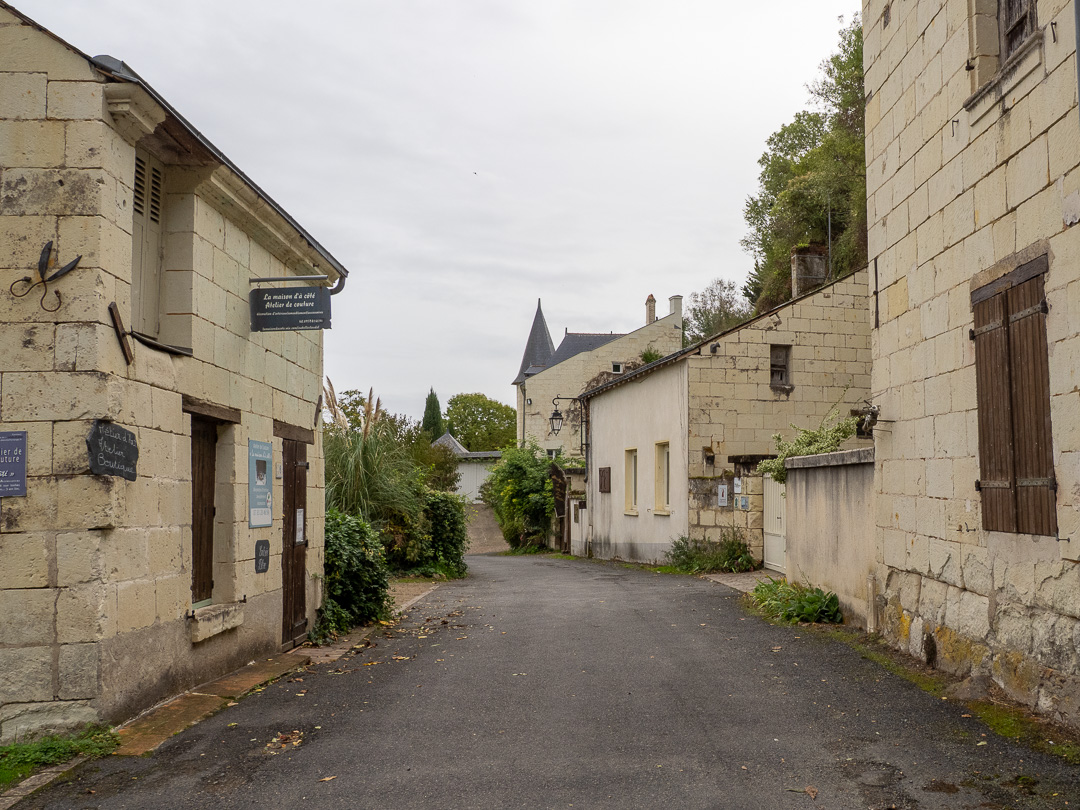
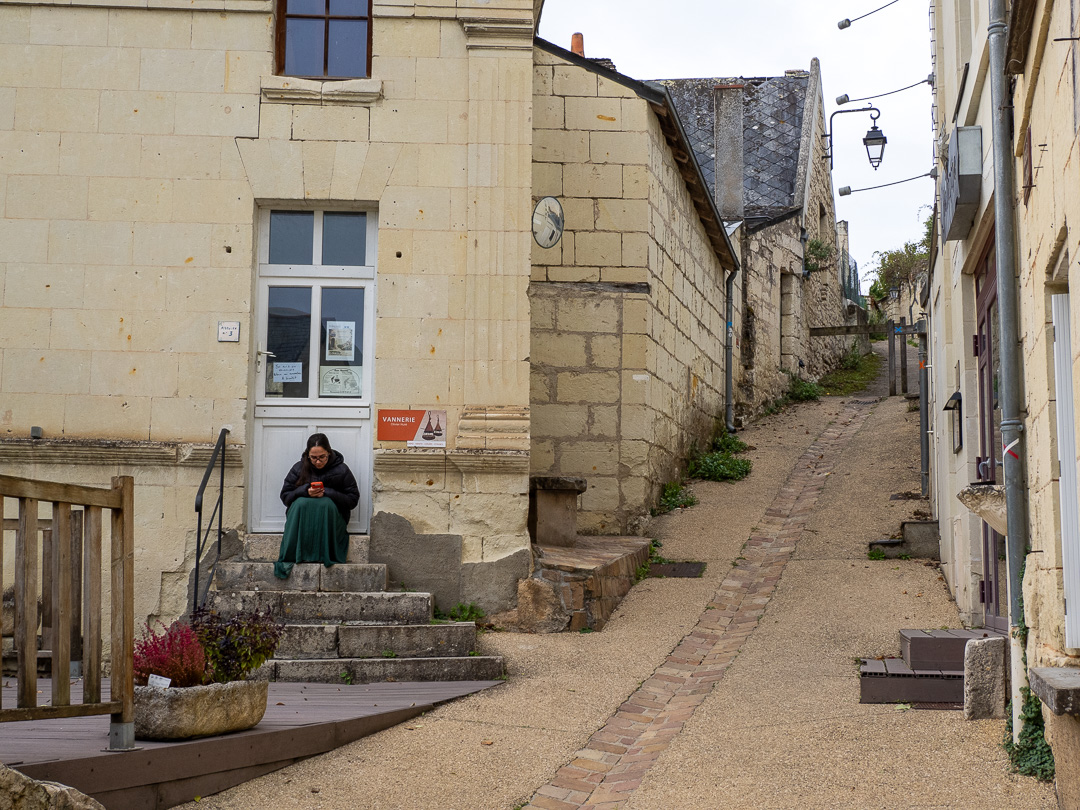
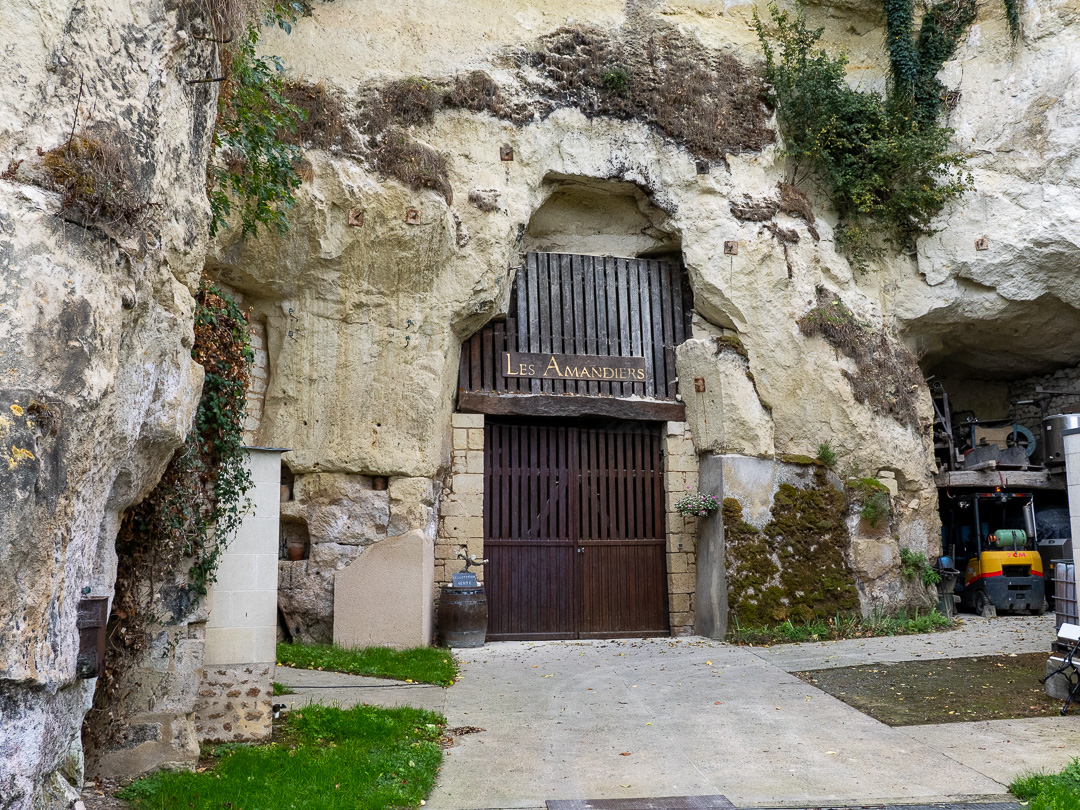
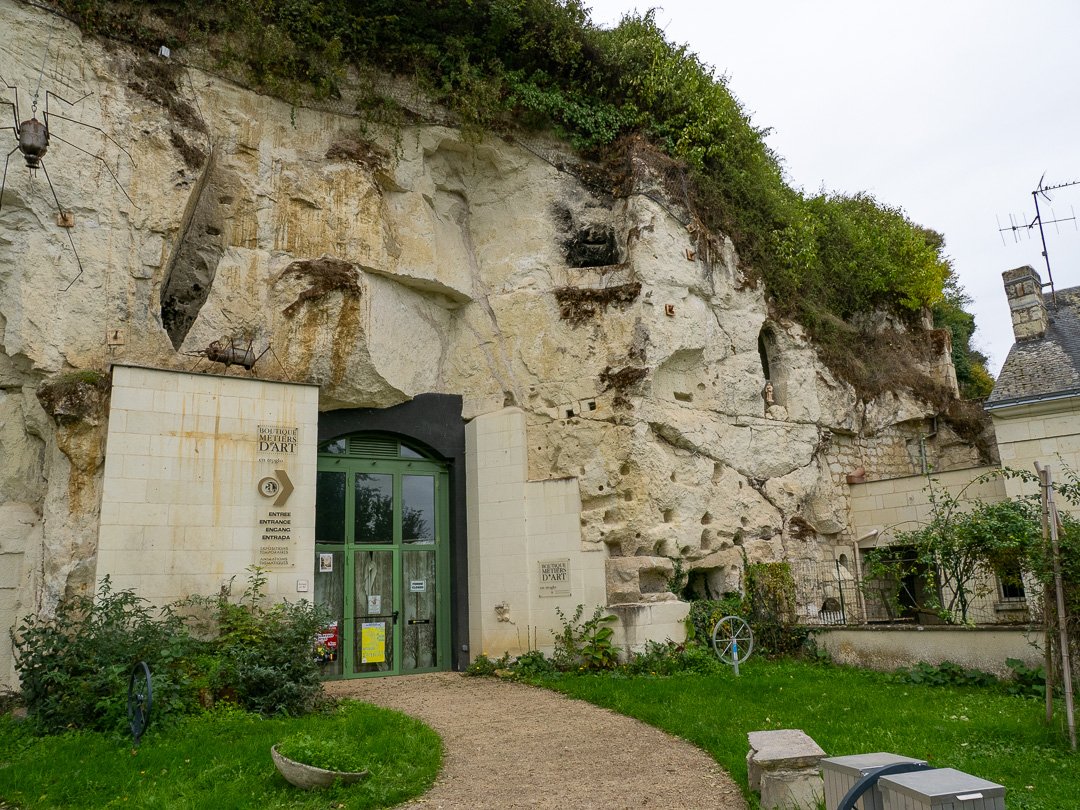
The standout feature here are the “troglodytic” houses, built into the soft tufa limestone cliffs.
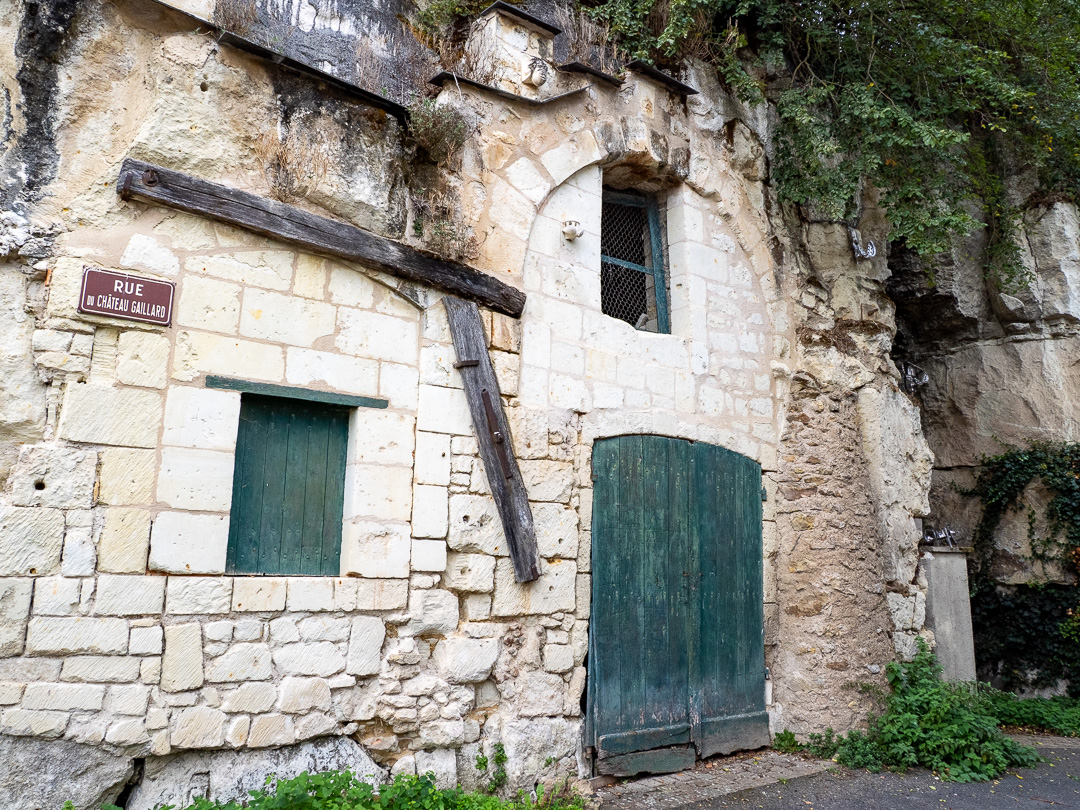
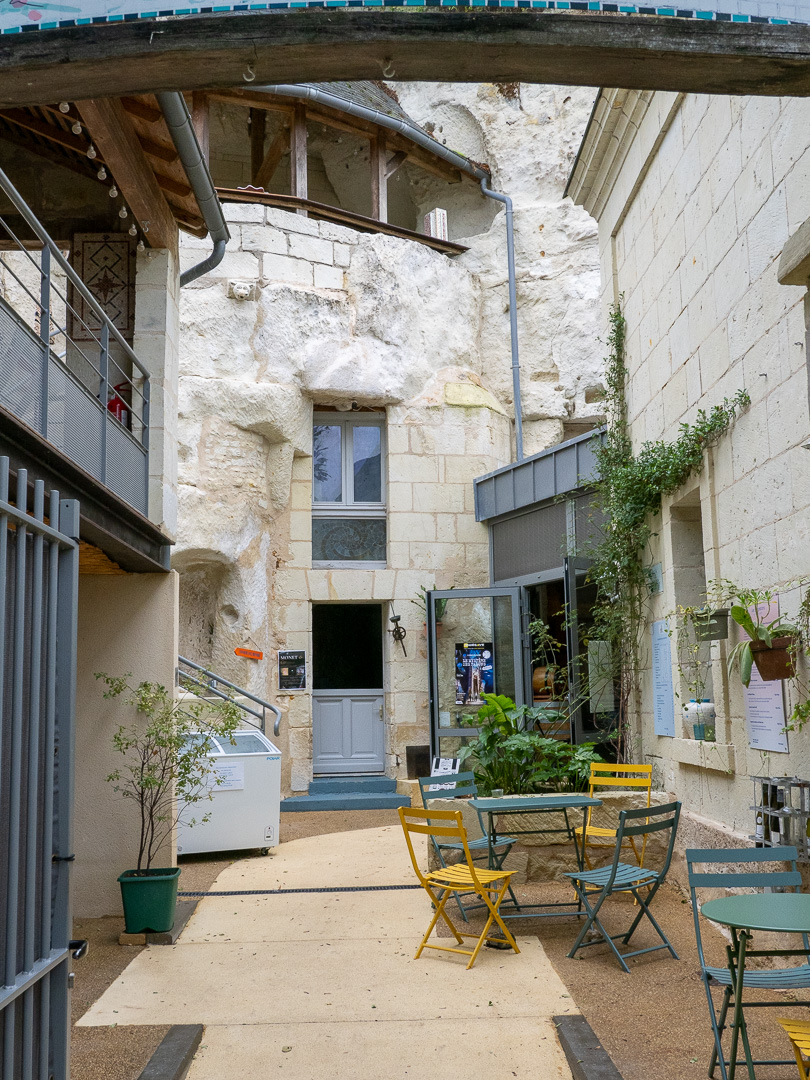
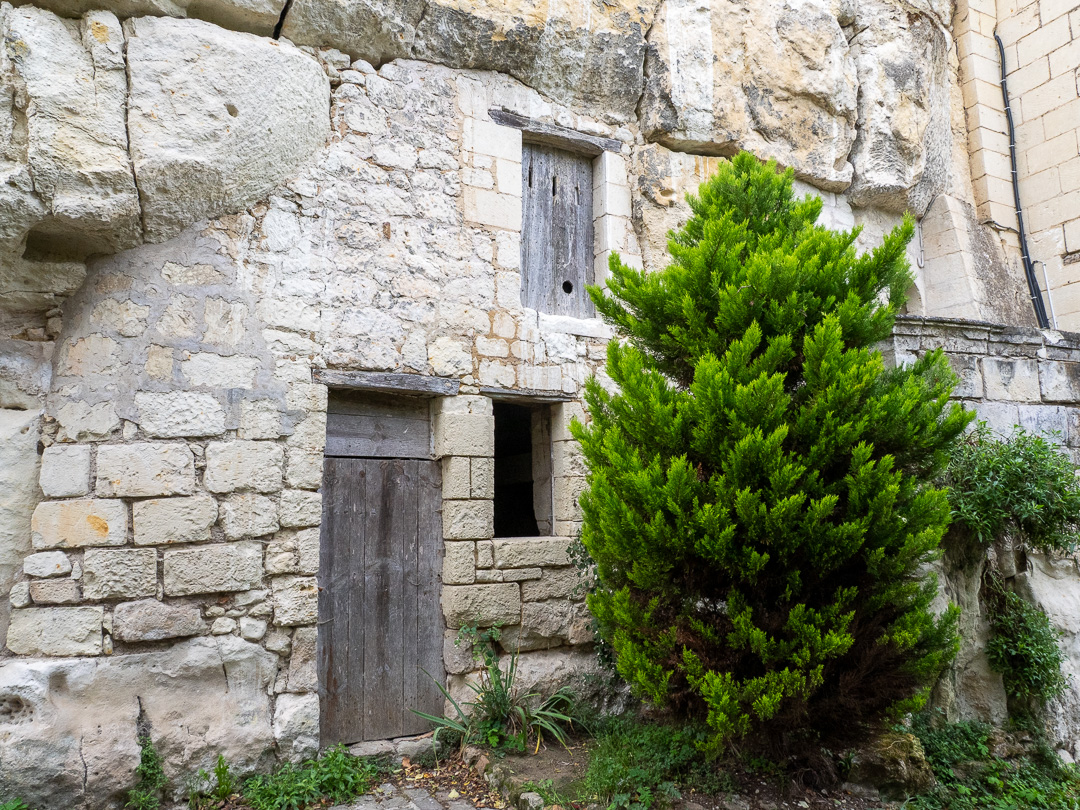
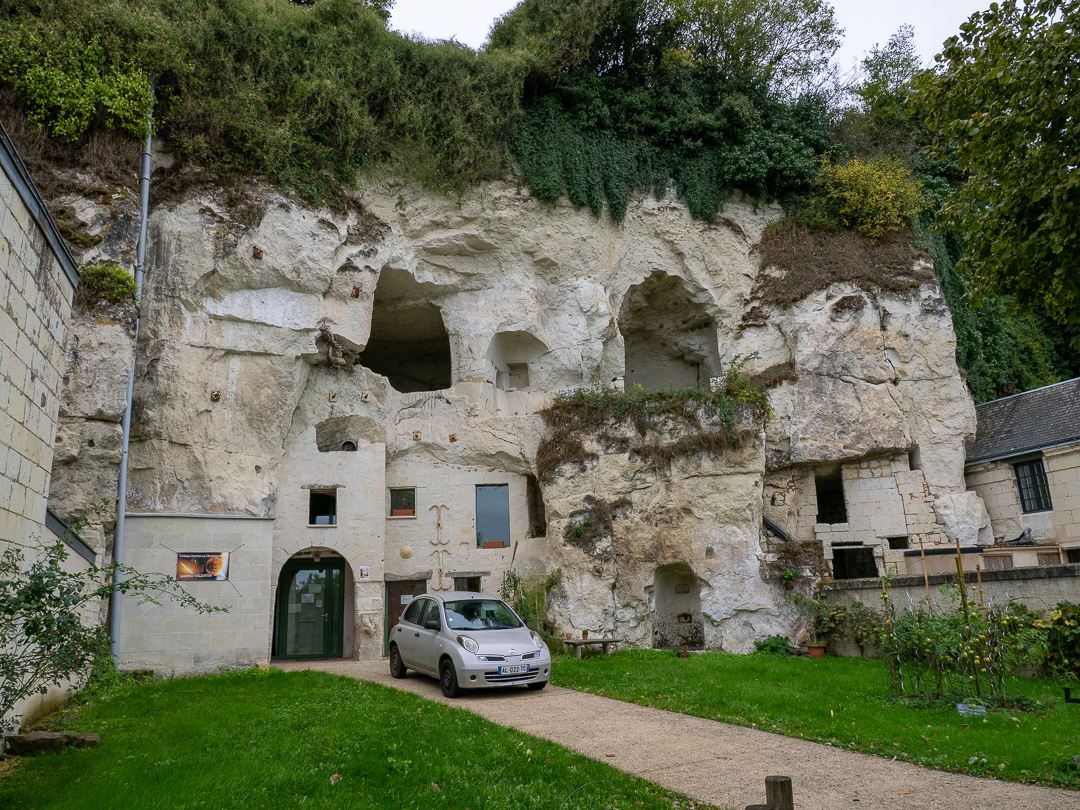
Not many seem to be houses though; mainly businesses aimed at the tourist industry, but closed when we visited.
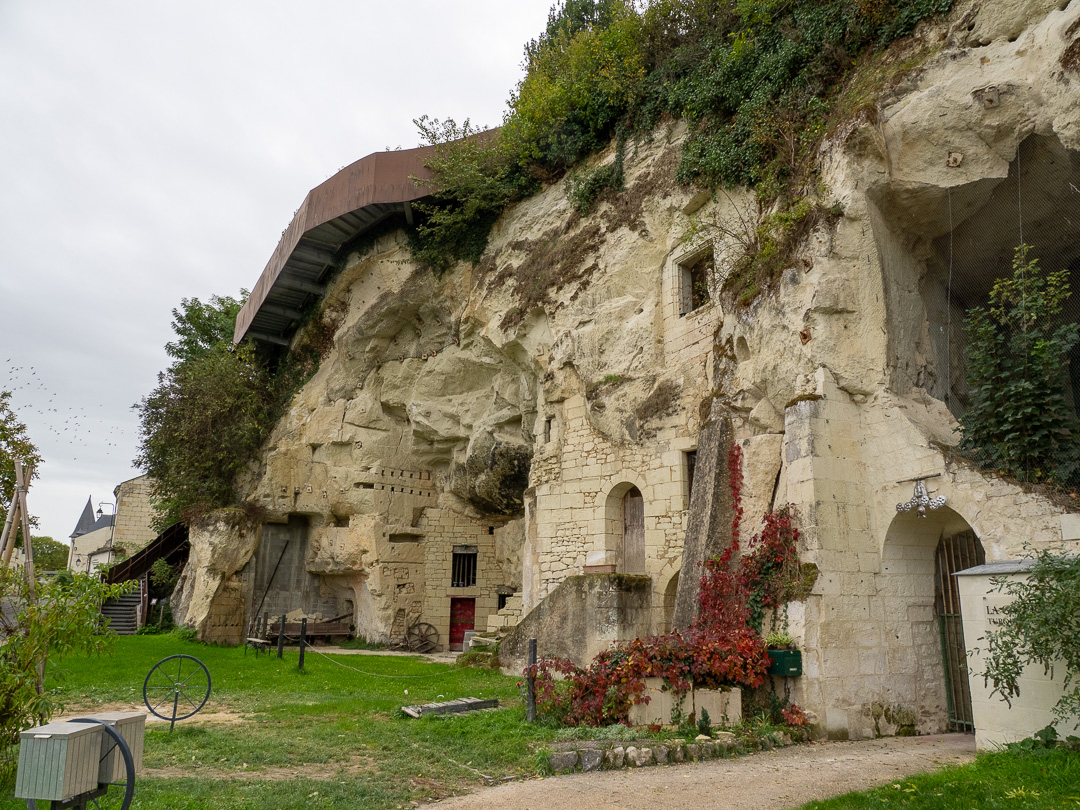
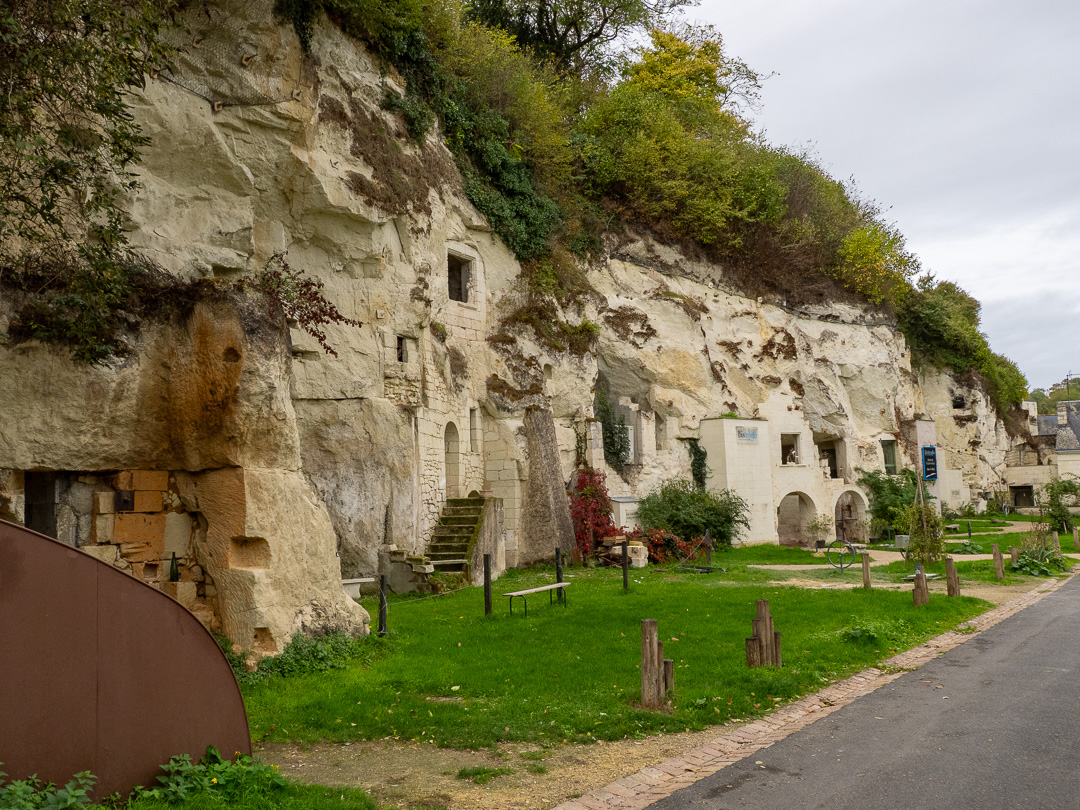
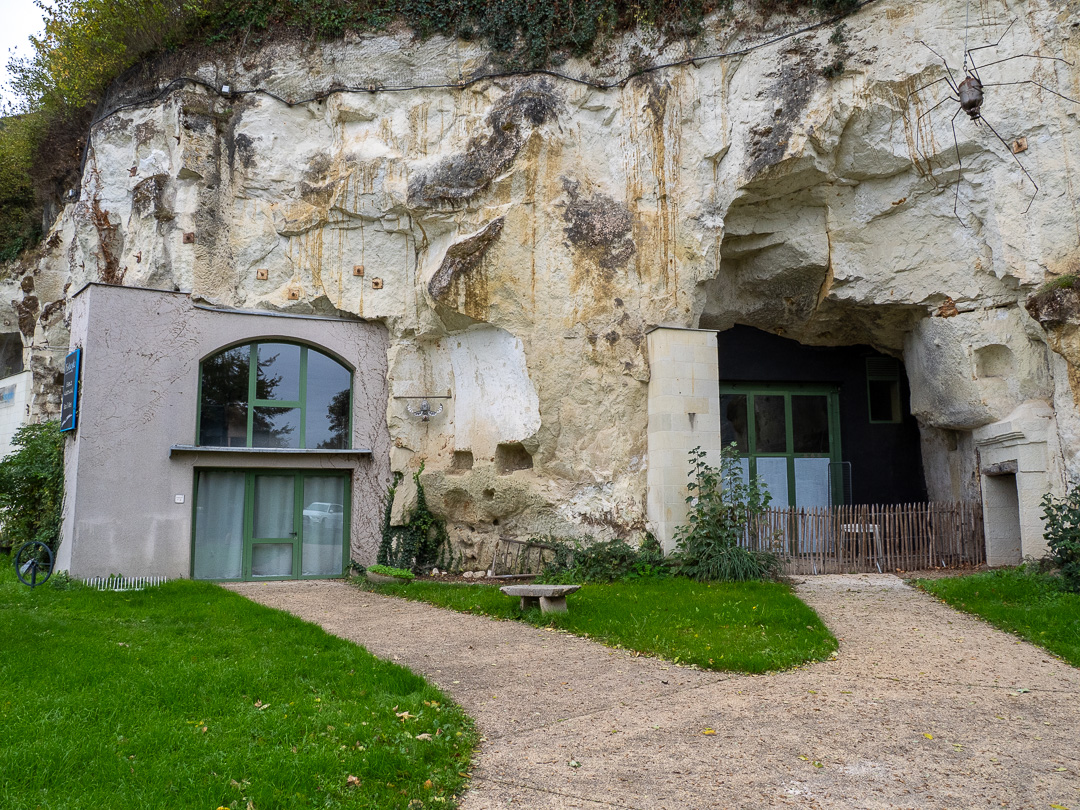
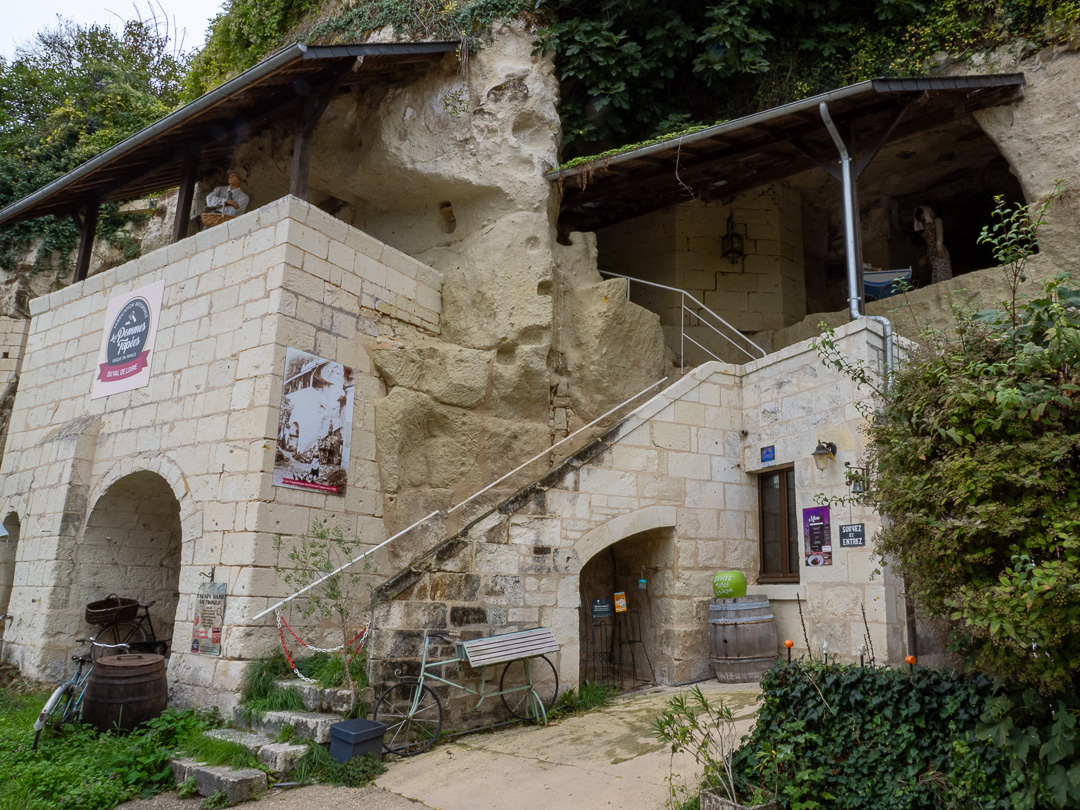
We briefly visited one such, very old business, which used the dry conditions underground to dry-out apples and “flatten” them. This preserves them and they remain edible for many years. In years gone by, this was useful for sea voyages.
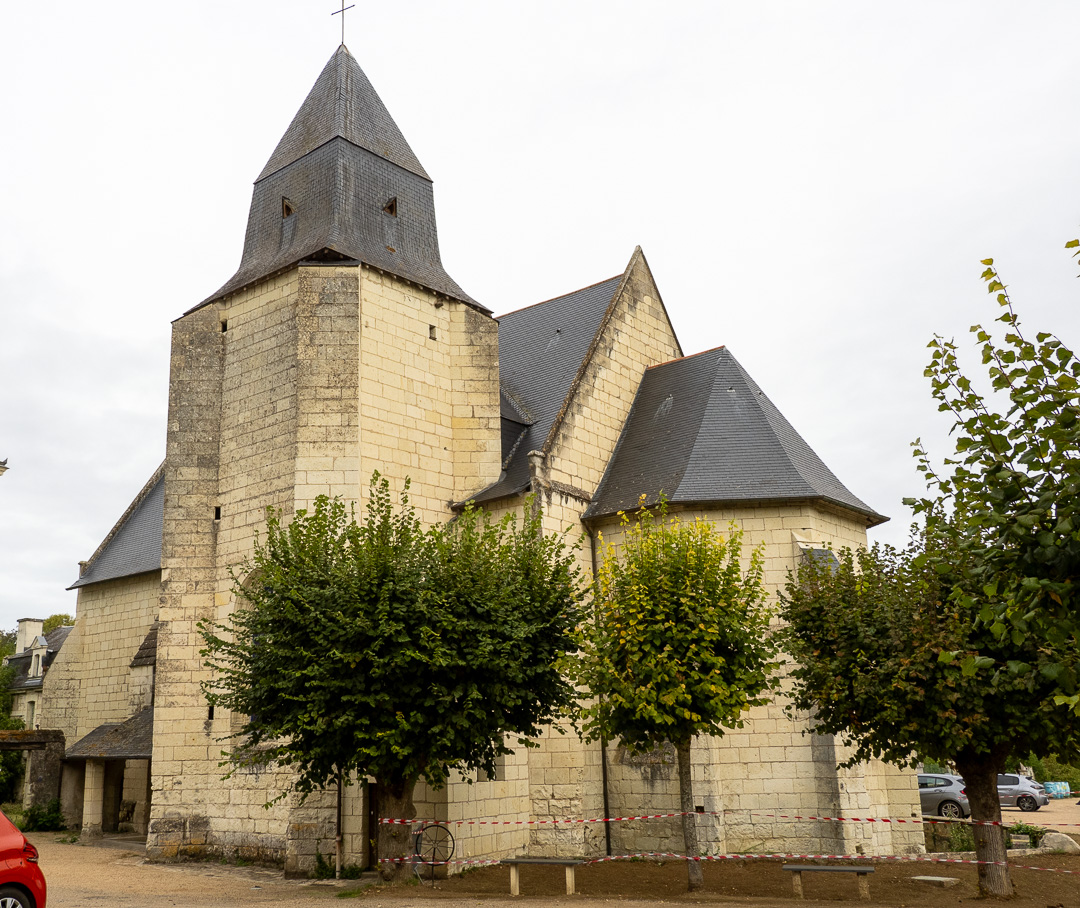
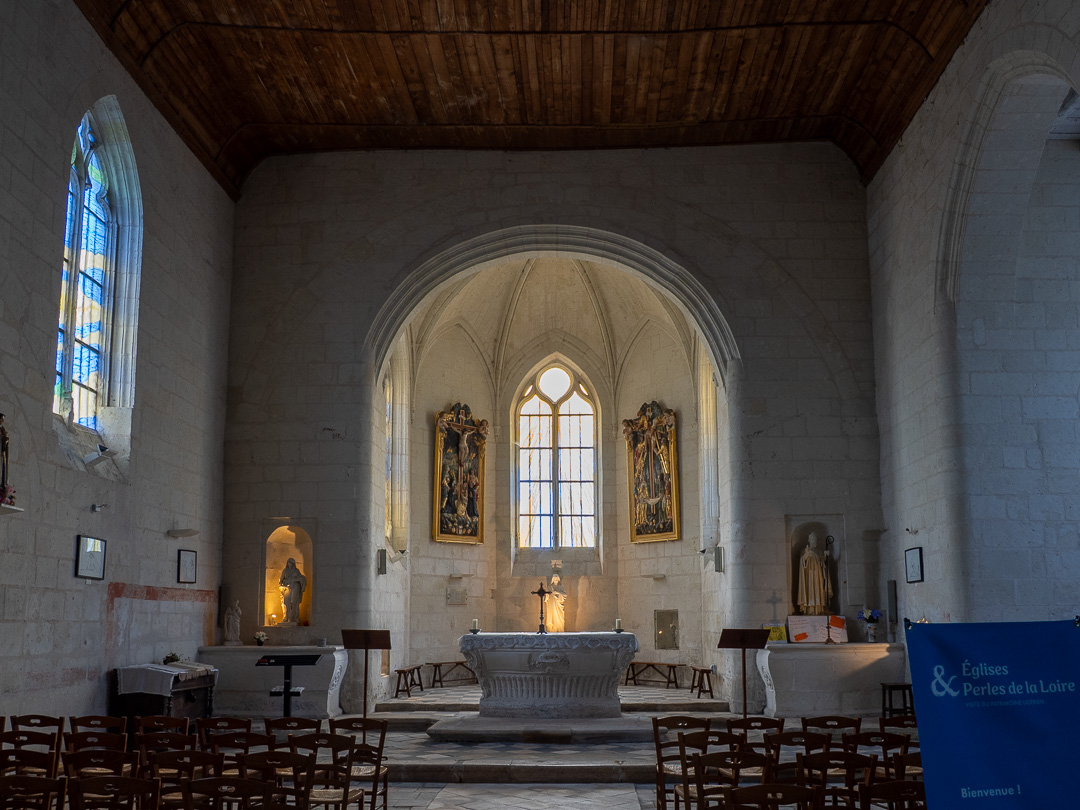
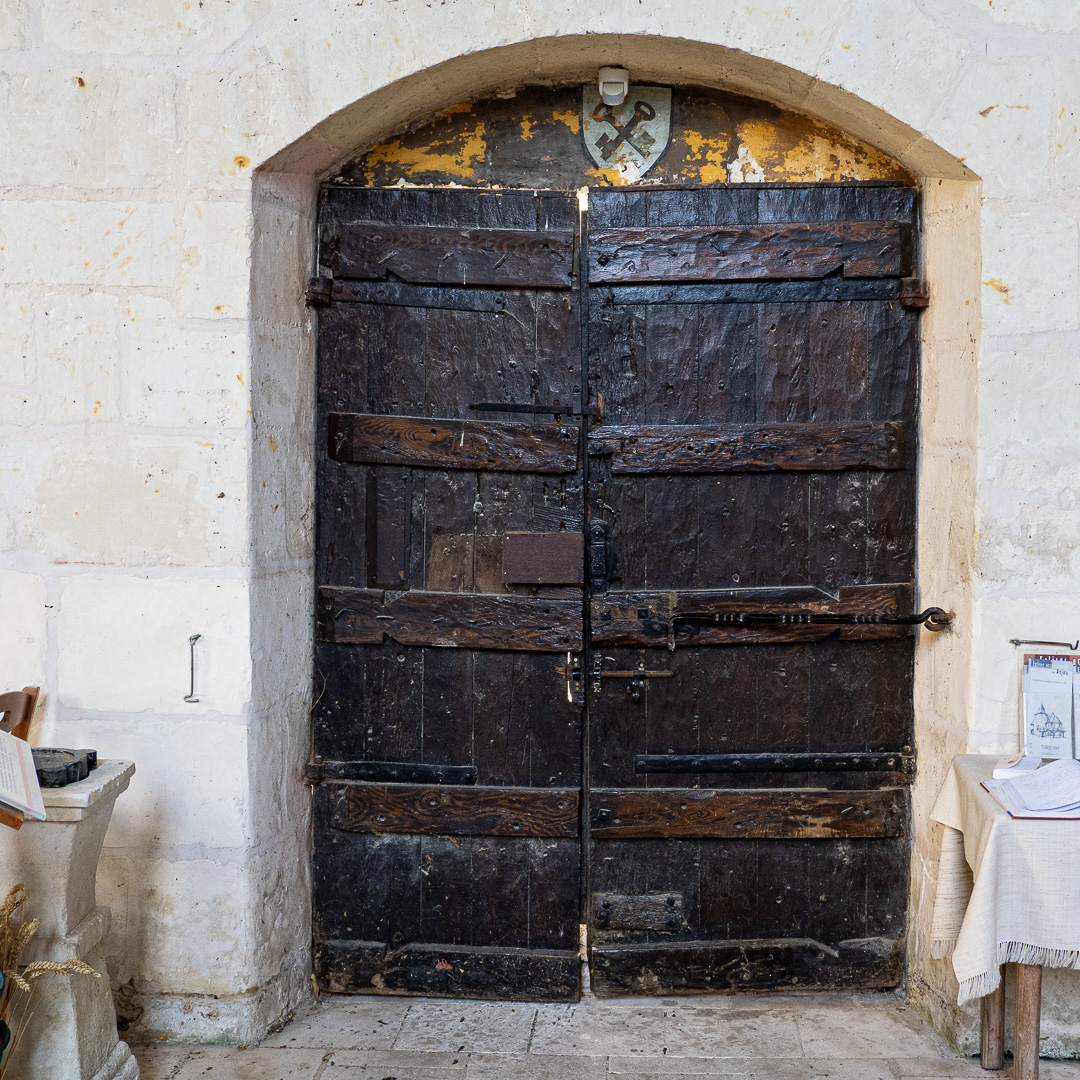
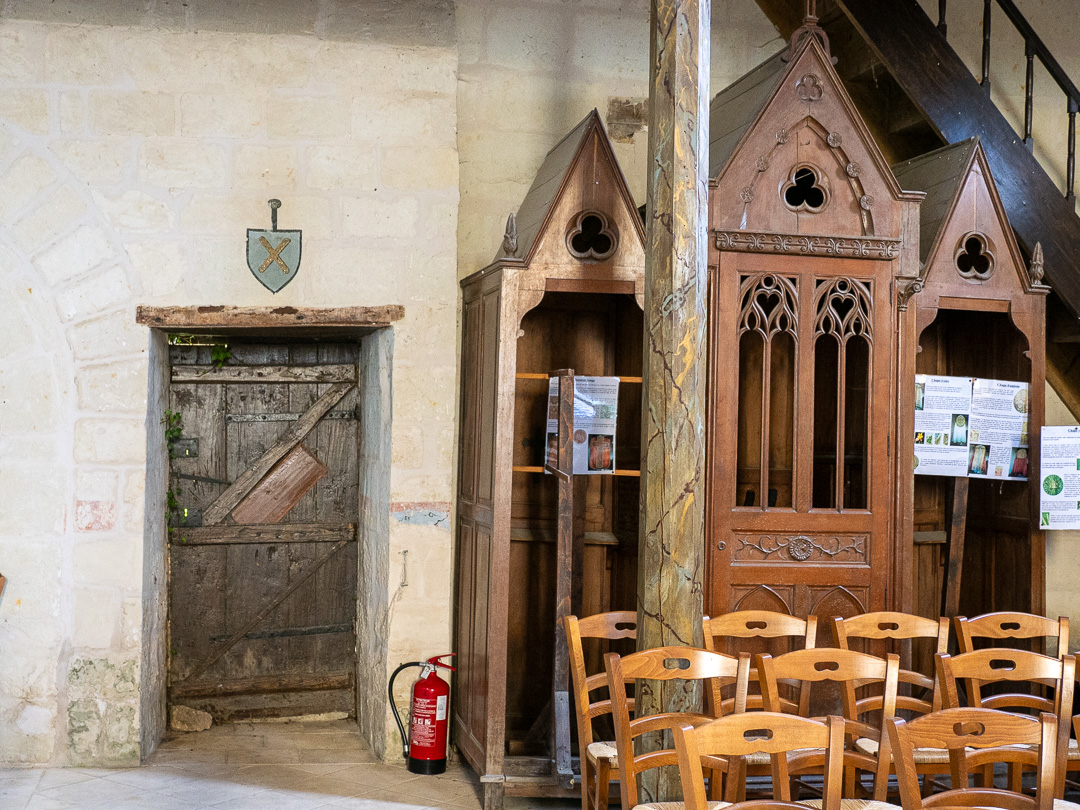
We also visited the very old church which was beautifully plain inside. I loved the doors which seemed to be extremely old and well-used.
That is all for today. TTFN and see-u-later.

