
Saturday 26th and Sunday 27th September 2026
Our journey south continues. Moving on from Chateaudun, we have joined the Loire Valley and explored the two cities of Blois and Amboise. Each are dominated by huge chateaux and medieval architecture.
Blois:
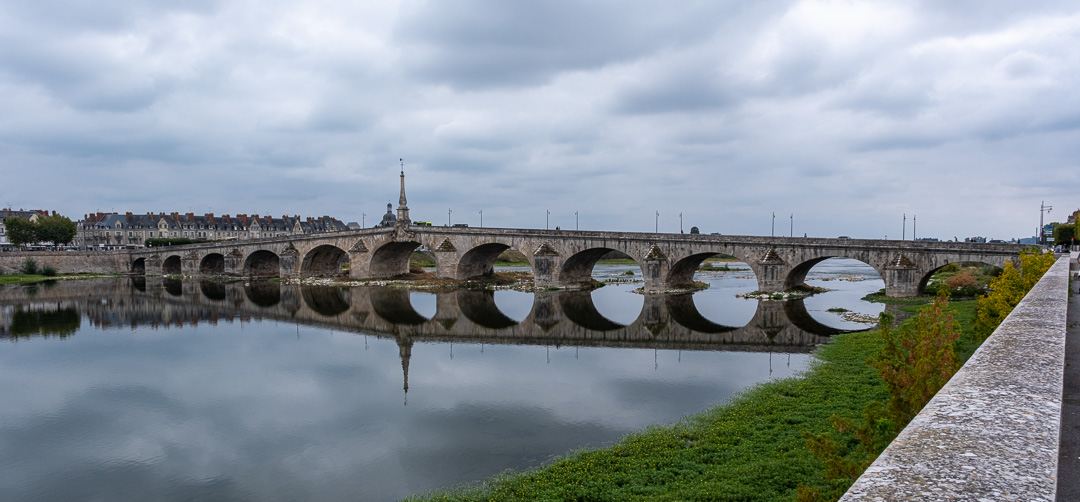
Blois is the capital city of the French department of Loire-et-Cher. During the Renaissance, Blois was the official residence of the King of France.
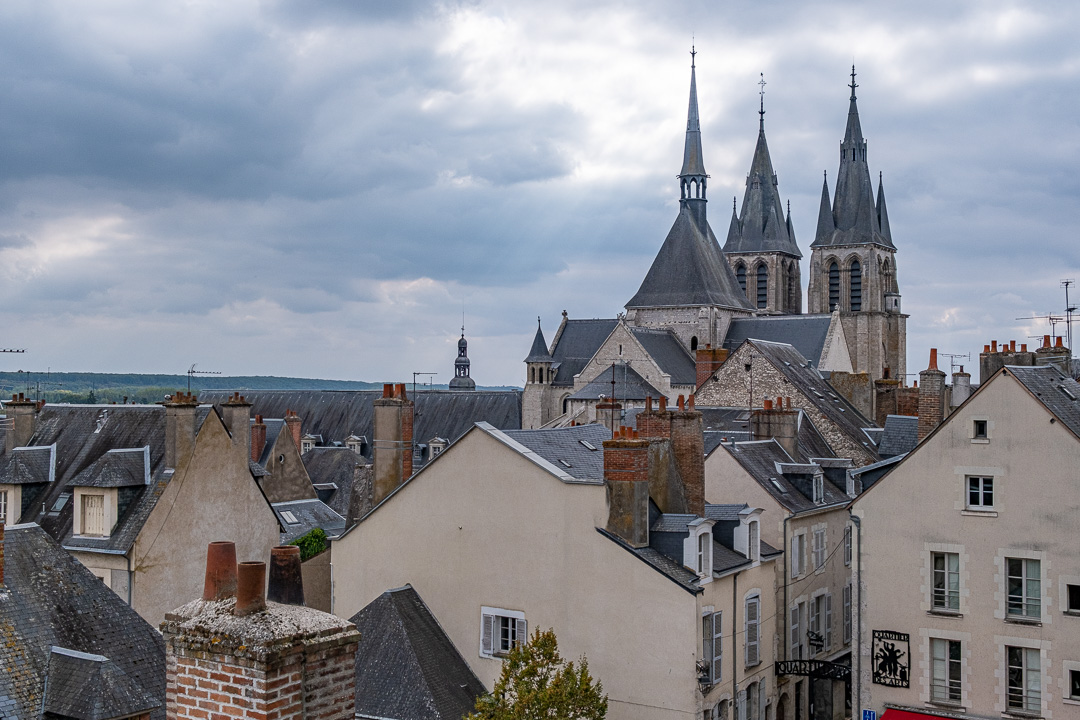
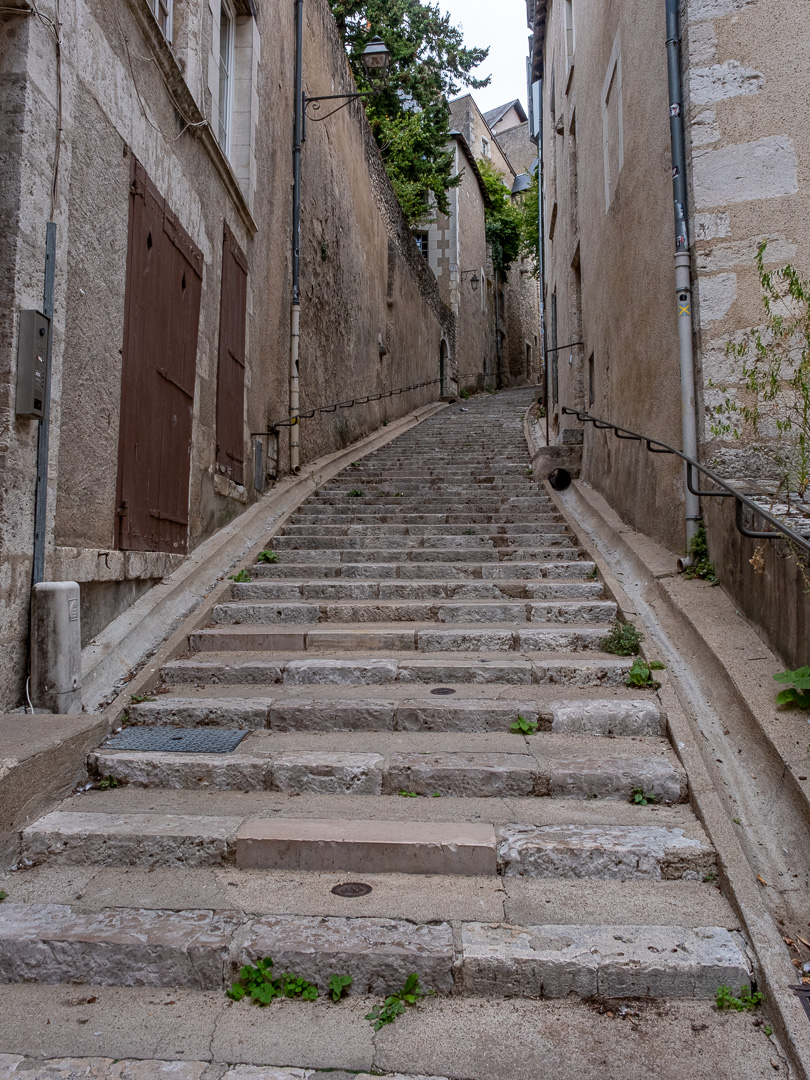
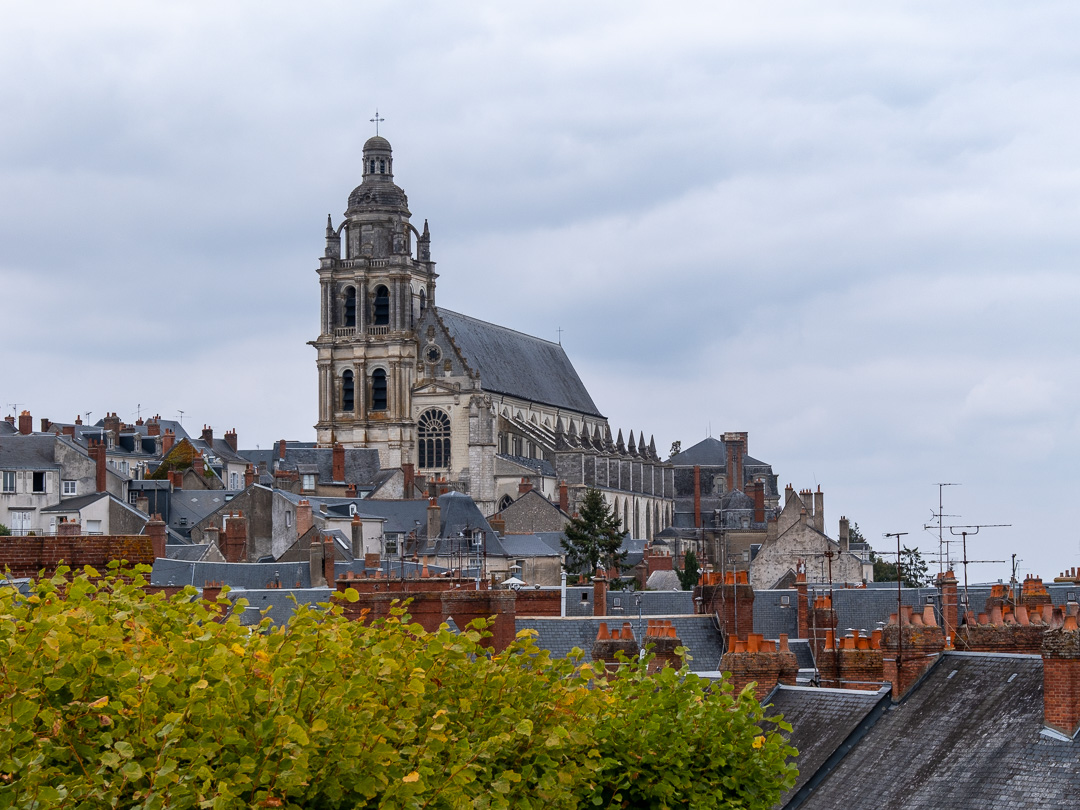
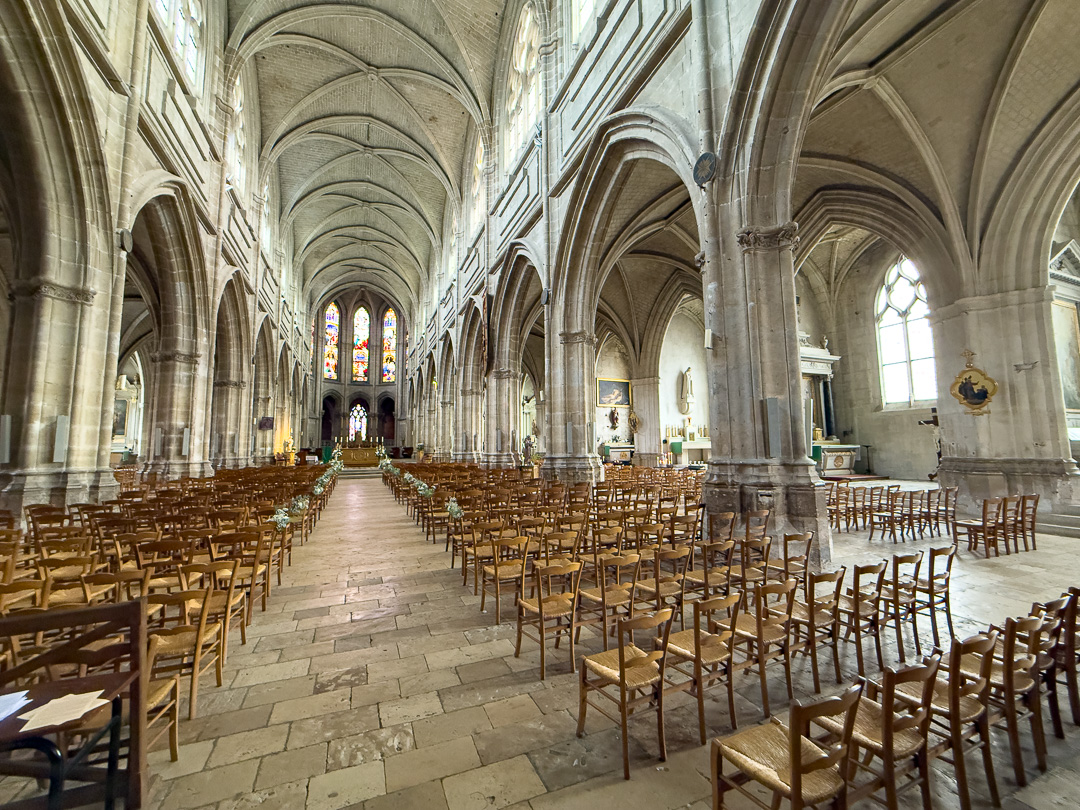
The town is built on a hill alongside the river. We started our exploration by climbing up to the cathedral. The steps seemed to be never-ending:
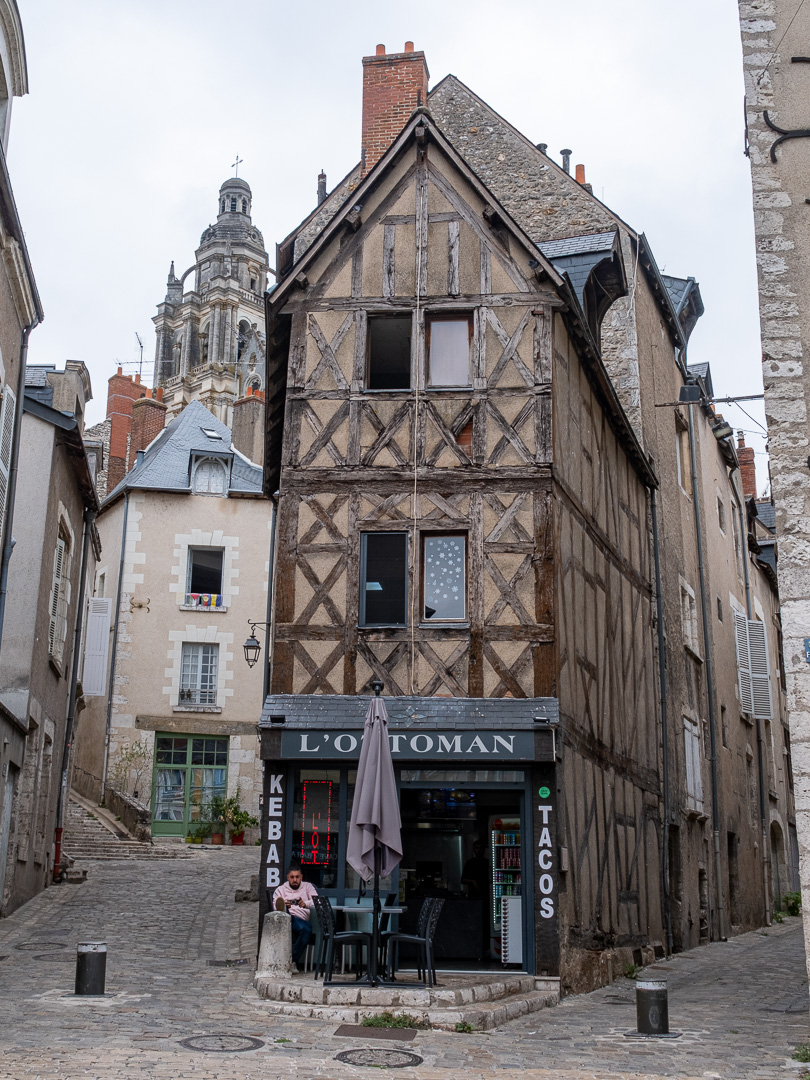
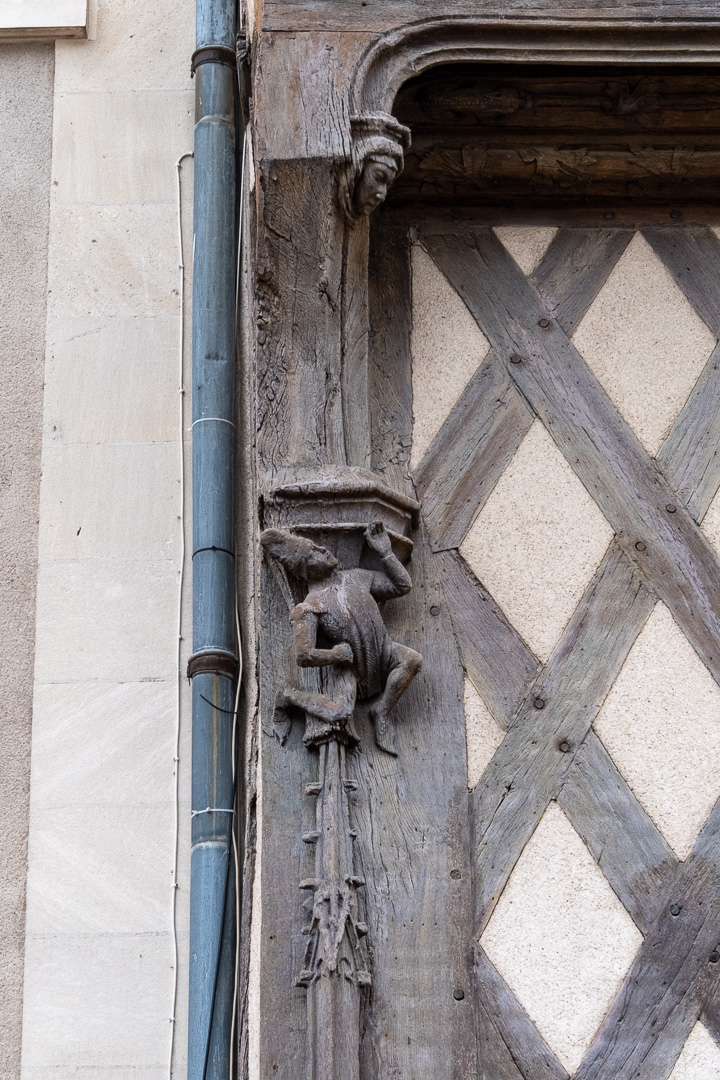
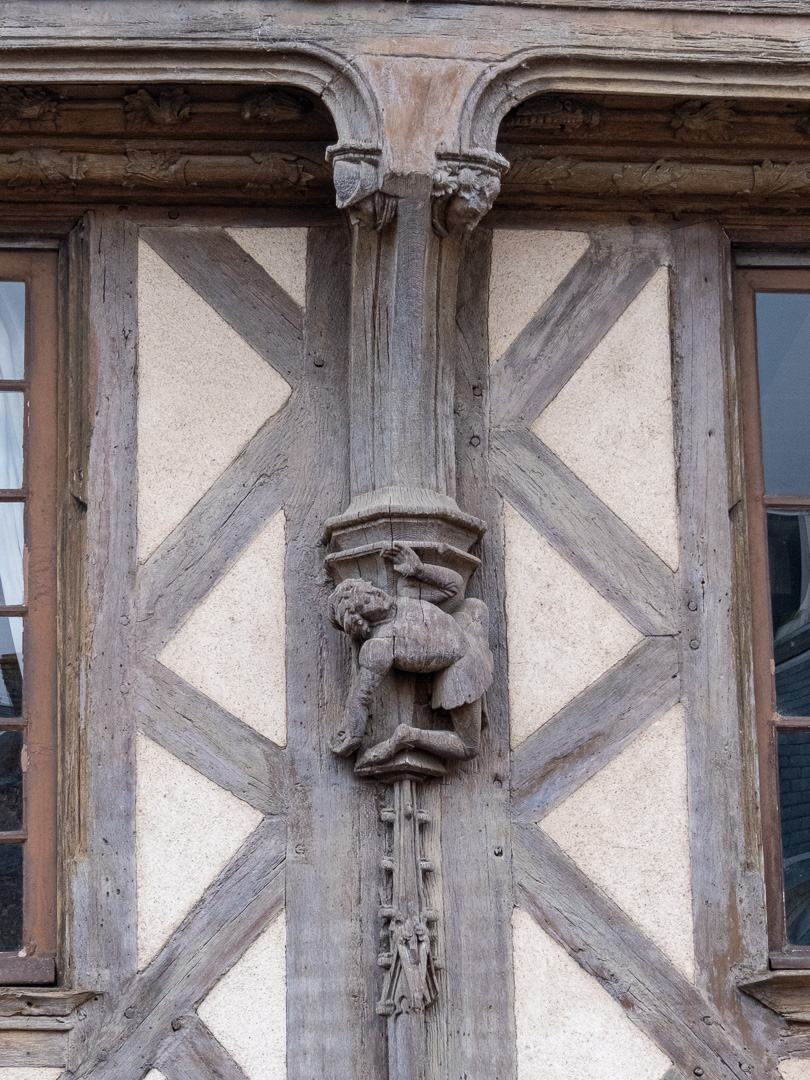
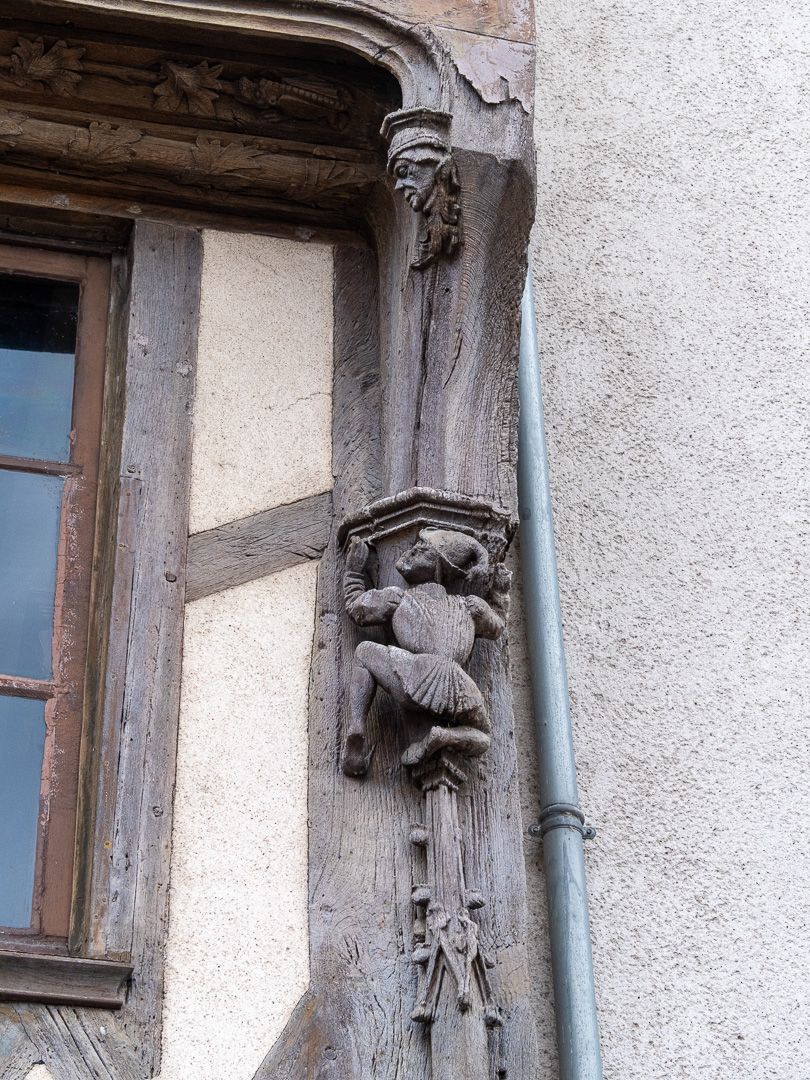
This nearby house had an interestingly carved front:
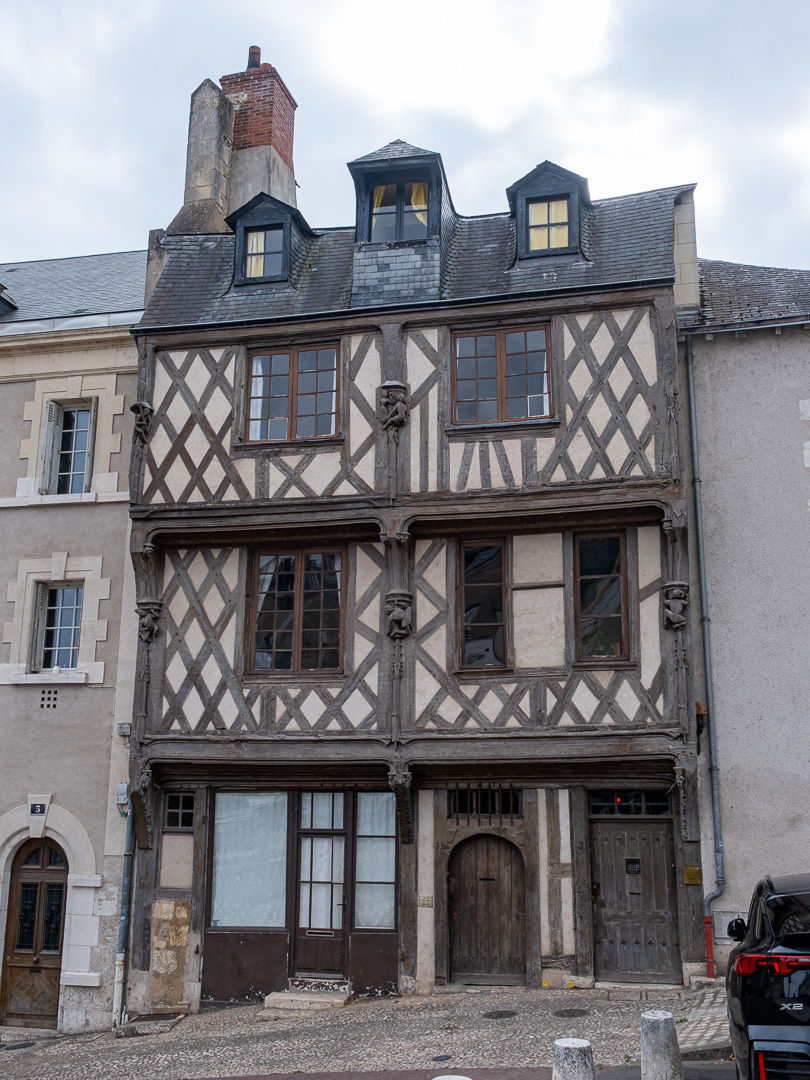
I am not sure of what is being depicted here, but the wooden carved figures are surprisingly well-preserved.
We headed across towards the Chateau Royal:
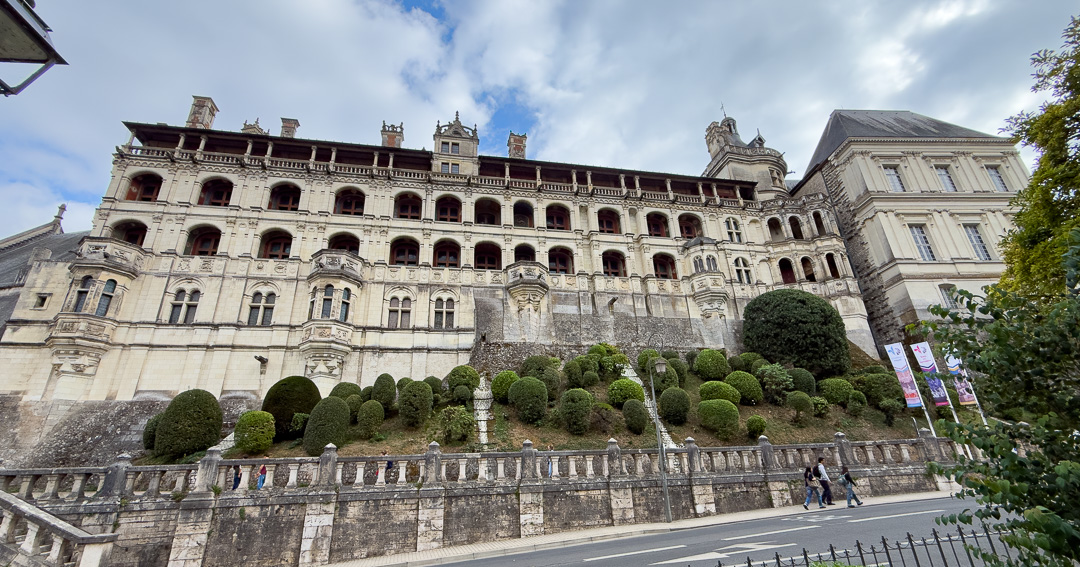
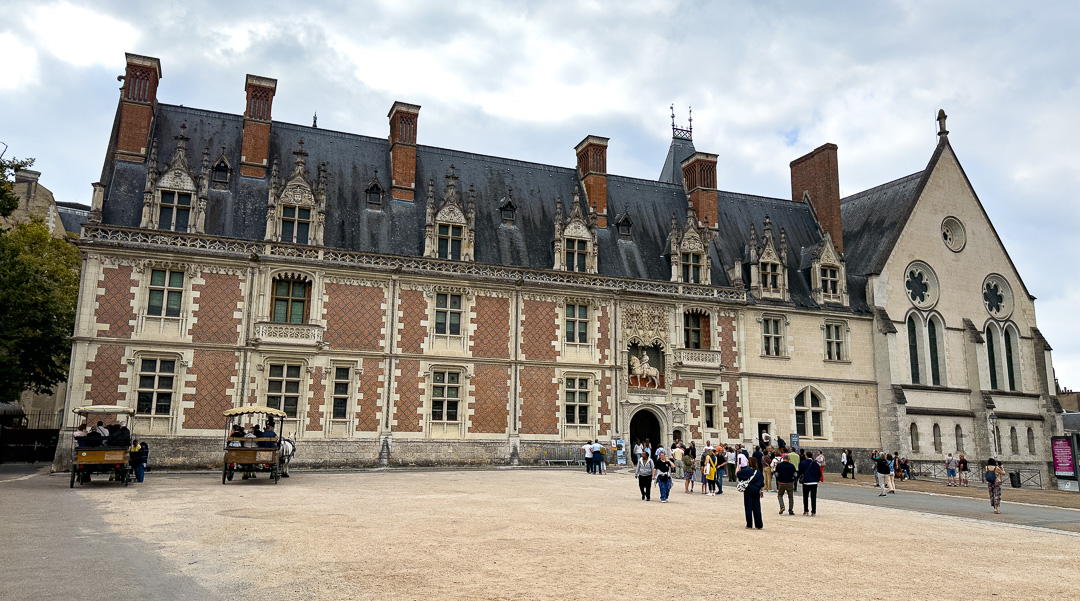
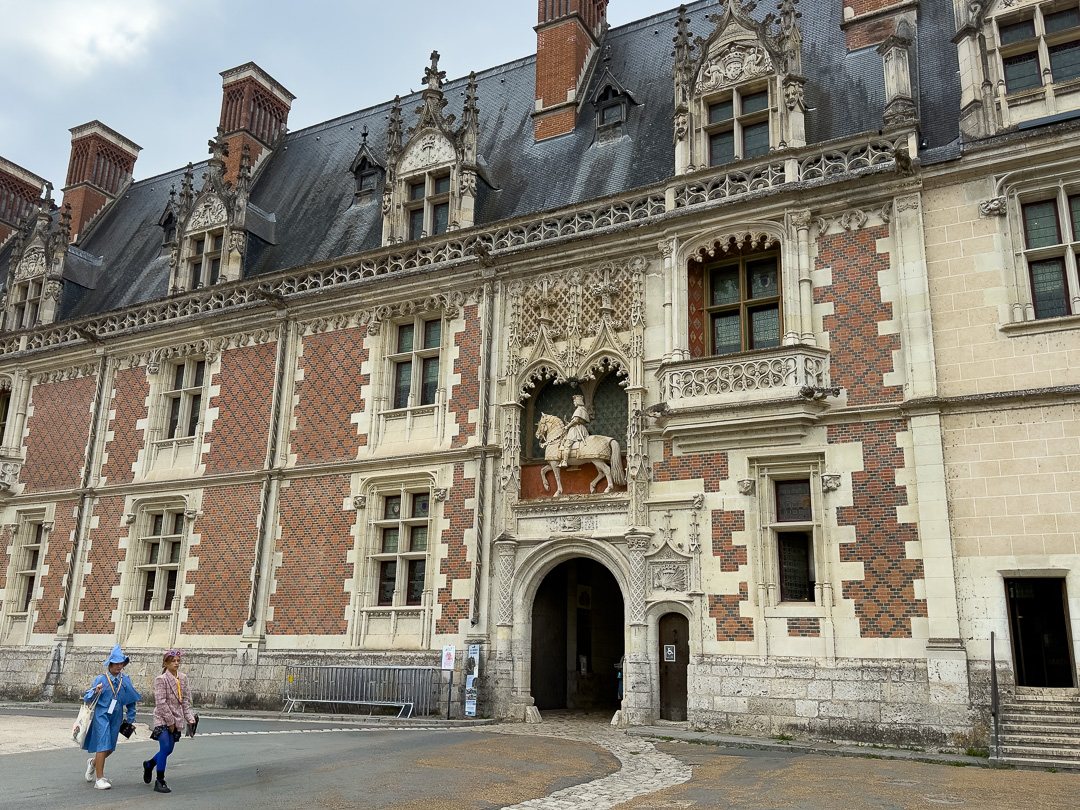
Opposite the palace, at the other end of the courtyard, is the House of Magic, where mechanical dragons periodically look out through the windows:
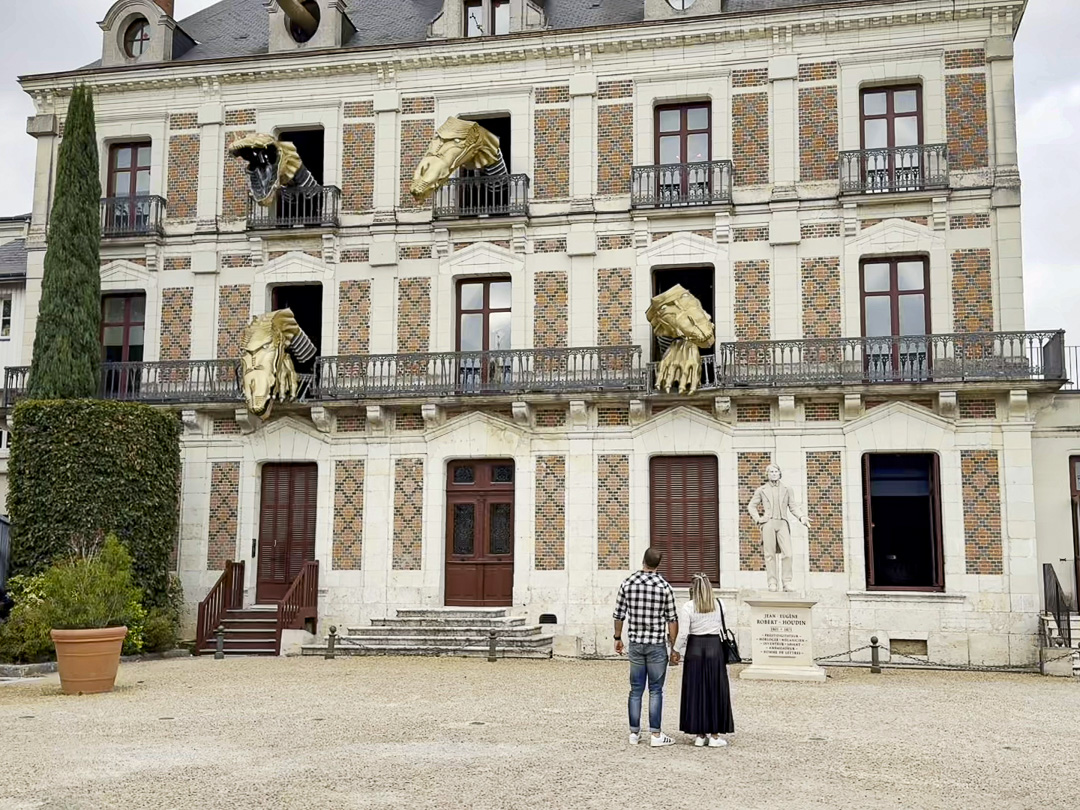
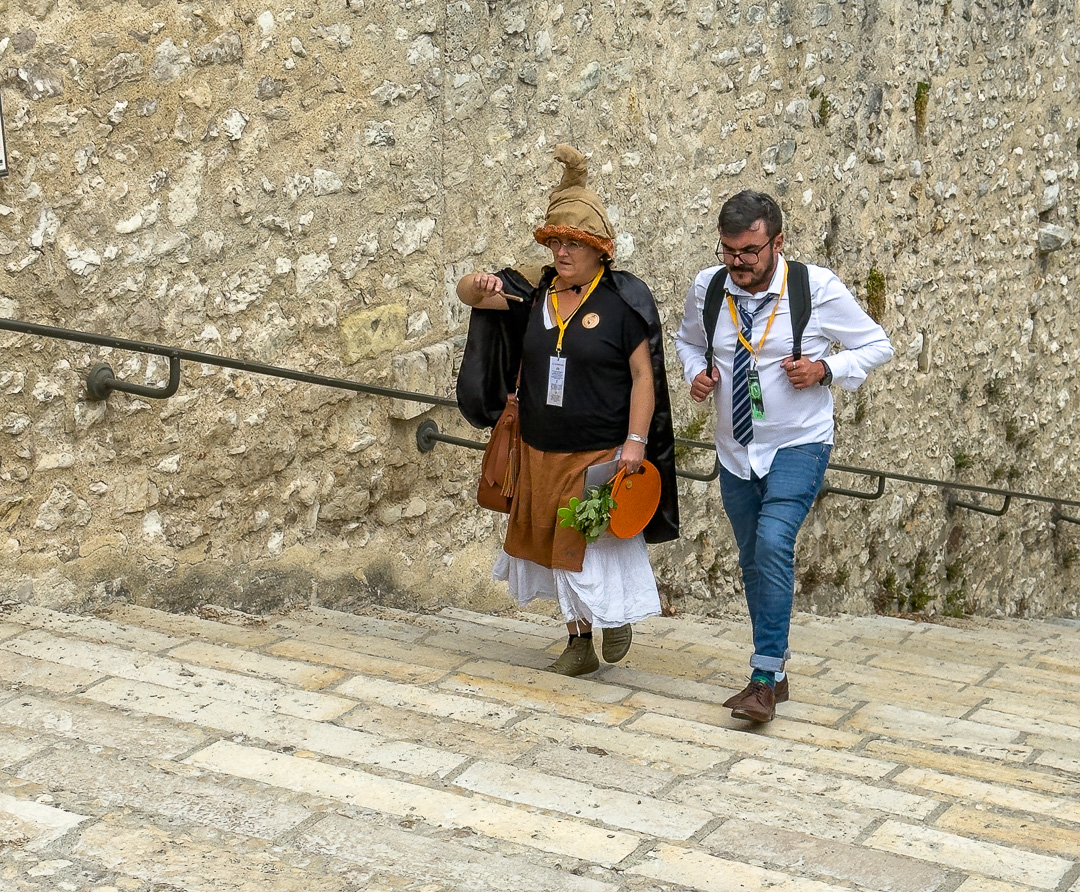
There seemed to be something of a Harry Potter vibe going on, with many children dressed up as well as some adults:
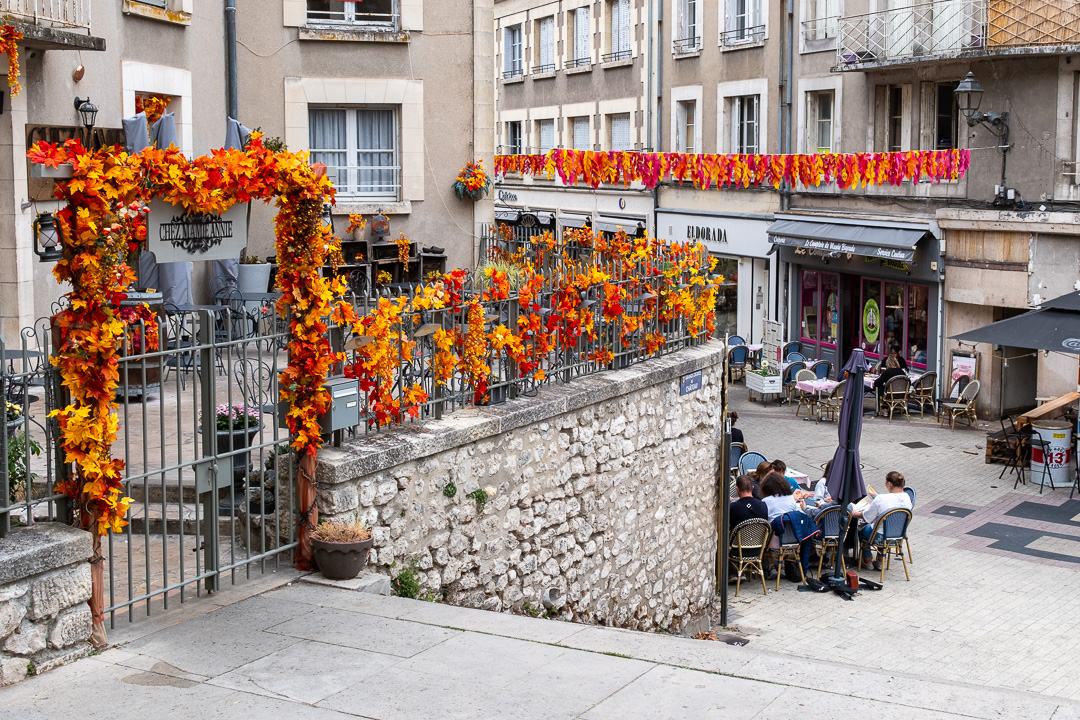
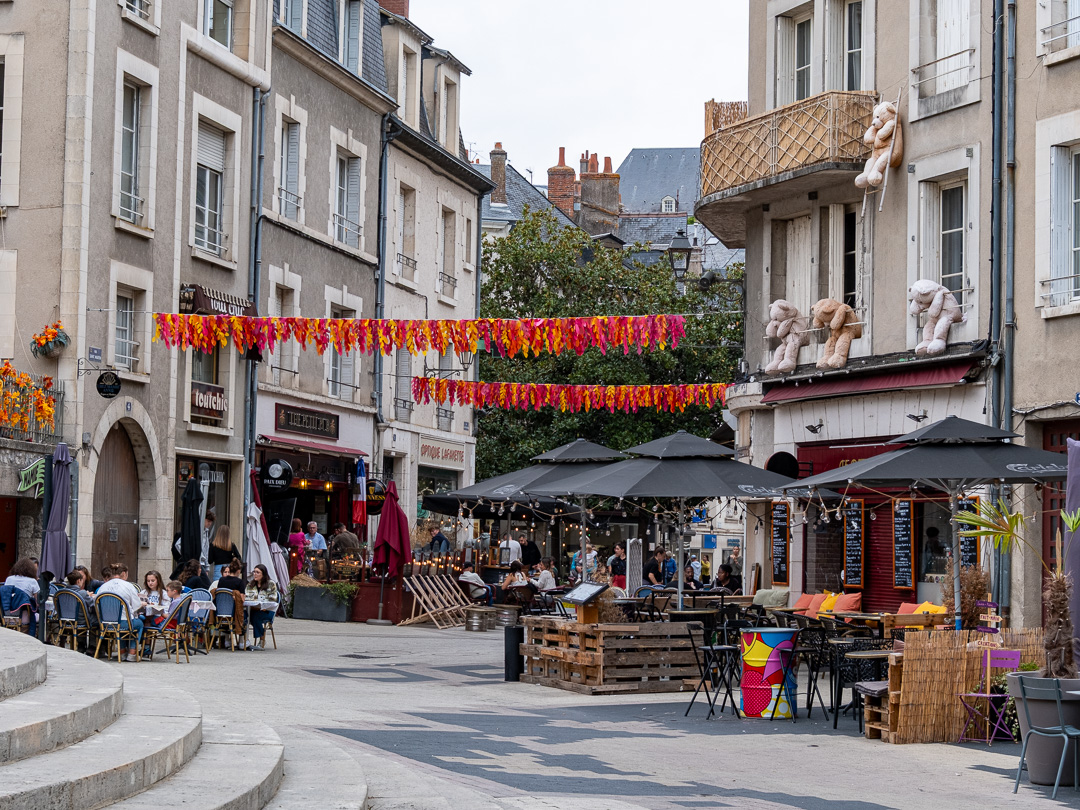
The city centre is pleasant with many pavement cafes…
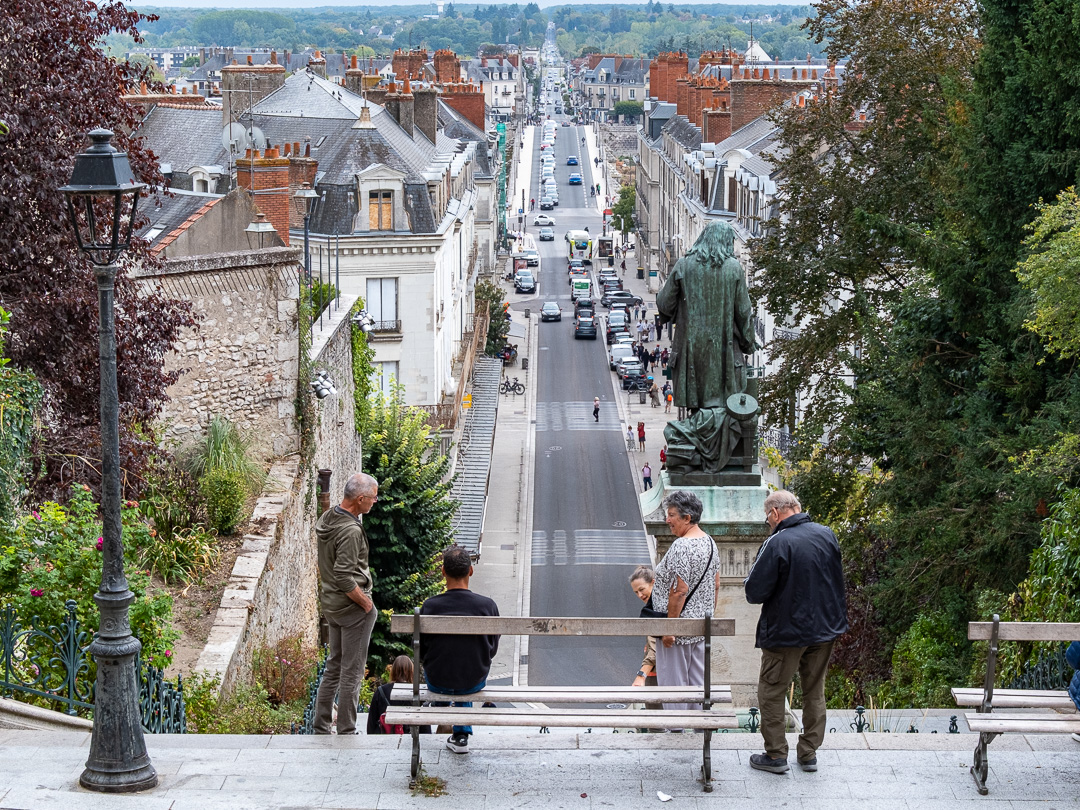
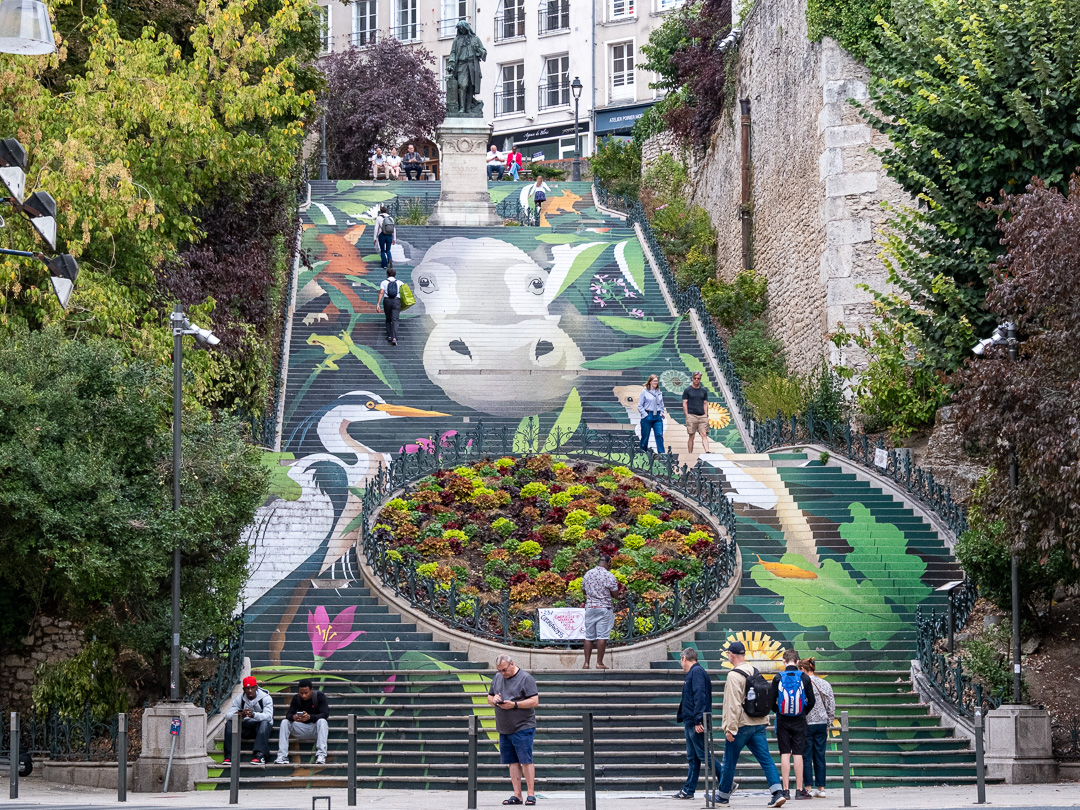
…and the Denis Papin Steps are we worth seeing:
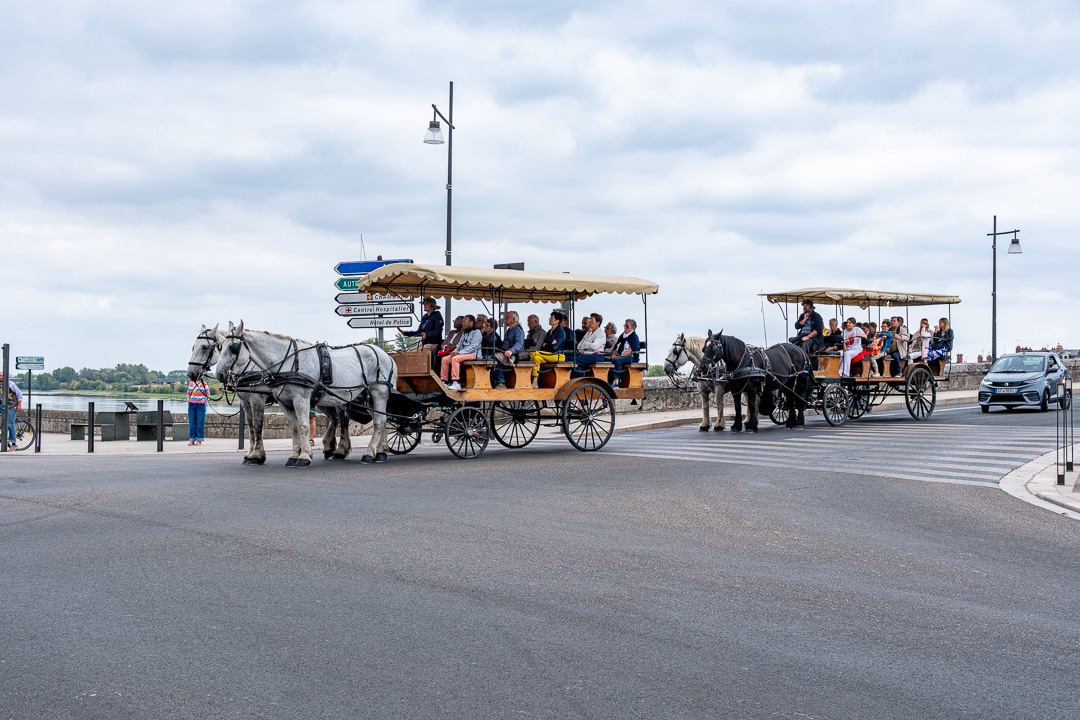
As with many such places in France, there was a “Petit Train” for tourists, but I think these would have been a nicer option:
Amboise:
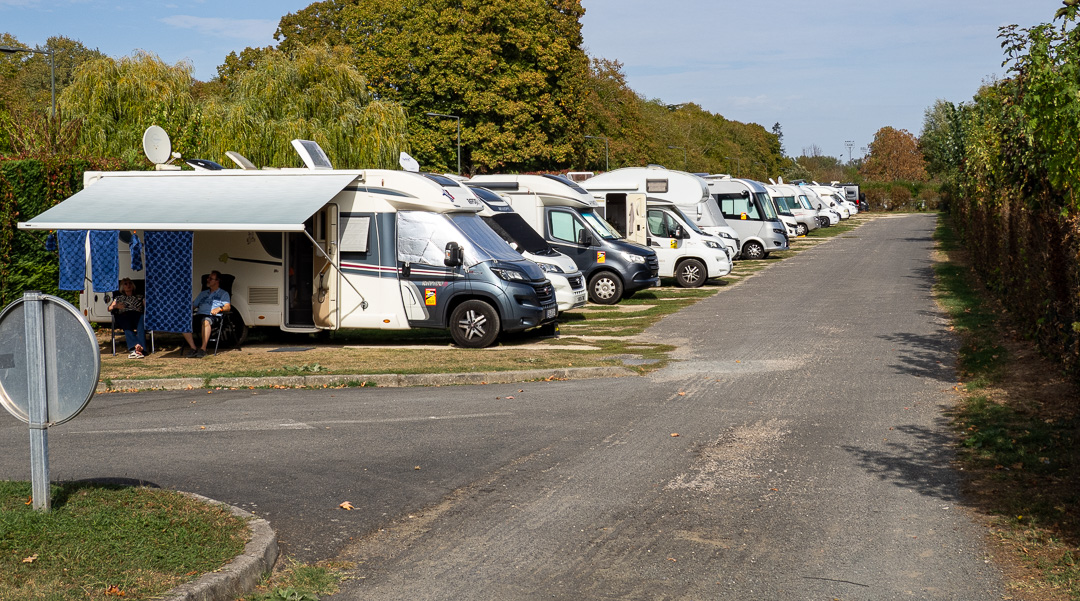
We headed towards Amboise for an overnight stay there, as the Sunday morning market promised to be worth a visit, but all did not go to plan. After plotting a route with my phone sat-nav (the main one has stopped working), we made our way to the site, plugging into the electric and having a cup of tea, before realising we were actually on the wrong site and had not got to Amboise. We were only half-way there! So we packed up and moved on with words to the effect of “couldn’t organise a p@@@-up in a brewery”. Hmmm.
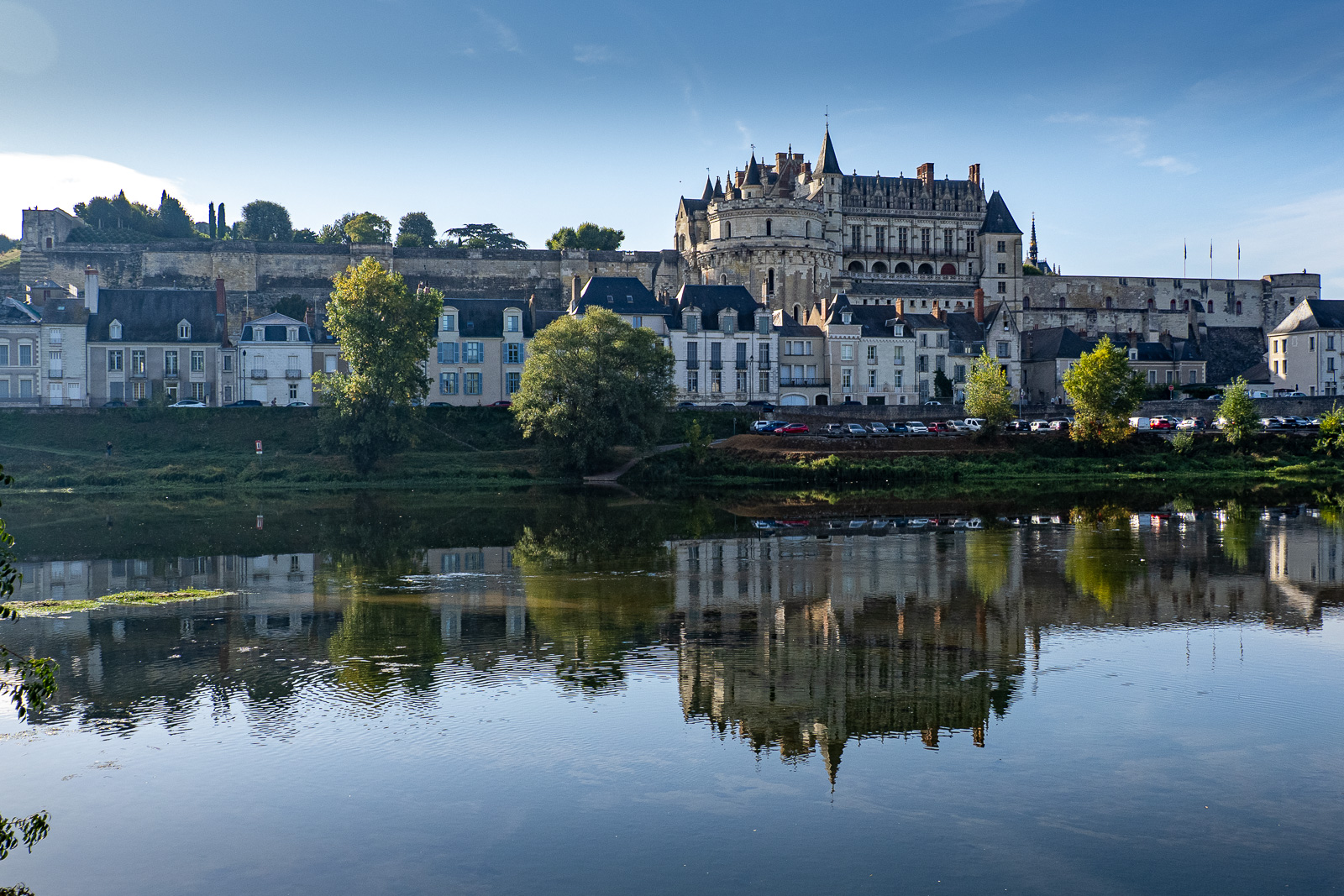
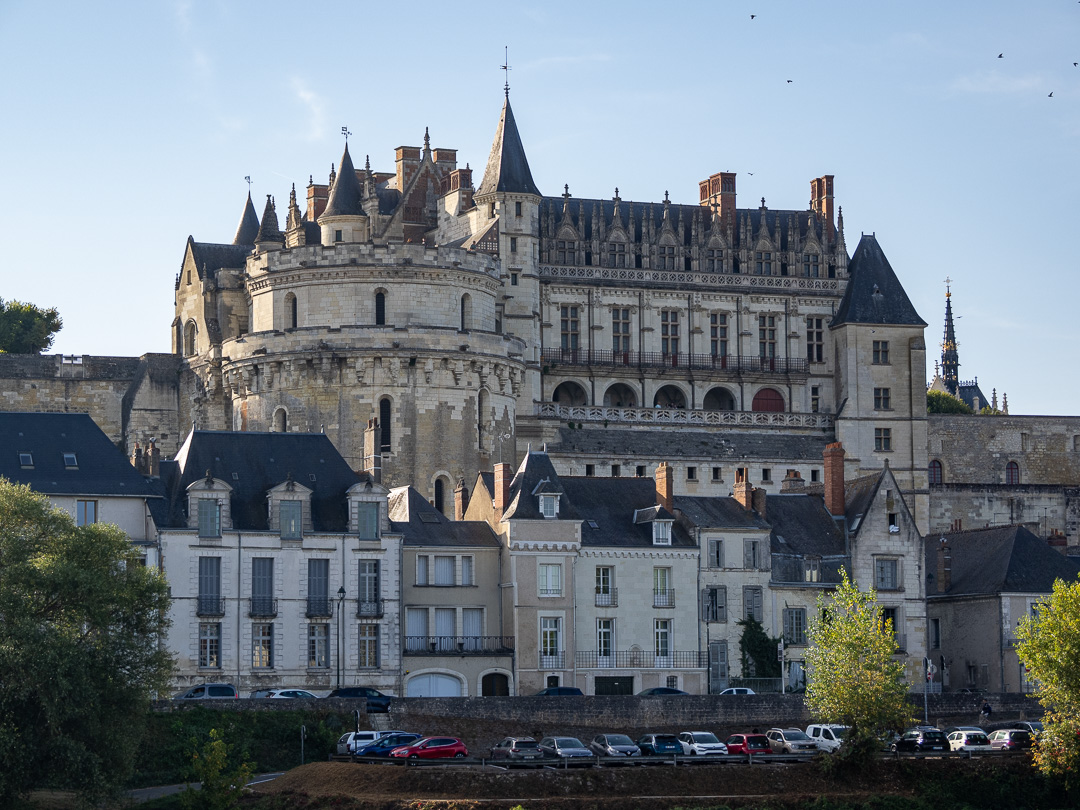
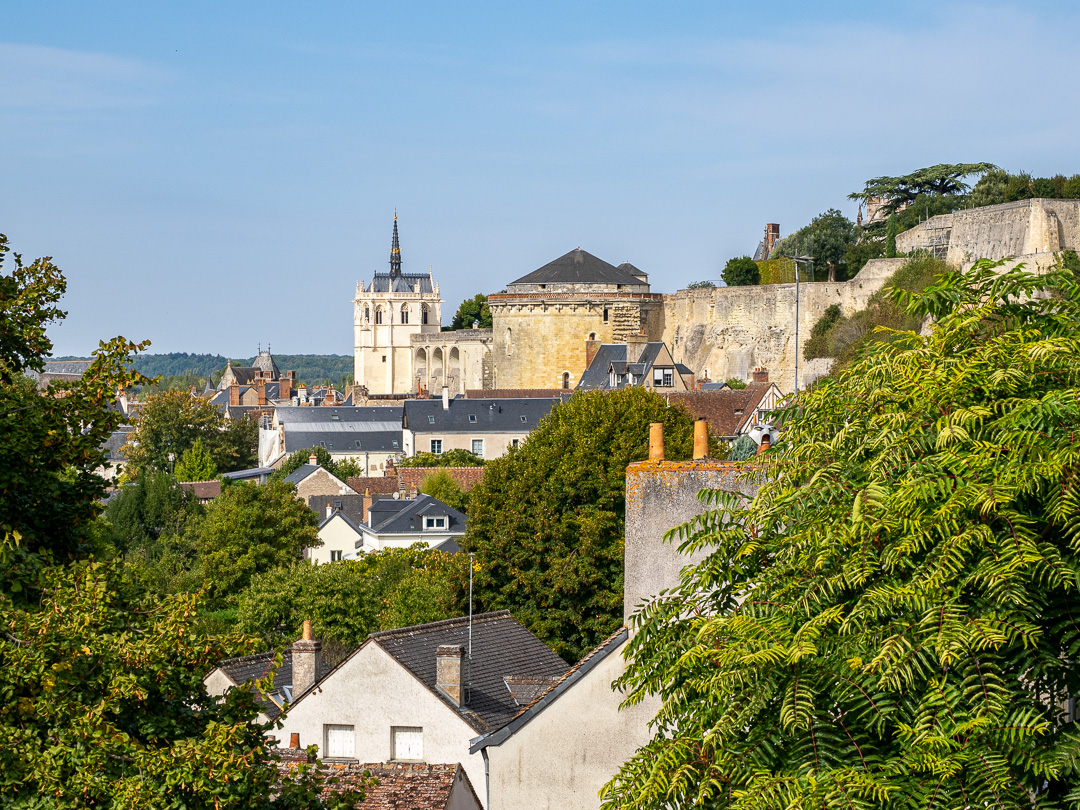
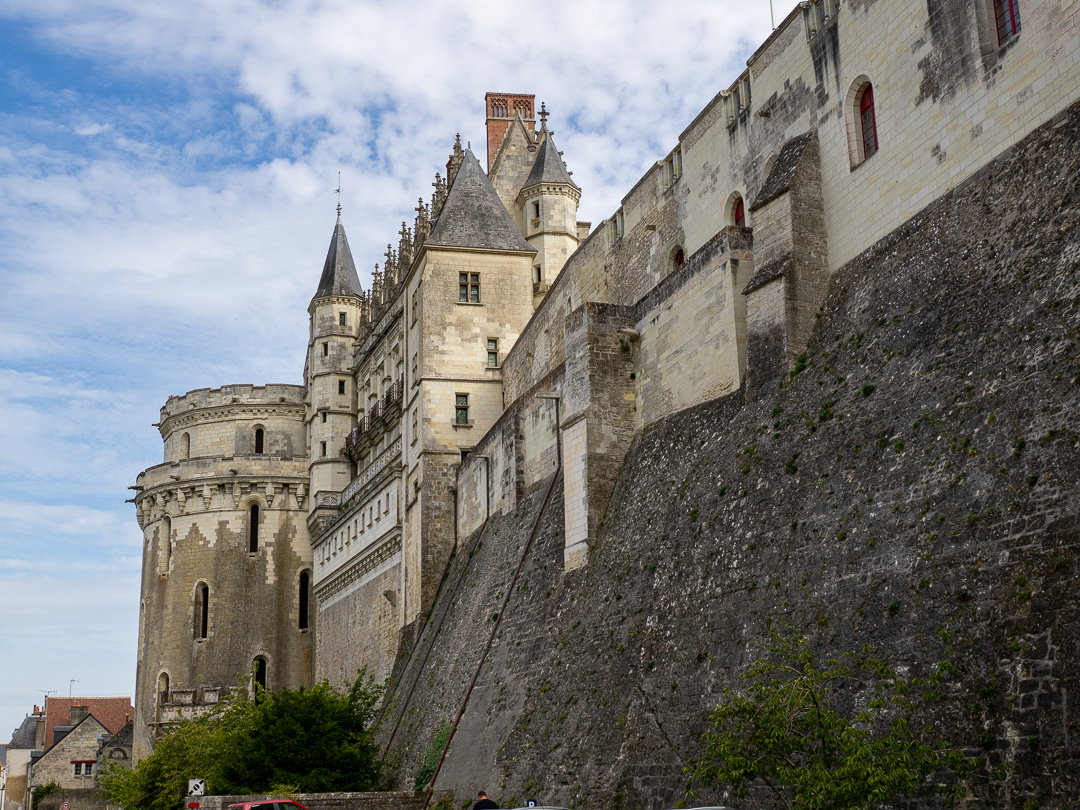
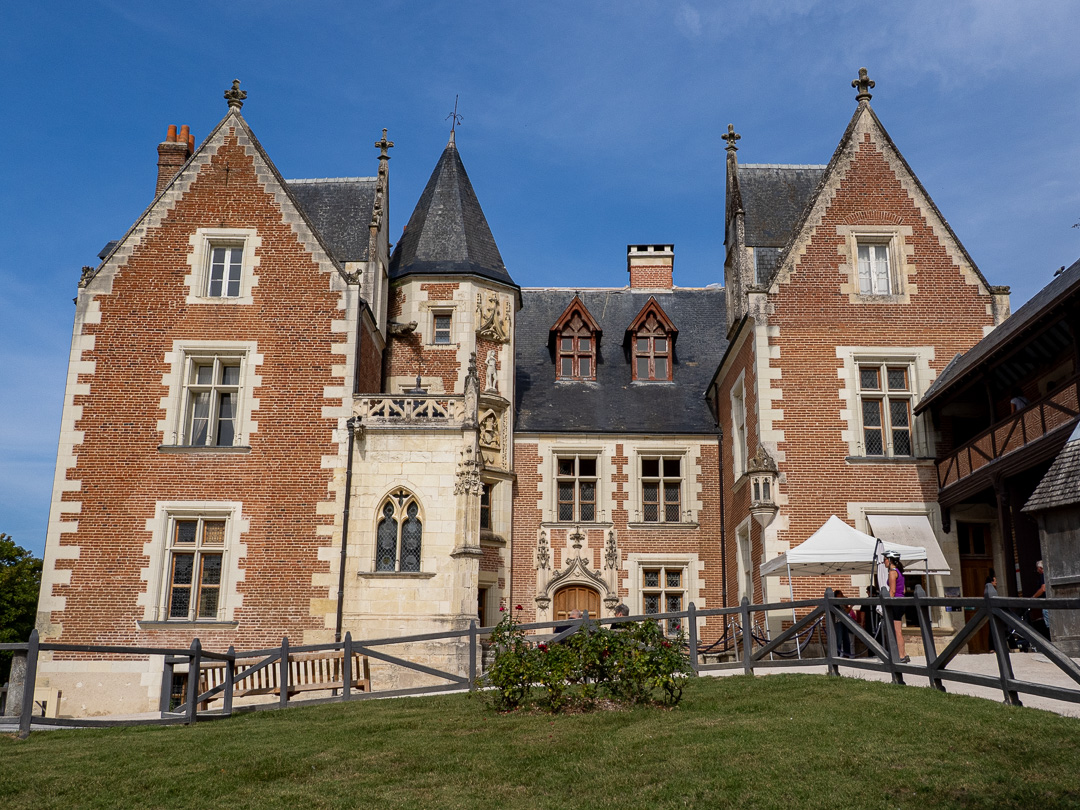
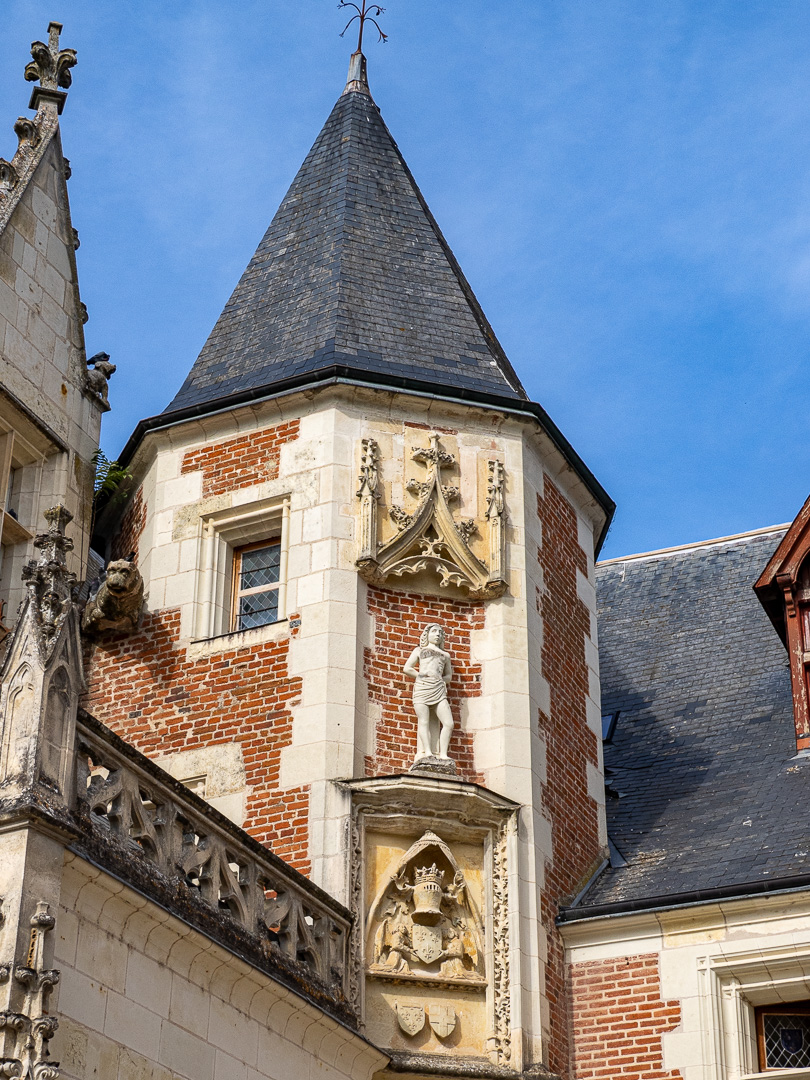
Amboise is beautiful. It is where Leonardo Da-Vinci ended his days and it has a number of fine buildings including the enormous, fortified, Chateau Royal d’Amboise which dominates the town. The chateau is the grand, 15th century residence of King Charles VIII. Leonardo da-Vinci is buried there, but he lived in Chateau du Clos Lucé, just out of the town centre.
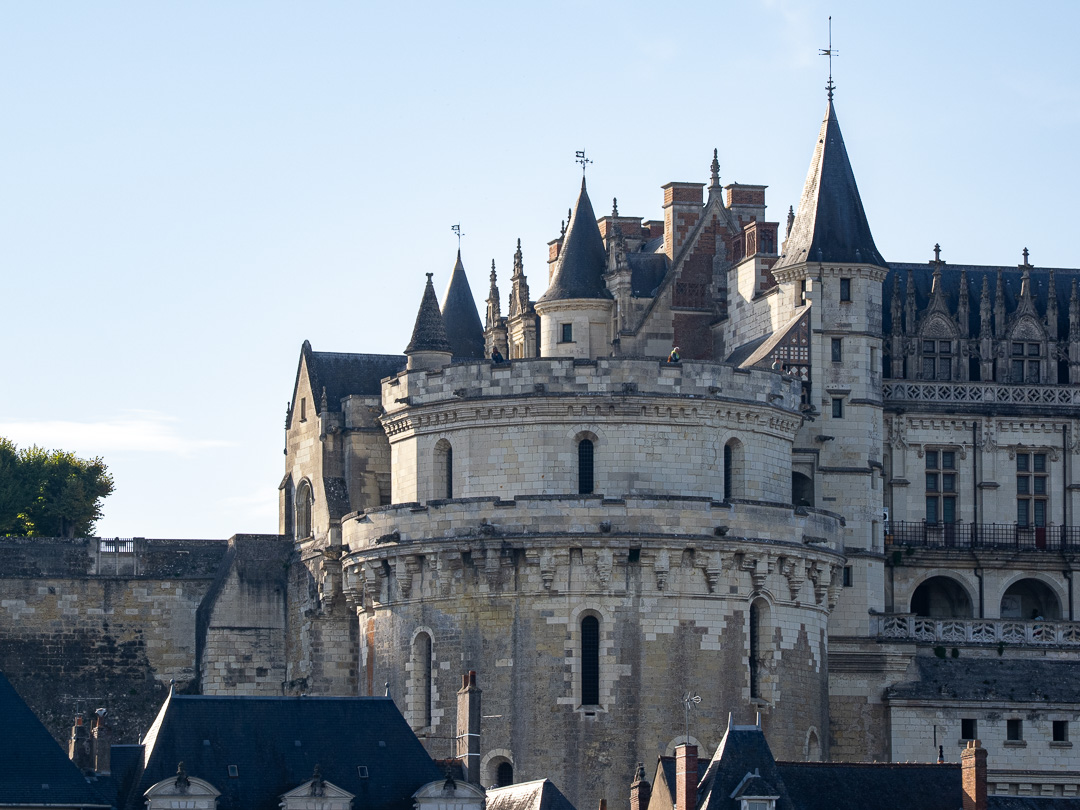
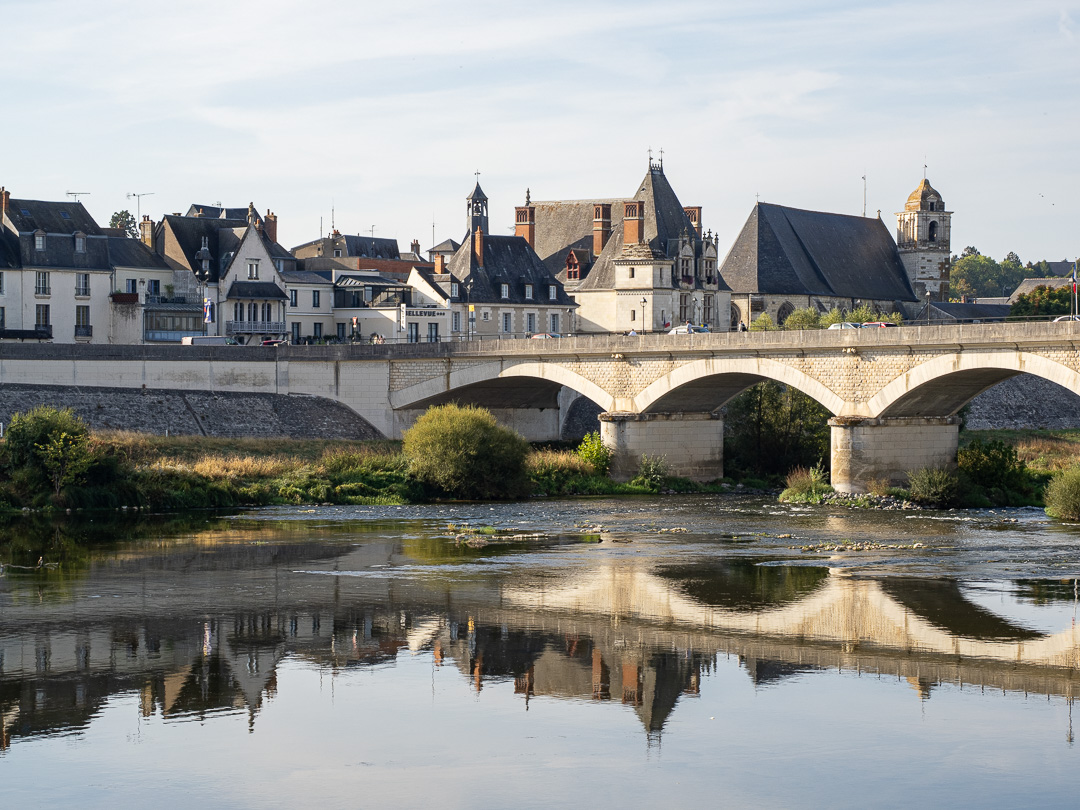
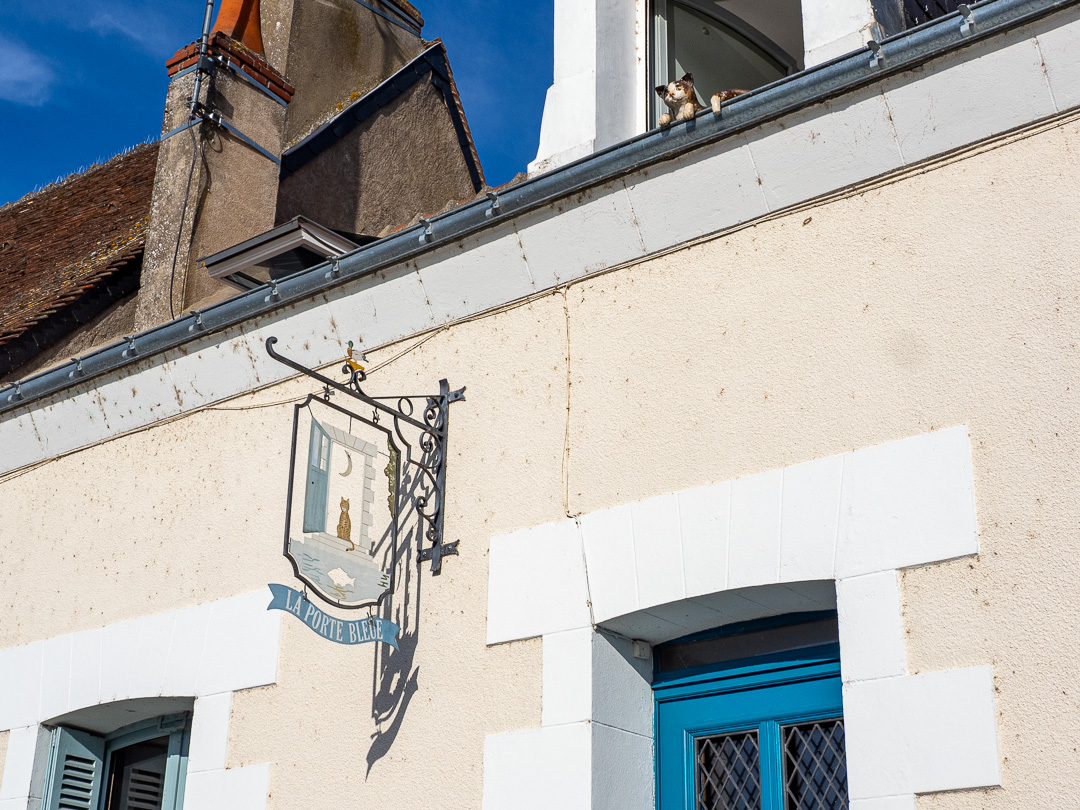
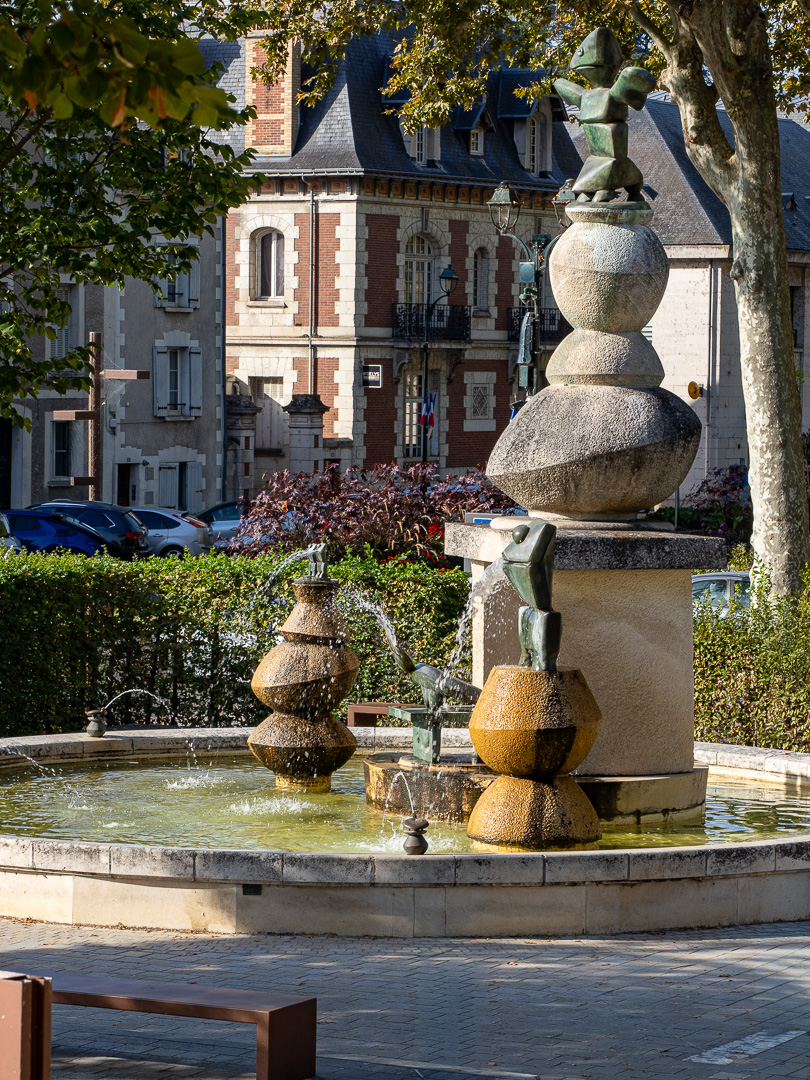
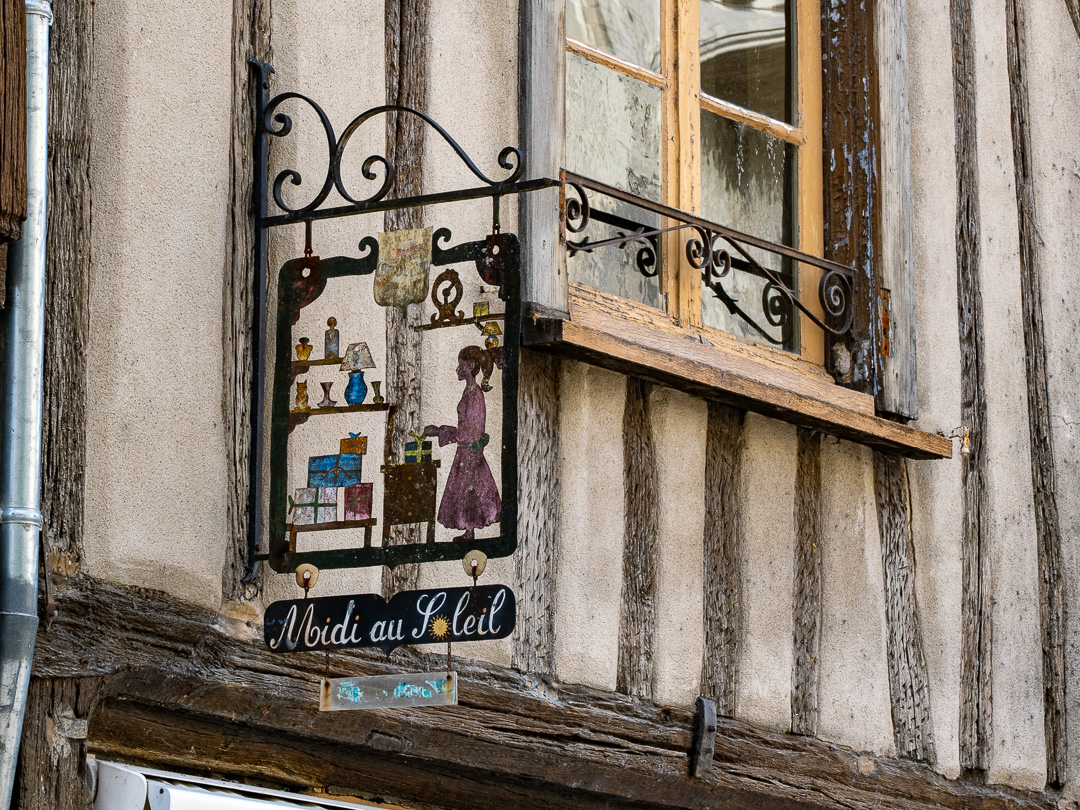
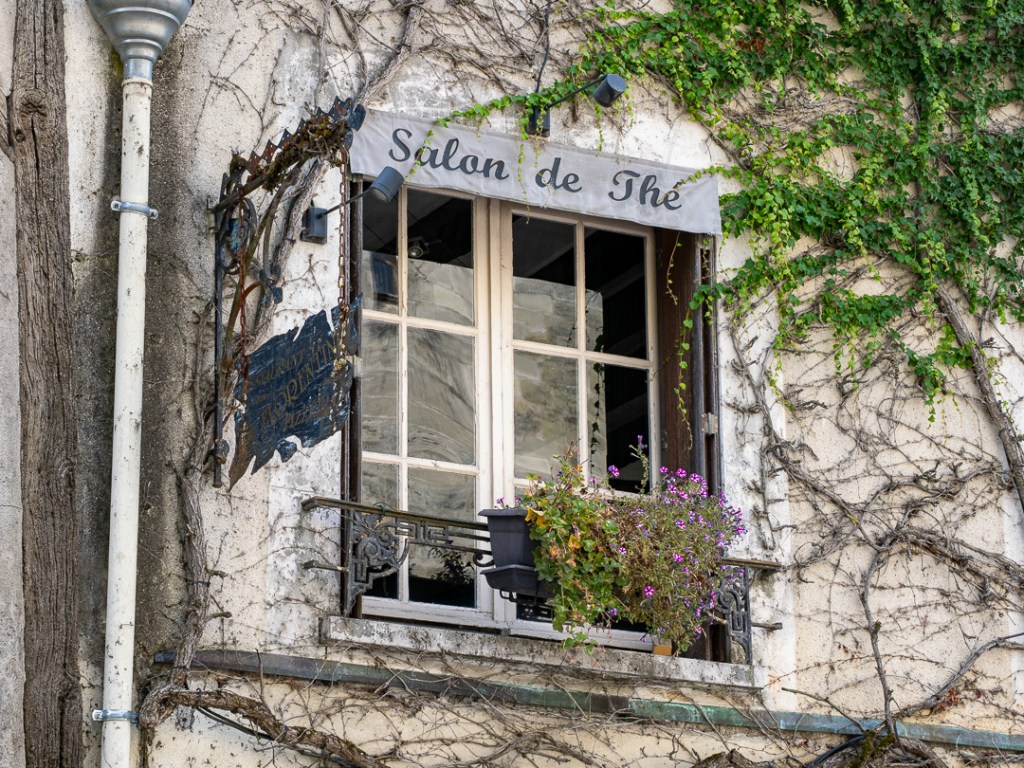
Some sites on our walk to the market:
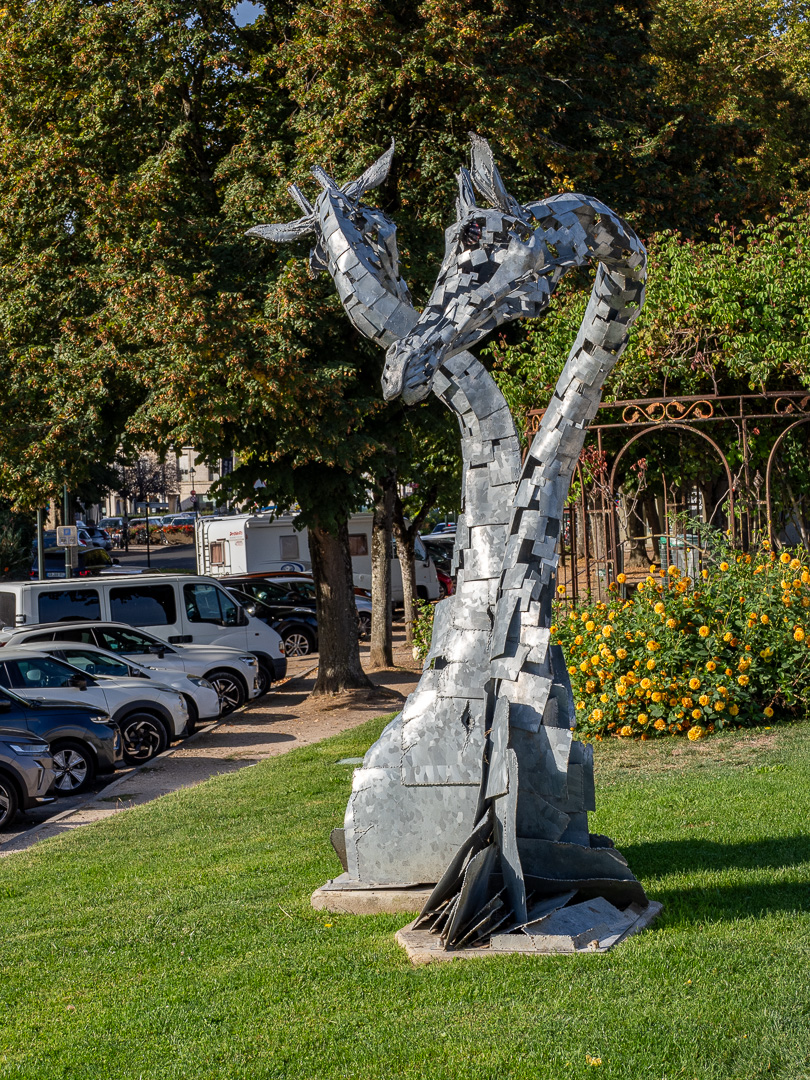
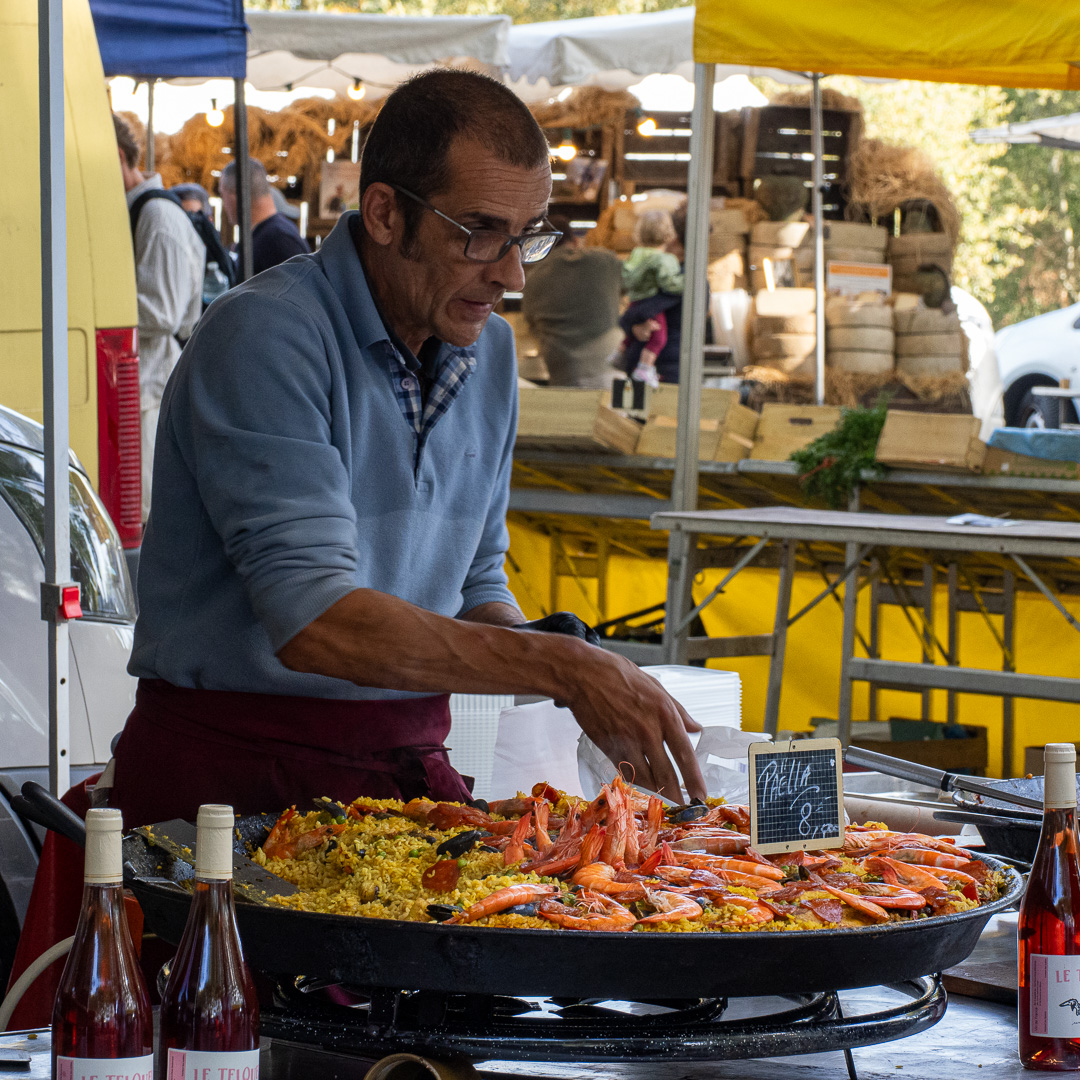
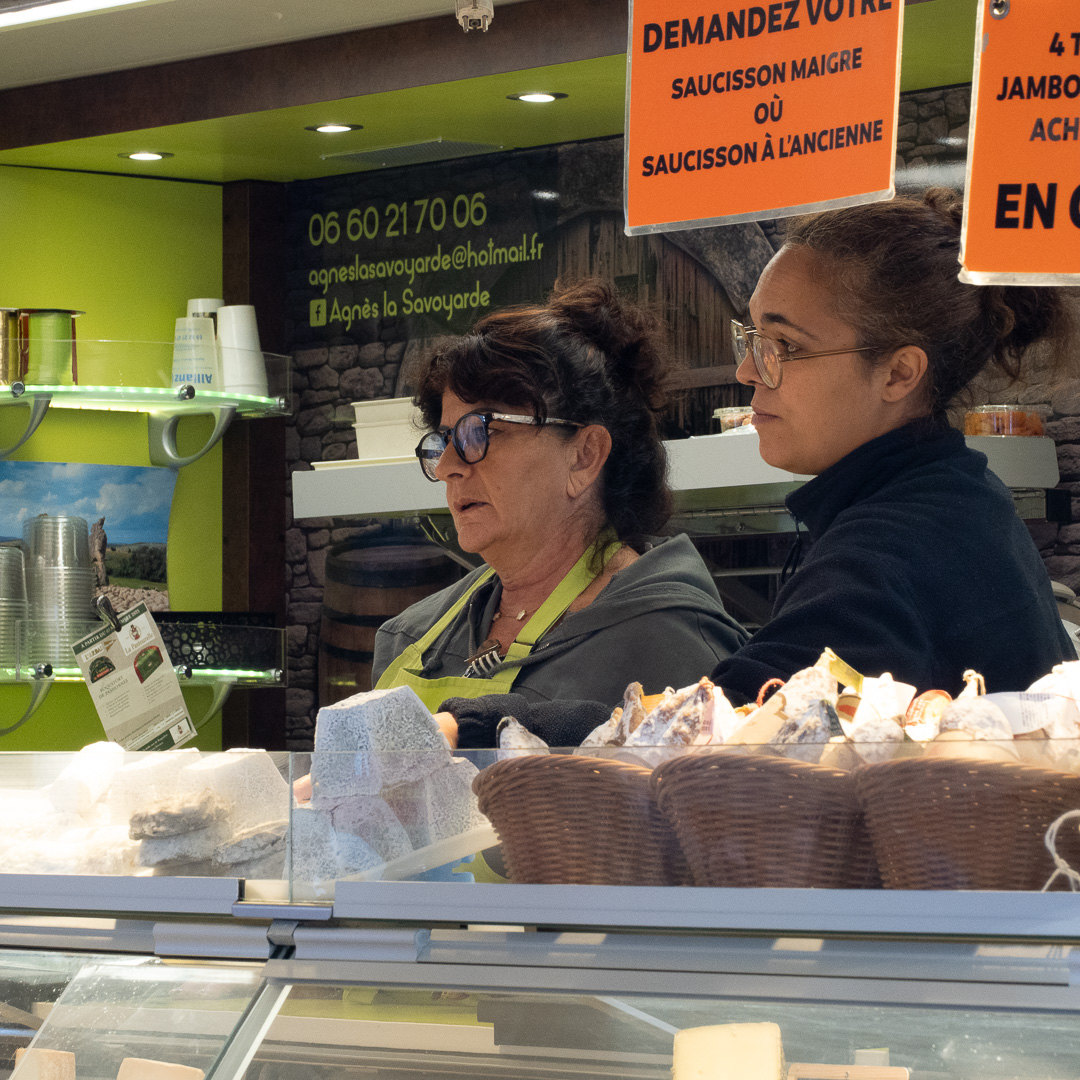
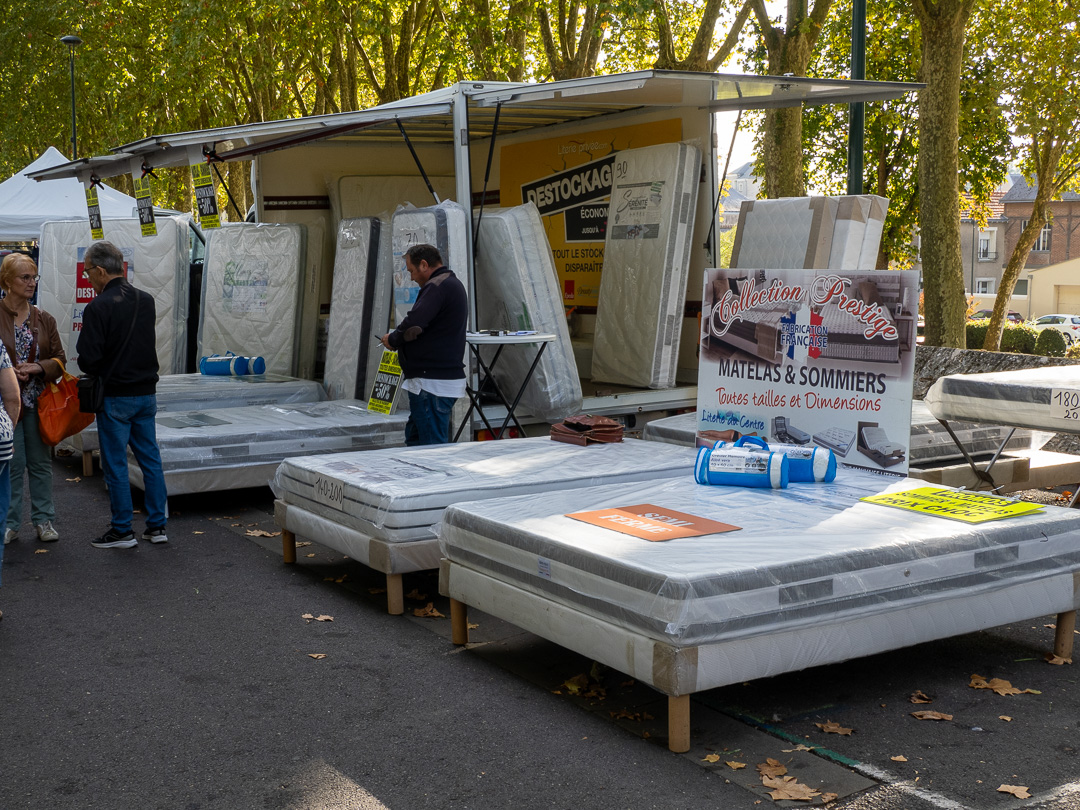
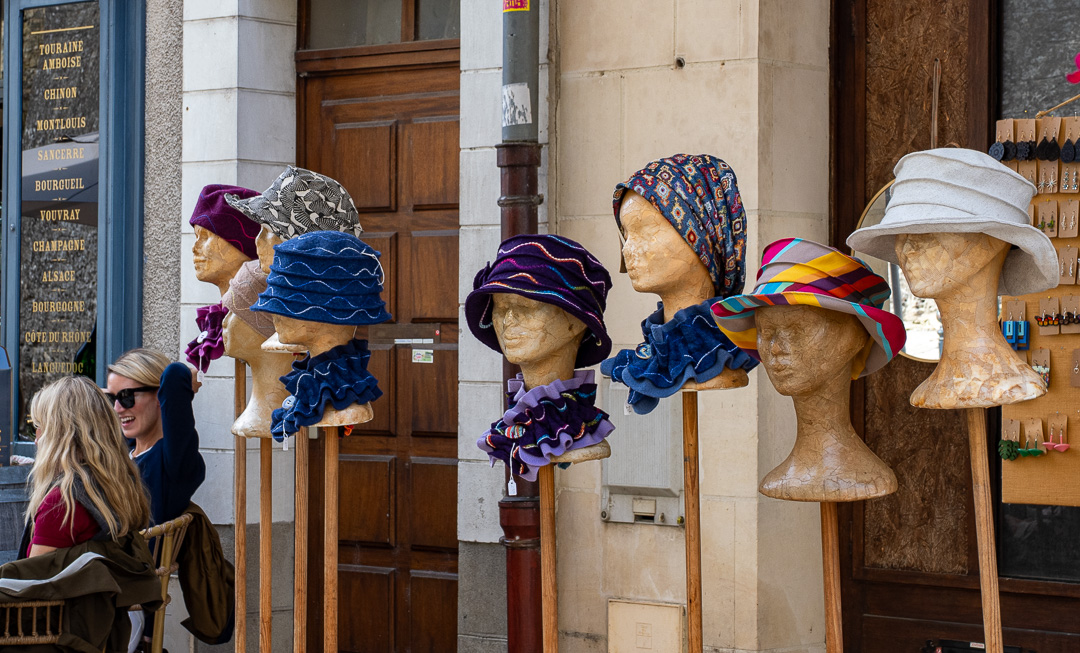
The market was interesting. On sale was a very wide range of produce:
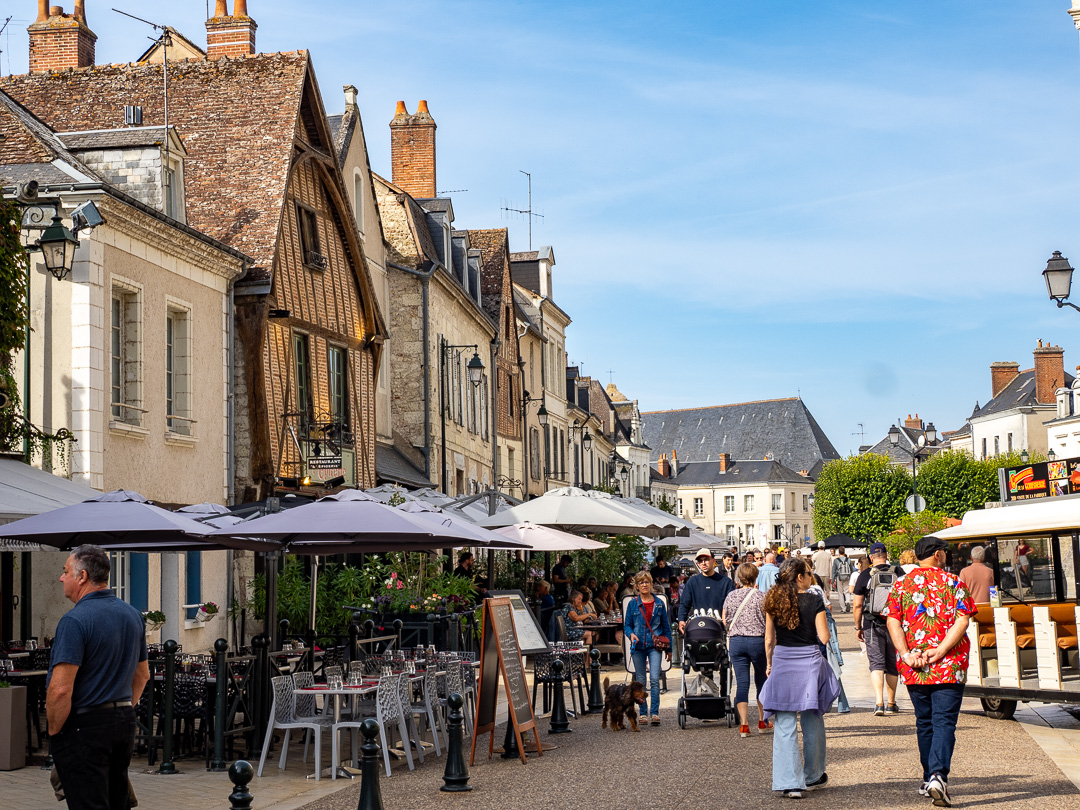
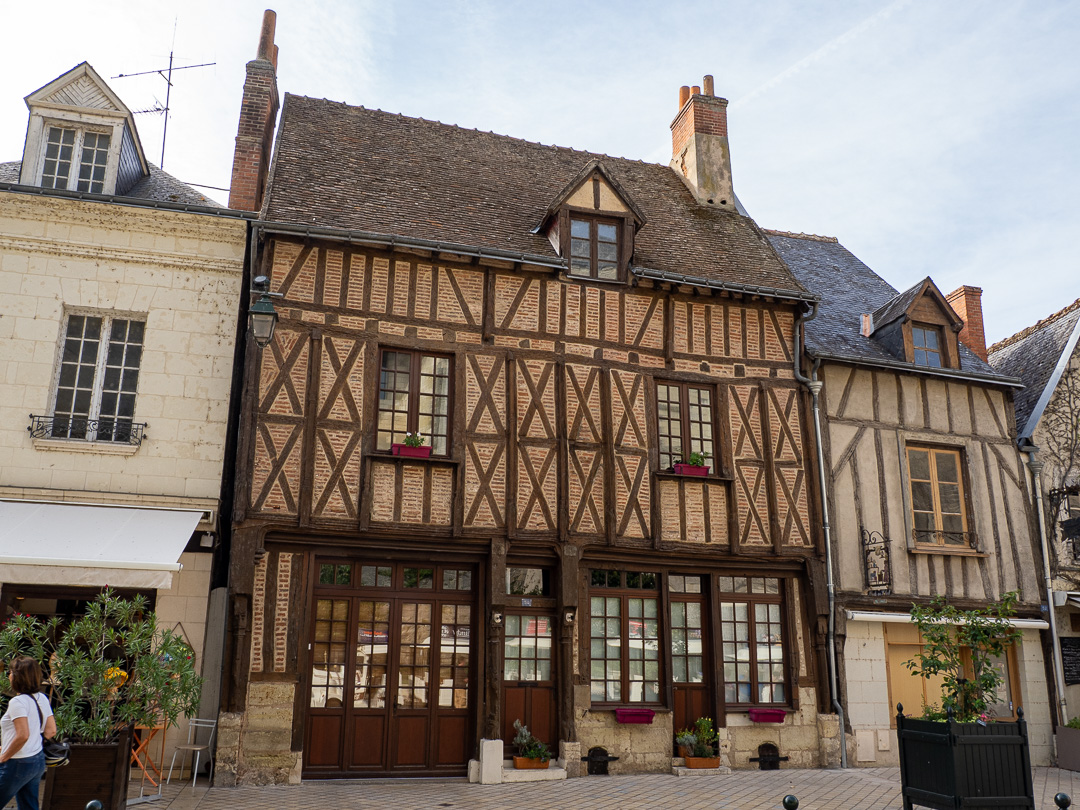
The town centre is very attractive:
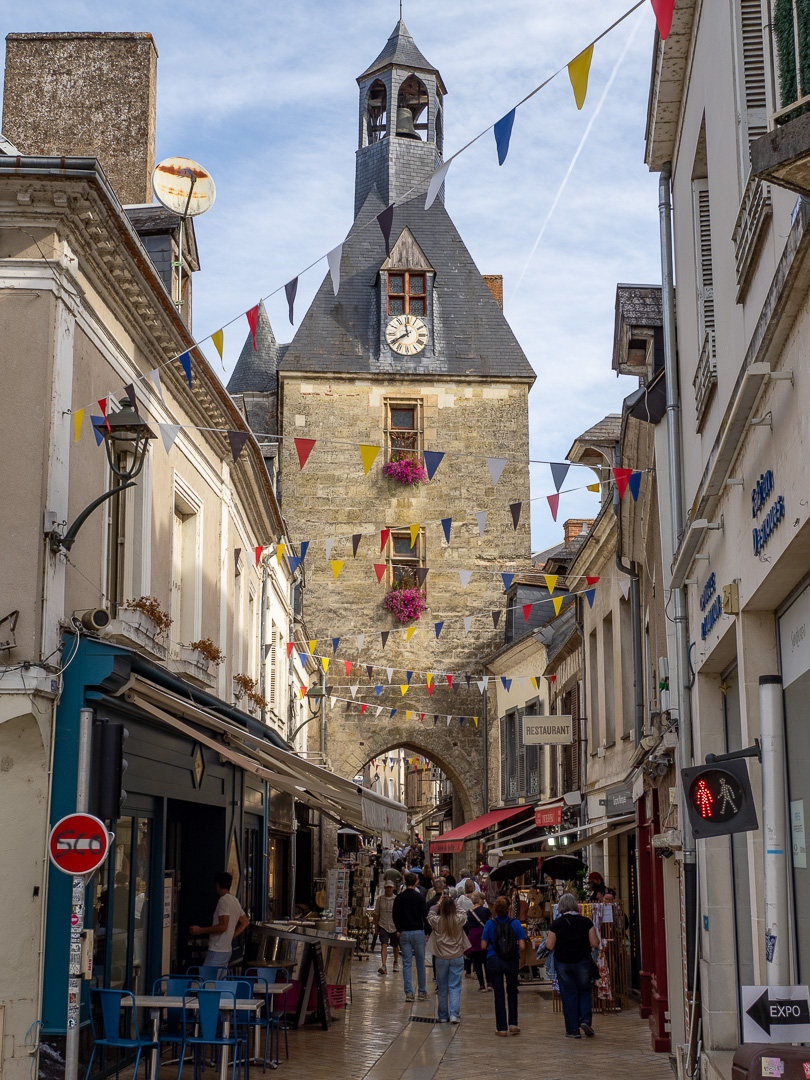
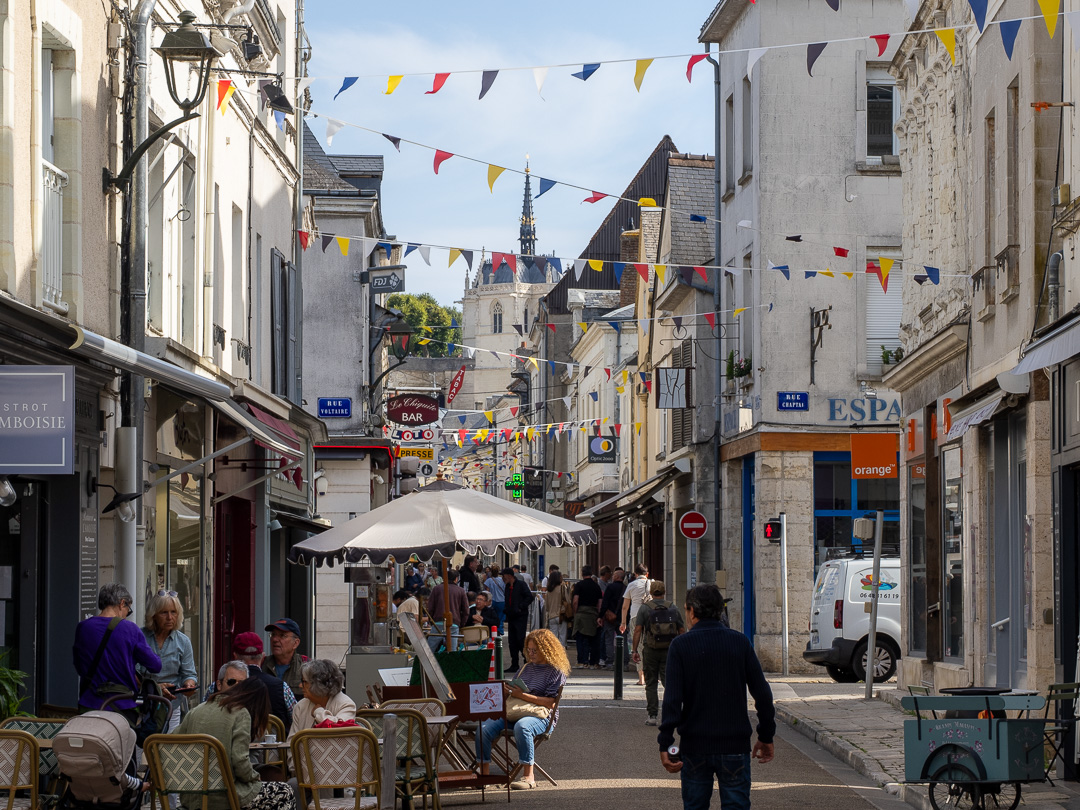
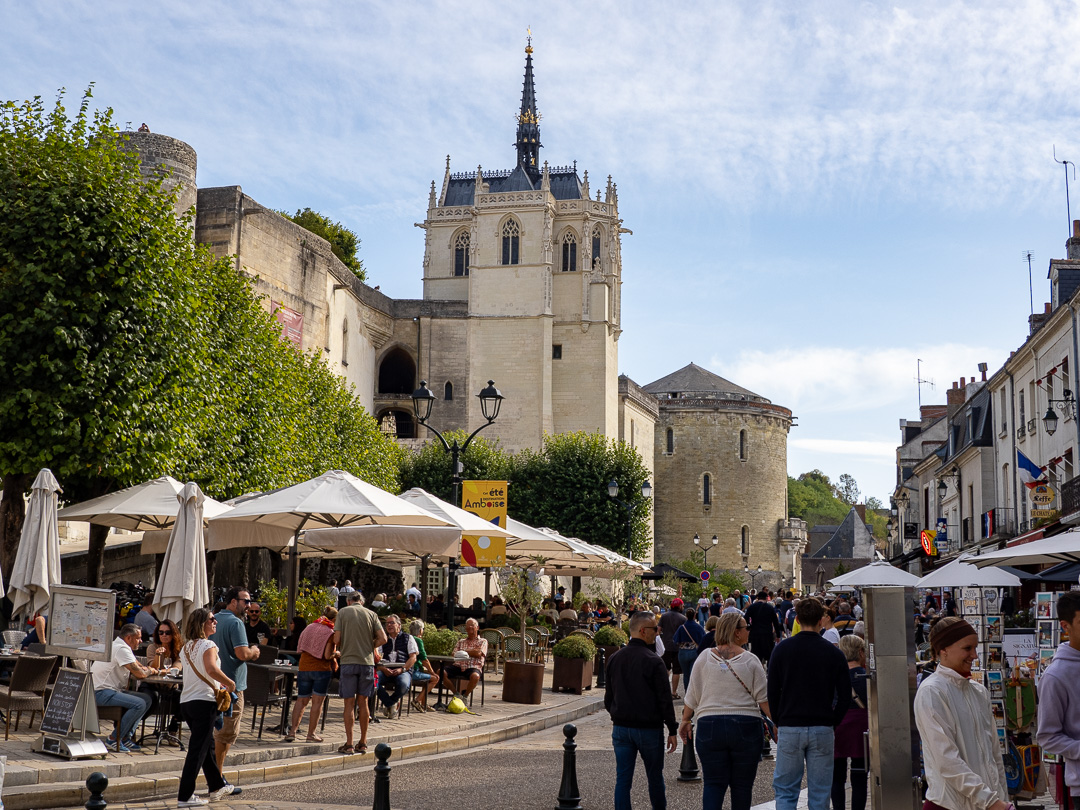
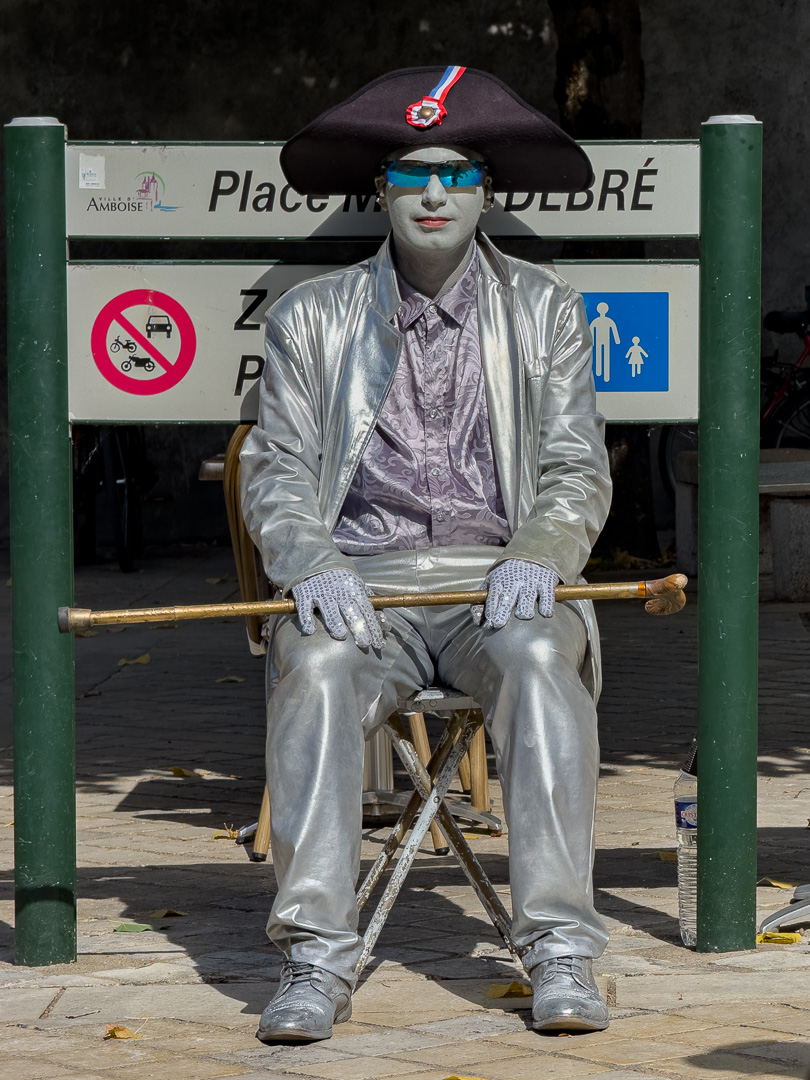
We enjoyed a pizza in the town square, just next to the chateau. Whilst we were there, a street artist turned-up, but he seemed to be just very adept at being perfectly still:
The chateau dominates the town:
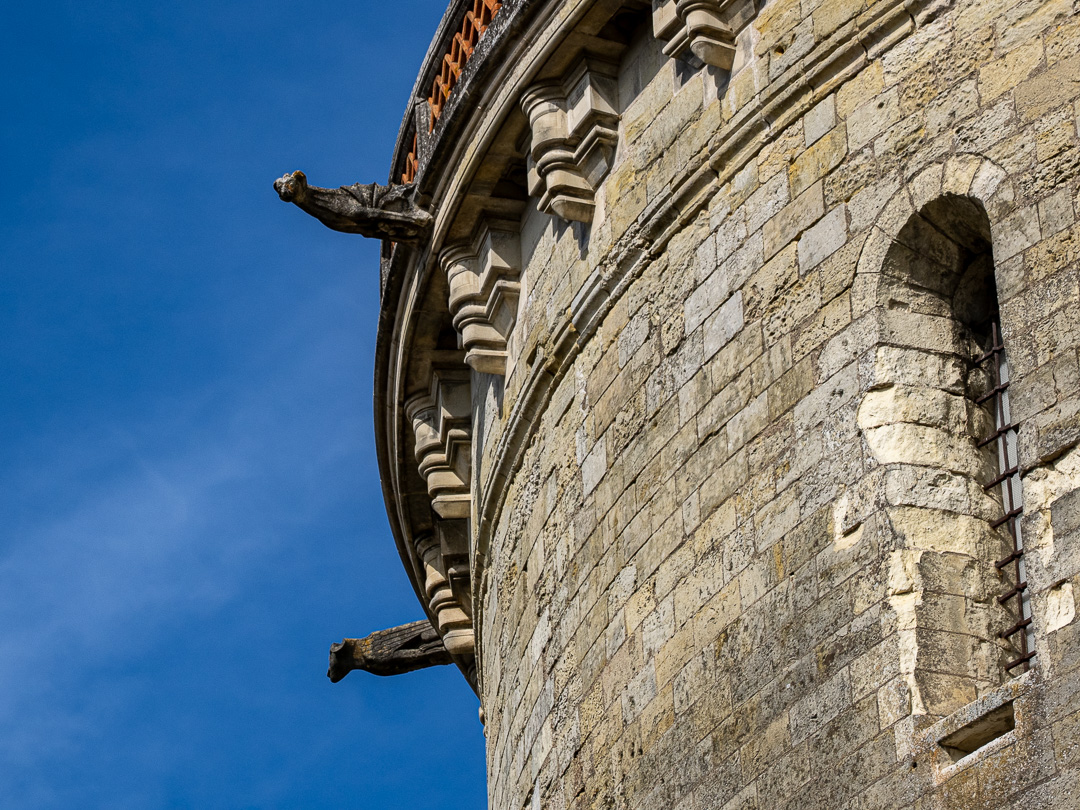
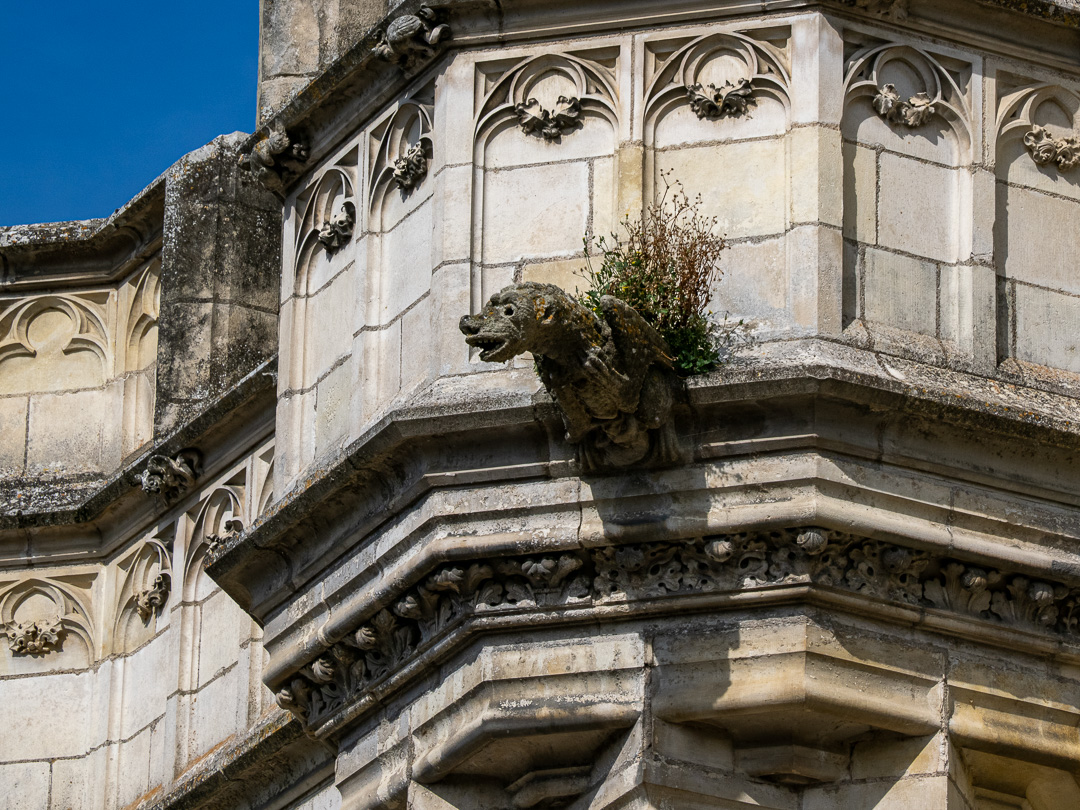
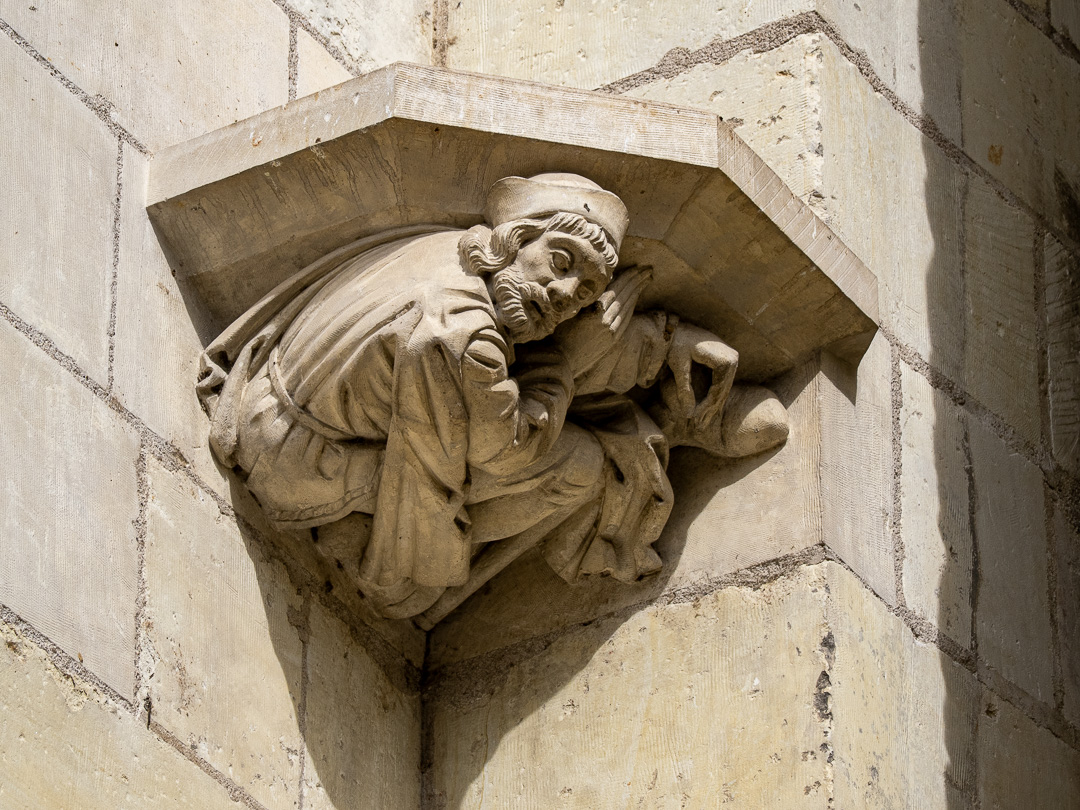
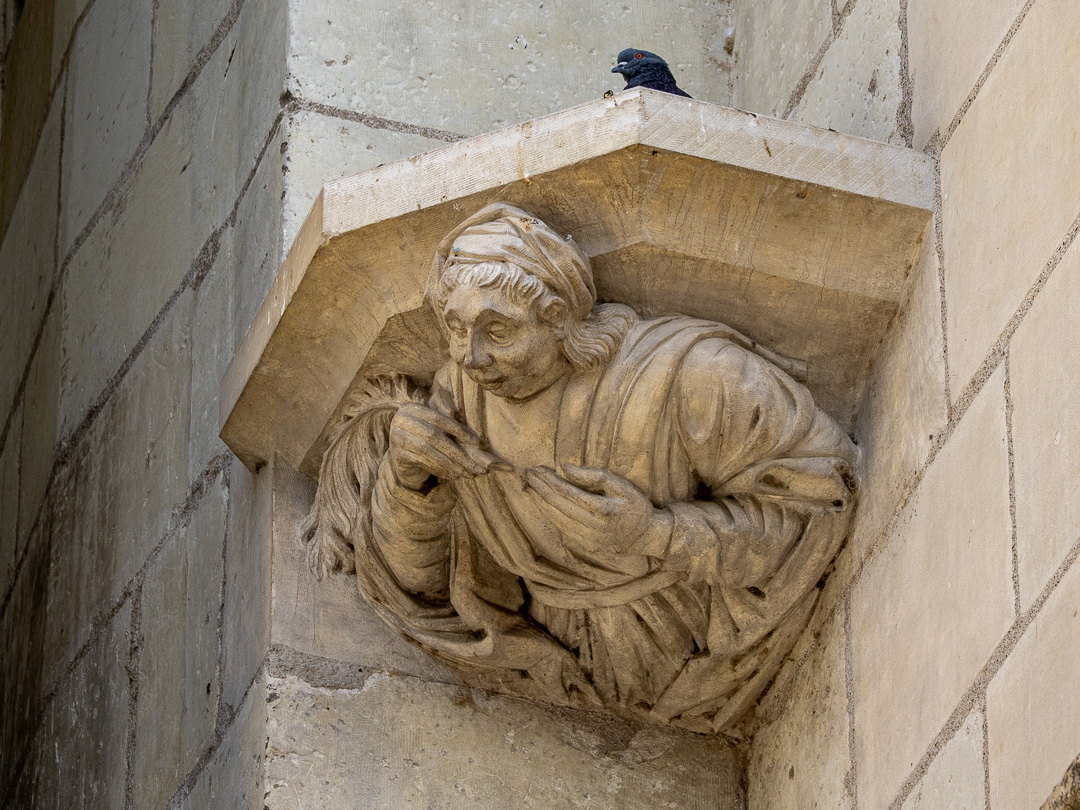
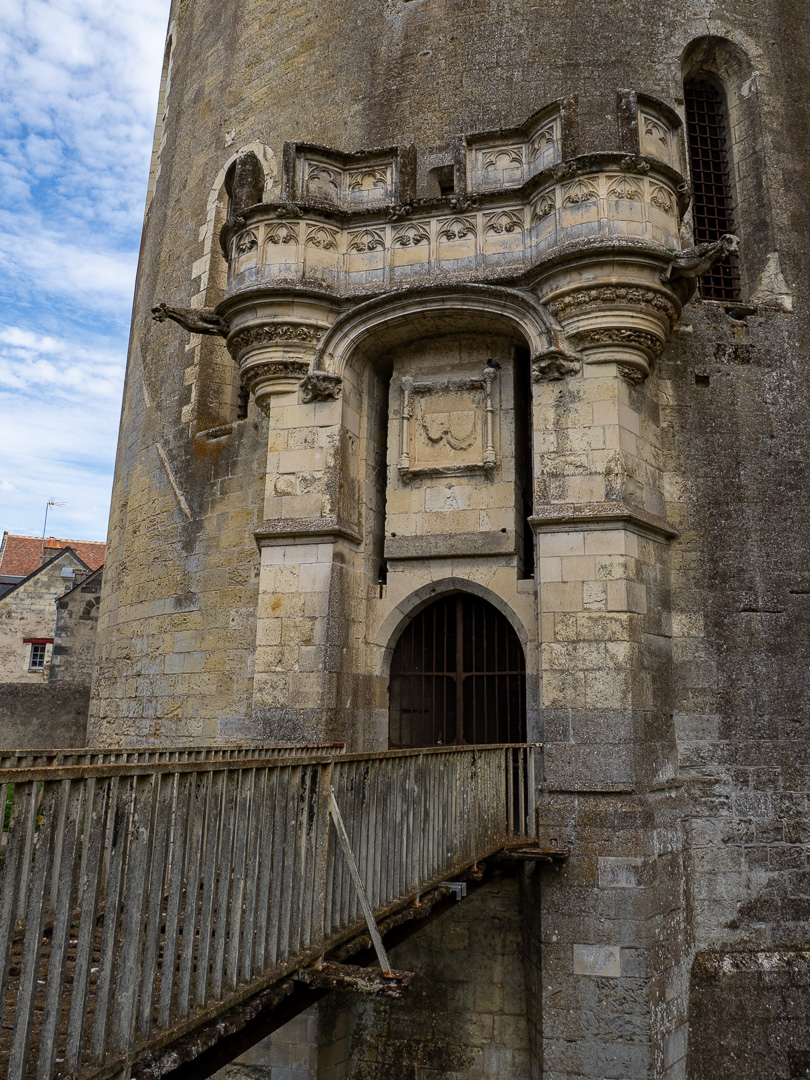
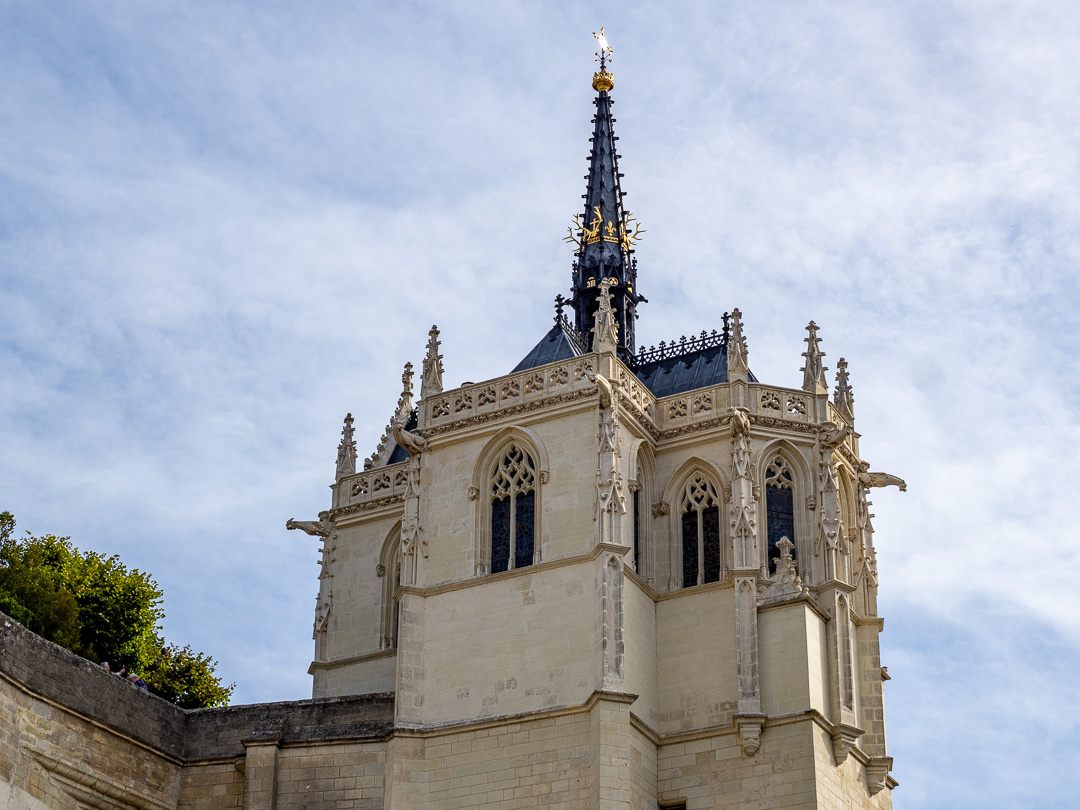
We explored further and walked up to Chateau du Clos Lucé, where Leonardo da-Vinci lived at the end of his life. The chateau is open to the public and has an exhibition about him.
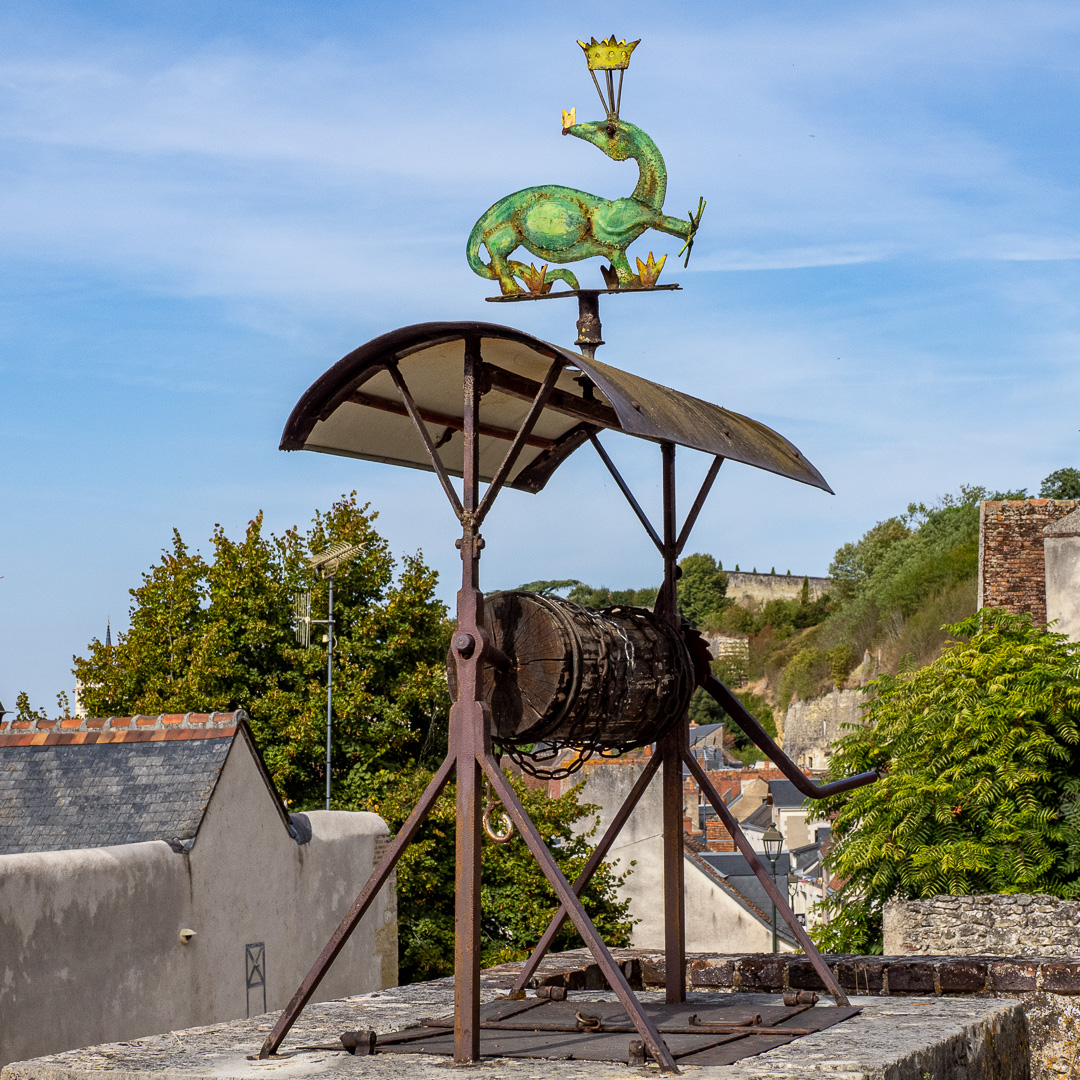
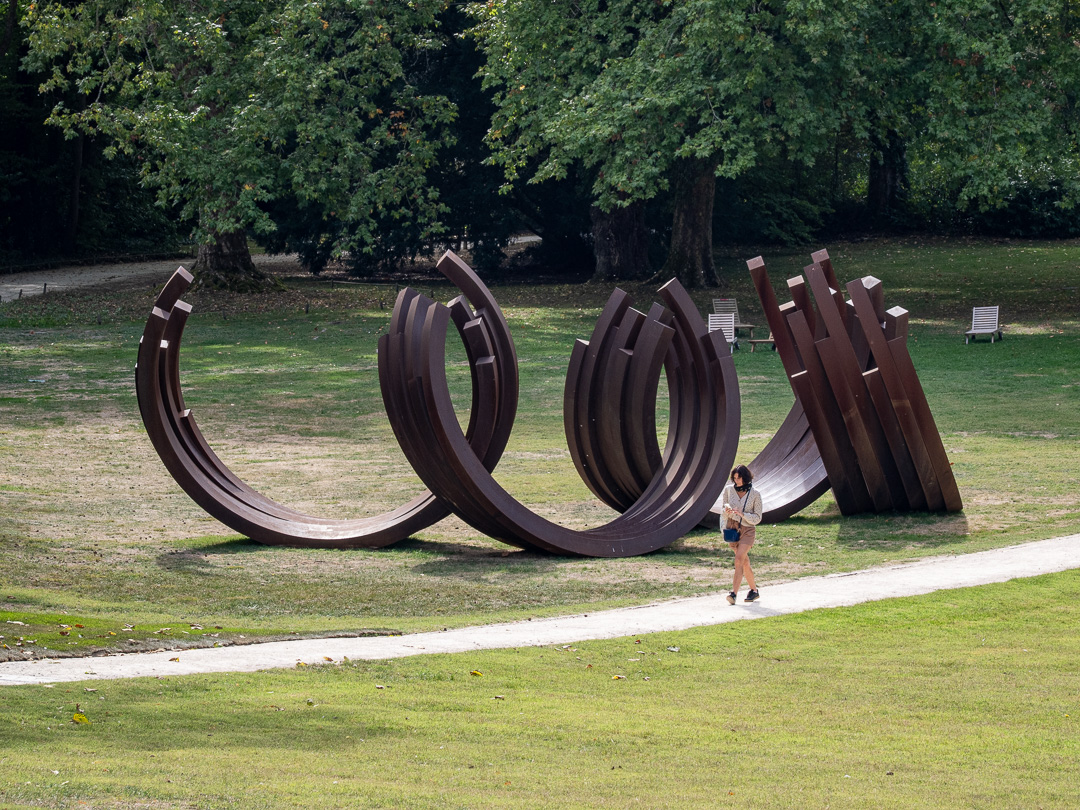
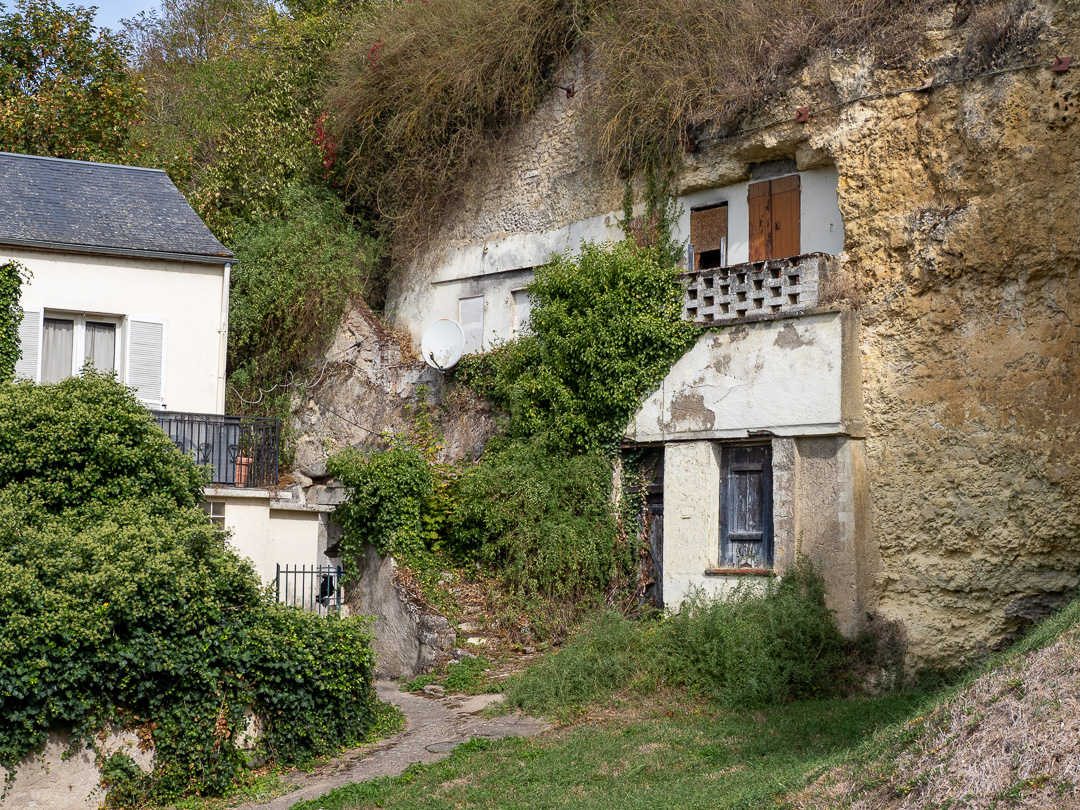
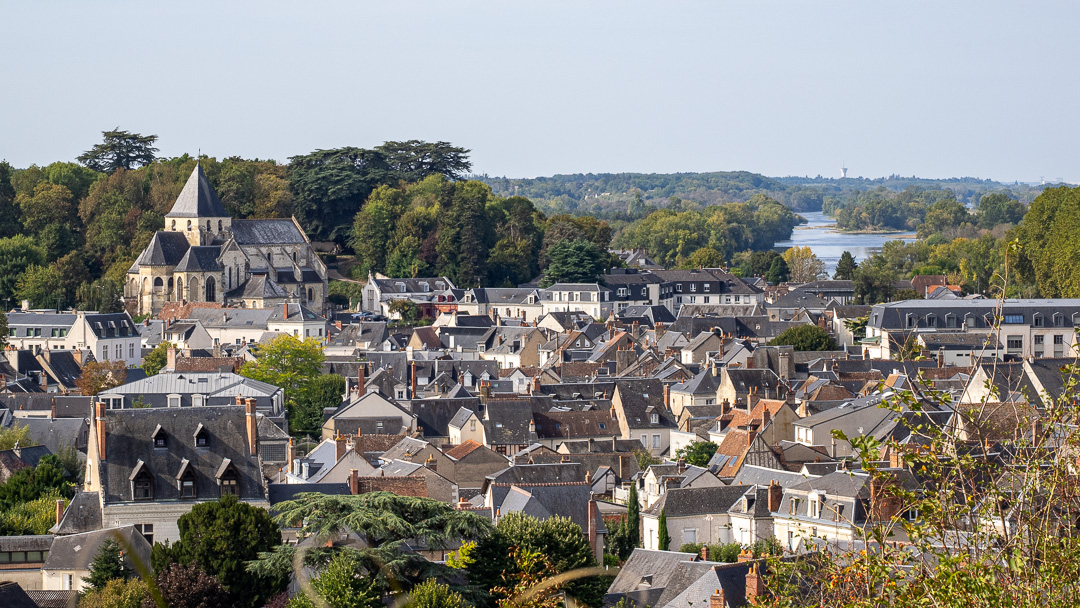
We walked up to a viewpoint above the town. There are dwellings in caves on the cliff-face.
On the way back to the van, we came across this bronze sculpture of Leonardo da-Vinci, made by Amleto Cataldi in 1924.
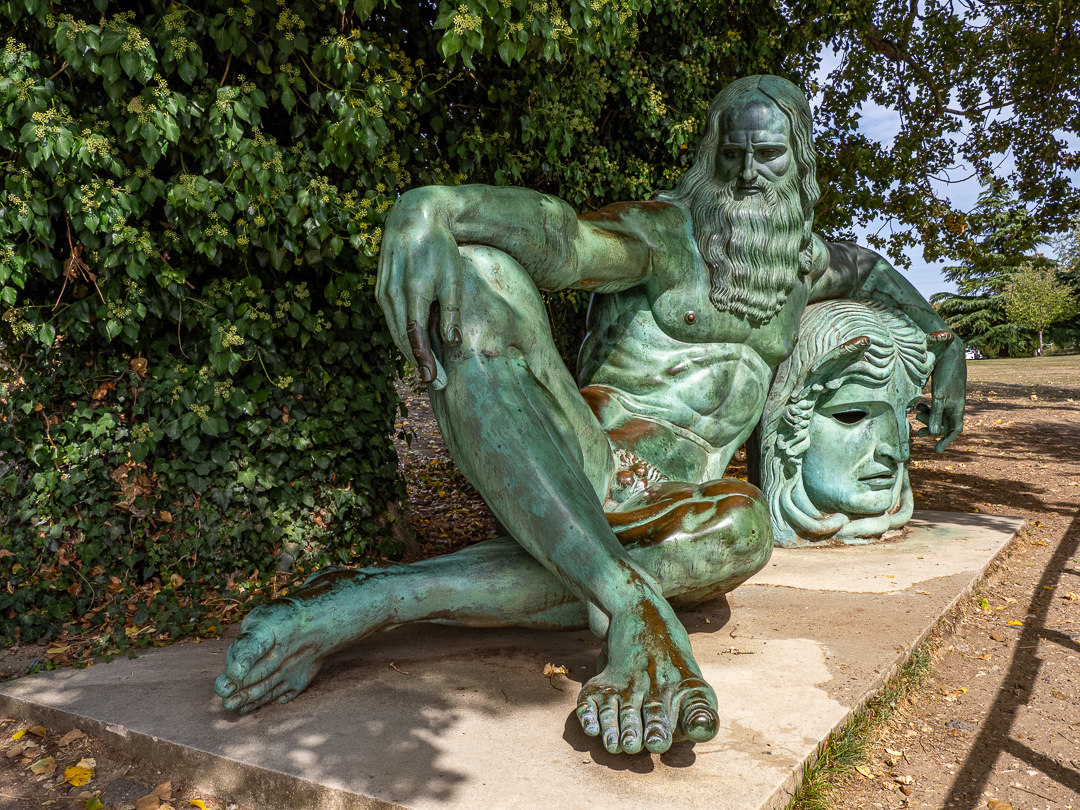
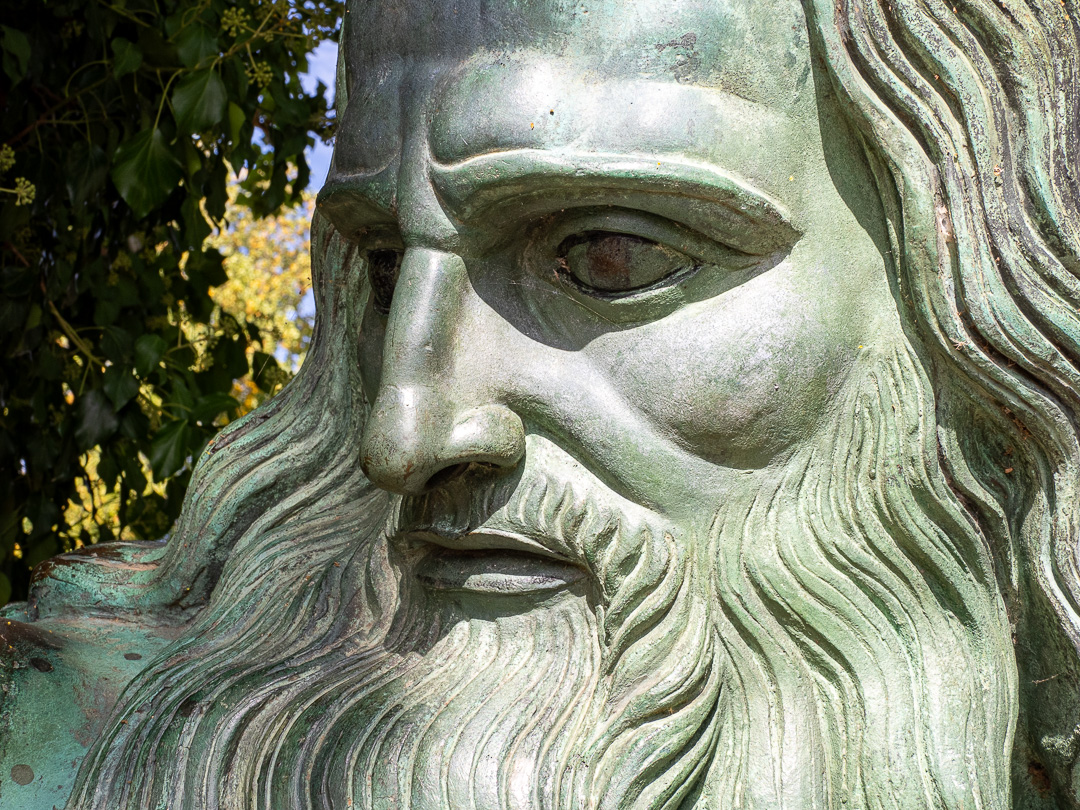
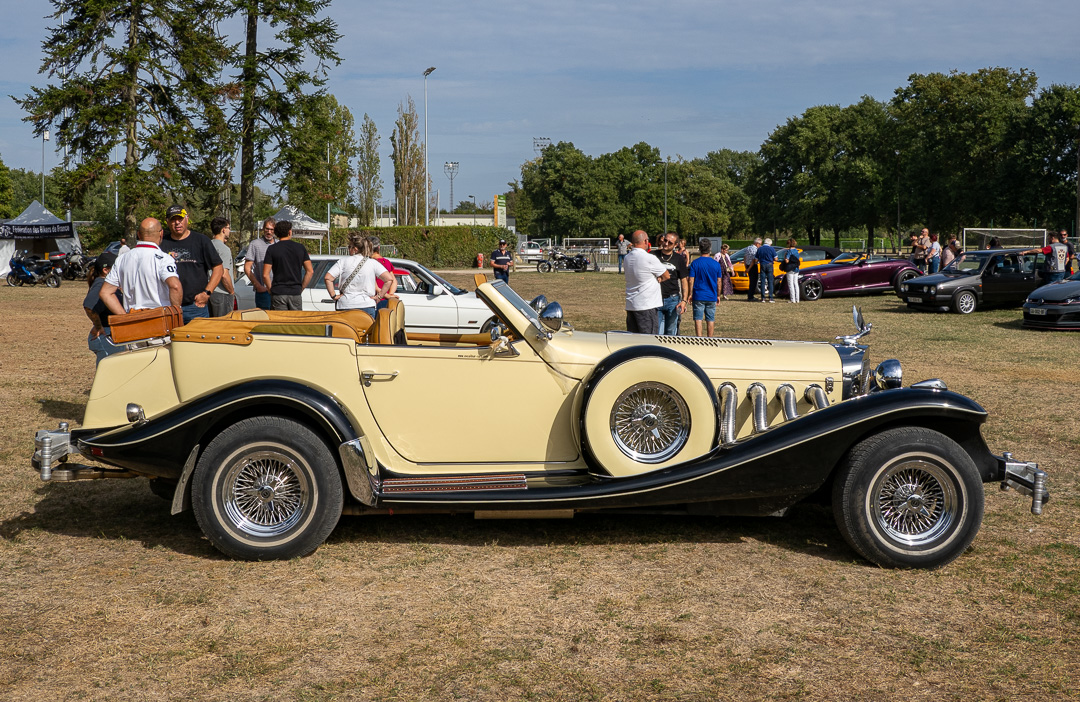
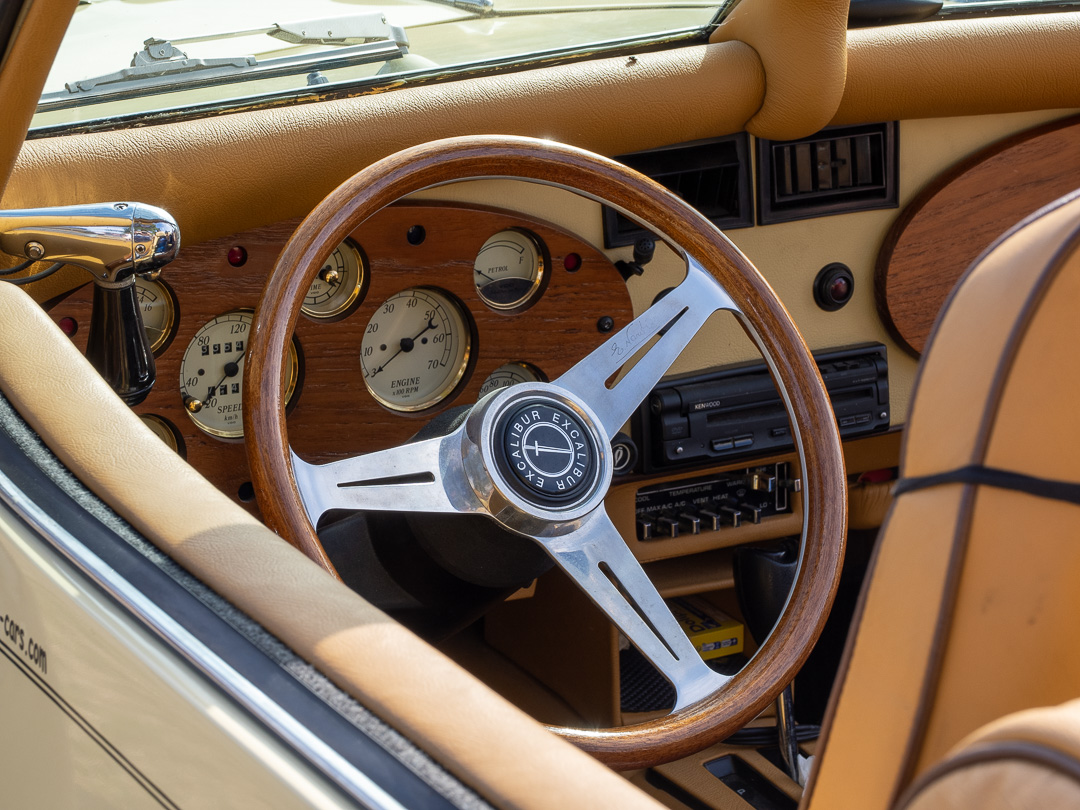
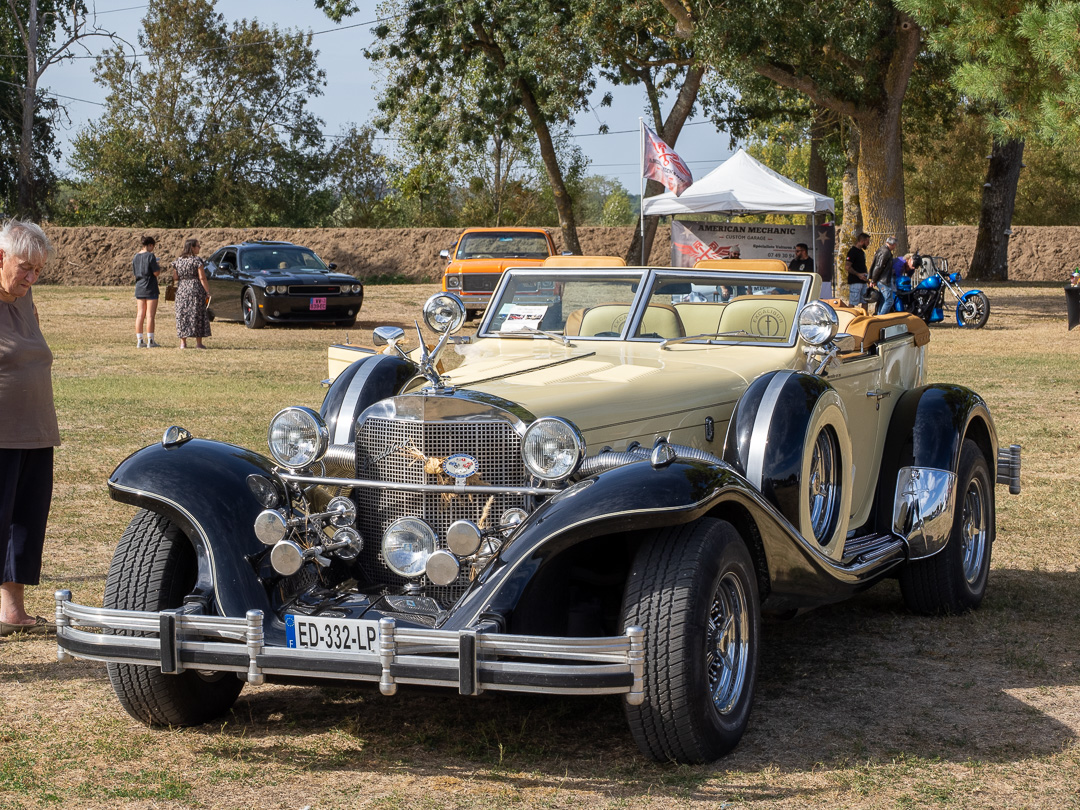
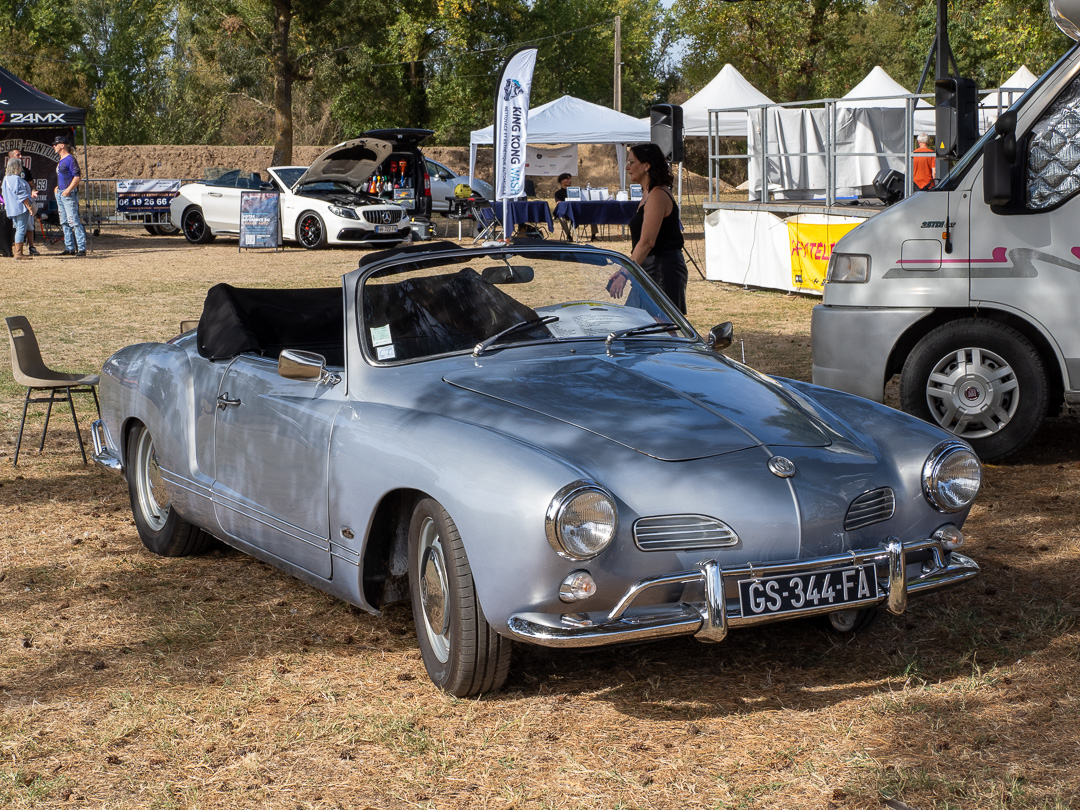
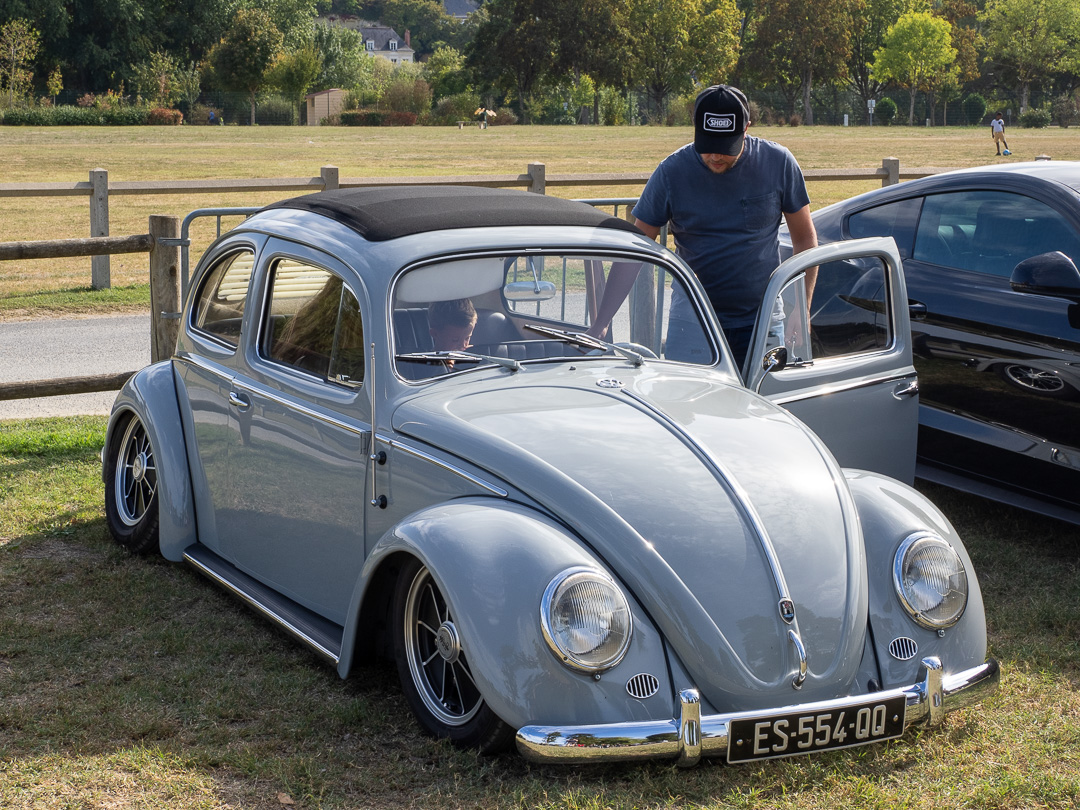
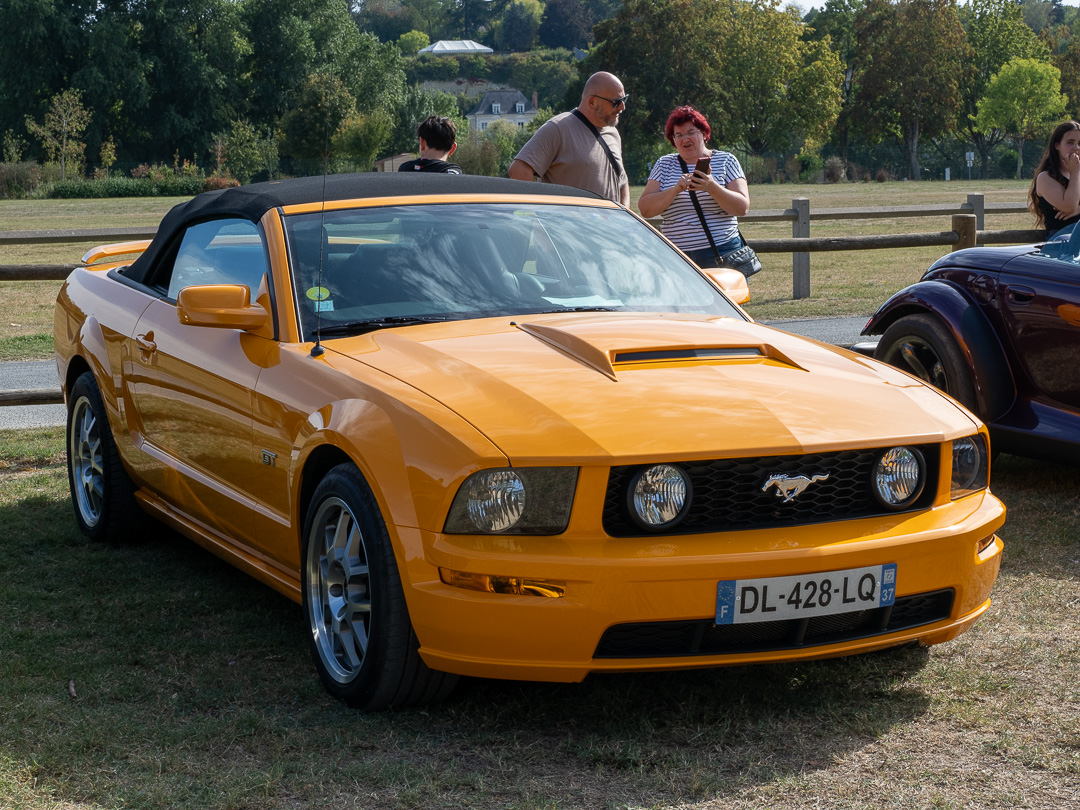
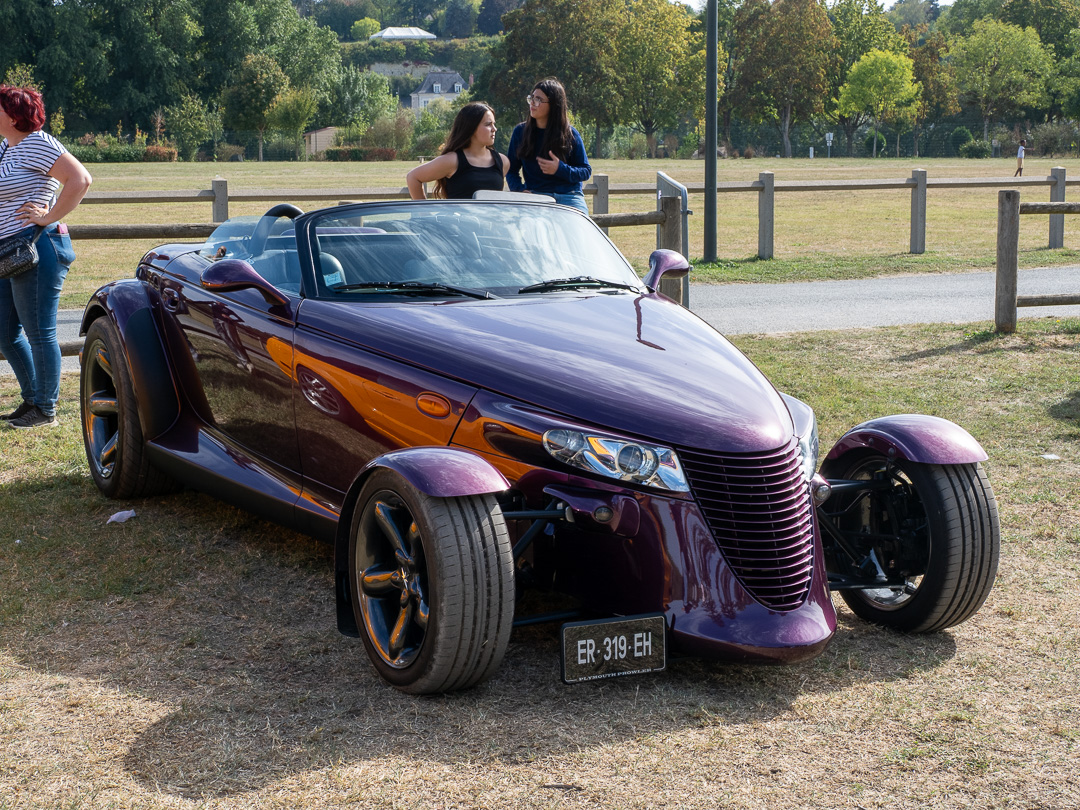
Near to the motorhome aire, was a small gathering of car enthusiasts with some interesting vehicles:
That is all for now. TTFN and see-u-later.


Stunning photos. I always wanted to visit these two places. Maybe one day 😊.
LikeLike
Thank you again Mélodie. They are both worth the effort if you manage to be passing at some stage in the future.
LikeLiked by 1 person