
Monday 28th to Wednesday 30th September 2026
Our journey south continues. Along the way, we have seen some interesting places:
Charnizay – Le Dolmen de Gargantua:
On the road south from Loches, we were trundling along nicely when Alison found a neolithic site on the map, not too far away from our route. Always up for a bit of pre-history, we decided to have a look.
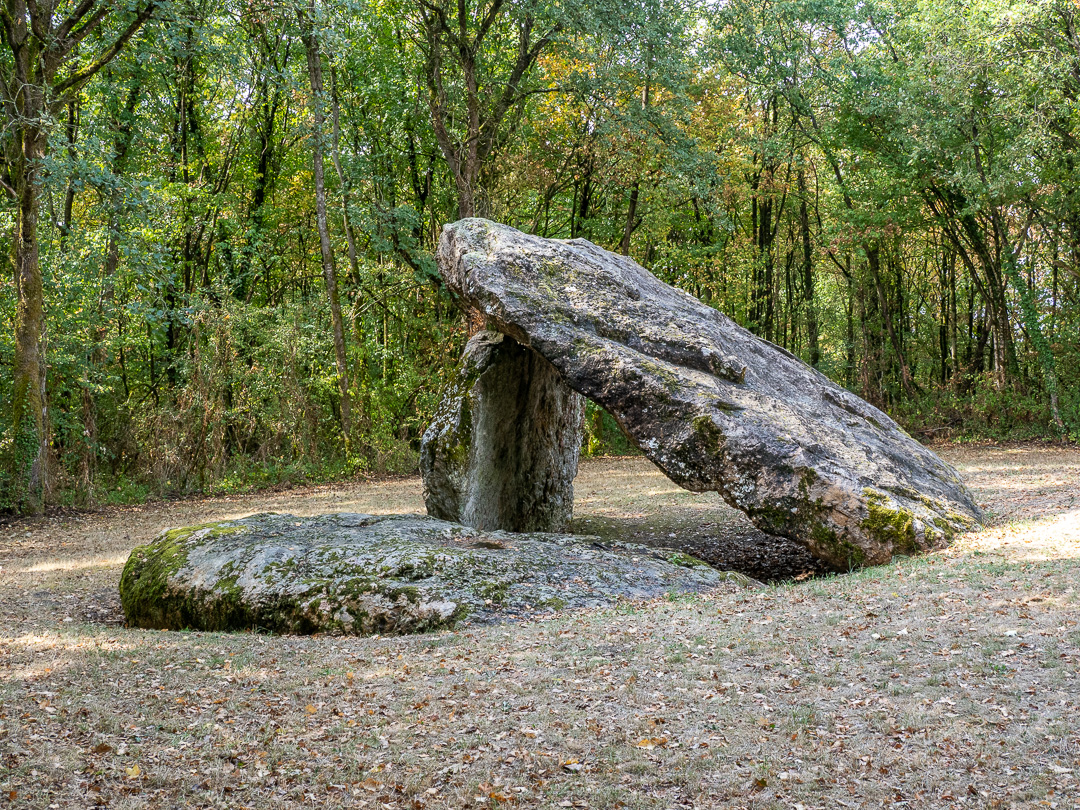
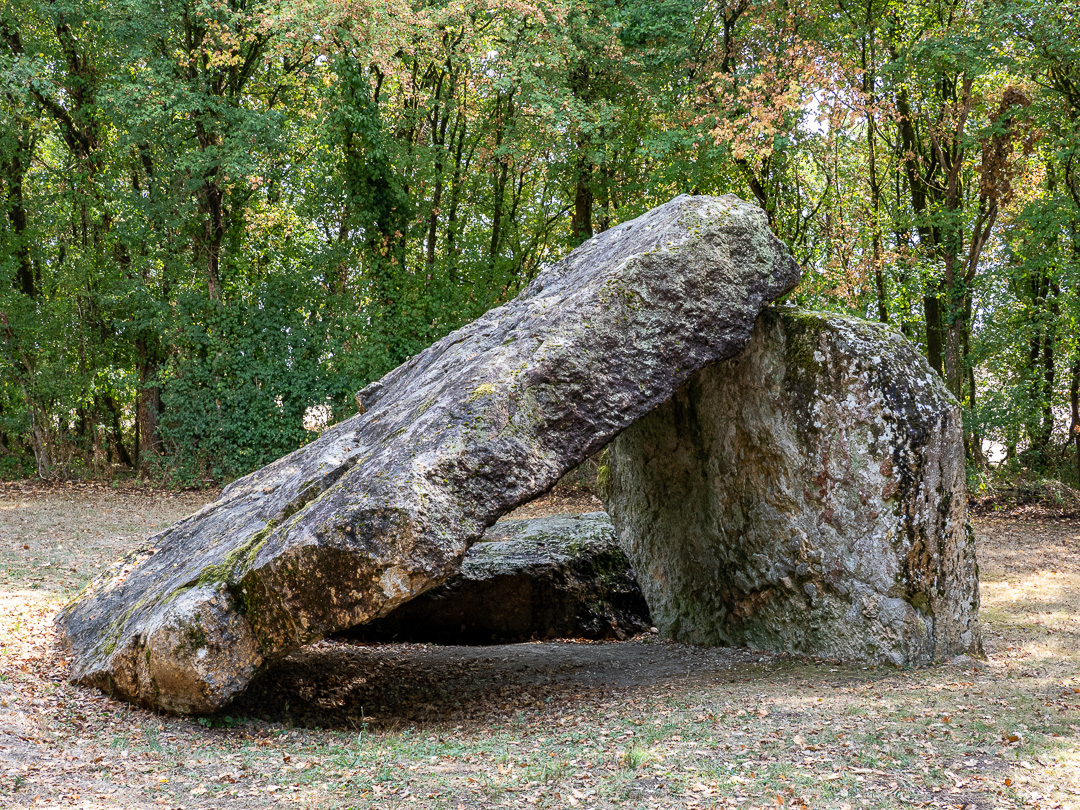
Dolmen are a kind of megalithic tomb, often found as three supporting “legs” and a “table top”. This is a bit different, being only supported on one side and another stone on the ground alongside. All are huge, the “table” stone is estimated to weigh around 50 tonnes and it is speculated that the construction was unfinished.
Angles-sur-l’Anglin:
We later passed through the beautiful village of Angles-sur-l’Anglin, parking beneath the ruins of is large chateau, perched high above the river Anglin.
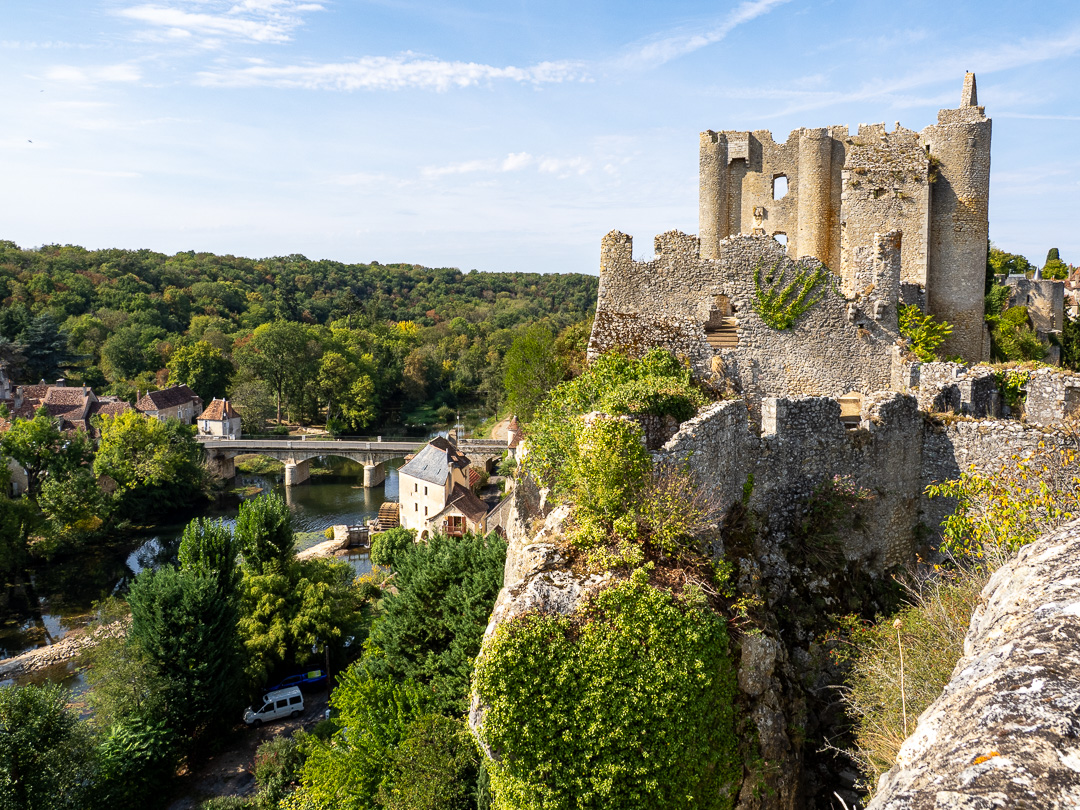
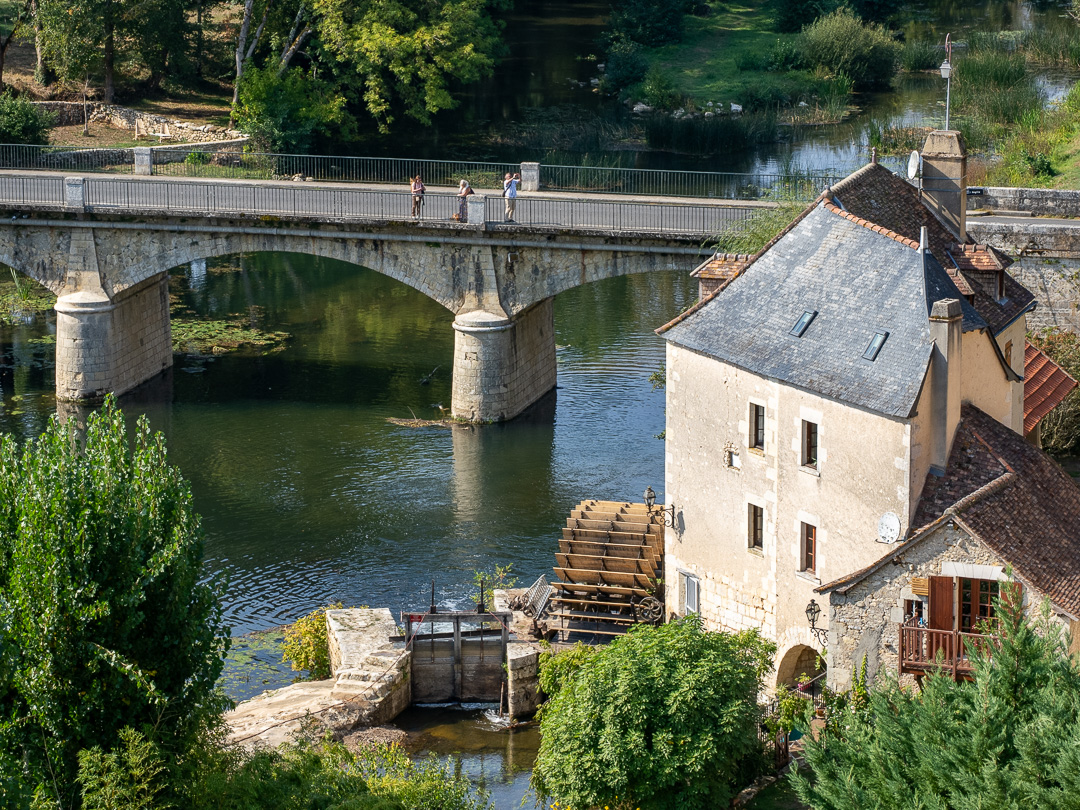
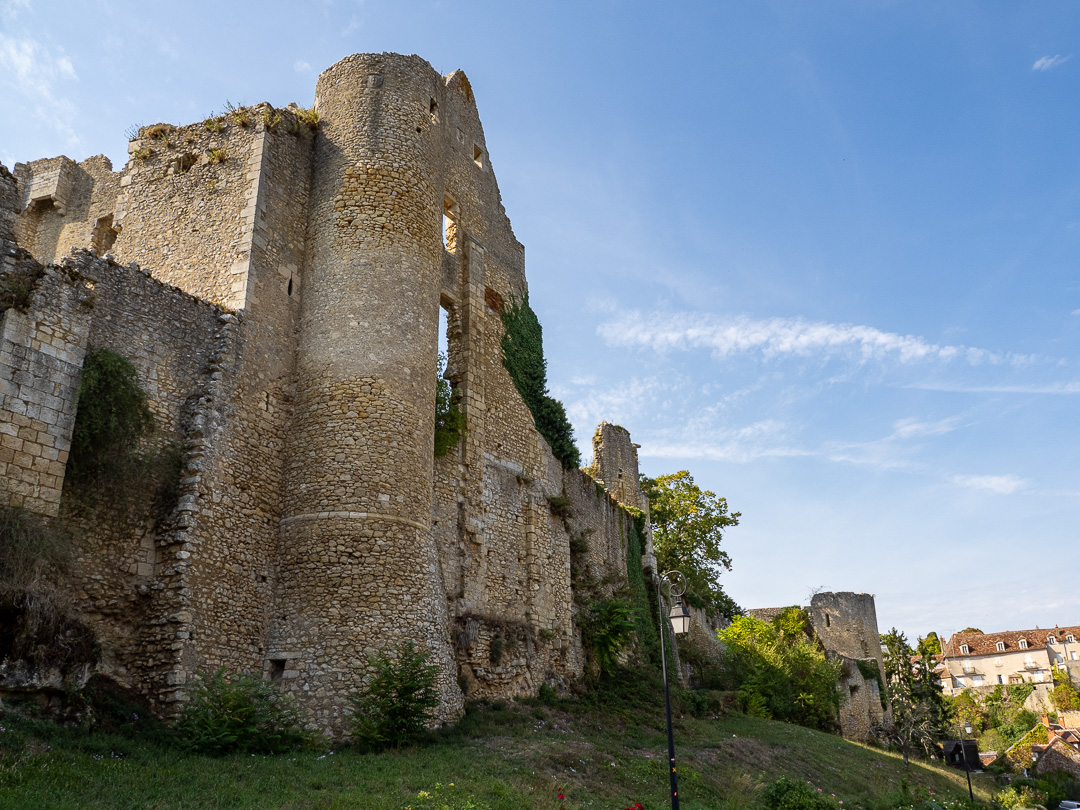
There are neolithic remains here too, but sadly access to them closed for the season, the day before our arrival.
Saint-Savin:
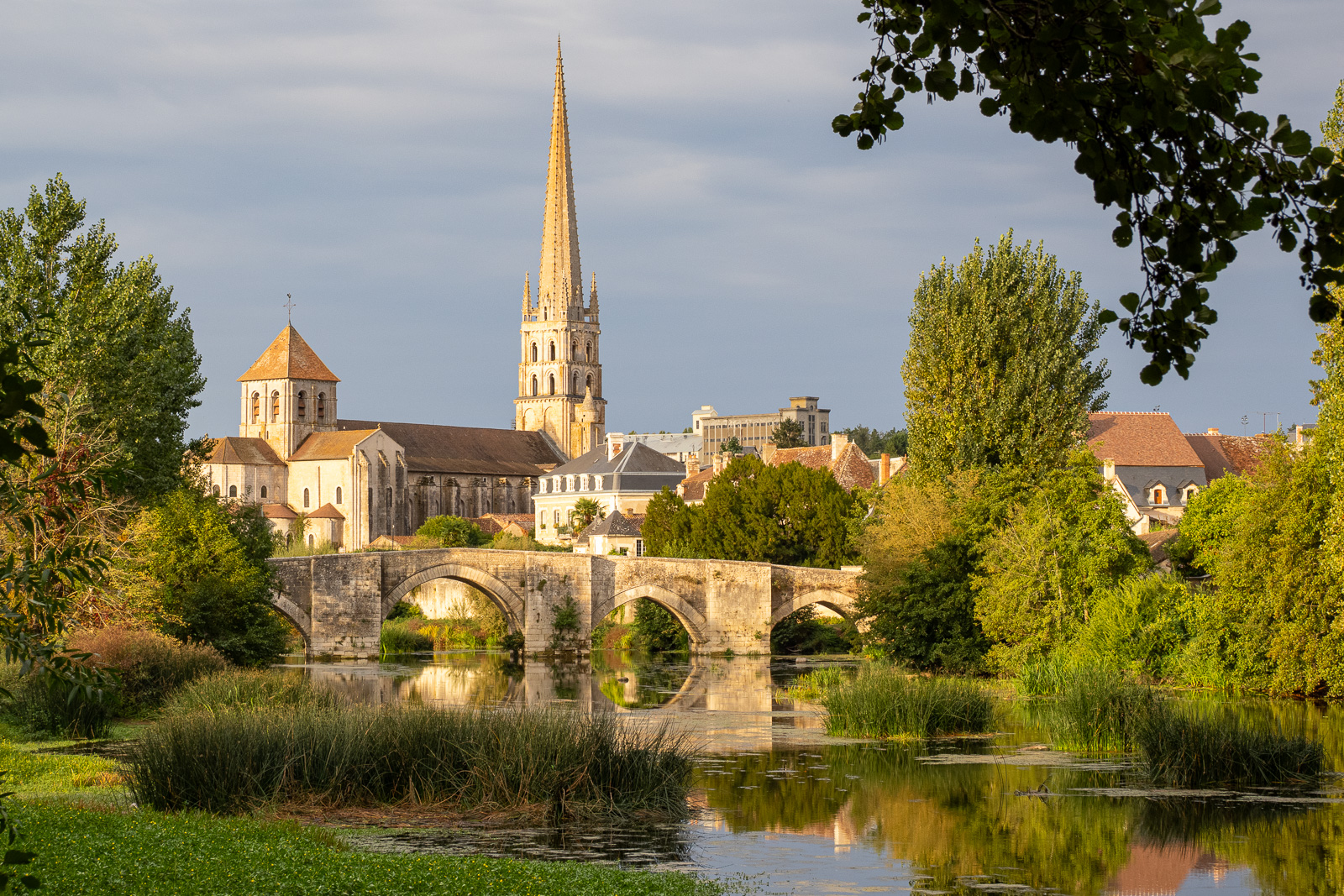
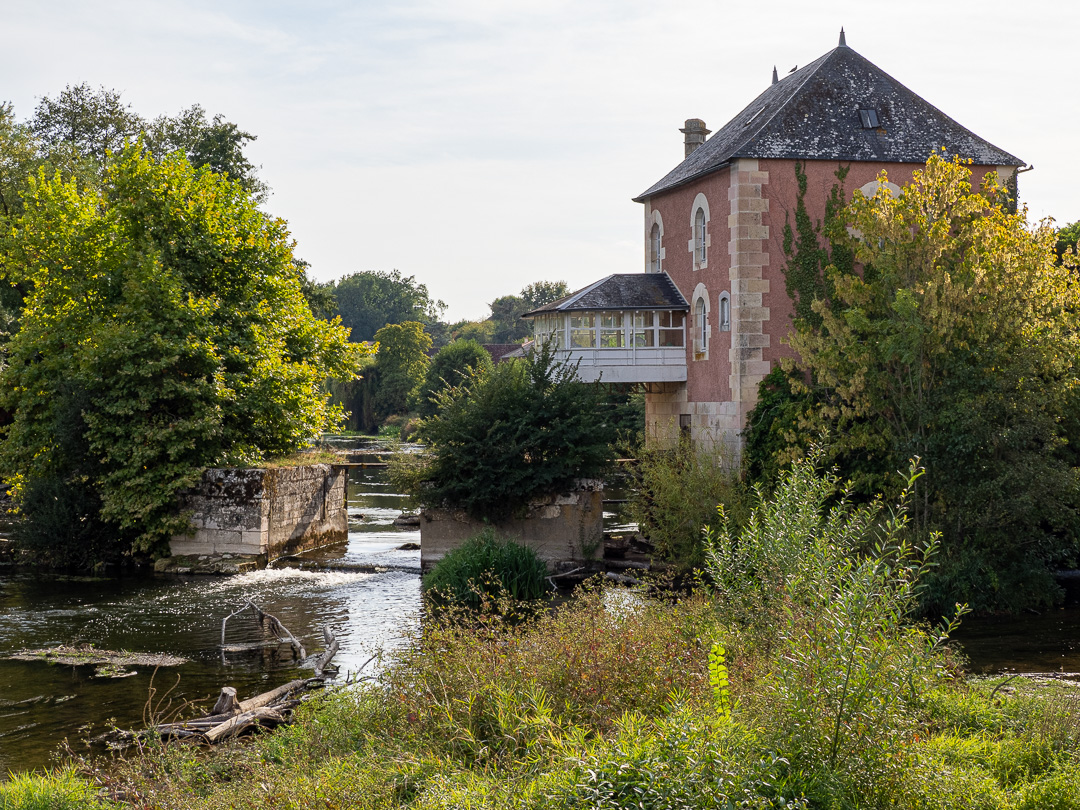
We spent Monday night parked up across the river from the Saint-Savin monastery. A peaceful and picturesque location, but we managed to explore a little:
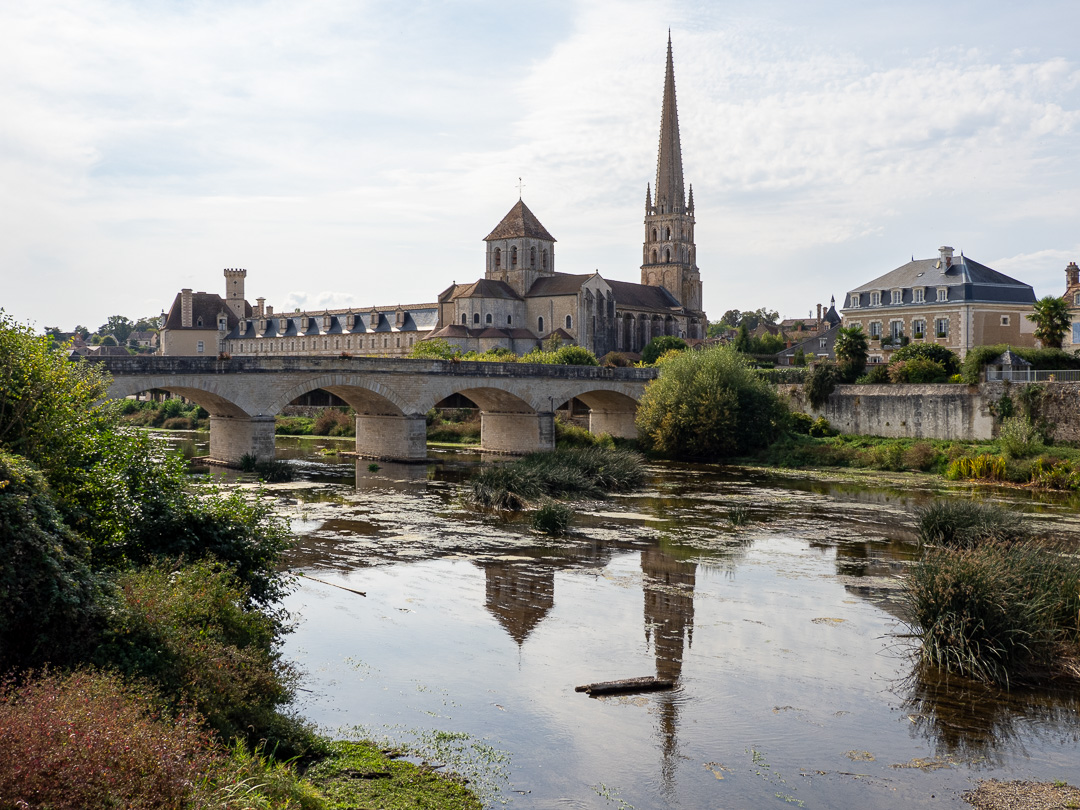
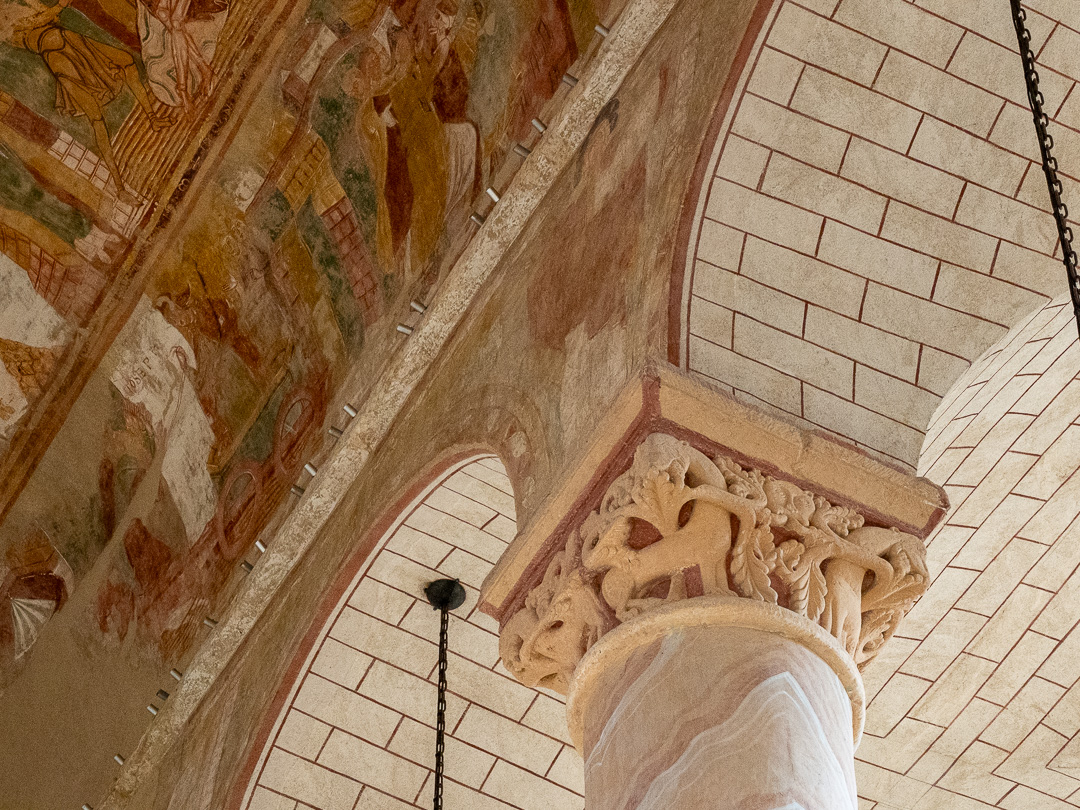
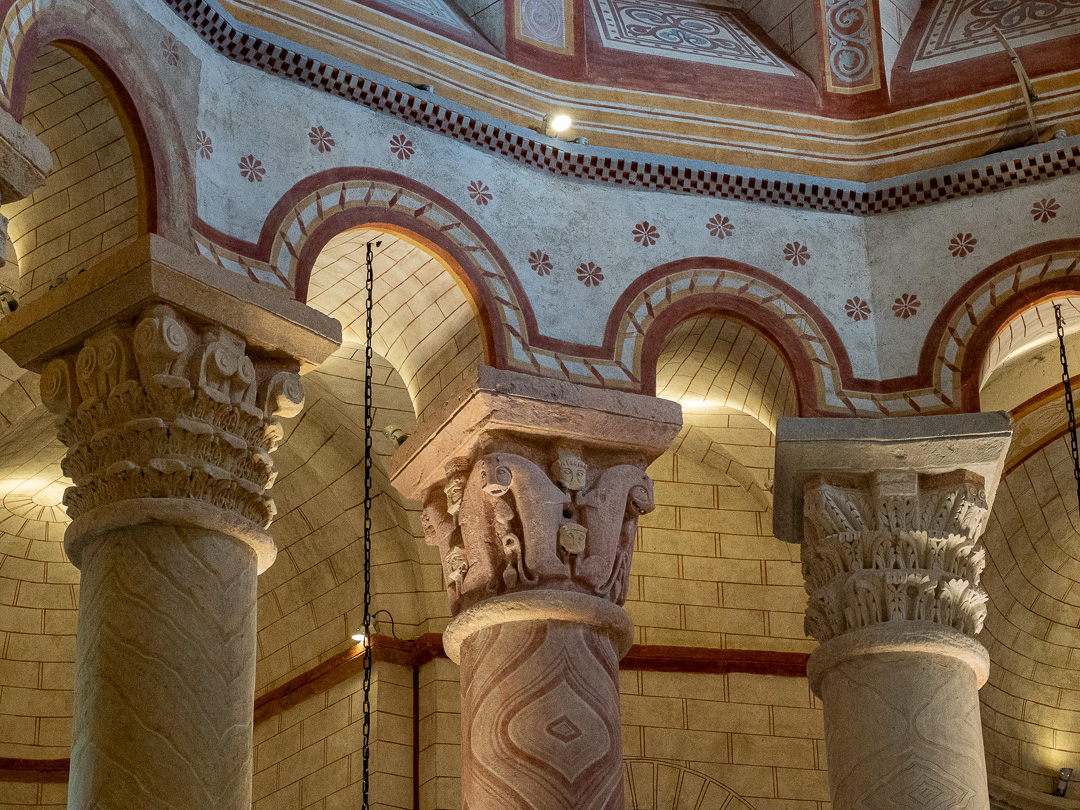
Our visit to the monastery was a little disappointing, but the church was remarkable and well worth seeing:
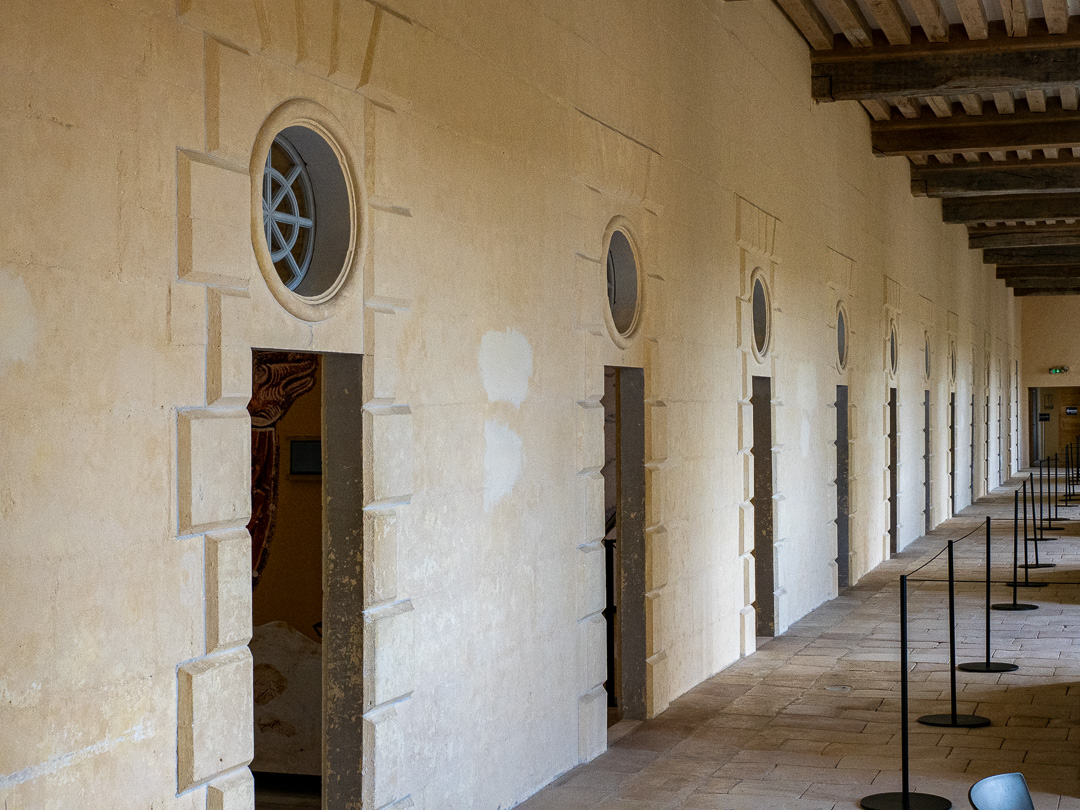
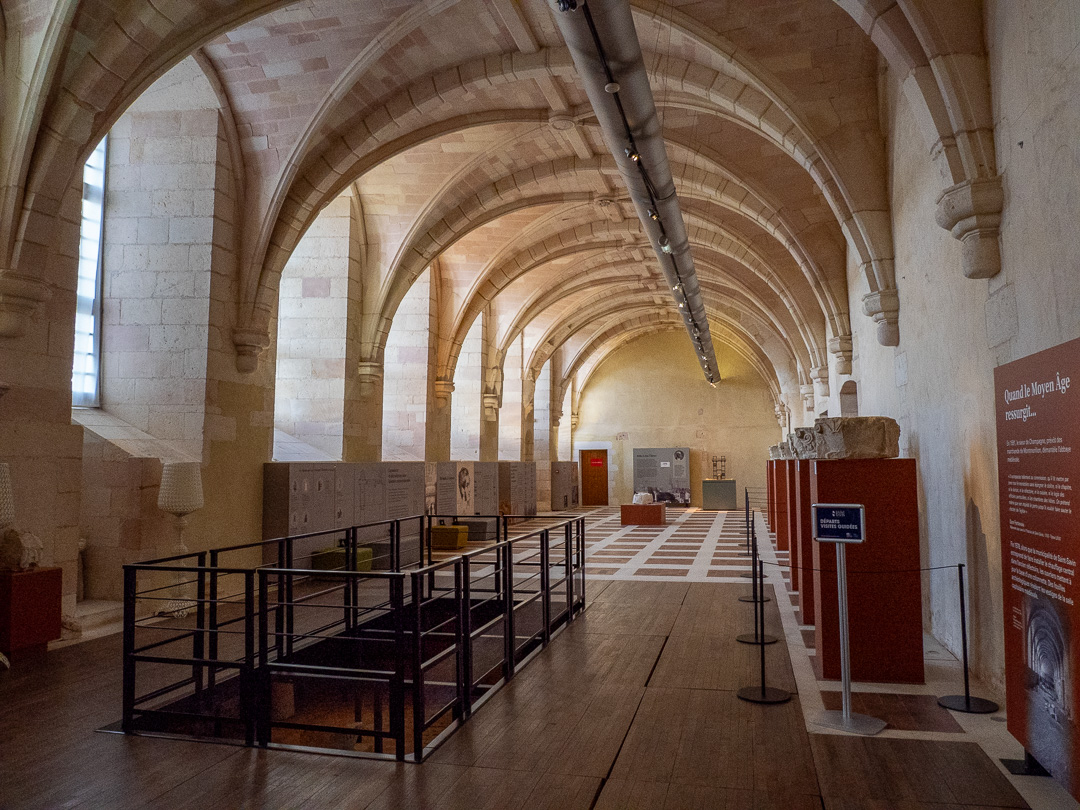
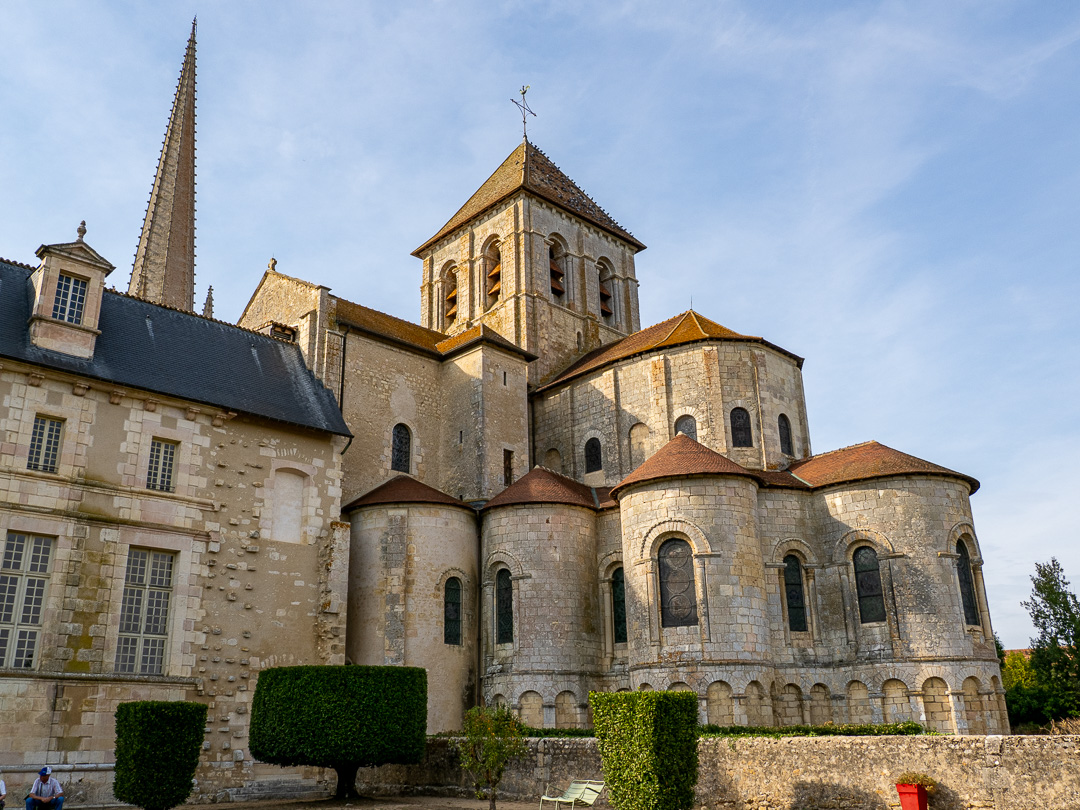
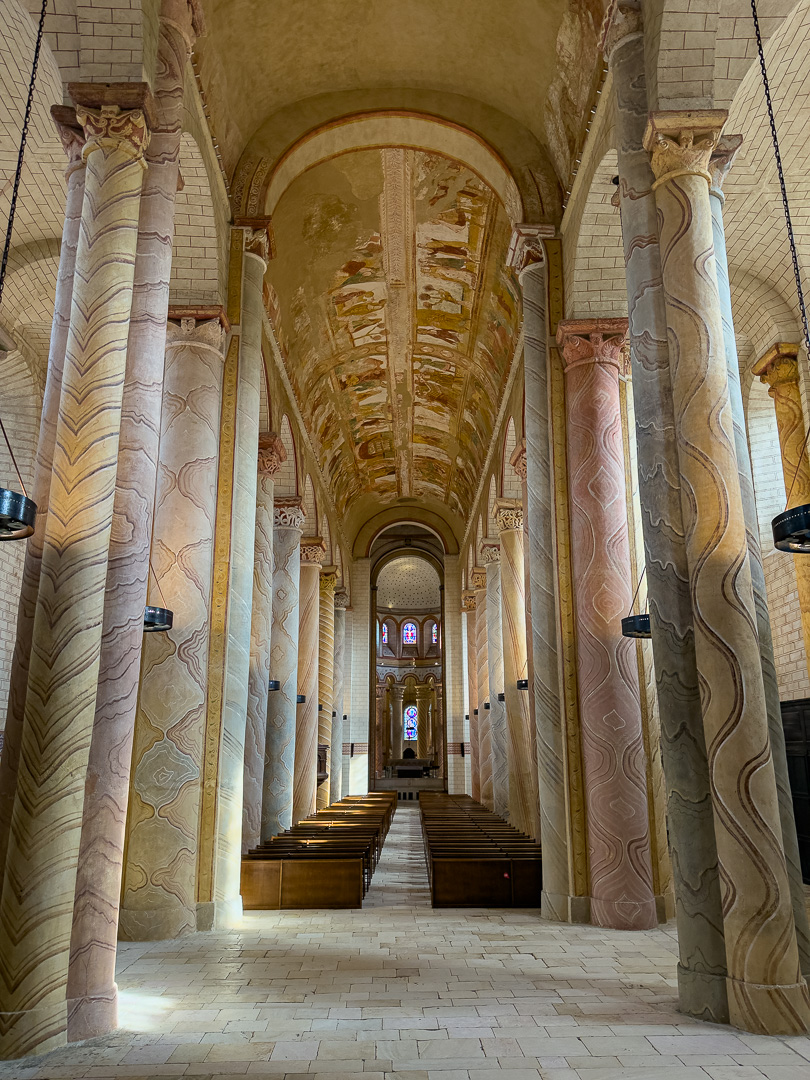
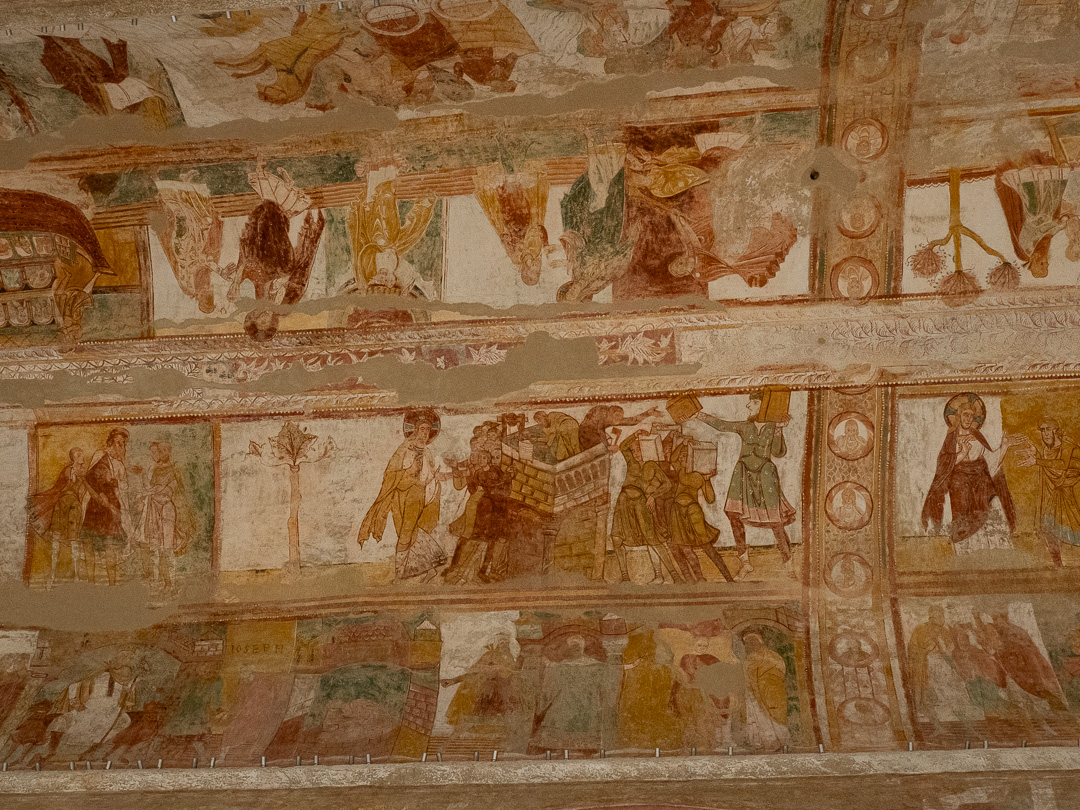
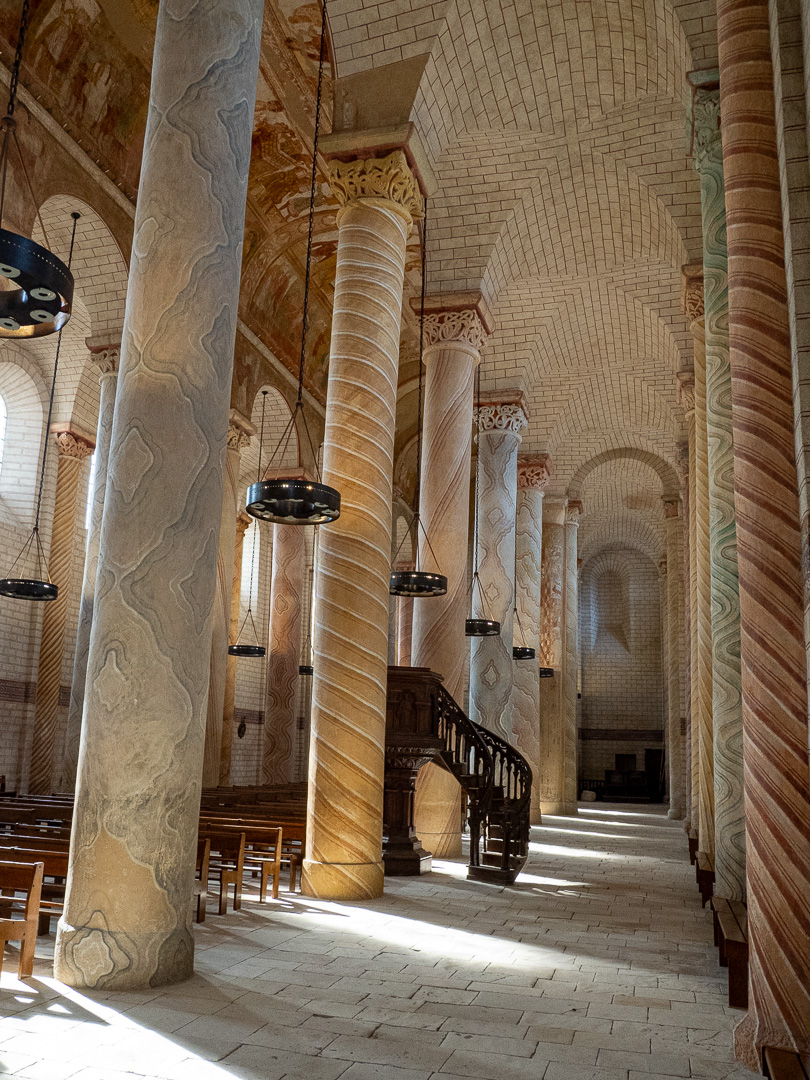
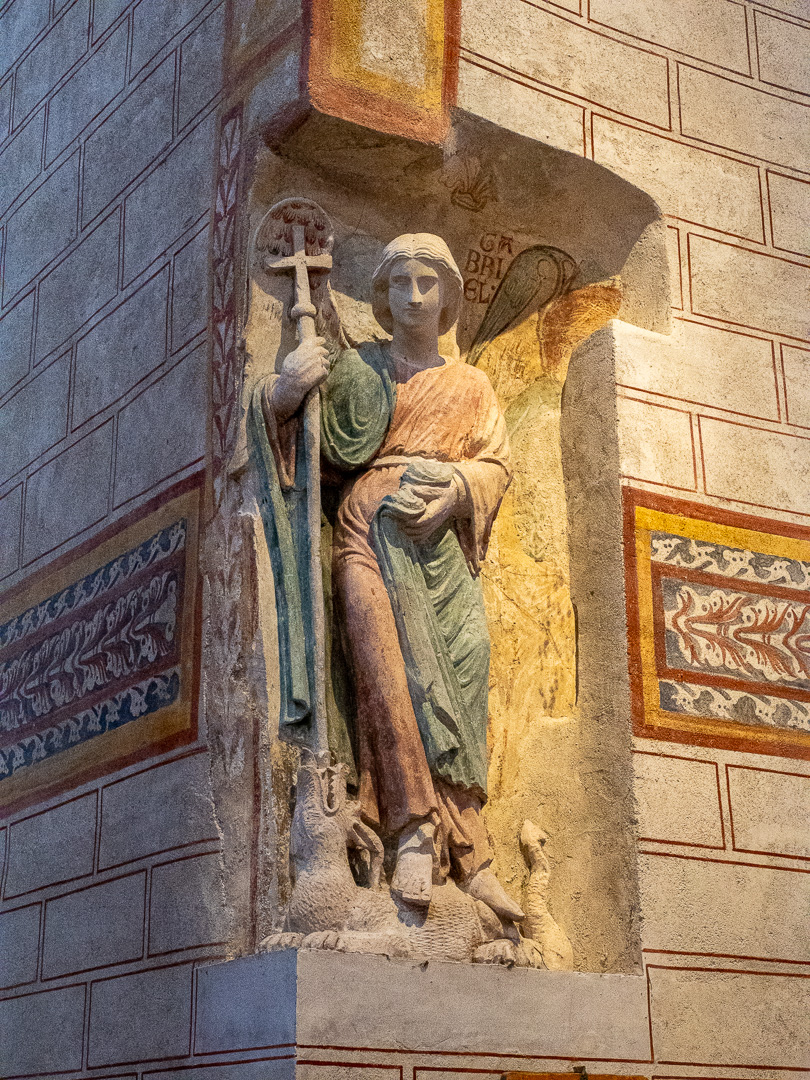
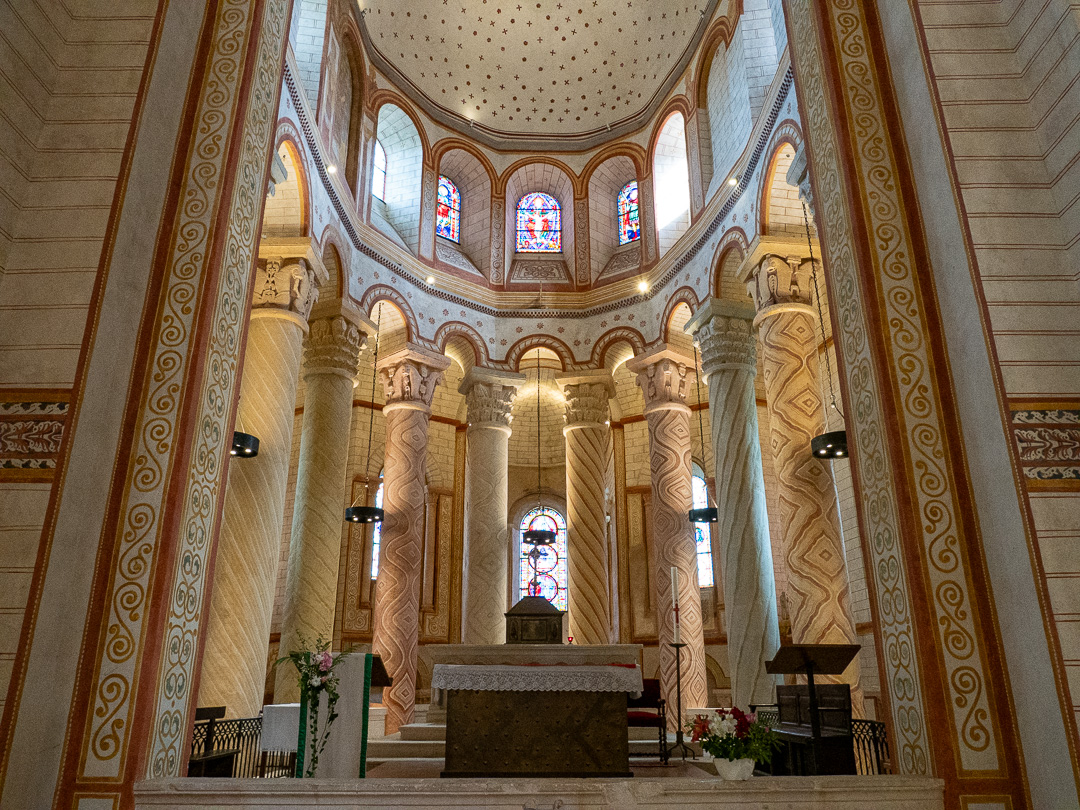
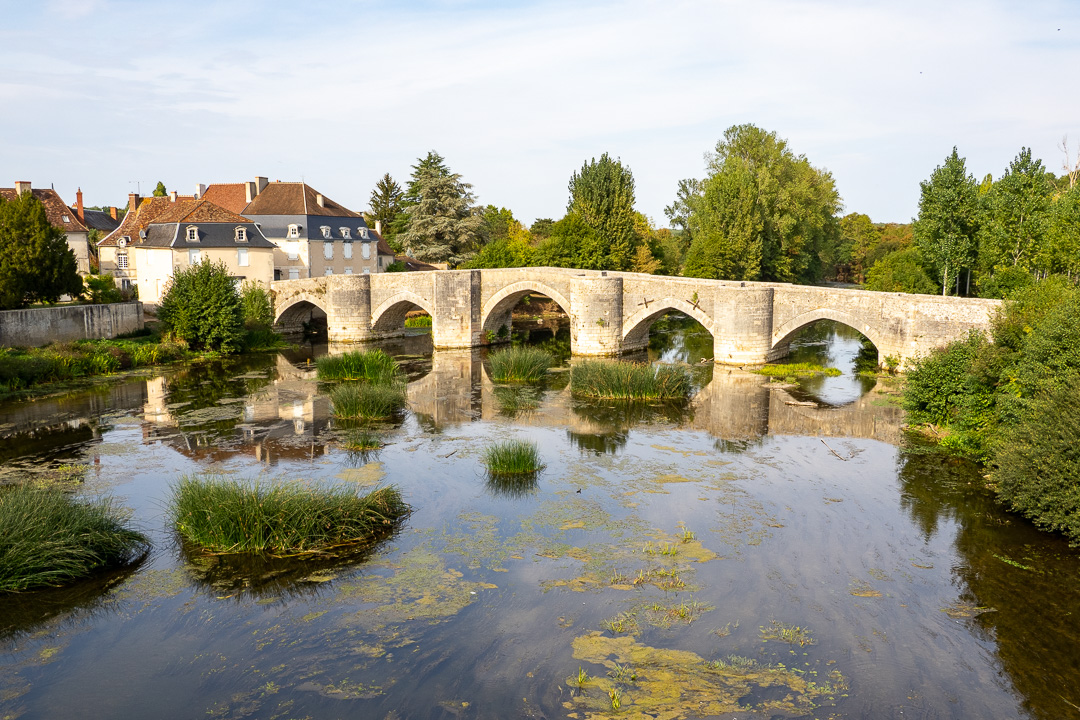
The village was very pleasant:
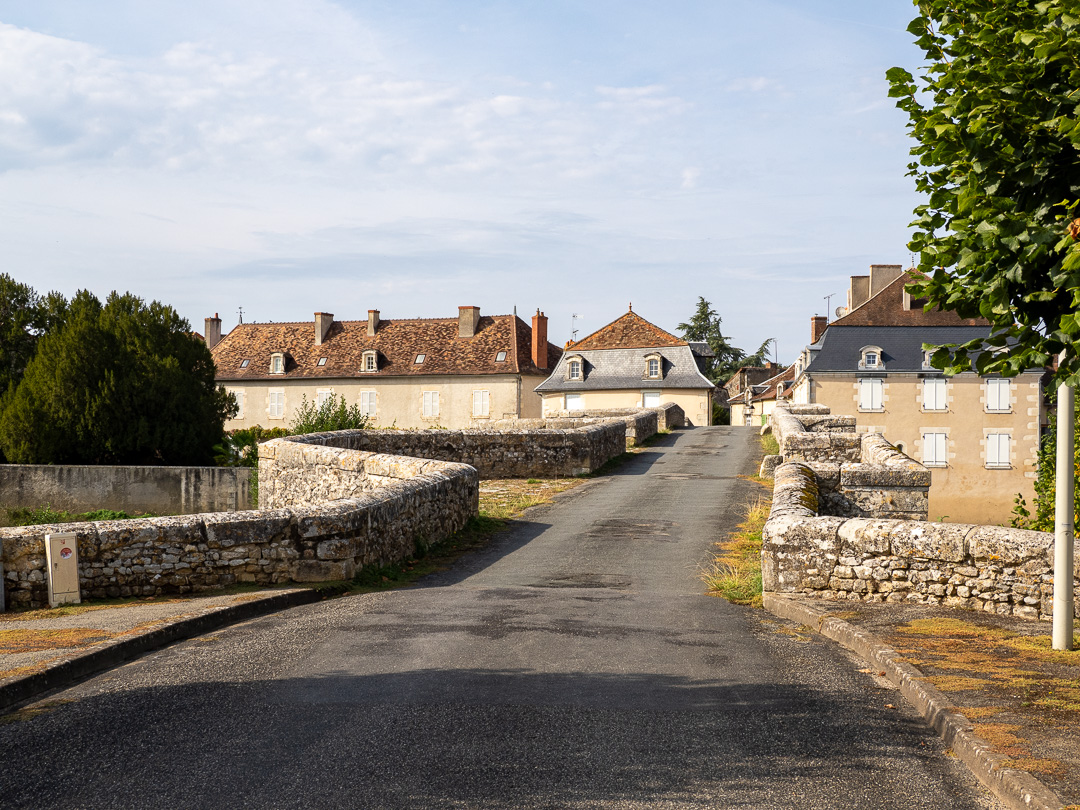
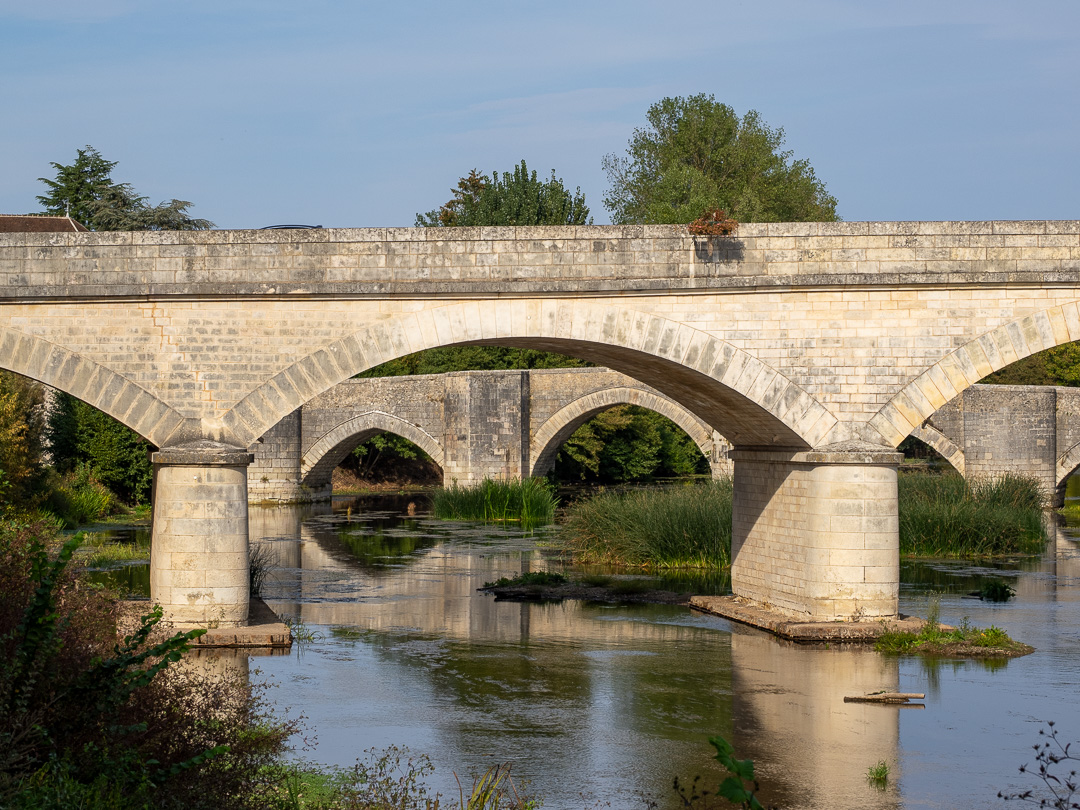
Saint-Ybard:
Saint-Ybard is the site of our park-up for Tuesday night and again, we managed to explore a little before settling down. The park-up itself was very pleasant, overlooking the valley and the ruined chateau.
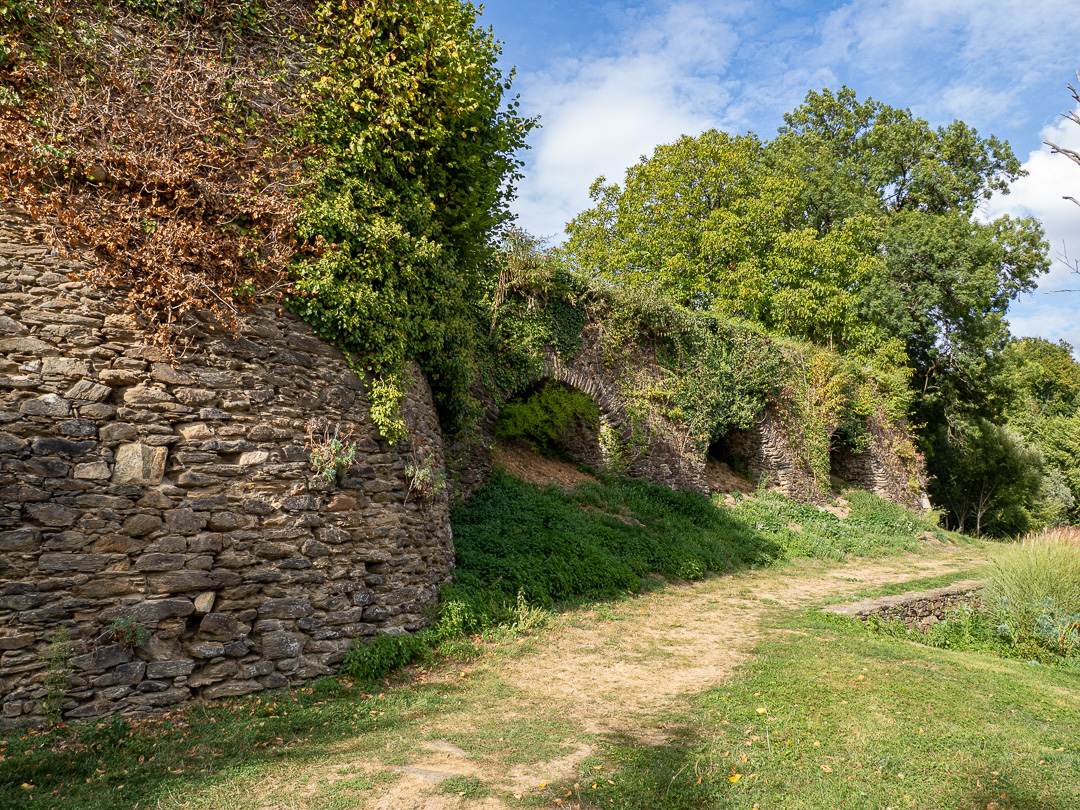
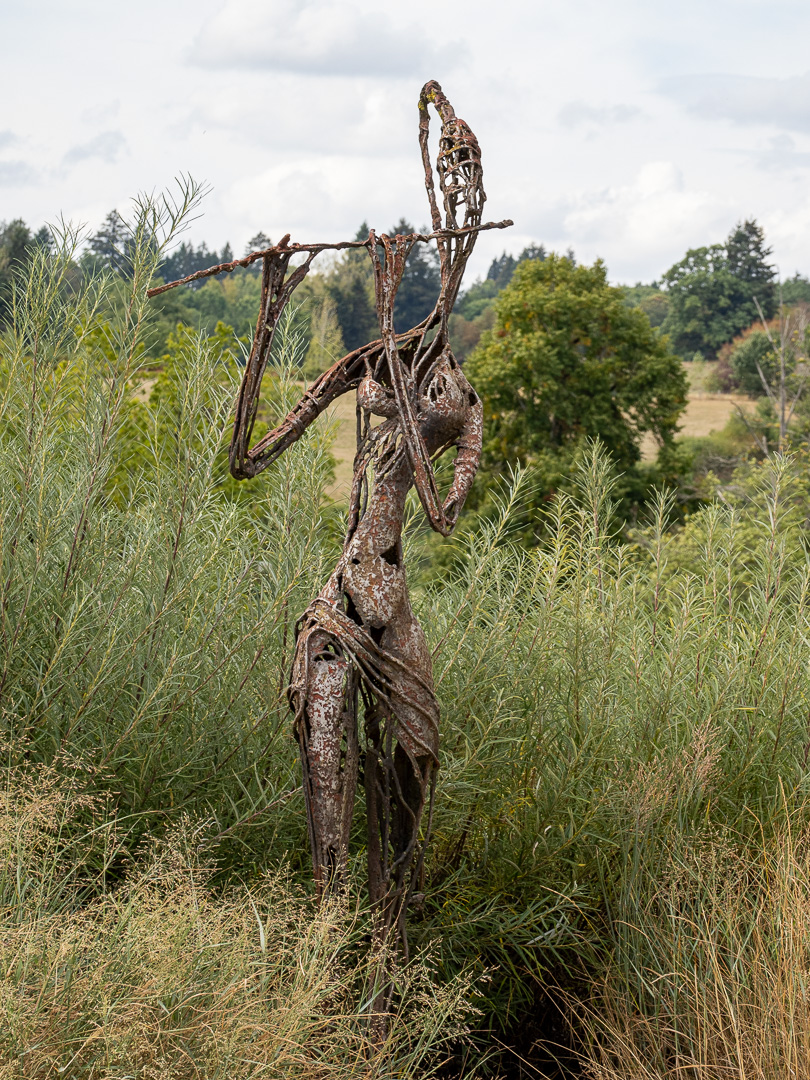
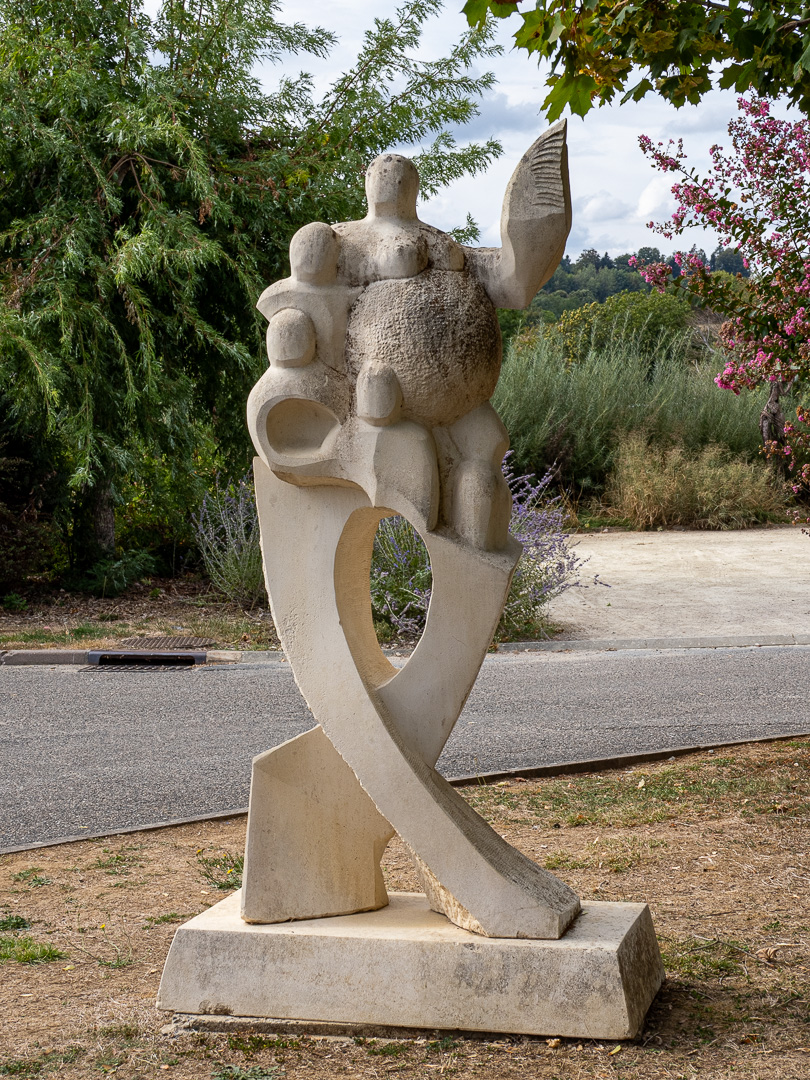
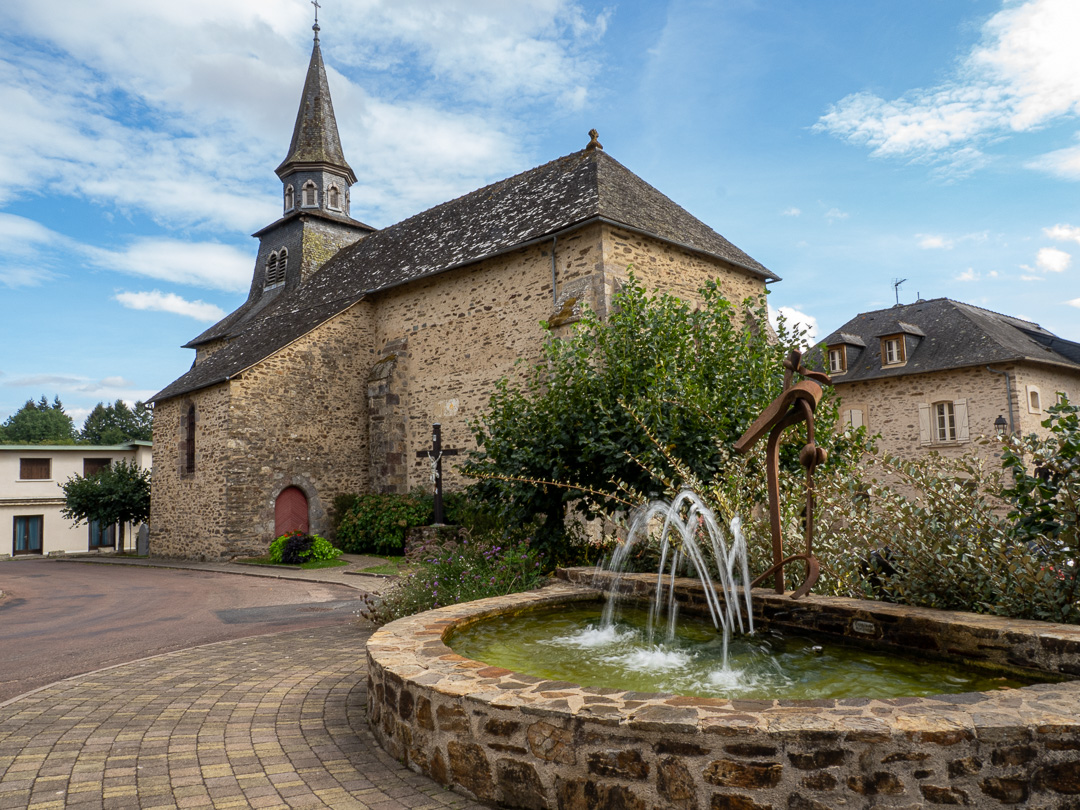
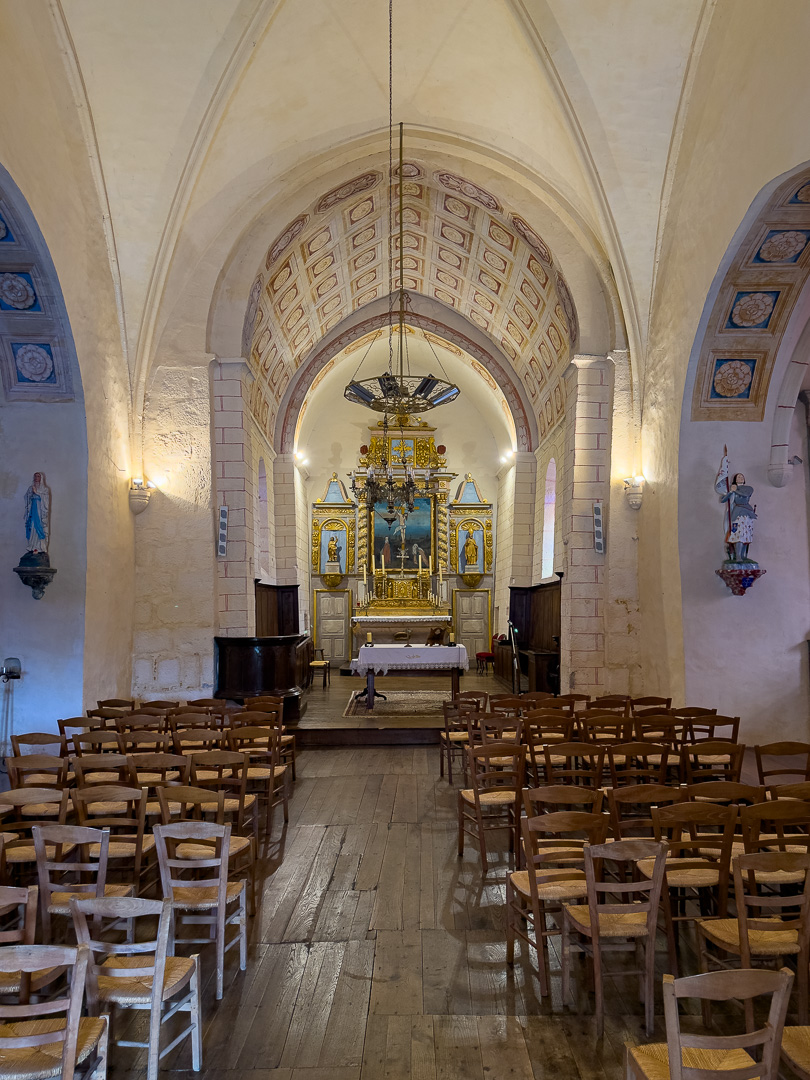
The church is small and has enormously thick walls, they slope inwards, both inside and out:
Cahors:
I planned to post this blog at this stage, but there was just no internet available, so the post got extended to include Wednesday’s visit to the beautiful town of Cahors:
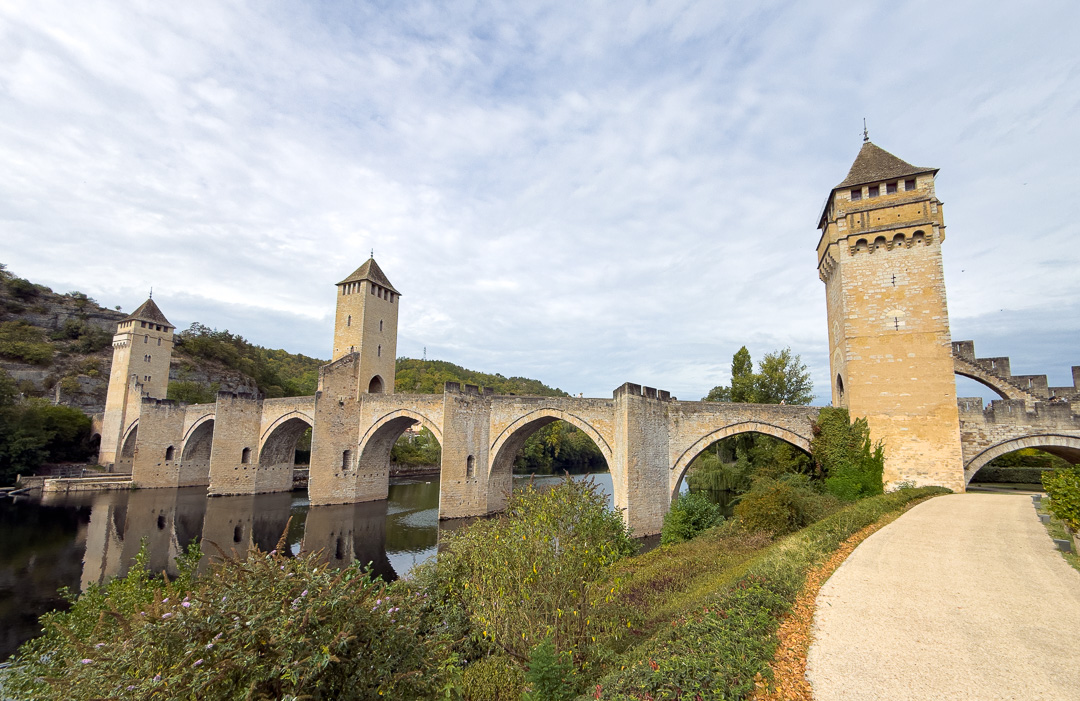
Cahors sits within a loop of the River Lot and it the capital city of the Lot Department. Many buildings have survived from medieval times, including the magnificent Pont Valentré with its three towers:
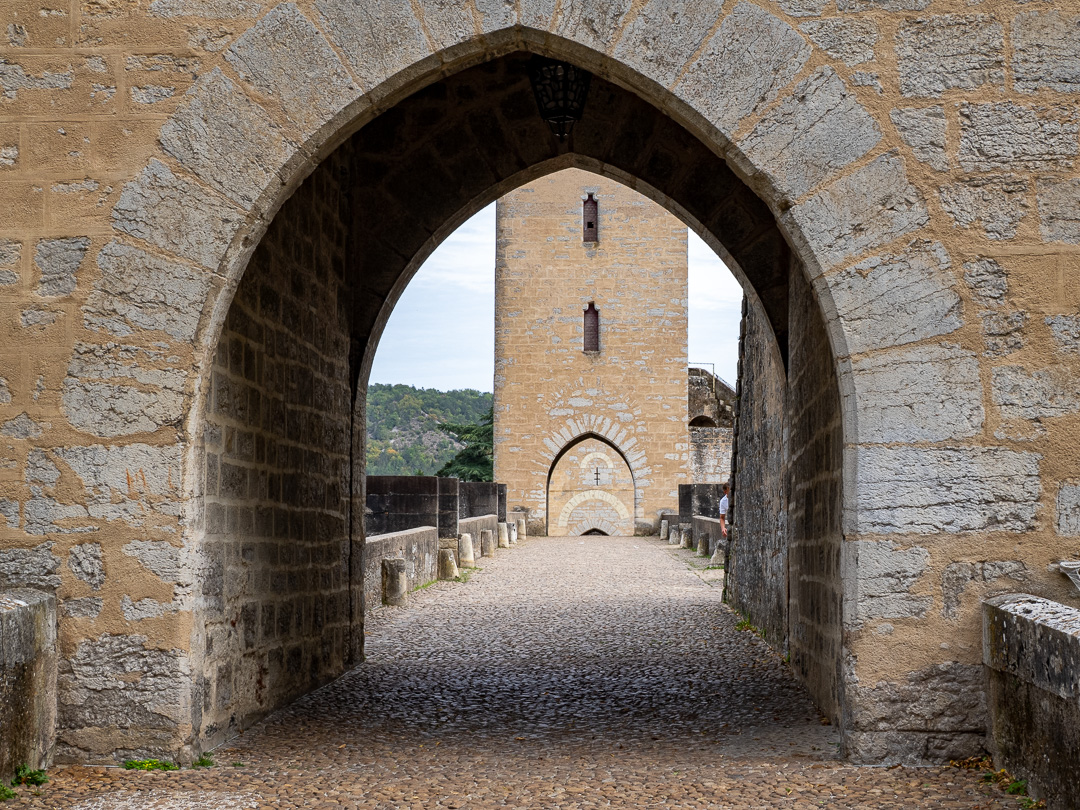
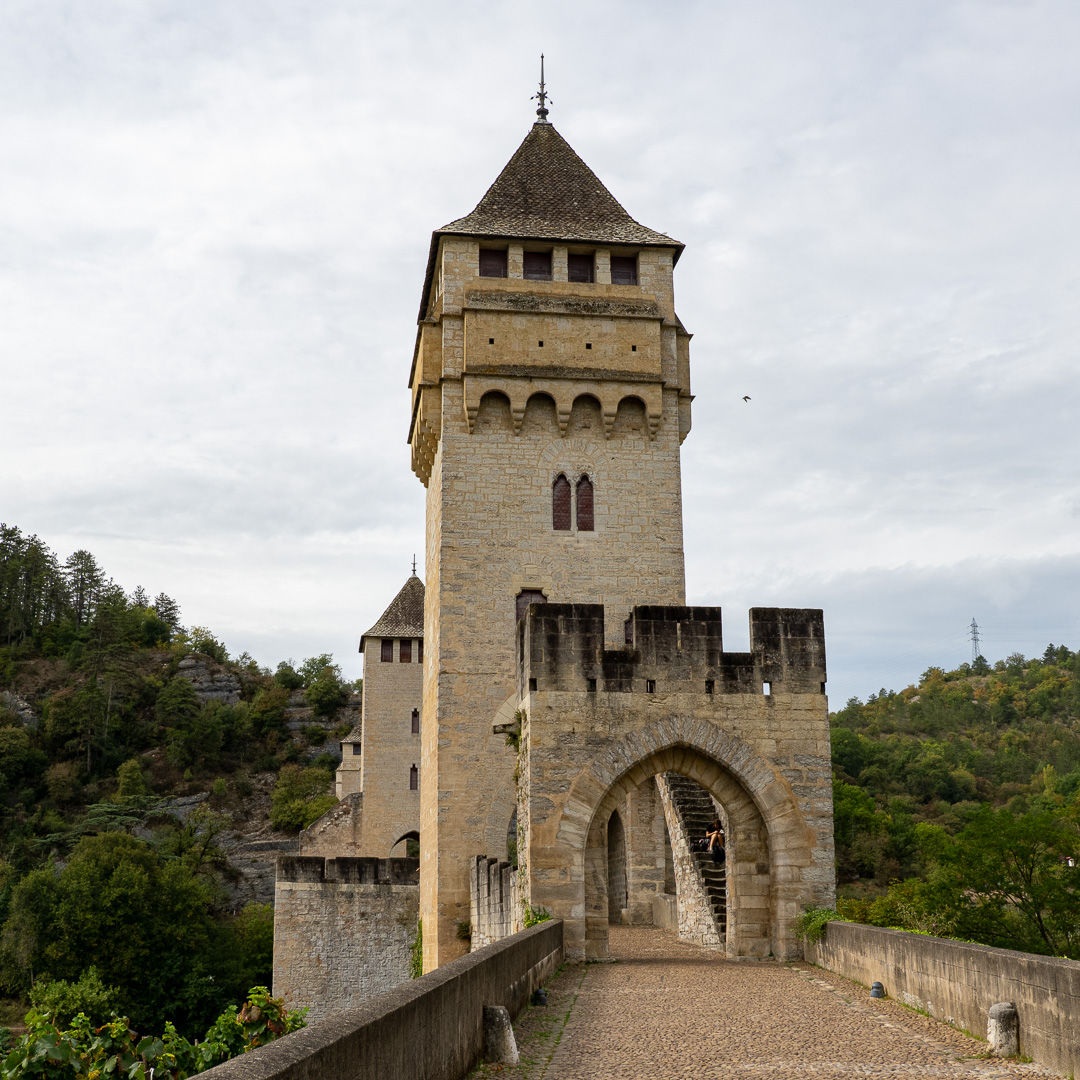
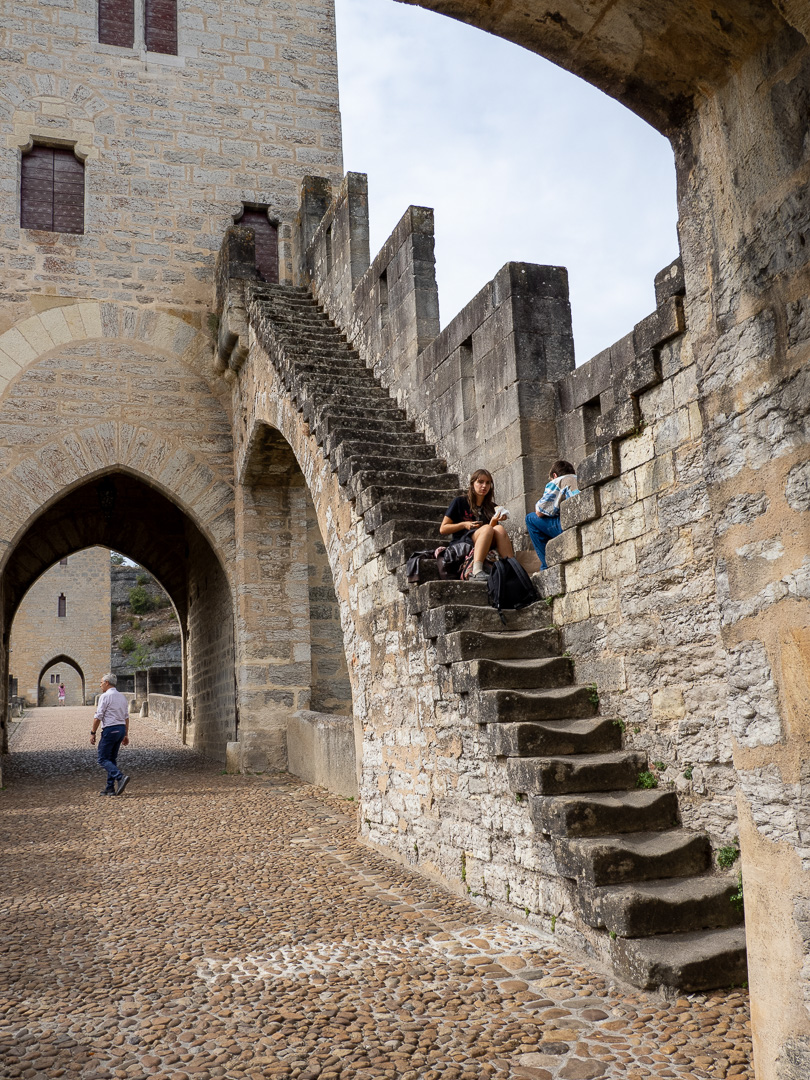
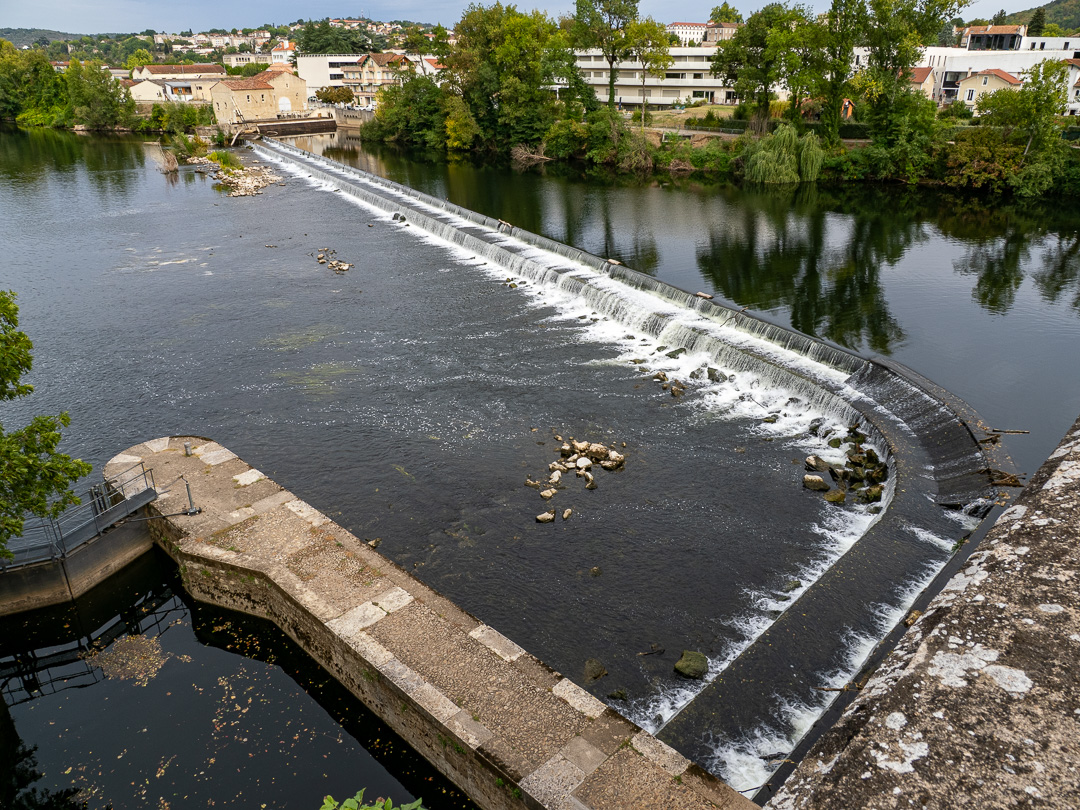
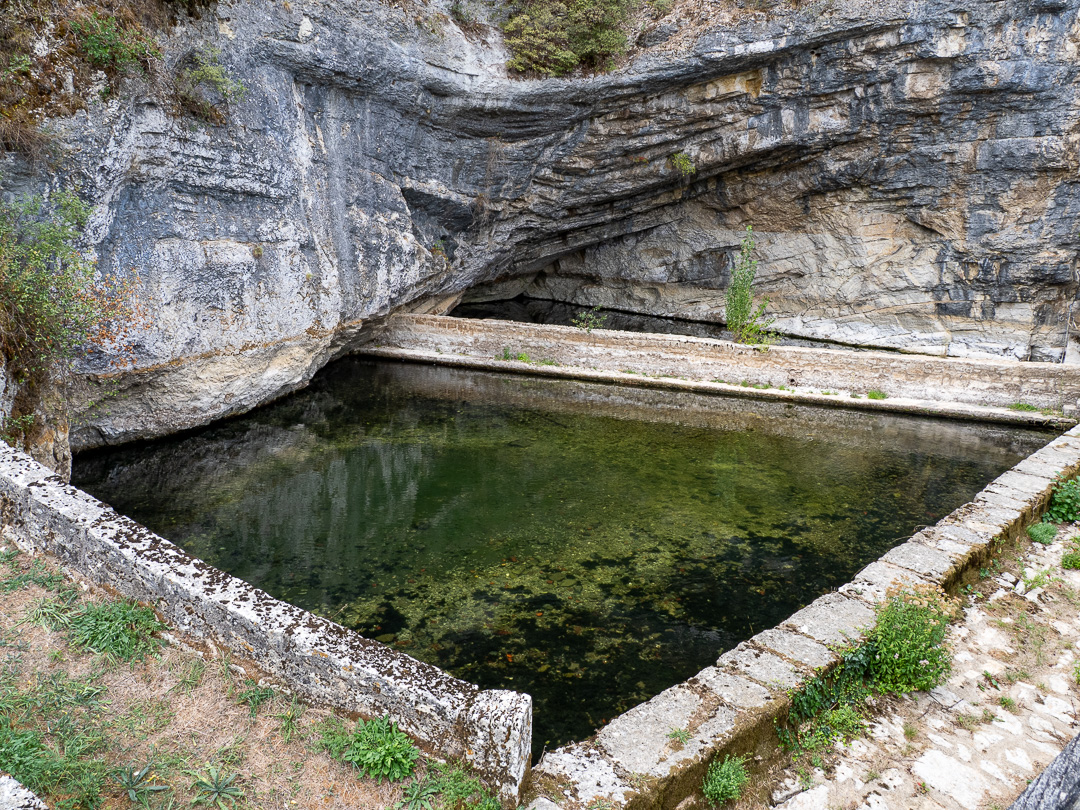
Nearby, is the Fontaine des Chartreux which was a Roman centre of worship from the 1st century AD. The Romans worshiped Divona, the goddess of waters:
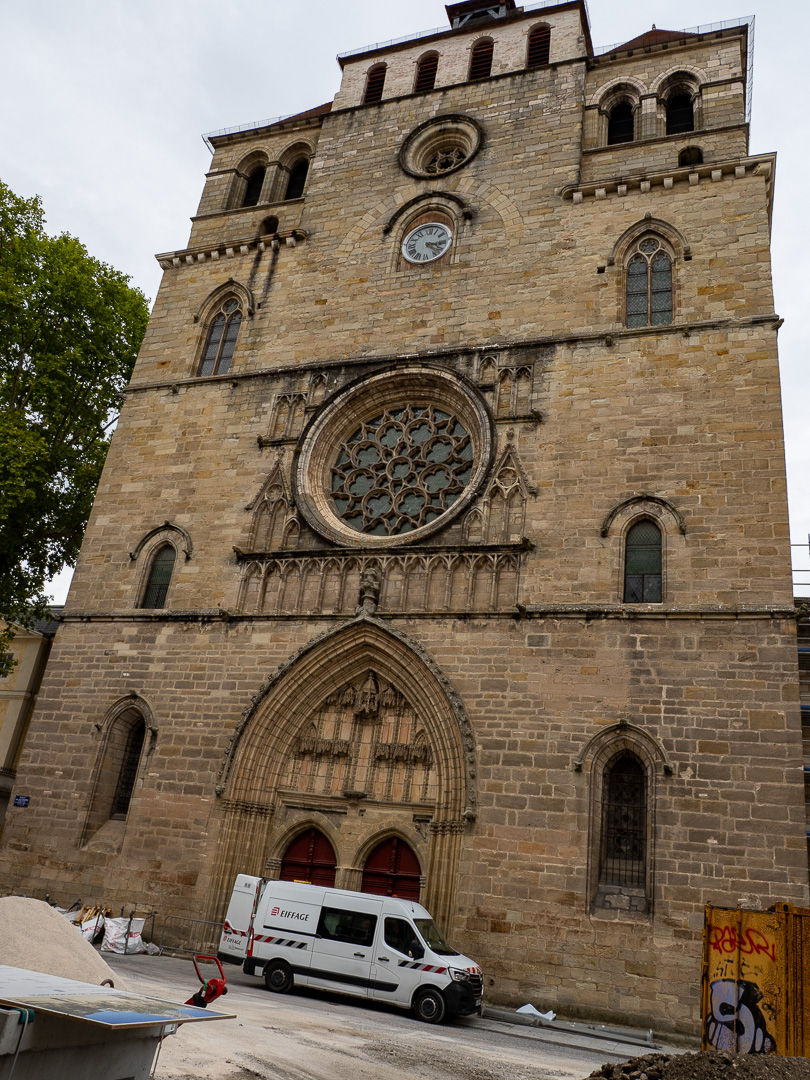
The city centre has a historic area, which is mainly medieval and includes the cathedral. I could not get a clear view of the front of the building, due to works:
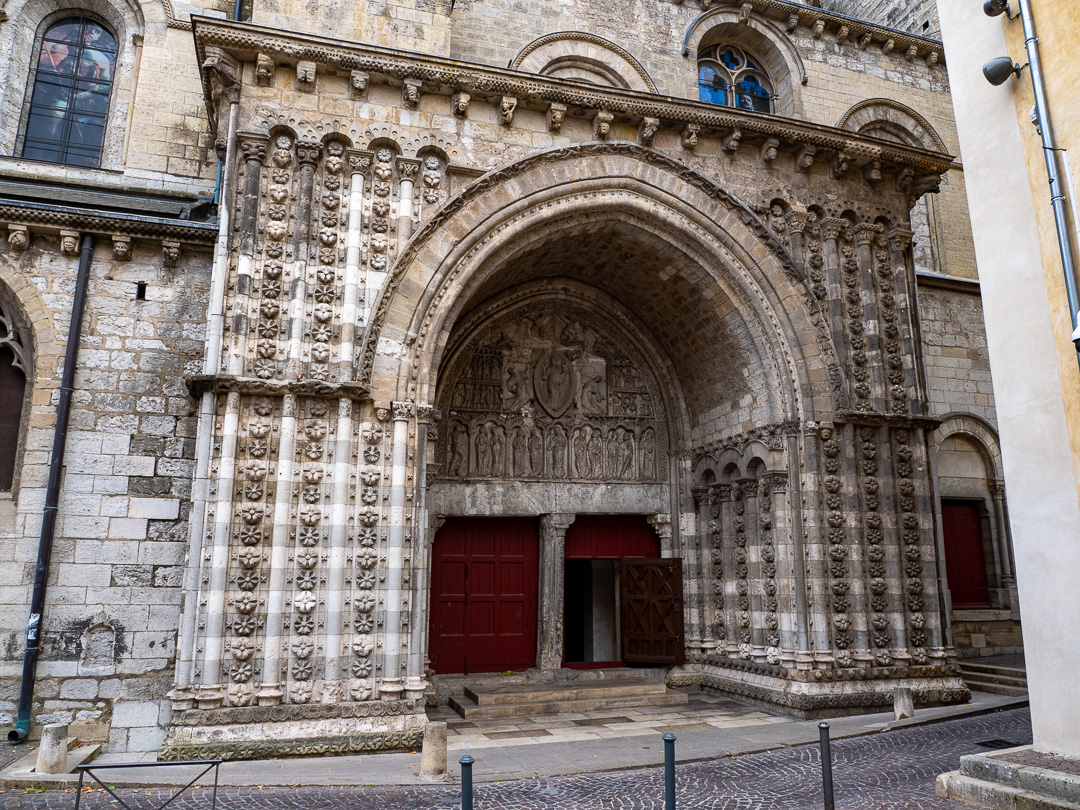
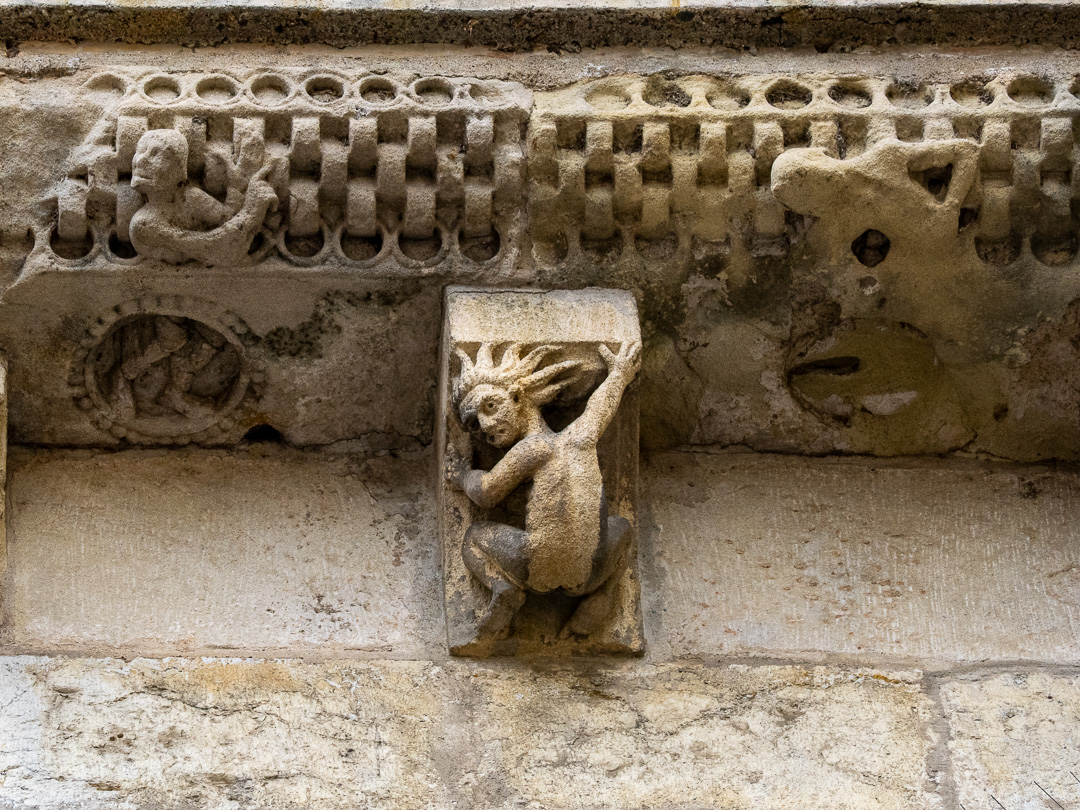
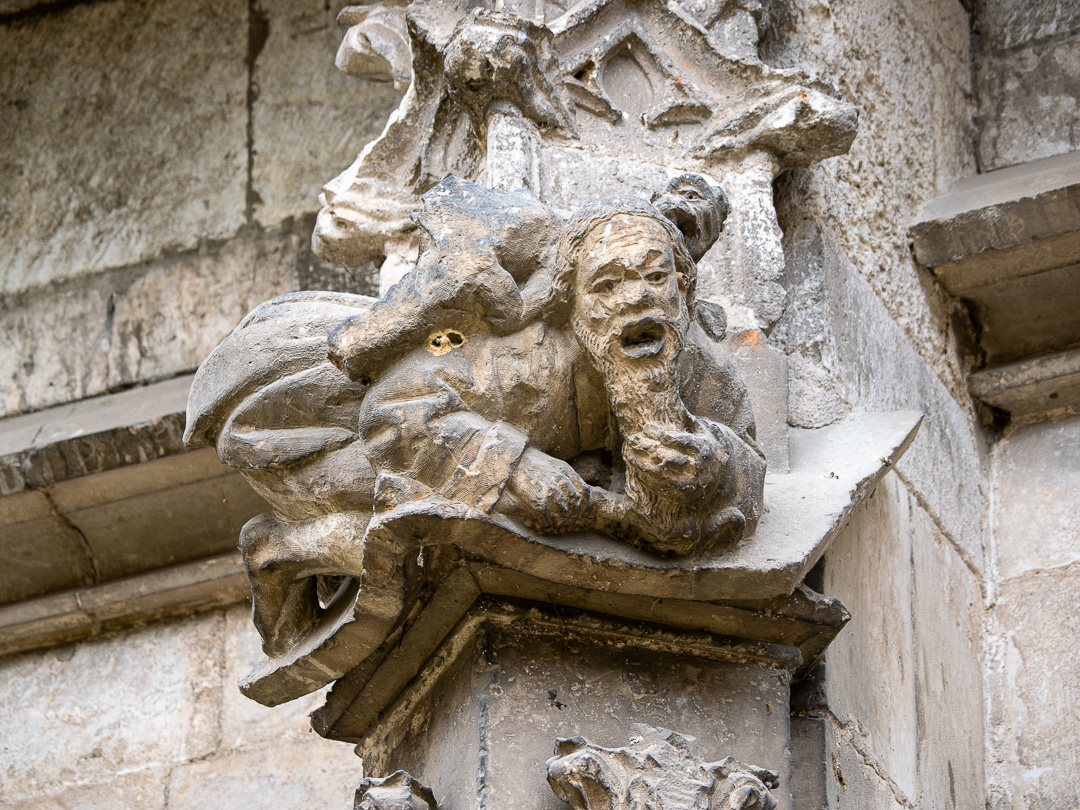
The south entrance is very ornate and has amazing, if bemusing sculptures:
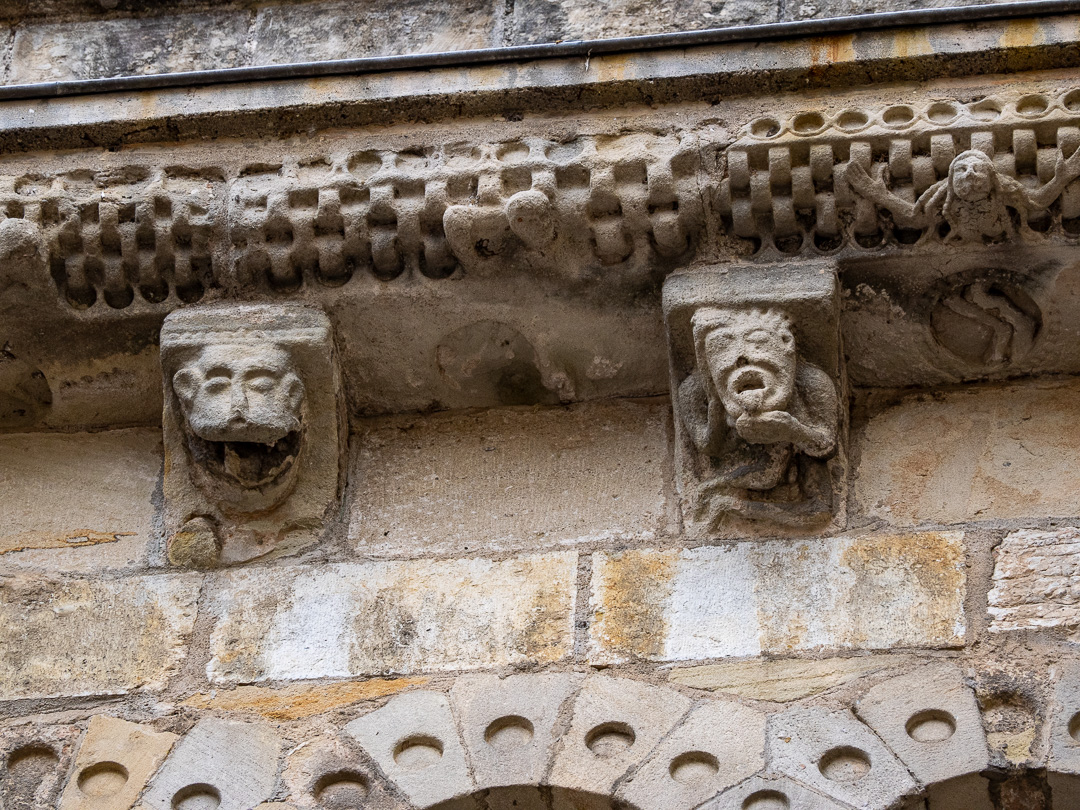
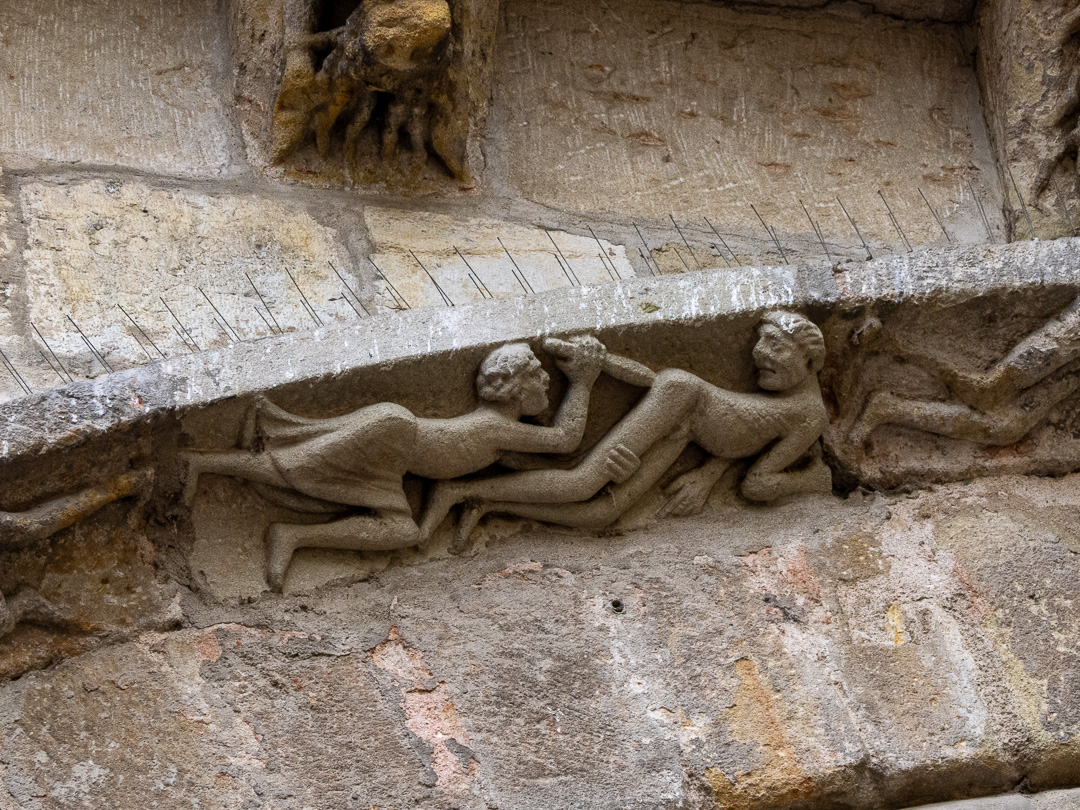
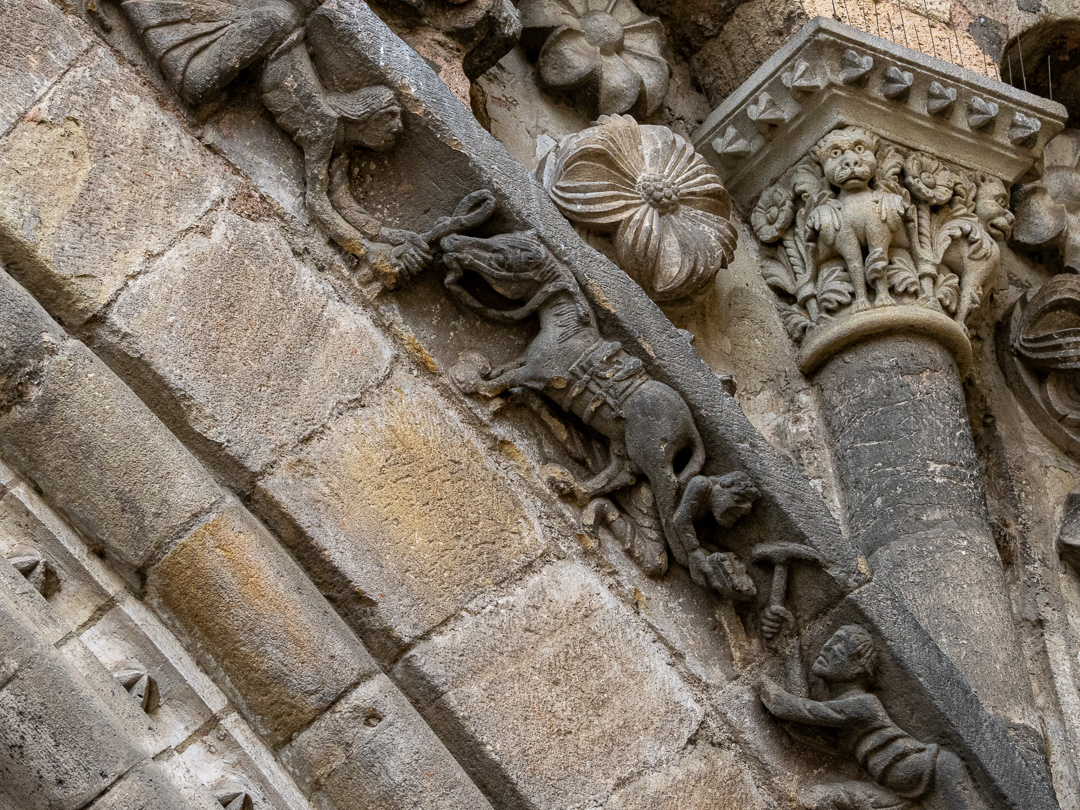
Inside the church is quite dark, but it is very ornate. It has two, Romanesque cupolas, one of which is richly decorated:
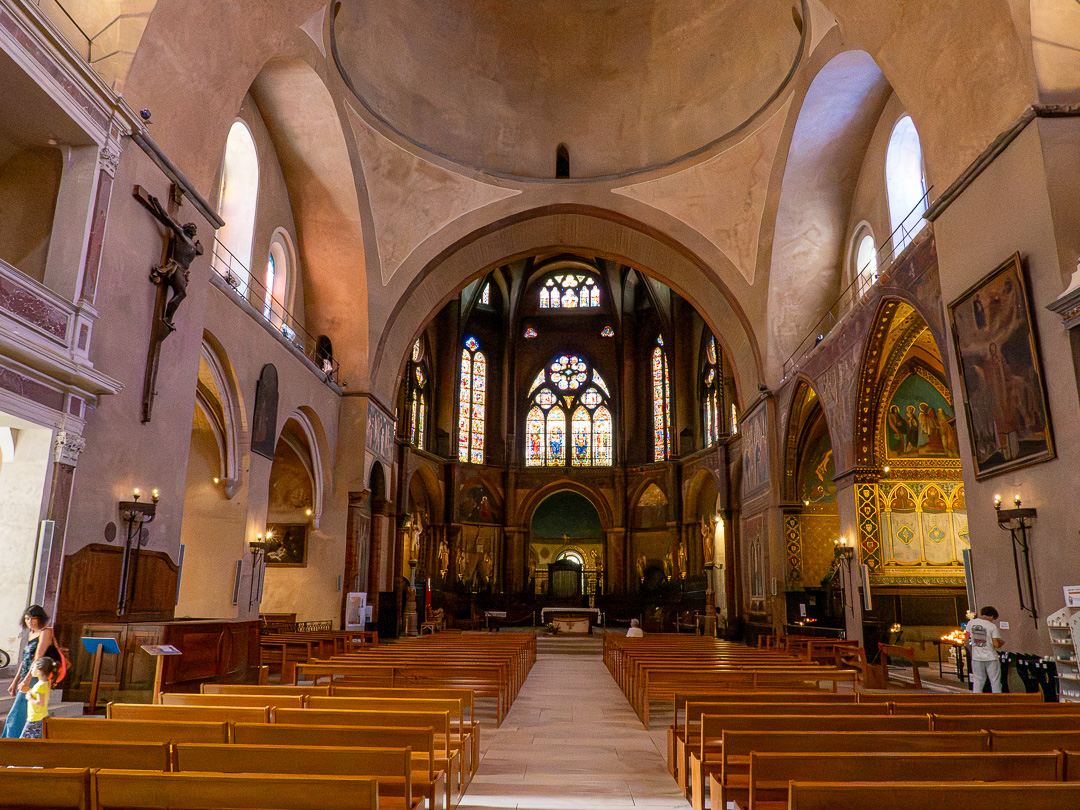
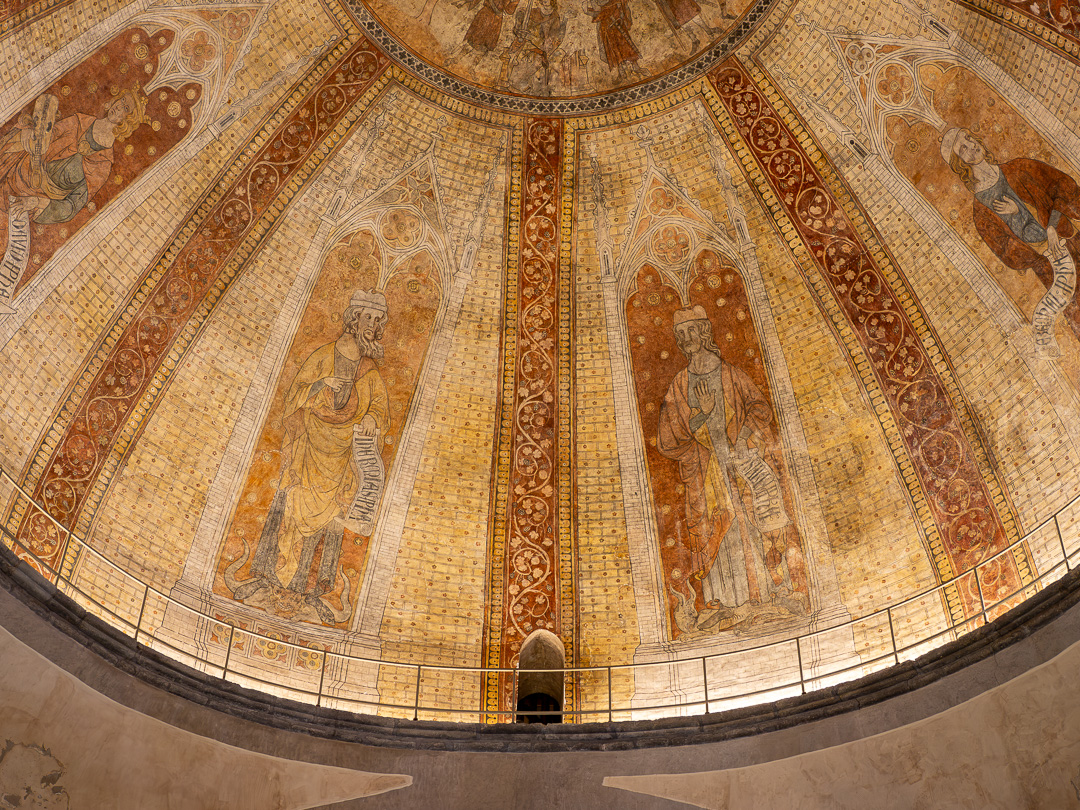
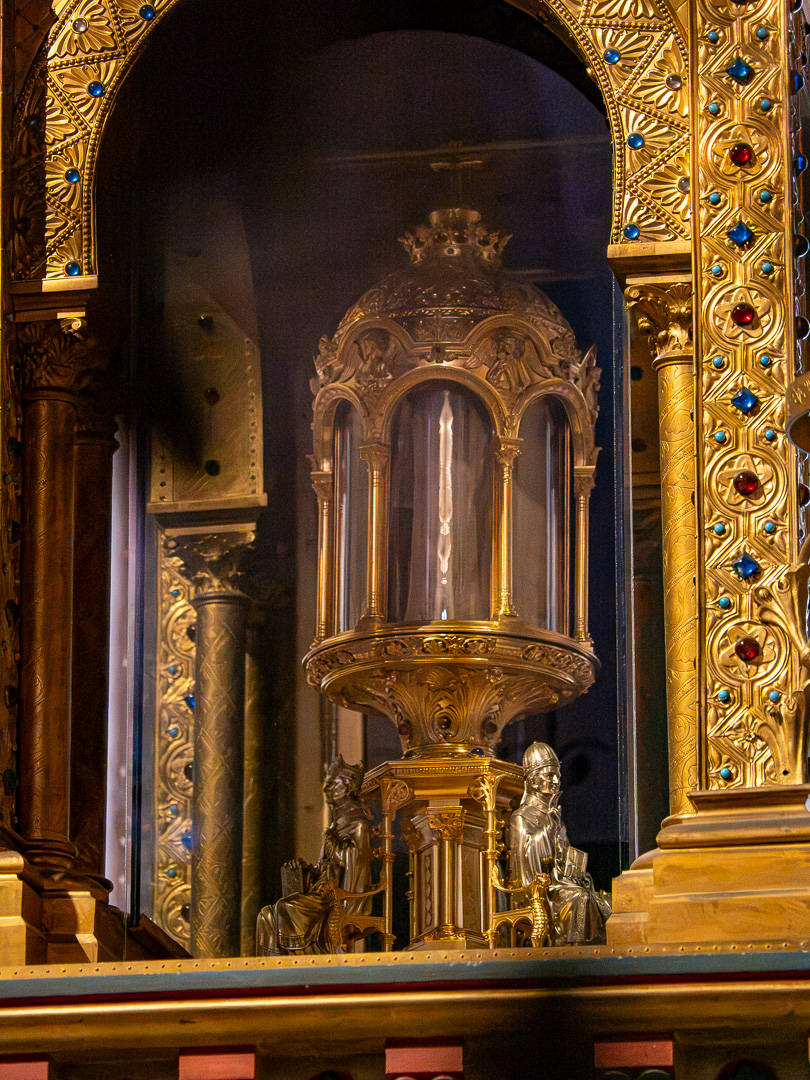
It famously houses what the faithful believe to be the cap of Jesus Christ at the time he was crucified. It is held in a gold reliquary behind the altar:
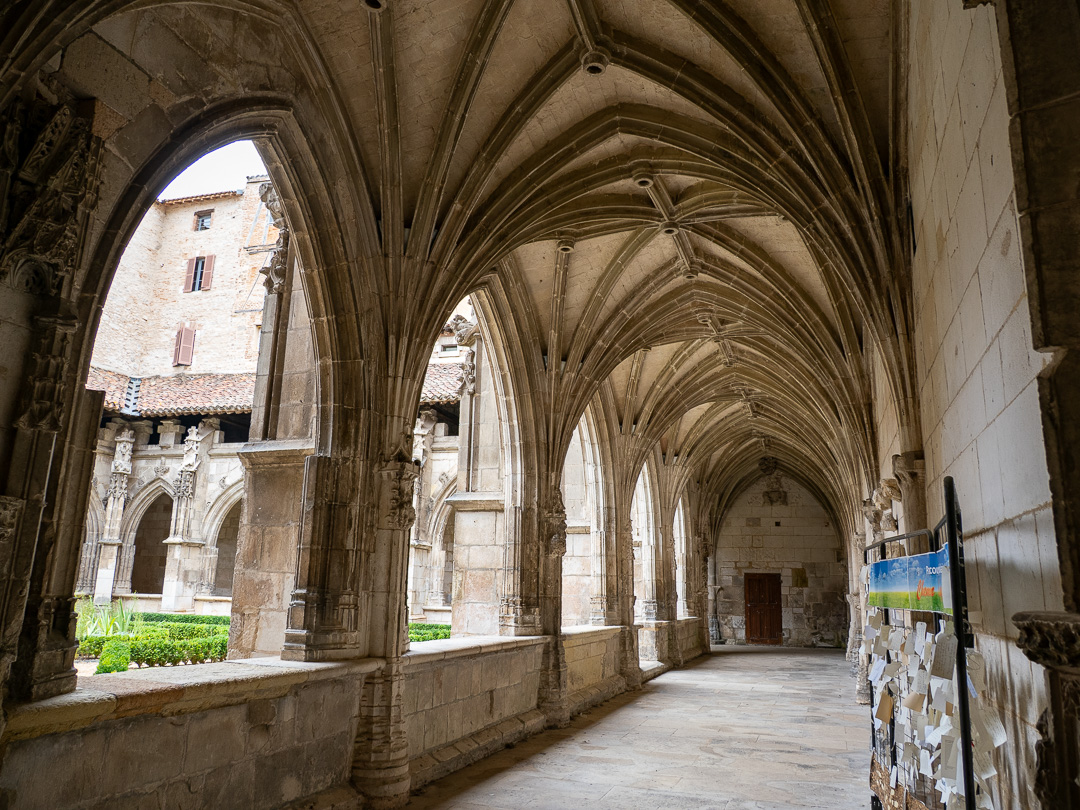
There are also some cloisters attached to the church:
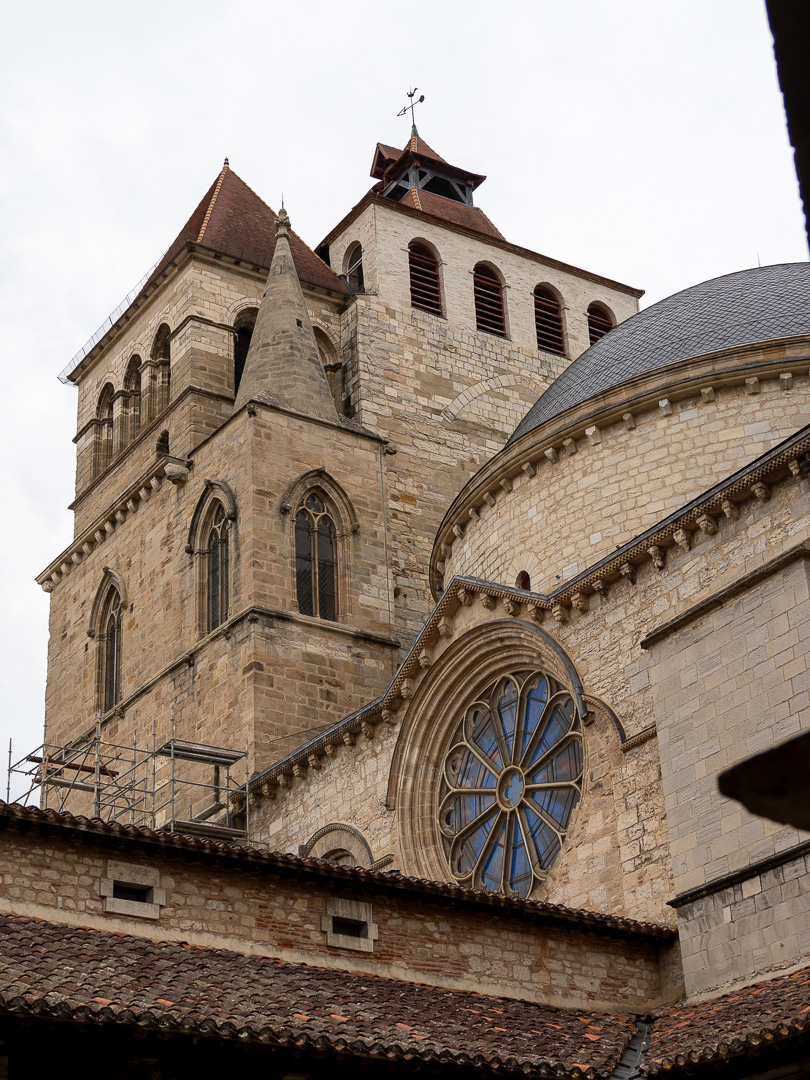
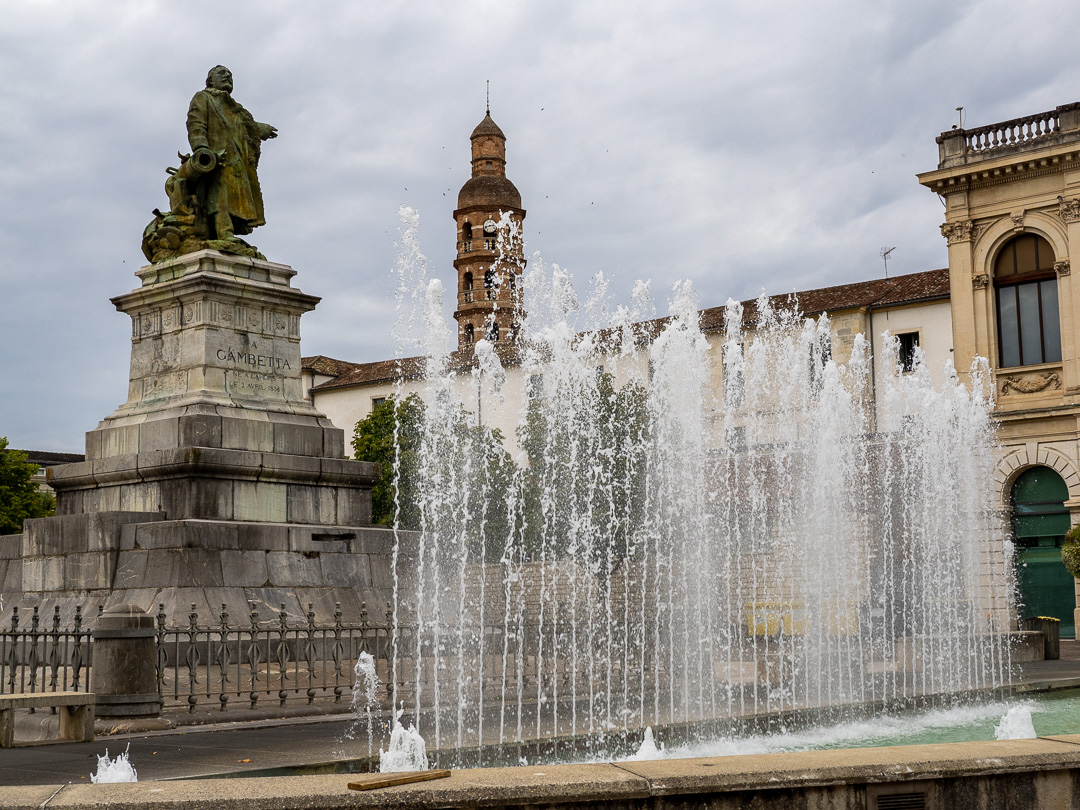
Of course we explored further:
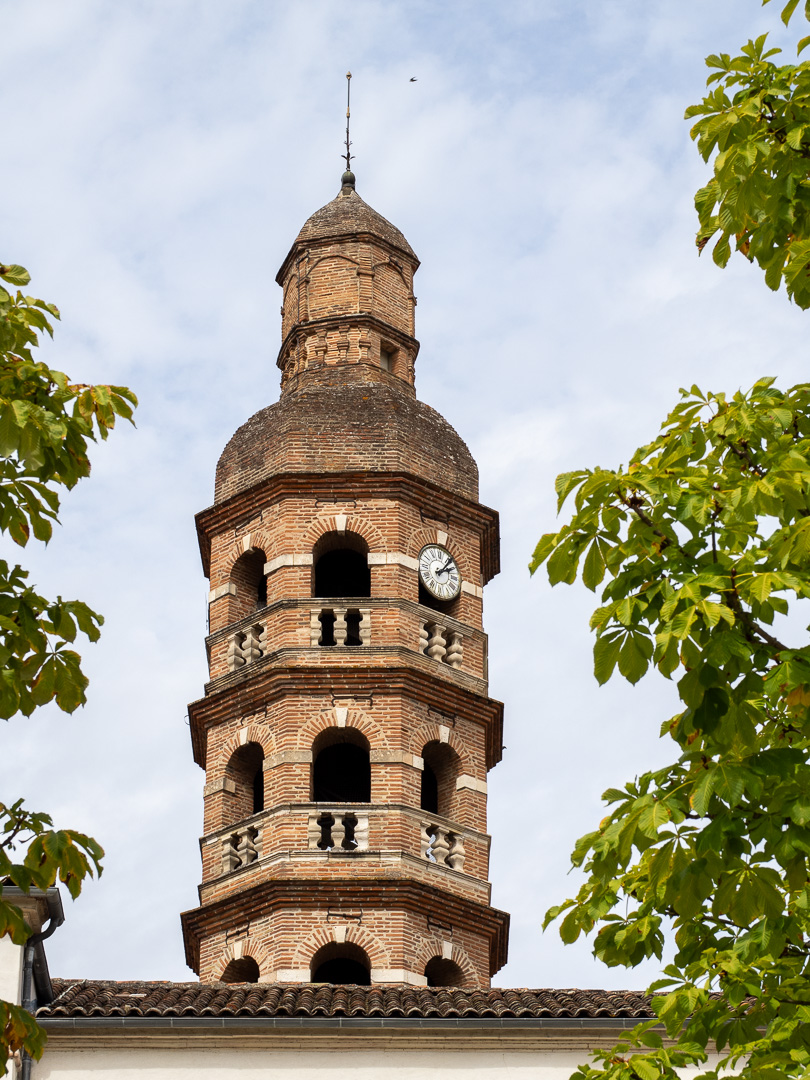
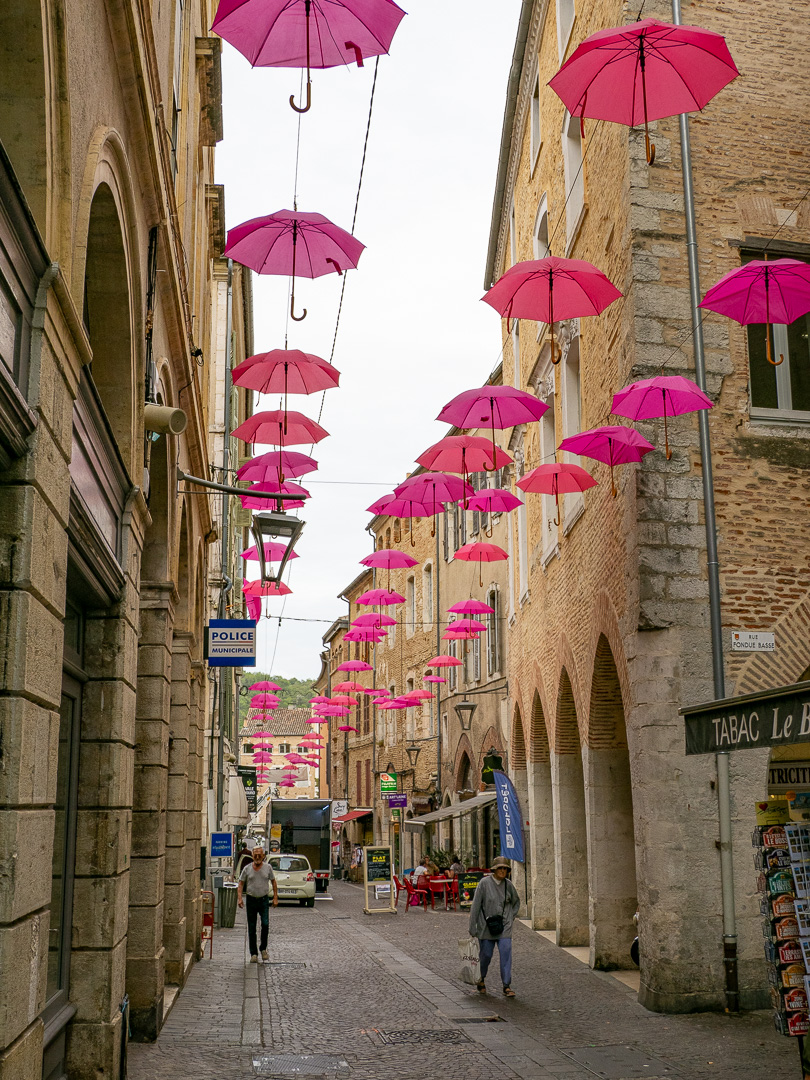
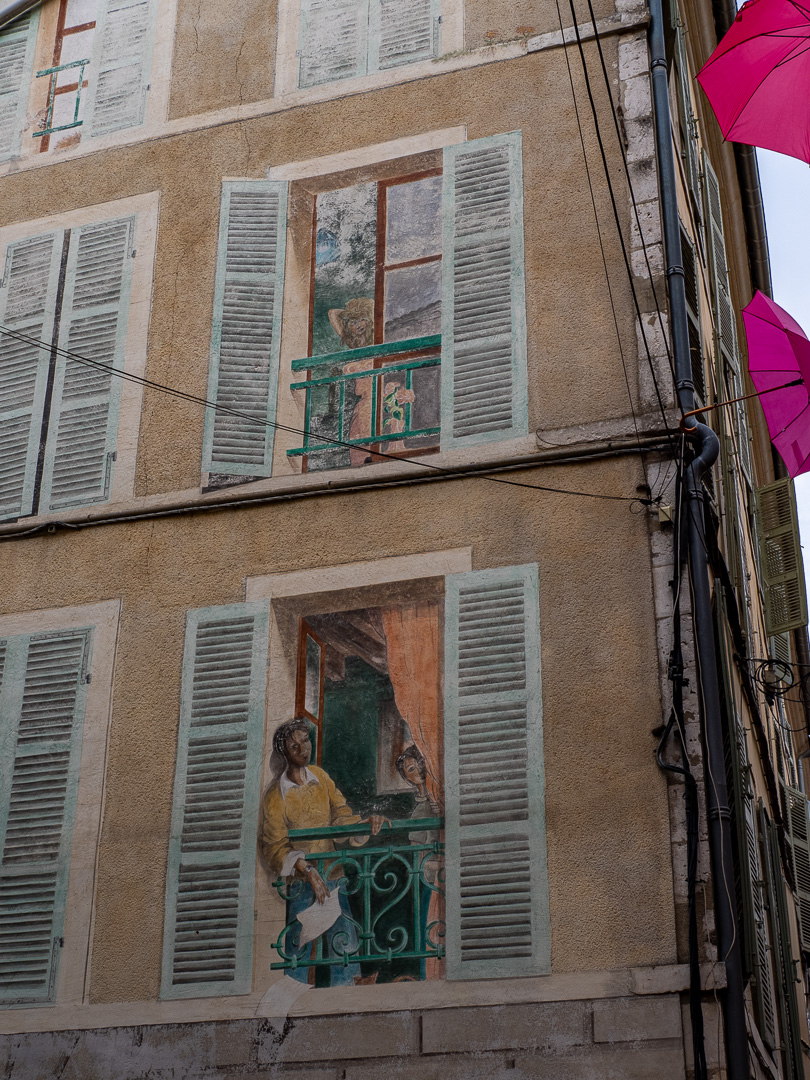
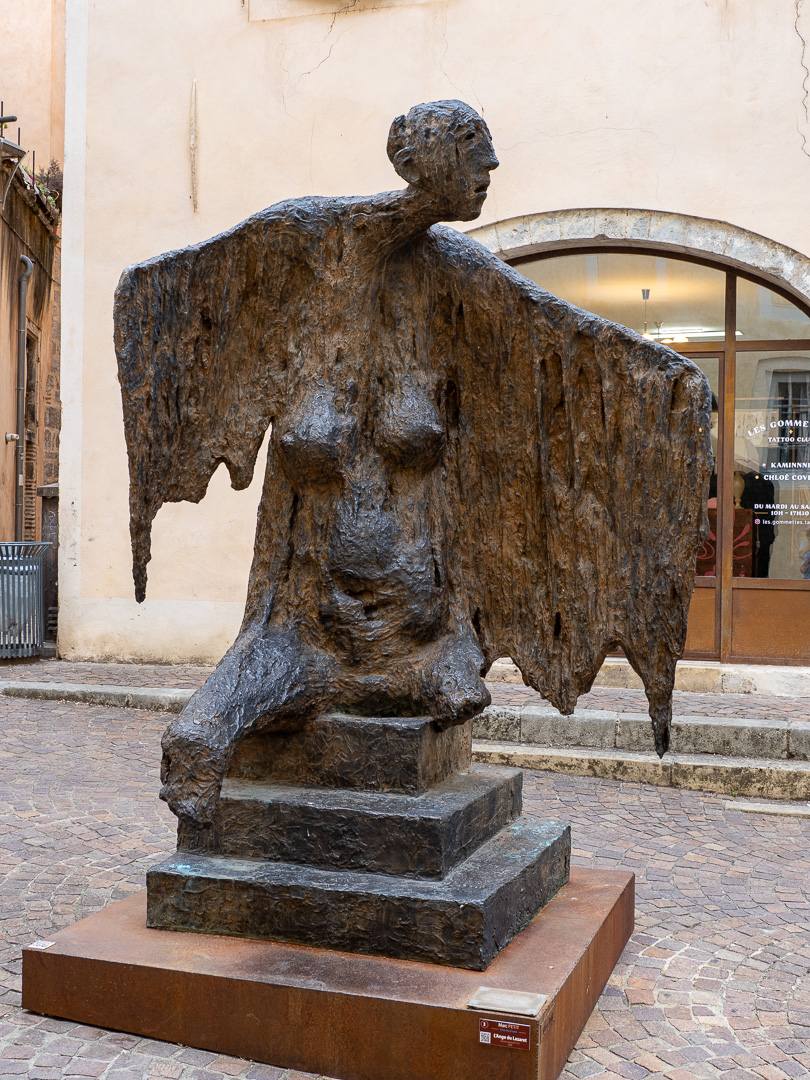
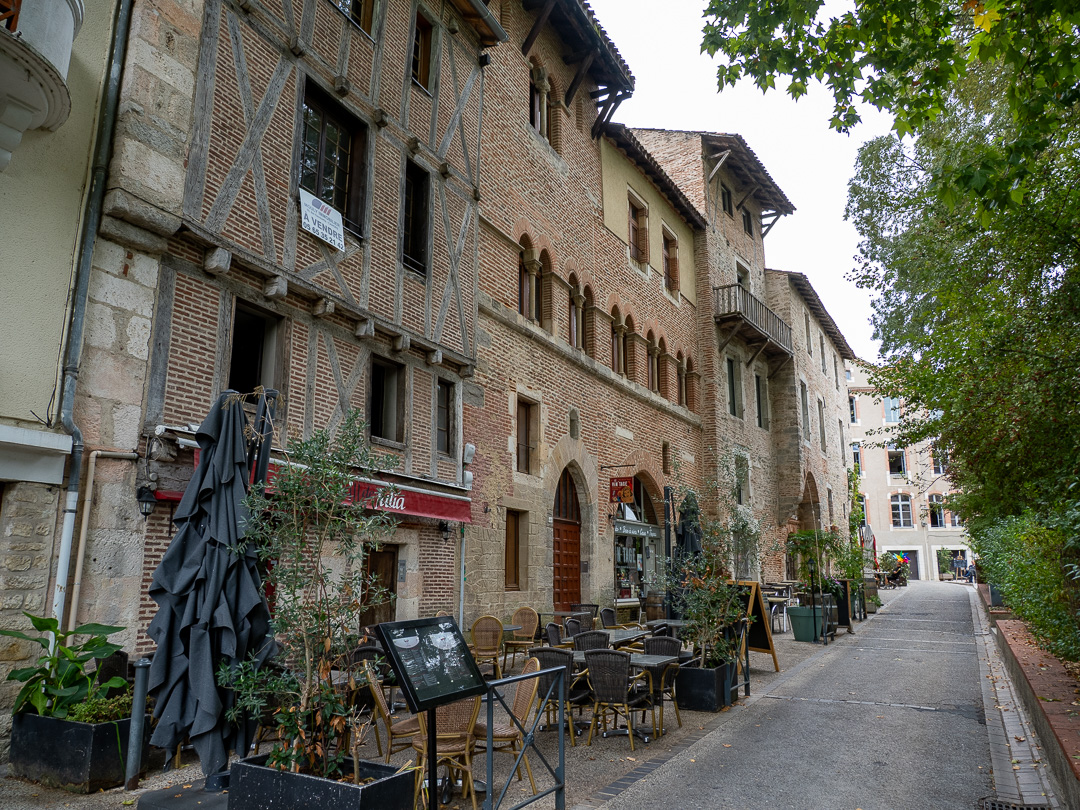
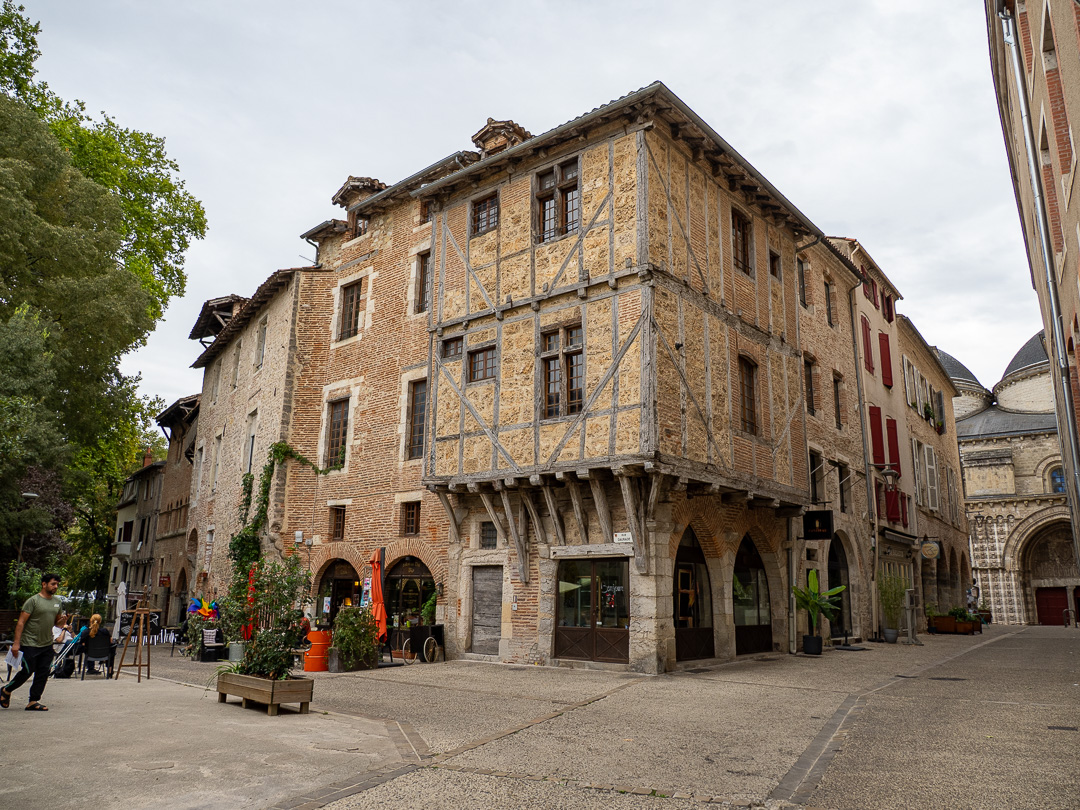
There are many very narrow alleys in this part of the city:
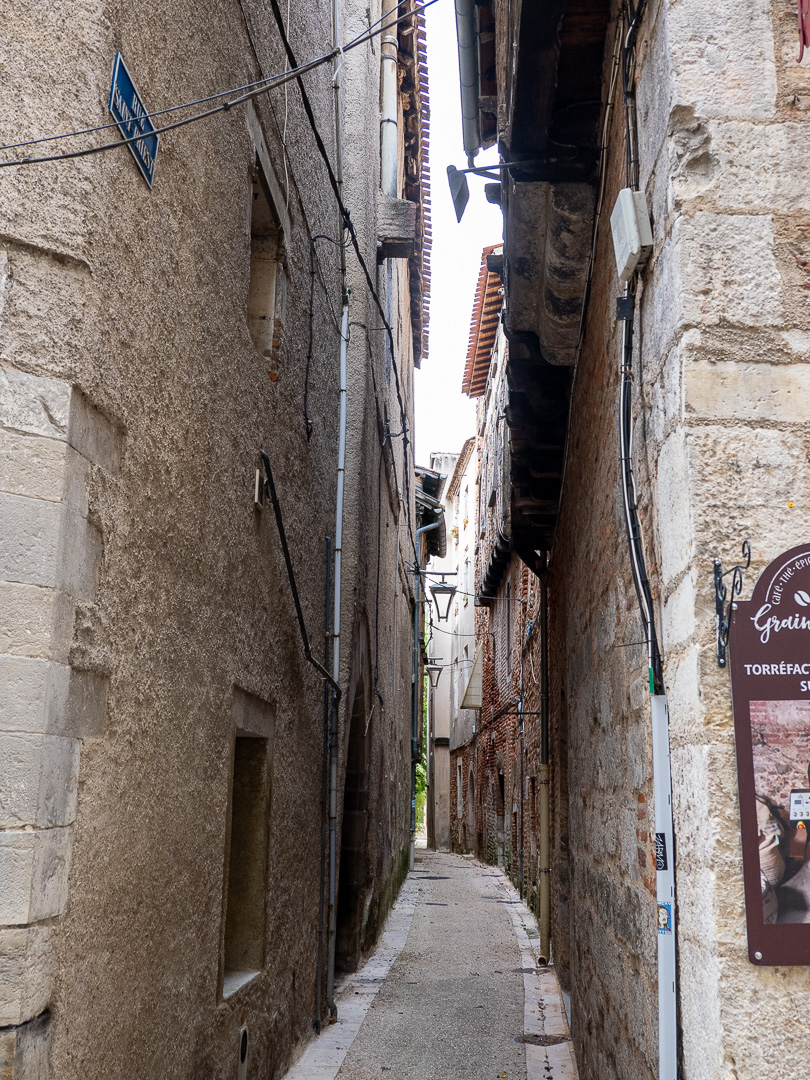
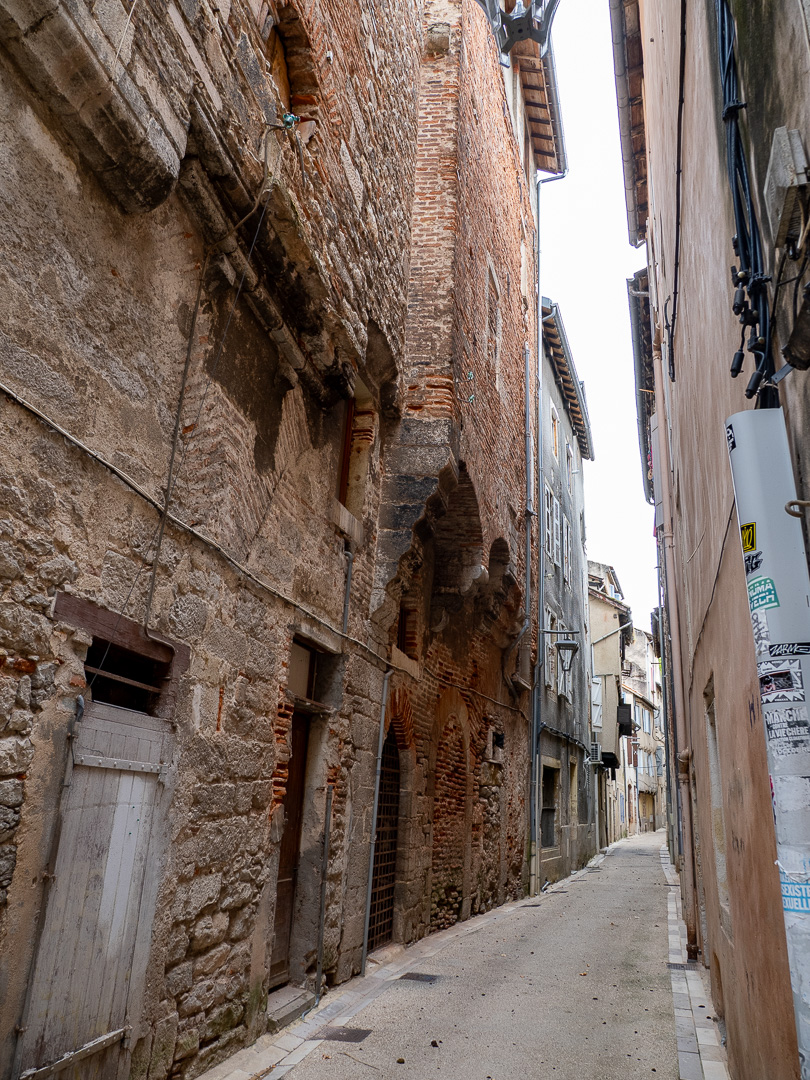
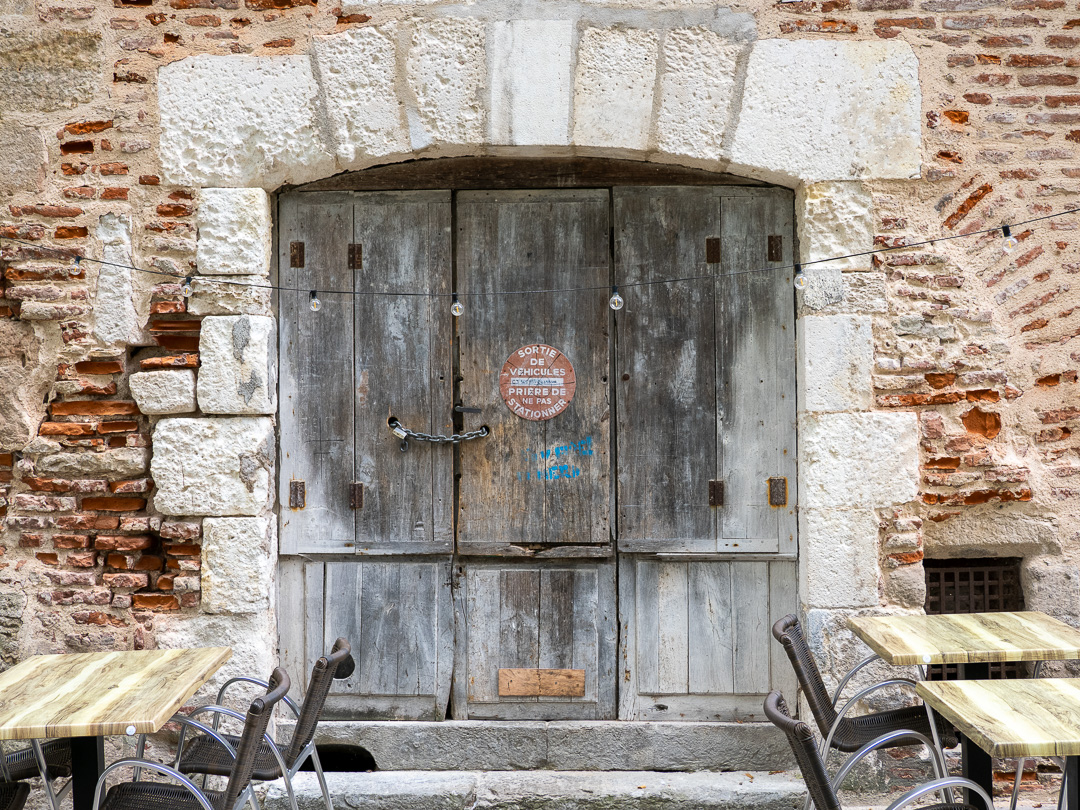
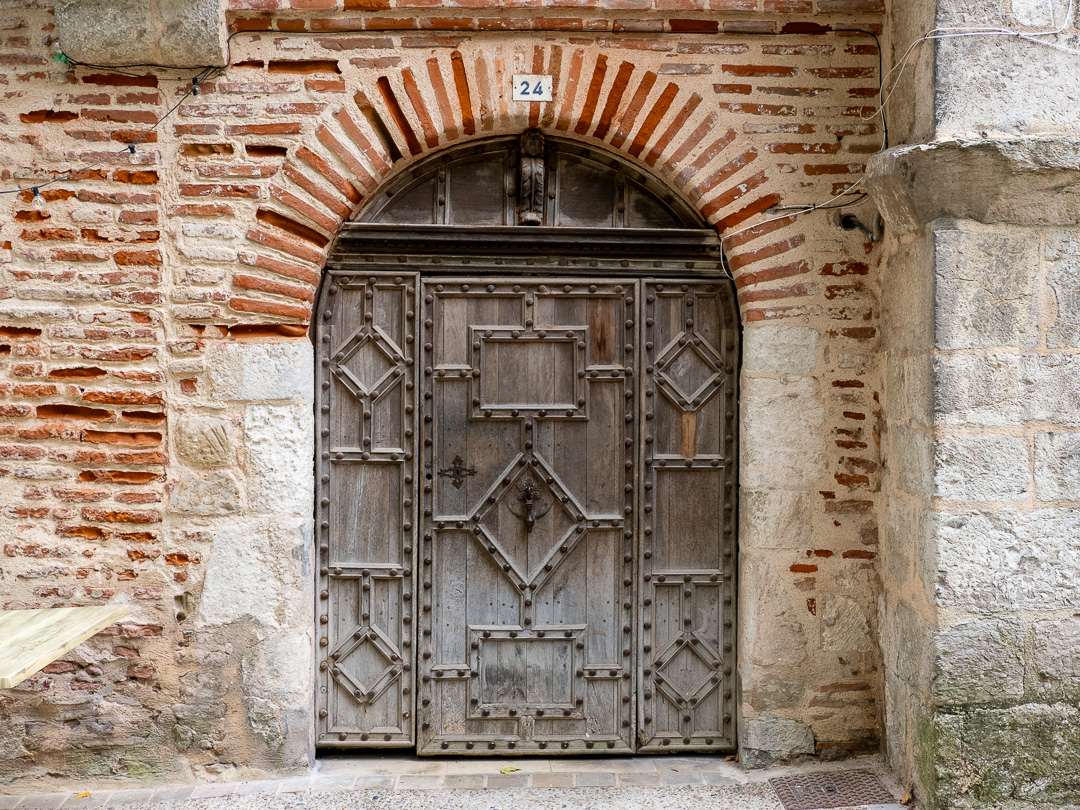
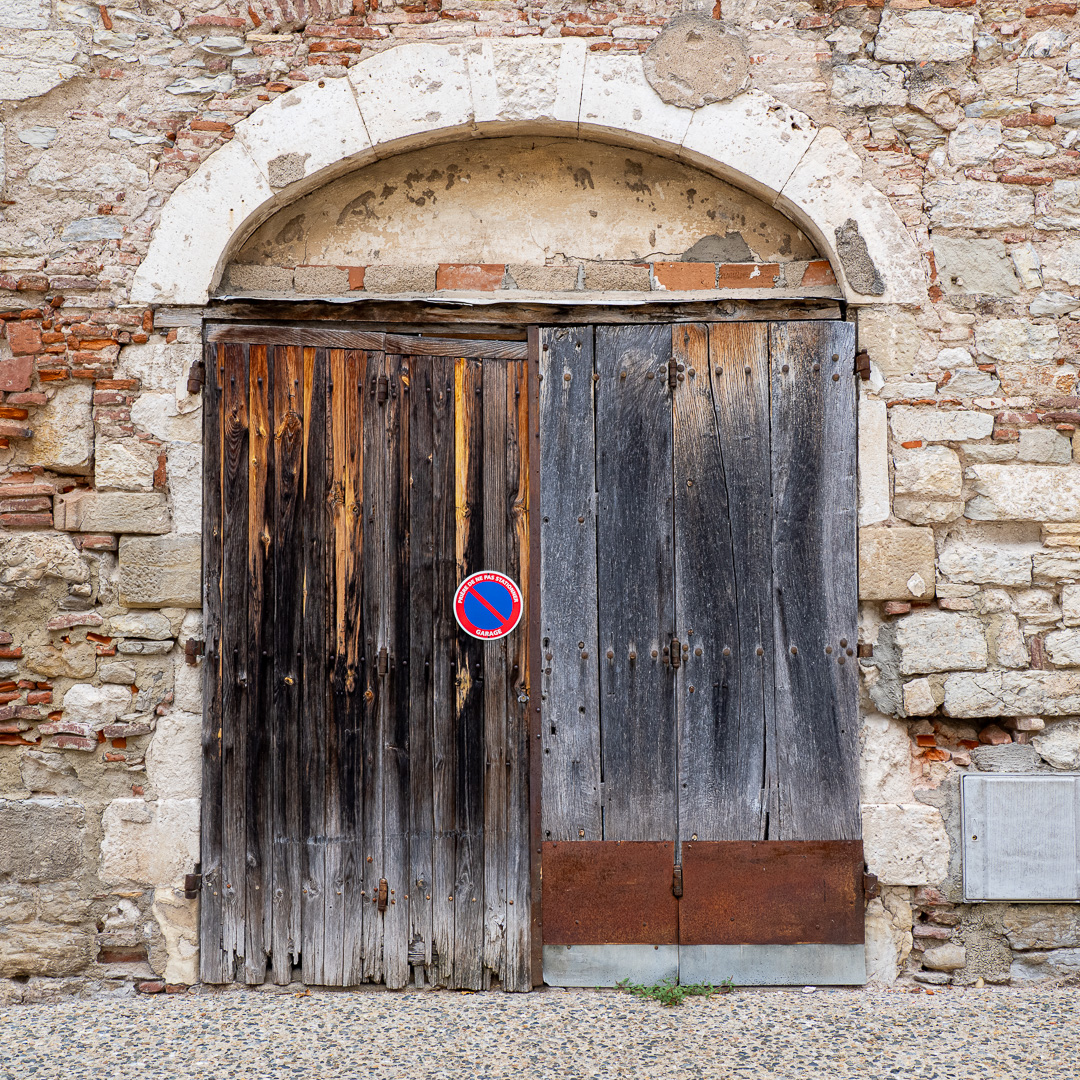
…and some interesting doors:
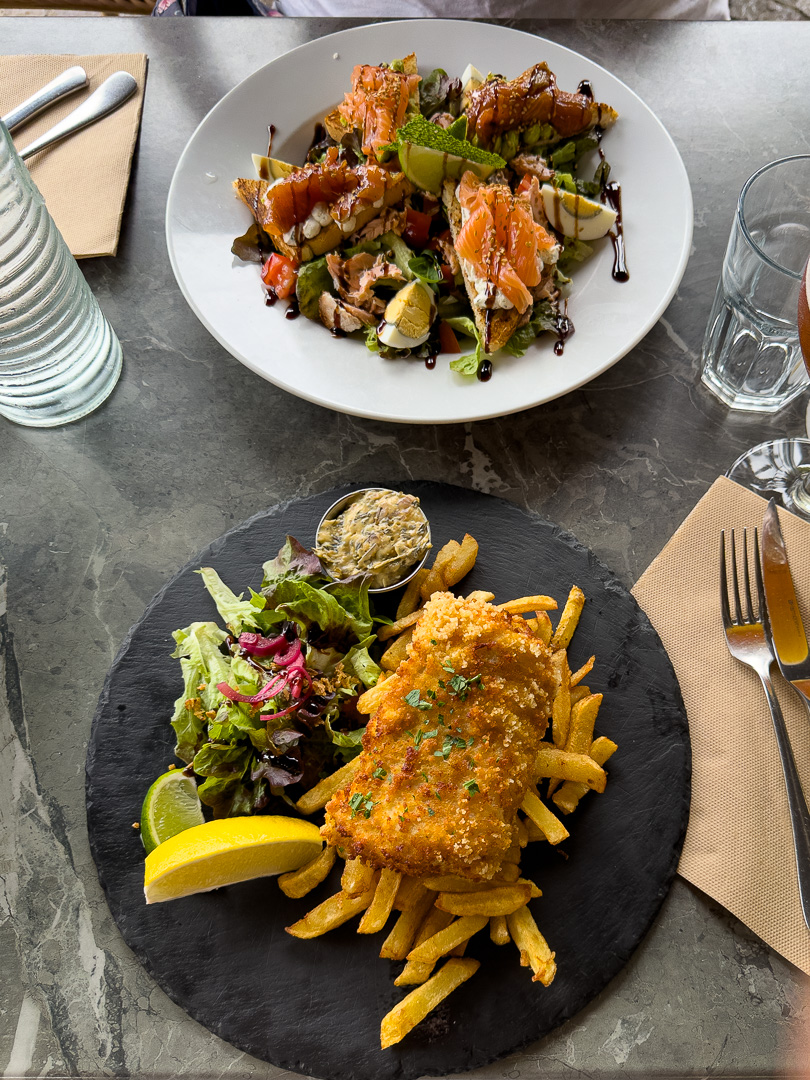
We enjoyed lunch whilst we were there. Mine, the fish and chips (not bad) and Alison’s, the smoked salmon salad, which I am told was excellent.
That is it for now. TTFN and see-u-later.


France is just fantastic isn’t it, and looks like you’re enjoying good weather 😀
LikeLike
Hi Jim
Yes France is brilliant. We love it.
Weather ok until today, but today we are completely rained-off. Risked a quick wander around the village, but not for long before the rain restarted. Bought a couple of bottles of wine from the local vineyard though.
LikeLiked by 1 person
You are starting to reach my part of France.
LikeLike
Hi again Mélodie
Where is your part of France? Hope we manage to get there.
LikeLiked by 1 person
South West, between Agen and Auch and studied in Toulouse. Also my family is from around Tarbes and I spent a lot of summer holiday around Bézier 😊.
LikeLike
Hi Mélodie
Sadly we missed Tarbes, but called at Abbaye l’Escaladieu, not to far away. Likely to be travelling further west, then north, heading up the coast.
A lovely part of the world. We love much of France.
LikeLiked by 1 person