

Thu 15th to Sat 17th October 2026
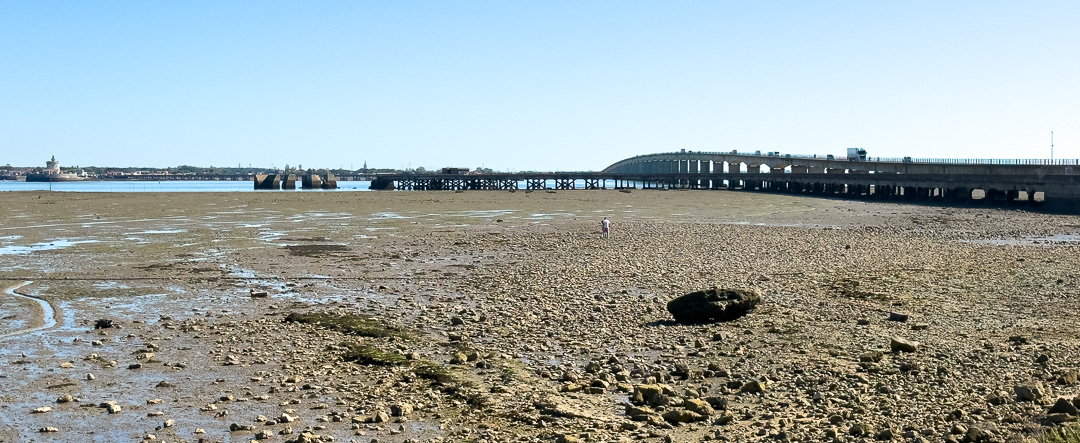
After leaving Clos Vieux Rochers, we headed for the coast and to the Île d’Oléron. The site for our stay was at St-Denis-d’Oléron, a small town at the far, northernmost tip of the island. The island is around 22 kilometres long and you cross using a viaduct at the southern end.
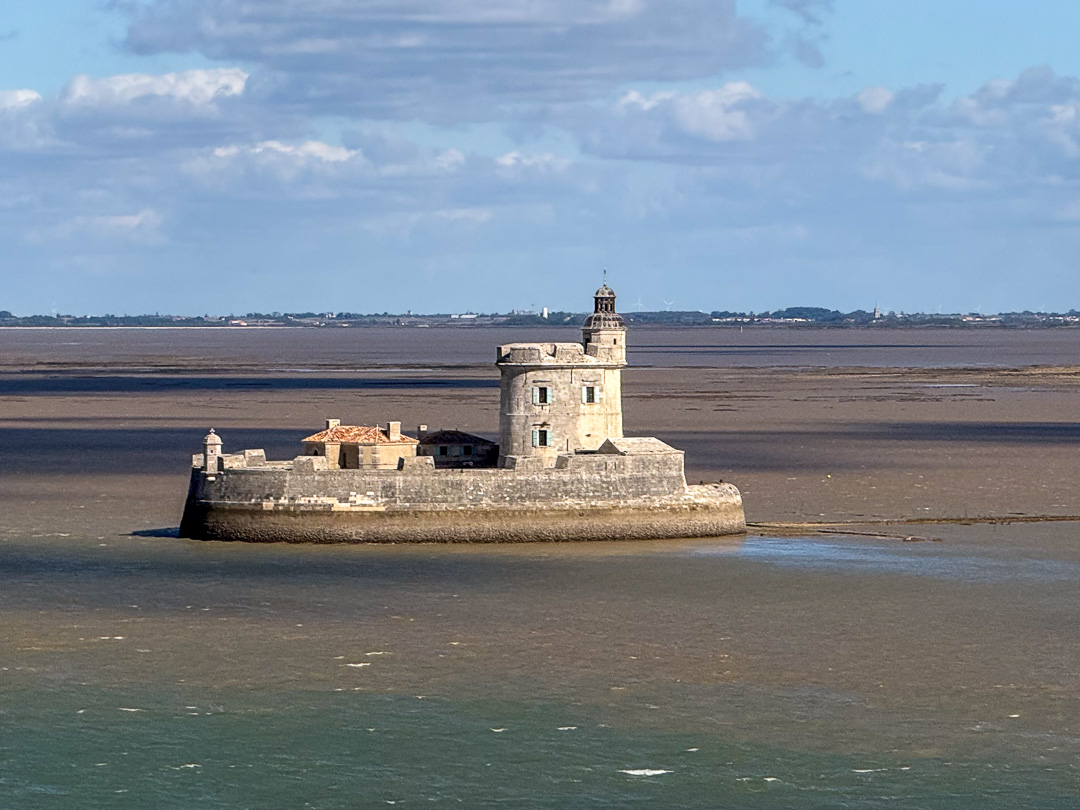
It had been a long journey so we left the exploring to the following day, on our bikes. We visited the lighthouse and the town itself for lunch, later cycling over to the Atlantic coast.
On Saturday, we left the site and travelled to Château d’Oléron, a small town at the south east corner, before heading to Mornac-sur-Seudre, for the night, back on the mainland.
Dolmen d’Ore:
Stopping for a break just after crossing the viaduct onto the island, we discovered that we had parked-up right alongside a dolmen which had been excavated:
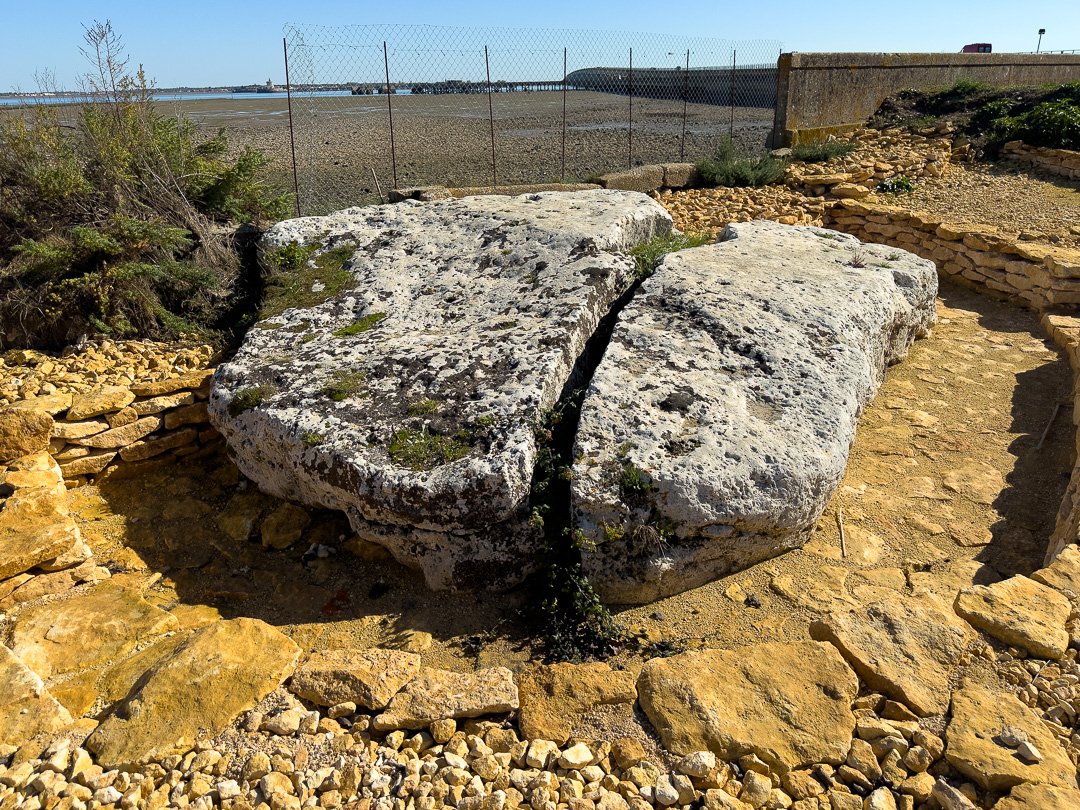
The information boards explained that this pre-dated Stonehenge and that there is evidence of human habitation on Île d’Oléron going back around 300,000 years.
St-Denis-d’Oléron:
Our cycle-ride on Friday, took us to the northern tip of the island and to the lighthouse there.
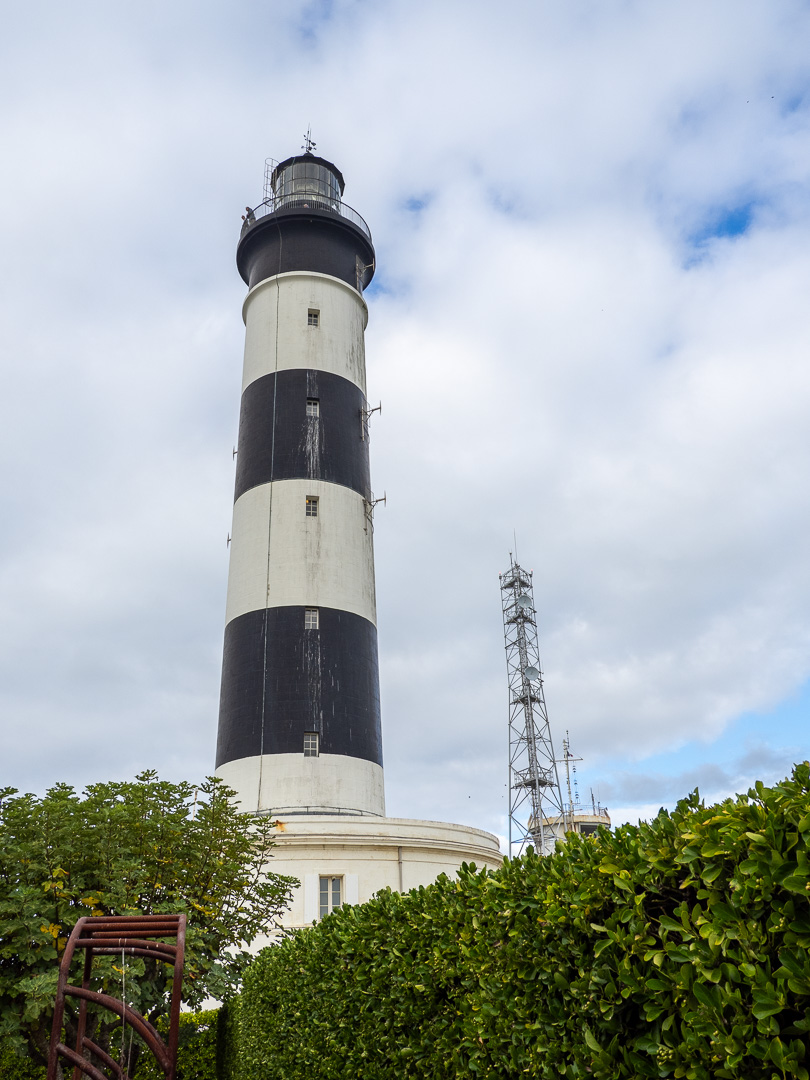
We duly paid our fee and climbed to the top. 225 stairs, climbing round and round, is no joke, but we made it, …if a little out of puff.
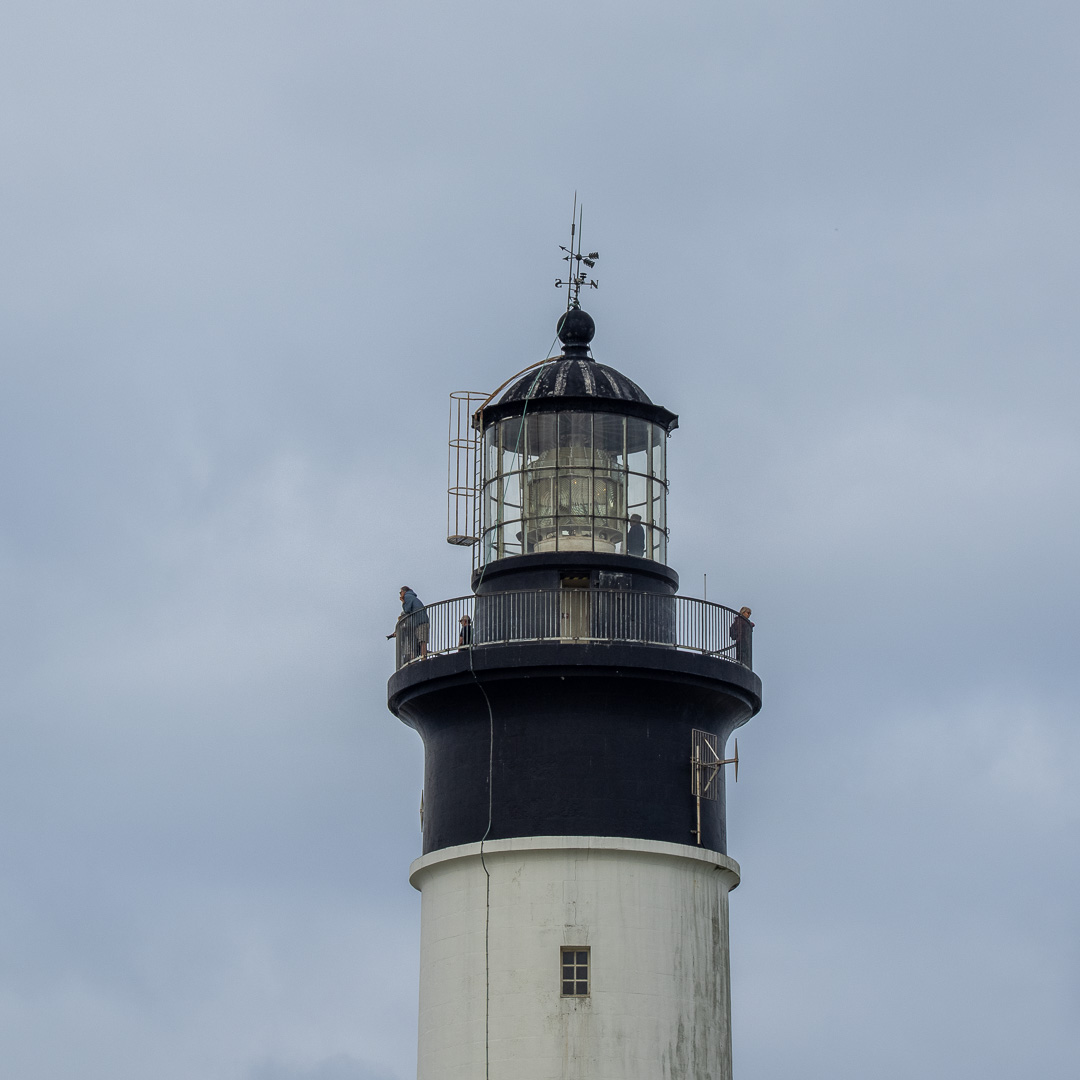
The reward was 360 degree views:
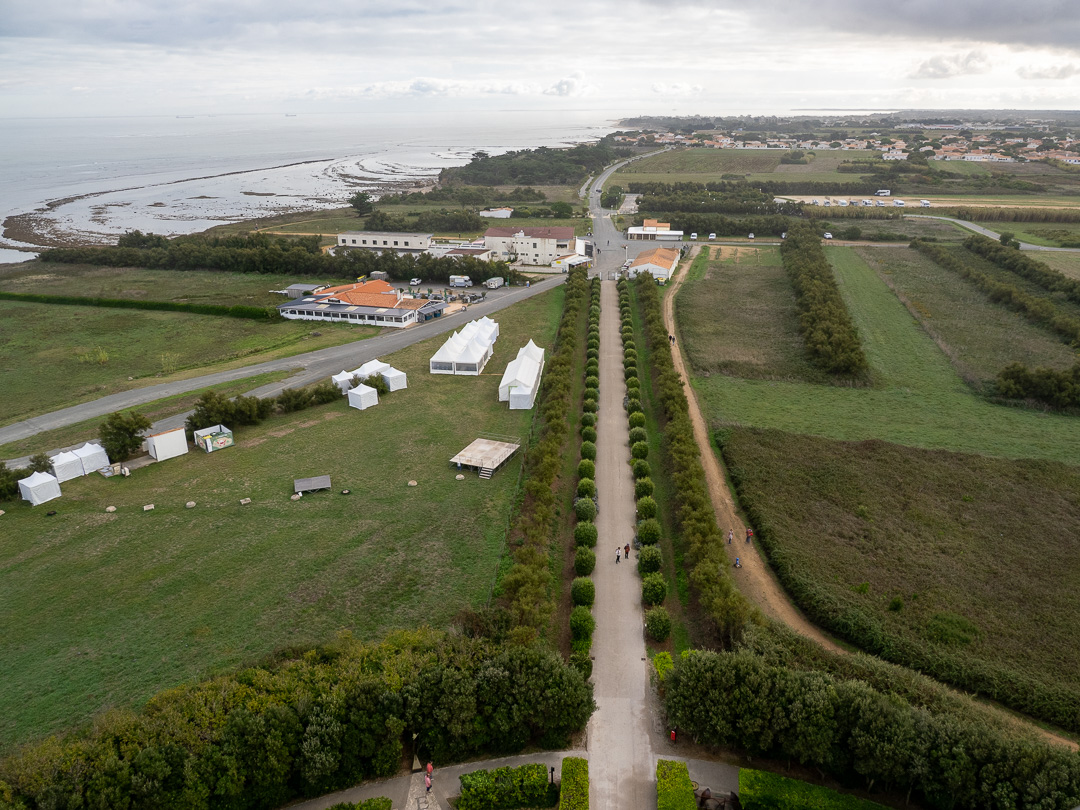
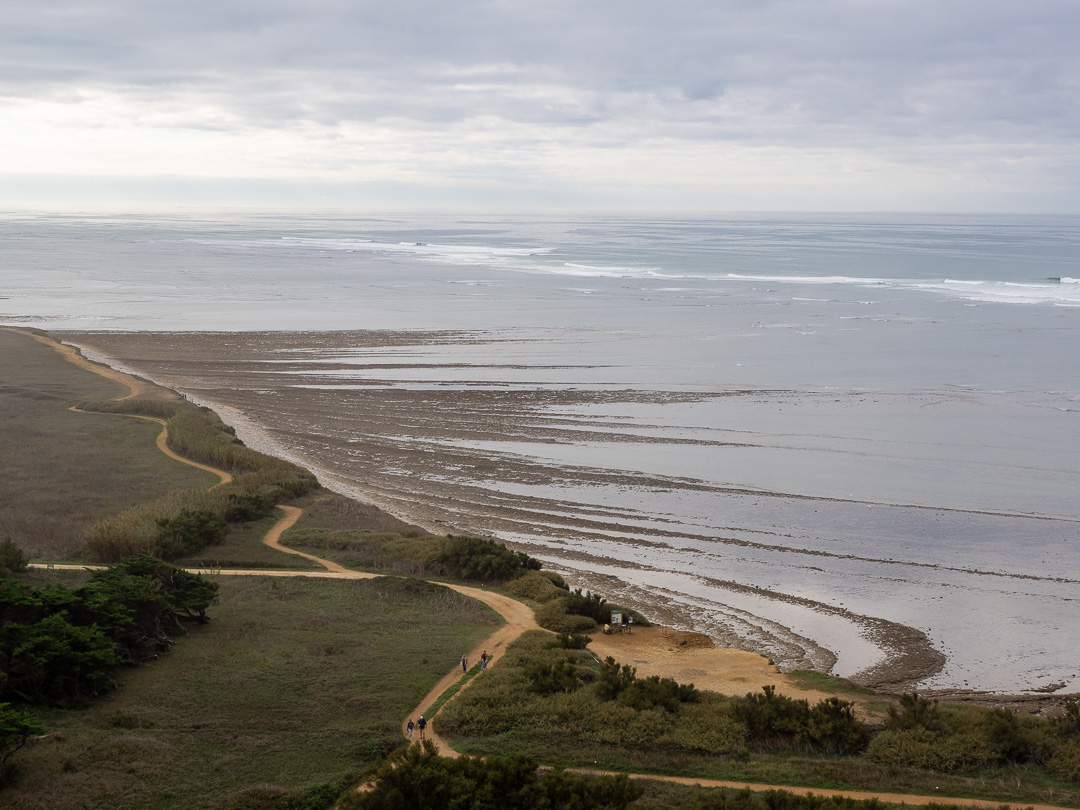
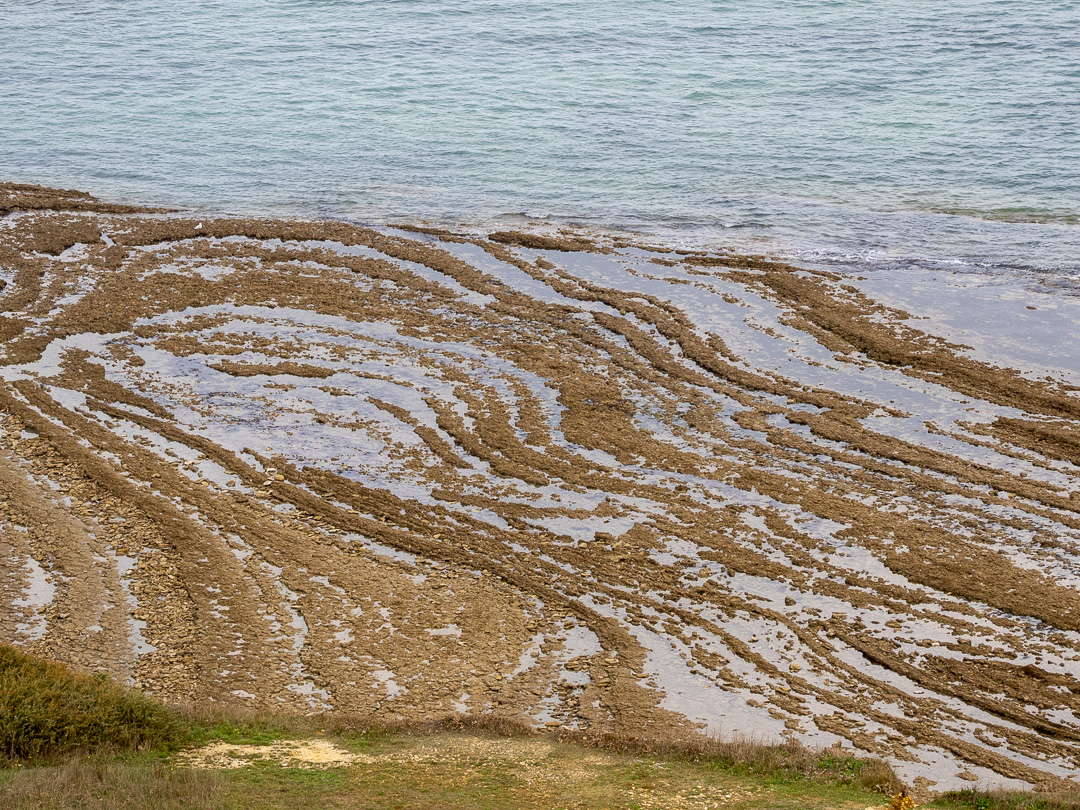
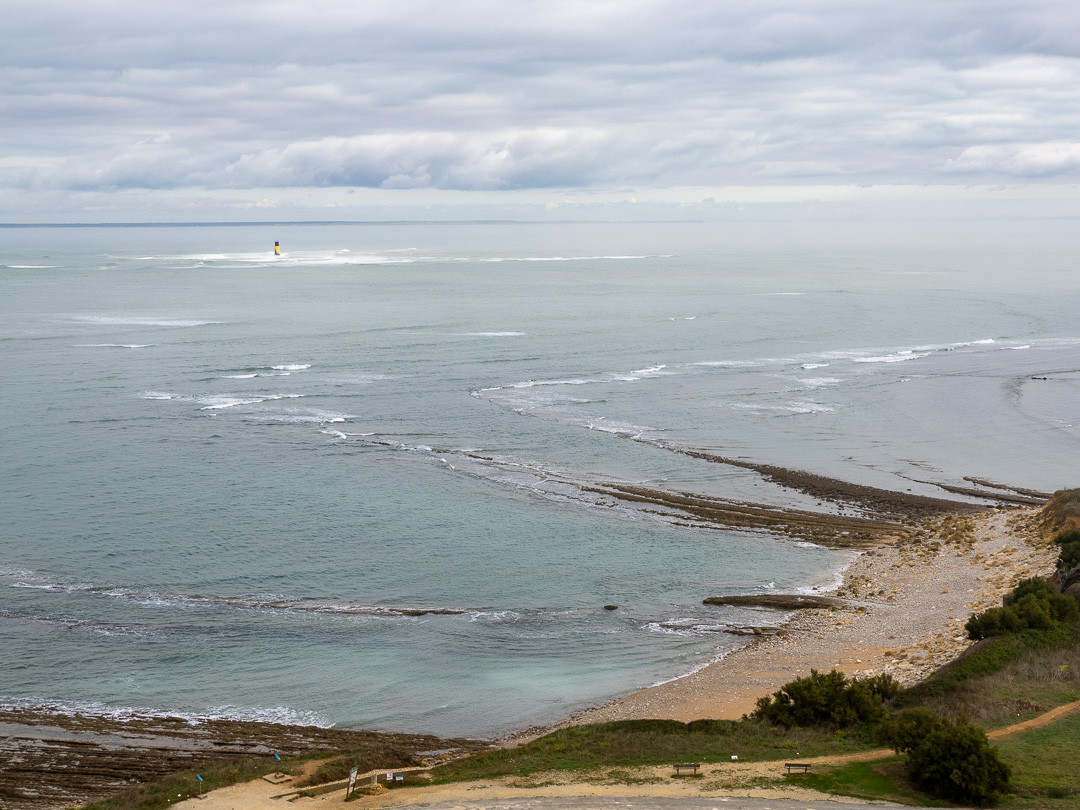
…before we headed back down:
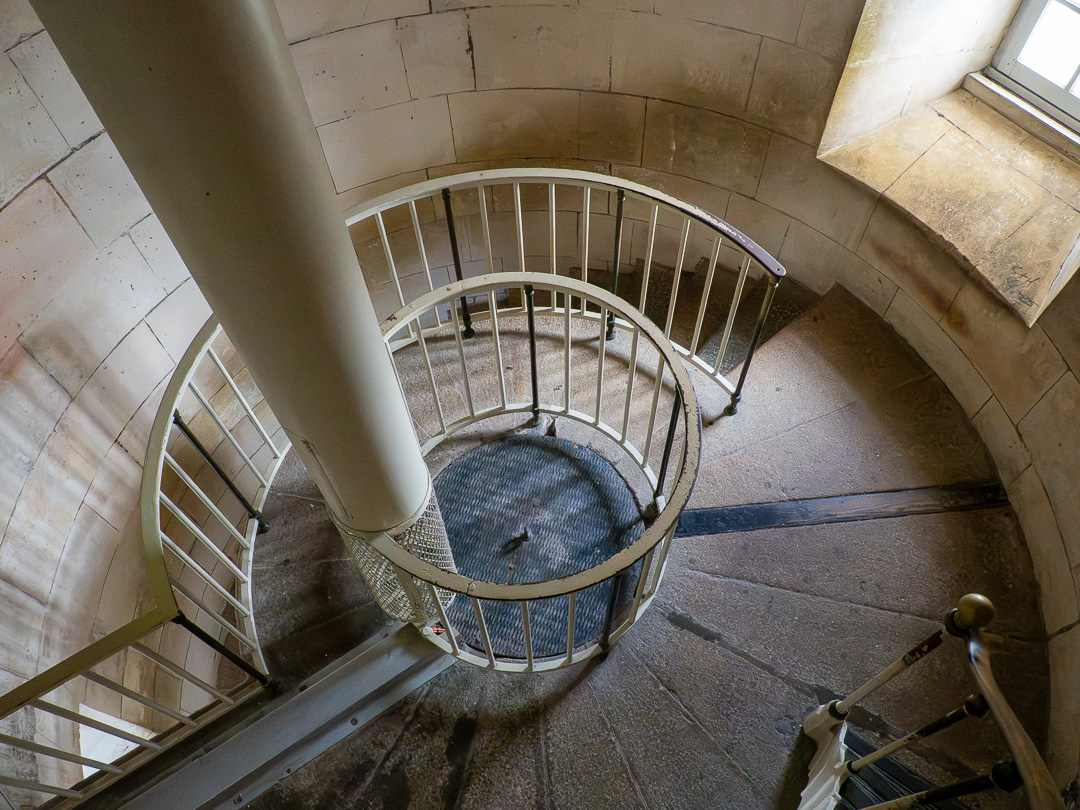
At the top. of the stairs, is where one of the lighthouse keepers would have slept:
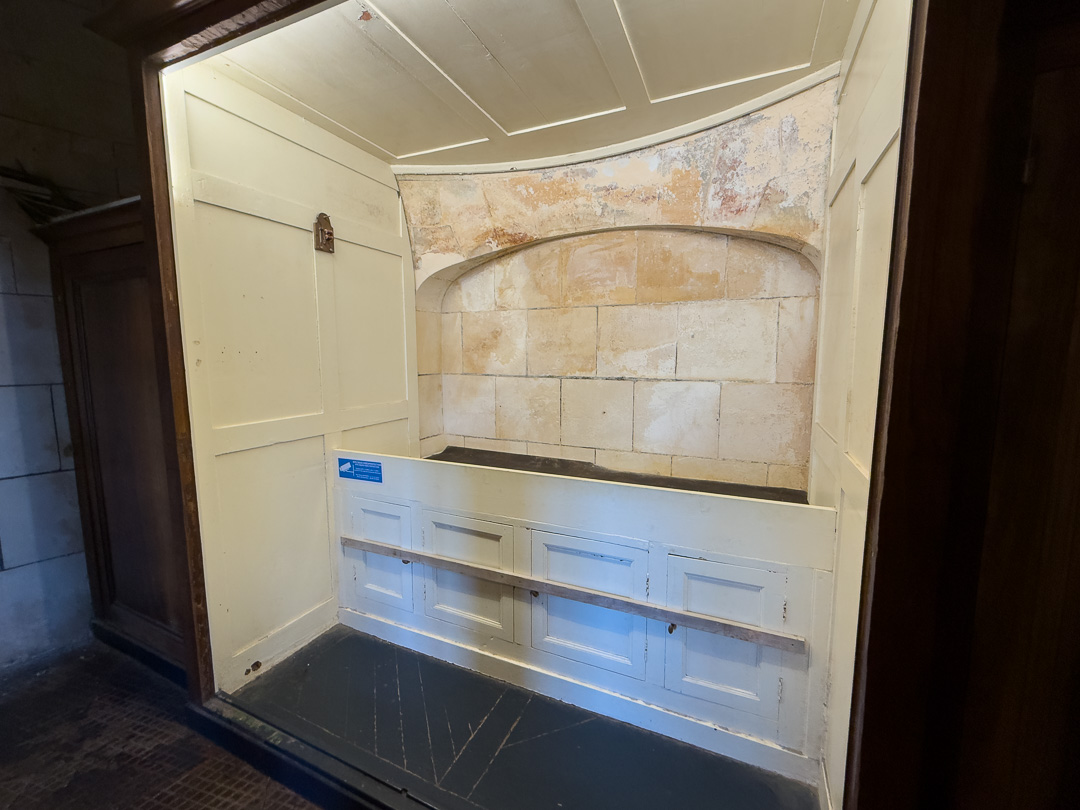
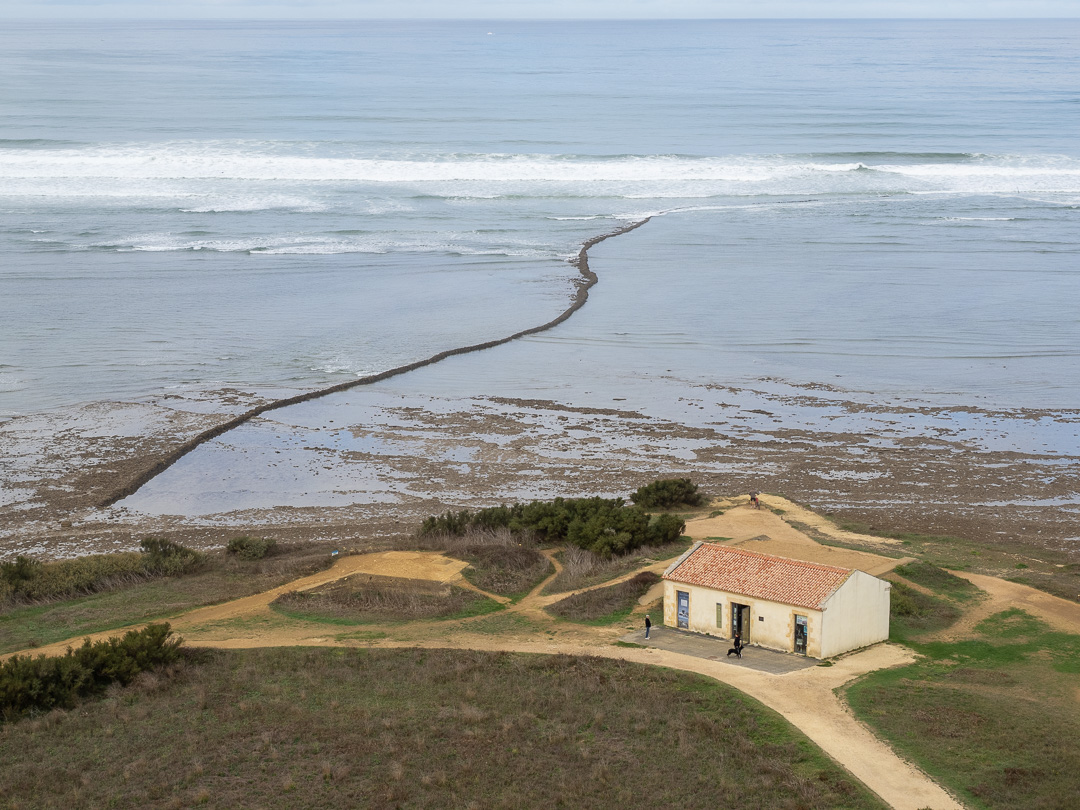
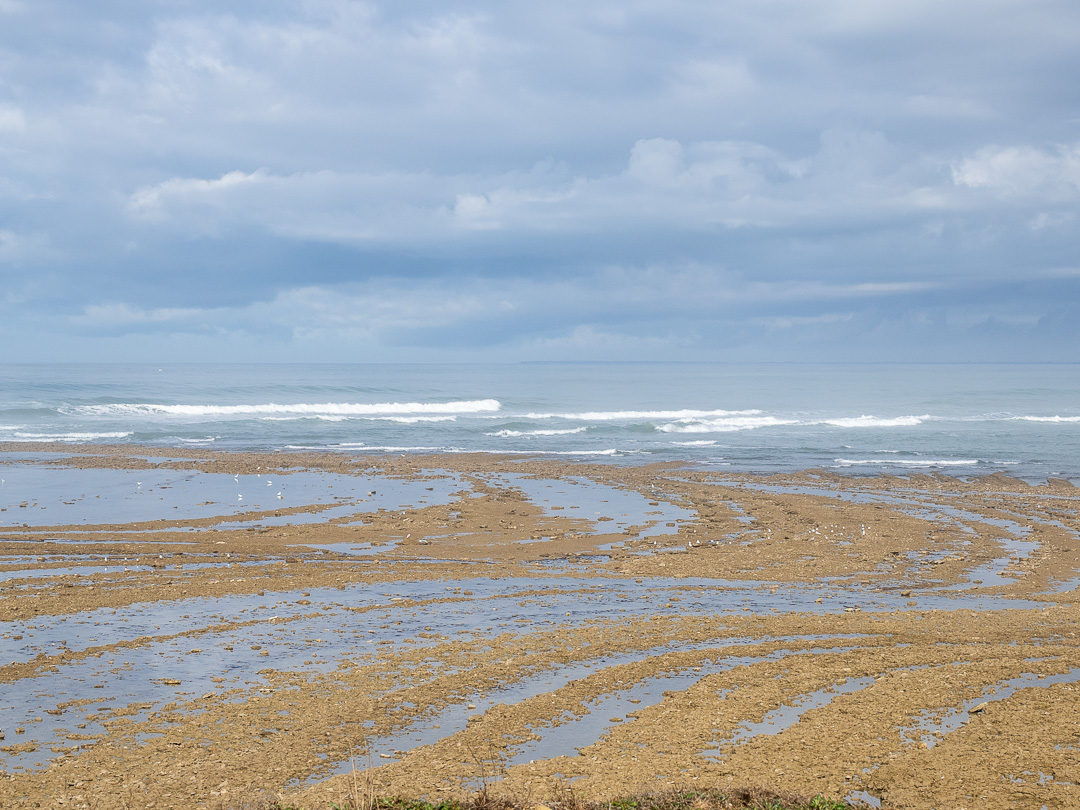
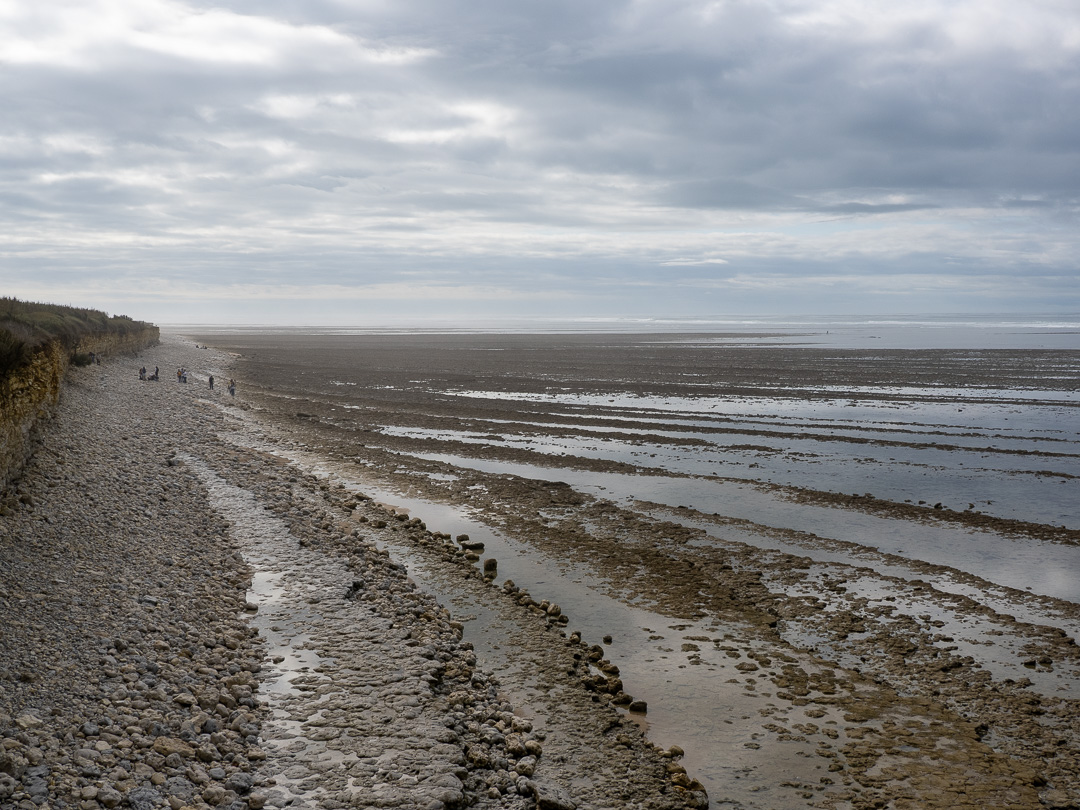
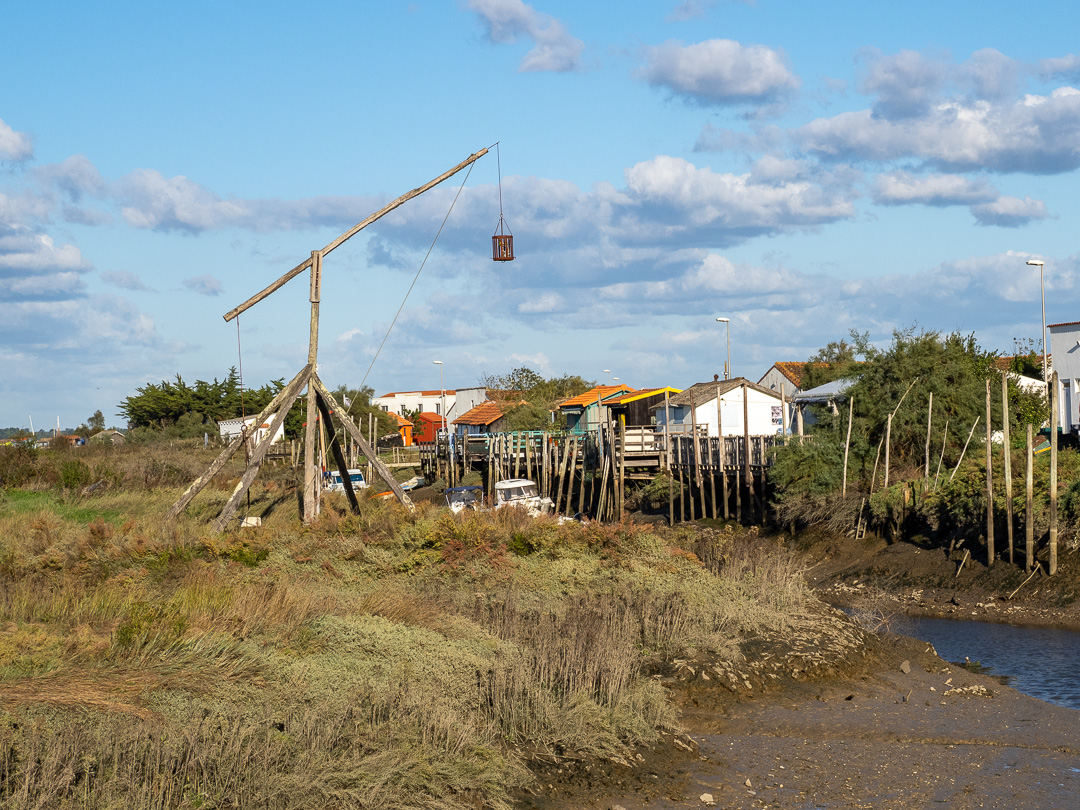
The coast is interesting here. For centuries, local people have caught fish in fish-traps which leave the fish behind after the tide goes out.
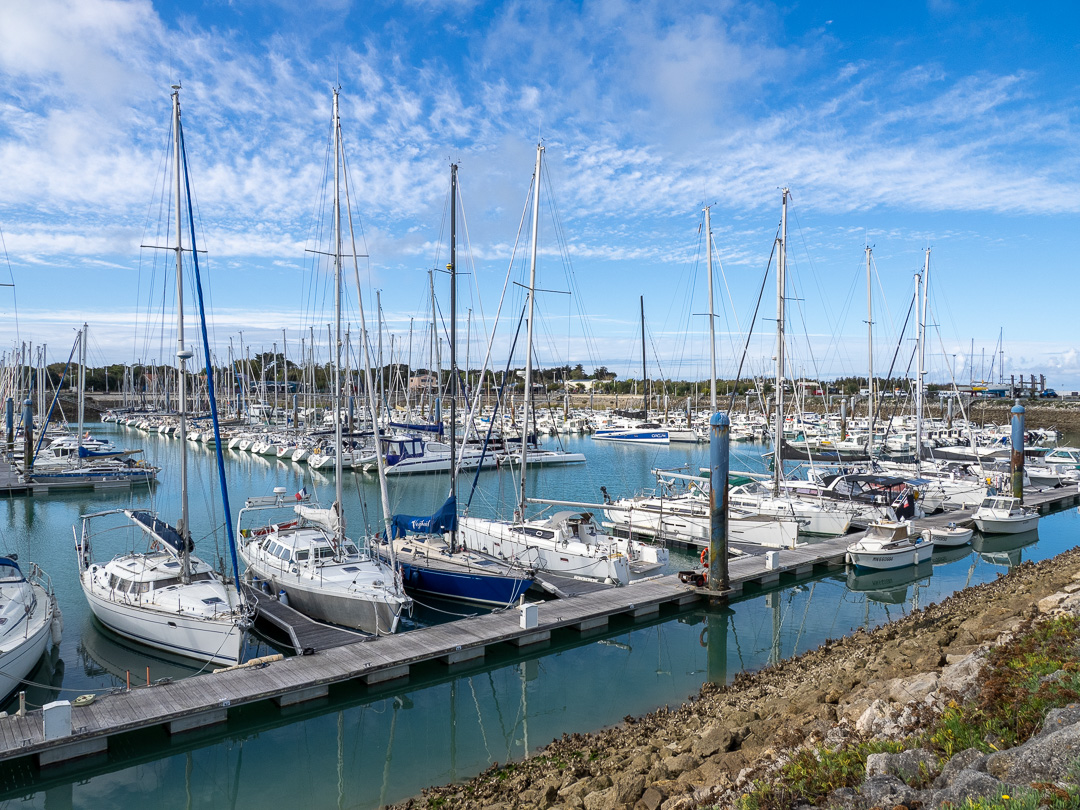
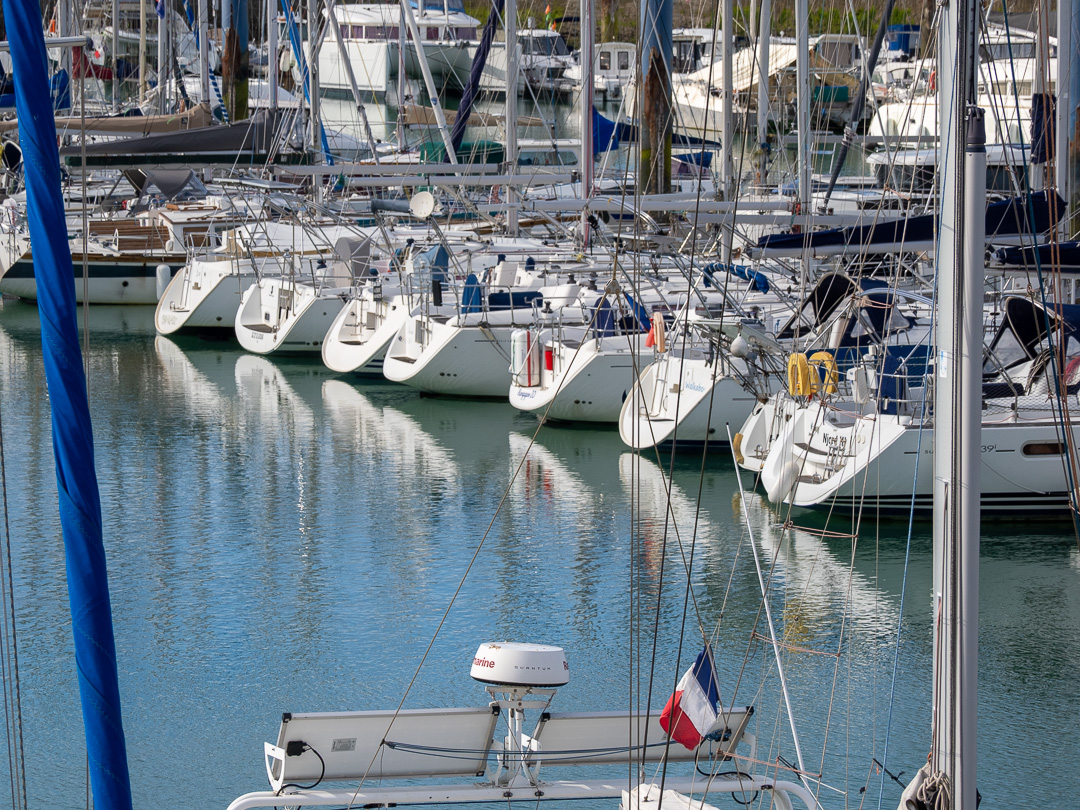
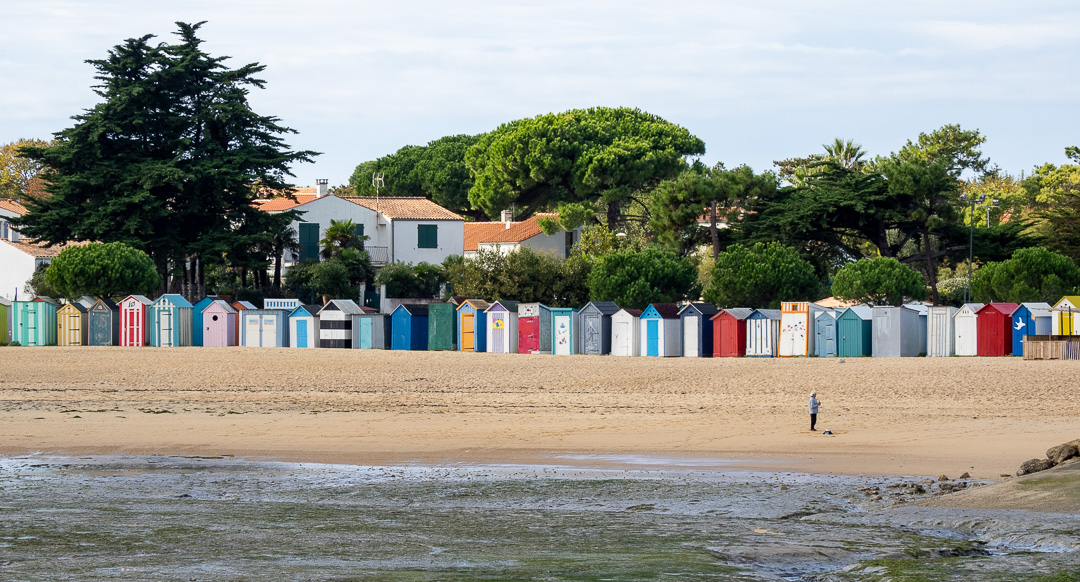
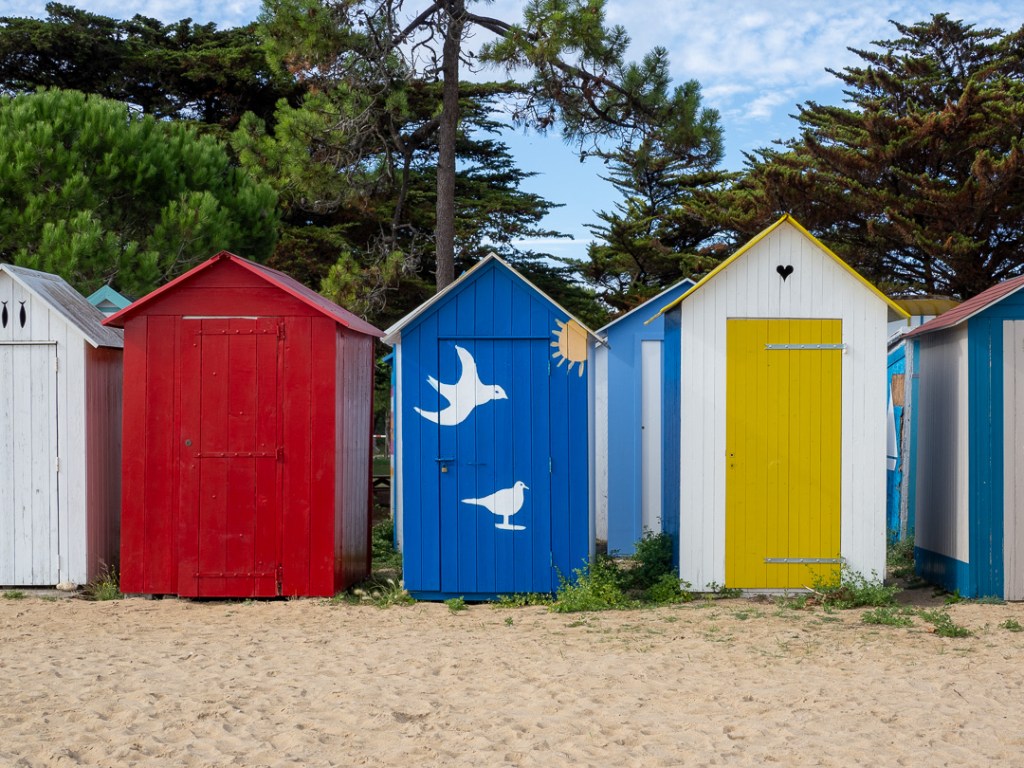
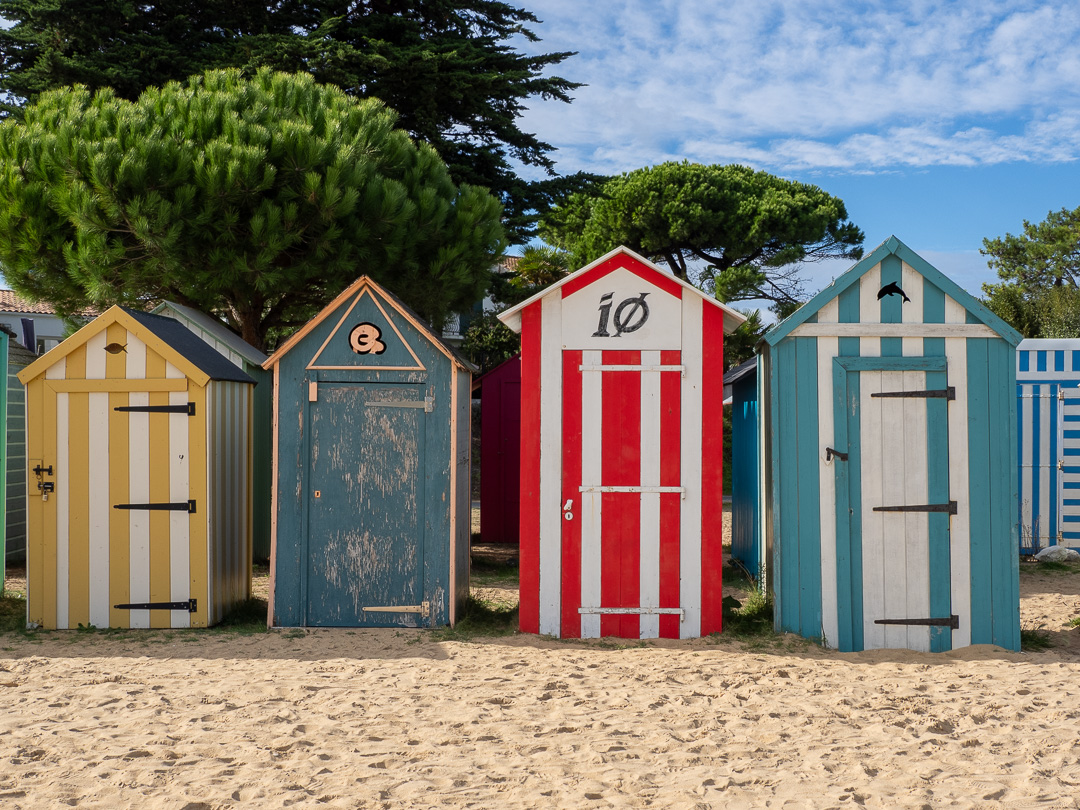
Saint-Denis has a marina and a pleasant beach, with beach huts:
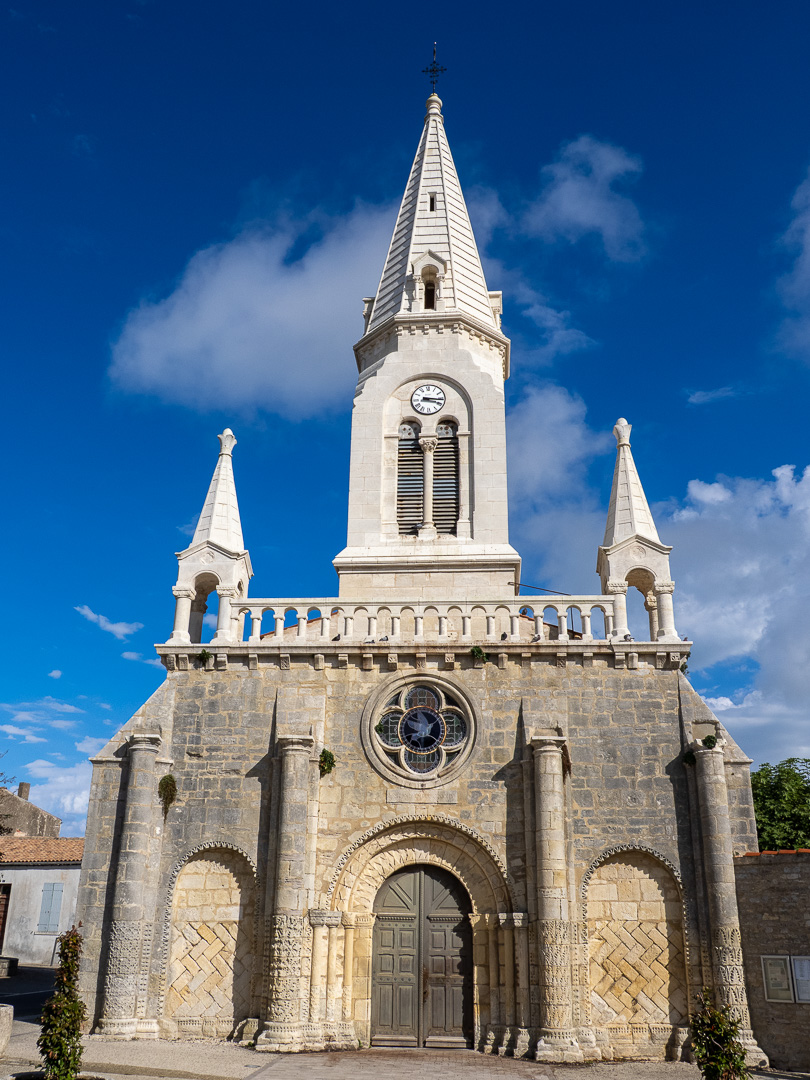
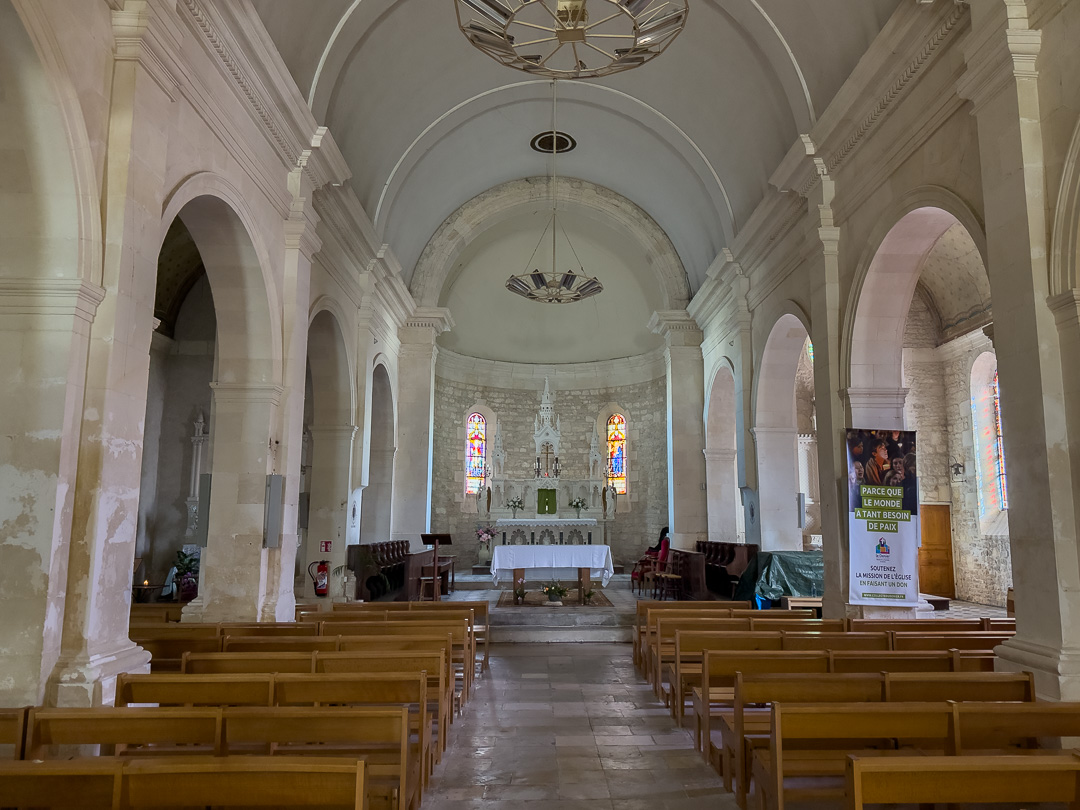
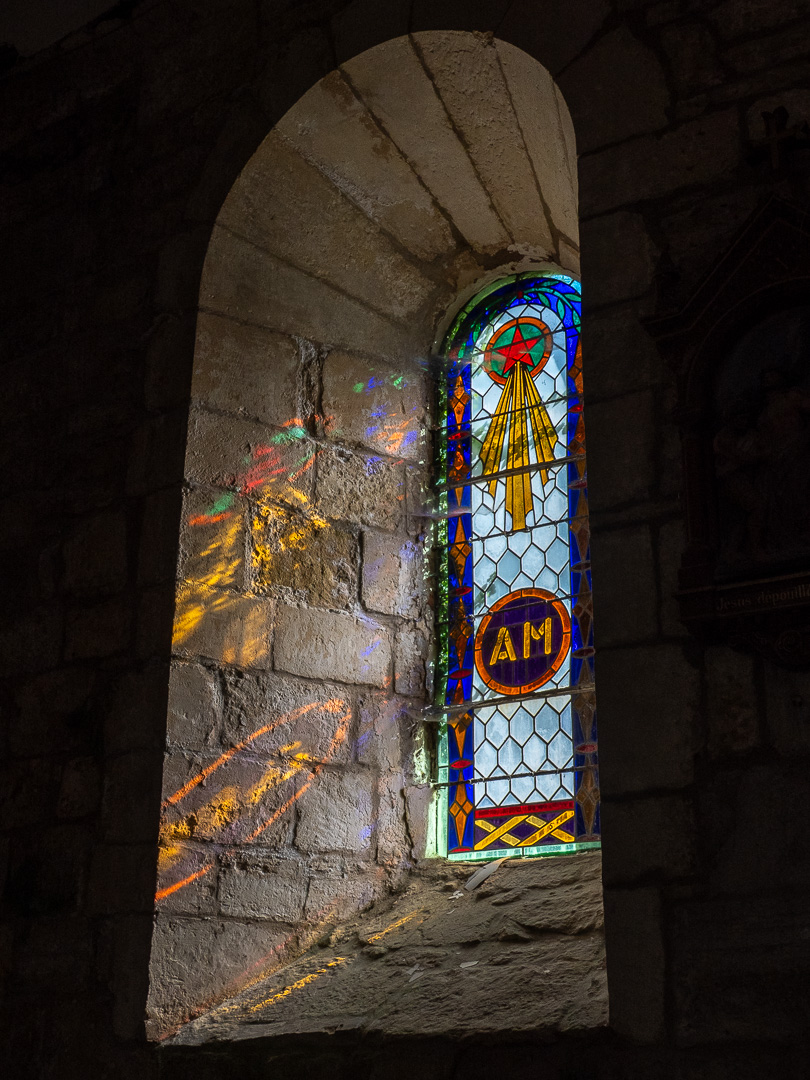
The town also has a very old church, parts of which are very ornate:
Château d’Oleron:
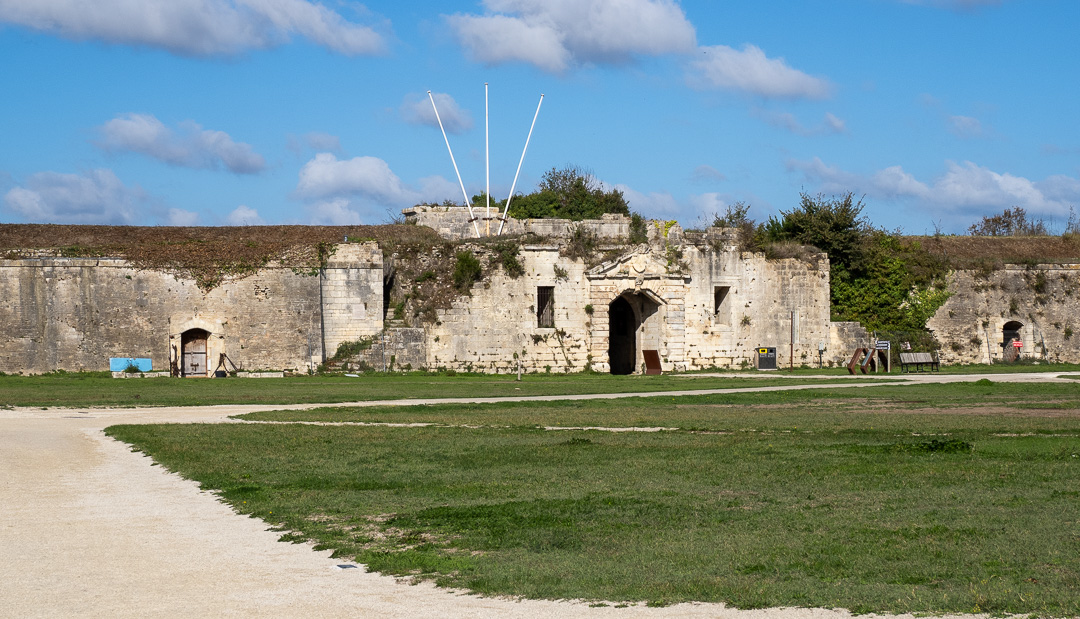
The town of Château d’Oleron is a fortified settlement which has ramparts which face the sea and the land. Its defensive walls date from the early 16th century, but most recently were bombed by American forces in WW2 as they formed part of the Nazi Atlantic defences.
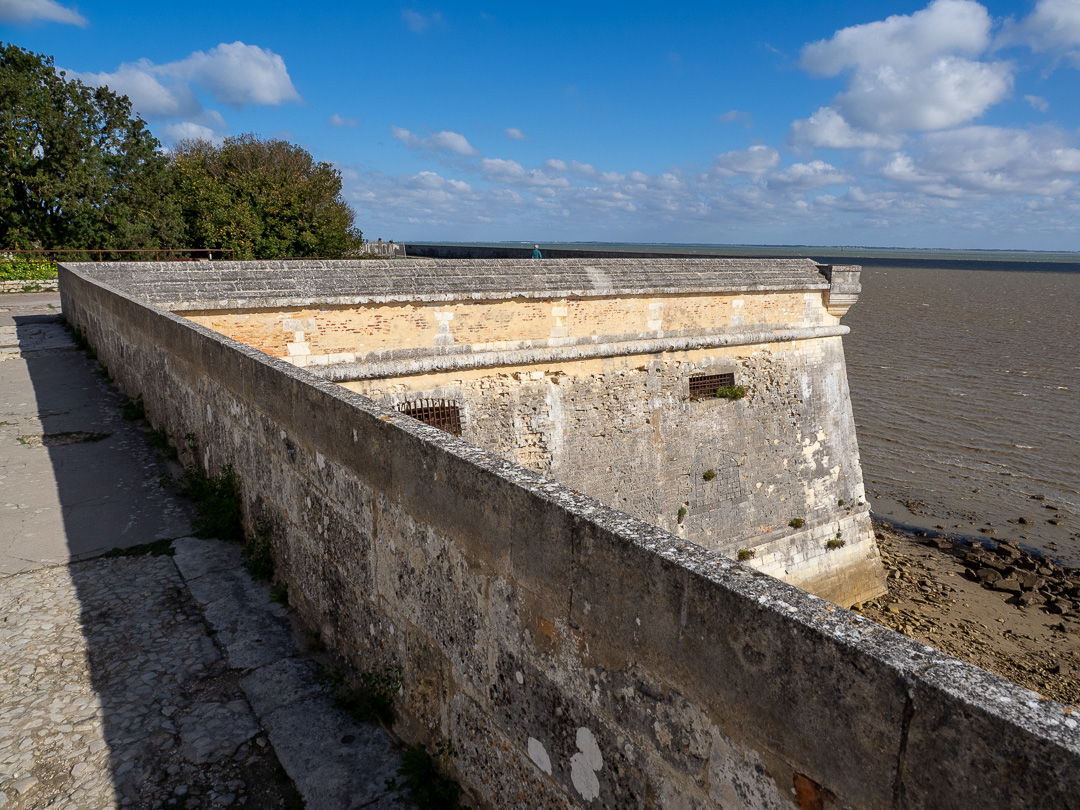
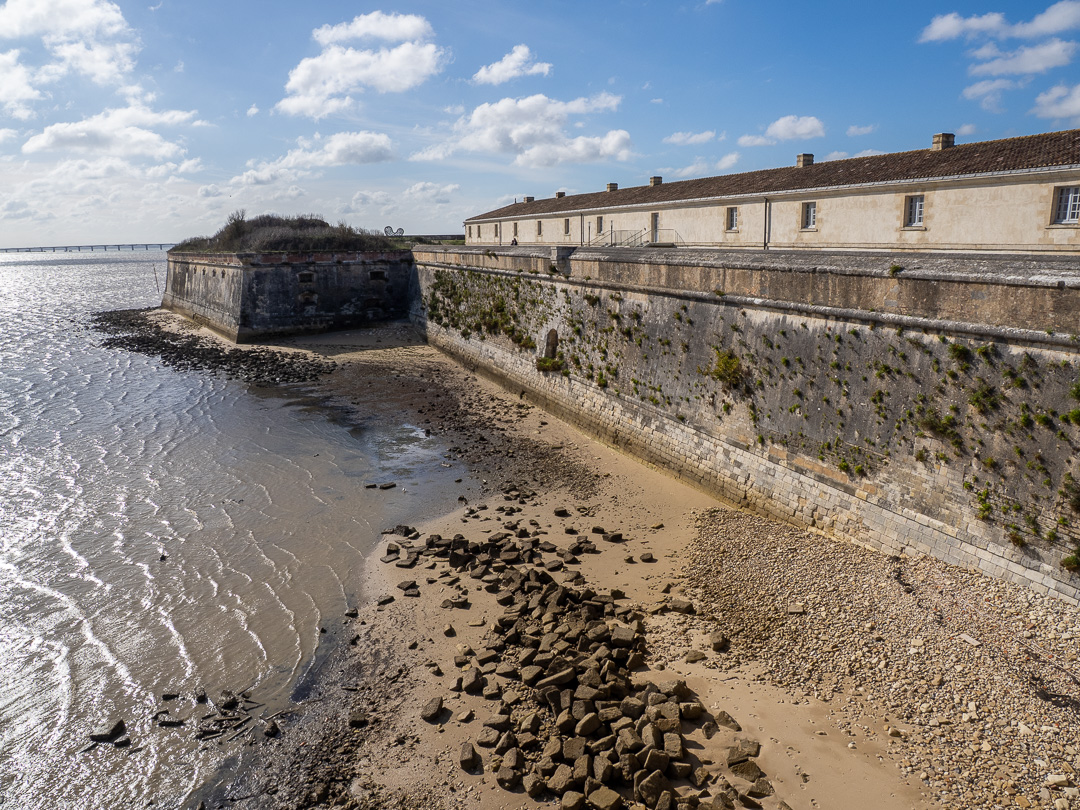
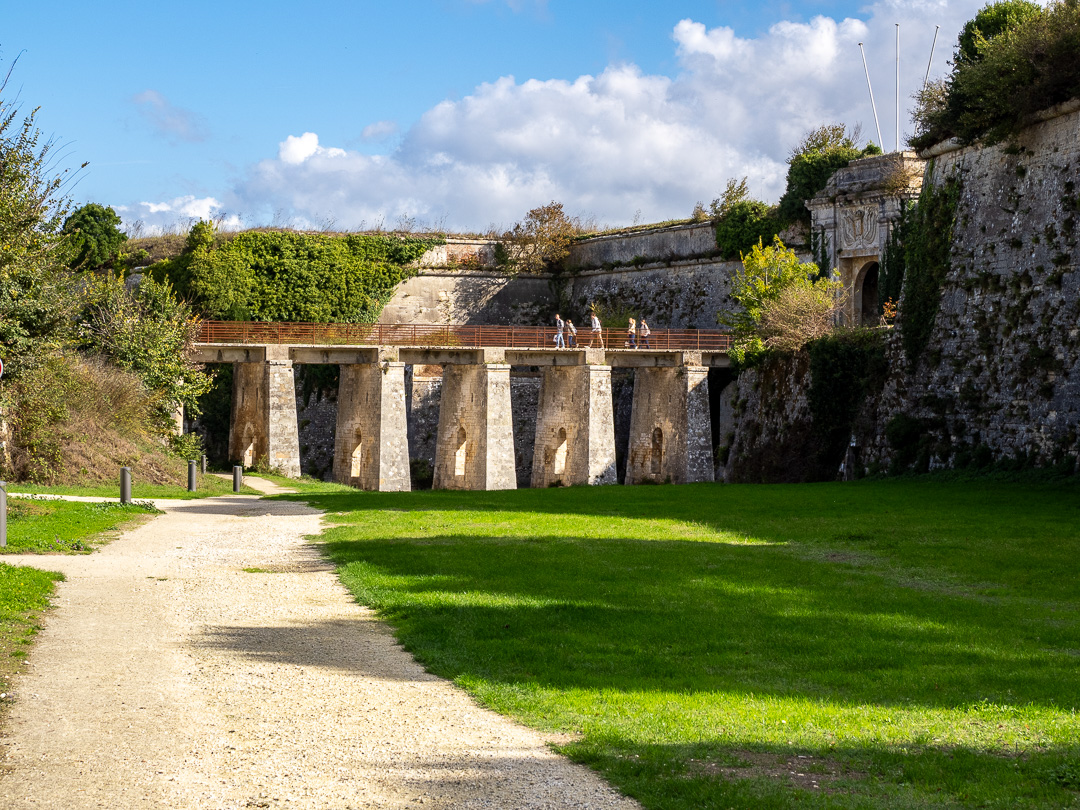
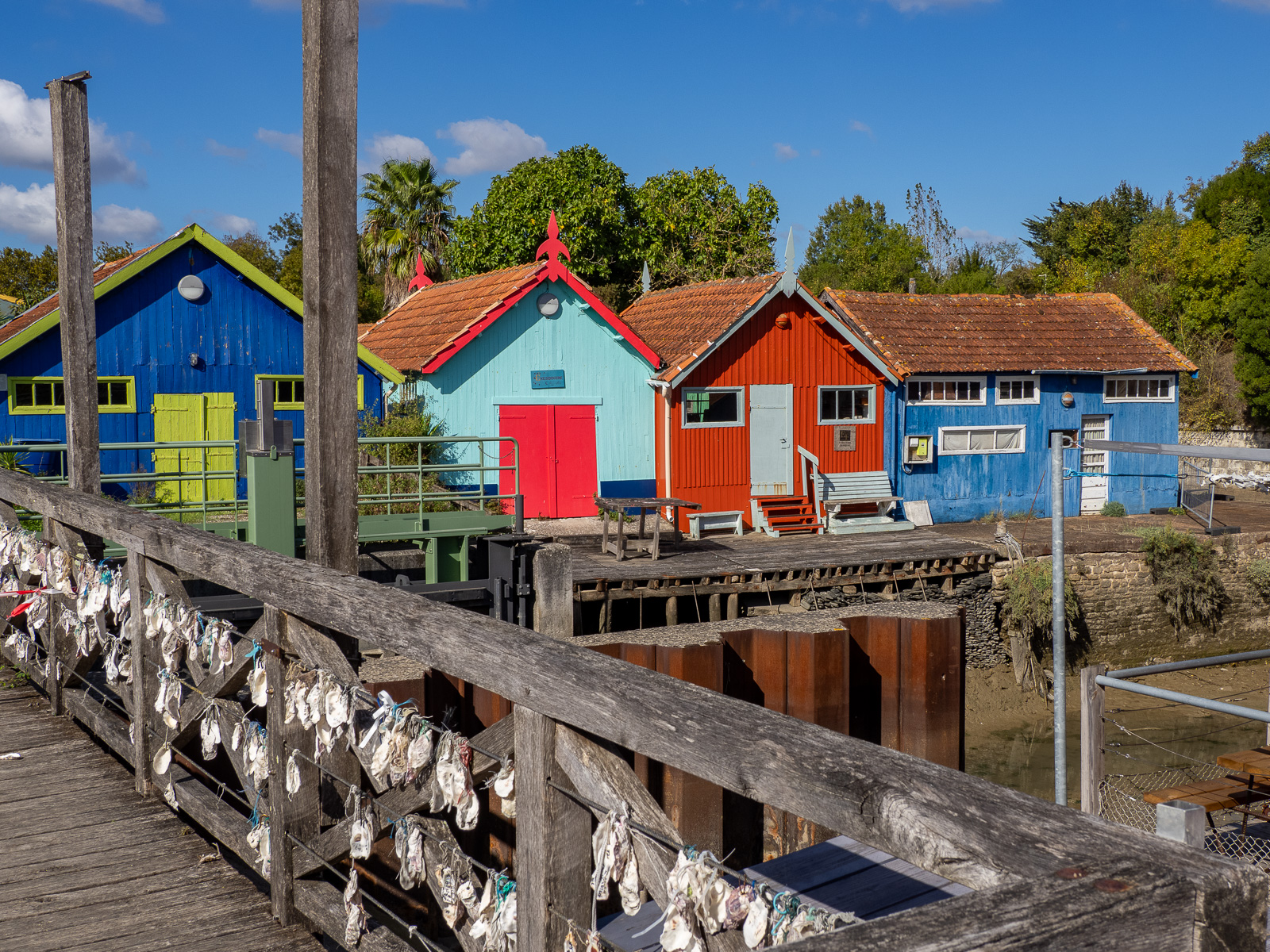
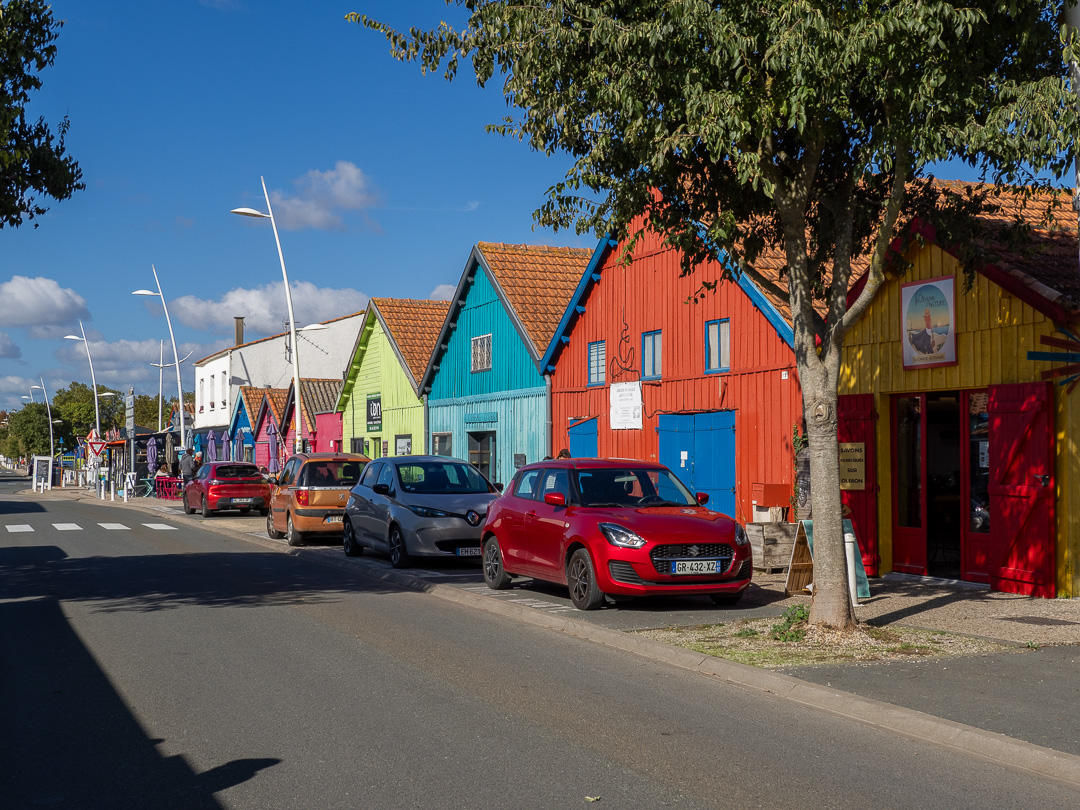
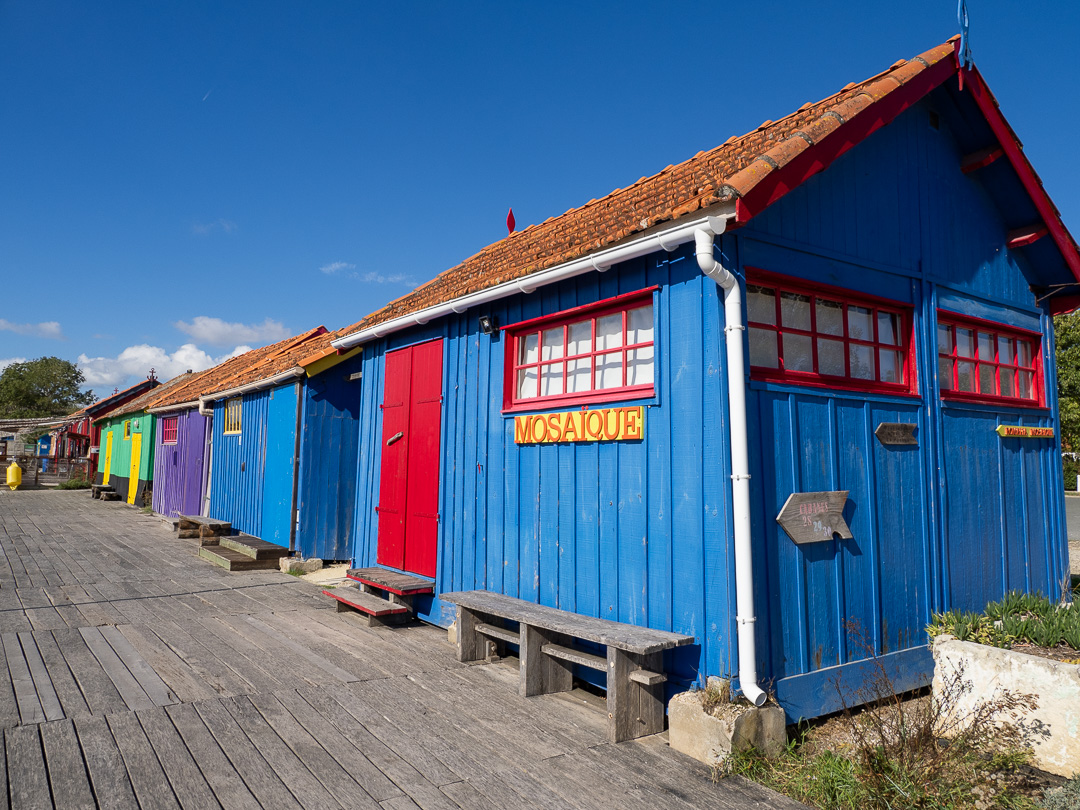
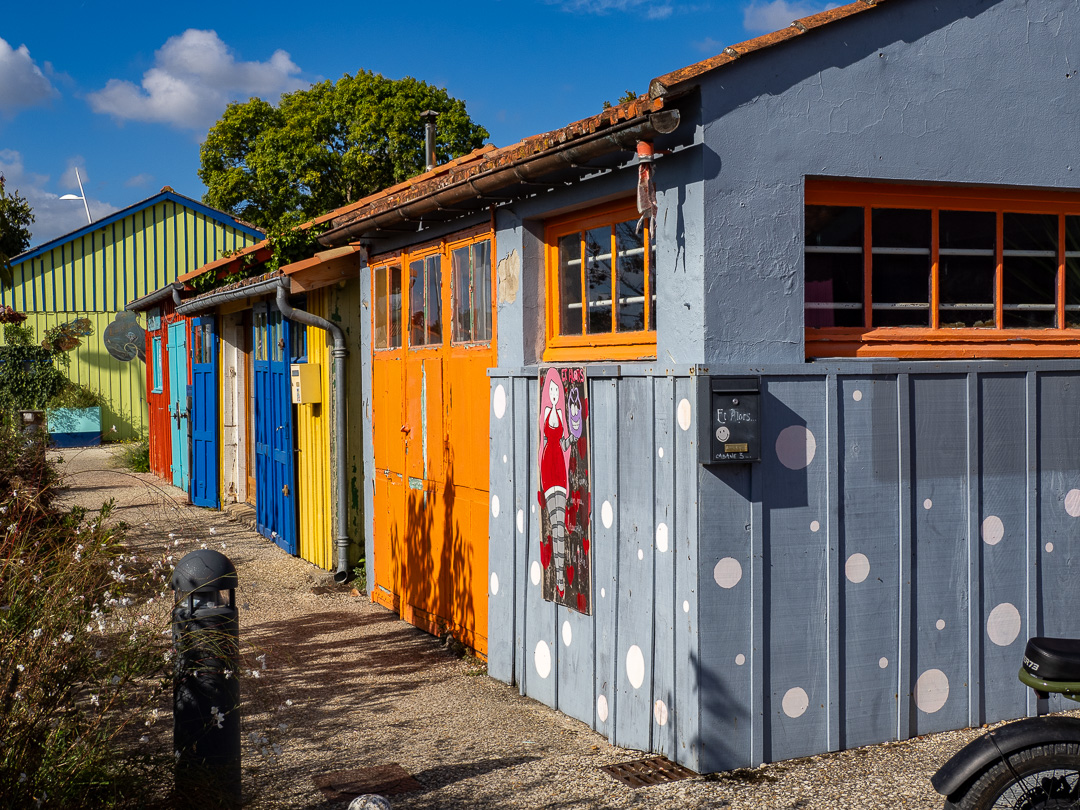
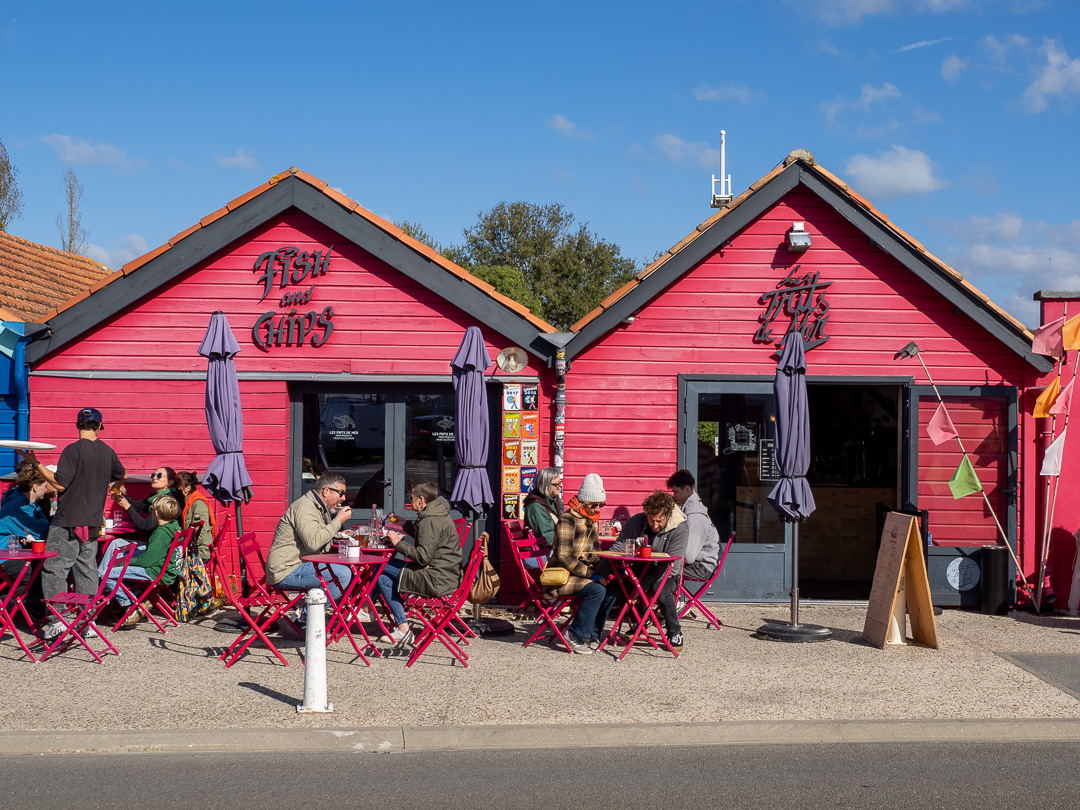
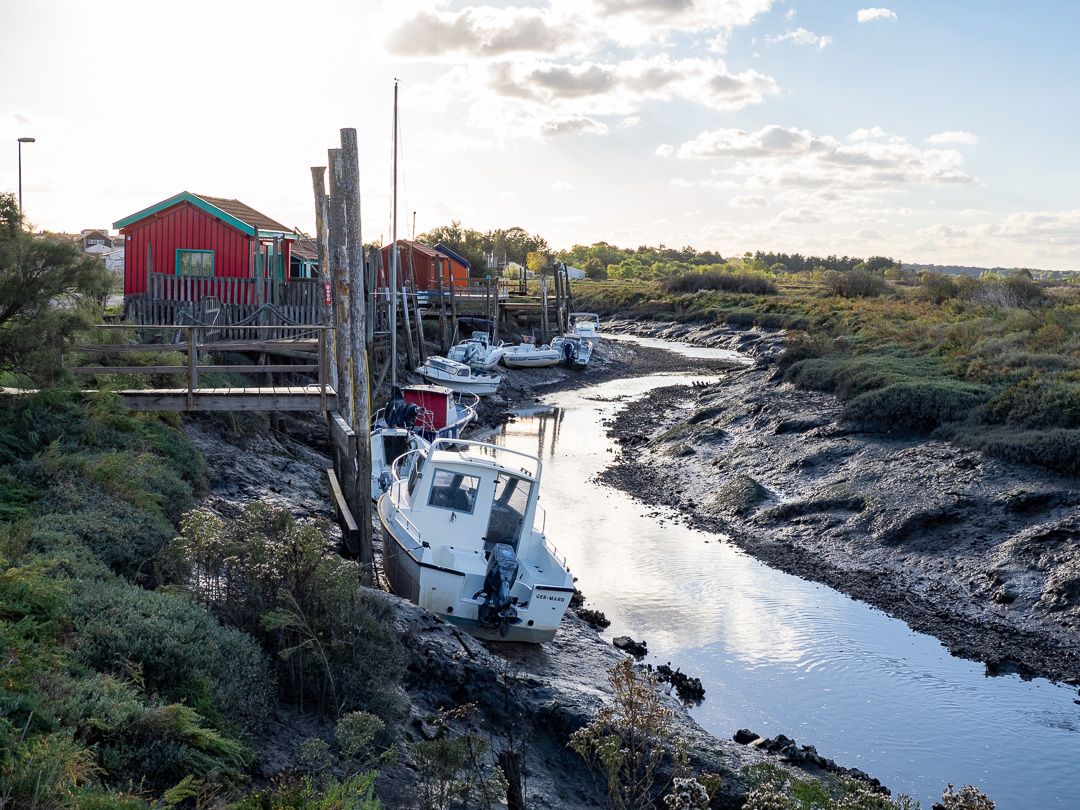
The port area of the town is very pretty, with many artisan craft businesses based in brightly coloured boat-houses:
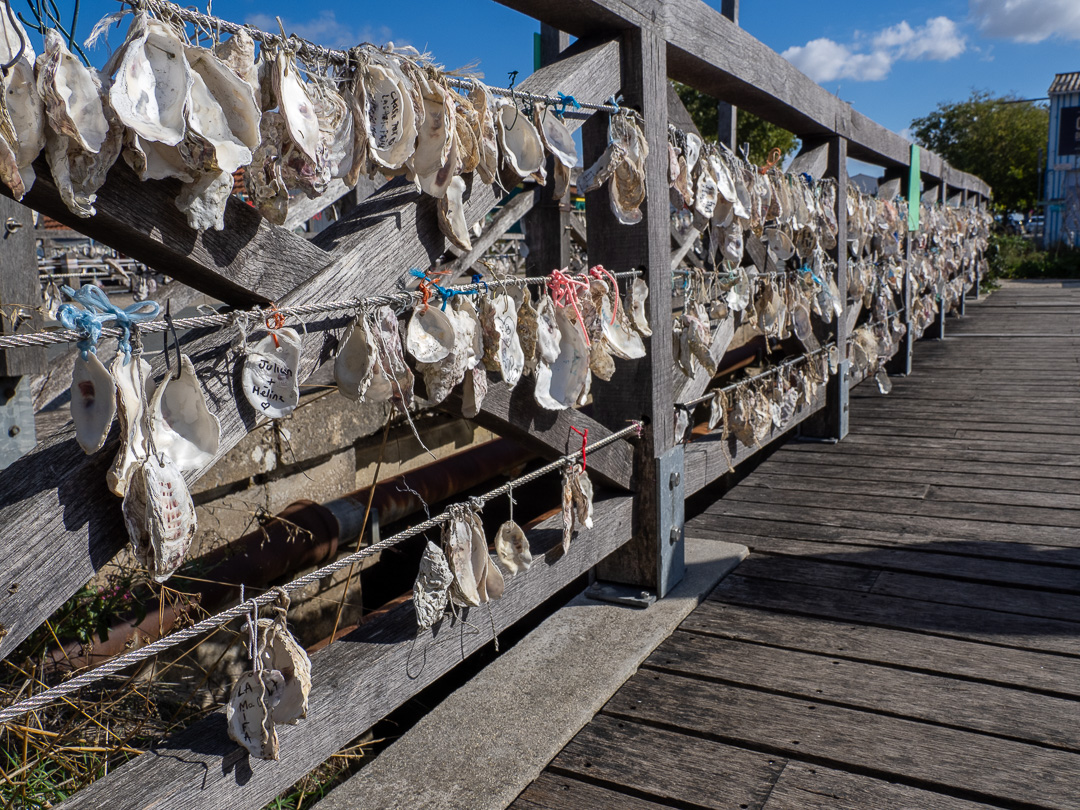
One of the bridges has many oyster love-tokens attached, many with a special message:
Mornac-sur-Seudre:
We chose to visit the small and attractive town of Mornac-sur-Seudre after leaving the island and before heading further north. The main industry here is the production of salt and the farming of oysters and mussels:
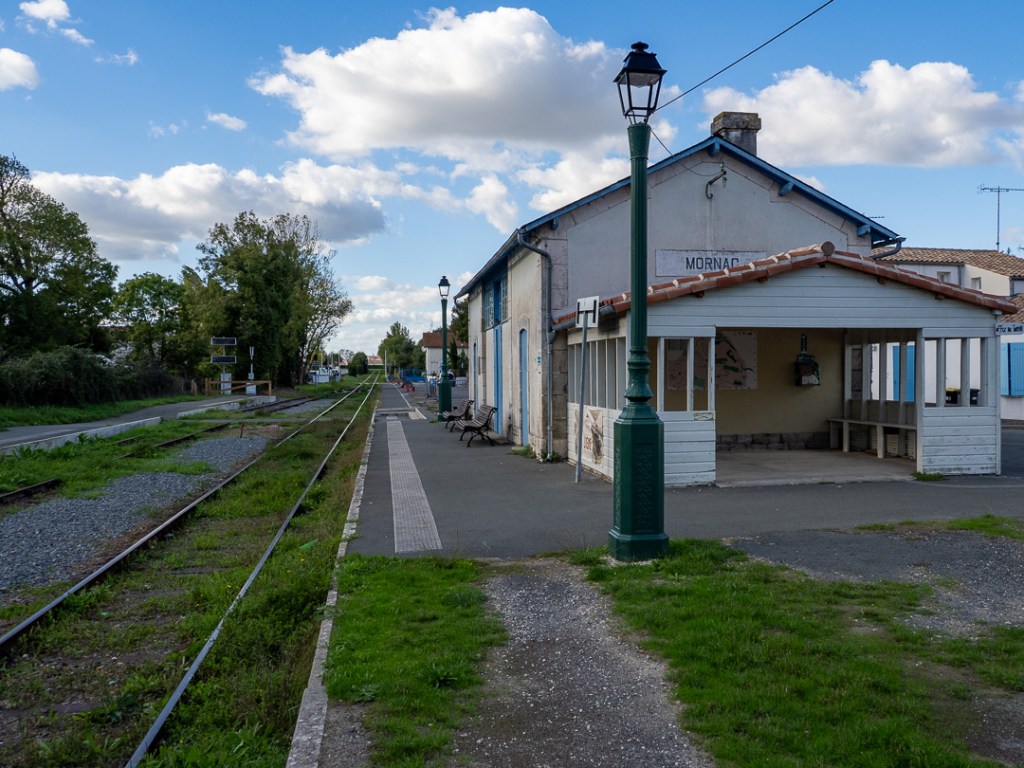
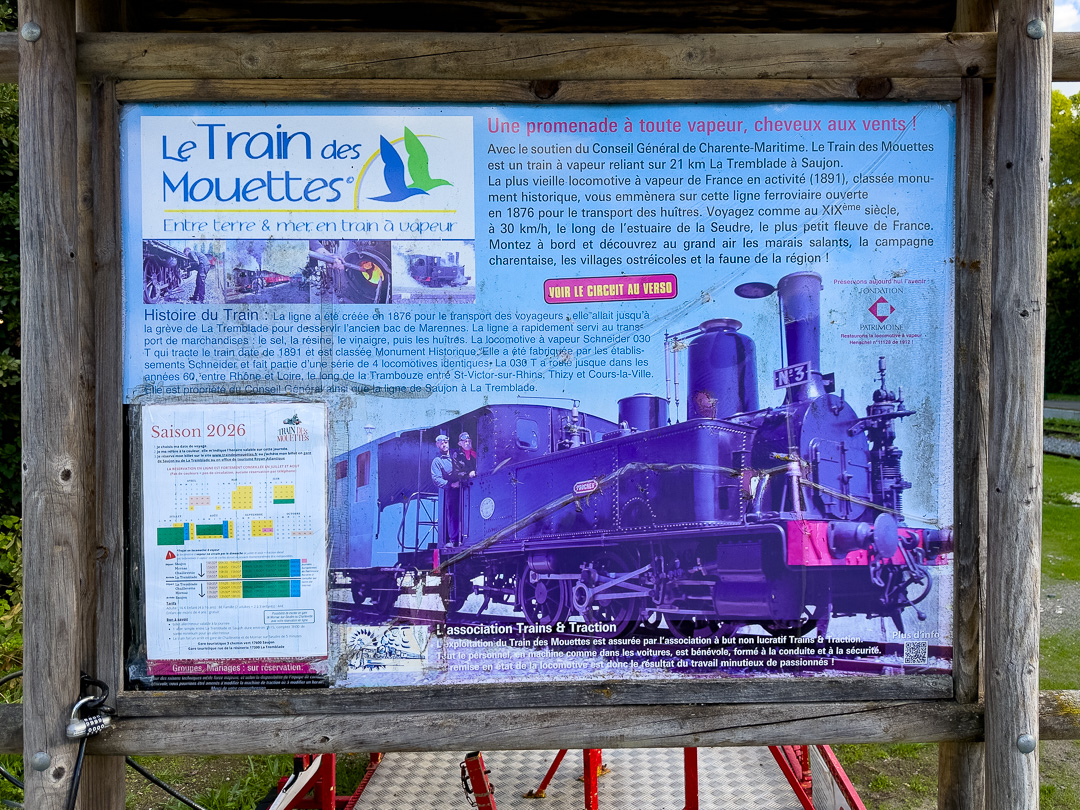
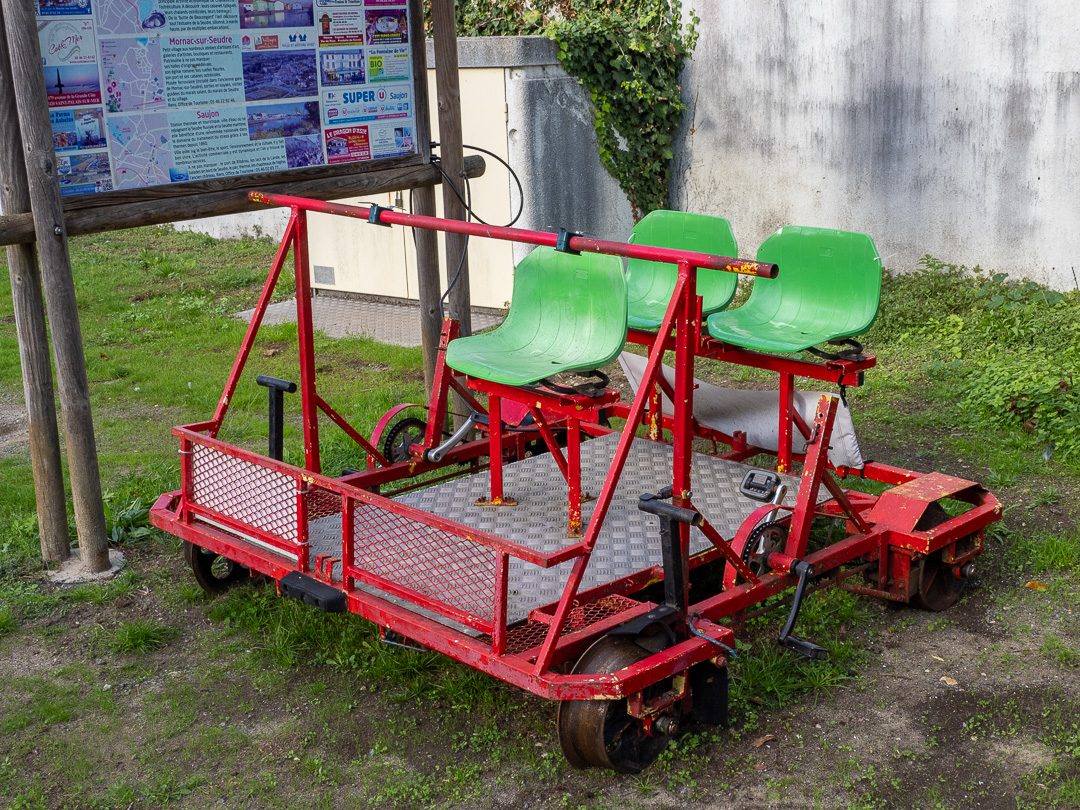
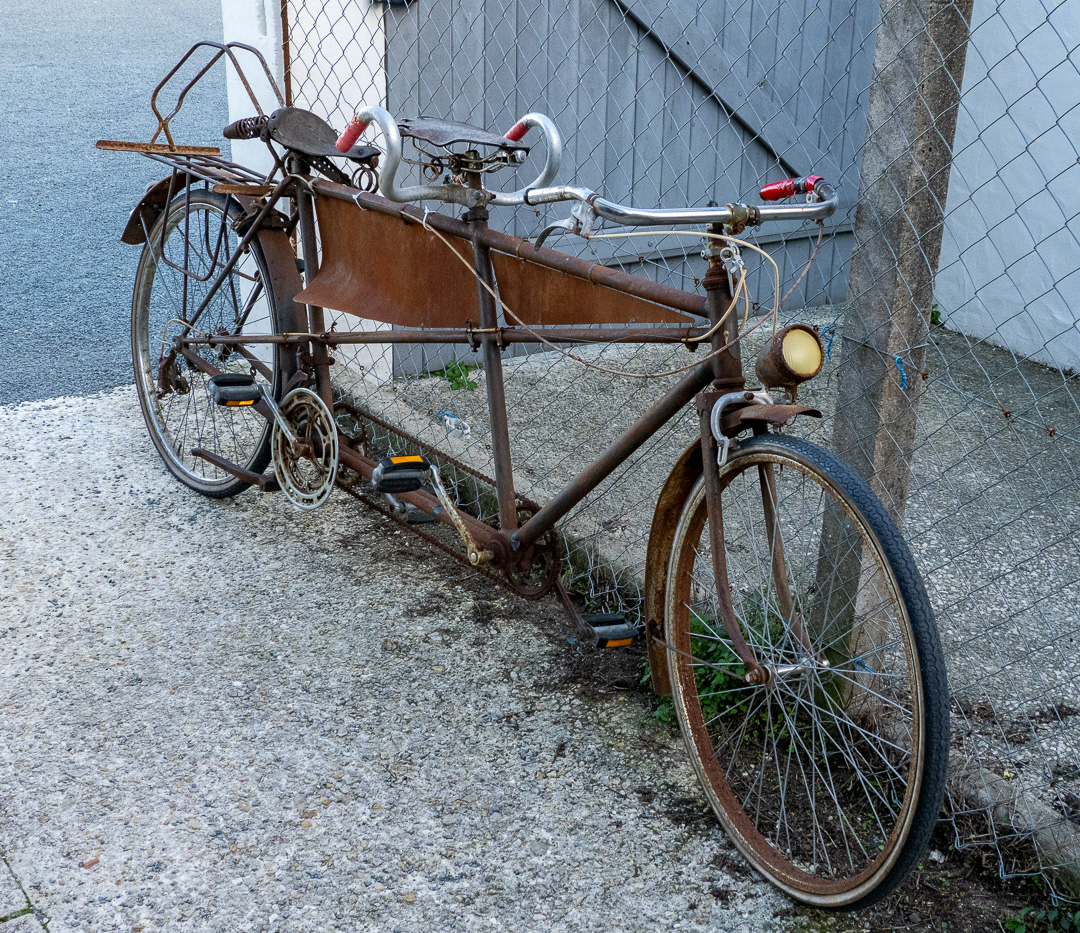
In the season, we could have enjoyed a steam-train ride, but sadly not while we were visiting. Perhaps we should have dragged this onto the track:
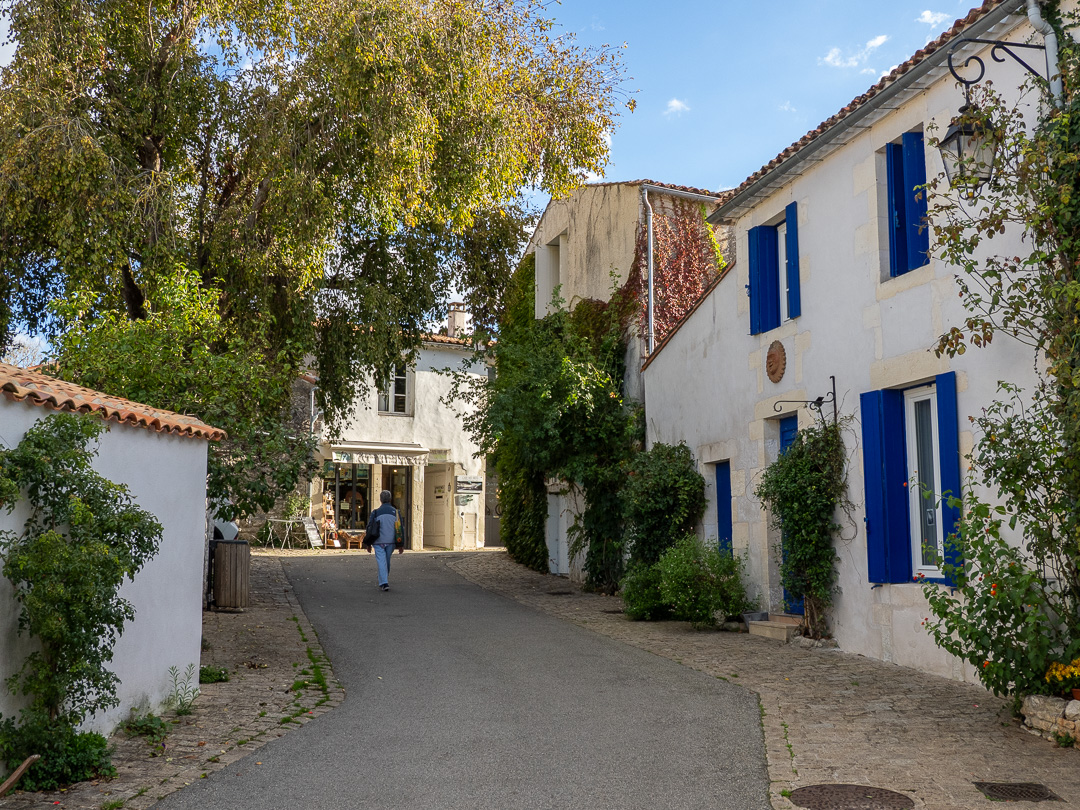
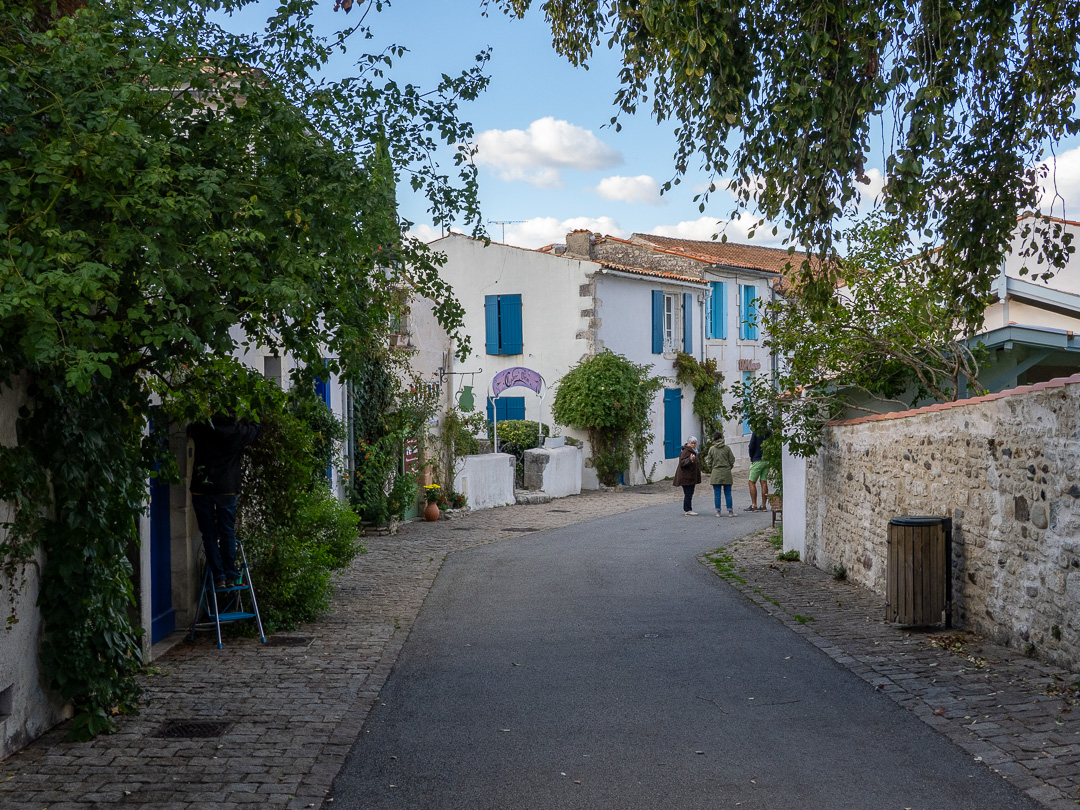
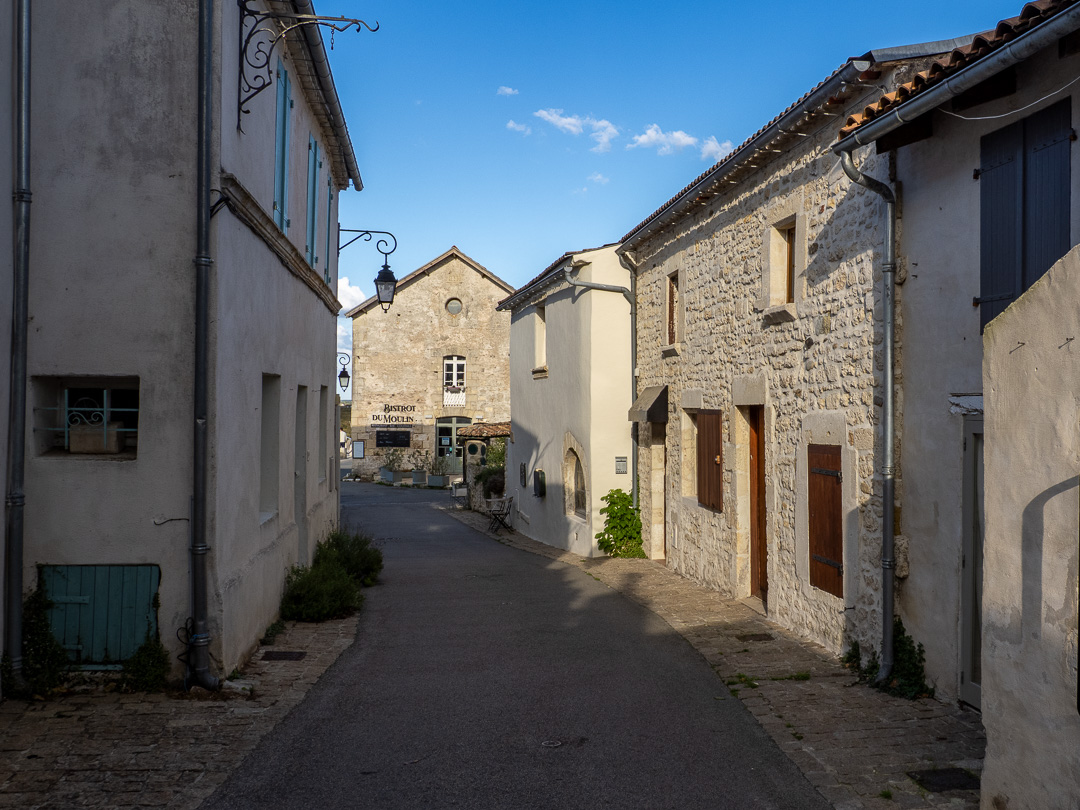
Mornac-sur-Seudre is a recognised “beau village” and has many medieval buildings:
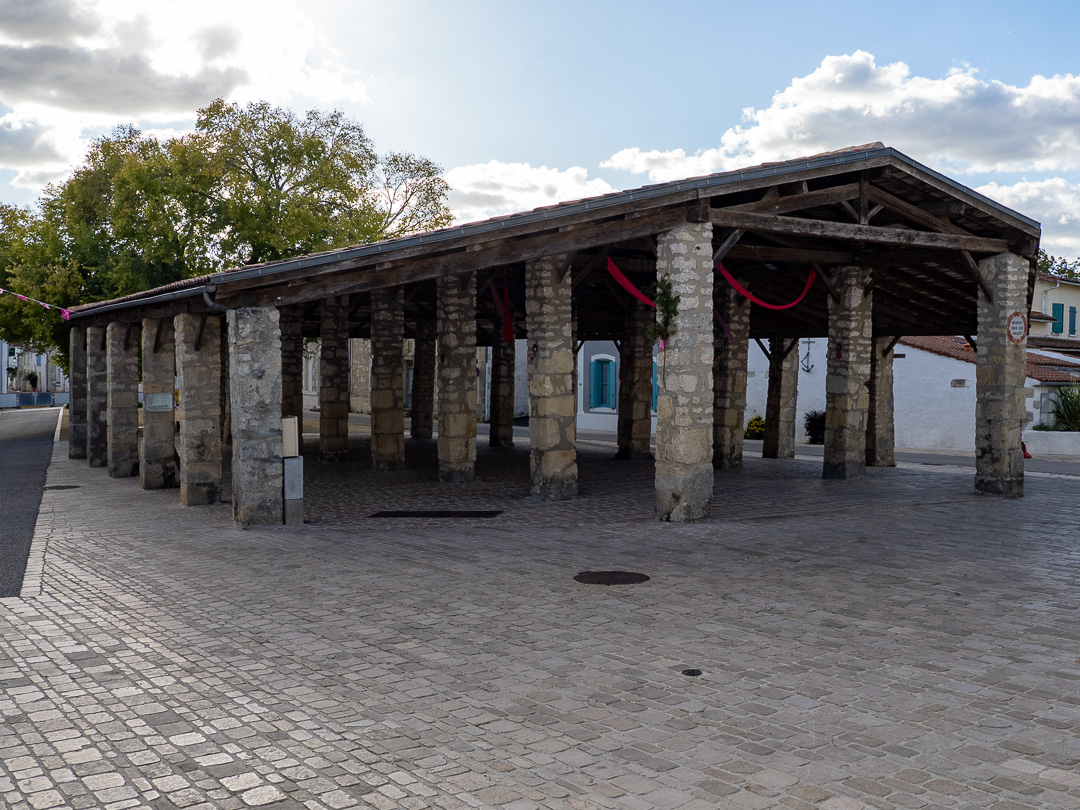
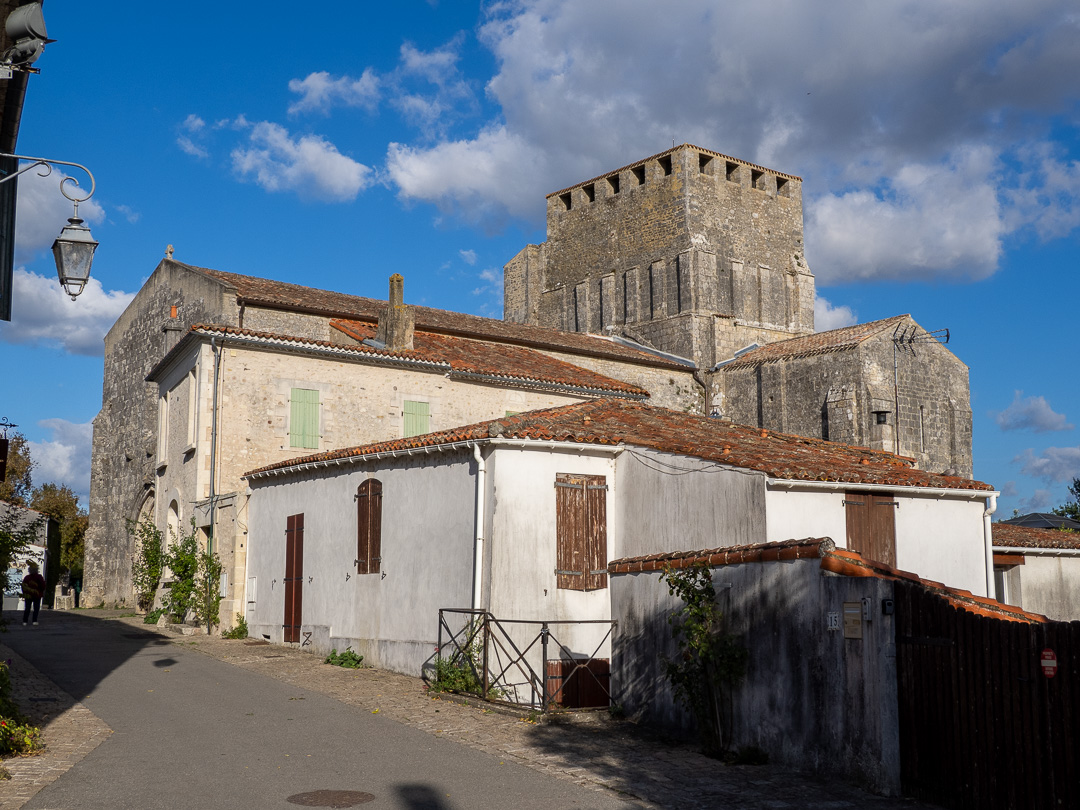
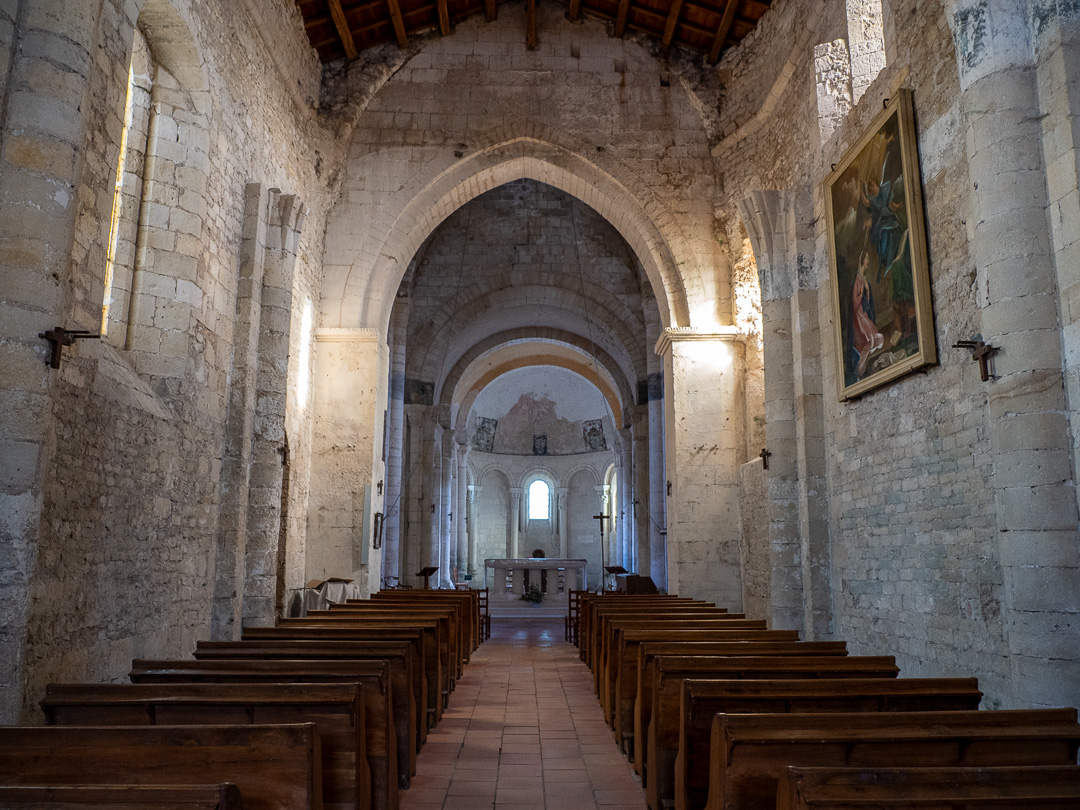
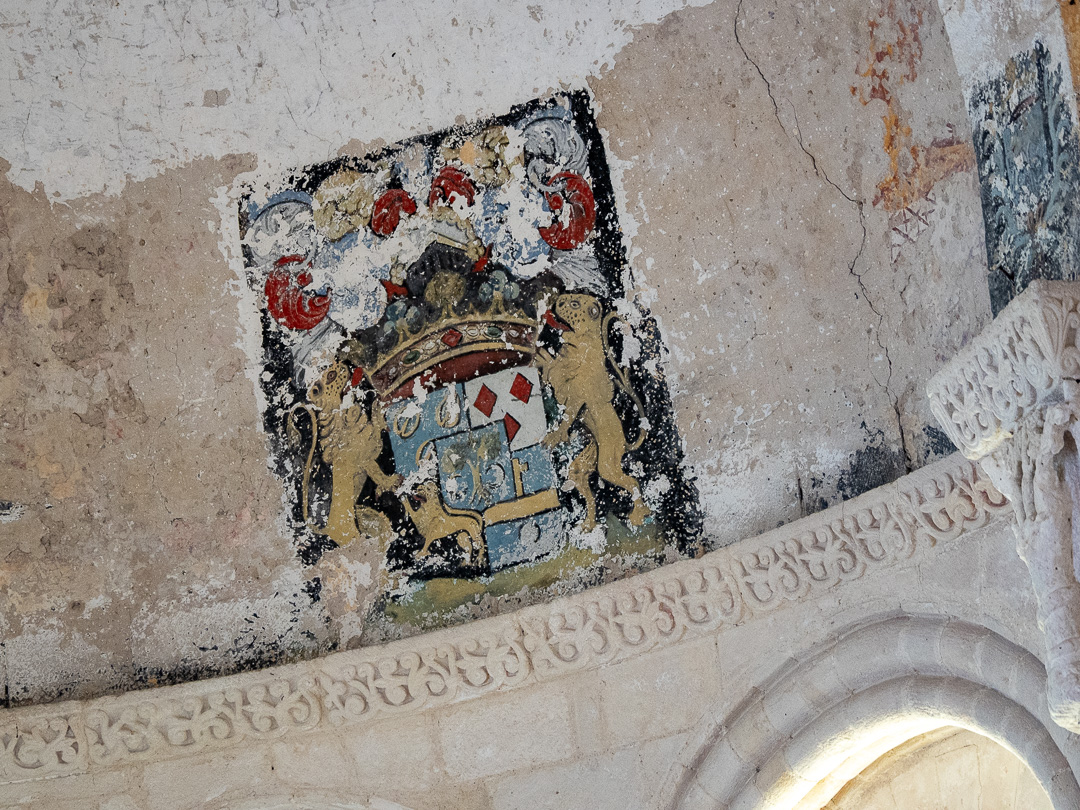
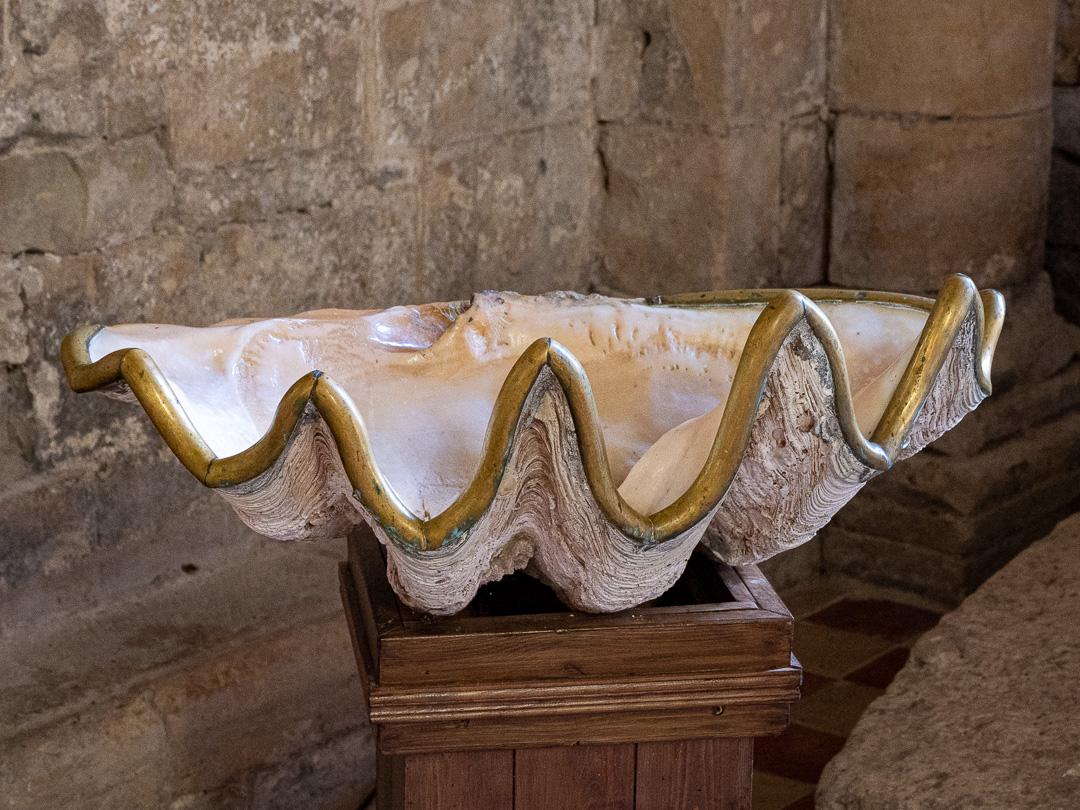
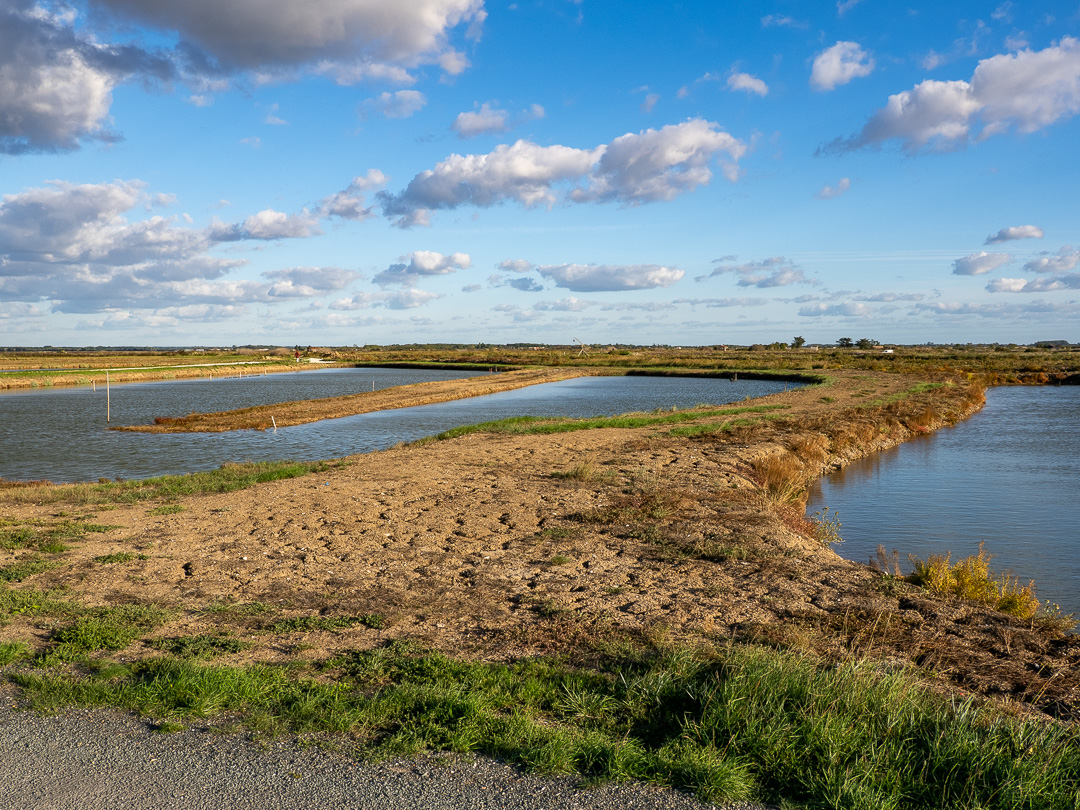
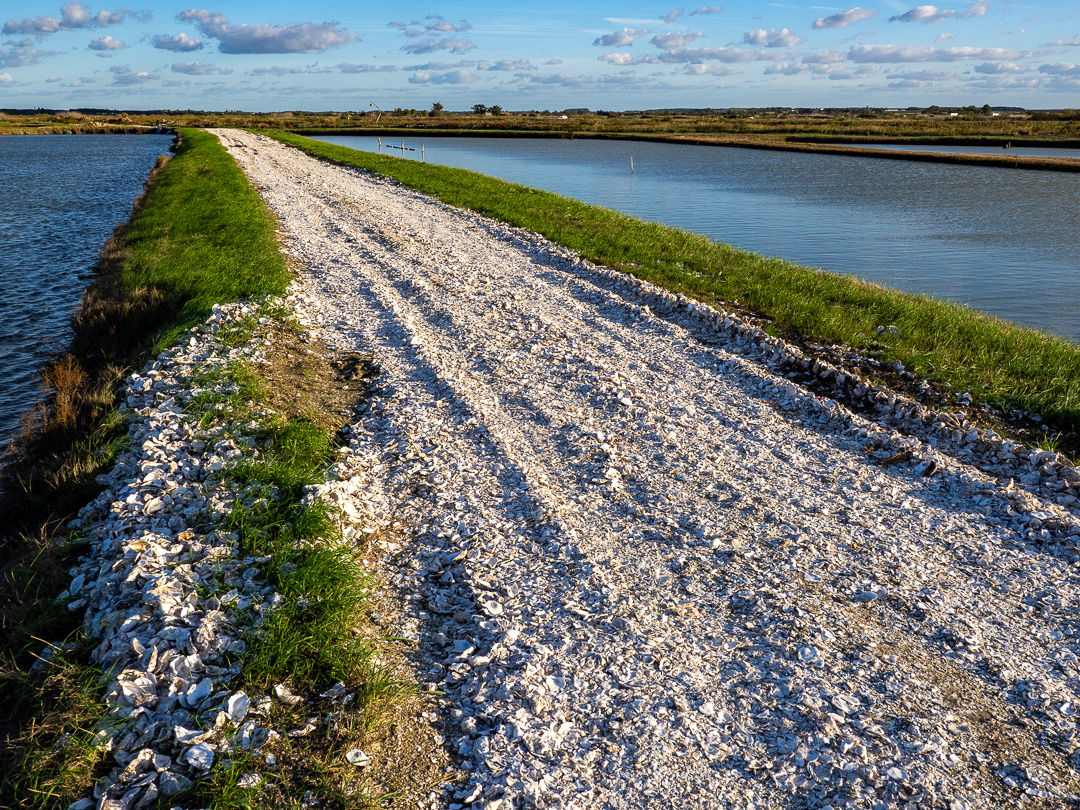
We had a wander around the town and visited many artisan shops, then walked out towards the salt-production pans:
That is all for today. TTFN and see-u-later.

