

Friday 17th July 2026
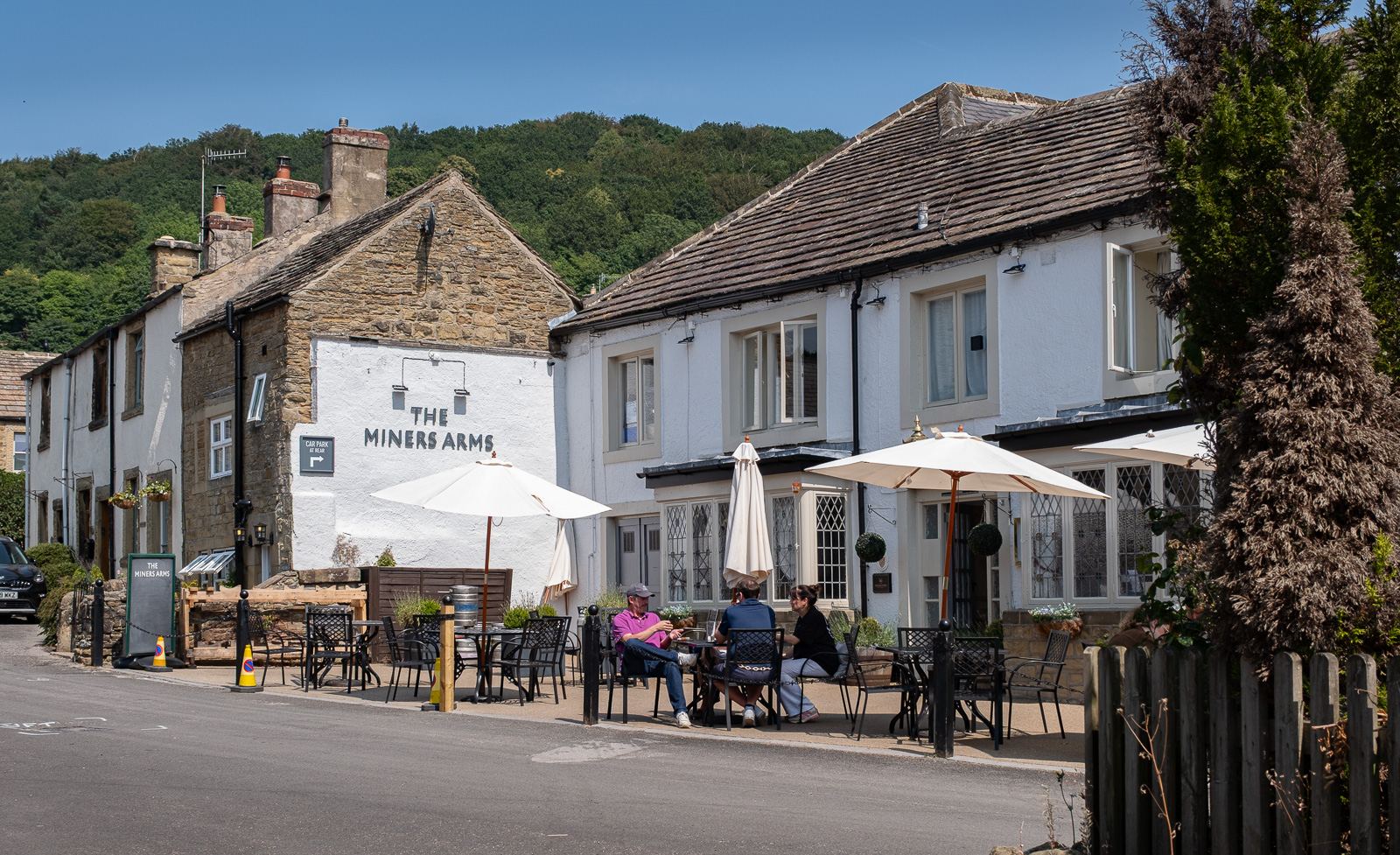
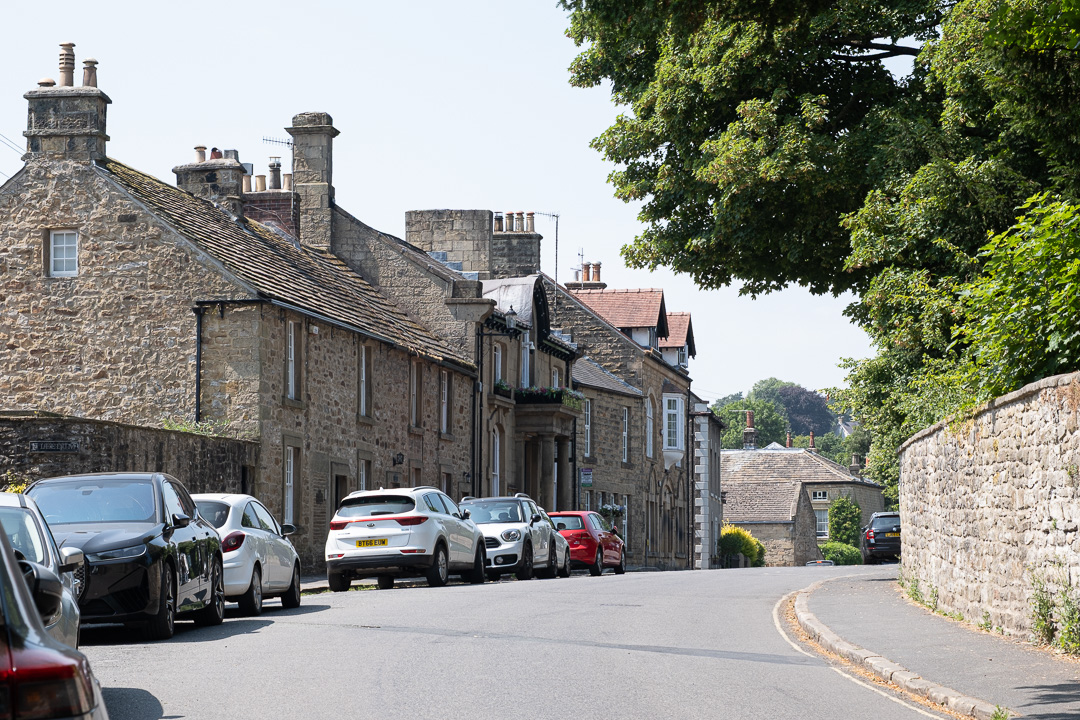
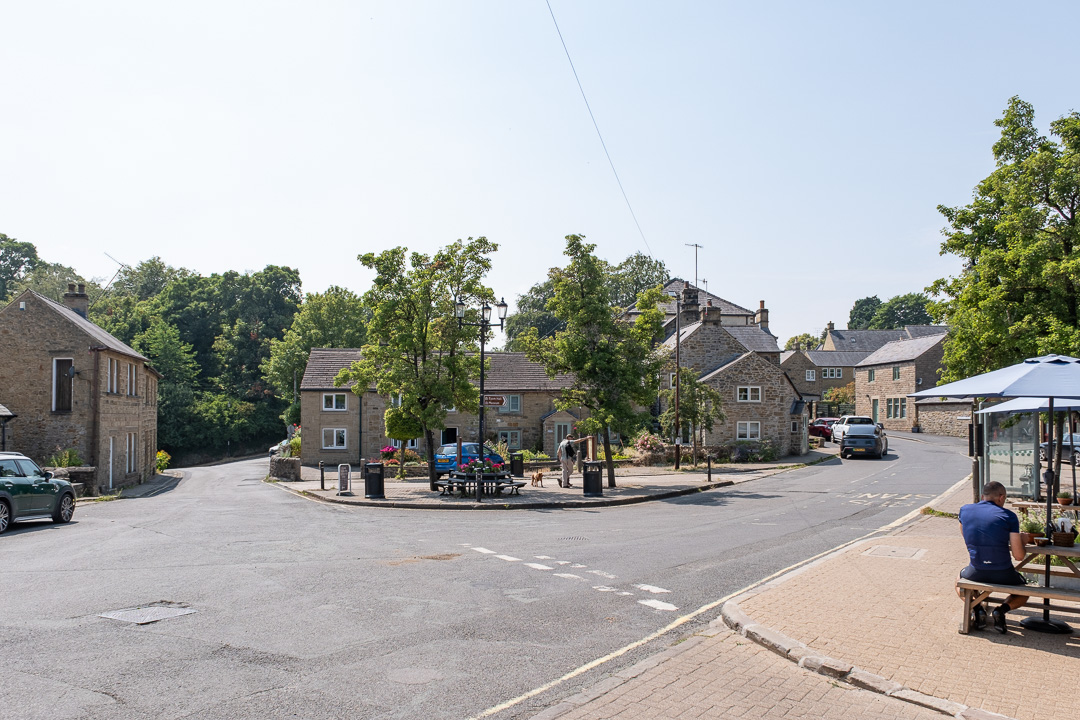
The picturesque village of Eyam (pronounced “Eem”) is situated in the Derbyshire Dales, not far from Bakewell.
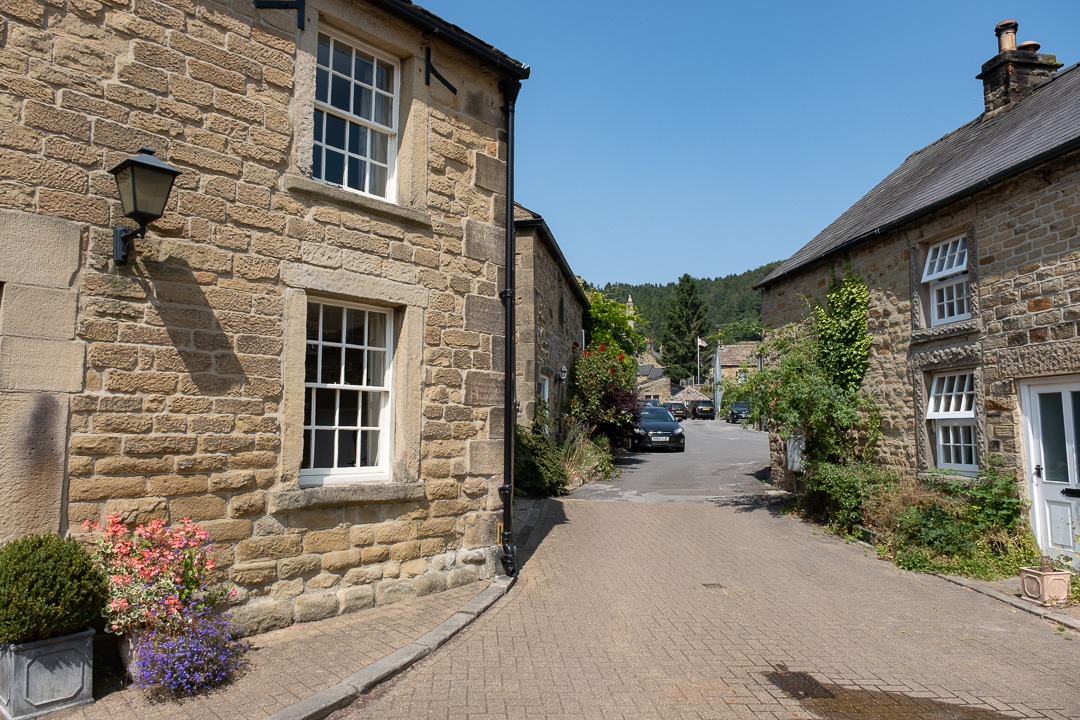
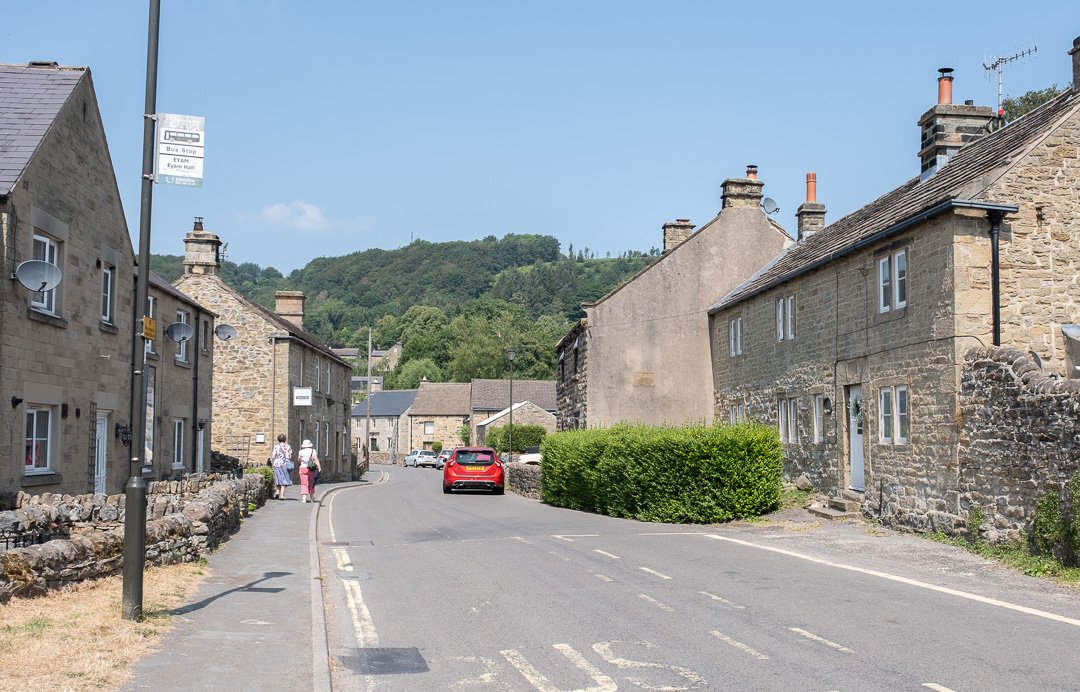
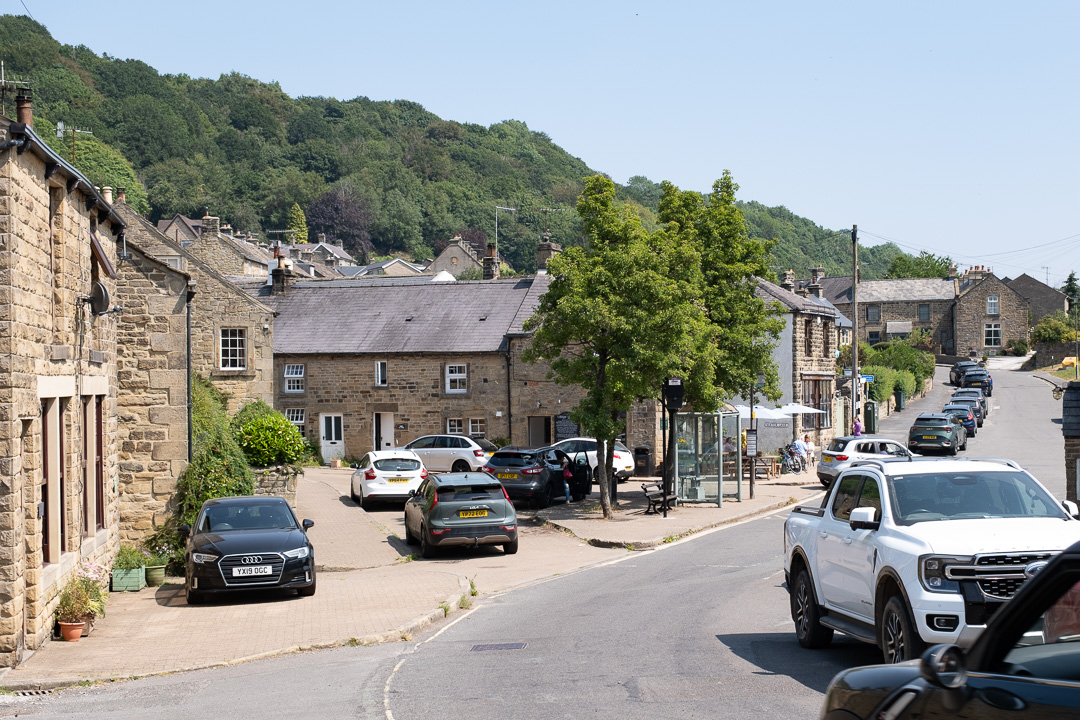
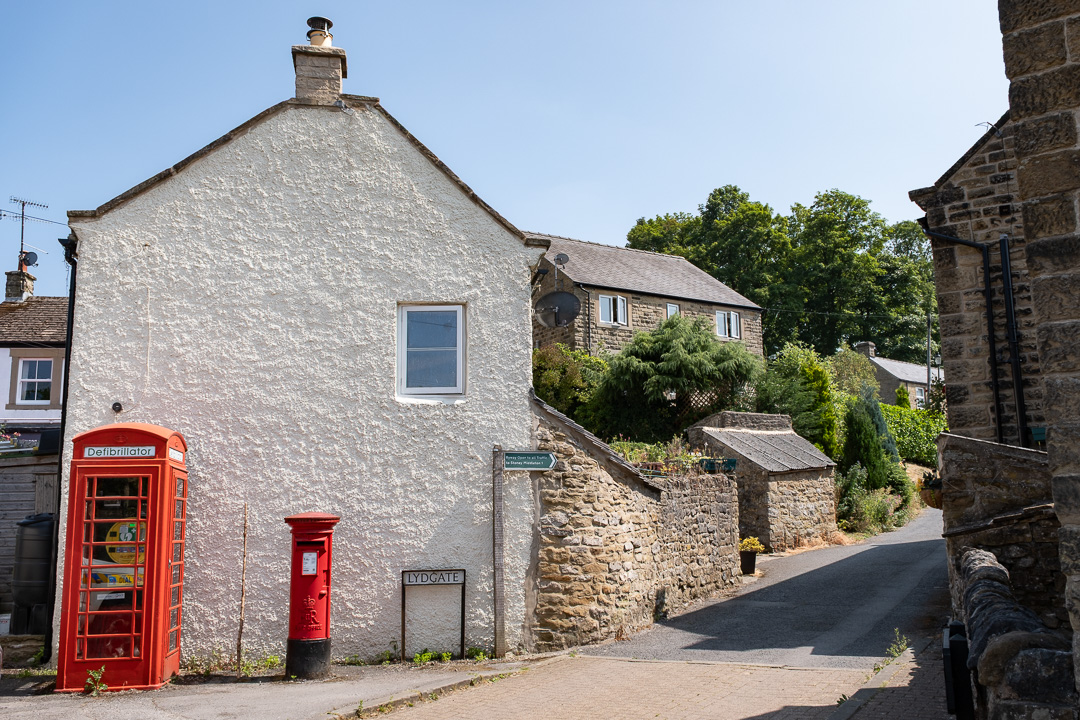
It is however famous, not so much for its beauty, as for the sacrifice made by the villagers when the plague devastated the village during 1665-1666. Instead of fleeing, they quarantined themselves, thus containing the infection to the village and preventing much wider infection.
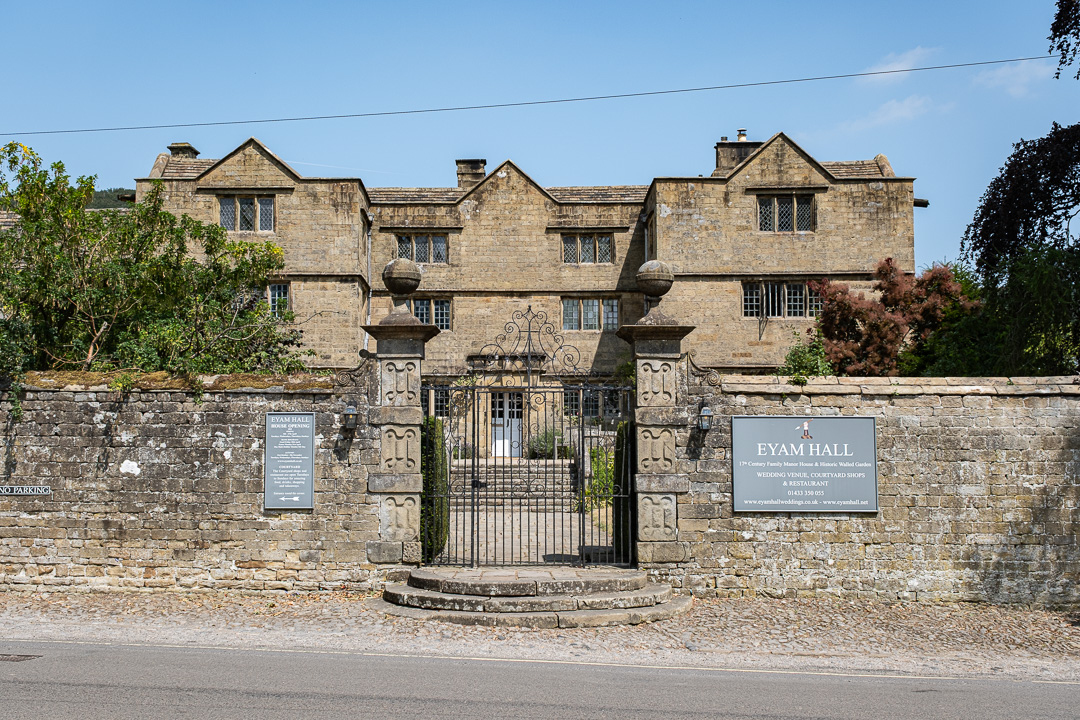
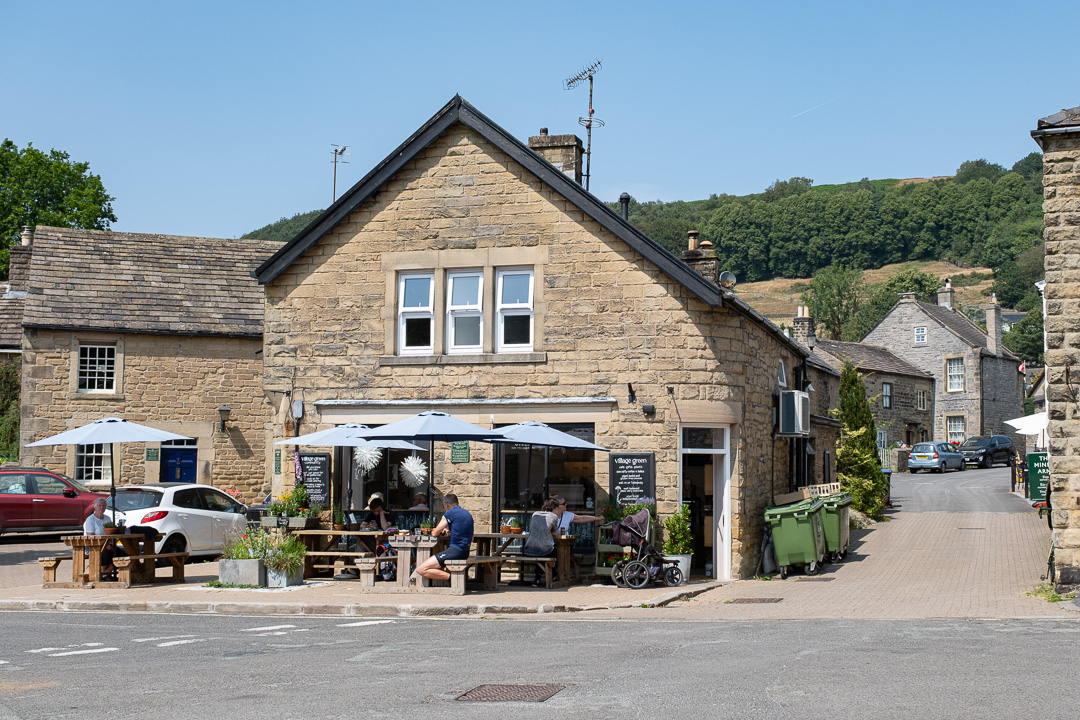
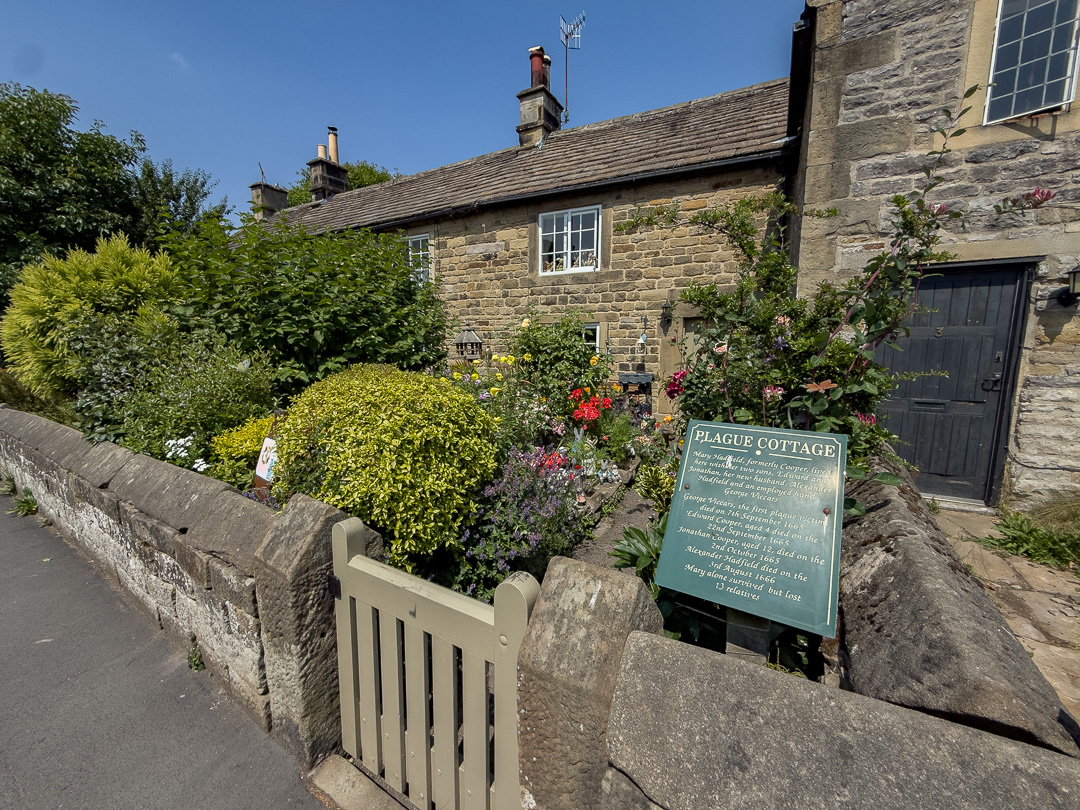
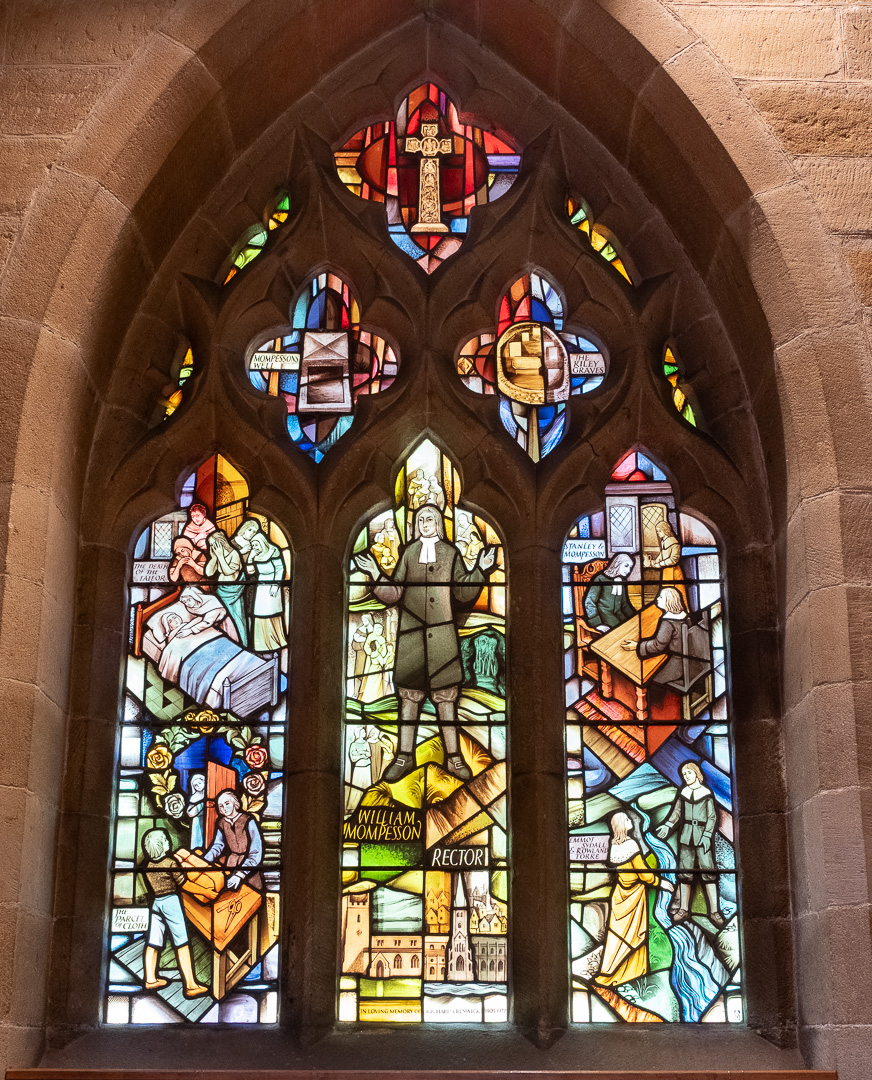
The story is, that a parcel of cloth brought from London to the local tailor, contained fleas that were infected with bubonic plague. At the time, there was a large outbreak in London with more than 70,000 deaths, spread by rats and transferred to the human population by fleas. The tailor, George Viccars dried the cloth in front of the fire, became ill and died on the 7th September 1665.
George Viccars was the first of many to die. Within a few weeks, others died and the Rector, William Mompesson and the non-conformist preacher Thomas Stanly persuaded the villagers to remain within the village boundary to stop the plague from spreading.
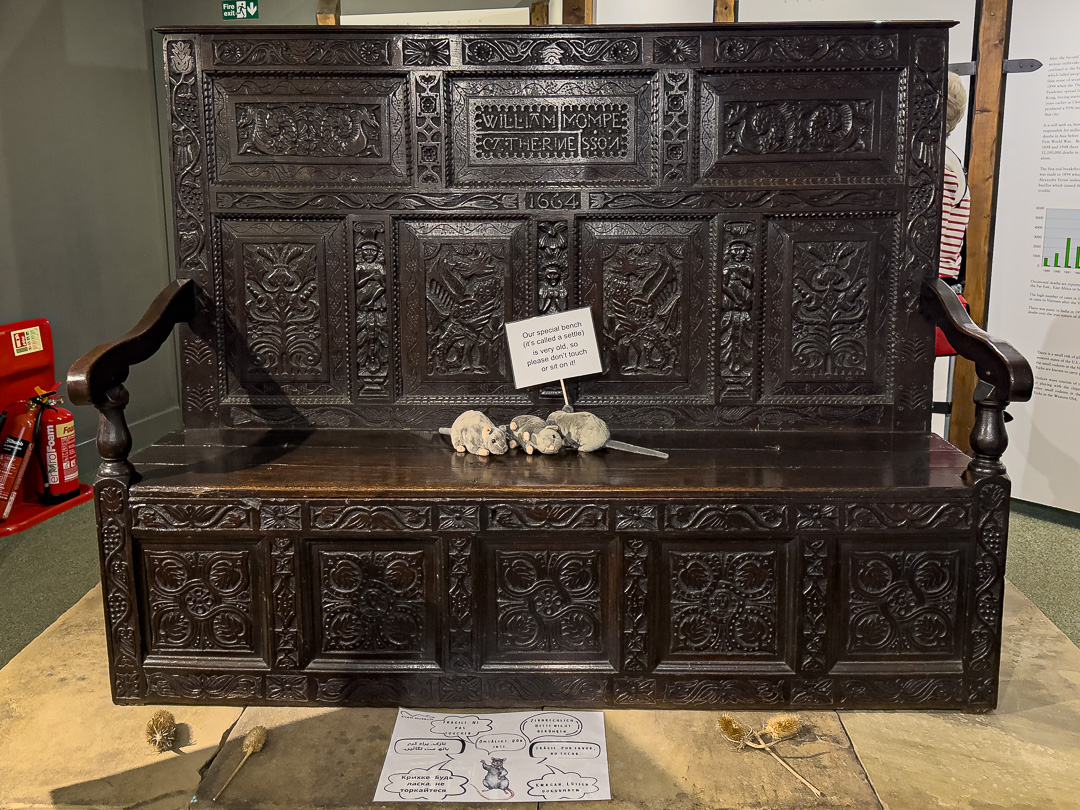
The actions taken worked; William Mompesson clearly understood contagion even if the actual mechanism was unclear. There was however, a huge cost for the village with almost every family suffering multiple bereavements. During this time there were 76 families in the village, (around 350 people), of which 259 died (16 or 17 of these were from other causes, so around 243 were plague deaths).
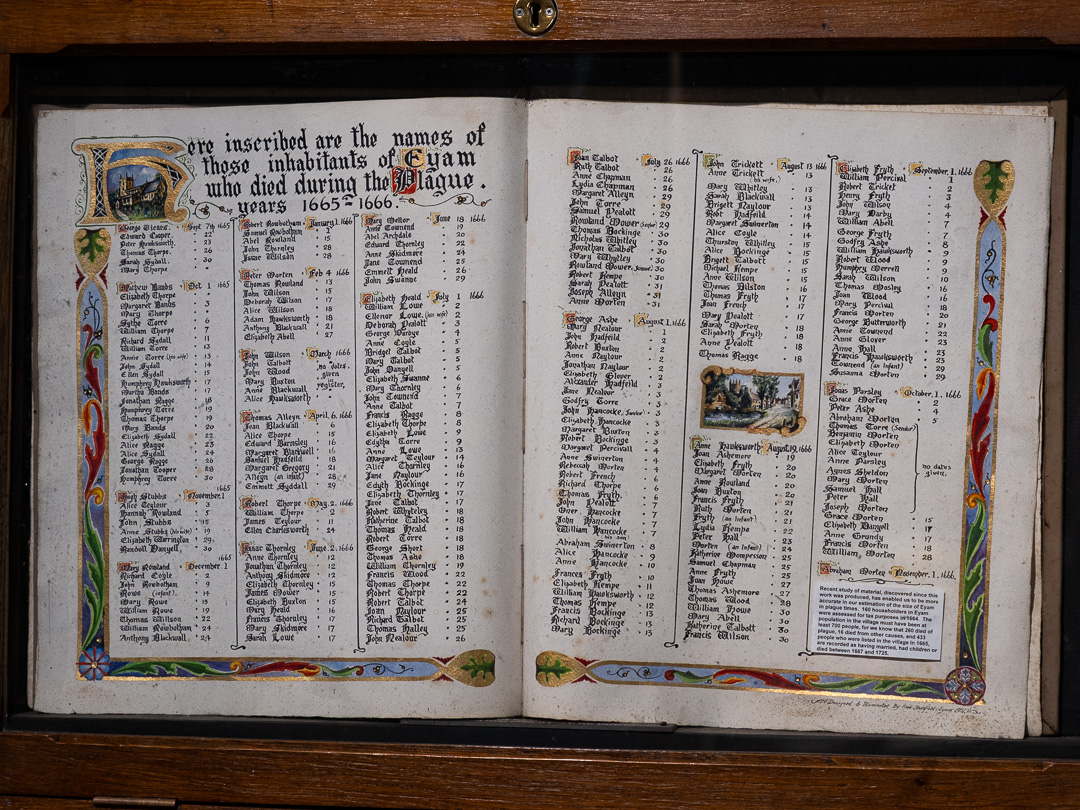
To save people in other, surrounding towns and villages, the people of Eyam paid with their lives. William Mompesson preached that “Greater love hath no man than this; that he lay down his life for another”. In return, people from the surrounding area supplied food to support the quarantine, leaving it at the village boundary.
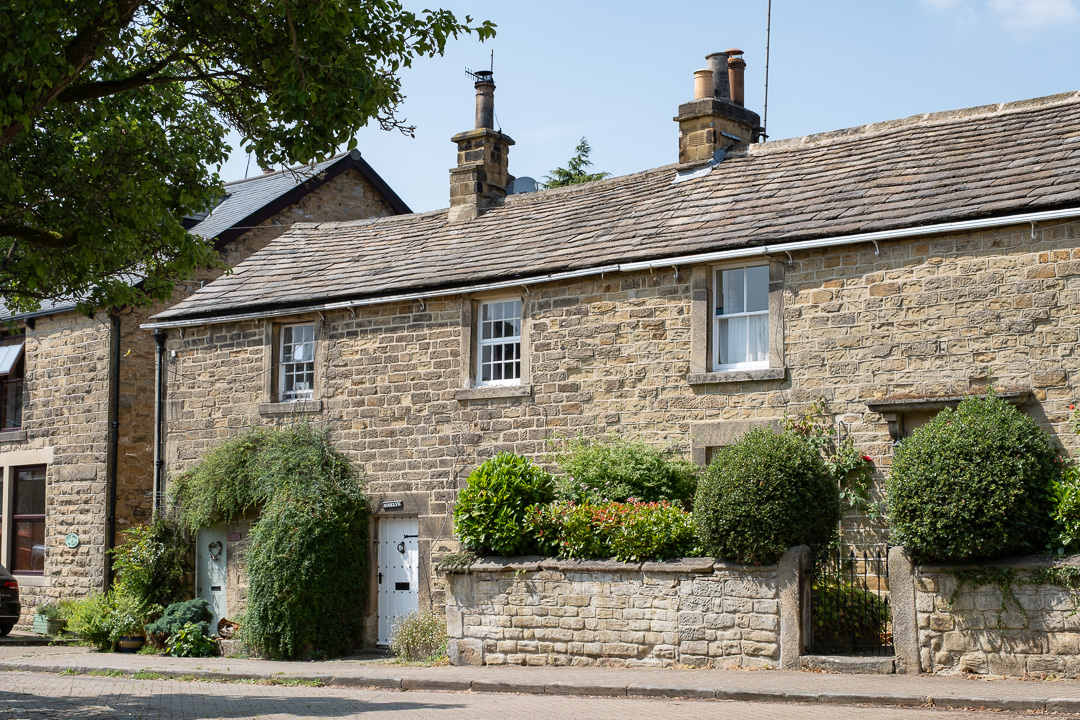
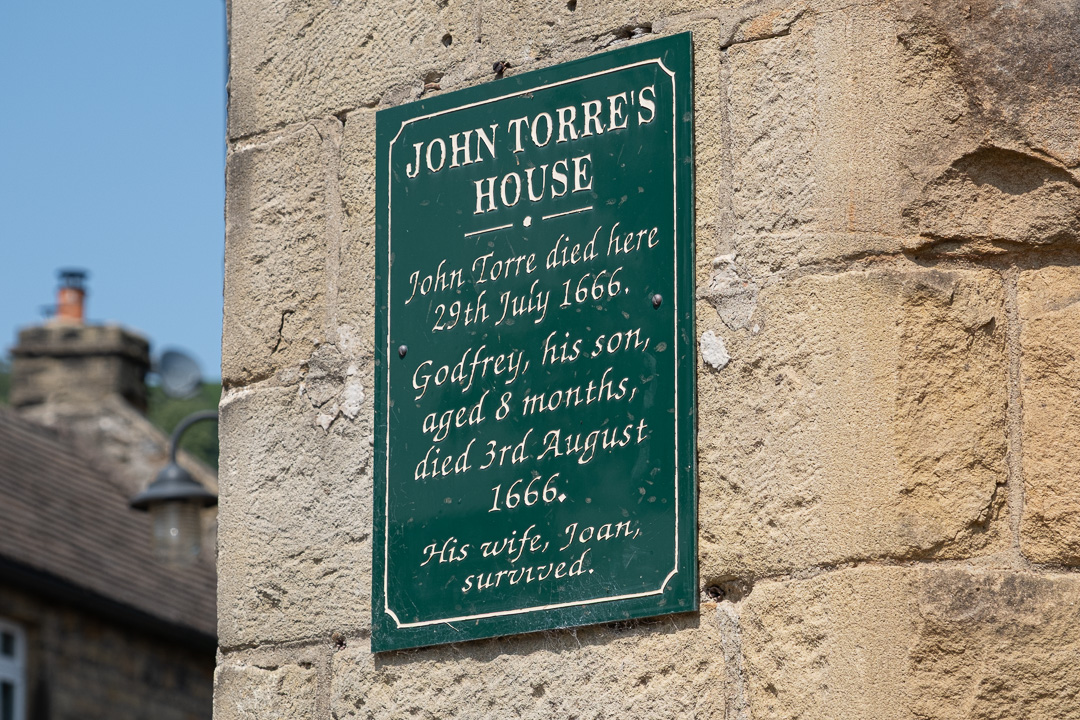
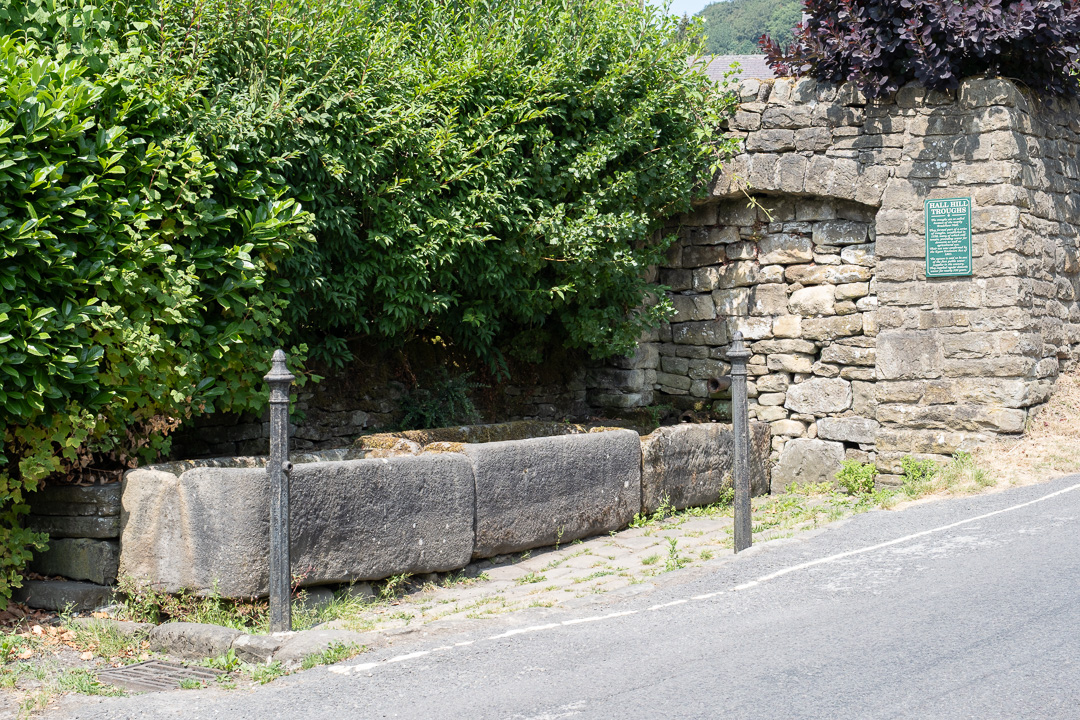
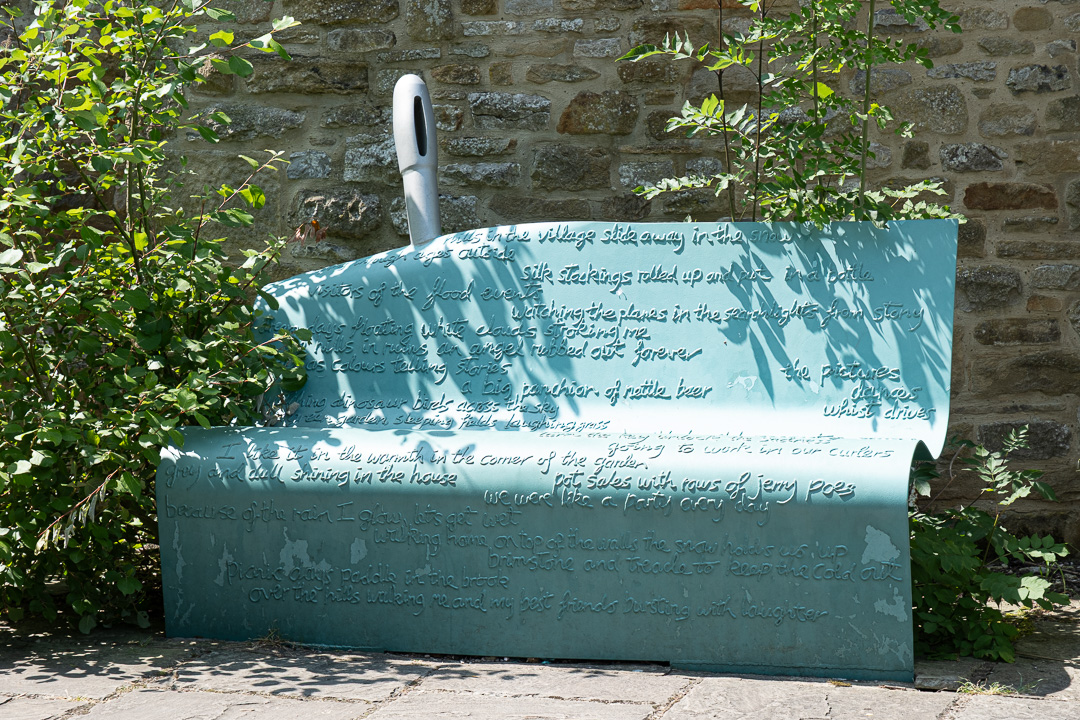
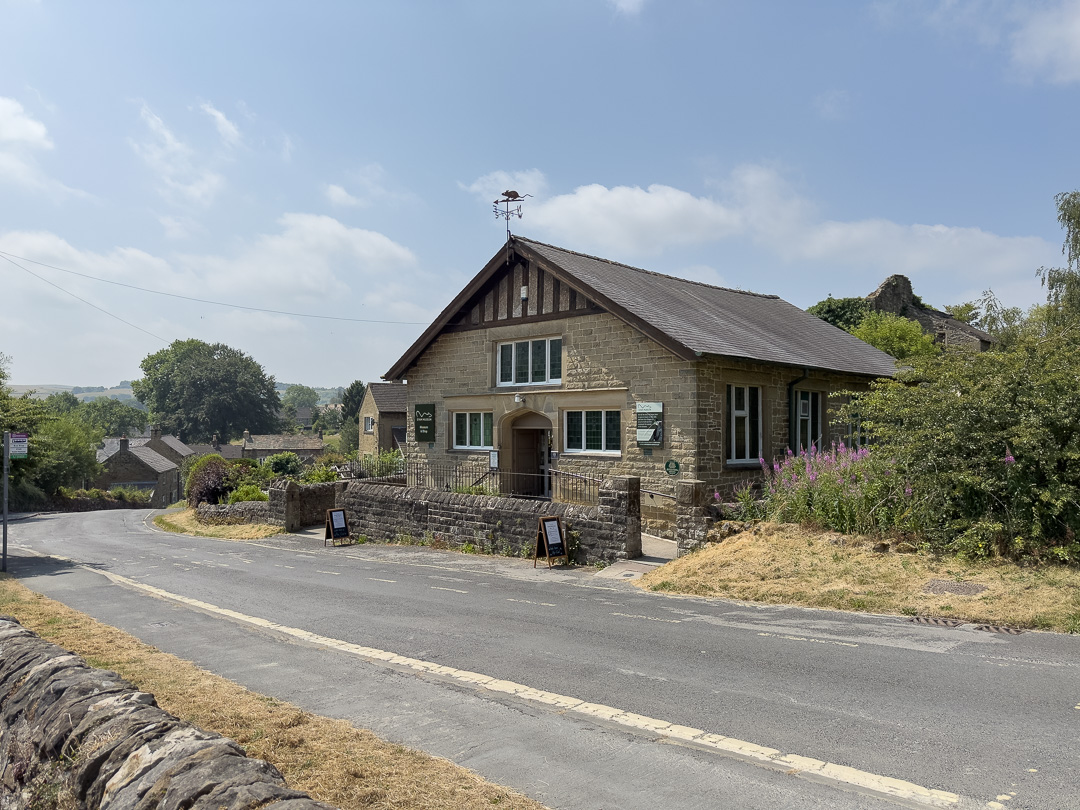
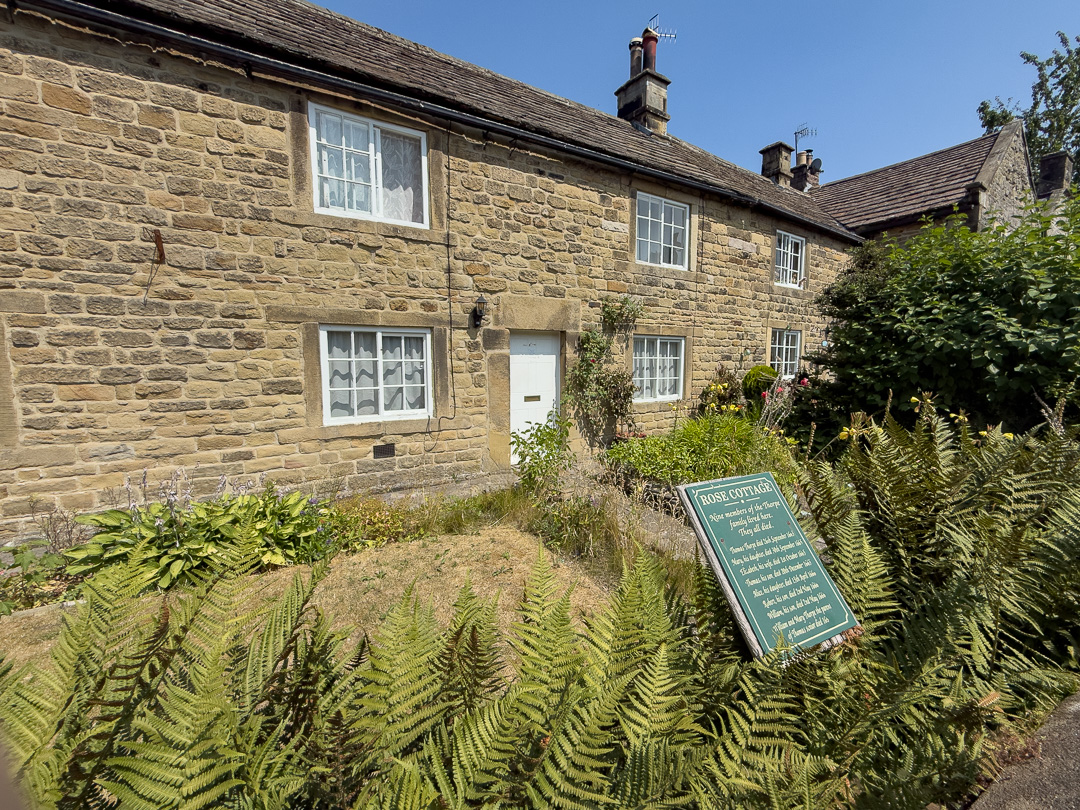
The story of the plague in Eyam is laid out in the village museum, which gives detailed information about many of the families and individuals. As you walk around the village, specific buildings are identified as relevant to the Eyam plague story.
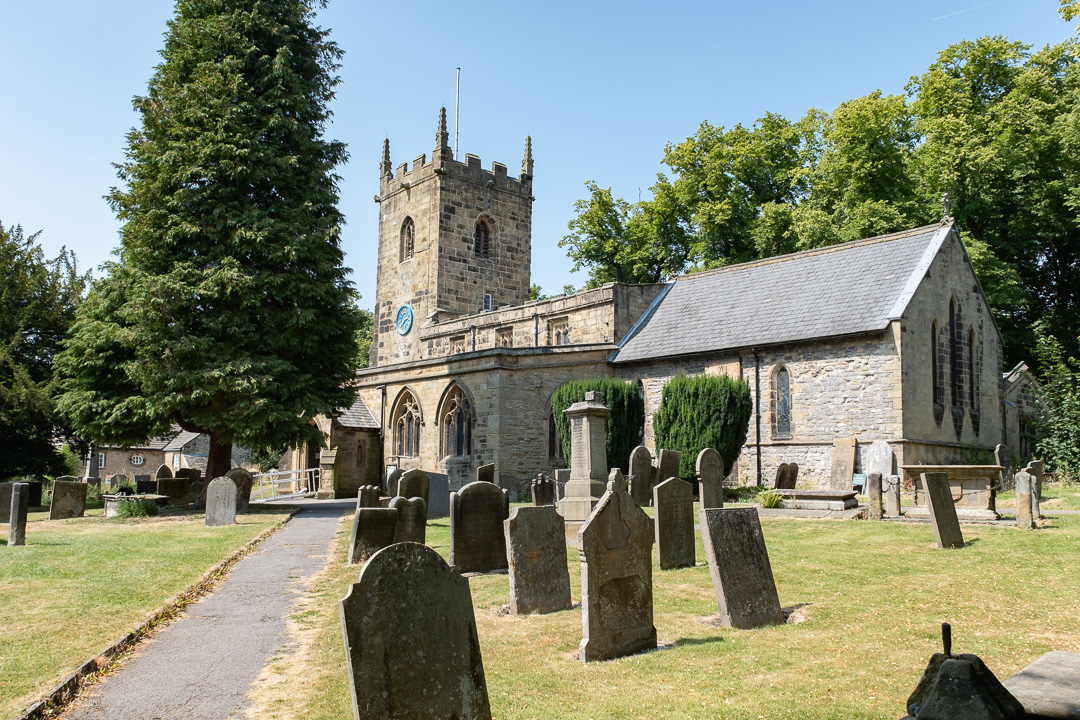
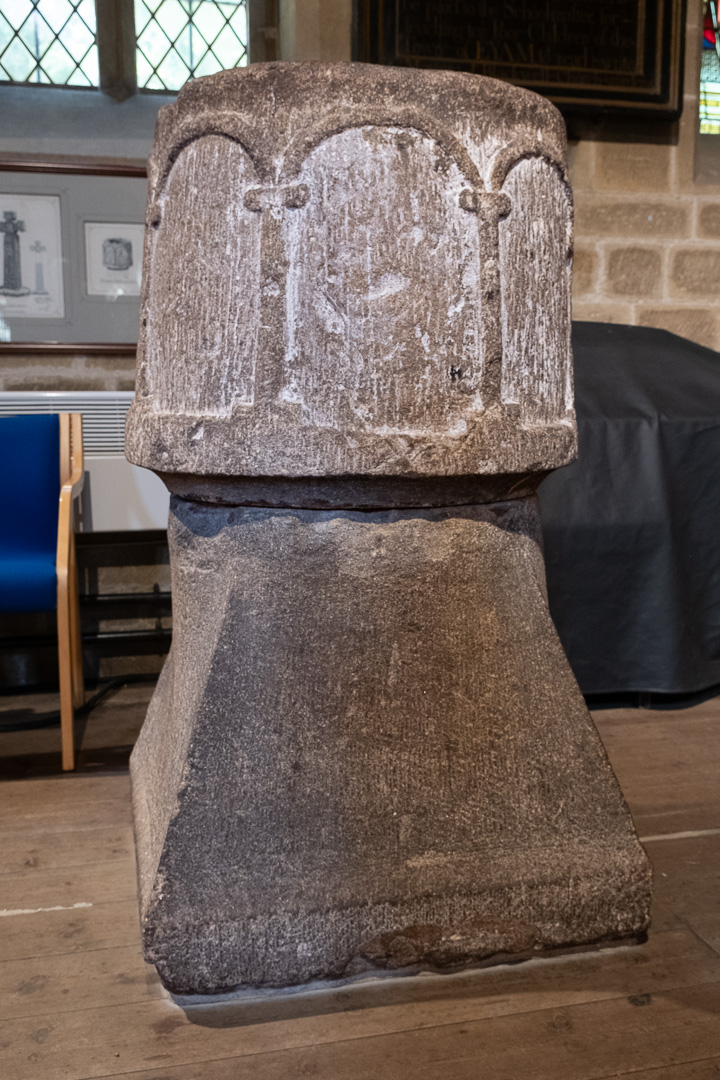
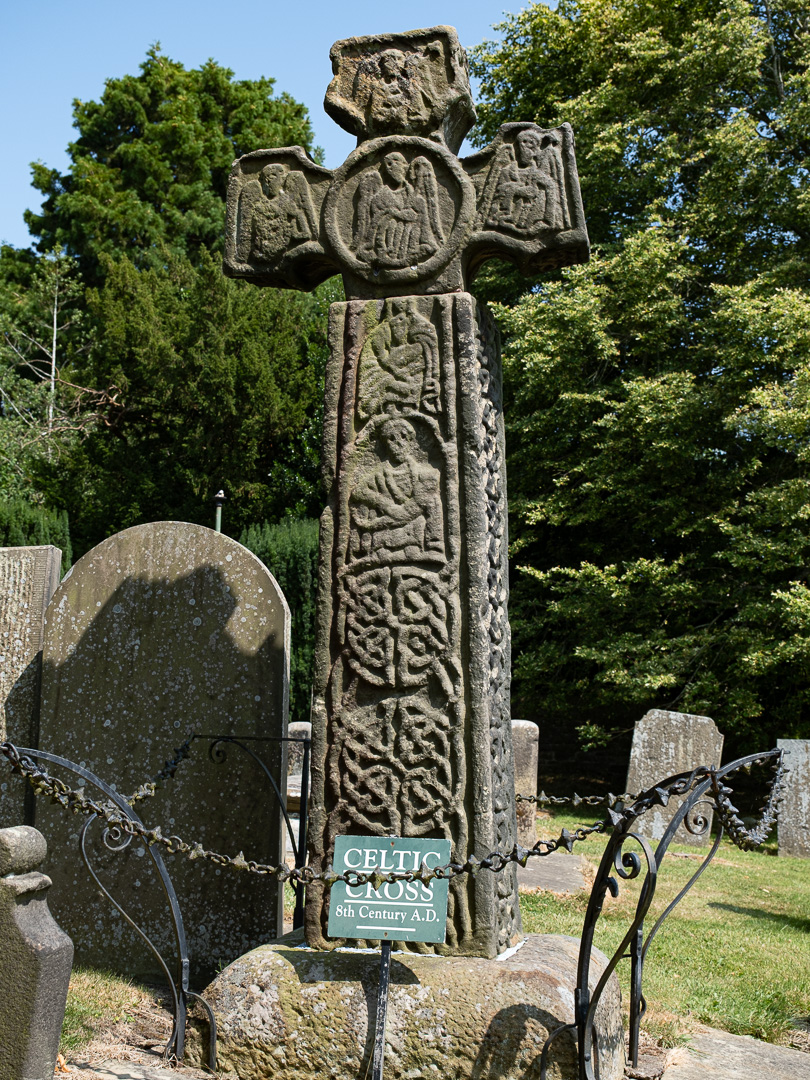
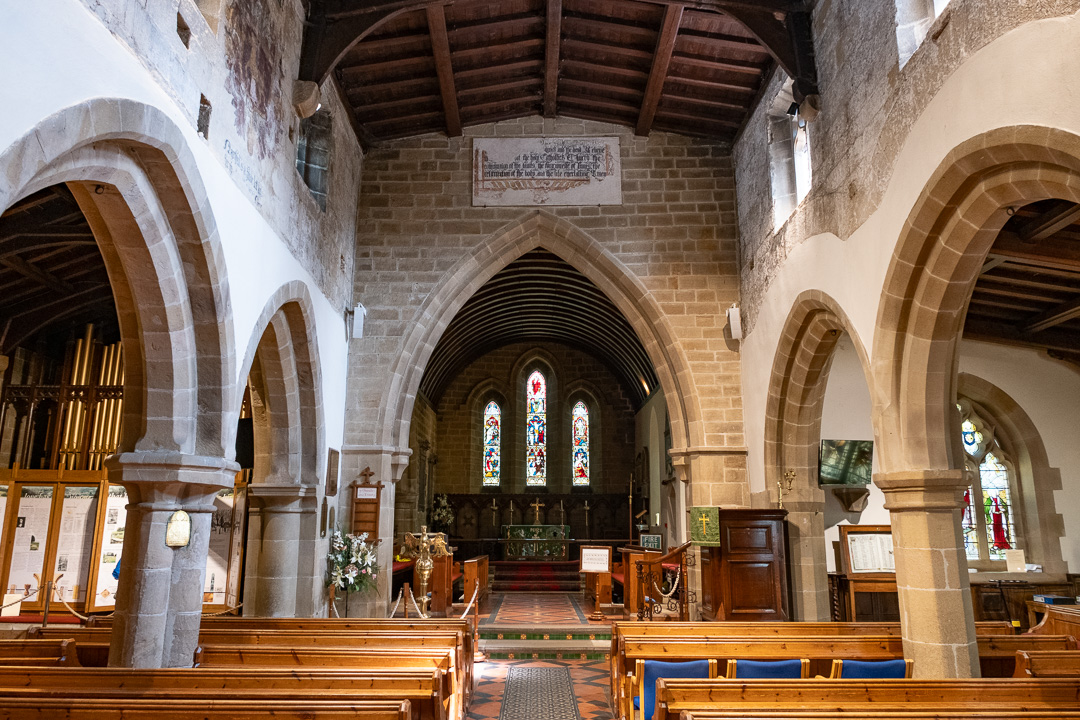
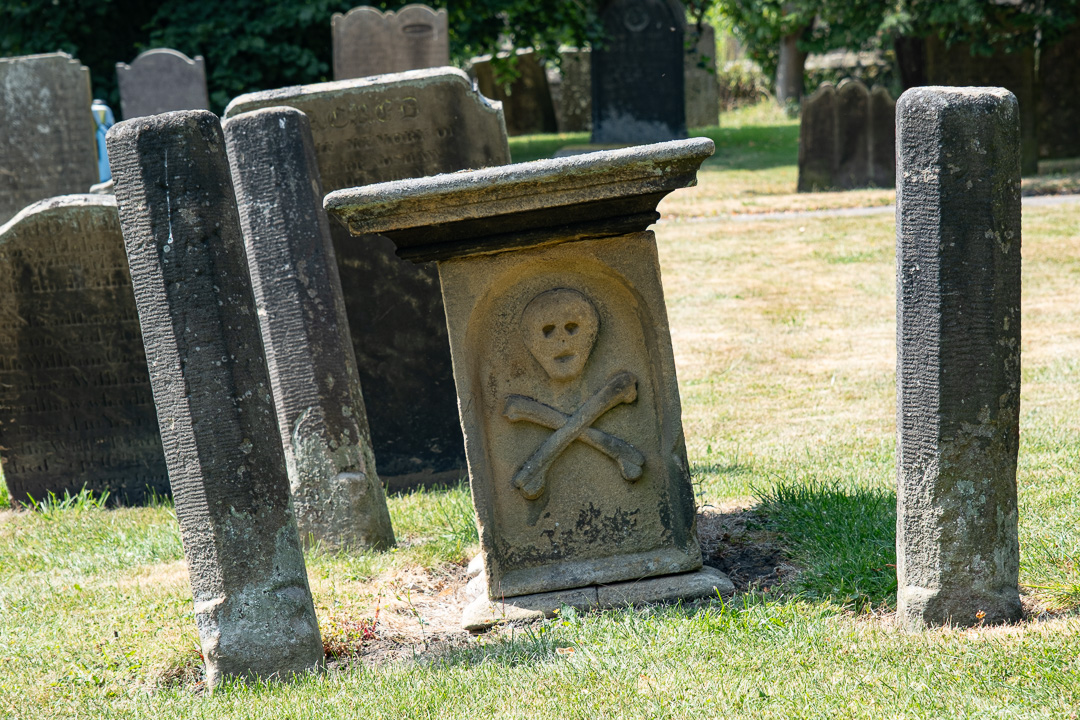
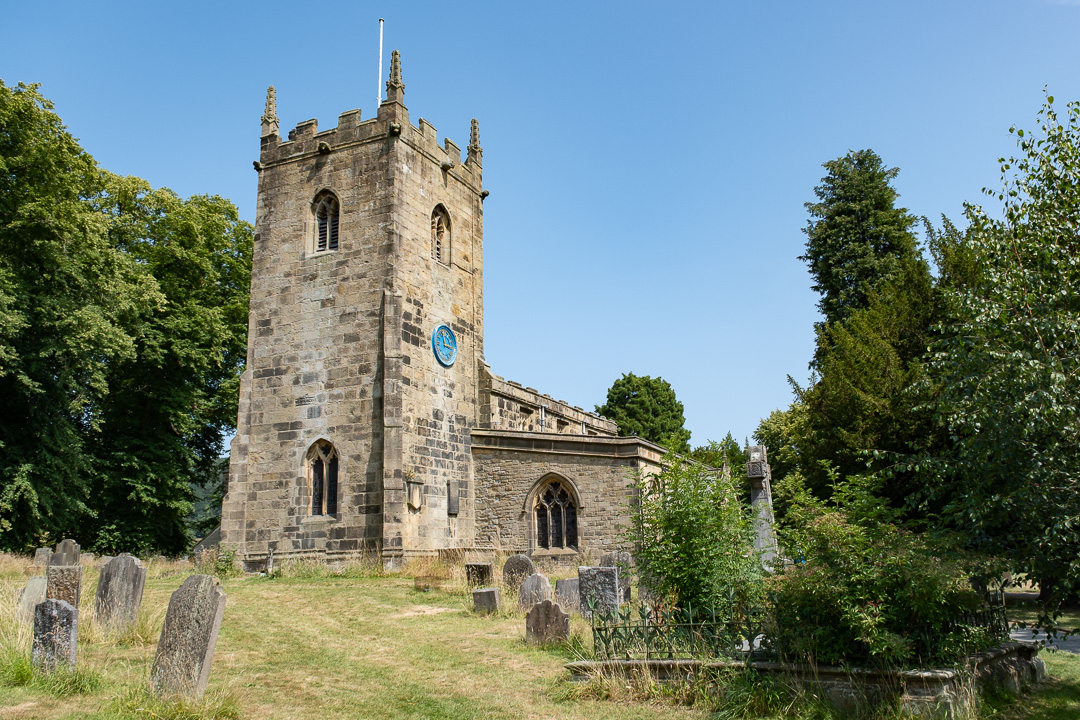
The Parish Church of St Laurence is is medieval, with elements from the 13th and 15th centuries.
That is all for now. TTFN and see-u-later.

